Guide
‘Meltdown: Three Mile Island’ Unpacks the Worst Nuclear Incident in America
The plant came within 30 minutes of a complete meltdown.
By Aramide Tinubu
May 7, 2022
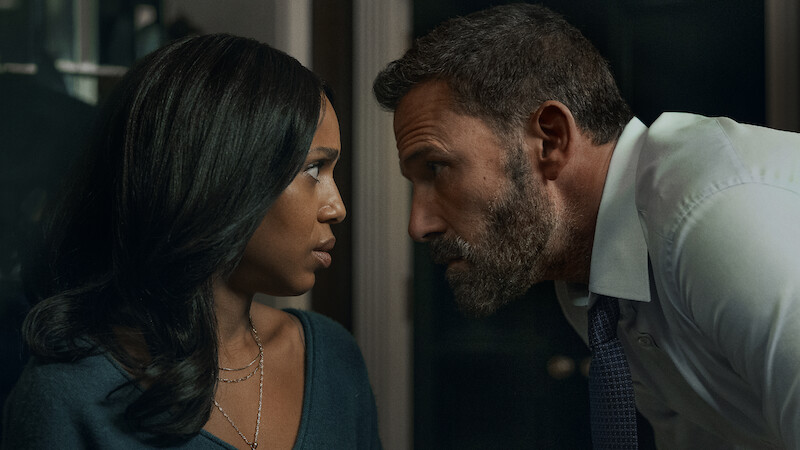
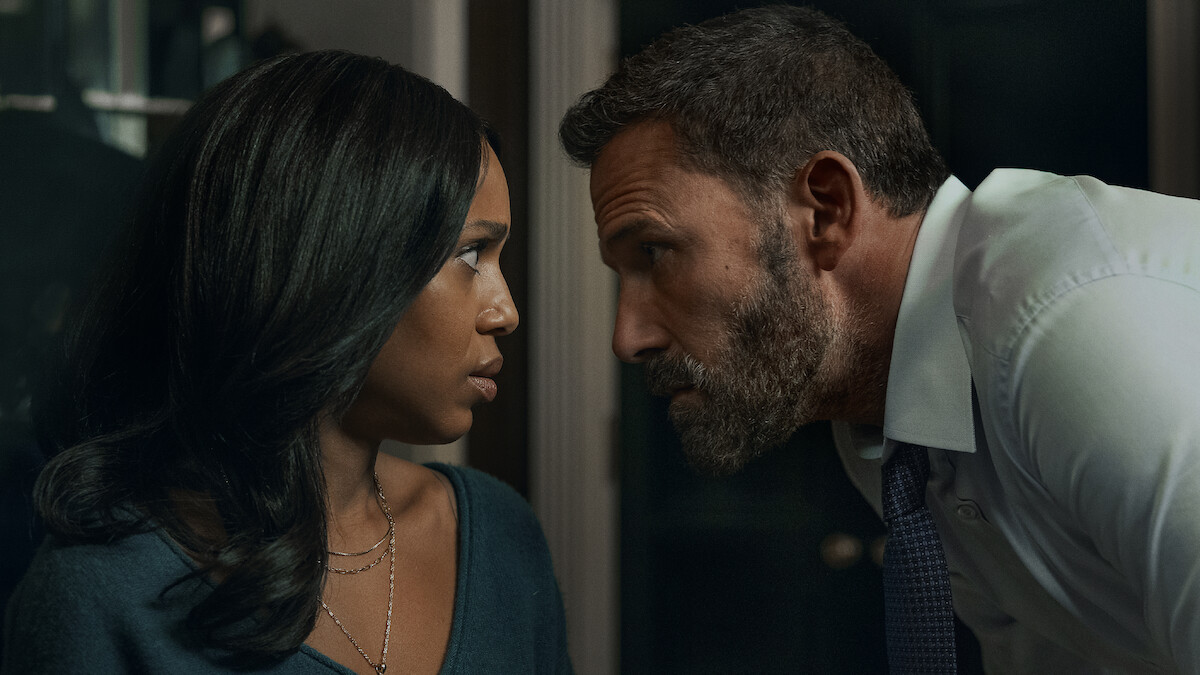
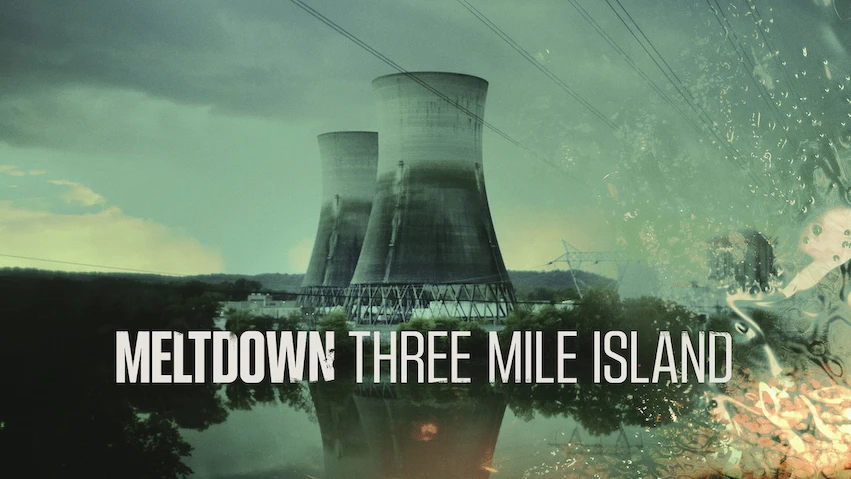
In Meltdown: Three Mile Island, Academy Award–nominated director Kief Davidson documents the near-catastrophe that took place in Middletown, Pennsylvania, on March 28, 1979.
The limited series recreates what happened minute by minute at the Three Mile Island nuclear power plant that day and in the aftermath. Had the meltdown not been averted, the residents of Middletown could have experienced the horrors seen at Chernobyl in 1986 and Fukushima in 2011.
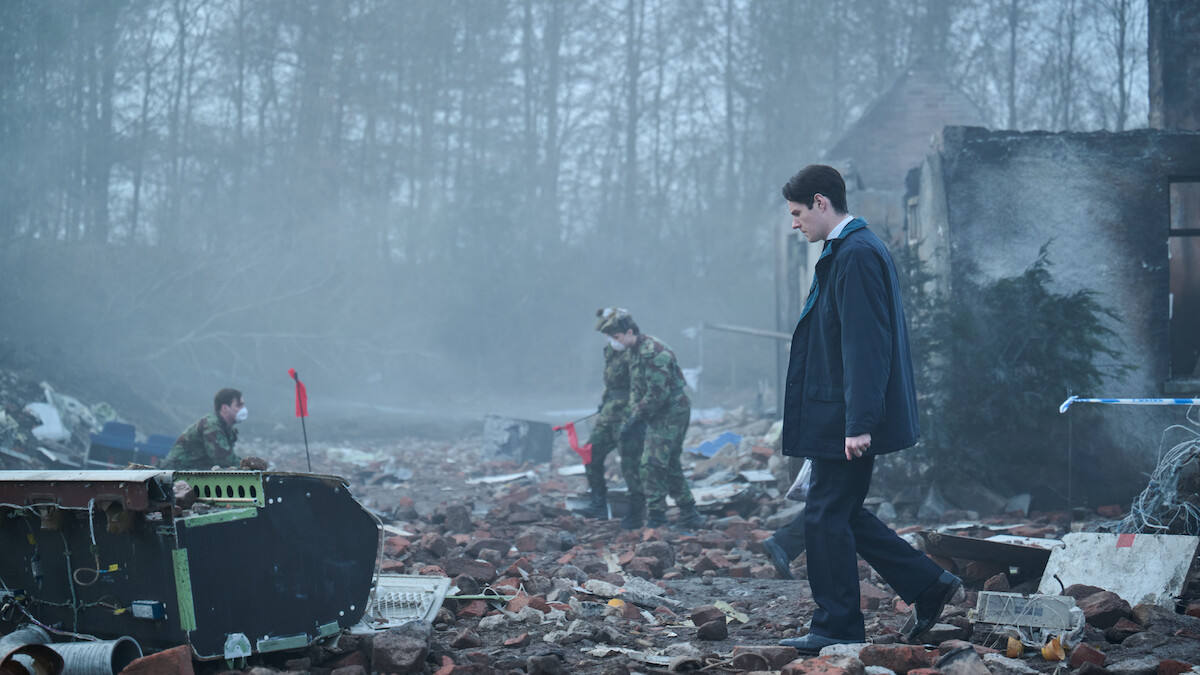
Using archival footage and reenactments, Davidson peels back the layers of a compelling web that includes corrupt corporations, ill-prepared governments, a traumatized community who would take matters into their own hands and a whistleblower who risked everything.
“I believe the lessons of Meltdown resonate far beyond the events of 1979,” Davidson tells Tudum. “Even as we expose the complex web of corporate greed which nearly led to our radioactive ruin, we find the small acts of bravery that changed the course of history. We need to learn from the Three Mile Island disaster as we face the current climate and energy crisis.”
Here’s everything you need to know about Meltdown, which debuts on Netflix this week.
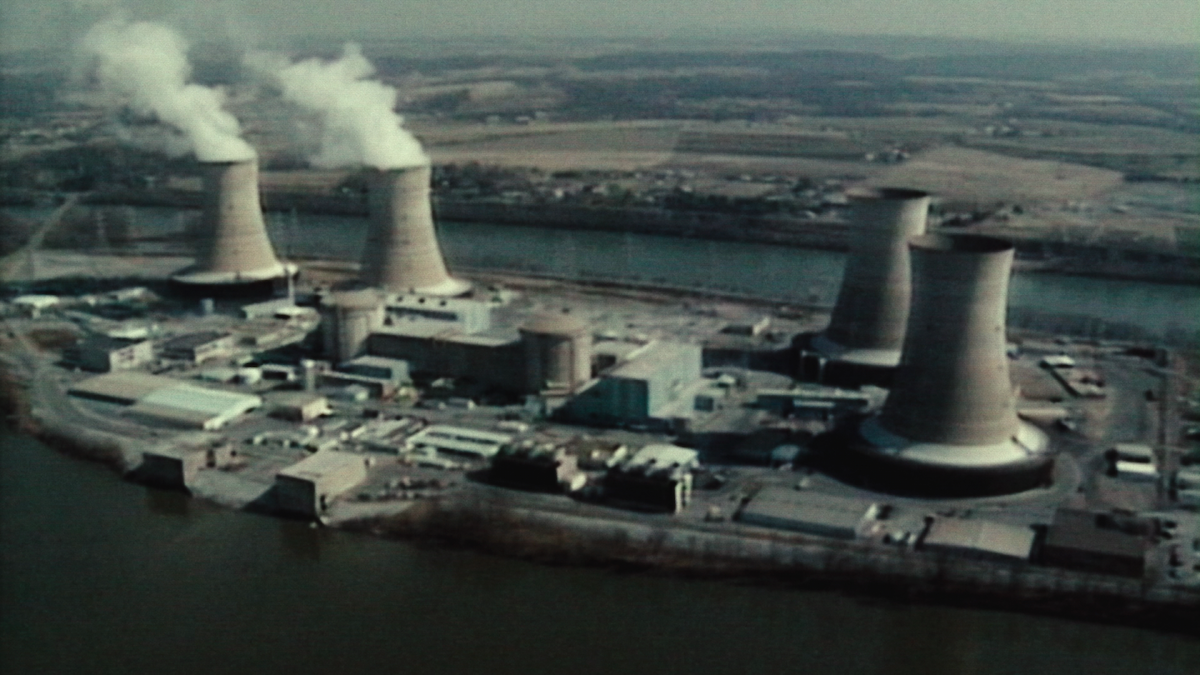
In the 1970s, the United States and the rest of the Western world were in the middle of a major oil crisis. According to Smithsonian magazine, the price of gas had risen some 81% between 1975 and 1988. As a result, nuclear energy was touted as the next tappable energy source. As nuclear plants were built in small towns across America, residents of these towns, including Middletown, saw nuclear energy as a significant sign of progress.
Two nuclear power plant units were constructed on Three Mile Island. Unit 1 began operating without incident in 1974.
However, just three months after it went into operation in 1979, every alarm at Unit 2 began sounding off into the early morning darkness.
After some guesswork, power plant operators and technicians realized that the water needed to cool down the reactor’s radioactive core was no longer circulating. In a panic, they tried everything they could think of to prevent a core meltdown. A similar meltdown had been depicted in the 1979 disaster thriller The China Syndrome, starring Jane Fonda and Michael Douglas. The film’s success amplified the country’s paranoia about nuclear catastrophe.
Though the operators eventually got the water circulating again, the core wasn’t cooling down fast enough. There was a major concern that potentially deadly radiation was being released into the community of Middletown.
As this was occurring, power company Metropolitan Edison and the federal Nuclear Regulatory Commission (NRC) assured then-Pennsylvania governor Richard Thornburgh and Middletown residents that everything was under control.
However, panic still ensued, and Thornburgh eventually called for a partial evacuation for pregnant people and young children in the days following. Plant operators also discovered a potentially explosive hydrogen bubble, which thankfully didn’t explode. Though the community resumed their lives just 10 days after the incident, evidence from the cleanup effort, which began one year later, in June 1980, found that the plant had come within 30 minutes of a complete meltdown. Worse still, Three Mile Island plant owner General Public Utilities and the NRC knew about all of this and tried to hide it.
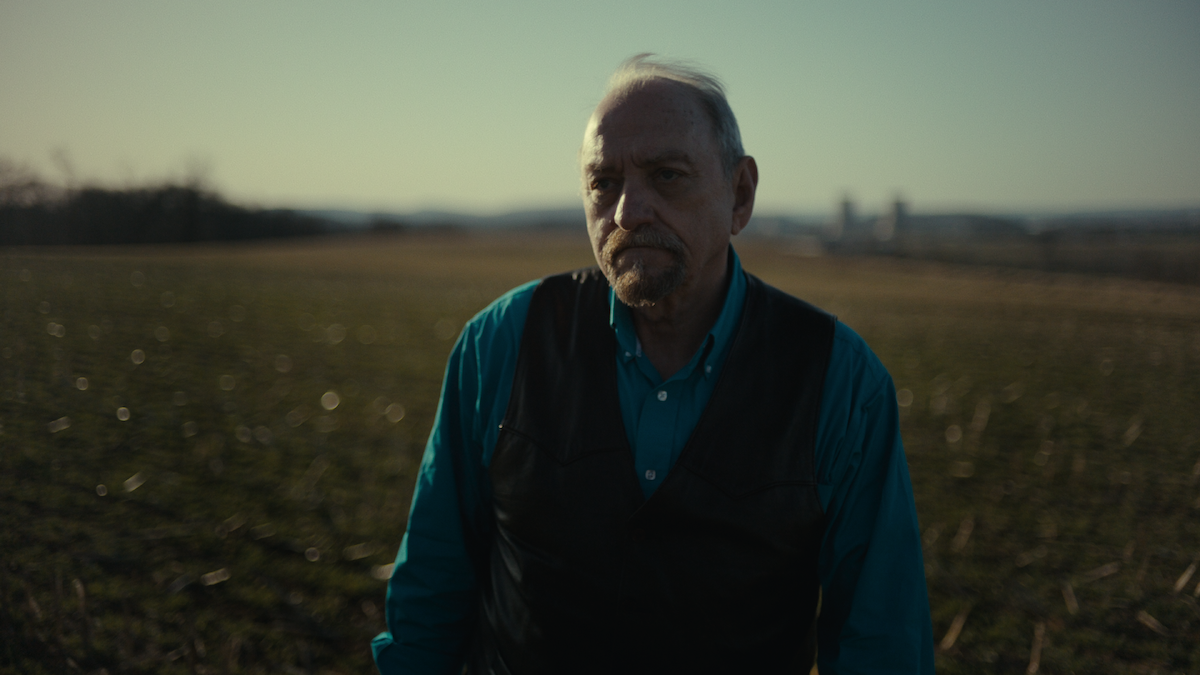
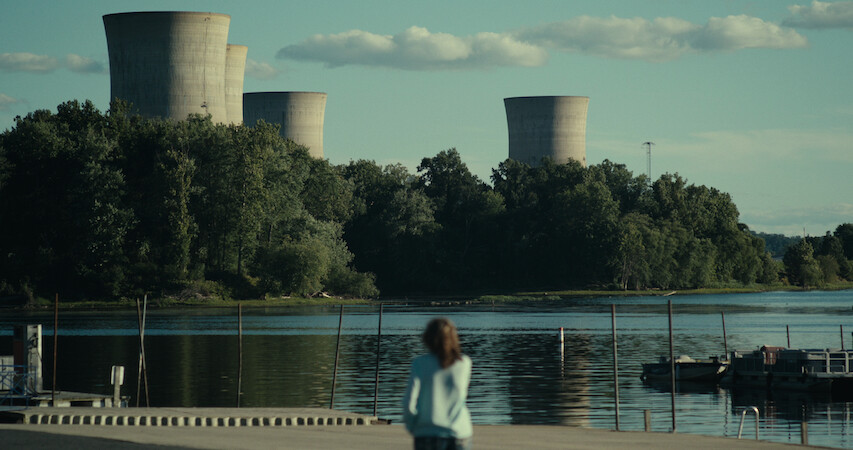
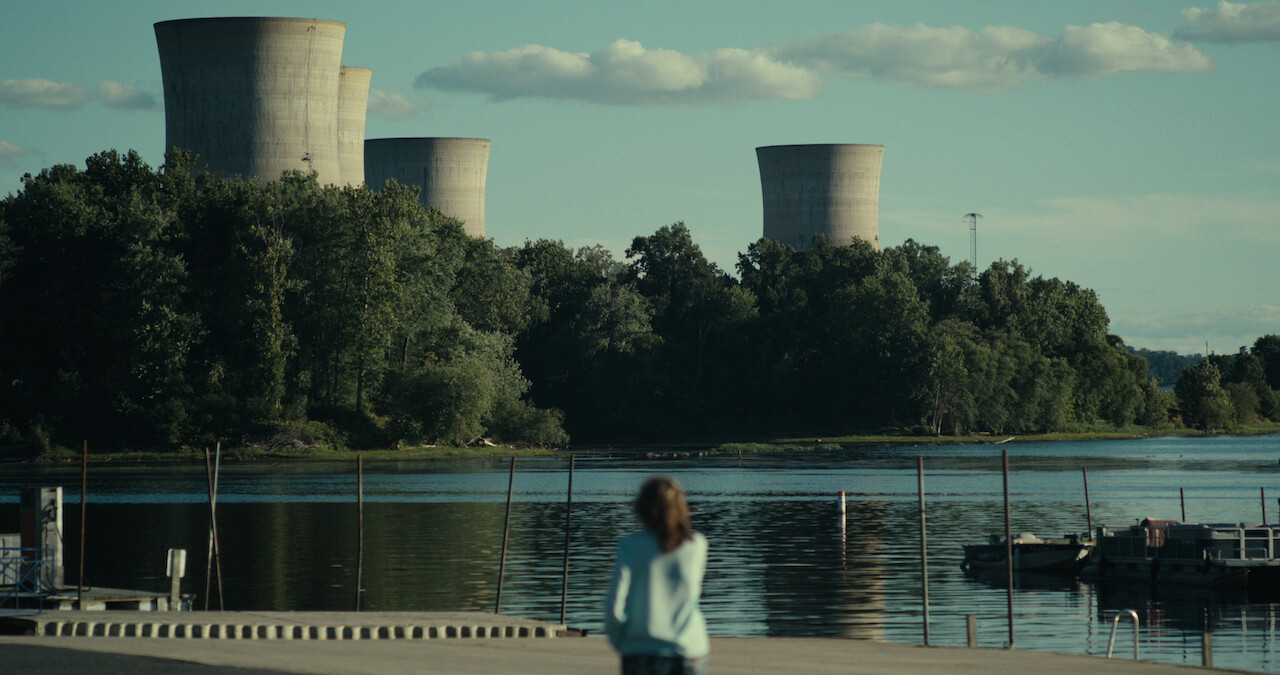
The residents of Middletown, Pennsylvania Middletown is a small town of fewer than 10,000 residents that sits along the east shore of the Susquehanna River. Middletown was an ideal location for Three Mile Island. The river provided all of the cooling needed for the power plant.
Residents Nicole Remsburg, Joyce Corradi and Paula Kinney remember the plant as a staple in the community. They recall that only the river, a railroad and a short two-lane road stood between the plant and the homes of residents.
General Public Utilities General Public Utilities owned and operated Units 1 and 2 at Three Mile Island.
Nuclear Regulatory Commission Created in 1974 by Congress, the NRC aims to “ensure the safe use of radioactive materials for beneficial civilian purposes while protecting people and the environment.”
Following the incident at Three Mile Island, then-President Jimmy Carter deployed the NRC to uncover what happened. However, the NRC initially concluded that the incident boiled down to human error.
Lake Barrett Lake Barrett was the project lead for the NRC during the post-accident’s cleanup.
Bechtel General Public Utilities employed the independent engineering, construction and project management company Bechtel to clean up the rubble and radioactive residue from the disaster.
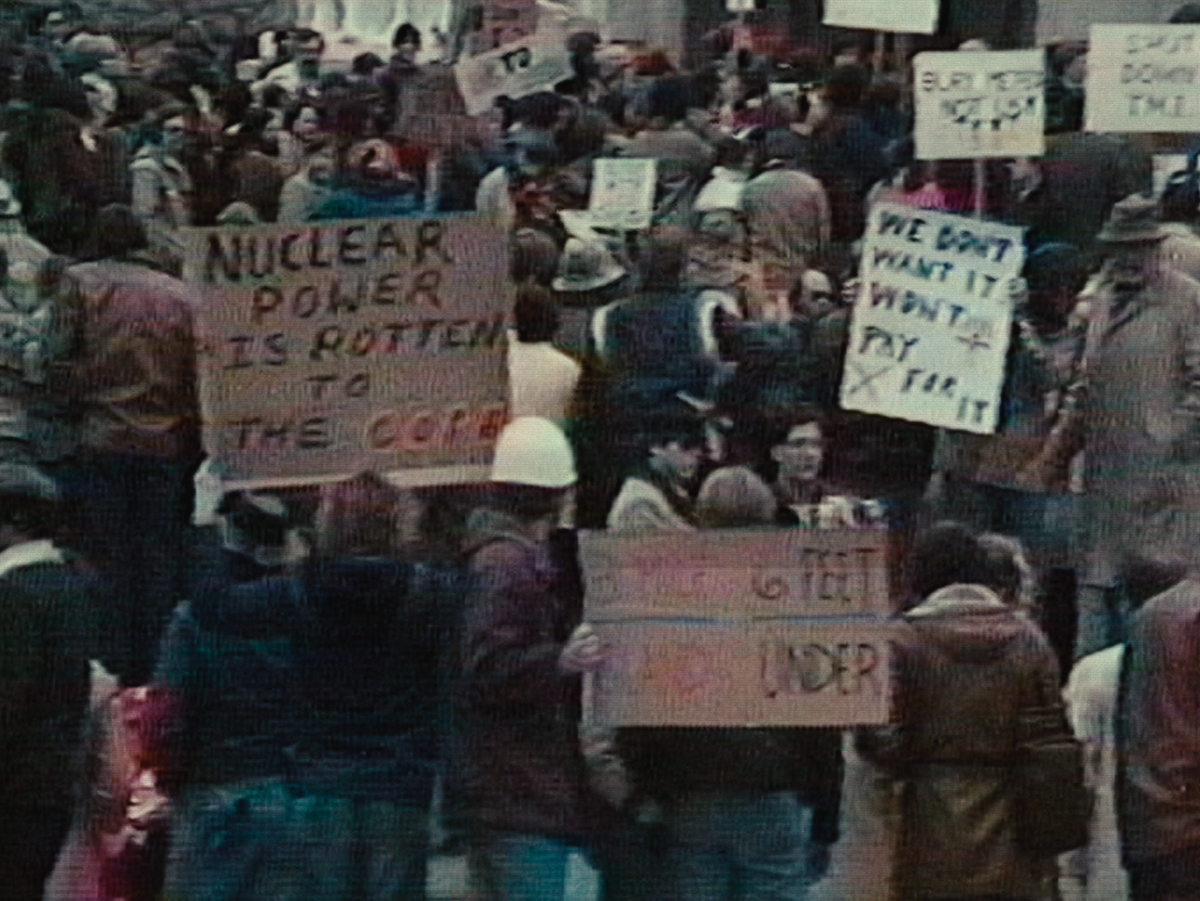
Rick Parks Rick Parks was a nuclear power plant operator and naval man with extensive knowledge of radioactive energy. In June 1980, he moved to Middletown to join the cleanup crew for Three Mile Island. However, as things progressed, he became concerned that Bechtel was ignoring major safety issues to stay on schedule for General Public Utilities payments.
When Bechtel announced they would be lifting the lid off the Unit 2 core to repair it without testing the newly rebuilt polar crane, Parks’ concerns became dire. He knew that if the crane broke, the entirety of the East Coast of the United States would be contaminated and forced to evacuate.
As his superiors continued to dismiss his concerns, Parks decided that he had to go public with what he knew. His testimony would change everything for the energy industry.