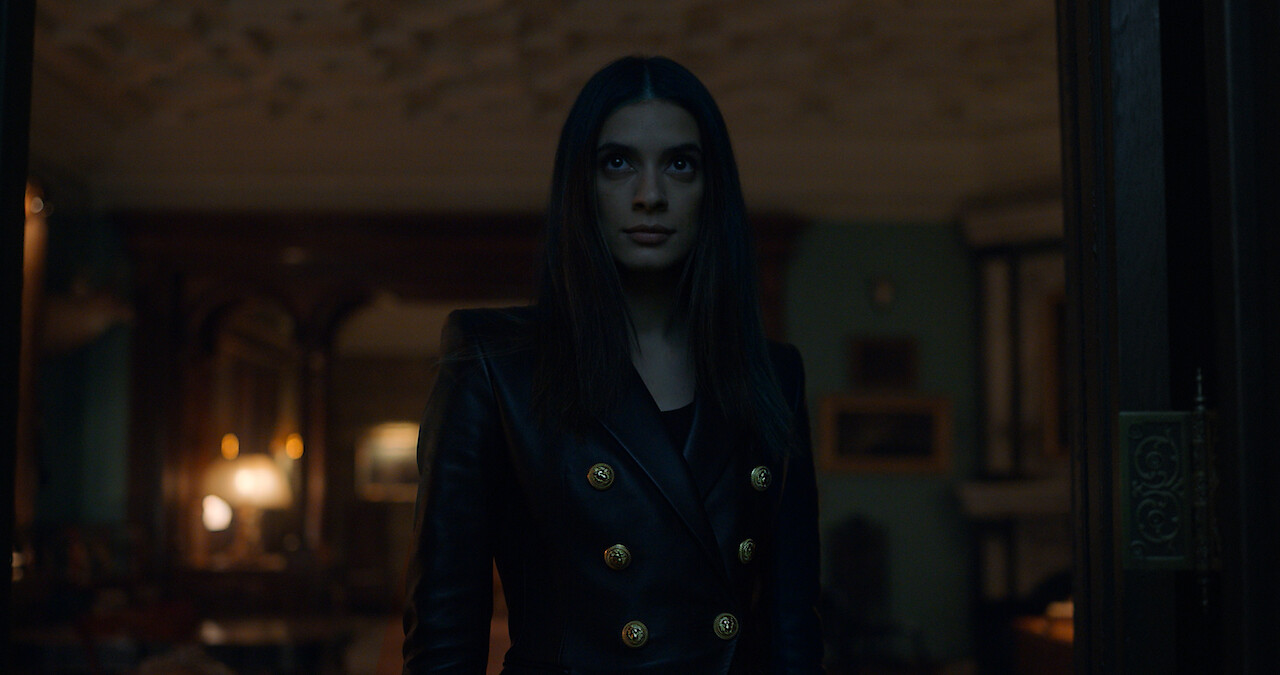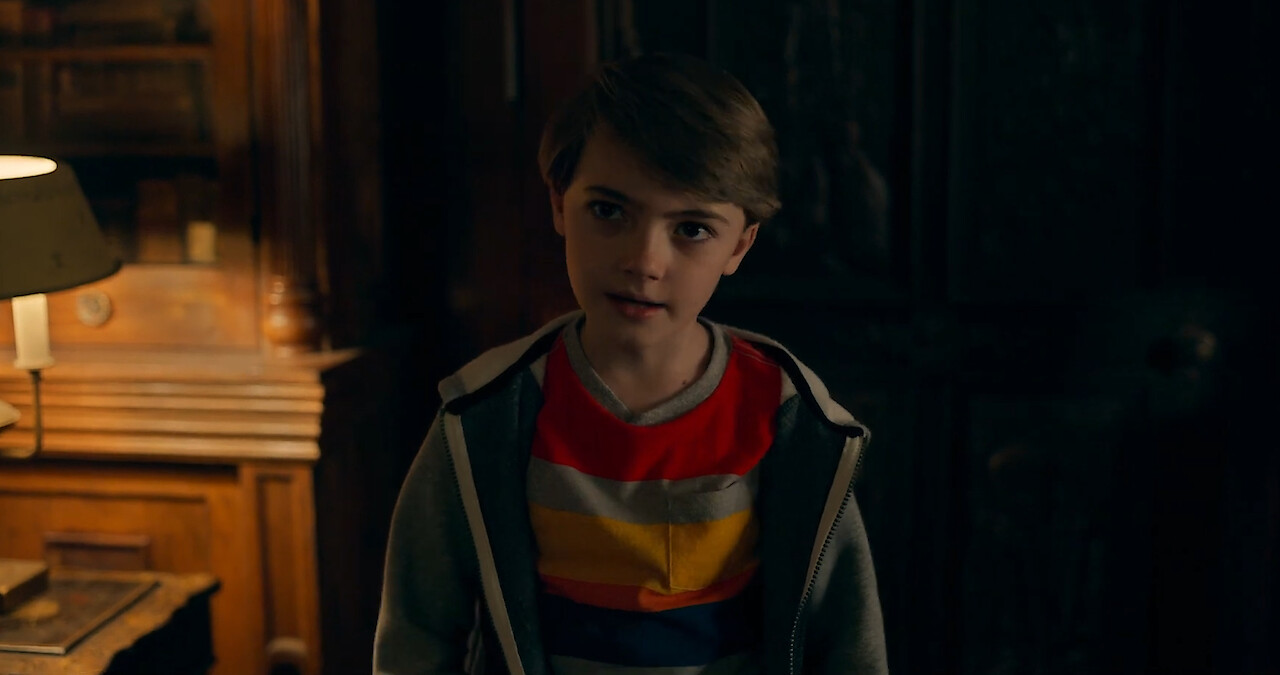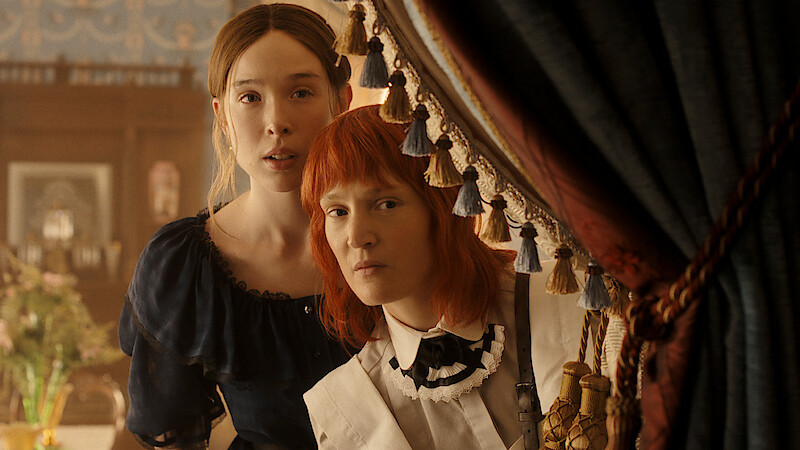
Amanda Matlovich/Netflix
Burning Questions
‘Locke & Key’ Showrunners Explain the Series Ending
We finally understand why the Lockes did what they did.
By Olivia Harrison
Aug. 15, 2022
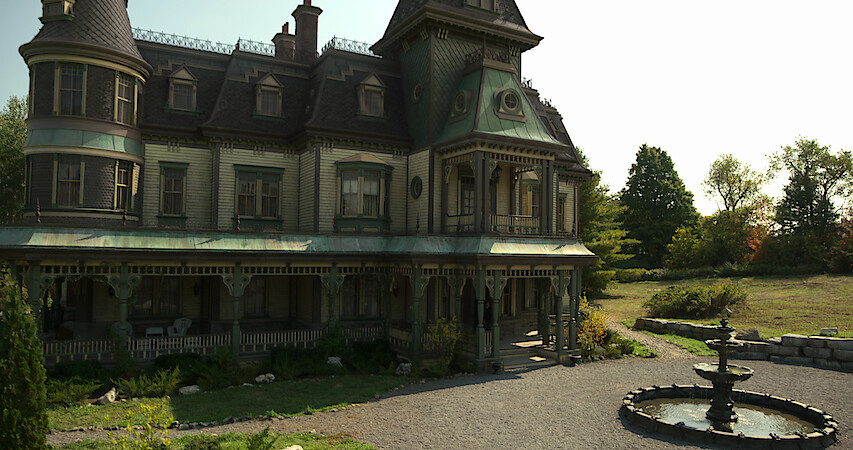
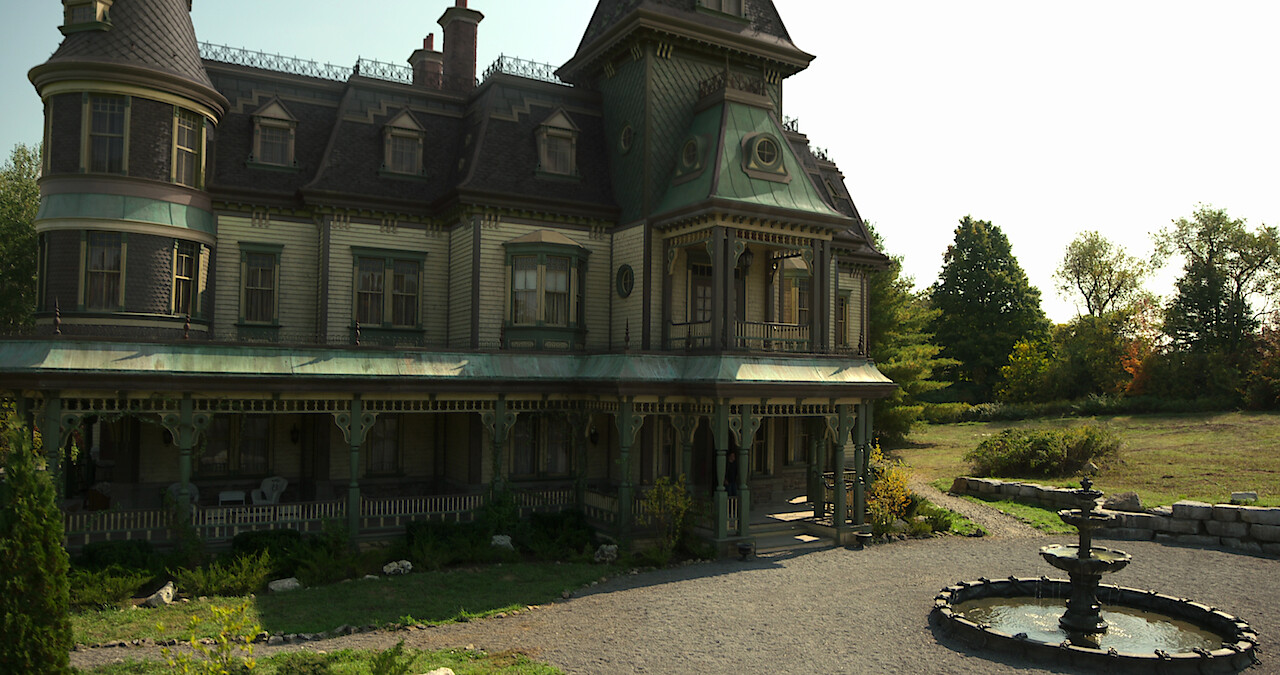
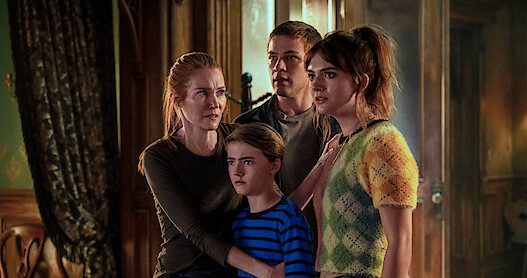
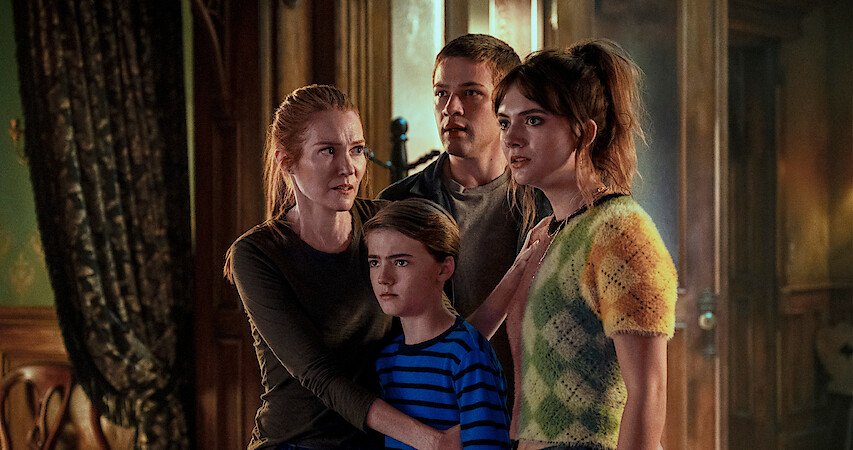
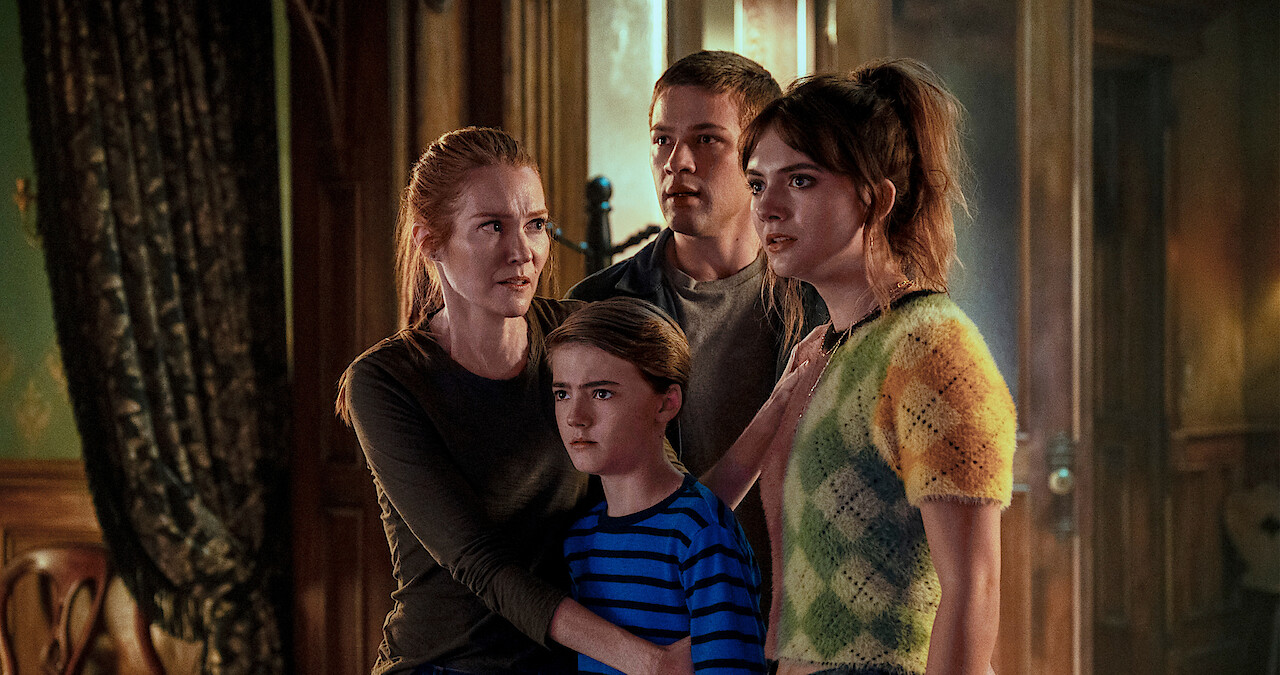
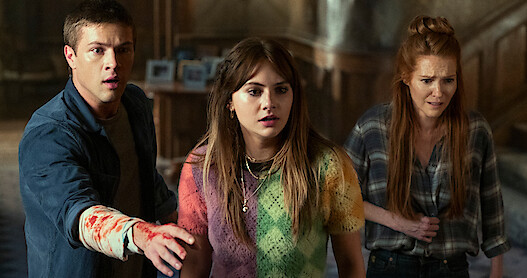
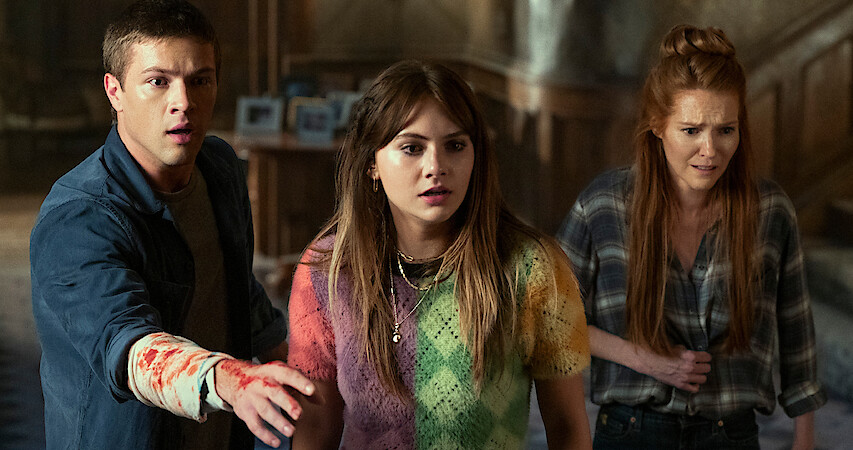
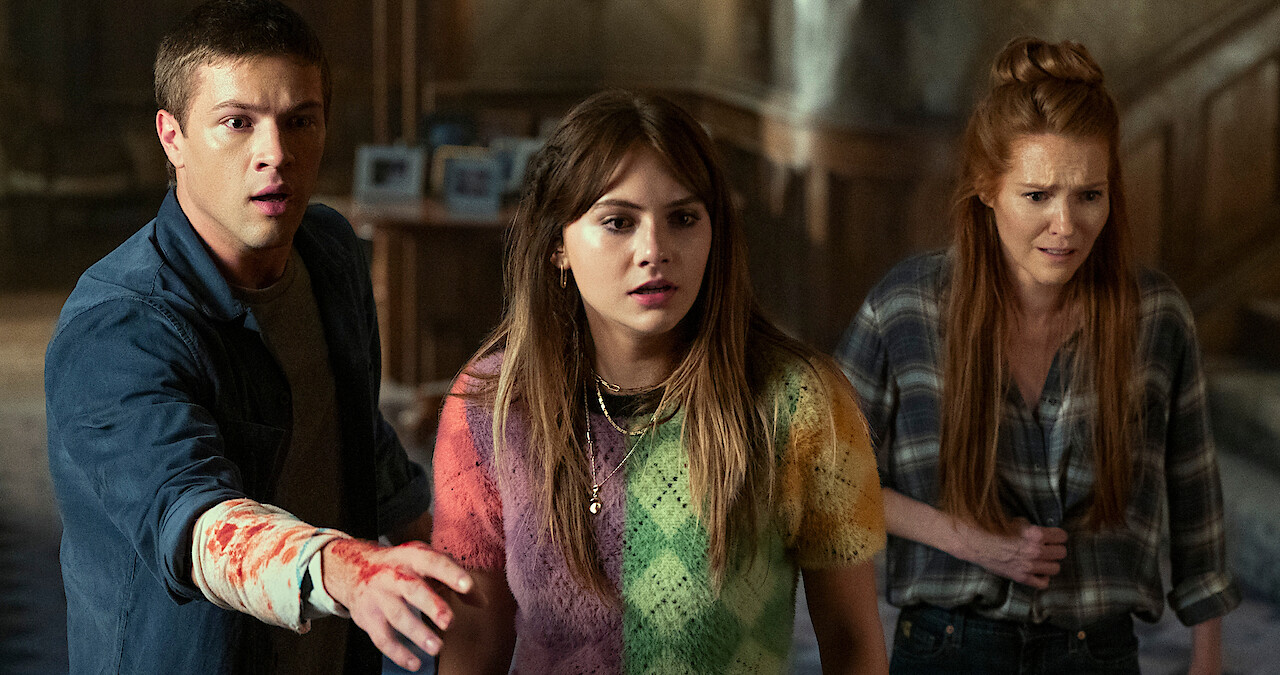
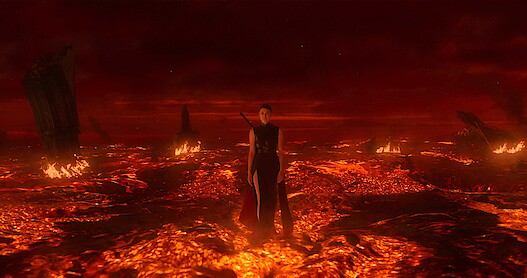
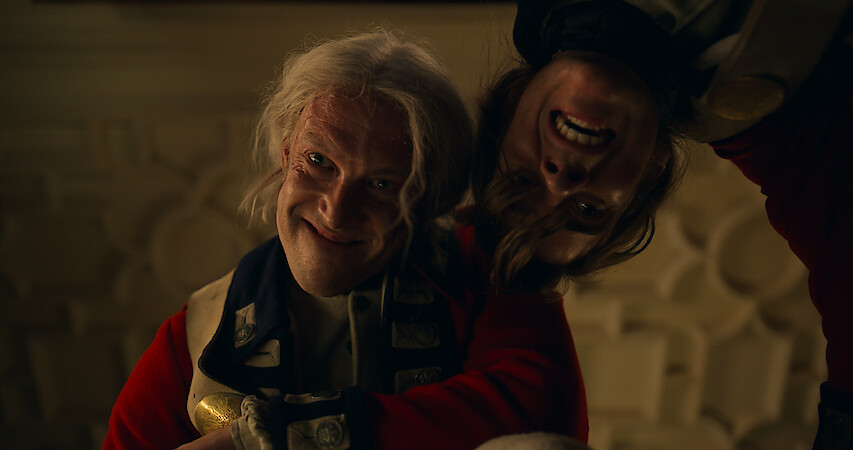
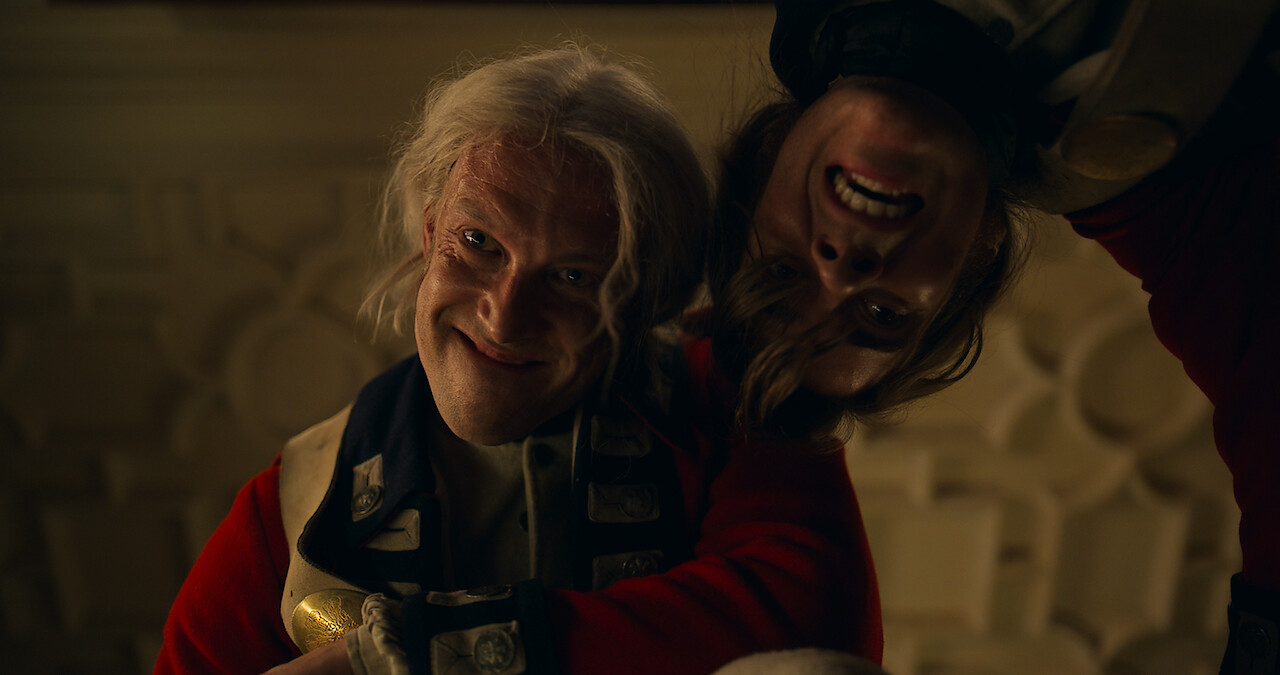
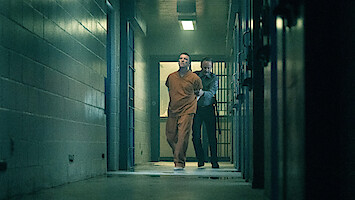
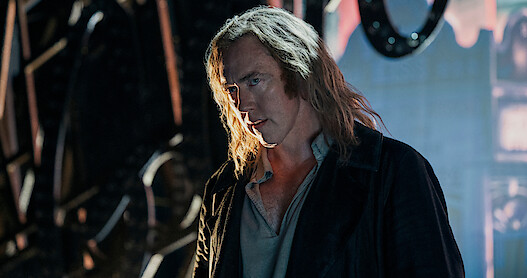
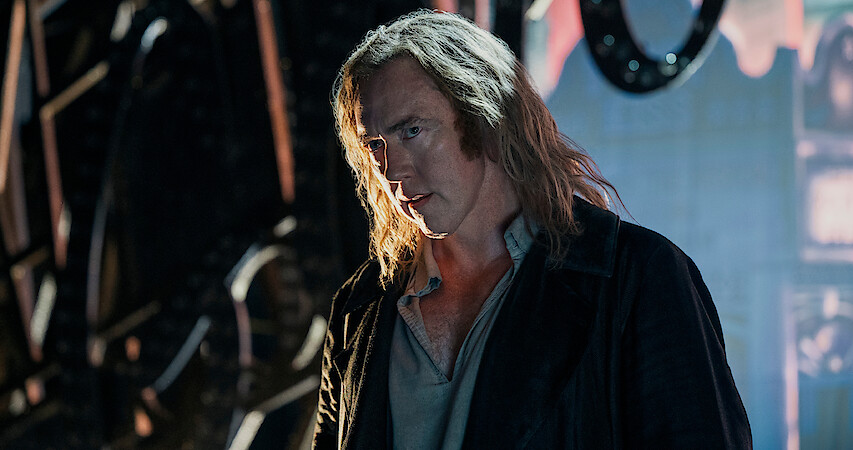
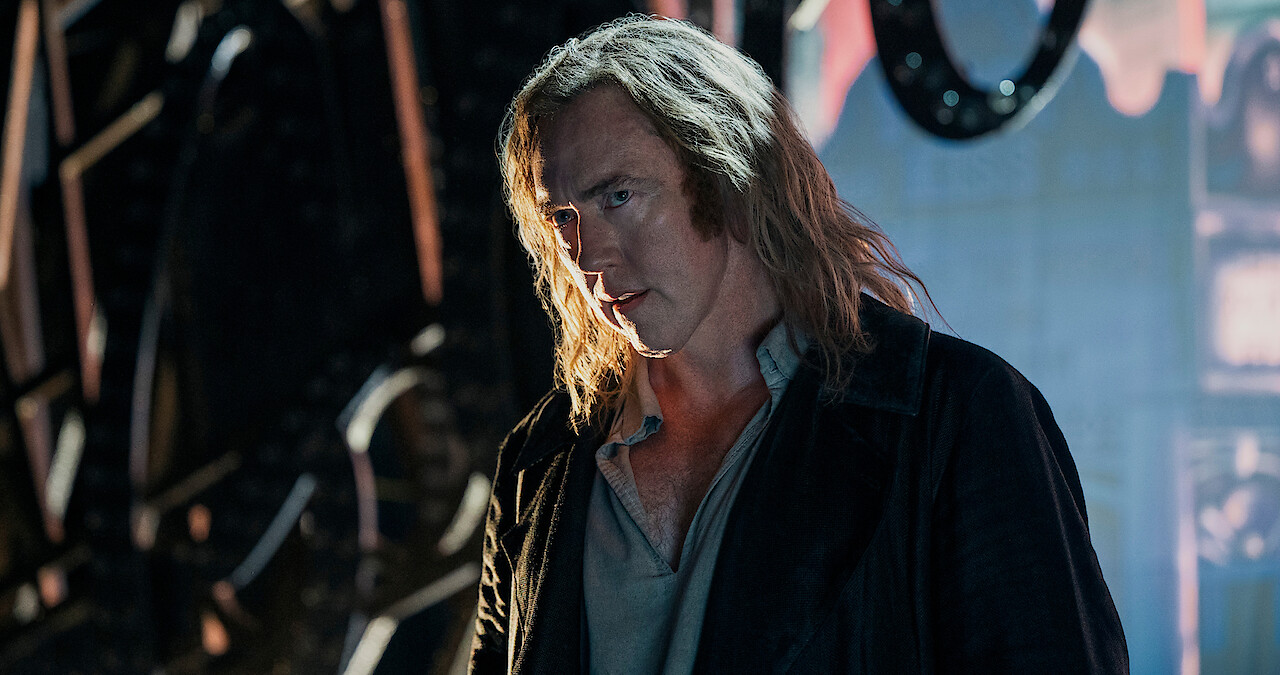
Capt. Frederick Gideon (Kevin Durand) is by far the most sinister villain in Locke & Key. Even the demon Dodge, who torments the Locke family throughout the series’ first two seasons, wants nothing to do with the guy. In the final episode of the show’s final season, the possessed 18th-century British soldier is finally defeated when Kinsey Locke (Emilia Jones) stabs him in the chest with the Alpha Key. Then Nina Locke (Darby Stanchfield) pushes the demon into a portal he created in the middle of Keyhouse, which leads back to the evil dimension from which he came. This triumph, though, isn’t where the series ends.
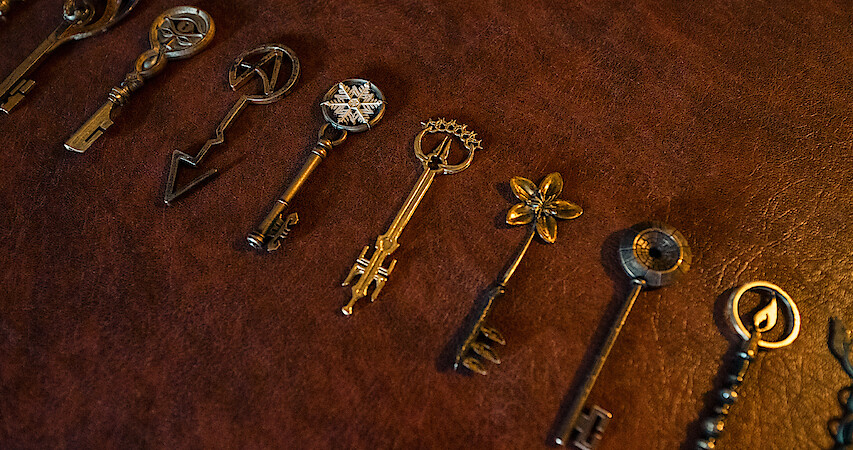
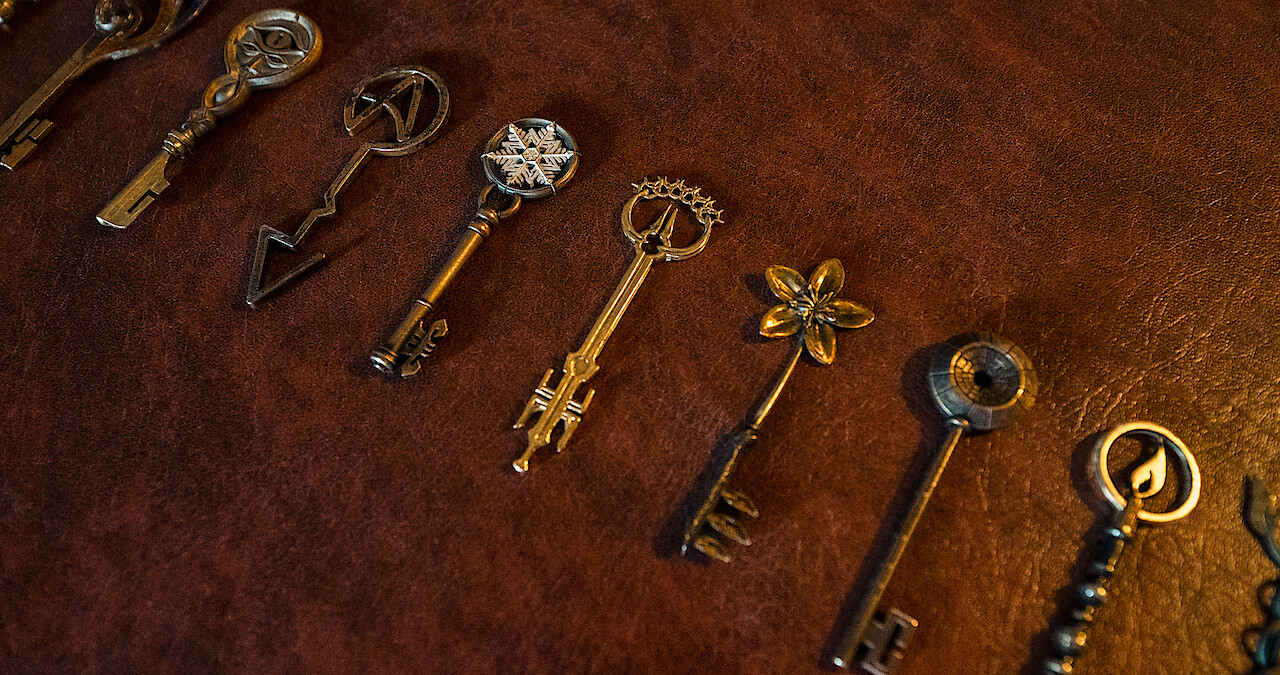
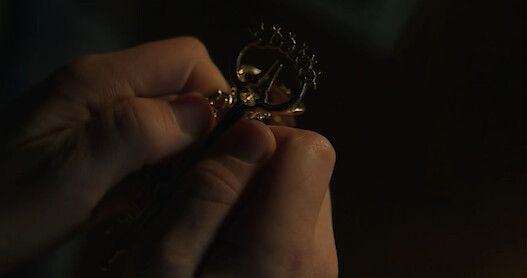
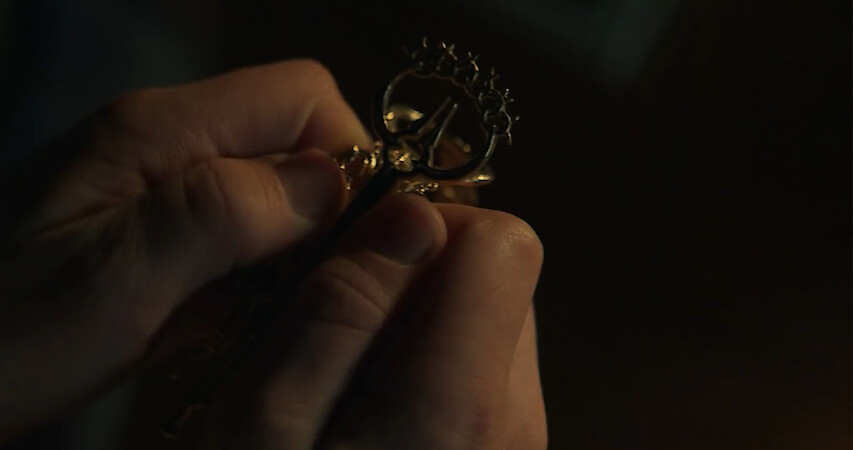
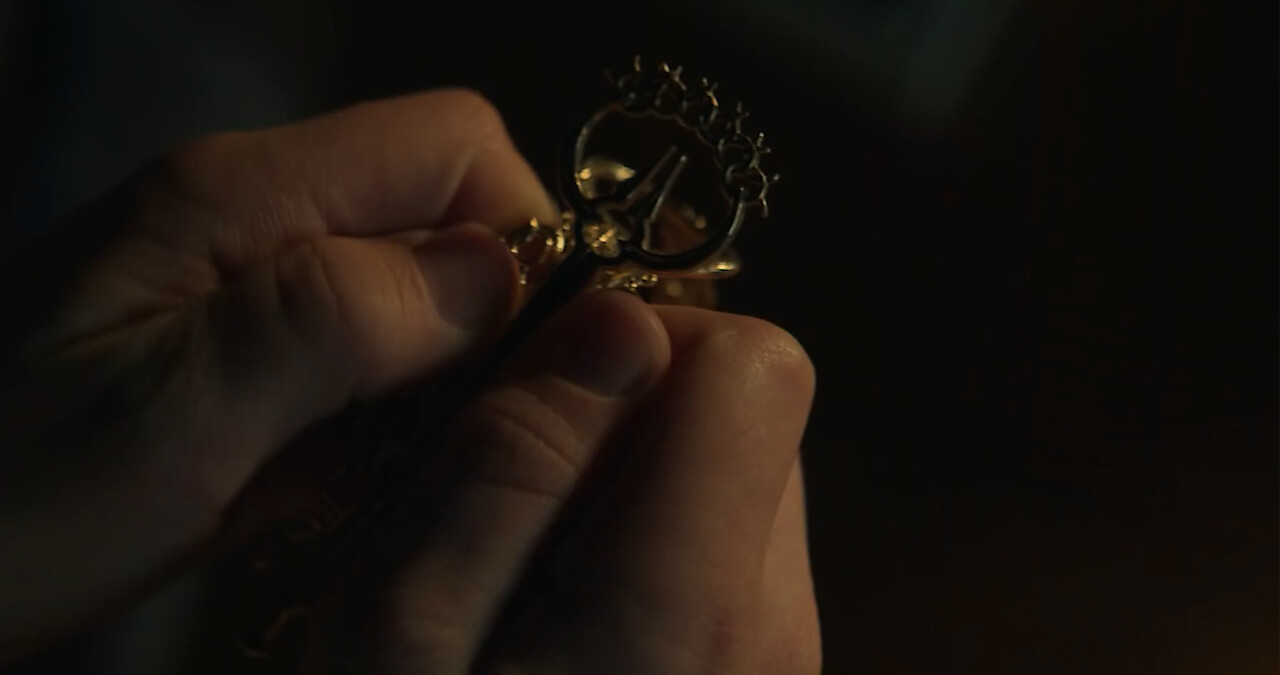
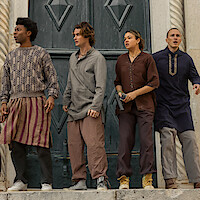
After Gideon falls into the portal, it begins to shrink, and Tyler Locke (Connor Jessup) realizes that this happened because the demon had two keys in his possession when he entered the blue void. Nina, Kinsey, Tyler and Bode (Jackson Robert Scott) then come to the conclusion that the only way to ensure that the connection between their world and the dark dimension is sealed for good is by throwing all the magic keys they’ve been using for three seasons into the portal.
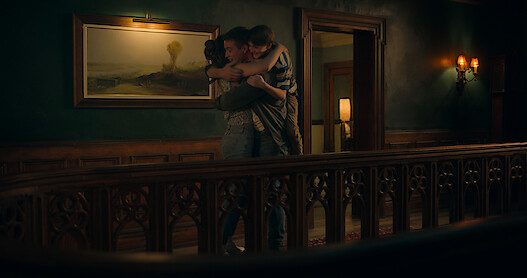
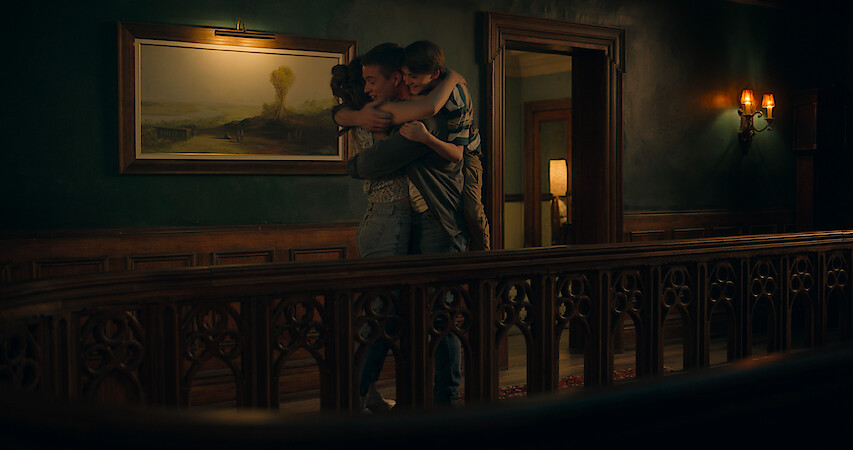
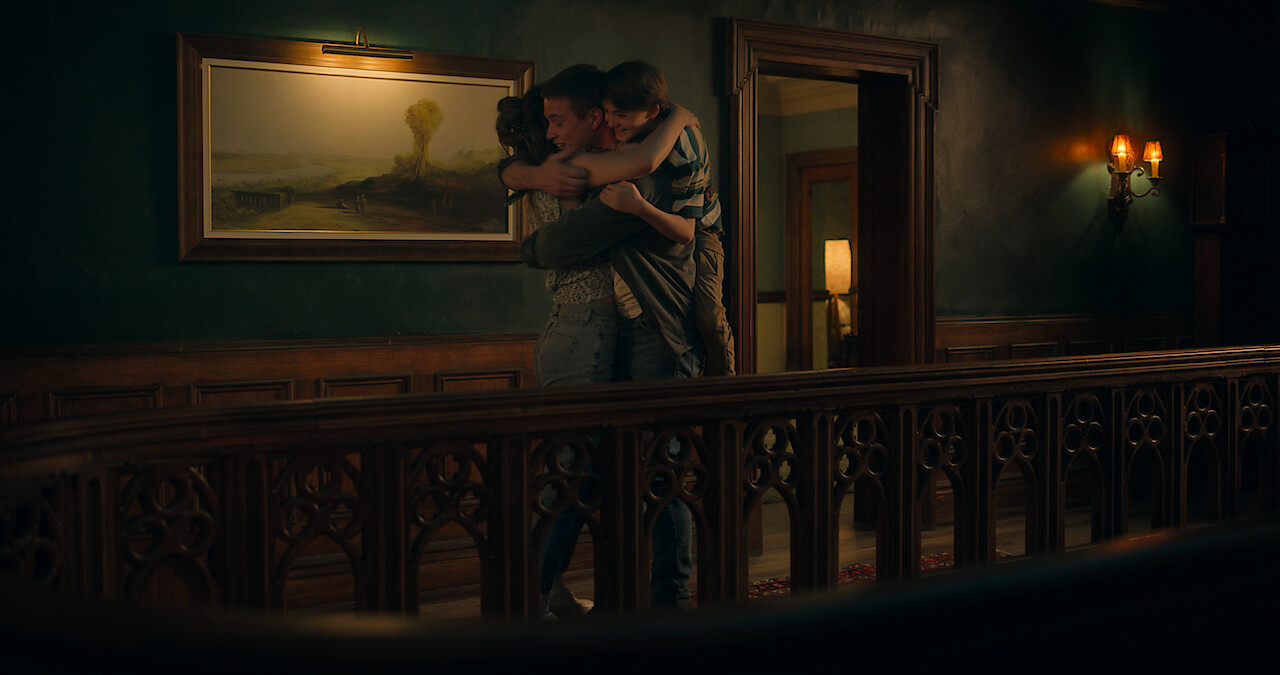
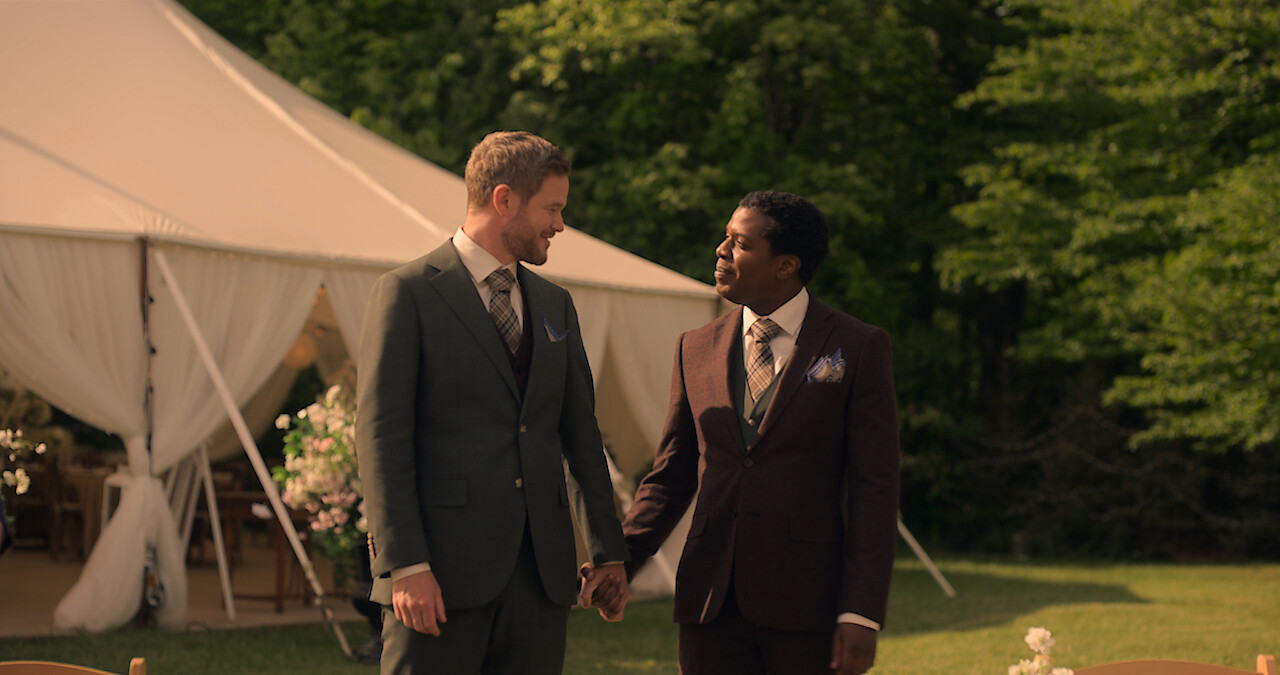
While there’s been plenty of wickedness throughout Locke & Key’s entire run, Season 3 involves some especially bleak storylines. Now that the Lockes have seen their youngest member possessed by a demon and family friend Gordie Shaw (Michael Therriault) killed by Gideon, they can no longer ignore that the keys cause much more harm than good. Before the family is fully ready to get rid of magic, however, they use the Timeshift Key to travel into the past and pay one final visit to Rendell Locke (Bill Heck), the kids’ late father and Nina’s late husband. Once back in the present, they throw every last key into the blue void, which finally closes forever. Then, the Lockes’ lives move on, tinged with a subtler but still very present type of magic.
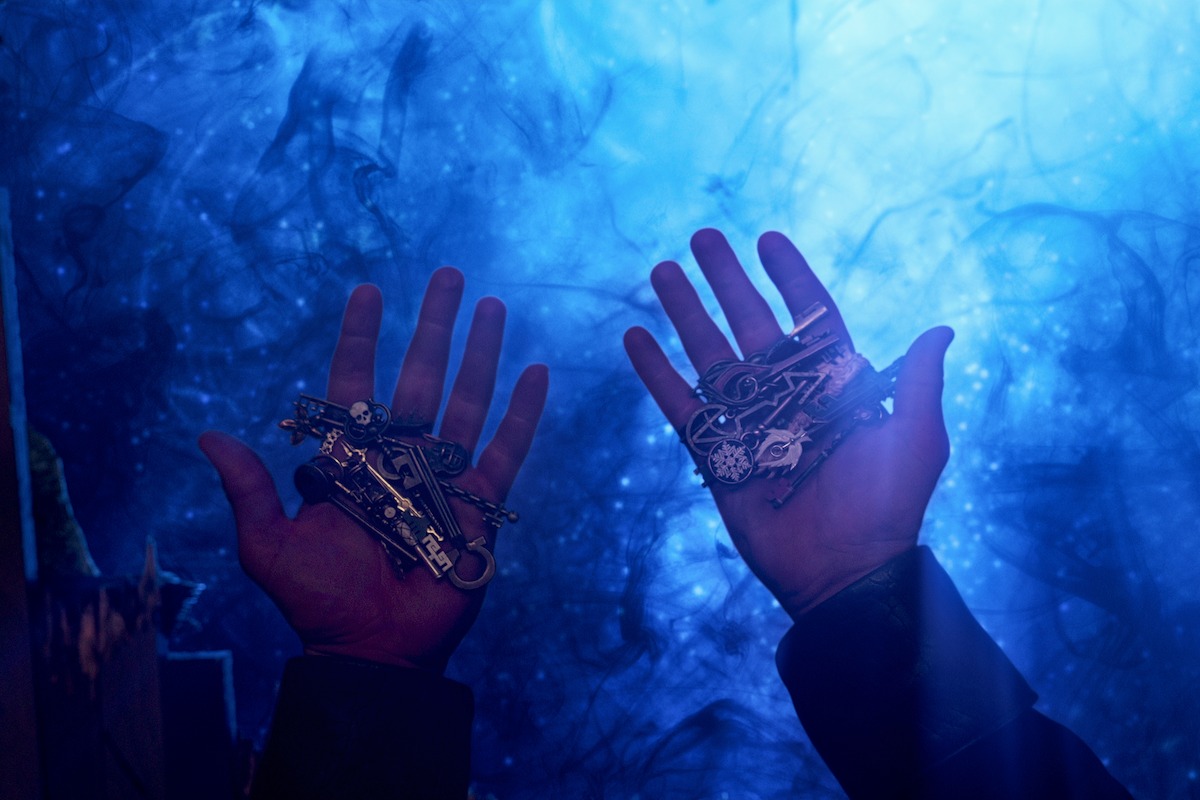
This ending, while certainly satisfying, is completely different from the ending of Joe Hill and Gabriel Rodríguez’s graphic novel series on which the show is based. “Gideon doesn’t exist in the source material, so the blue void is not opened in the Keyhouse and they don’t throw the keys back in,” co-showrunner Meredith Averill tells Tudum. “It was important to us to tell the story of this discovery of the fact that the keys are actually rooted in some evil and some darkness. While they’ve brought all of these good times and [the Lockes have] had fun with them, there’s also another side of them, which is that they’re made from the stuff of demons.”
It was also important to Averill and her co-showrunner, Carlton Cuse, that the family find closure for Rendell’s death, since grief is a major theme of the series. “Part of saying goodbye to him is saying goodbye to the keys and realizing, as Rendell says, that the magic was never about the keys. The magic was always about the family,” Averill explains. “So we felt like it was a really nice way to illustrate how far they’ve come and what they’ve learned by having to make that sacrifice.”
Averill and Cuse’s decision to make the show’s ending different from that of the source material was motivated by wanting to make the story their own, an idea that was completely supported by the graphic novel’s creators. “You can read the comics and really enjoy the show as a separate thing. Because it’s an adaptation and because film is a different medium and because we’re different storytellers than Joe Hill and Gabriel Rodríguez, Meredith and I really set out to take the things that we loved about the comic, but then turn it into something that was ours. It was our own vision as writers and as showrunners,” Cuse tells Tudum. “And the good news is Joe and Gabriel seemed to have embraced it as well. It’s its own thing and we’re proud of that, but it’s so rooted in this incredible work that they did before us.”