First Look
‘Depp v. Heard’ Asks Questions About the Court of Public Opinion
The three-part series may shed some new light on the story everyone thinks they already know.
Aug. 16, 2023
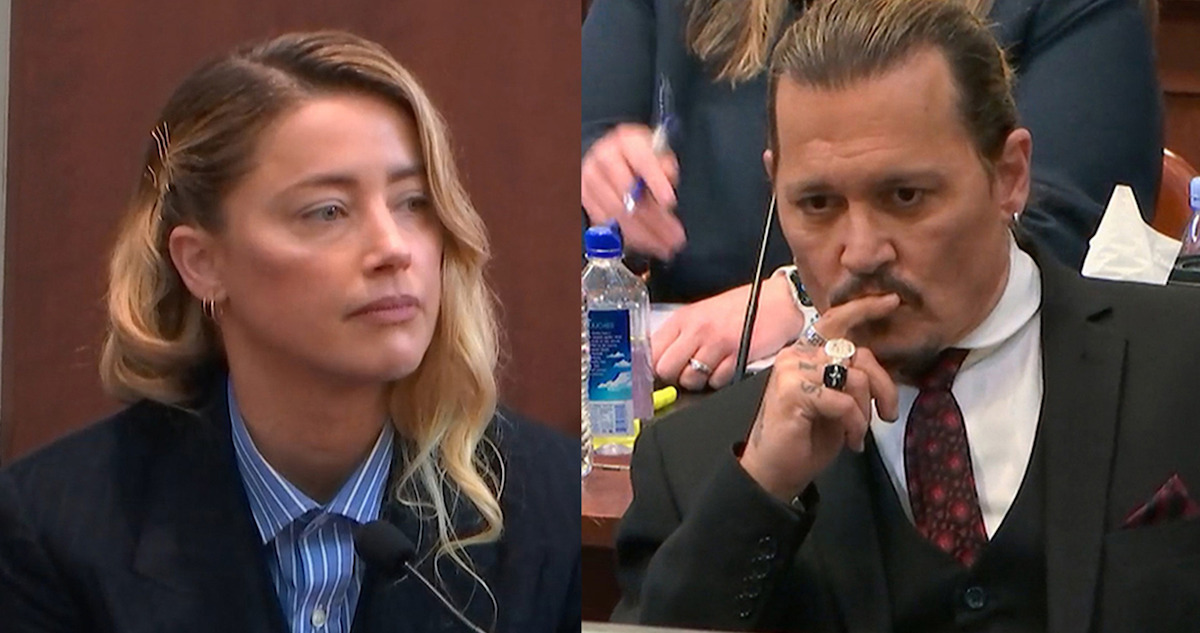
In 2018, Amber Heard wrote an op-ed for The Washington Post about her experience publicly speaking out against sexual abuse. She didn’t mention ex-husband Johnny Depp by name, but after the piece was published, his legal team claimed it caused irreparable damage to Depp’s career, suing Heard for $50 million in damages. In response, Heard filed a counterclaim for $100 million. In April 2022, the Depp vs. Heard trial began in Fairfax, Virginia, and unlike most high-profile cases, cameras were allowed in the courtroom. What ensued was a six-week frenzy of media coverage, public speculation, and impassioned social media campaigning arguing one or the other party’s innocence.
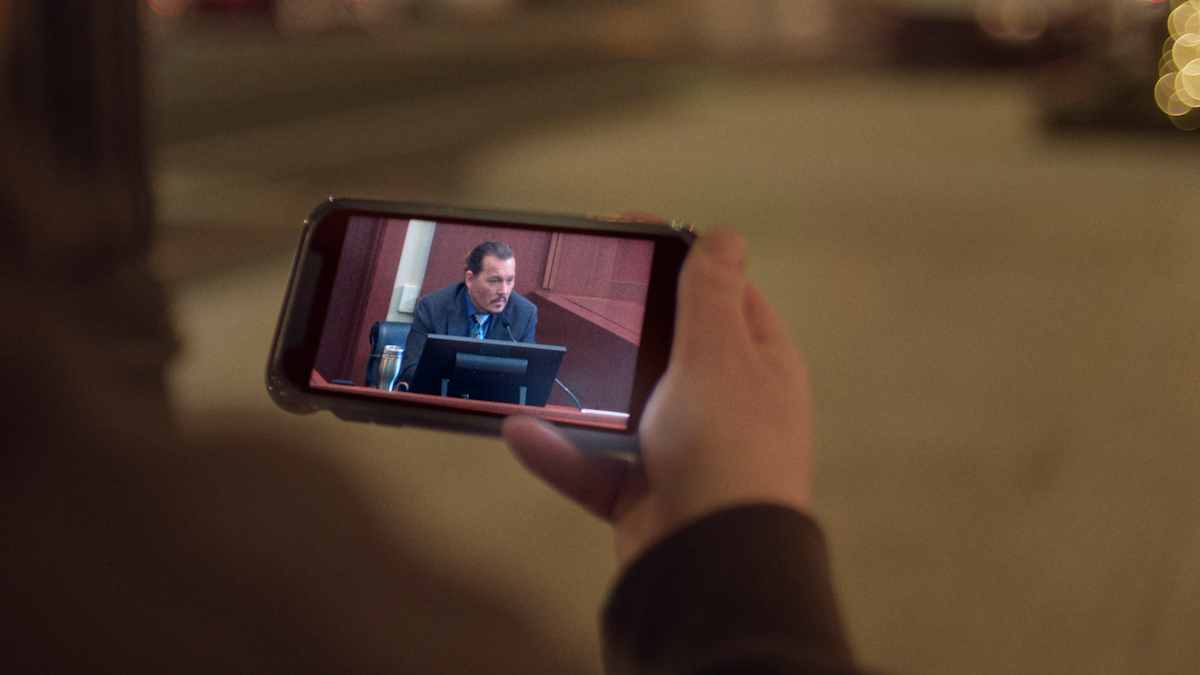
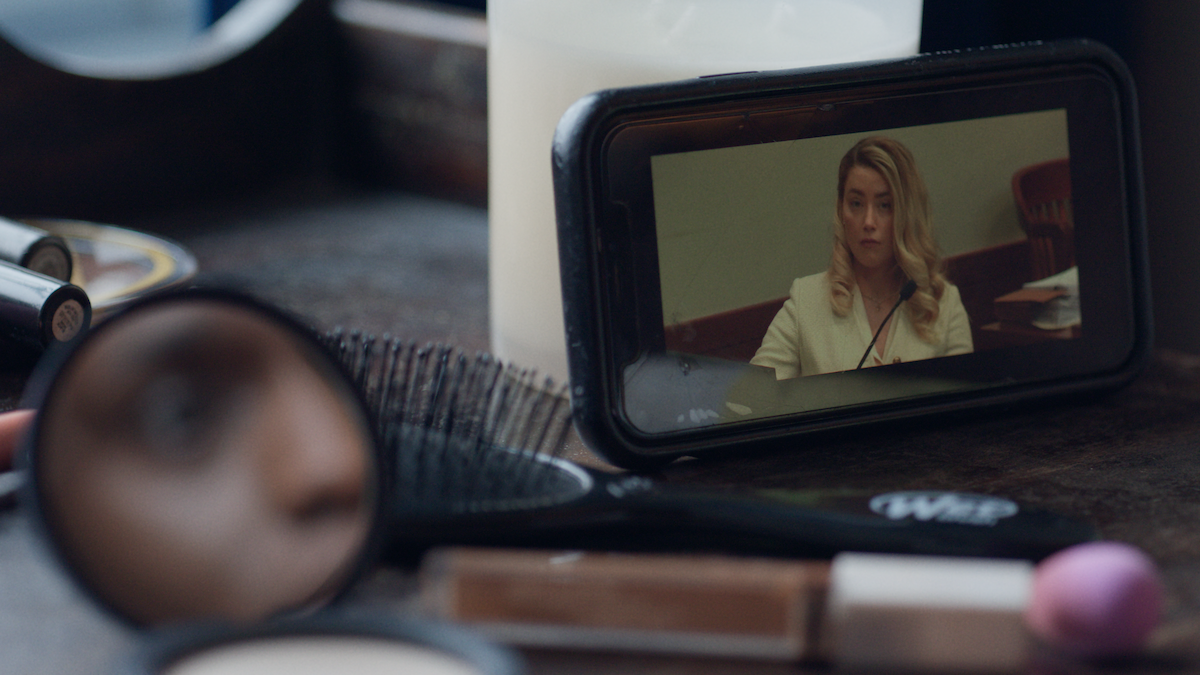
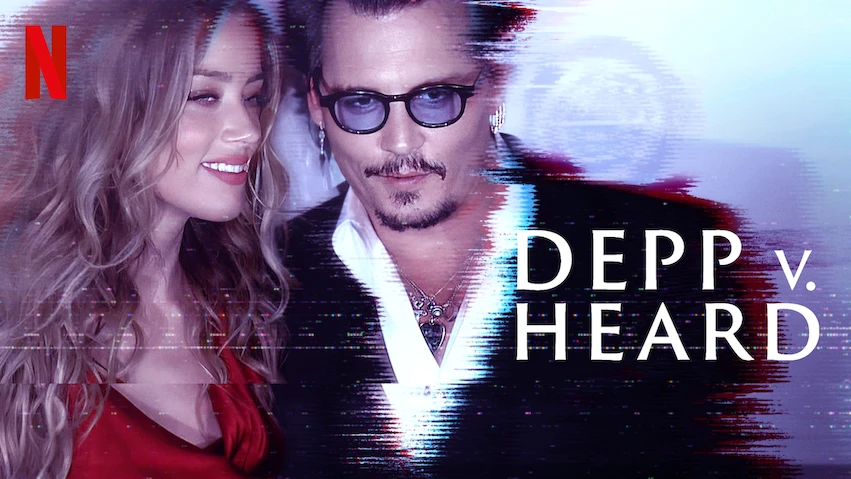
Depp v. Heard, the new limited series from director Emma Cooper, covers the trial with the goal of presenting a neutral overview of what happens when the court of public opinion starts to overshadow reality.
“As I started to look at the noise on social [from the trial], I though there were very, very many opinions about the material,” Cooper told Netflix’s You Can’t Make This Up podcast. “I found it really compelling that we could all watch the same thing and have completely different responses and opinions to the evidence that was being put forward. There are many ways of looking at truth in a society.”
For the first time, the three-part series presents Depp and Heard’s testimony side-by-side, using 200 hours of live-streamed trial coverage from the mainstream news and citizen commentators on TikTok and Twitter. Ultimately, Depp v. Heard interrogates the role social media played in the trial, raising provocative, uncomfortable questions about how the conversations happening outside the courtroom may have influenced the outcome. Cooper says that the intention of the doc isn’t to pick a side, but to thoughtfully craft all of the information into one story and consider how certain opinions were formed in the first place.
“It’s a curious element of the human mind and brain that we observe the same scenarios differently, and have different perspectives,” Cooper said. “I simply wanted to put forward that these two people passionately believed their own truths, but those truths were not interlocking. They were not the same.”
Watch Depp v. Heard on Netflix now.