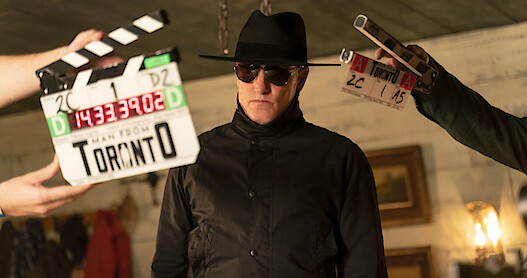
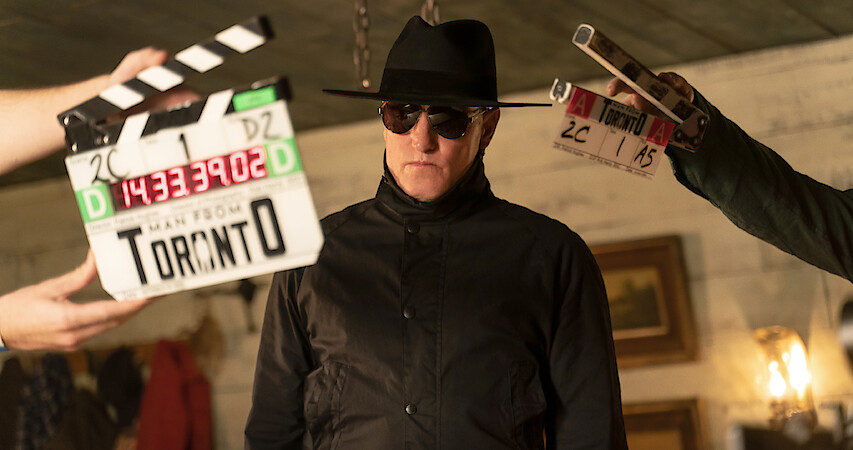
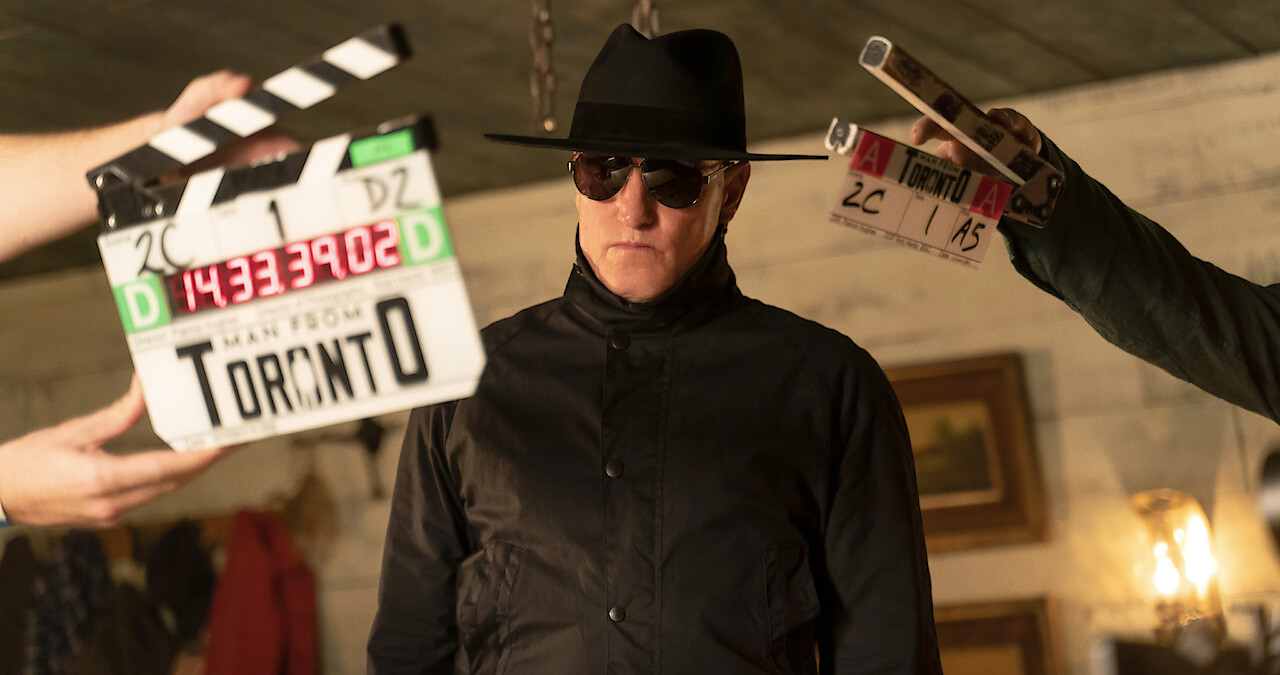
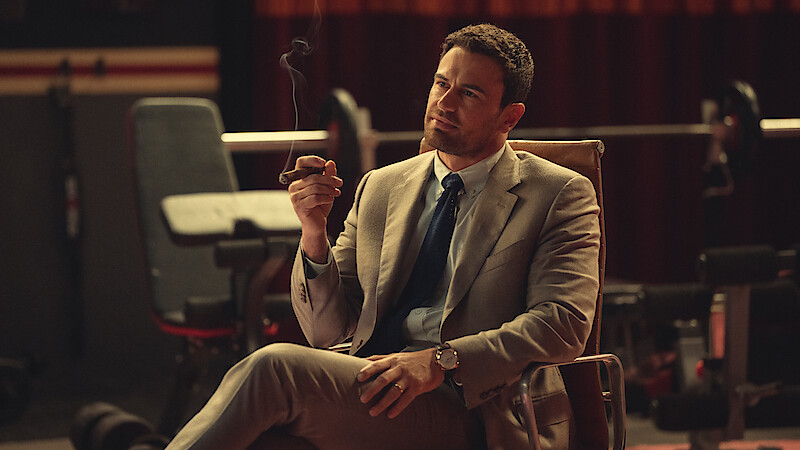
In The Man from Toronto, Kevin Hart and Woody Harrelson star as two opposites thrown together, all in service of helping the FBI shut down a threat to national security. Though the action movie is certainly full of fistfights, gun battles and tons of explosions, it’s also full of both heart and humor, as the duo come to learn that perhaps there actually is a little something they could learn from one another.
The Man from Toronto’s brand of humorous mayhem is familiar territory for the movie’s director, Patrick Hughes, who’s worked on movies such as The Hitman’s Bodyguard and The Expendables 3. Tudum sat down with him to talk about where his love for the genre began and what he loved about meeting The Man from Toronto.
You’re no stranger to big, over-the-top action movies, especially ones with a little bit of humor. How did you fall in love with the genre, and how do you think you became a specialist in that space?
I actually have thought about that. As a kid, I was watching a lot of films, but the one that really struck a chord with me was the Coen brothers’ Raising Arizona. It was just the absurdity of it. It was the first dark, humorous, action-oriented movie that I saw, in that there’s a genuine threat, but at the same time it’s hilarious.
There was one scene in particular that really stood out to me. I think I was about 11 years old when I watched it, and it was when Nicolas Cage is robbing the supermarket. He’s got a sawed-off shotgun, and he’s robbing it just to get nappies for his baby. I just thought that was absurd. I was rolling around the floor laughing.
Because of that movie, I was really drawn to the dark comedy genre, where things are a little bit twisted. Then, in film school, my graduating short was an action comedy, and that was just something that I really loved.
What drew you to The Man from Toronto in particular?
First and foremost, it was Kevin. I really hit it off with Kevin. I think he’s just an incredible talent and such a wonderful human being at the same time. He’s really hardworking, and to have the opportunity to work with him was something that I was very excited by.
I also just really liked that, at its basic core level, this movie is about a fish out of water. Without Kevin in this film, this would just be an action thriller. I love the idea that, really, Kevin should not be in this movie at all. It’s almost like he walked onto the wrong set. That’s the duality of what his character, Teddy, is going through, so I had a lot of fun with that. I know Kevin did as well, because we crafted it like there are sort of two performances going on. He’s got one performance, which is the front that he’s putting up for all these bad guys. And then there’s the real performance, which is Teddy saying, “This is how I feel about the scenario that I currently find myself in, and I’m absolutely terrified.”
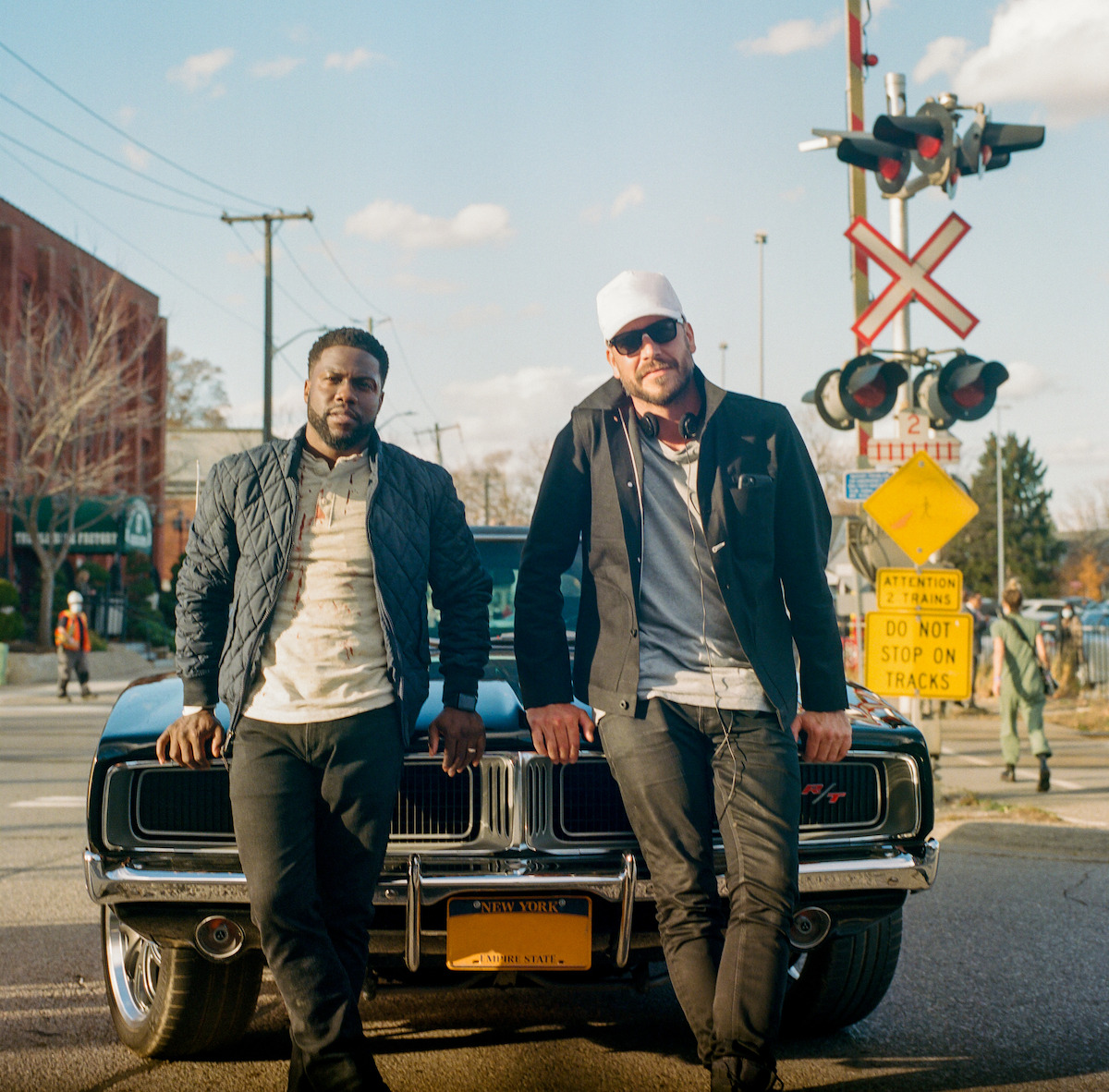
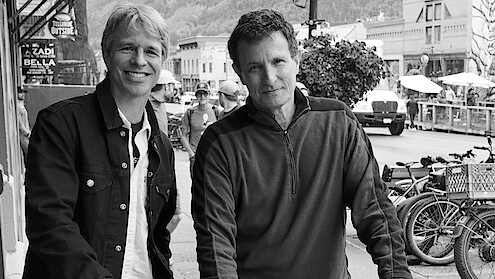
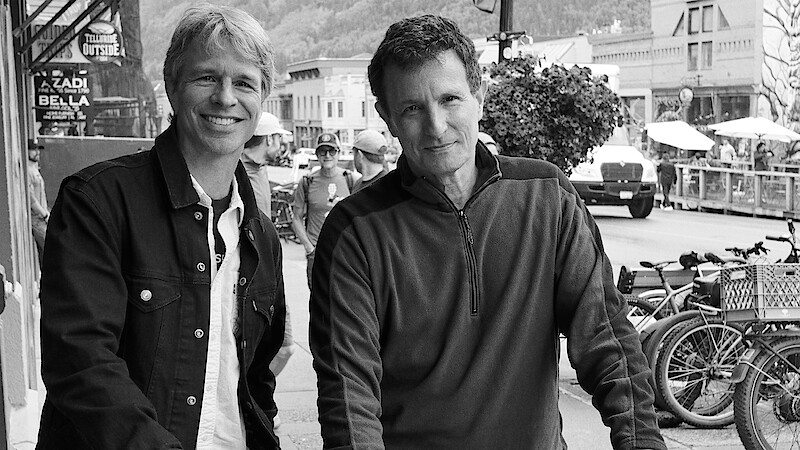
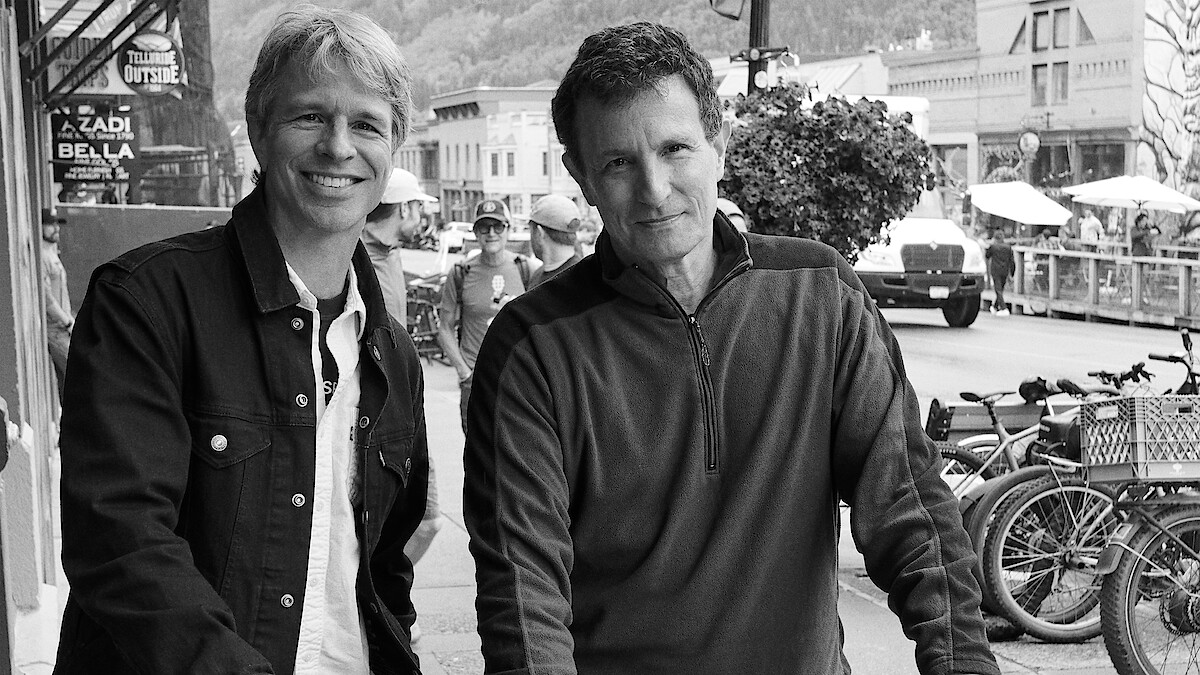
Kevin Hart (left) and Patrick Hughes.
It’s nice that he doesn’t have some secret strength he never knows about. He punches a dude one time and practically breaks his hand.
That’s the perfect example of a situation where we thought, “How do we subvert this moment?” I thought, “Well, classic Teddy would be complaining about his broken wrist after punching someone for the first time in his life.”
You know, at the beginning, the Man from Toronto [Woody Harrelson] is someone who thinks with his fists and is very physical. He doesn’t use a lot of words. When there’s conflict at play, he resolves conflict with physicality. Teddy is the opposite of that, as someone that just talks too much and potentially could use a bit of physicality. It’s a nice balance, and they find that they each have a quality that the other could learn and grow from.
What did you want to do with this movie that you hadn’t done before?
Working with Kevin and Woody, I think they are two such distinct personality types in the real world. Woody is so chill and mellow and as cool as a cucumber, and Kevin is so crazy. I mean, I think I thought I had ADHD, and then I met Kevin and that changed my perception.
One thing that was interesting was that I’ve been working on another franchise that’s got a heavy R rating, and everything is sort of pushed to the limit and extreme in that sense. It was nice with The Man from Toronto to go back and do a PG-13 version of this world. I was making a film that my kids could watch, which they haven’t had the opportunity to do, so that’s nice.
I will say, watching it, there was never a point where I thought, “This is PG-13. They’re pulling punches.” It’s still pretty wild.
It is! The difference is just that you can’t show moving blood and you don’t use cuss words. There’s nothing wrong with that, because then you can imply violence and you don’t have to overtly show it. I think, a lot of the time, doing that just makes you realize how often gratuitous violence is shown on-screen. It made me think, “Is it really necessary for the plot?” In this movie, it’s more about tone.
Filming on The Man from Toronto was set to start in April 2020, but with COVID, it didn’t actually kick off until six or so months later. What did that additional time give you a chance to elevate?
We did some more script development while we were waiting. We were nine days out from shooting when we got shut down. As the director, I would say 80% of your job is in pre-production. The actual physical shooting part is crucial and absolutely exhausting physically and mentally, but everything you’re doing on set, you get there as a director by prepping everything in pre-production. When we get to set, we all know exactly what we’re doing. All those sorts of decisions are made, and you’re really just in shepherding mode.
The delay was frustrating, but it did allow some more time to sort of sit back and consider the script. You get so close to projects, so it’s really lovely when you get an opportunity to just switch off and not think about that project for a couple of weeks. Then you can come back and read the script fresh, and say, “I’ve got some fresh ideas about what we could do here.”
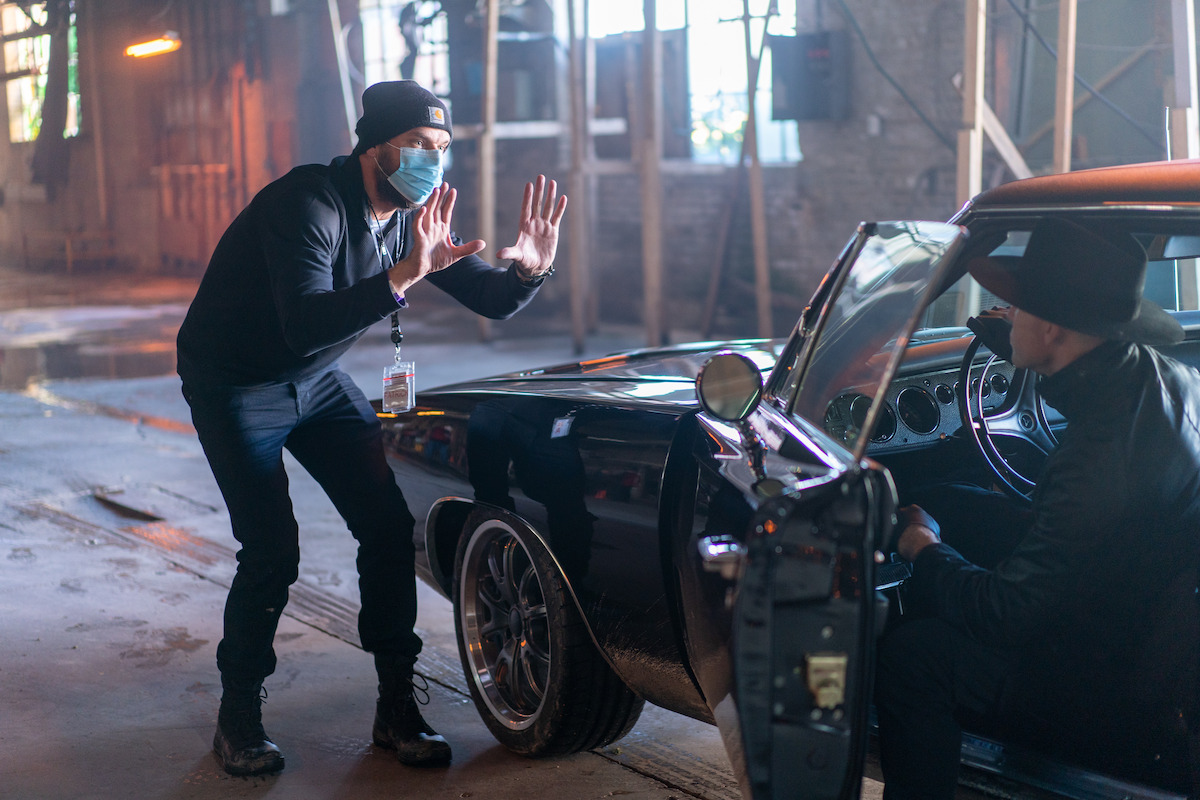
Director Patrick Hughes and Stuntman Derek Barnes.
There were some really challenging set pieces in the movie. Which made you the proudest?
Shooting the action scenes is really hard work. It’s heavy lifting, and it’s really physically exhausting, and I just absolutely love it. I get into a flow state. I’m in the zone. But for me, I think it’s maintaining the couple of sequences in the film that I consider to be the heart and soul of the movie, and I know we’ve just got to get them right. It’s easy to miss the mark sometimes on those because, with action comedy, you really are shaping the tone for the audience. Quite often, you can get into that comedy state where you’re pushing things too far, and then it can feel like nothing’s at stake and nothing means anything. So it’s about making sure that those stakes are there and that, on a personal level for all the characters involved, we maintain their heart and soul.
What do you think it means for this movie to be available so widely on Netflix?
It’s incredible. This is my first film with Netflix, and I’m already working with them on something else. When you actually think about how Mr. Netflix clicks a button and, just like that, 220 million people have access to your film all at once, it’s insane.
This interview has been condensed and edited for clarity.