Burning Questions
All the Golf Stuff You Need to Know Before Watching ‘Full Swing’
No, a bogey doesn’t live in your nose.
By Nick Ryan
Feb. 14, 2023
The late, great Arnold Palmer once said, “Golf is deceptively simple and endlessly complicated.”
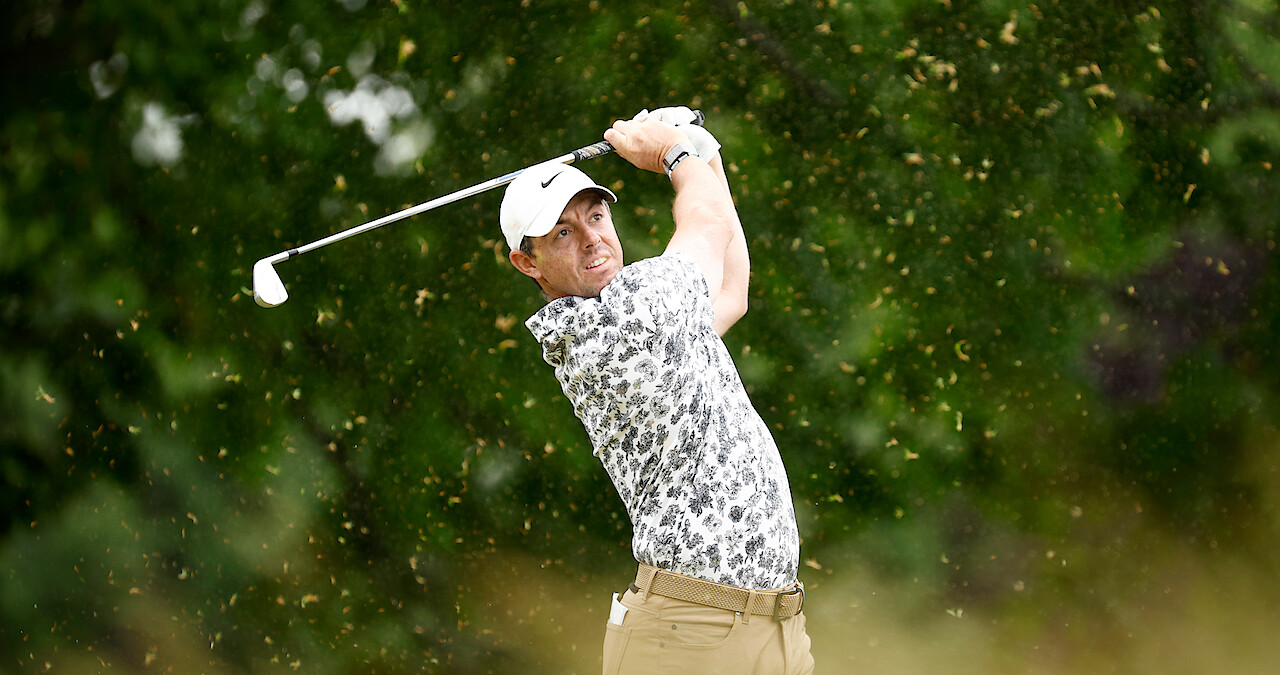
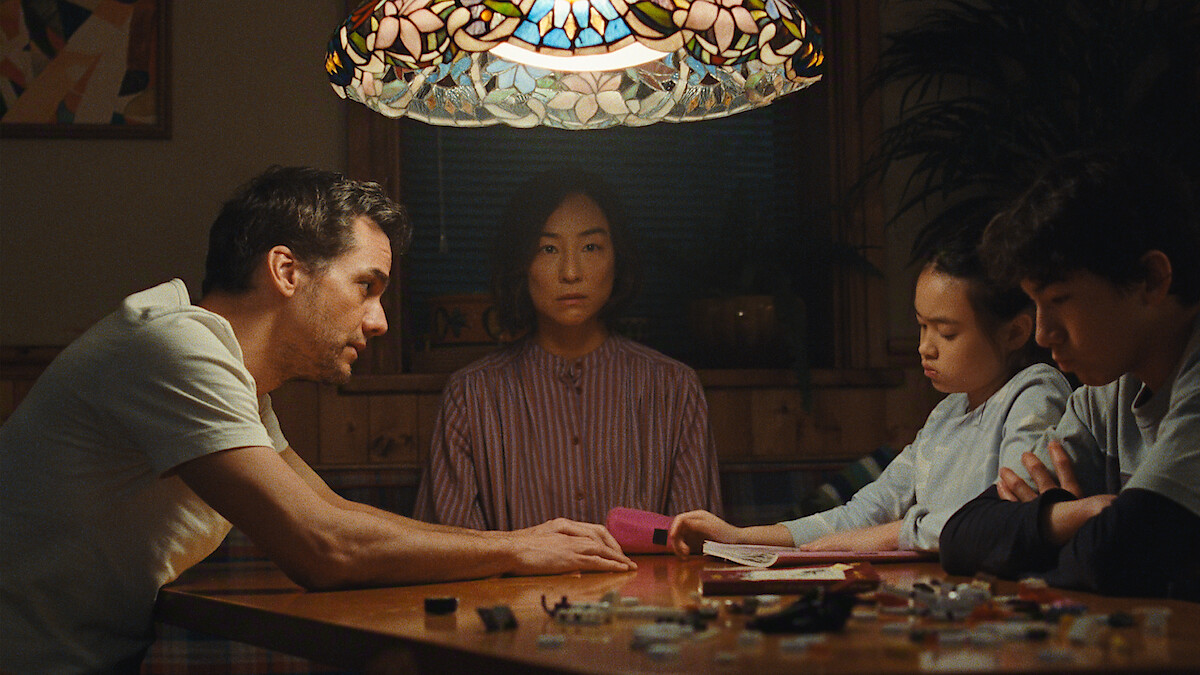
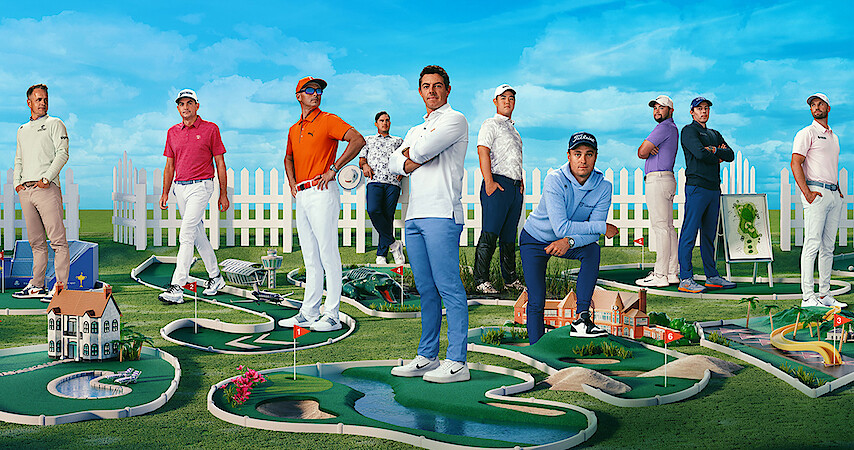
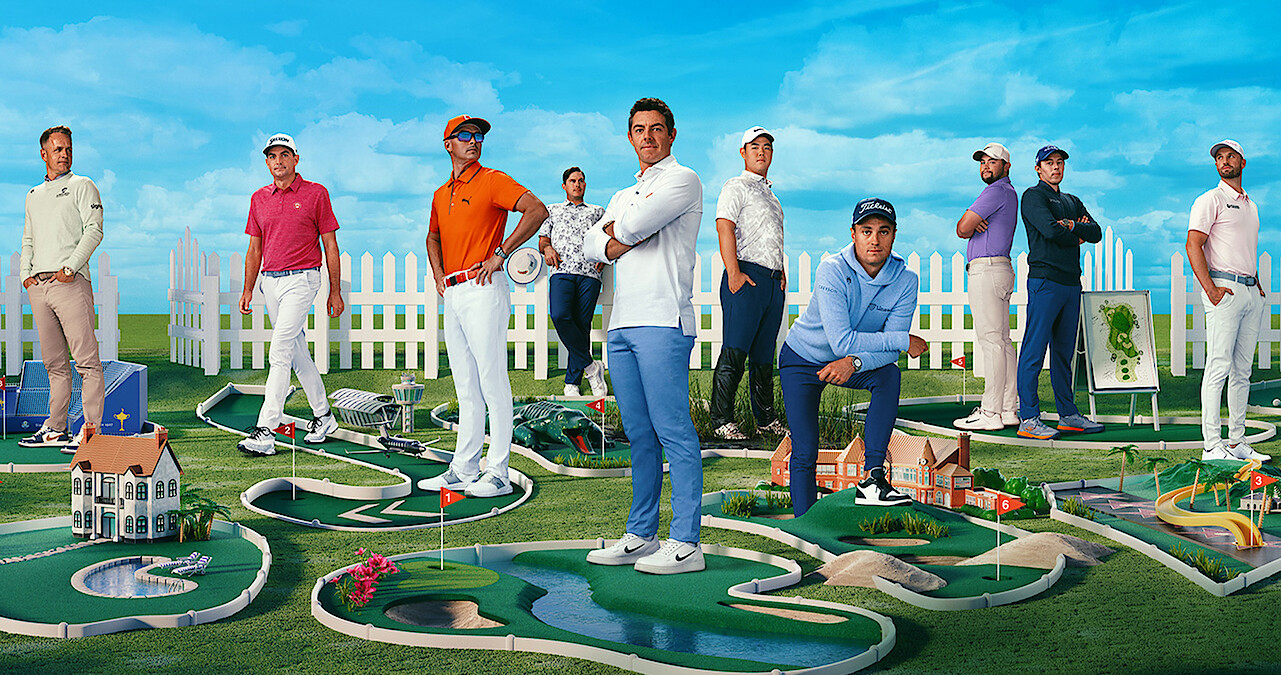
He was talking about playing golf, but he may as well have been talking about watching it, too. To those who’d only hold a club if it came with a slice of pizza and a windmill, anything other than the putt-putt version of golf can appear daunting and a little boring. But once you get into it, golf can be an exciting, bite-your-nails spectator sport. Even if you’ve never teed it up yourself, it’s easy to get the basics of the game down — and, once you get familiar with it, even easier to become gripped by the action. Case in point? Full Swing, a docuseries launching Feb. 15 that takes you behind the scenes of one of the most pivotal moments in the history of golf.
To help prepare you for Full Swing — and hey, maybe even your new life as a golf addict — here are a few things you should know.
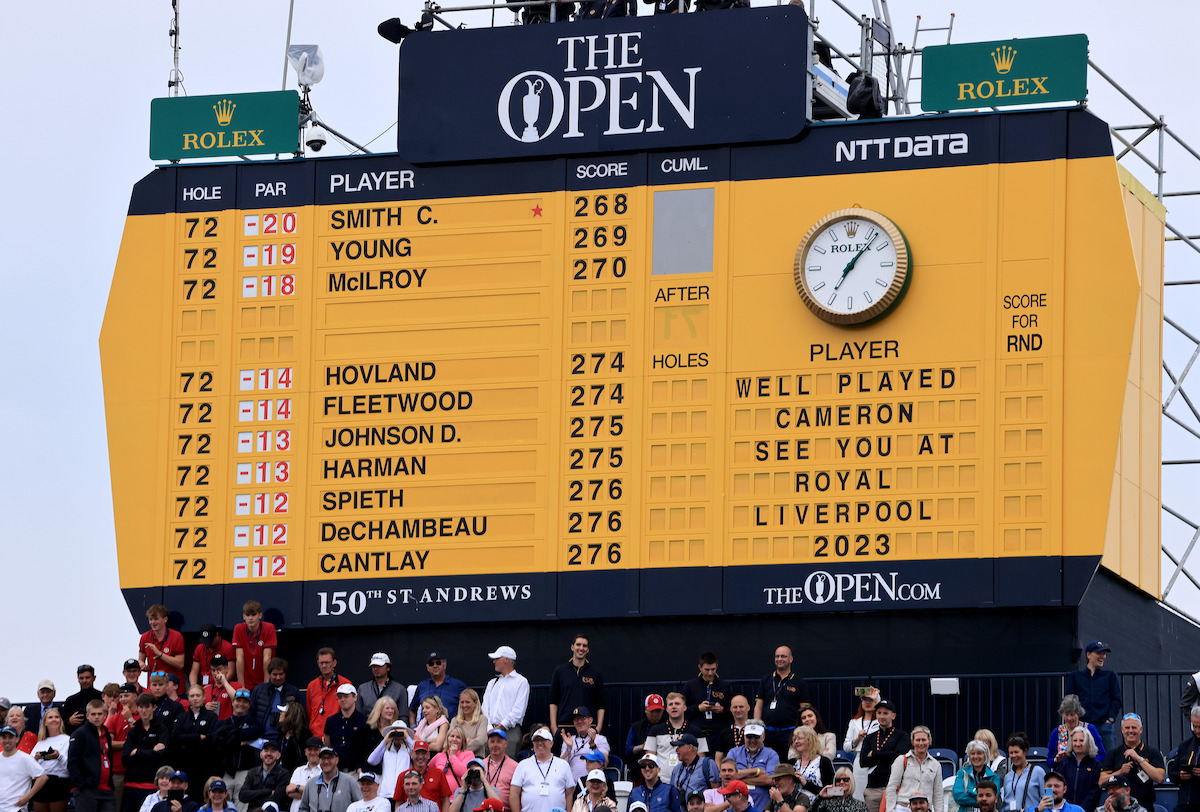
Golf is different from most other sports in that it’s actually the lowest score that wins. The object of the game is to get the ball in the hole in as few shots (also known as strokes) as possible. There are 18 holes in a round of golf, and each hole has a predetermined number of expected shots it will take to complete, known as par. For example, a par-4 hole means that the average pro player can complete it in four shots.
If a golfer finishes the hole in one fewer shot than par, that’s known as a birdie — an excellent result! If they take one shot too many, that’s a bogey. Repeat after us: Birdies — good. Bogeys — bad!
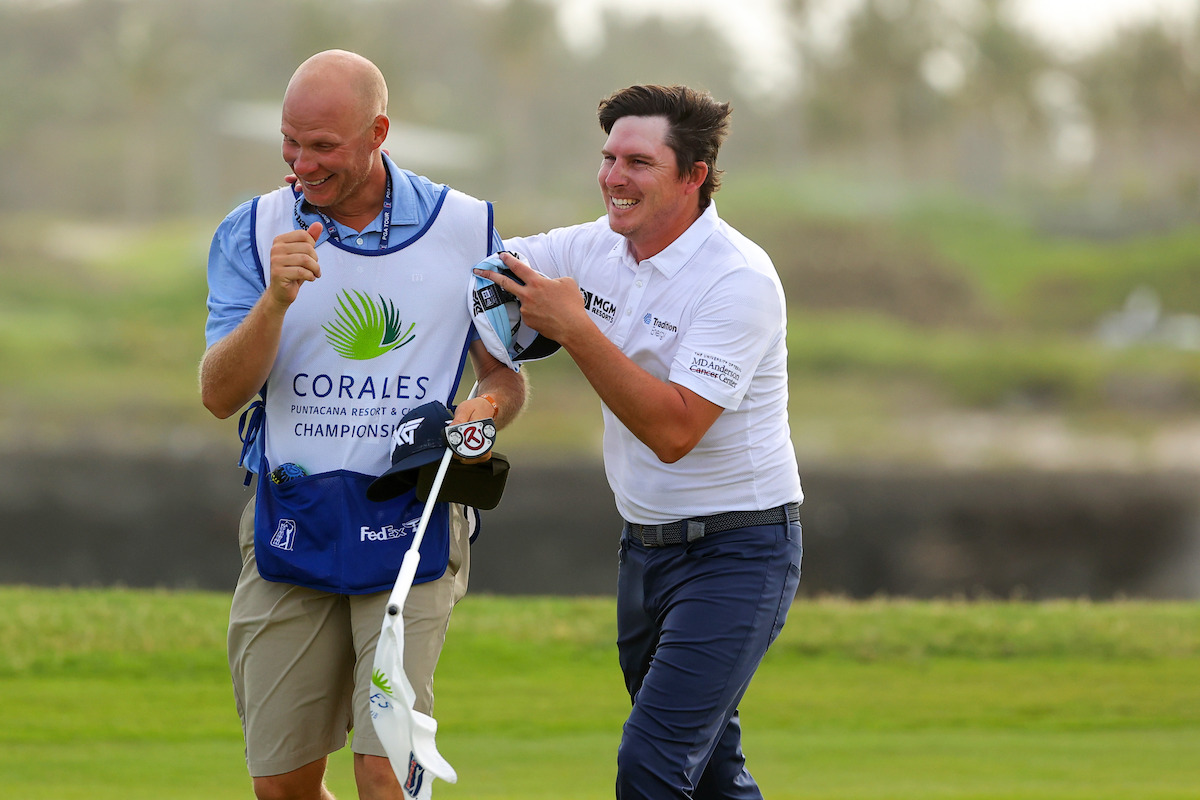
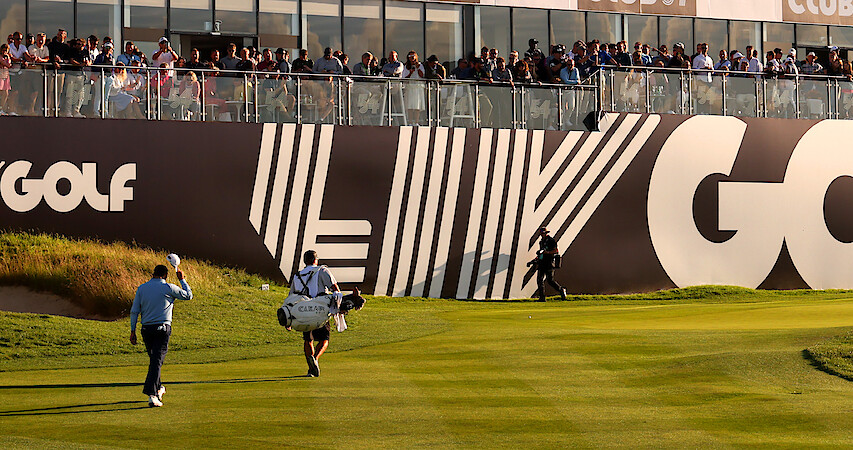
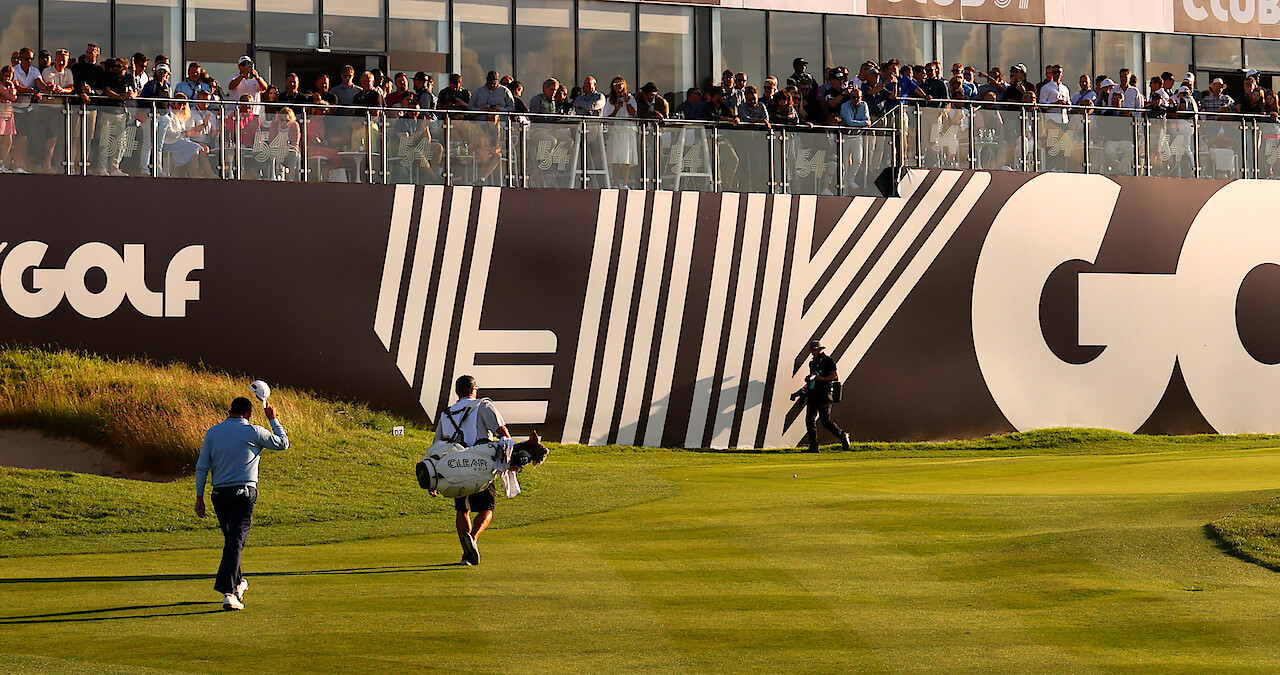
One thing you’ll never see a golfer do during a round is carry their own bag. That’s a caddie’s responsibility, but it’s far from all they do. Among their other duties, they study each golf course beforehand so that they know how far away the golfer is from the hole on each shot. Caddies also help line up putts and make suggestions for what club golfers should choose.
But how are golfers and caddies paired up? As Golf Digest’s Dylan Dethier explains in Full Swing: “Some player-caddie relationships on tour are very business-oriented. And some of them are not.”
An example of the latter? Joel Dahmen and his caddie, Geno Bonnalie. The duo grew up together in Washington and have been working together since Dahmen turned pro. As is the case with many golfer-caddie partnerships, caddies often provide more than course expertise. They offer mental and emotional support when the going gets tough out there.
Oh, another incentive for caddies to work well with their golfers? They typically get anywhere from 7 to 10% of a player’s earnings, on top of a weekly stipend to cover expenses.
This works just like it does in tennis. There are tournaments every weekend during the PGA season, but there are four big ones that just mean a little bit more: the Masters Tournament, the US Open, the PGA Championship and the Open Championship (also known as The Open or the British Open).
These are golf’s most important tournaments for a variety of reasons: They have the biggest payouts, the highest attendance of top players and the biggest viewing audience. Golfers are often evaluated by the number of majors they’ve won.
Collectively, the four majors are known as the Grand Slam. If a player wins all four majors in the same year, they’ve completed the Grand Slam. It’s only been done once on the PGA Tour, by Bobby Jones in 1930. Five players have won all four at least once during their careers — known as the career Grand Slam: Jones, Jack Nicklaus, Tiger Woods, Ben Hogan, Gary Player and Gene Sarazen.
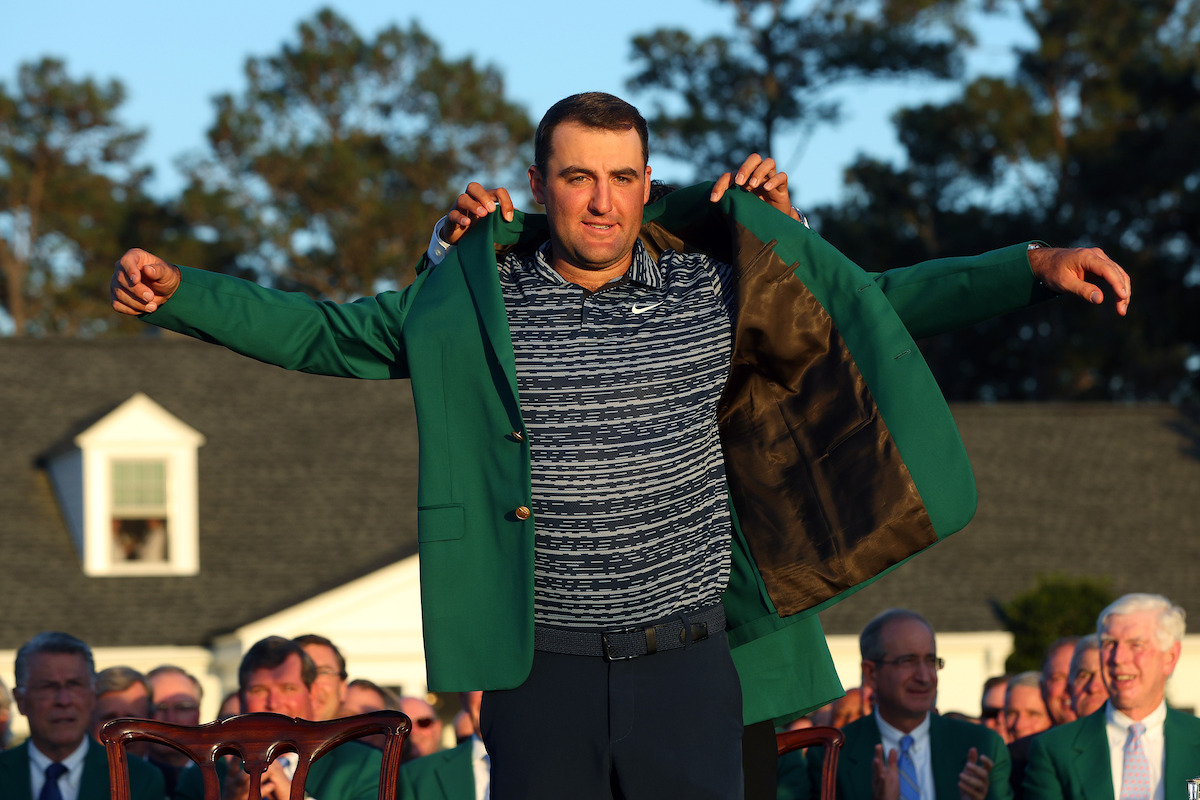
Of the four majors, the Masters is unique in that it takes place at the same course every year: Augusta National Golf Club in Augusta, Georgia. It’s always the first major of the season, and the winner is awarded with an iconic green jacket — a fitting color, as he immediately becomes the envy of every other player on tour.
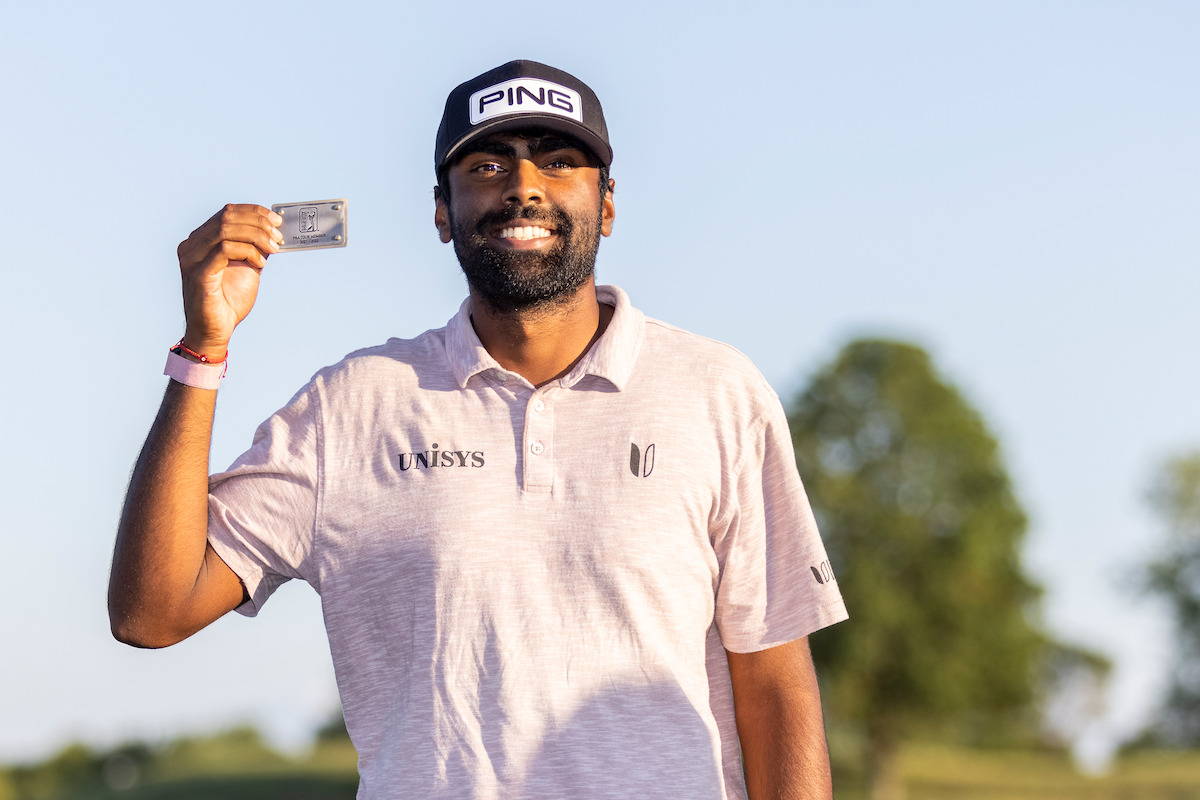
The short answer? Get really, really good at golf. The slightly longer answer is a bit more complicated.
To play on the tour, golfers must obtain a PGA Tour card. There are several ways of getting one. Most involve first qualifying for — and excelling in — a lower-tier tour, like the Korn Ferry Tour (nothing to do with the metal band). Each year, the top 25 players in the Korn Ferry Tour — based on points awarded for tournament finishes — receive a PGA Tour card for the following season. Cards are also available to Korn Ferry players via end-of-the-year finals tournaments and for those who notch at least three wins for the year.
College golfers can transition to the pros by making it to the Division I championships and then performing well enough to earn admission into the Korn Ferry Tour.
Basically, it goes like this: For eligible tournaments from the world’s top golf tours, players receive points based on how they perform. The higher they finish in the tournament, the more points they get. Those points are then averaged across the number of events played to calculate a player’s “ranking points.” The one with the most ranking points gets the title of world’s No. 1 golfer. As you’ll notice while watching Full Swing, the rankings are fluid, constantly changing throughout the season with each week’s results.
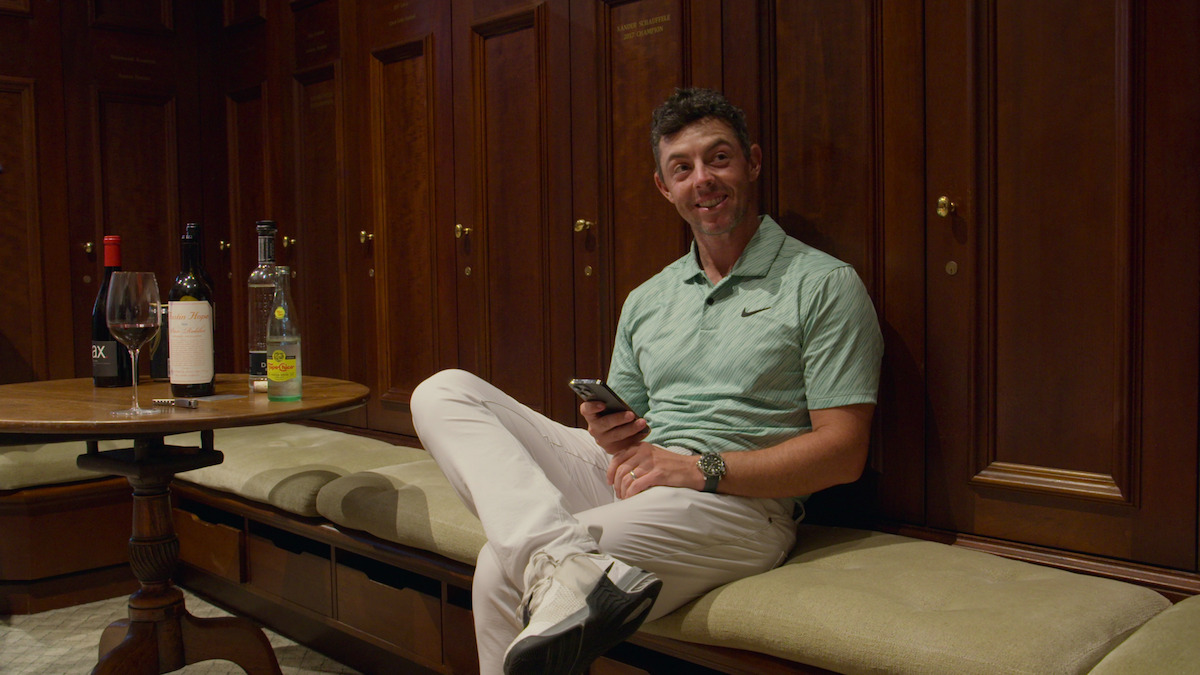
Unlike sports such as football, soccer, basketball or baseball — in which players sign contracts with teams for guaranteed money — golfers are not ensured of making anything. Their payments are based solely on how they perform at that week’s tournament. The higher they finish in the standings, the more money they make. So, if you see a player who’s seven strokes away from the lead with two holes to play before finishing — but he’s also tied for 10th place — there’s still a lot of money riding on how well he can finish the round.
Golfers also get paid via sponsorships, which range from the brand of clubs they swing to the clothes they wear and even their golf balls, watches and shoes. You’ll rarely catch Tiger Woods, for example, in anything but Nike.
Tournaments are played over the course of four days, from Thursday to Sunday. After the first two days, the field is trimmed — or “cut” — to only include the 70 best scores after two rounds. If you’re in the top 70 at that time, you get to keep playing into the weekend. If you’re not, you don’t — and, as a result, you don’t get paid anything.
This is one of the reasons why many golfers have been convinced to join the LIV Golf tour: It offers guaranteed contracts that pay out in full regardless of how well a player performs at any given tournament. While that type of security is difficult to come by for a golfer (and often difficult to refuse), payments guaranteed regardless of results can be cause for subpar play, as there’s no added motivation to perform well.
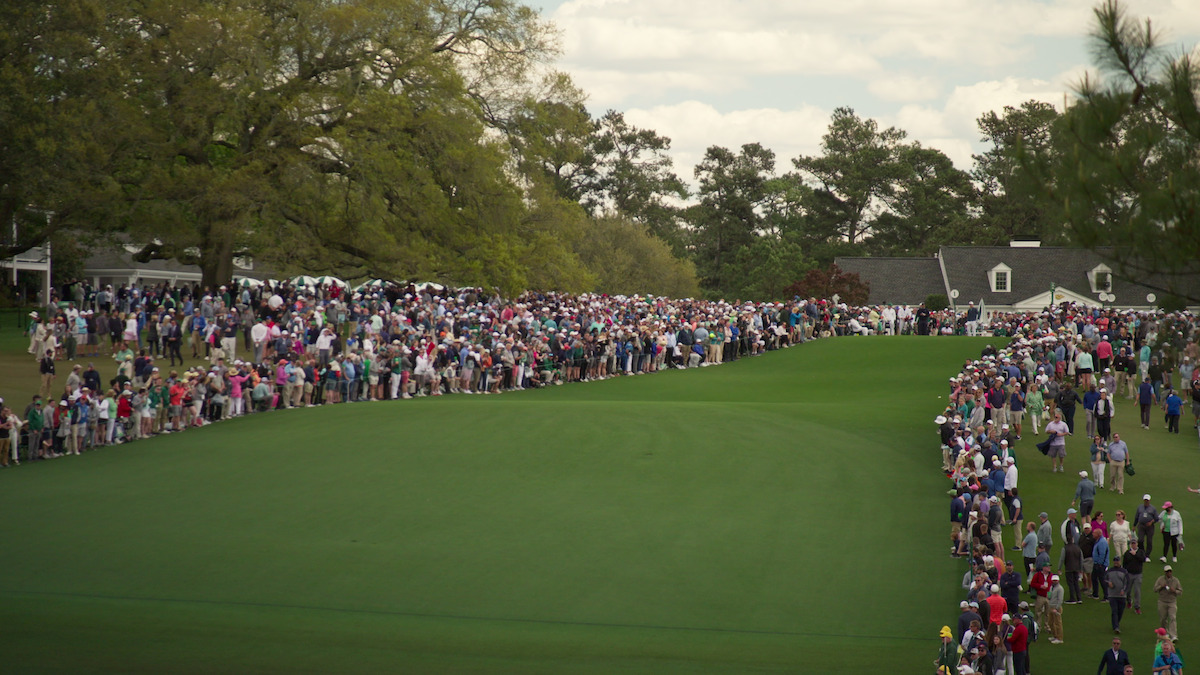
Go out to your local public course on any given weekend, and you won’t have to wait long before an amateur shouts “fore” to the heavens. It’s golf’s version of “heads up” — or, more accurately, “duck and cover” — when a player hits a ball toward unsuspecting bystanders.
You’d think pros wouldn’t have to yell for errant shots too often (after all, they’re pros), but even the best in the world make mistakes sometimes. And, because golf events are so popular, there are people walking all over the course during play, which means plenty of potential targets. Maybe it’s because they don’t want to embarrass themselves, or they’re just not used to hitting bad shots, but it’s become somewhat uncommon for professional golfers to yell “fore” during tournaments. It’s not all bad, though: If you happen to get hit by a ball at a PGA event — and you manage not to get injured — you might get an autographed ball (and a funny story) for your troubles.
From professionals to first-timers, golfers are known to draw on their balls. Some do it to add an extra identifier to know for sure which ball is theirs. Many use a tracer to draw a straight line on the side of the ball, which comes in handy when lining up putts on the green (aka the manicured area around the hole). Others, though, will simply draw something they like to look at that puts their minds at ease during a round.
“Sometimes, when you’re frustrated, it’s just easier to look down and see something that you like,” Brooks Koepka explains in the docuseries. “I think Tommy Fleetwood draws a smiley face on his golf ball, just to help him putt.”
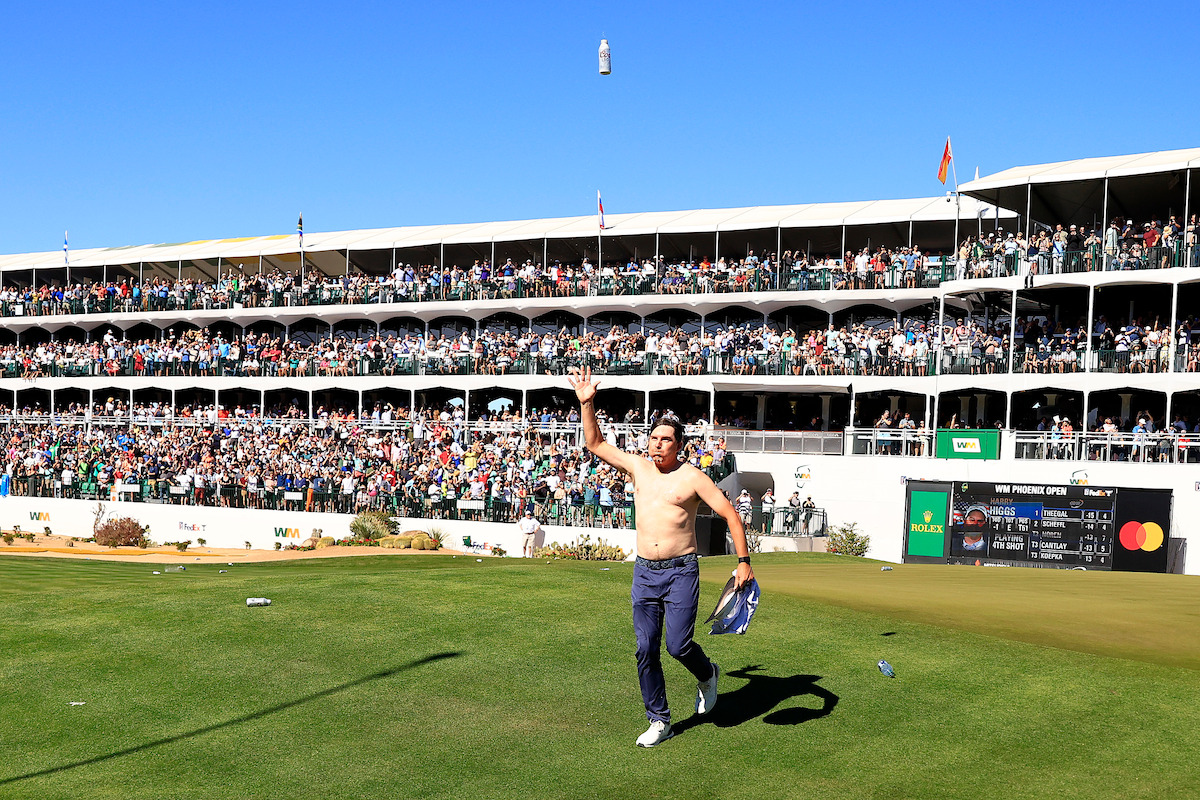
Whether or not you’ve ever attended a golf tournament before, you’ve probably heard the term “golf clap.” That refers to a subdued version of clapping, and the reason is simple: Golfers like peace and quiet when they’re playing. Even after a great shot, crowds are encouraged to keep their applause at a lower-than-normal level so as to not disturb other players at nearby holes. So while you’ll certainly see some exuberant environments at a golf tournament, it won’t quite resemble, say, a college football game.
There is one exception, though: the Waste Management Phoenix Open.
Known as the “biggest party in golf,” it’s the one event each year where fans are allowed to let loose. Fans are especially eager to crowd around hole No. 16, where players can summon a raucous beer shower if they hit a hole in one.
Unless you’re a Kardashian, flying private is expensive. One pro told Golf Digest that flying private jets all season could cost about half a million dollars back in 2015. So, no, most golfers are not flying private jets. But the highest earners do — and Full Swing provides an inside look at what that experience is really like.
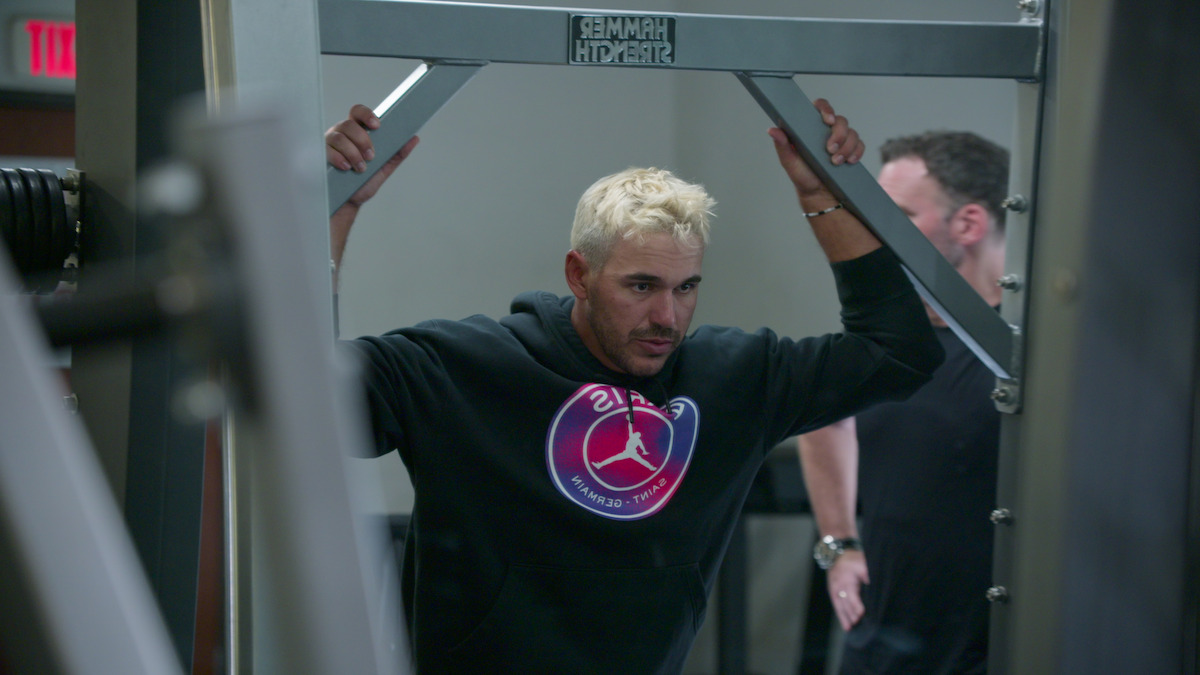
It might not seem like the most physically demanding sport, but golf certainly requires a high level of fitness. The average golf course on the PGA Tour is just over four miles long, and full-time pros play around 78 rounds per year. That comes out to over 300 miles walked per season — no small task. Not to mention the strength and coordination it takes to actually repeat a flawless golf swing hundreds of times per day.
Full Swing shines the spotlight on much of the strength and conditioning work golfers do in between rounds. So, just because they’re playing a sport that’s also catered to retirees doesn’t mean these players aren’t athletes.