News
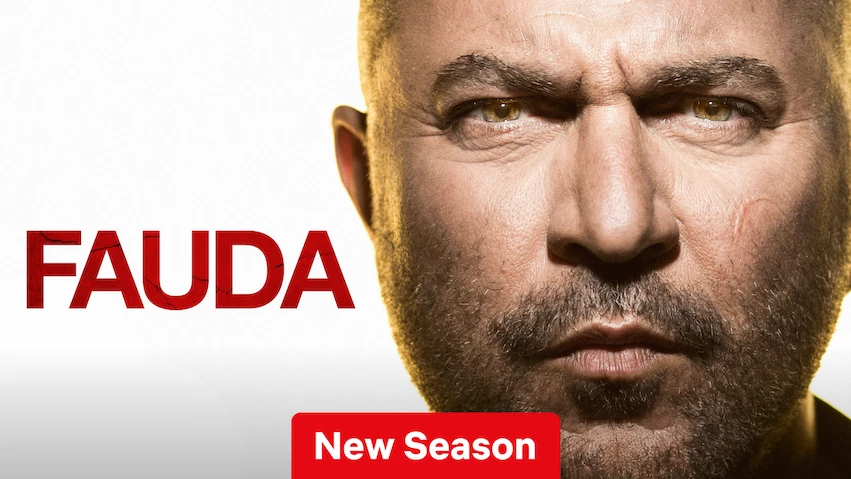
Fauda Season 5 Is Now Streaming
Creators Avi Issacharoff and Lior Raz discuss Season 5 of the thriller.
By Tudum Staff
Sept. 8, 2026
When the fourth season of Fauda started streaming on Netflix in January 2023, the writers of the series quickly started working on the next season. “But then,” says co-creator Avi Issacharoff, “came October 7th. We understood that a show that deals with reality in the Middle East, in Israel, cannot disconnect itself from the biggest event that happened here in the last, I would say, 75, 80 years. You cannot ignore that.”
For Fauda co-creator Lior Raz, who stars in the series as Doron, Season 5 was “not about trying to show what happened,” he tells Tudum. “It was about trying to tell a story, to see how we can implant our characters inside those situations and in that story that really happened. So for us, it was important to be very accurate to what happened in real life, but also to put our characters into this unpredictable situation.”
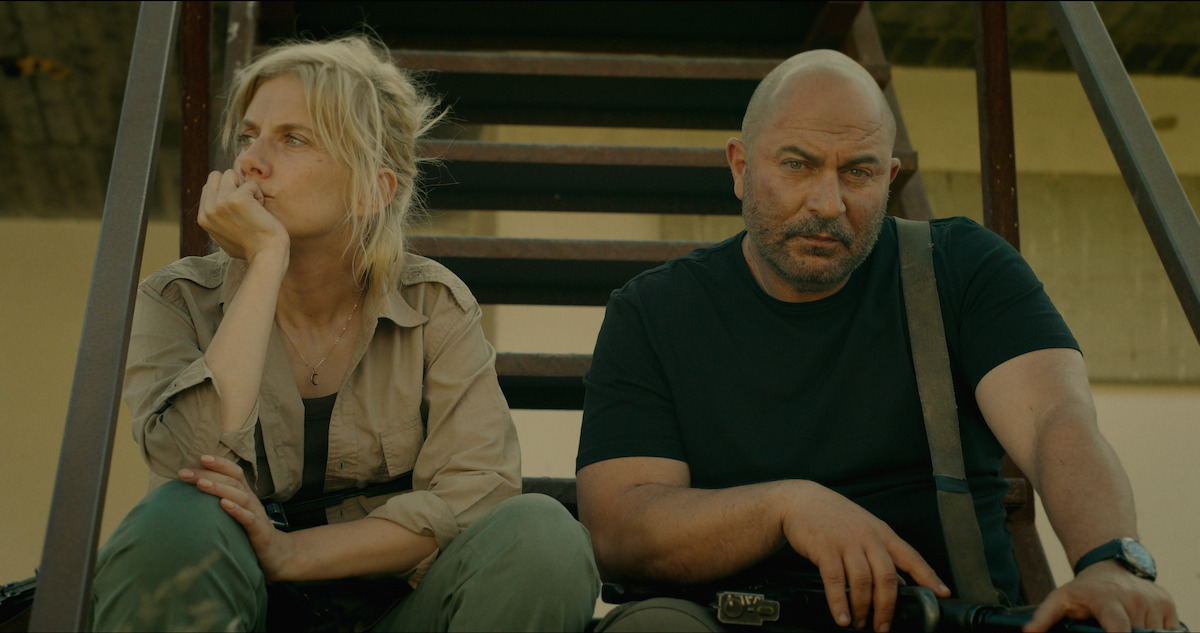
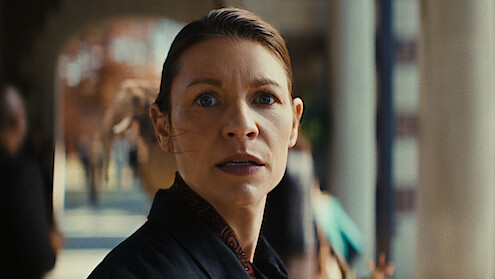
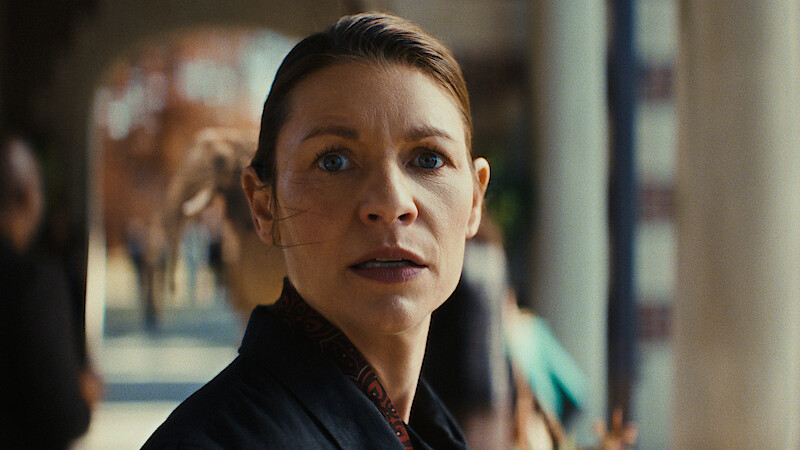
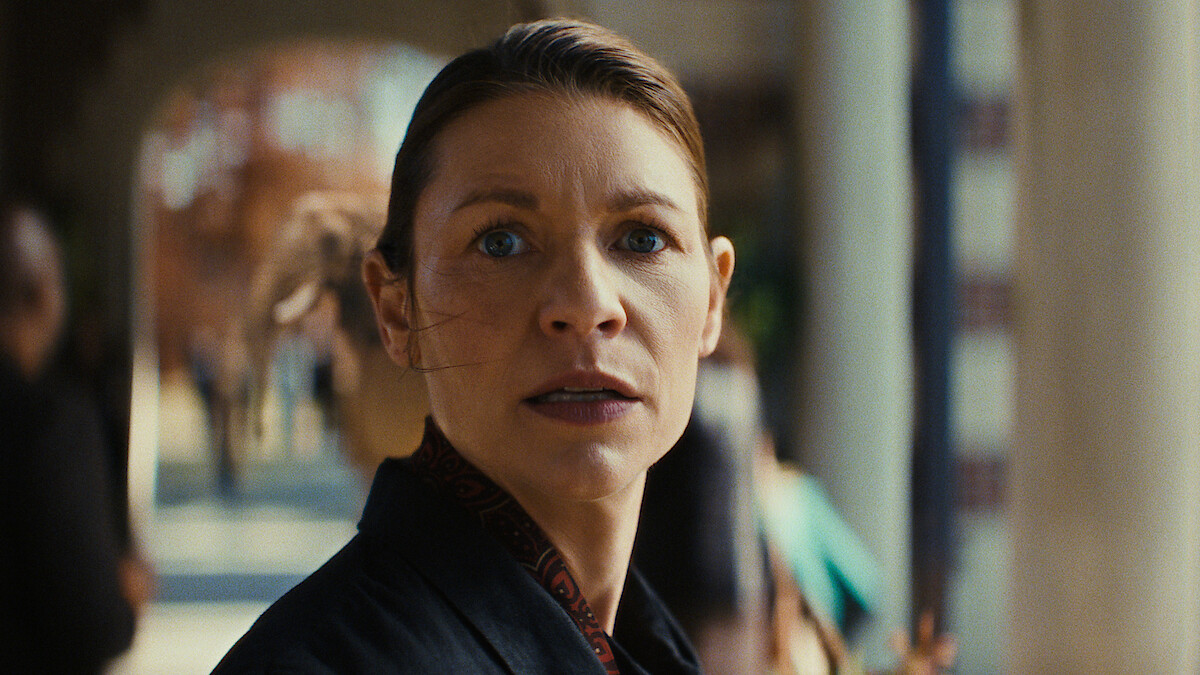
Season 5 of Fauda takes place two years after Oct. 7, 2023, as Doron faces inner demons and new enemies when an old friend’s unsanctioned revenge mission in Marseille, France, draws Doron into a perilous deep-cover operation.
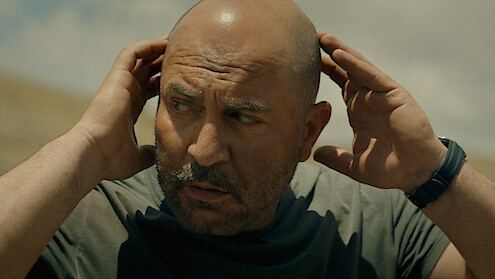
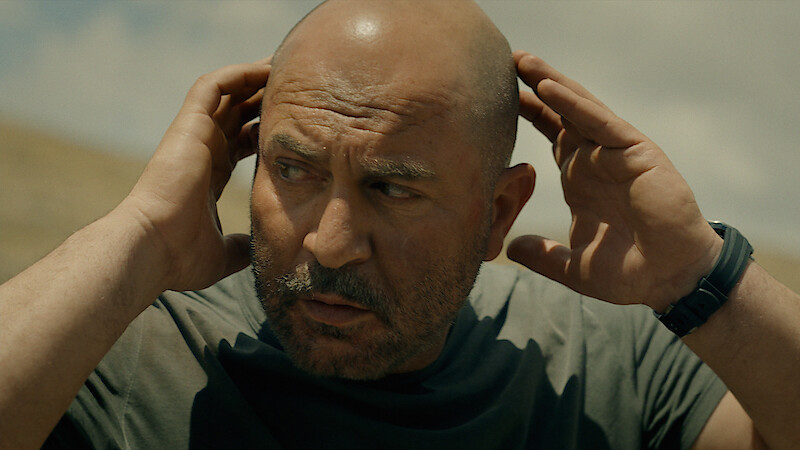
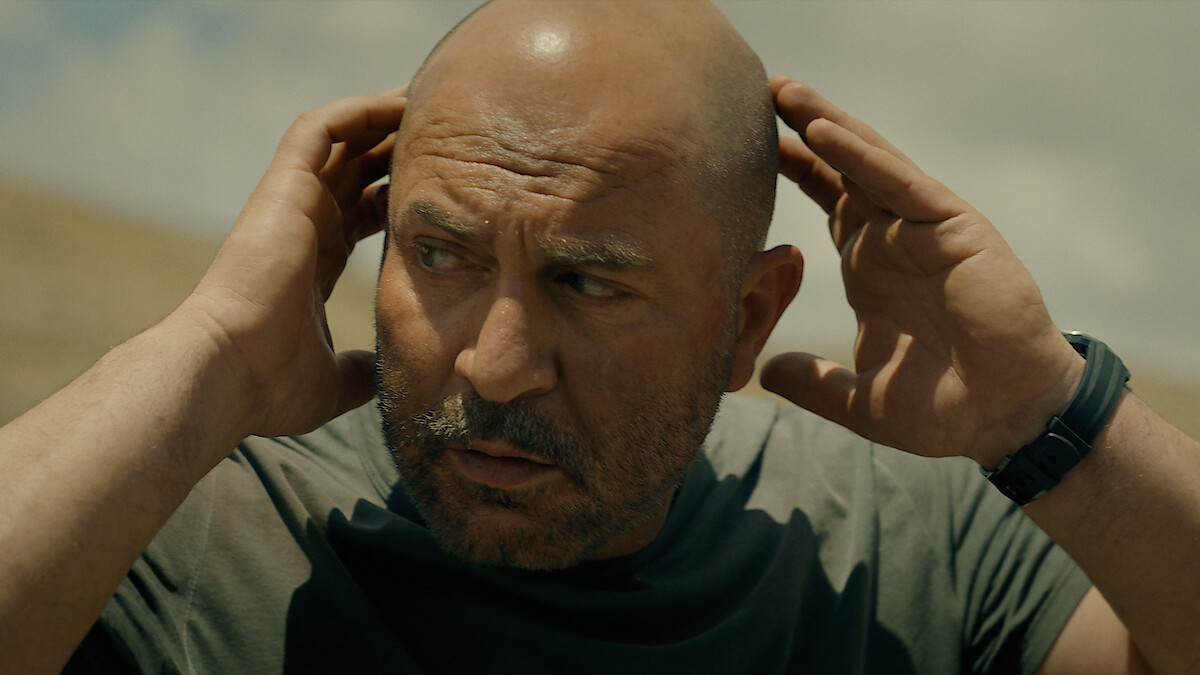
“We see broken warriors more than warriors who want to go to battle all the time,” says Raz. For Raz, the season shows the way the characters — including Doron — are grappling with the effects of trauma. “We see Doron in the first episode, in his first scene, trying to really get healed from his PTSD. He’s meeting a therapist. He’s trying to process what happened to him. And then you see that he cannot really deal with that, because life is too strong, and he doesn’t have the time to work on his healing.”
Raz recalls that when Issacharoff first reached out to him to work on Fauda, over a decade ago, “Avi asked me why do I want to write the show. We had a conversation, and I told him that I want to show the world what the mental price is that people are paying for their actions, and not just them: their families, their friends.”
“This is how we started in the first season of Fauda — before October 7th,” Raz says. “We thought that we were post-traumatic; we didn’t understand how hard the trauma can go.”
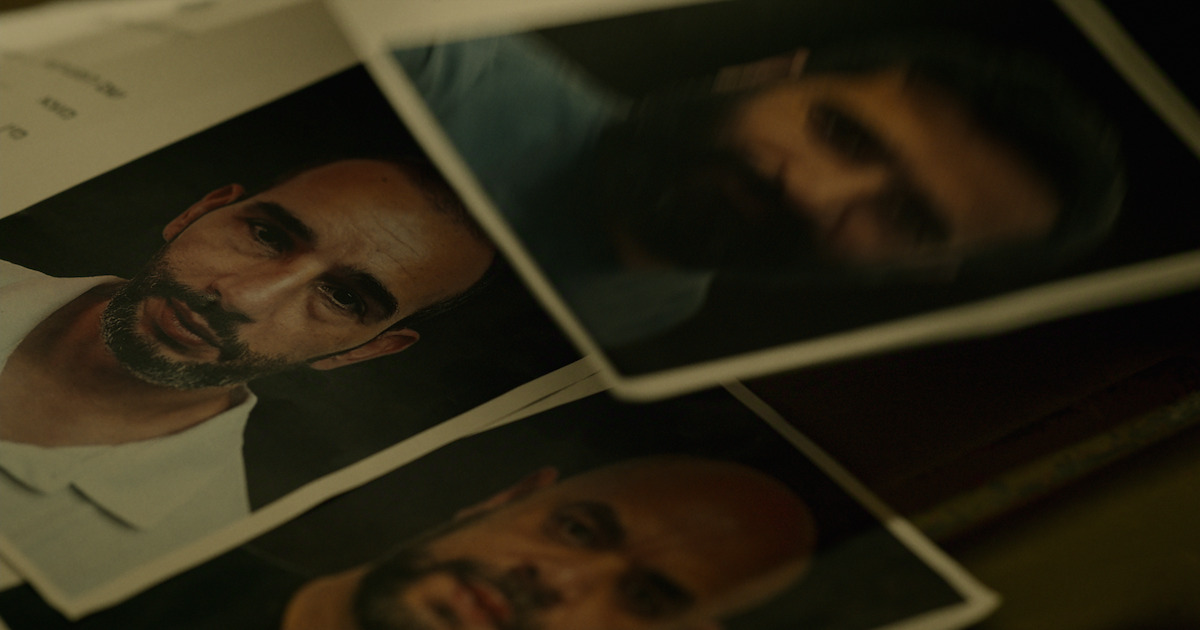
The word fauda means chaos in Arabic. For Issacharoff, there was another word that stood out as the theme for this season: tha’r, or blood revenge. “We even considered calling it Fauda Tha'r,” he says.
“Tha’r is more than just revenge,” Issacharoff explainss. “It’s a kind of blood revenge that puts you under an obligation to go and get revenge, if one of your relatives had been killed by a rival tribe, or by a rival country, or whatever … I think what happened, especially after October 7th, is that revenge became very common. People want revenge. But then you ask yourself the question, ‘OK, now that you’ve gotten revenge, is this changing your reality? Does this make you a better person? Does this make you a better people?’ This is one of the questions that Fauda deals with and asks. I think that you need to watch the whole season in order to understand the answer, because I think that most of us understand that revenge, it’s like a cycle. It doesn’t lead you anywhere.”
Raz notes that while the season “begins with revenge, it ends with totally something else.”
He says, “I hope that through seeing this show, [viewers] will understand how peace is important, and how we need to think differently and how war is ruining the universe. It’s ruining our region, it’s ruining our country, and their countries, for sure. We know that people see this show all over the world — in the Arab world, in Israel — [and they’ll see] that the price of the war is hard, and we need to have hope to solve this situation.”
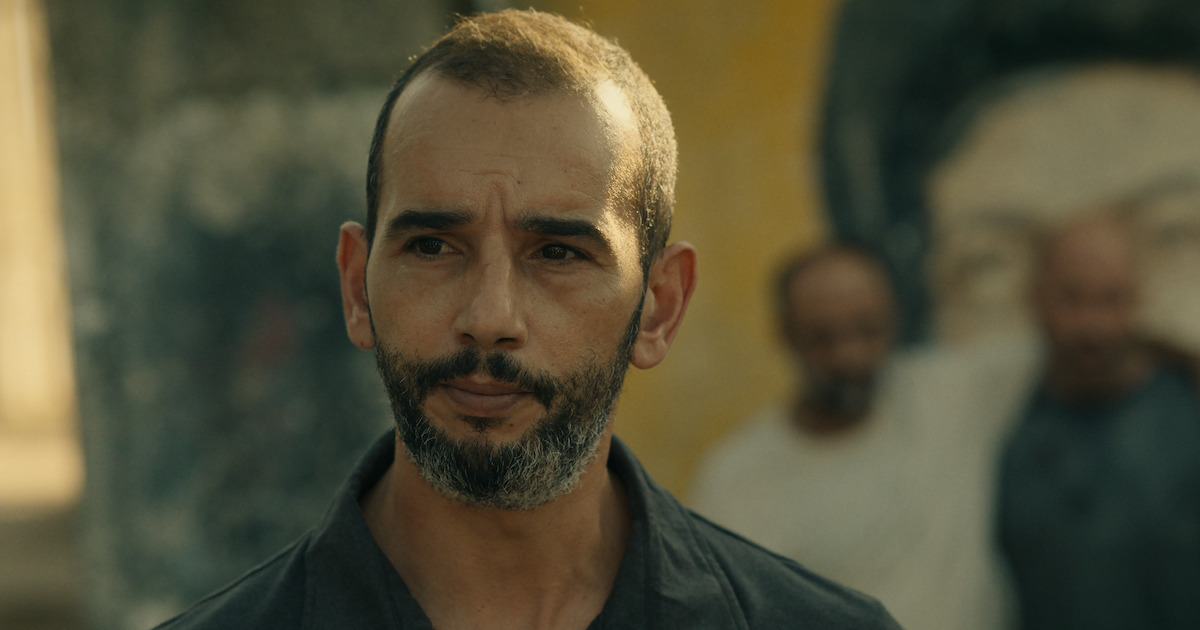
While the 11-episode season primarily unfolds in 2025, there are two episodes that take place on Oct. 7, 2023, and follow the characters through their experiences of that day. Issacharoff says that when they were writing those “two specific episodes about that specific day, to be honest, we were shaking.”
“Here in Israel, it’s something that no one can forget,” Issacharoff says, adding that the writers asked themselves, “‘Am I going to do something that will make people suffer more? [Make people] more sad? Hurt people that lost their closest [loved ones]? Hurt people on the other side?’”
“But,” he says, “I think that we went with our truth — with our belief — that this is the right story to tell, and this is the right way to tell the story.”
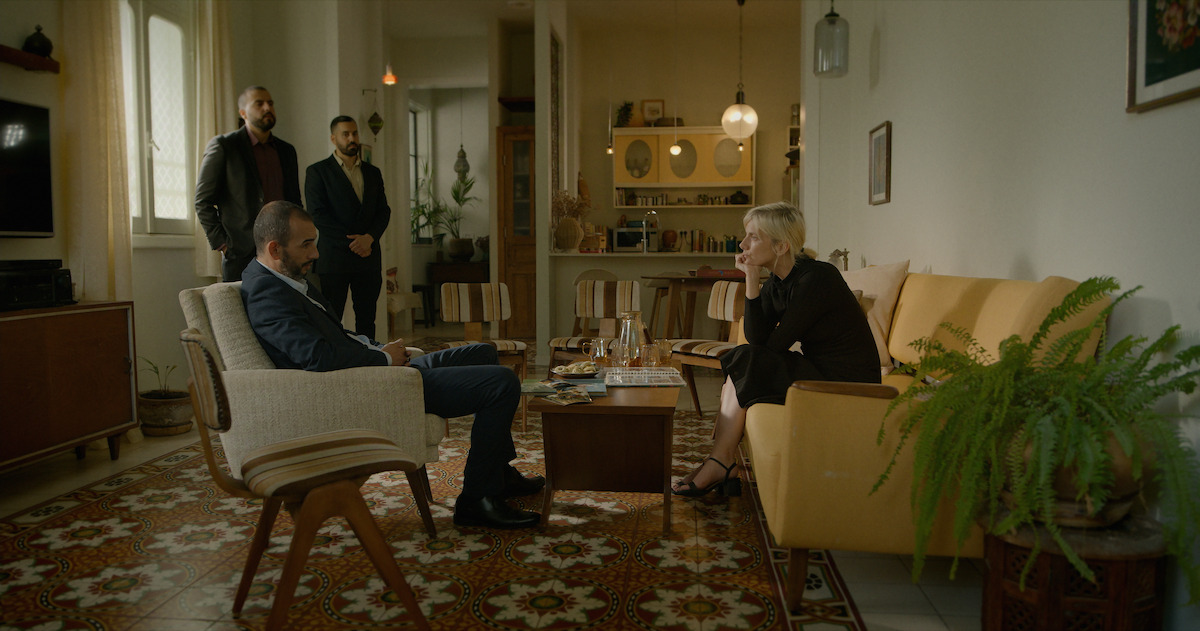
Raz says, “I hope that people will watch it and will understand the price of war, how hard it is. And [it’s] for people who don’t know exactly what happened, but have a hard opinion about what happened. I also think it’s important for them to see and then to take a side, to make an opinion. It doesn’t matter what kind of opinion, but first embrace it, see it, and then talk about it. I hope we’re going to have a conversation much more than anything else.”
“This is a TV show,” Issacharoff stresses. “It’s not reality. But still, we thought that there was a story here to be told. We wanted to ask very tough questions to people all over the world, not only in Israel. ‘Is the revenge worth it? Is continuing this very endless cycle of bloodshed [worth it]? Where is it taking you to?’ I think that at the heart of this season, these are the tough questions that are there.”
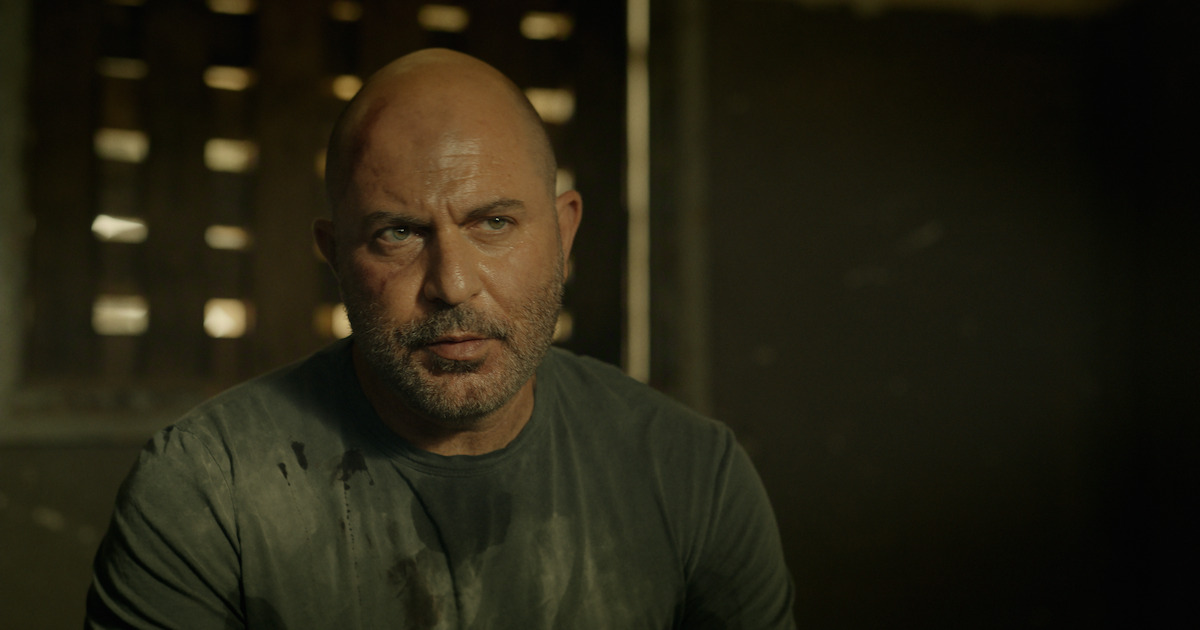
“Writing this season, it allowed me to breathe again,” says Issacharoff. “It allowed me to take all the pain, and even anger, and put it in a document, to put it in a script, and to send it all over the world to people in America, in Europe, in the Middle East, in Israel, of course. At the end, I felt that this was the most important thing that I’ve done in my career, ever. In the last 26 years that I’ve been a journalist and an analyst, this is the most sacred mission that I’ve had, the most important thing.”
To find out more about Fauda Season 5, read below.
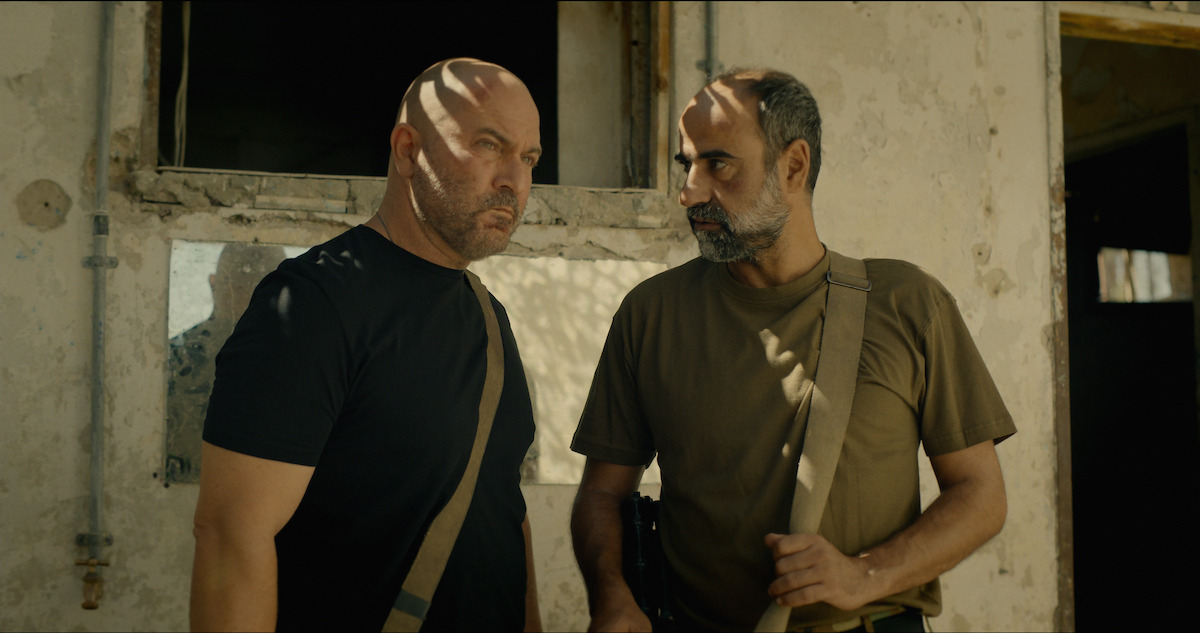
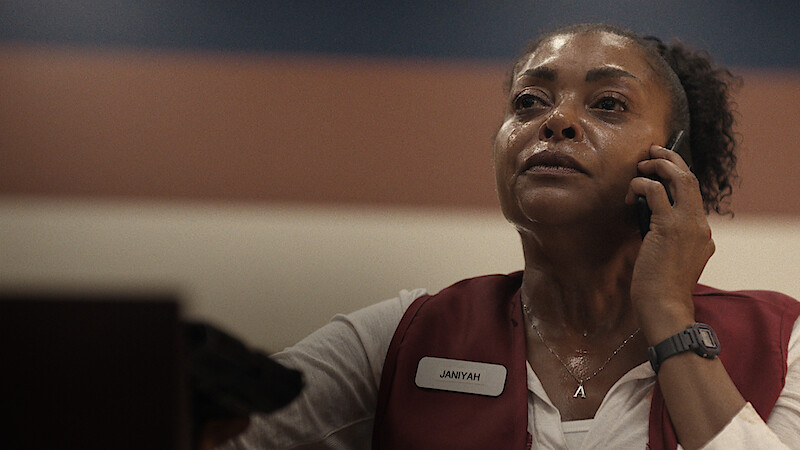
Two years after October 7th, and haunted by their trauma, Fauda’s fighters embark on a deadly race to stop a catastrophic attack on Israel, forcing them to confront the true cost of fighting the war after the war.
This season was directed by Omri Givon, and written by Omri Shenhar, who was the head writer, as well as Avi Issacharoff, Lior Raz, Sari Azoulay Turgeman, Givon, Yona Rozenkier, and Nir Berger. It was created and executive produced by Issacharoff and Raz, and produced by Liat Benasuly.
The fifth season of Fauda is now streaming globally.