Behind the Scenes
Interview with the Vampire... Stunt Coordinator of ‘Day Shift’
Meet the contortionist stunt crew of Day Shift.
Aug. 12, 2022
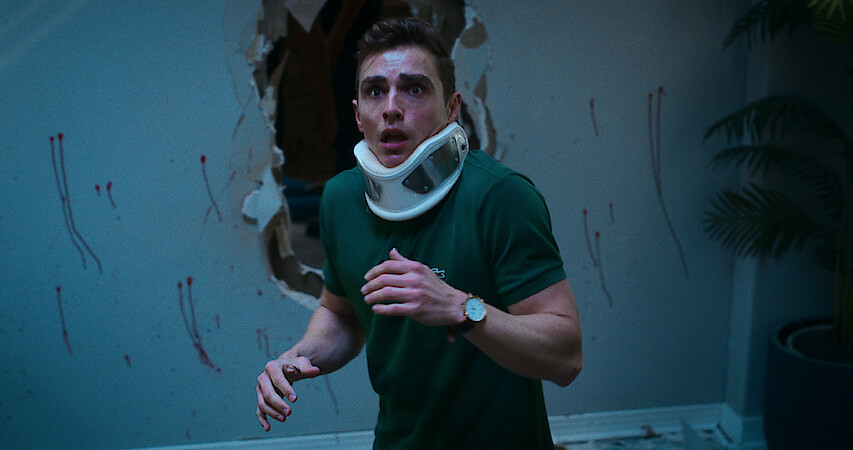
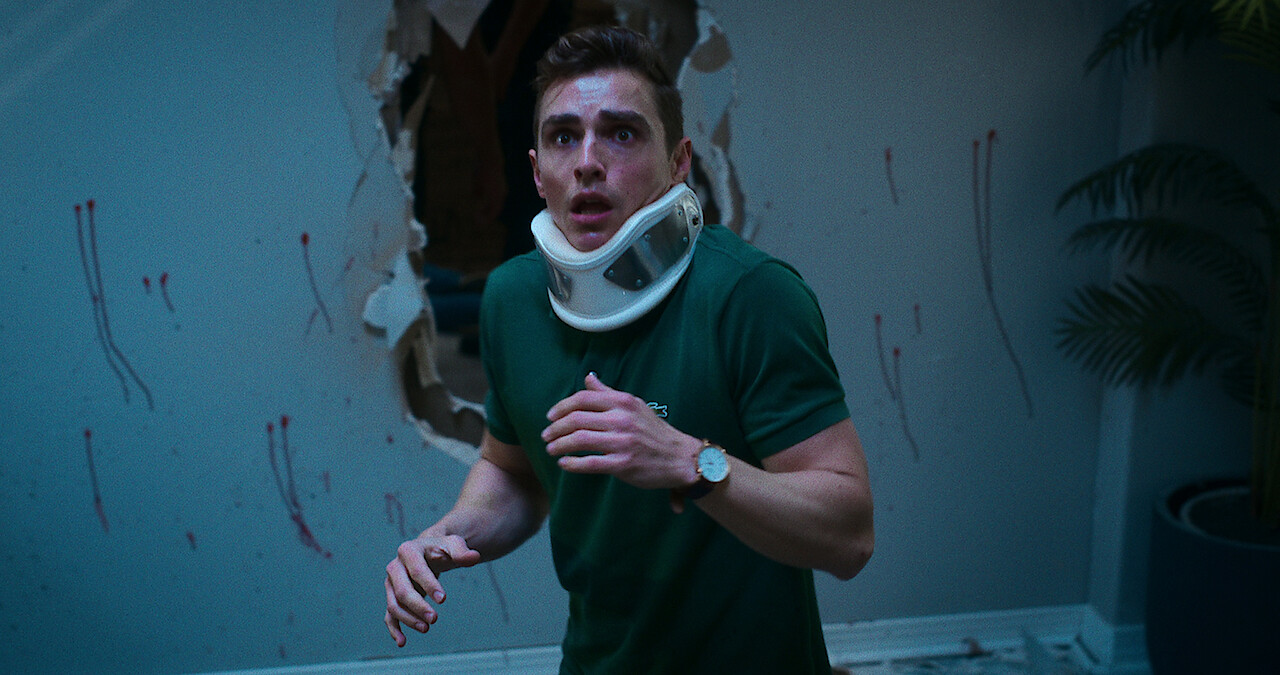
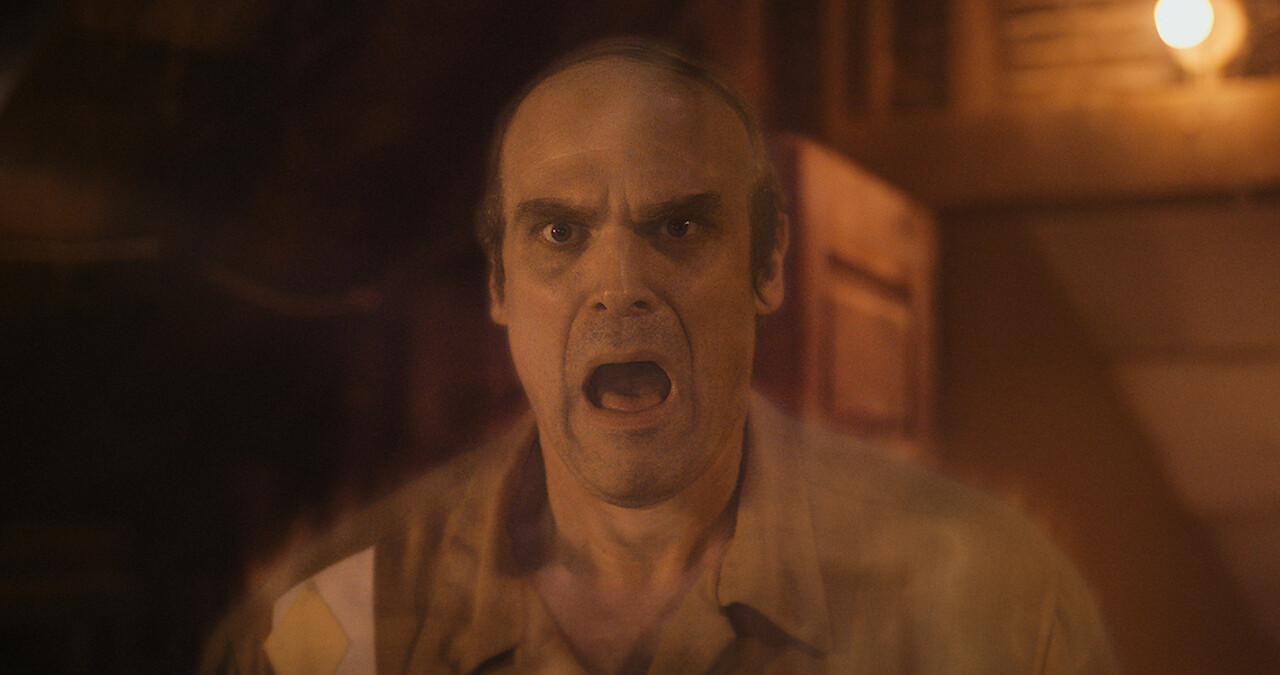
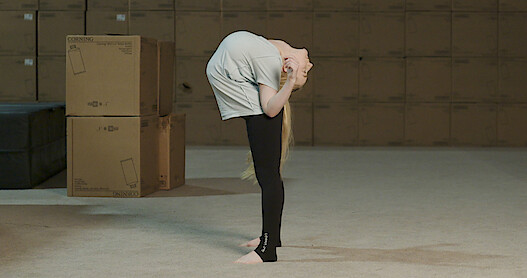
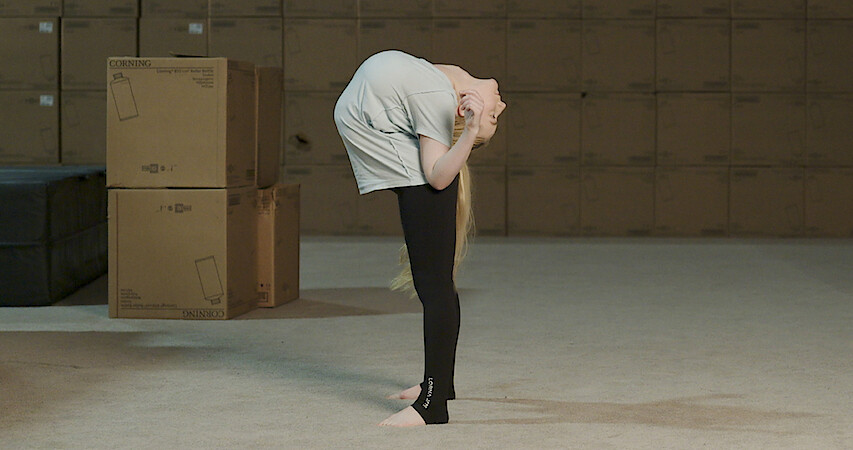
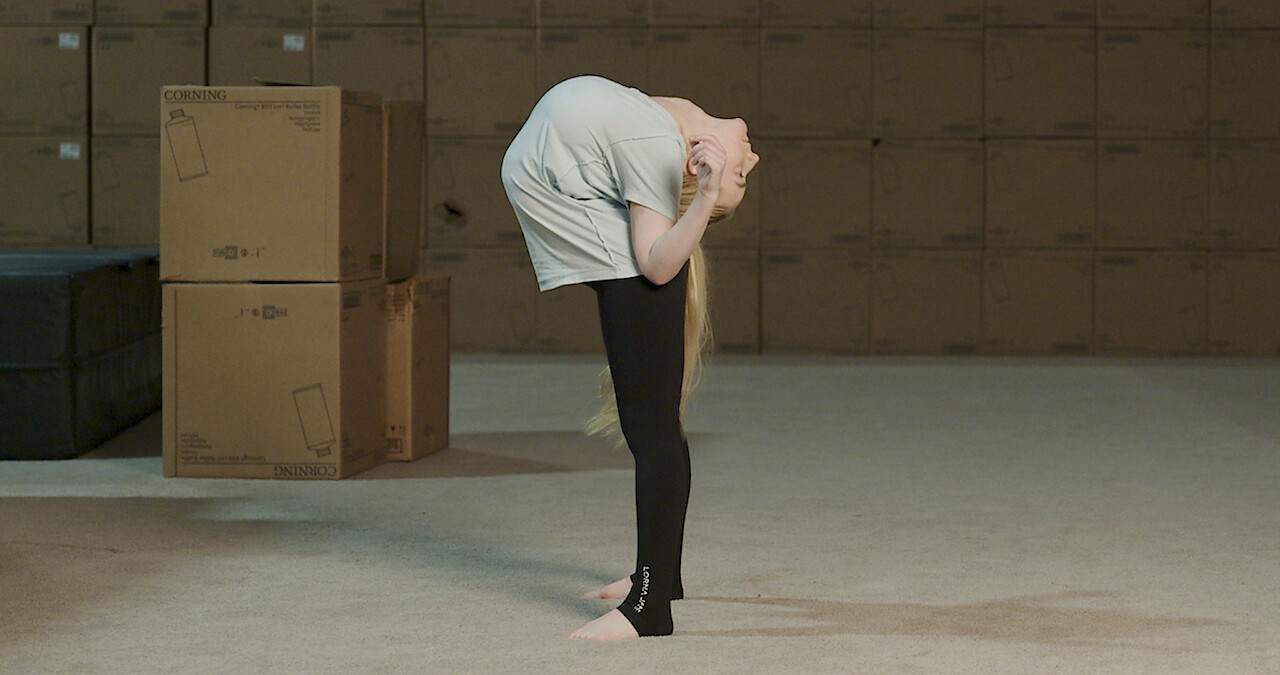
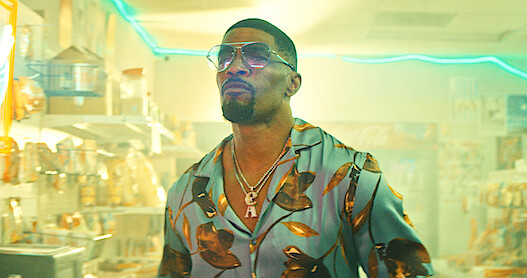
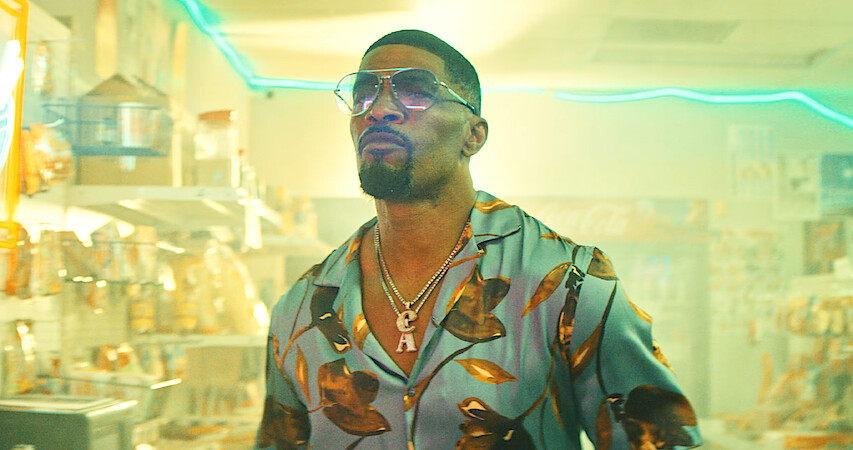
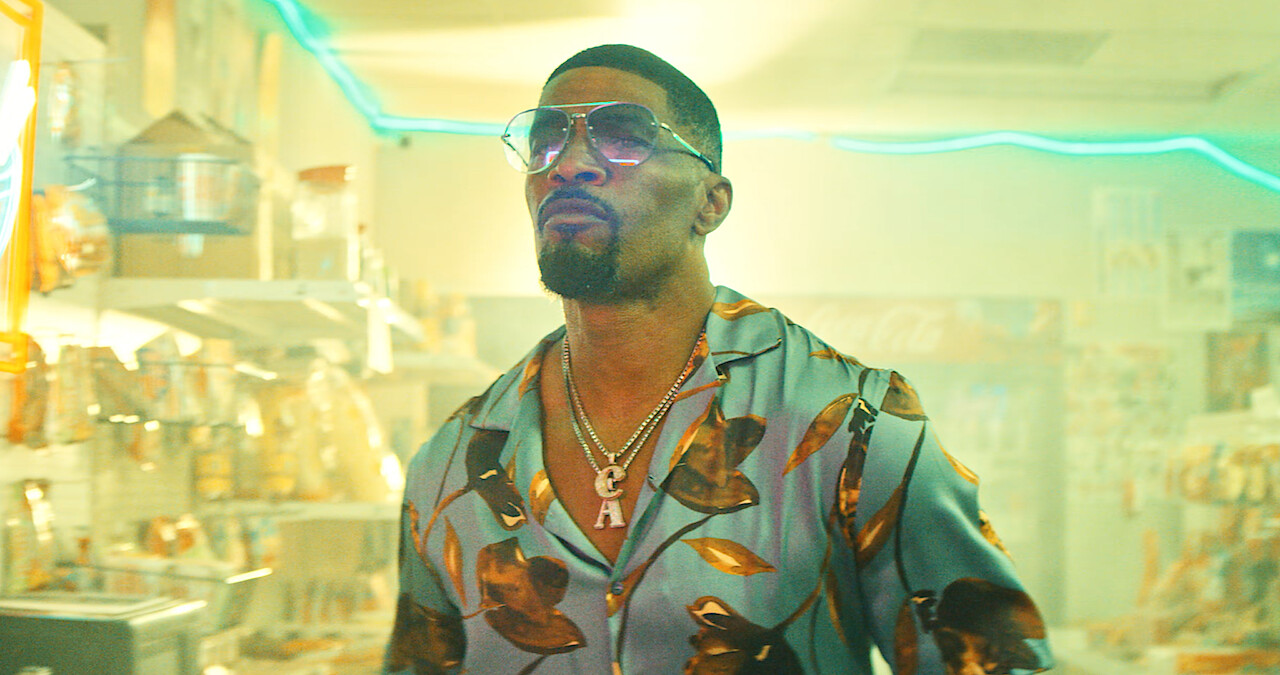
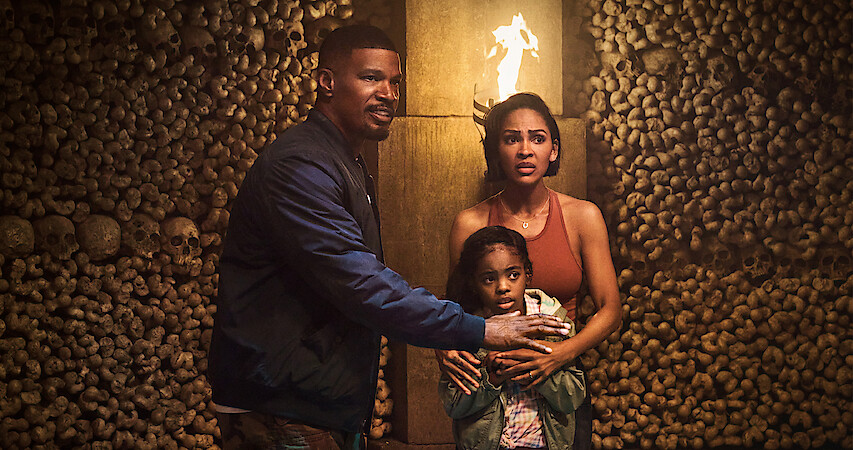
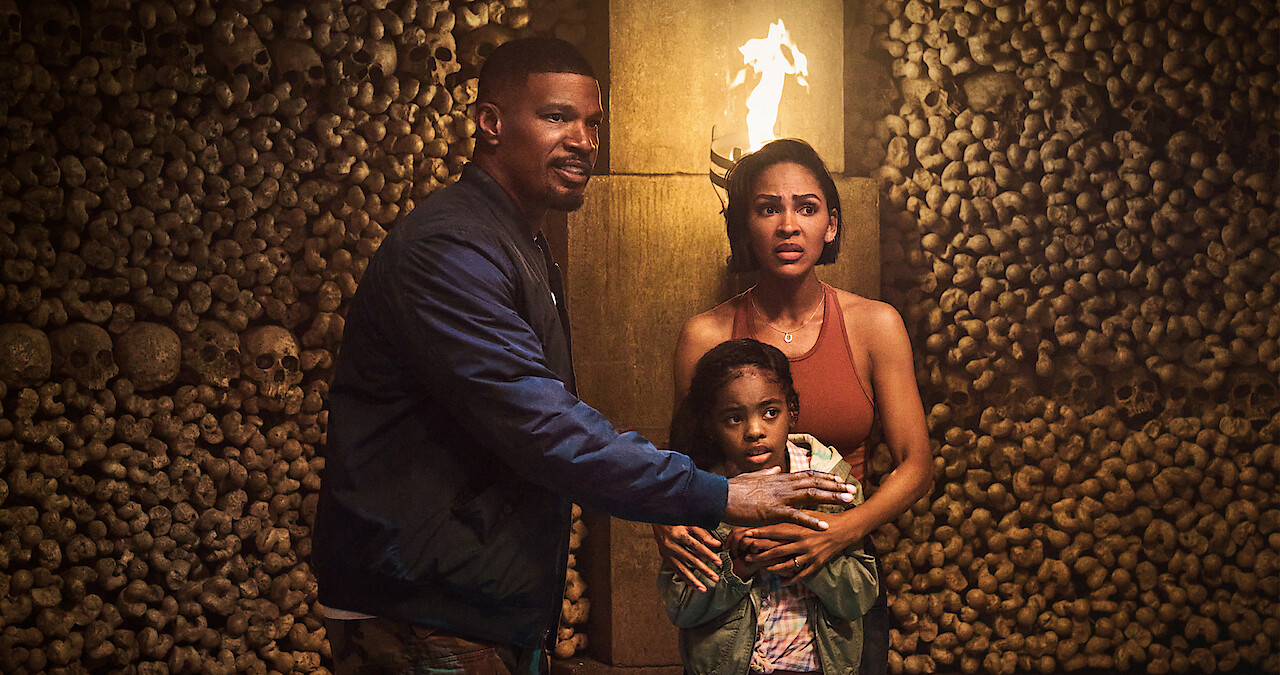
You’ve seen plenty of vampires on screen before, but you’ve never seen them quite so double-jointed and flexible as they are in the Jamie Foxx action flick Day Shift. That’s because the new movie’s vampires are more than just bloodsucking and undead; they’re also professional contortionists, crunching off of walls and scuttling around on their hands with wild abandon. Capturing that wild energy on screen meant the filmmakers had to turn to an unlikely crew of performers: highly skilled contortionists.
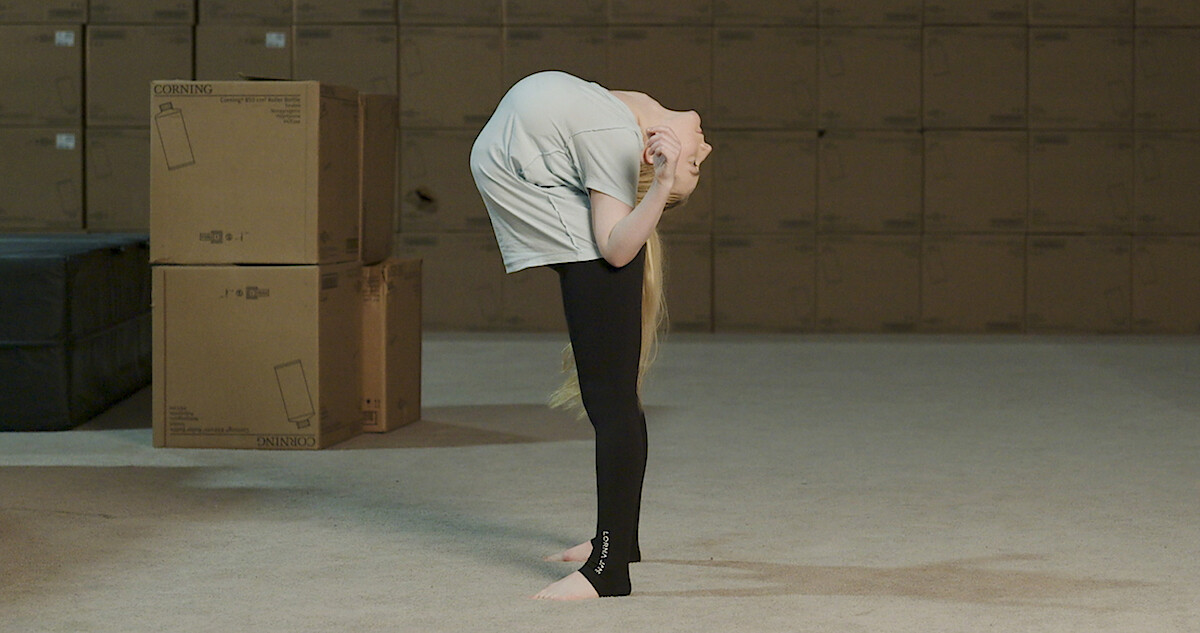
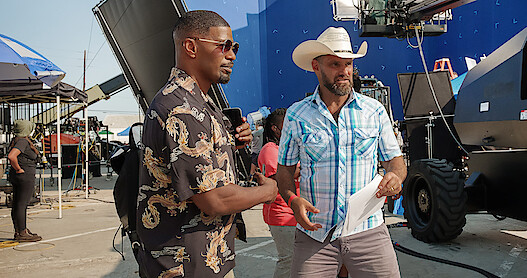
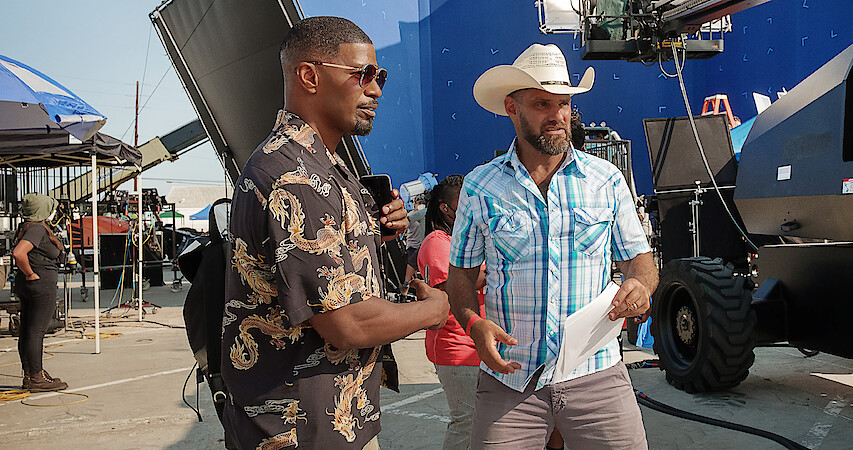
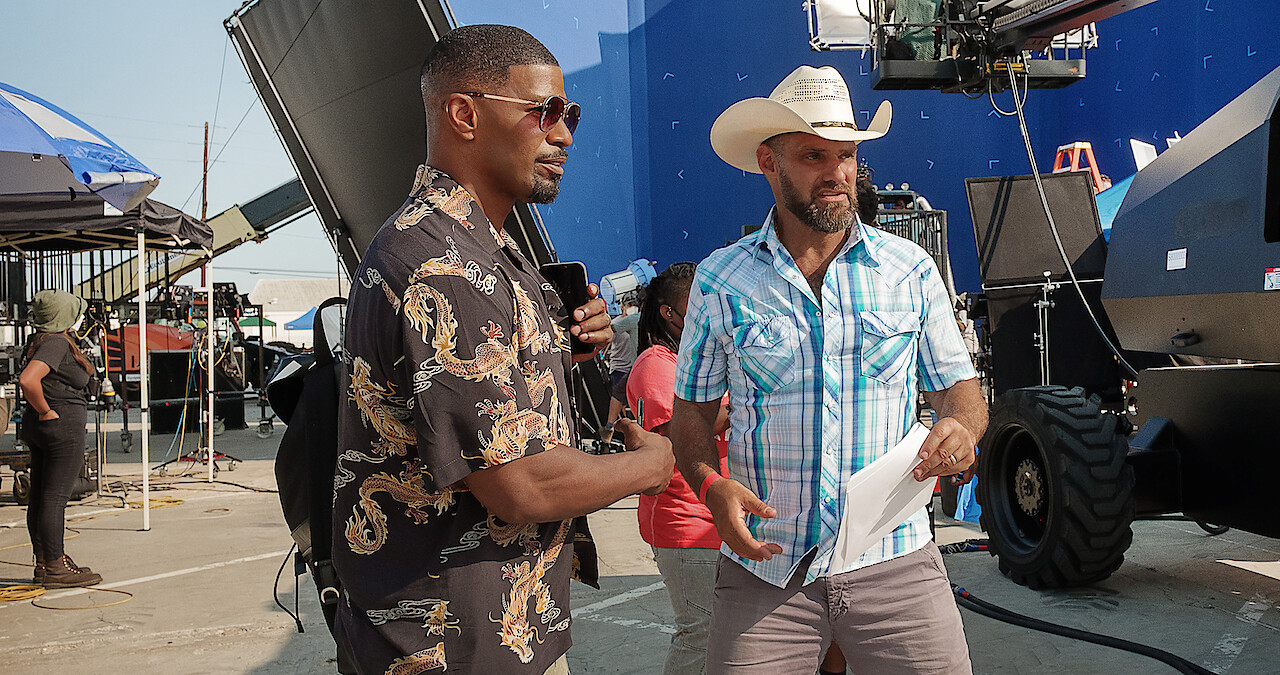
“In the stunt world, we’re trying to look for what’s most dynamic and what’s most [cringe-inducing], like when people see a high impact,” Day Shift stunt coordinator Justin Yu tells Tudum. In other words, the movie needed a team of stunt performers who would literally bend over backwards to make it work. And they weren’t the only thing that was backwards.
“JJ [Perry, the director of Day Shift] asked us if we knew any contortionists, and coming from a wuxia background of performing arts, I knew a lot of people who performed in Cirque du Soleil,” Yu says. From there, the team was off to the races.
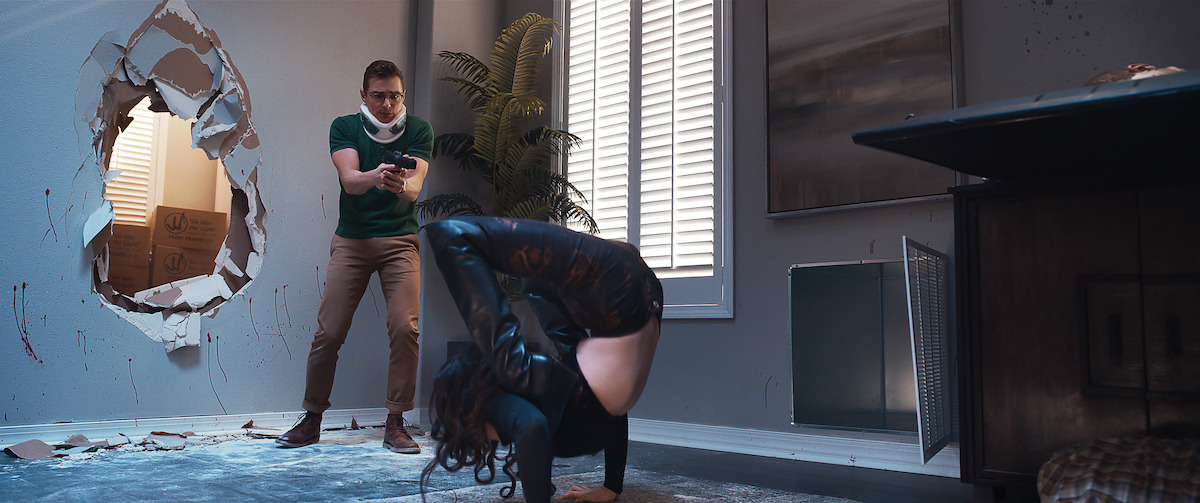
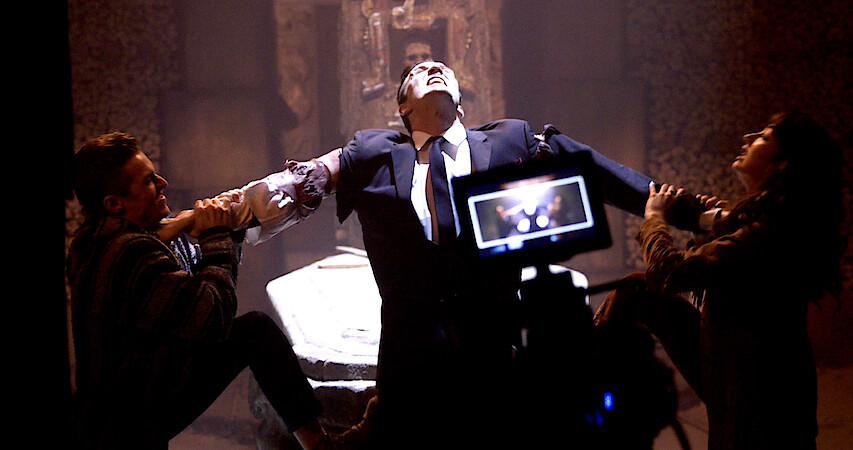
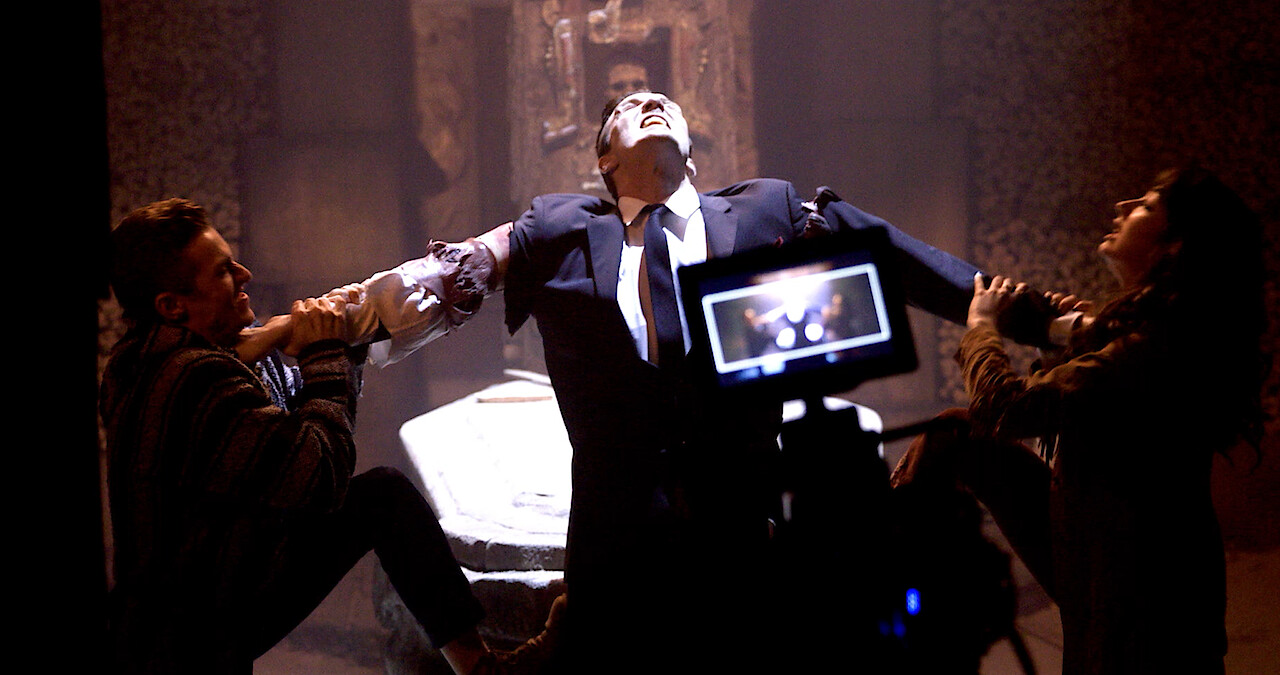
To create the unreal flexibility of Day Shift’s vampire horde, Perry had a flash of inspiration. Contortionists would achieve supernatural poses and then be whisked away on wires, and the crew would edit the footage in reverse to make it appear to be a seamless, bone-crunching stunt. “I didn’t invent contortionists and I didn’t invent reverse photography, but I married them and I’ll take the credit for that, if there’s any credit to be had,” he says.
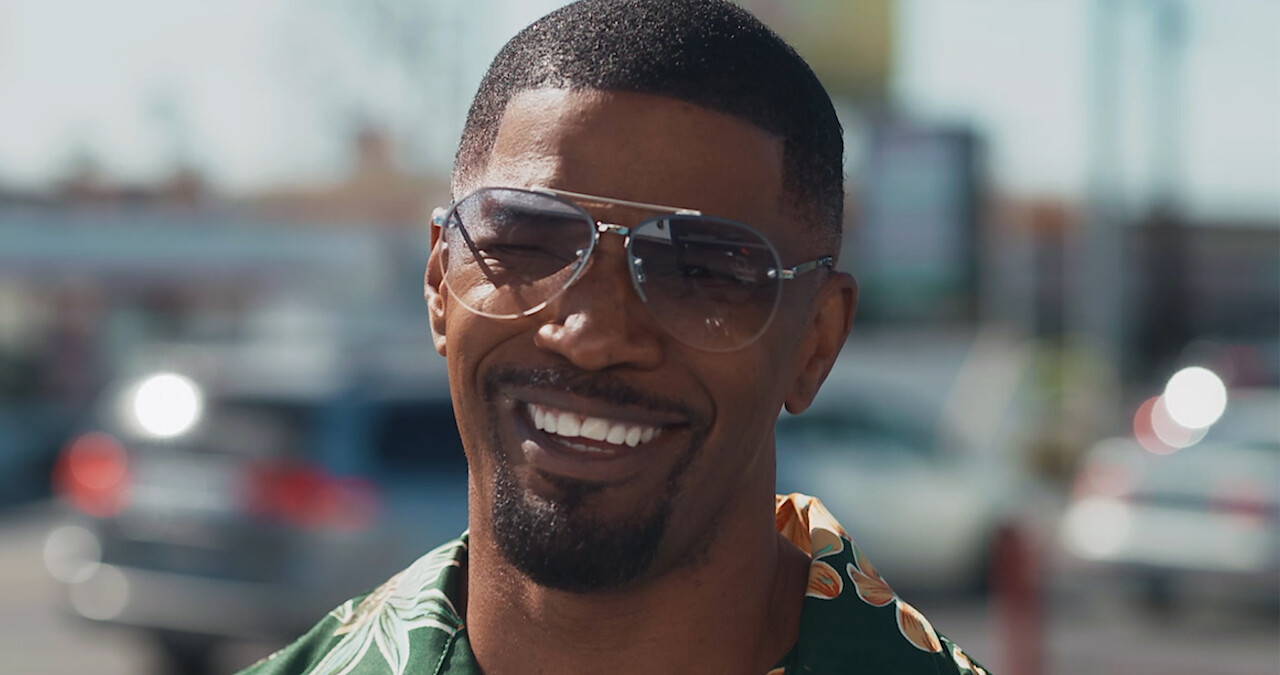
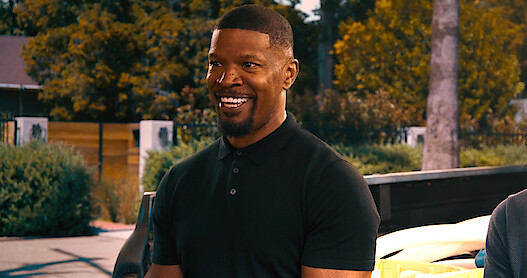
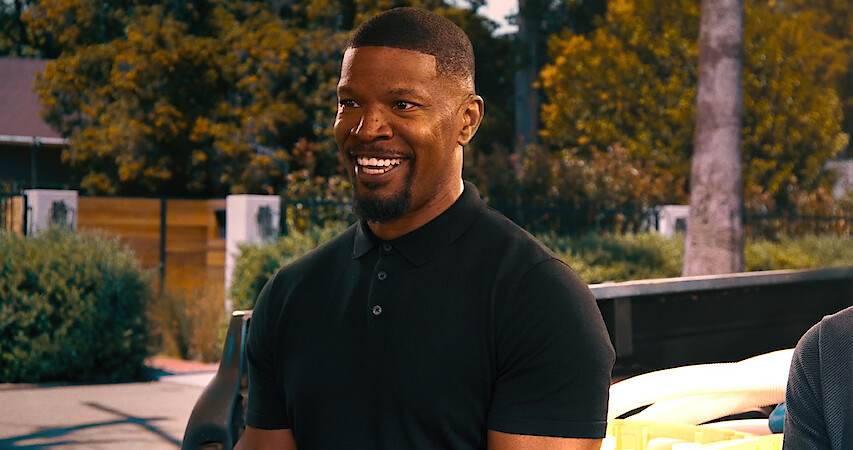
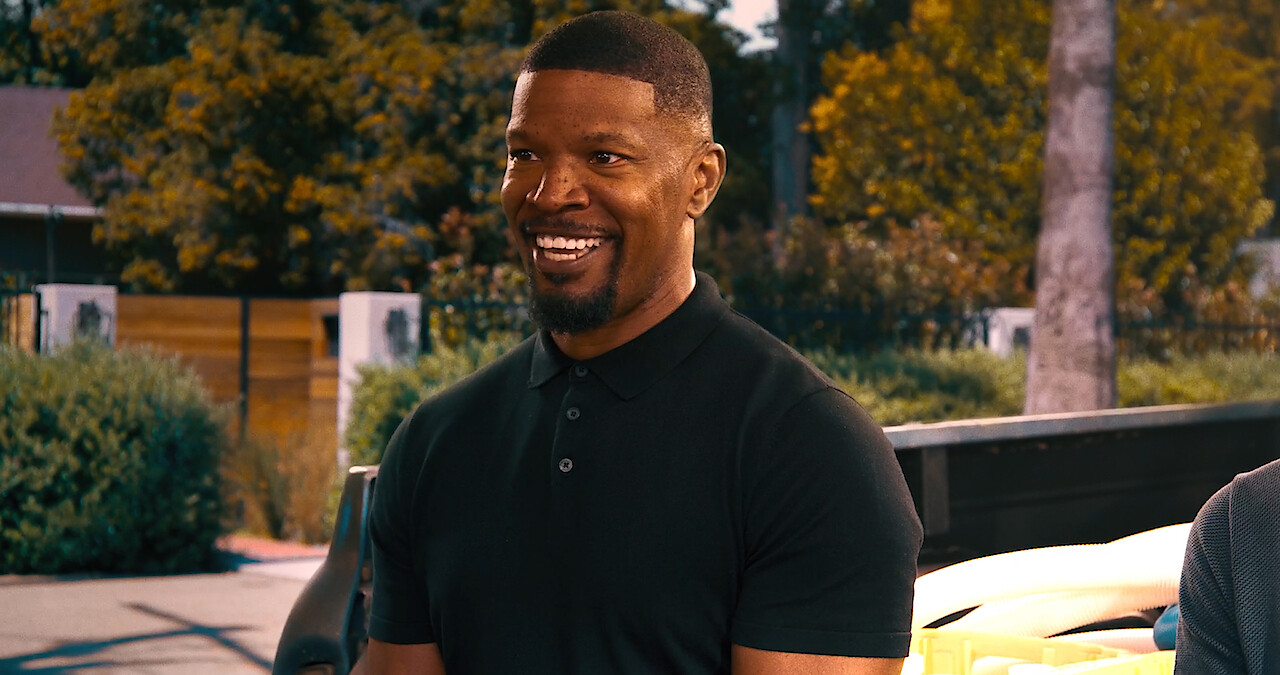
In the first fight sequence in Day Shift, Bud (Jamie Foxx) faces off with a bloodsucking septuagenarian and hurls her into a table, seemingly snapping her back in half. “When you see the woman getting smashed into the table, and she’s getting folded in half, we’re not really doing that,” Perry tells Tudum. “We’re putting her in half and putting her on a wire and pulling her out and playing it in reverse. So it’s all in camera. It’s an old school trick.”
“We spent a month off the books trying to learn the contortionist movements and what their limitations were,” Yu expands. “Each performer’s different. Each performer’s contortion art has limitations. One person’s arm may stretch further than the other person’s, while one person’s back is naturally more flexible.”
The job wasn’t finished after the cameras stopped rolling. The film’s sound design dialed the vamp-crushing up to the next crunchy level. “We were playing with the sound of chicken bones breaking, with celery. We played with all kinds of sound to make it more visceral,” Perry says.
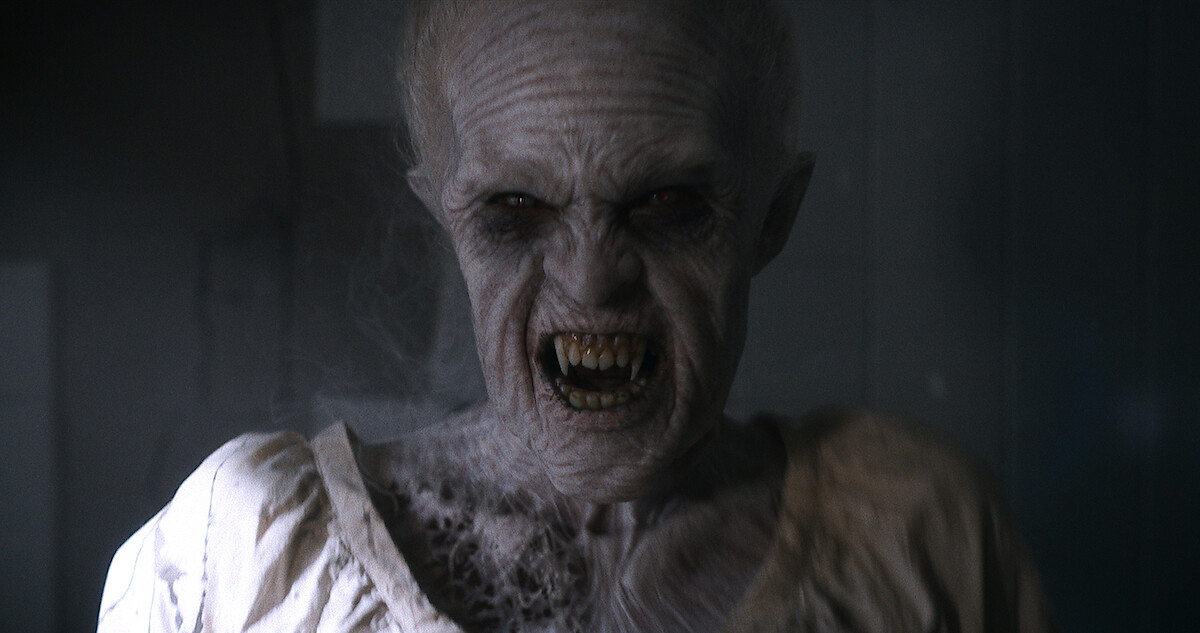
But even with sound designers and a talented group of (literally) flexible performers, the film’s camera trickery meant it still needed its traditional stunt performers. “We had five to six contortionists and we rotated them in and out,” Yu says. “We doubled some of them. For the most part, a lot of the contortionists that were on screen had doubles because they couldn’t do the stunt aspect of it.”
But don’t get it twisted: that learning curve went both ways. “We definitely had moments where all the stunt guys were trying to do splits,” Yu laughs. “We tried our hardest, but it was just one of those things where we couldn’t even get past bending past our knees.” Hey, it’s hard to be good at everything.