Needle Drop
The ‘Cheer’ Team Breaks Down Season 2’s Soundtrack
Supervising producer Adam Leibowitz tells us how the show scored HAIM, Megan Thee Stallion and more.
Feb. 2, 2022
Sometimes you hear a needle drop that’s a little too perfect — it feels cruel almost — as if the music supervisor is playing a trick on you, waiting for your reaction. They’re puppeteers; masterminds of mining through playlists for that one track they know will keep you hypnotized. It’s no simple feat, but Cheer has mastered the formula of curating a soundtrack that sticks the landing.
“How is [Cheer] one of the only Netflix shows with real pop music needle drops?” Tony-nominated playwright Jeremy O. Harris tweeted. “Cheer Season 2 playing HAIM and Maggie Rogers songs? I know that was Monica’s doing,” said another Twitter user. How exactly does the show get such prestigious music, and why does it hit differently? Some could say there’s a science behind the process. For the show’s Season 1 and 2 supervising producer Adam Leibowitz, the art of selecting music is all about a feeling. “You’re going for a vibe, but the home run is if you find something that’s a perfect vibe and the lyrics can sort of jibe with that,” he says.
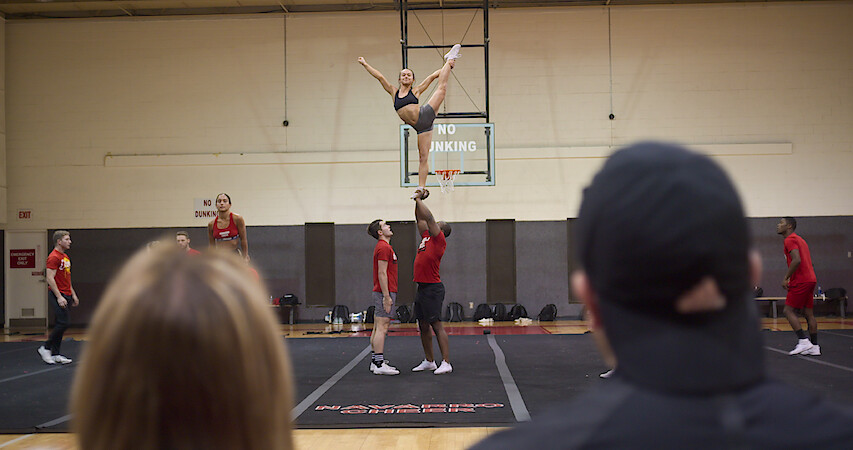
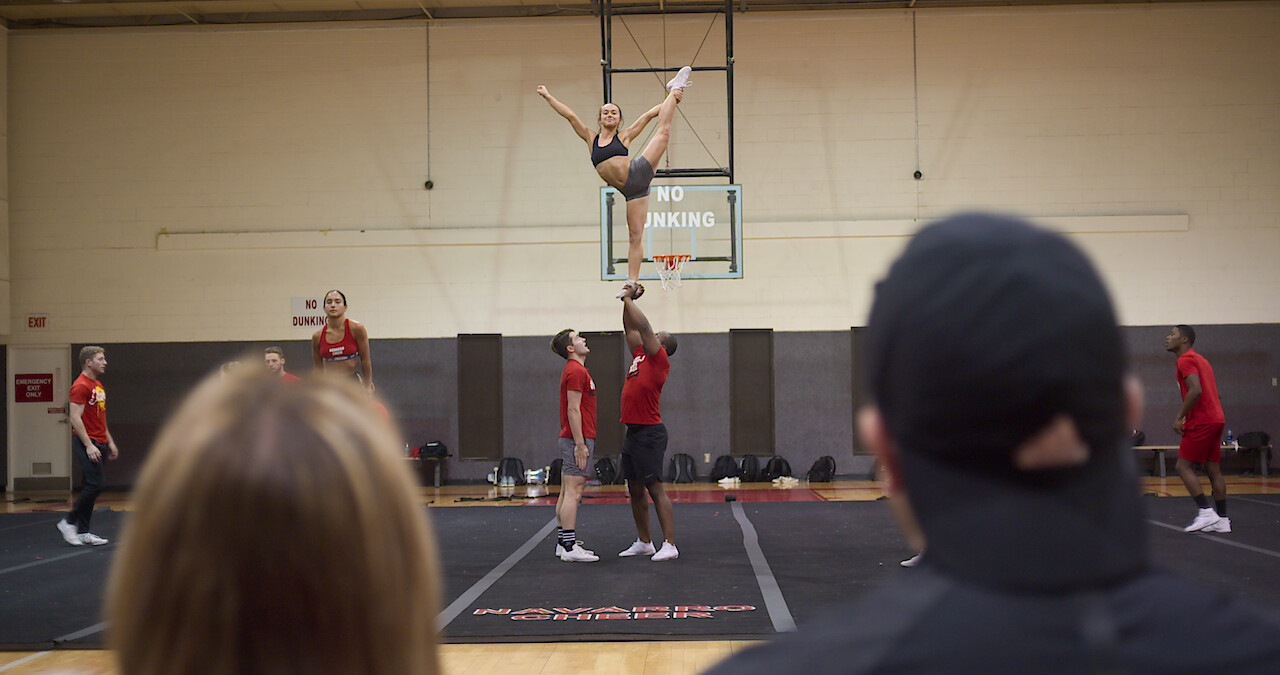
Having worked on Last Chance U and Last Chance U: Basketball, Leibowitz is no stranger to sports documentaries. “It’s of high importance to us as documentary filmmakers that needle drops are a huge part of our shows,” Leibowitz says. “We don’t want it to seem scripted, obviously, but our filmmaking style, the way we edit, the story arcs within episodes — we want it to feel like an hour-long drama.” To achieve this form of storytelling, it’s crucial for Leibowitz and his team to choose songs that elevate the show. “It kind of makes it feel a little different and more separated than most unscripted content,” he adds.
The first step is to create a collaborative playlist — similar to one you’d make with your friends before a long road trip. From the directors to producers to editors, everyone will add songs that they not only enjoy but are representative of the show’s characters. “We try to be reflective of the world we’re in. With Cheer, you have characters that are really different from each other. You have Monica [Aldama], who’s very different from La’Darius [Marshall] in terms of music that would represent them,” explains Leibowitz.
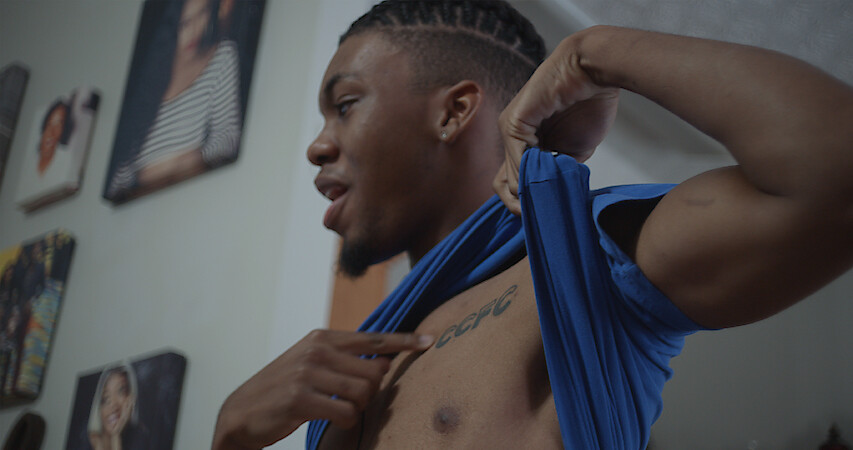
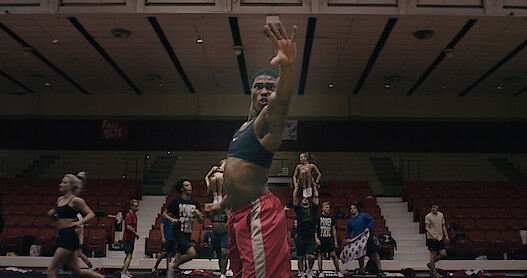
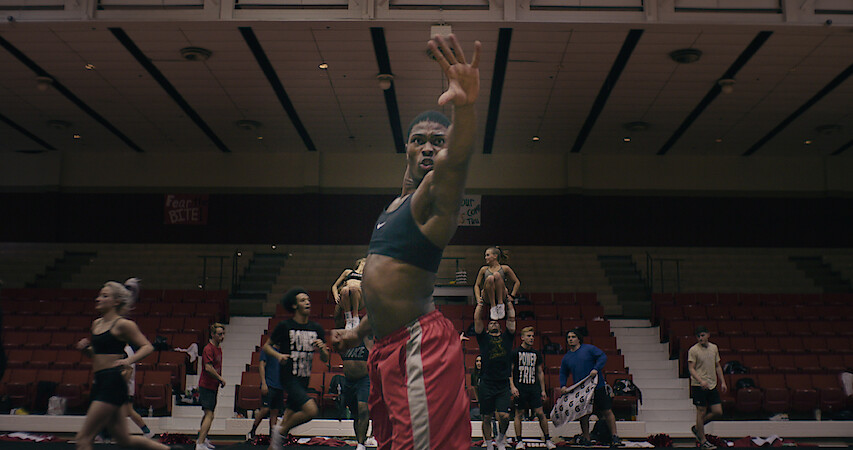
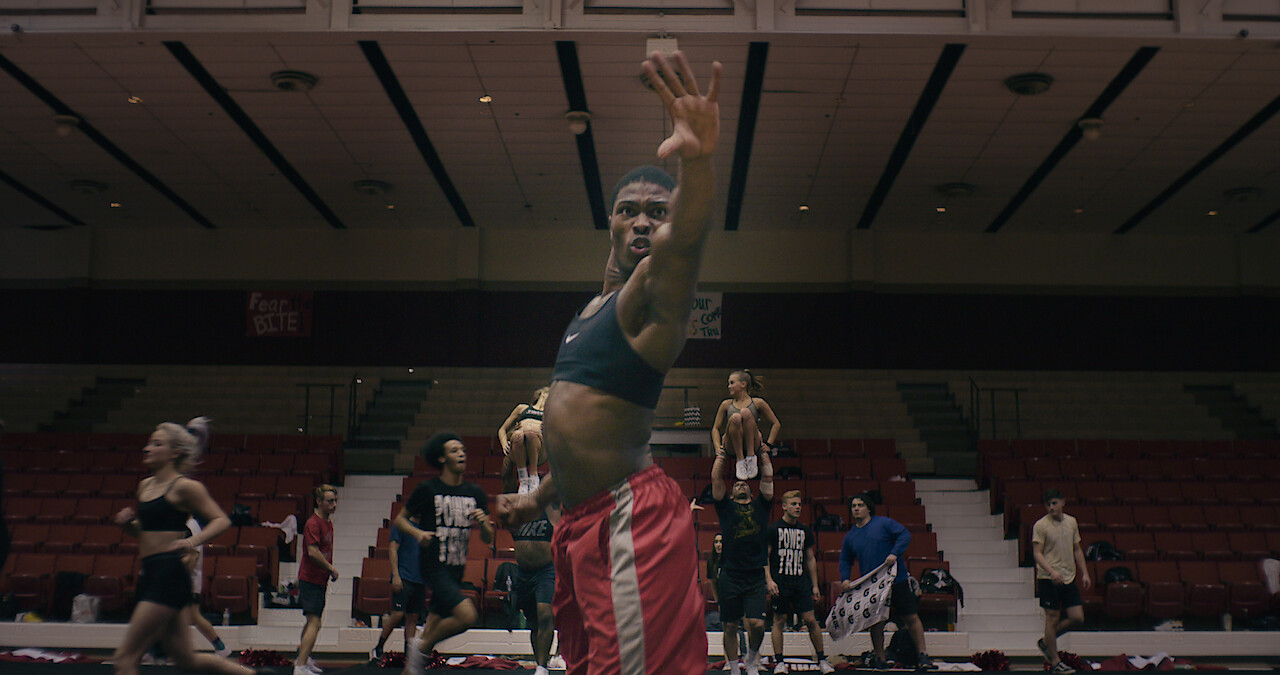
The range of music genres is evident in Episode 2. “Trinity Valley, straight. Navarro, gay… ” TVCC stunter and tumbler Jeron Hazelwood says to the camera. “Over there. they got all the gays who are going to give you everything you want on the floor.” In drops “CLONES” by Tierra Whack and we see Marshall pumping his chest, along with a shot of the Navarro gays popping their hips in sync. “Everybody walkin' like me now/ Everybody talkin' like me now,” Whack confidently spits on the track. The fifth-dimensional trap beat is fitting for two reasons: first, it highlights how Navarro isn’t afraid to embrace choreography — and queerness — in their routines and, second, it positions Navarro as the unapologetic top dog in their division.
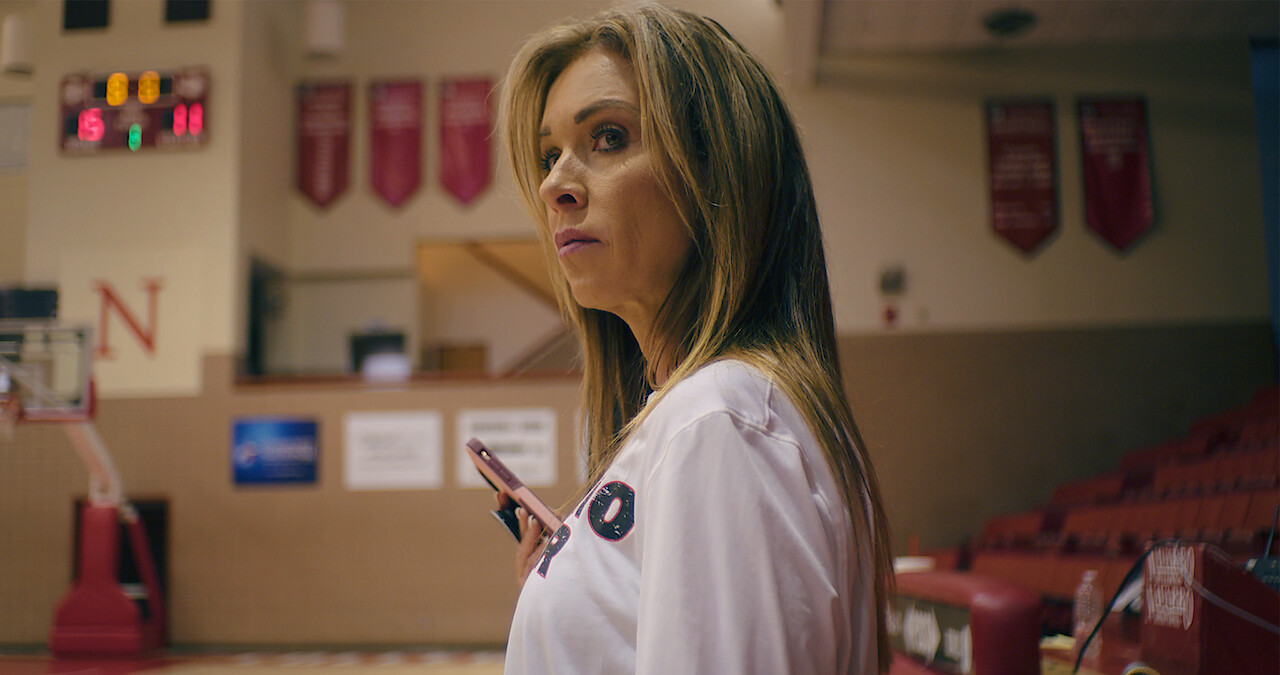
Within half an hour, the soundtrack switches from rap to country as the mellow “Born to Run” by Emmylou Harris orchestrates Aldama’s scene. “A country strong woman ballad,” is how Leibowitz describes the song. In the episode’s closing shot, the gymnasium lights shut off one by one, but Aldama’s silhouette can be seen pacing back and forth in the fluorescent-lit windows of her office, still working late into the night. “Well, I was born to run to get ahead of the rest/ And all that I wanted was to be the best,” Harris sings, accompanied by a simple guitar strum. And those lyrics are a testament to Aldama’s grit; working up to 14 hours a day so her team can come out on top.
Once the songs are added to the playlist and sent to the editors, the next step is securing the rights — a step that can be more difficult than the cheer stunts themselves. “Despite the popularity of the show, we get turned down just because it’s a documentary series,” Leibowitz shares. “But when we do get bigger songs, it’s because they know what the show is and the reputation it has. They know that the song is going to be used in a pretty cool way.”
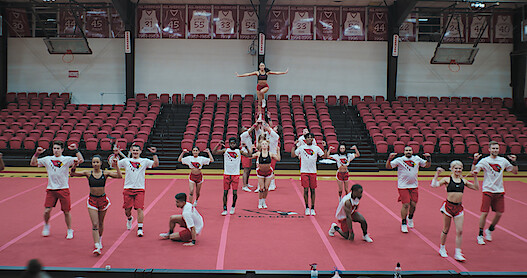
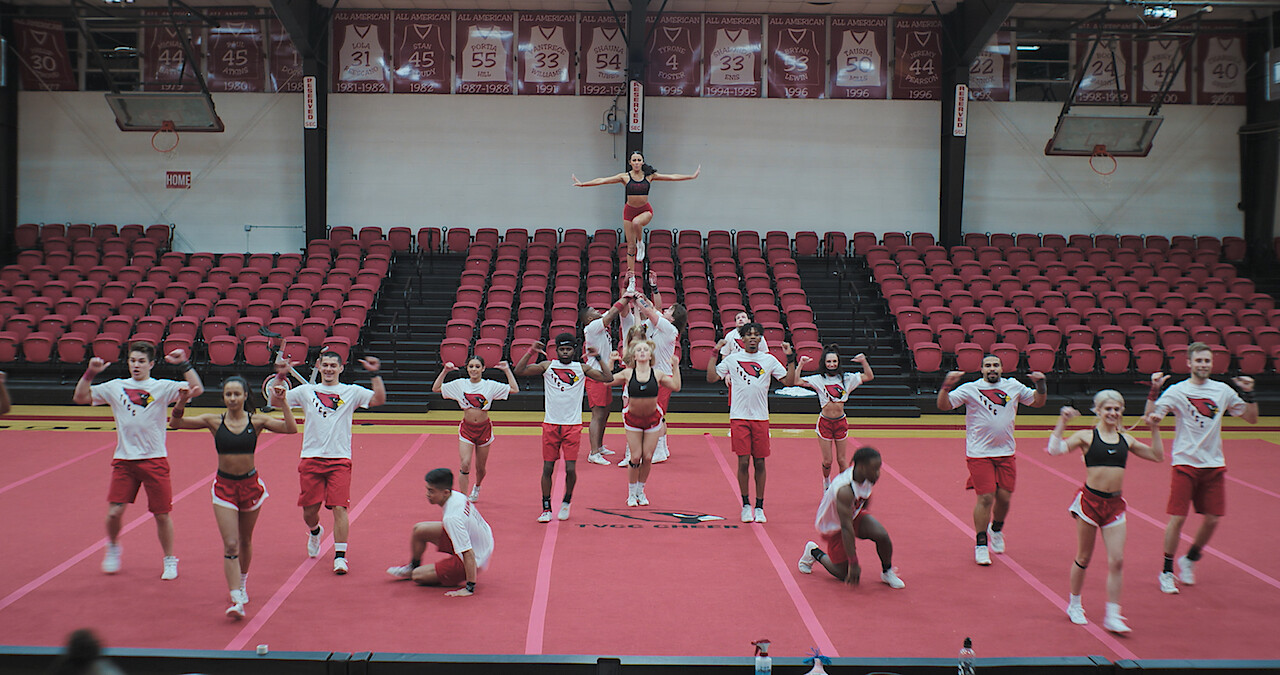
One standout moment for Leibowitz is the end of Episode 3 when “Falling” by HAIM comes on. Rookie flyer Gillian Rupert has (spoiler alert) just replaced veteran Maddy Brum in the routine. As viewers, we sense the tension on the mat but also Brum’s devastation as she fights back tears. The drum echoes like a heartbeat under pressure. Rupert successfully lands a flip and the entire team erupts into celebration, but Brum isn’t partaking. The last shot cuts to her on the sidelines at a total loss.
“That scene is from Maddy’s perspective. For her, it’s not just a fun sport that she’s good at. It’s everything. It’s really like a refuge for the trauma in her life,” Leibowitz explains. Some viewers might interpret this scene as Brum overreacting, but according to Leibowitz, that couldn’t be further from the truth. “Not only has she been demoted, but everyone’s immediately celebrating the person that replaced her. It’s this really emotional, personal song about feeling like you’re falling.” The screen turns black and the credits start just as HAIM sings, “Don’t stop, no, I’ll never give up/ And I’ll never look back, just hold your head up/ And if it gets rough, it’s time to get rough.” Lyrically, it’s heartbreaking, but like Brum’s character, the song’s adrenaline assures you she’s determined to pick herself back up.
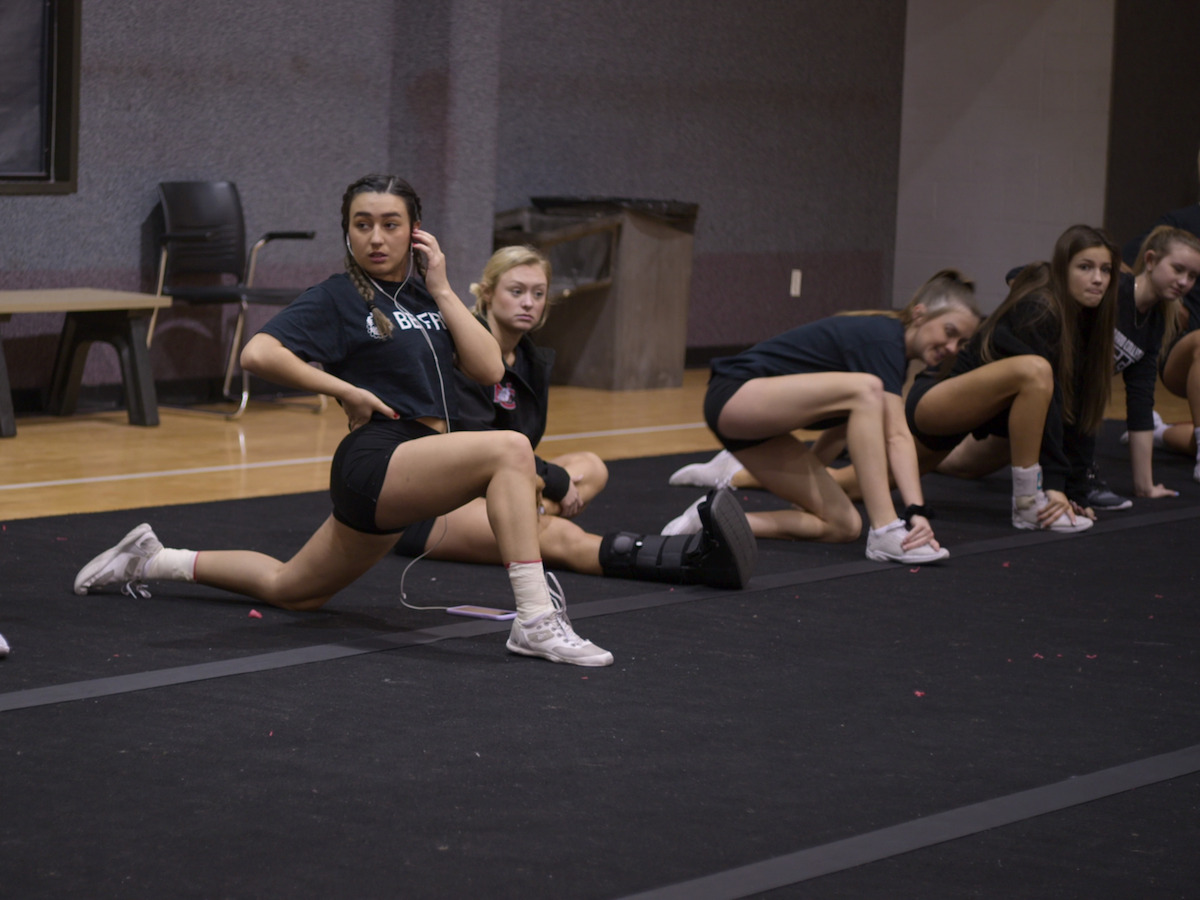
From Charli XCX to Megan Thee Stallion, some of the most playful needle drops come directly from the cast’s playlists. “We let them play the music in real life, but then we play it ourselves as sort of what they call ‘non-diegetic.’ That’s when it’s no longer in the scene and we’re playing it as the soundtrack. Or in the case with the Megan Thee Stallion song, it starts as a non-diegetic song — and it just seems like a needle drop — and then you realize it’s actually what they’re listening to,” Leibowitz explains. Using non-diegetic and diegetic methods breaks the fourth wall between the subject and audience, giving viewers an intimate taste of their world. “You like watching them for a reason. They’re cool, interesting people. It’s good to get their vibe, the stuff they’re into and feel what it’s like to be in that world.”
The music of Cheer is immersive, but it doesn’t seek to romanticize its subjects. While watching this show about ordinary — but also extraordinary — people, the songs highlight the growing pains of life that many of us watching also feel: running away from troubled pasts, fighting for dreams that are almost too big to grasp, yearning for acceptance, experiencing exhilarating highs and the crushing lows. It’s a language through which we can express our emotions; not by way of words, but through song.
As the Season 2 finale ties up loose ends, we see Aldama return to the Navarro campus after a grueling season. “I hate to lose, but the feeling of losing — that’s a feeling of motivation, too,” she says hopefully as “London Homesick Blues” by Jerry Jeff Walker plays in the background. There’s been a lot to contend with: Daytona 2020 (major spoilers ahead) was cancelled due to the pandemic, Jerry Harris was arrested earlier that year on federal child pornography charges, Aldama’s team has lost Daytona 2021 to their rivals and overnight fame has taken a toll on her interpersonal relationships and team.
“I want to go home with the armadillo/ Good country music from Amarillo and Abilene/ The friendliest people and the prettiest women you've ever seen,” Walker sings. The nostalgic song feels like the warm embrace of coming back home, like finally allowing yourself to take a deep breath. “There’s this sense of melancholy after everything that happened at Daytona. Monica’s going home to Texas where she truly feels comfortable,” Leibowitz describes. “It’s about Texas, but it’s also about cheerleading, too. The ending is this love letter to cheerleading and these people. Cheerleading is their home.”
Perhaps that’s why these needle drops feel a little cruel at times. They force us to reckon with the way we feel when we hear the humming of a synth beat or the swelling of a bass drop. Ultimately, we find a sense of belonging that we didn’t know was already there. For the subjects of Cheer, that’s all they were ever really looking for.
Welcome to My World - Anita Kerr Singers The Hostess - E Ruscha V Space Traveller - Kotovsky86 Money Good - Megan Thee Stallion Bad Things - Cults CLONES - Tierra Whack Bumbum Granada - Mc’s Zaac & Jerry Smith Let Me Clear My Throat (Old School Reunion Remix ’96) - DJ Kool Born to Run - Emmylou Harris Falling - HAIM Born Under A Bad Sign - Albert King Bang! - AJR Underwater - Porches Fallingwater - Maggie Rogers All In Circles - Shida Shahabi Run the Jewels - Run The Jewels, El-P Trash - New York Dolls Journal of Ardency - Class Actress Cowpoke - Colter Wall When You’re Smiling - Doris Day Dance - ESG The Look - Roxette Core - RL Grime Trophy - Charli XCX Summoner - Big Black Delta Never Gonna Cry Again - Eurythmics, Annie Lennox, Dave Stewart Heads Will Roll (A-Trak Remix) - Yeah Yeah Yeahs, A-Trak There Will Be Hope - Hania Rani, Dobrawa Czocher London Homesick Blues - Jerry Jeff Walker