
Explainer
Breaking Down Doc Antle’s ‘Insane’ Tiger Cub Movie
Yep, we watched The Great Tiger Cub Adventure.
By Ben Rawson-Jones
March 5, 2024
The mid-’80s gave us many classics, including Back to the Future, Beverly Hills Cop, The Goonies and...
Bhagavan “Doc” Antle’s The Great Tiger Cub Adventure.
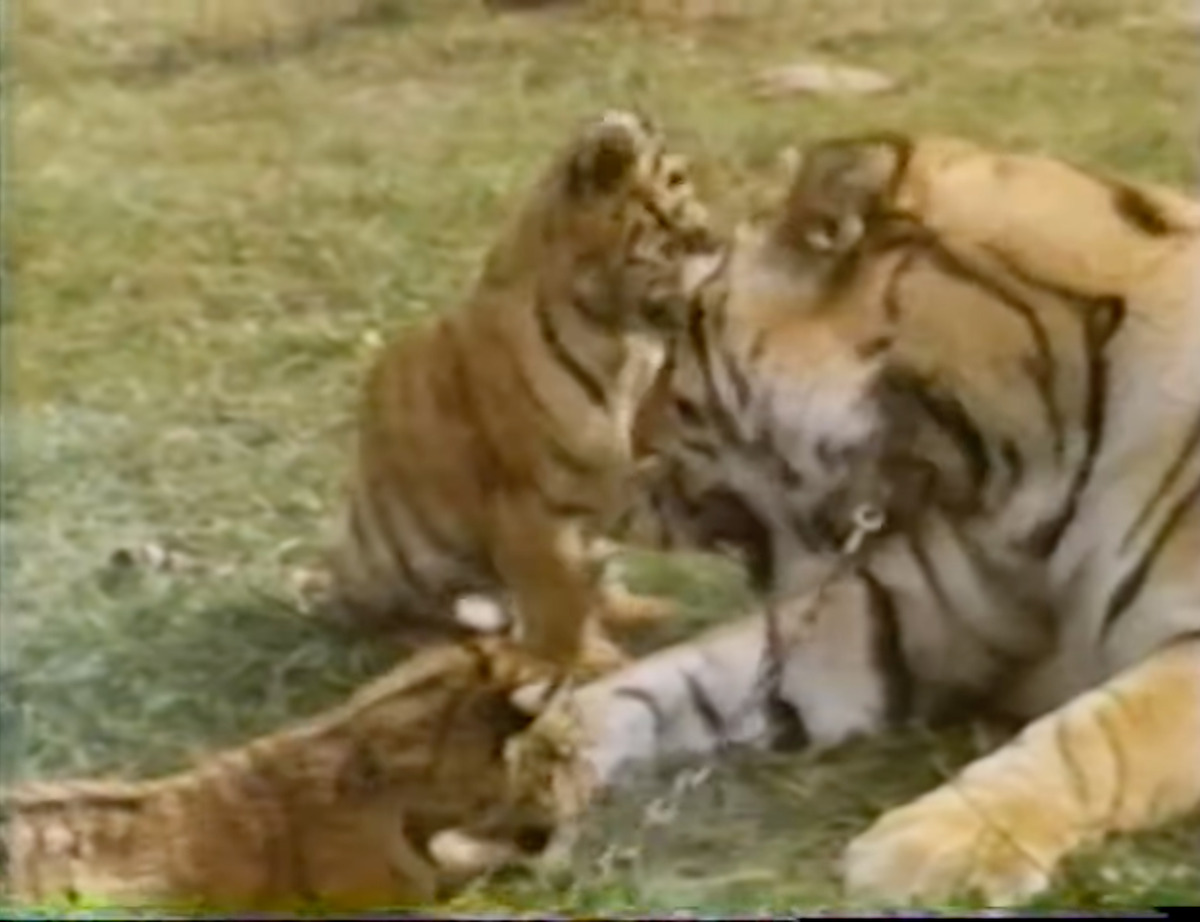
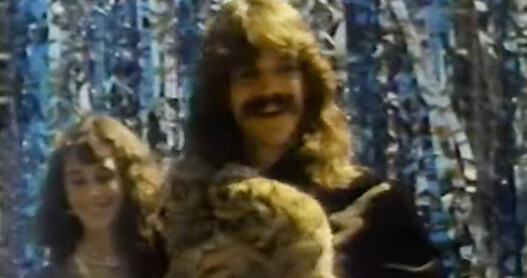
The movie was conceived as a Hollywood blockbuster with Kevin Bacon touted for a starring role. It follows three tiger cubs stolen by Evil Biker Bob (presumably not the name on his birth certificate) from a traveling magic show operated by Antle’s Marvelous Marvin. The cubs end up in the possession of several schoolchildren, who stuff them in doll houses and start selling exotic animal photo opportunities to their classmates. This summary makes it sound exciting, right?
Well, the finished product was derided by many of those involved — even Antle referred to it as an “insane piece of crap” on Tiger King. It definitely doesn’t have to be seen to be believed, but we’ve watched all 48 minutes of it. Here are our findings.
There isn’t one word of dialogue.
None of the characters speak, decreasing The Great Tiger Cub Adventure’s chances of winning a Best Screenplay Oscar. Instead, a very enthusiastic narrator is tasked with telling us how utterly exciting it all is and selling the dramatic stakes. The narration is often at odds with what we’re actually seeing.
It contains the world’s worst movie theme song.
The movie’s theme song, “Kittens,” makes “Baby Shark” sound like an Adele tune. Resurfacing throughout the movie every time your ear canals start to relax, it’s a twee, banjo-twanging effort that contains sanity-challenging lyrics like “Look at these kittens, see how big they’re gettin’/ Oh my my, should we be frettin’?”
You won’t be forgettin’ it for quite some time.
Doc Antle isn’t the movie’s hero.
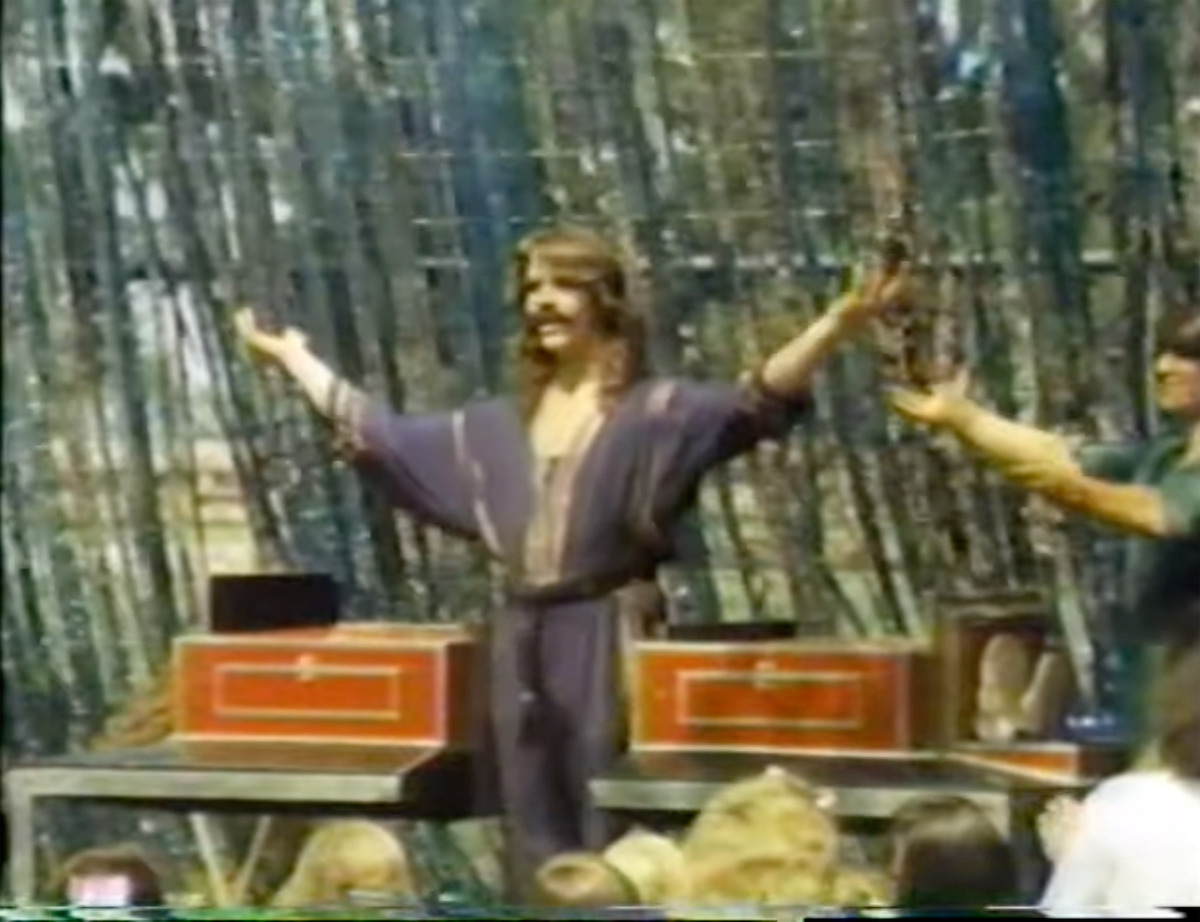
If you’re expecting a massive vanity project that heavily features Antle, then you’ll be disappointed. Marvelous Marvin is a peripheral character. Instead, the supposed heroes of the piece are the schoolchildren who rescue the missing tiger cubs. We know this because the narrator keeps describing them as “heroes” at every opportunity.
The director really did win an Oscar.
Amidst all the dubious claims made in the Tiger King saga, you’d be forgiven for assuming the assertion that an Oscar-winner directed The Great Tiger Cub Adventure was bologna. You’d be wrong. Robert P. Davis, who won an Academy Award for Best Short Subject in 1961 for directing Day of the Painter, was behind the camera for this project.
It treats making money from tiger cubs as a good thing.
Don’t be fooled by the narrator repeatedly referring to the cubs as “friends” of Marvelous Marvin and the schoolchildren. All too often, the little tigers are only valuable because they’re profitable. There’s a very revealing shot near the start of the film where we see them stuffed in a pot of money, before being dumped in their cages inside a windowless truck.
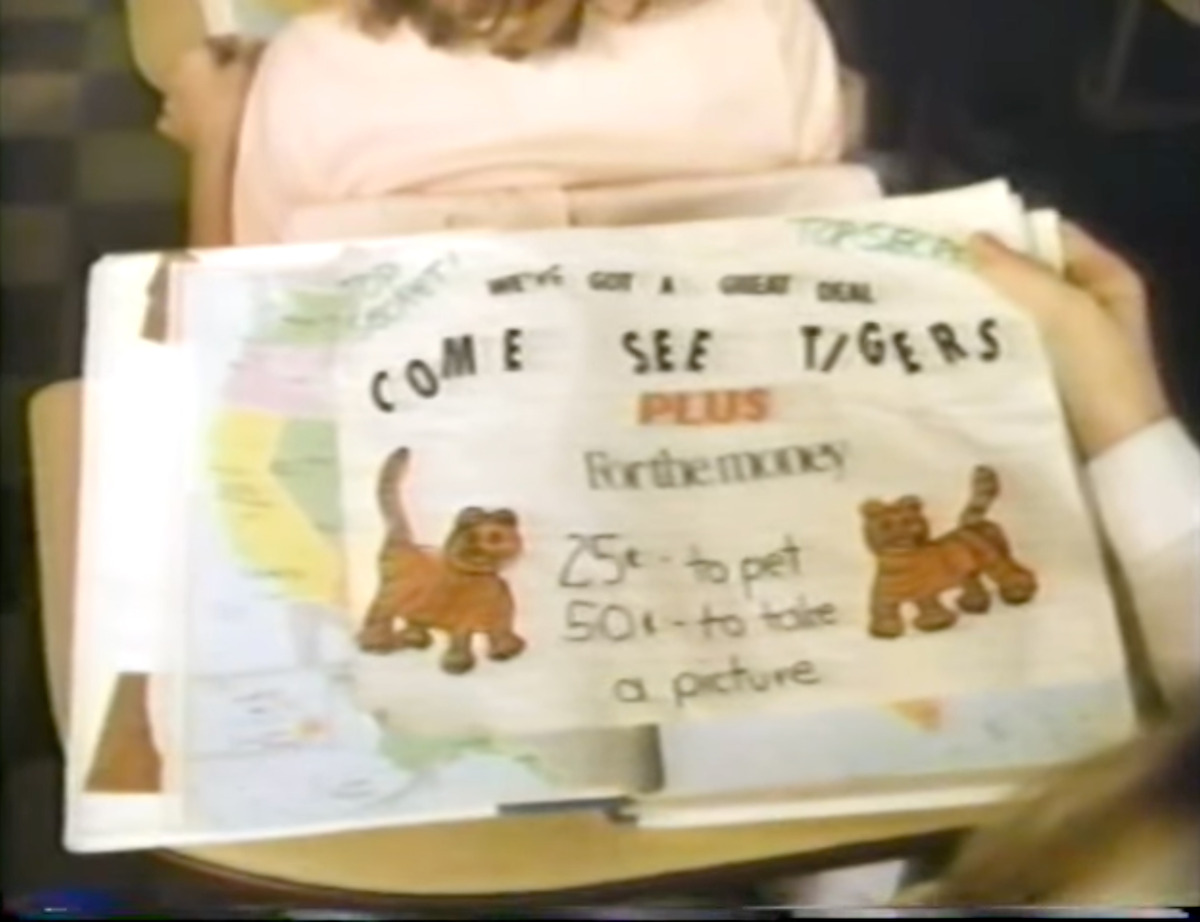
Later, the schoolchildren decide to set up a lucrative business where their supposed pals are picked up by an endless procession of strangers for photo opportunities. It’s framed as being a fun and harmless activity, a world away from the film’s grim impression as a low-key propaganda tool for the exotic animal exploitation industry.
You’ll really feel for the poor tiger cubs.
It’s unsettling to see the tiger cubs repeatedly placed in hazardous situations. In one such scene, the tigers have to navigate a cliff that’s beside a waterfall. They look genuinely terrified, scrambling not to fall into the pool, and then desperately trying to get out.
The narrator distastefully makes nonchalant comments about them getting into a “fine mess.” This isn’t Laurel and Hardy. These aren’t actors who’ve learned the script and are following stage directions. These are baby tigers put in perilous positions by humans for the purpose of entertainment.
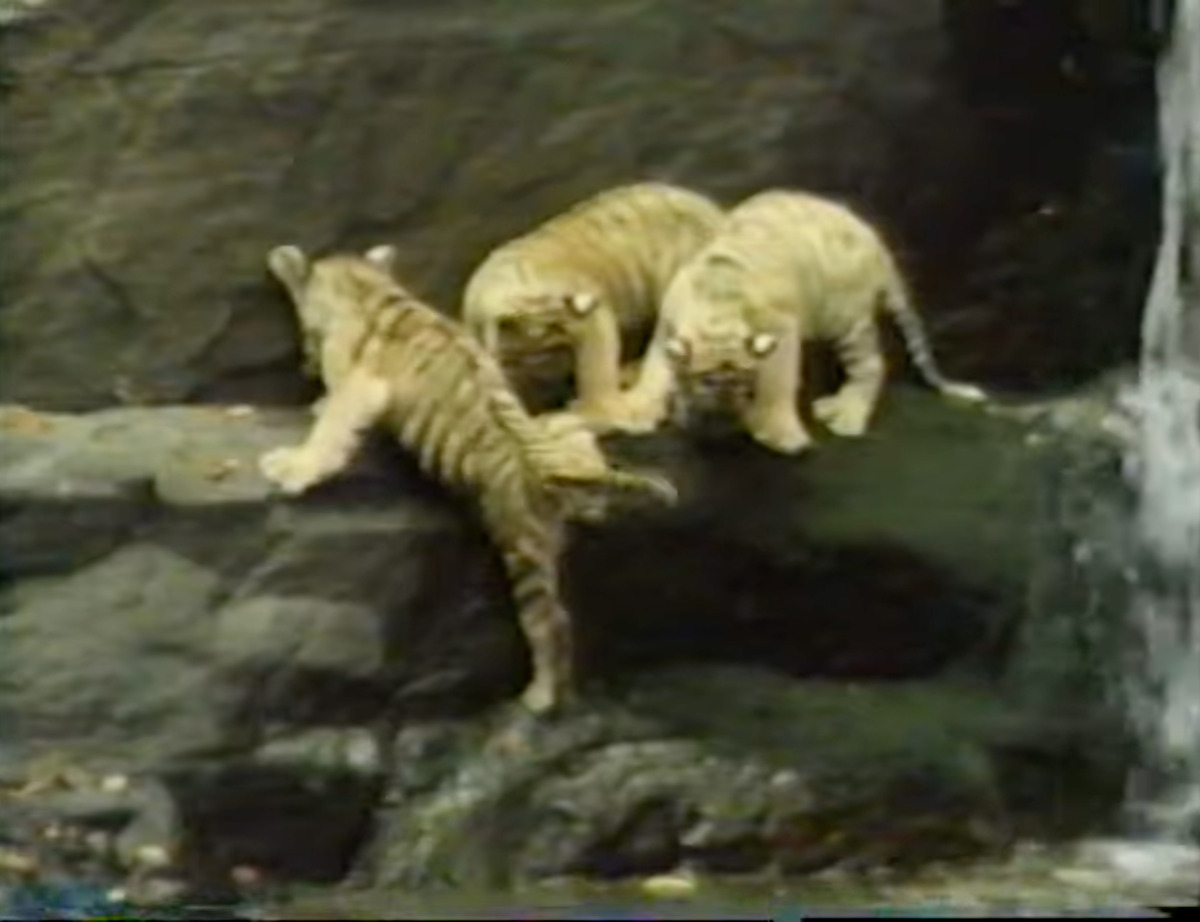
Nonetheless, the end credits state, “No animals were harmed or sedated during the making of this film.”
It shares the same editor as Bad Boys for Life.
It’s unlikely that The Great Tiger Cub Adventure figures prominently on Peter McNulty’s resume, even though he’s the movie’s editor, first assistant director and producer. He survived the debacle to work on slightly better projects such as There Will Be Blood, X-Men, The Master and Bad Boys for Life. We all have to start somewhere.
It contains the world’s worst chase sequence.
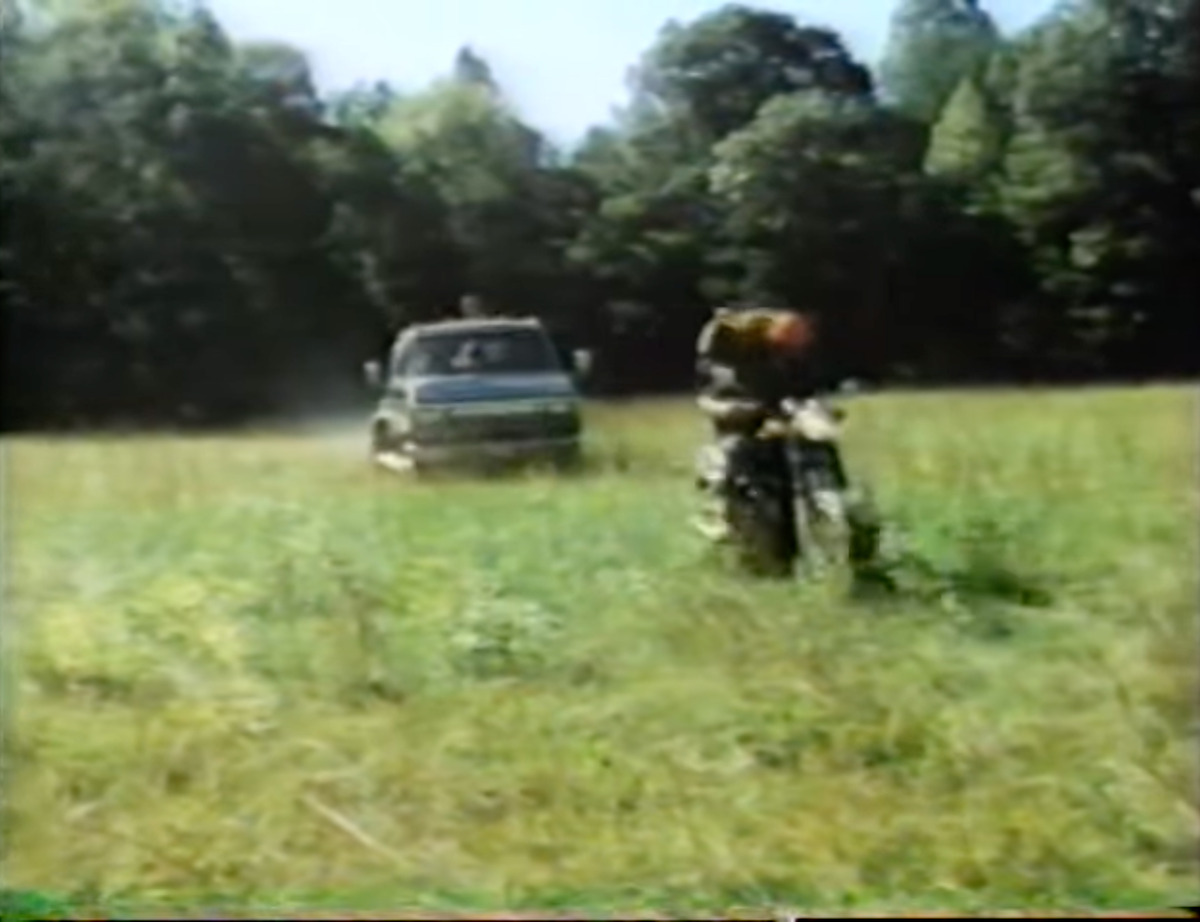
Pity the poor narrator telling us we’re witnessing a “high-speed chase” when our eyes are seeing a truck follow Evil Biker Bob’s motorcycle around a field at what must be 15 miles per hour. Round and round they go for what feels like eternity. Imagine Fast and the Furious remade with snails.
There’s a valid moral message.
Cubs should be with their mothers. That’s the explicit message relayed to the audience toward the end of the movie. Given the context though, it’s fair to say that actions speak louder than words. Especially given some of the practices we witness on Tiger King.