Images: Nick Wall/Netflix
How Does That Rule-Breaking Black Mirror Episode ‘Demon 79’ End?
Let’s break down what could be the most “divisive” episode yet.
June 20, 2023
🤐 SPOILER ALERT 🤐
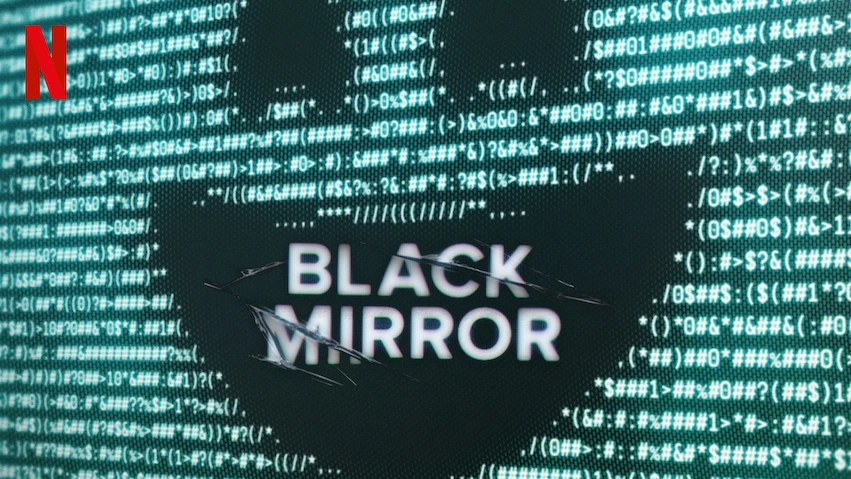
We told you Black Mirror Season 6 was going to break all the rules.
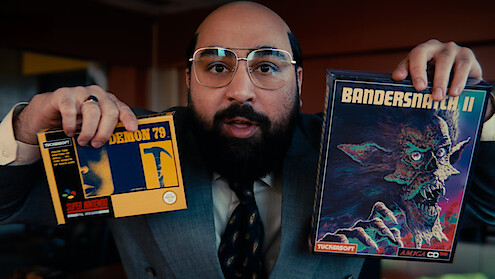
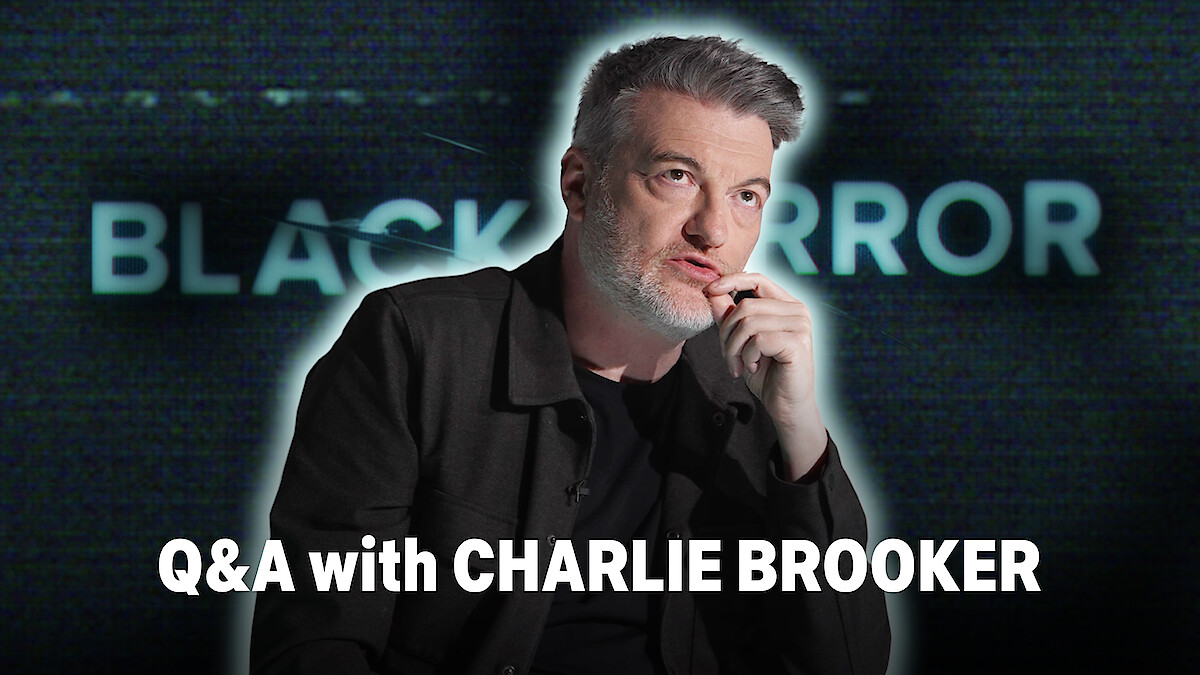
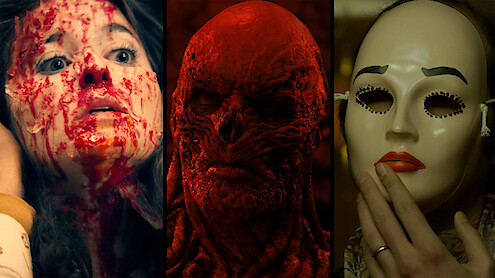
The final episode, “Demon 79,” takes us into the realm of retro horror-fantasy, far from the tech dystopias and media satires the series has focused on before. In fact, the title sequence reads “A RED MIRROR FILM,” which distinguishes it as “different-yet-adjacent to Black Mirror,” writer and creator Charlie Brooker explained to Netflix in April.

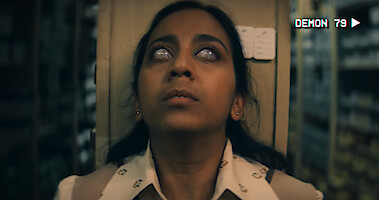


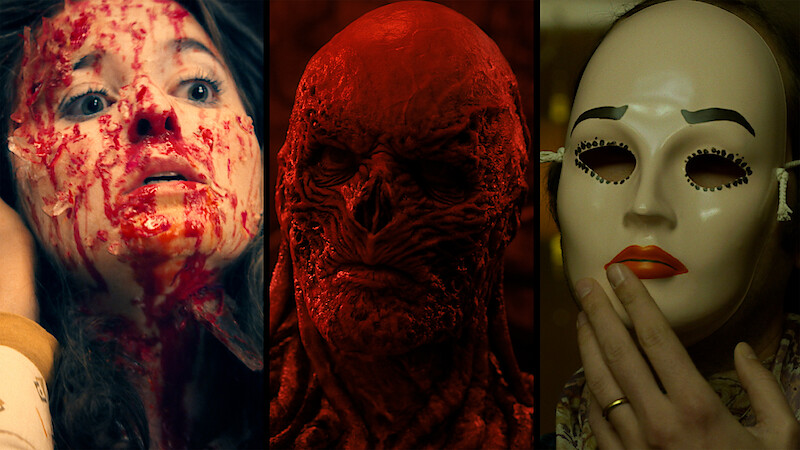
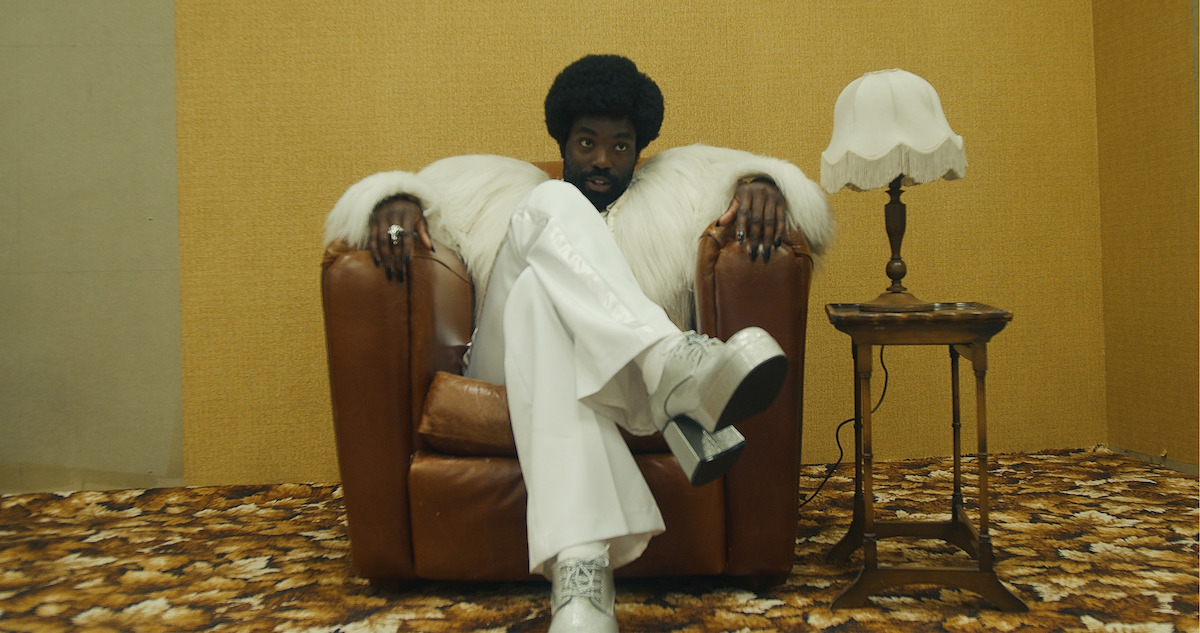
In “Demon 79,” we meet mild-mannered department store clerk Nida (Anjana Vasan) who one day, while eating lunch in the basement, discovers a talisman with a mysterious symbol on it. Turns out it’s more than just a peculiar knickknack — it actually conjures a supernatural demon named Gaap, who takes the form of fabulous disco star Bobby Farrell (Paapa Essiedu), whom Nida has seen on TV. But sadly Gaap’s not here for a boogie. He informs Nida that if she doesn’t perform three human sacrifices — i.e., killings — in the next three days, the end of the world will come about in the form of a fiery nuclear apocalypse. Compared to an “agonizing death for all,” as Gaap reasons, three kills is no big deal — so Nida should be able to carry out the plan easily, right?
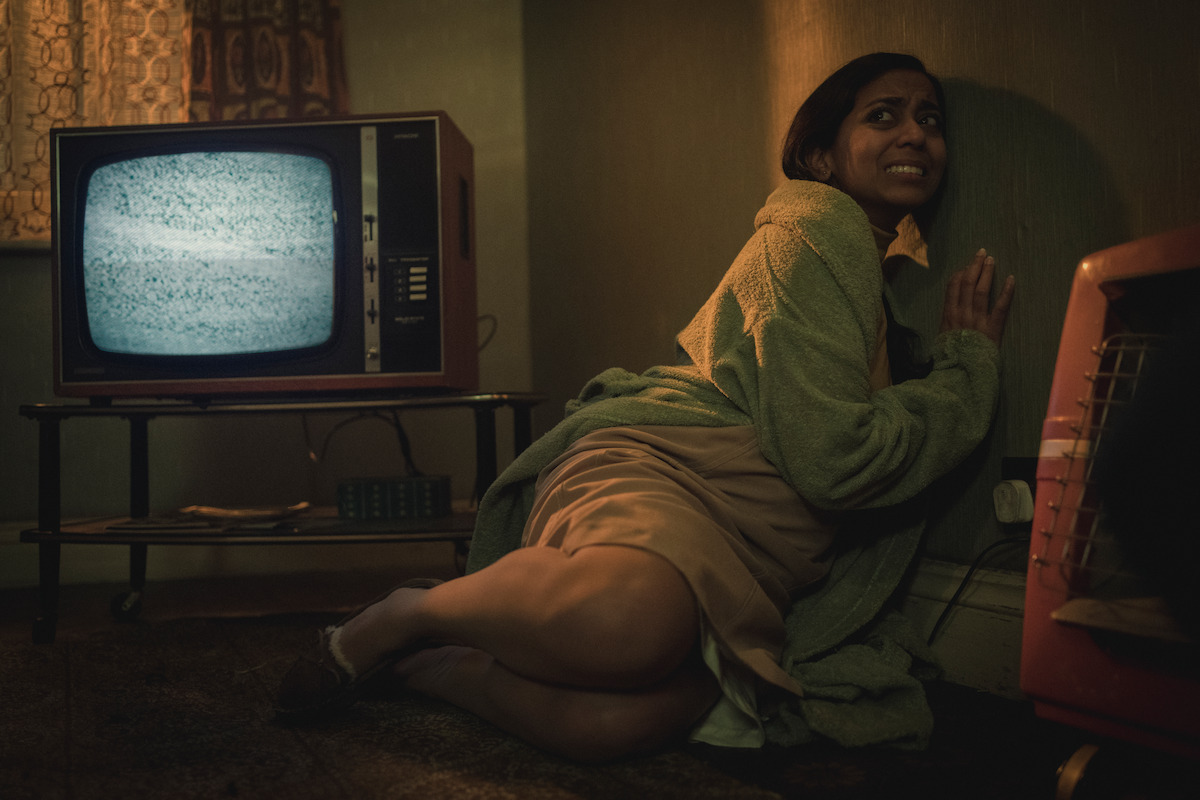
Judging from the fiery mushroom clouds destroying Northern England on May Day, 1979 — Nida’s deadline — she doesn’t succeed. But she takes a good stab at it, to be fair.
At first, Nida isn’t a natural murderer, so Gaap convinces her to target victims who “deserve” death, giving her visions of the terrible deeds they have committed or will potentially commit in the future. She actually finishes killing three people early, a bit ambitious… but Gaap’s “bosses” tell him that Nida’s second victim, Keith (Nicholas Burns), doesn’t count because he’s a known murderer. The big guys upstairs (or downstairs?) don’t count killings of killers, since they’re playing for the home team, so to speak.
“It was quite a character arc,” Vasan tells Tudum of Nida’s transformation. “In the beginning, she’s just an ordinary person who’s trying to survive in a society that is very hostile to her… I talked a lot with [co-writer Bisha K. Ali] about these layers of shrinkage that she subjects herself to.”
Nida regroups and for her fourth attempt — or third “legitimate” kill — taps into her own rage that’s built up after being marginalized by the people in her life, particularly her racist bully of a co-worker, Vicky (Katherine Rose Morley). She wants to target a new customer, Michael Smart (David Shields), a Conservative MP candidate who’s destined to cause death and destruction with his fascist policies, but Gaap warns against choosing Michael as her final mark. Although he’s not technically a murderer… yet, he’ll be responsible for some “juicy deaths” in the future, making him a less than ideal sacrifice to Gaap’s bosses. But Nida’s mind is made up and she decides to go after him, despite Gaap’s misgivings. “There’s a kind of freedom that is unlocked within her, which is both exhilarating and dangerous,” says Vasan.
Alas, before Nida can finish Michael off with a hammer, the police show up and interrupt her final, world-saving kill. She’s brought to the station where the clock runs out as she’s questioned.
It’s highly implied by the old newspaper clippings Nida sifts through — right before she discovers the talisman — that the founder of the department store, Geoffrey Possett, murdered three people to successfully prevent a previous “May Day” apocalypse many years earlier. Presumably, the talisman has been passed from Possett to Nida.
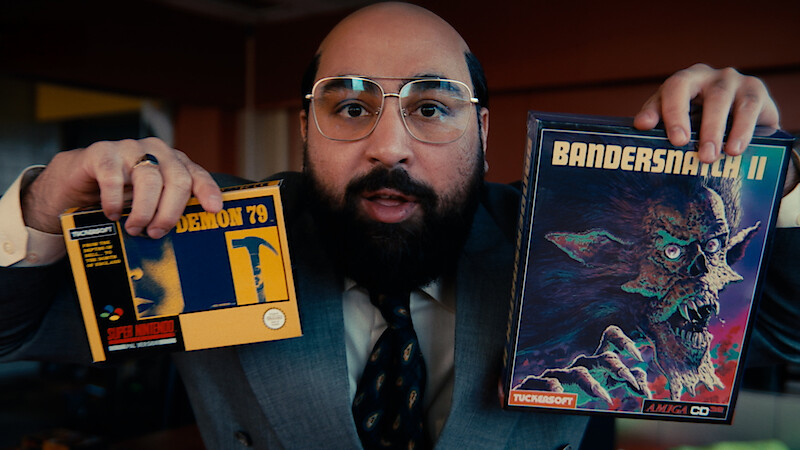
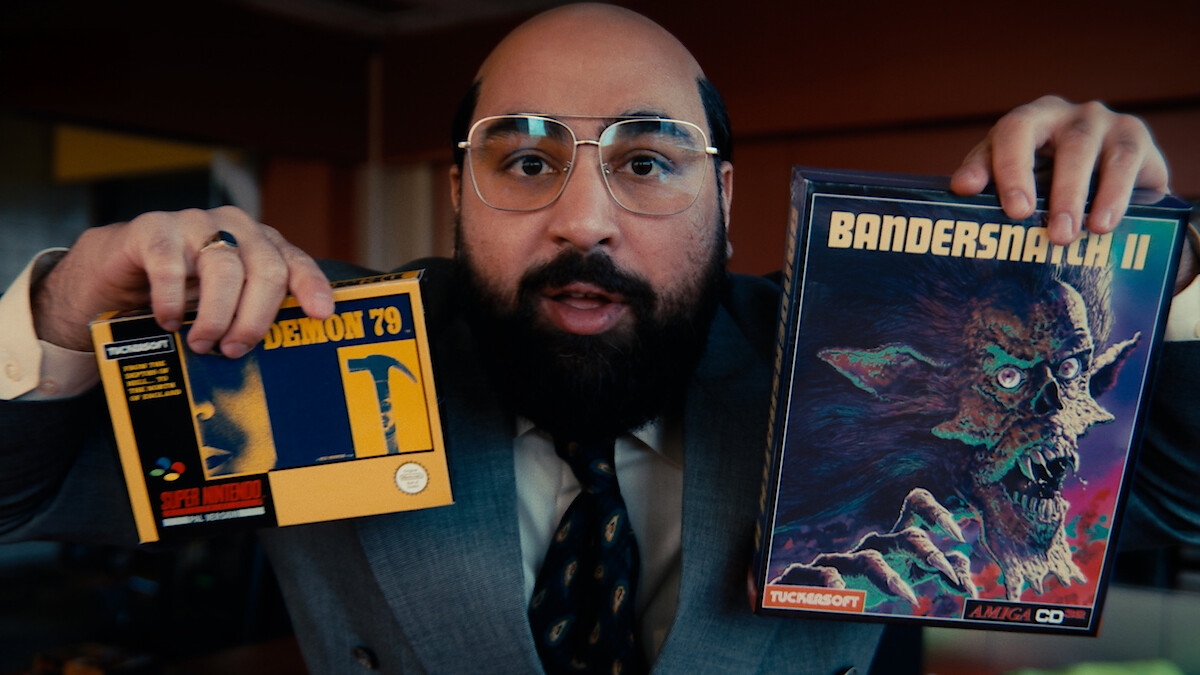
The symbol, a glyph that looks a bit like a tuning fork — perhaps representing the branches of fate and the consequences of our choices — is part of the Black Mirror universe. It played a big role in 2018’s interactive film Black Mirror: Bandersnatch, and was also seen in the Season 2 episode “White Bear,” as well as a few other places throughout the series.
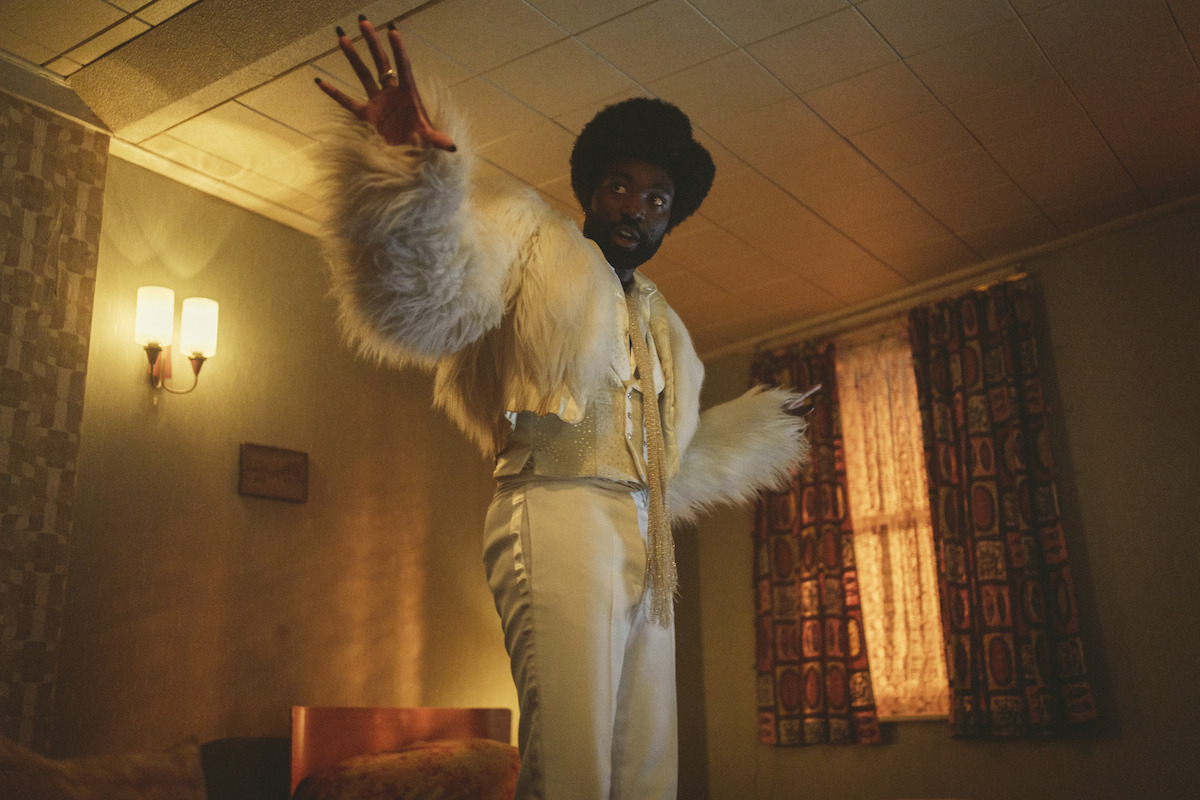
With Nida’s failure, Gaap also fails his initiation into demonhood, so he’ll be cast into “eternal oblivion.” But Gaap checks the small print and finds that there are no rules against bringing companions so he invites Nida to come along with him for the never-ending ride. They lock eyes, Nida gives a seductive smirk and we get a happy ending — kinda. To be fair, it does look like these two will have some fun in eternal oblivion together. “I think it’ll be like spring break, but just in a boundless void,” Essiedu says. Adds Vasan, “But maybe there’s always disco music playing.”
“Bright Eyes” by Art Garfunkel. It’s fitting in many ways: It was released in 1979, the same year that this episode is set; the lyrics are both romantic and ominous, like the relationship between Nida and Gaap; and the title calls to mind one of Vasan’s most distinctive features. Executive producer Jessica Rhoades previously told Netflix, “Anjana’s eyes could have their own series. They are the most expressive, captivating eyes of any human I’ve ever met.”
“I expect it to be divisive — which is half the fun!” Brooker previously said to Netflix. “But I think it is absolutely tonally consistent with what Black Mirror is, even if it’s not what audiences expect. And of course ‘not being what audiences expect’ is very Black Mirror in itself.”
Stream Black Mirror Season 6 now.