Guide
Inside the Life and Career of Takeshi Kitano, the Real Asakusa Kid
From Asakusa Kid to filmmaking icon.
By Matt Schley
Dec. 3, 2021
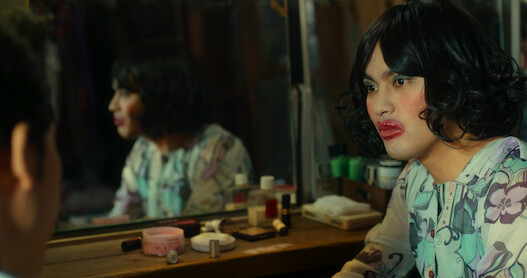
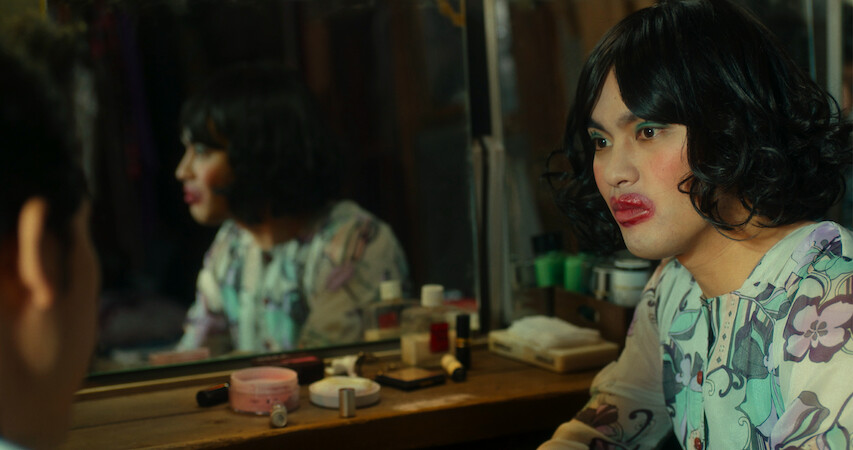
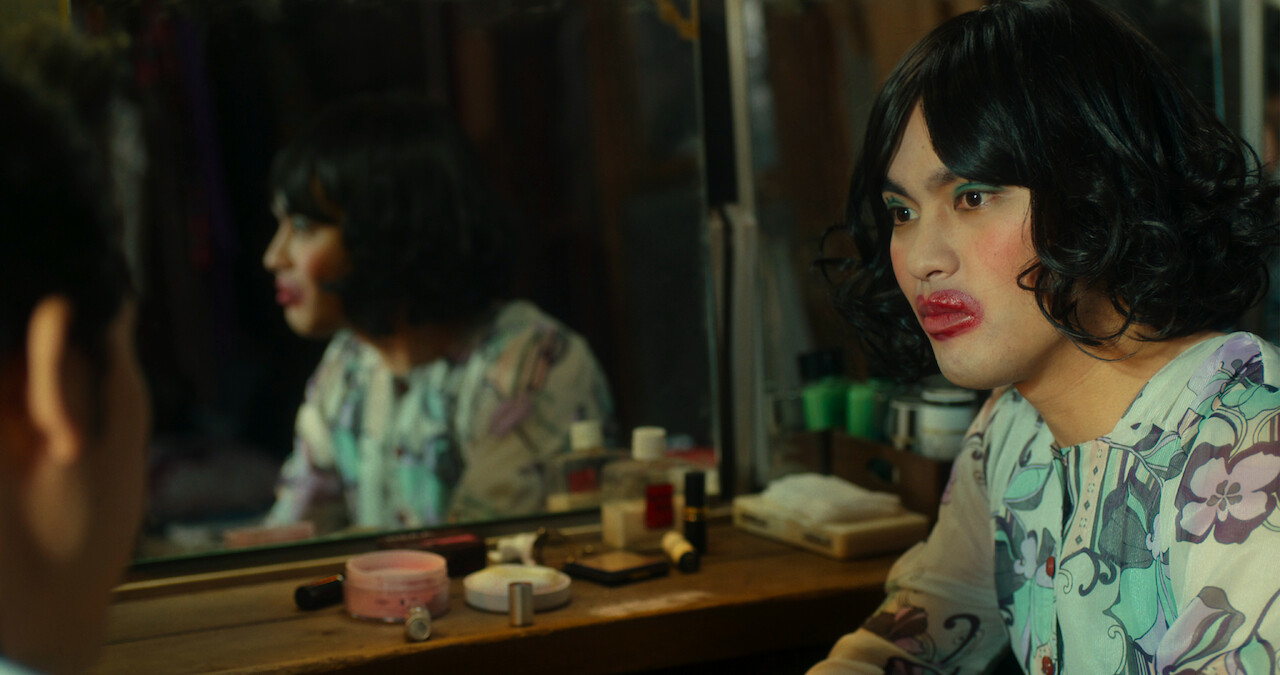
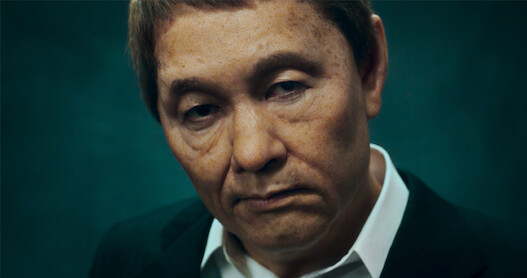
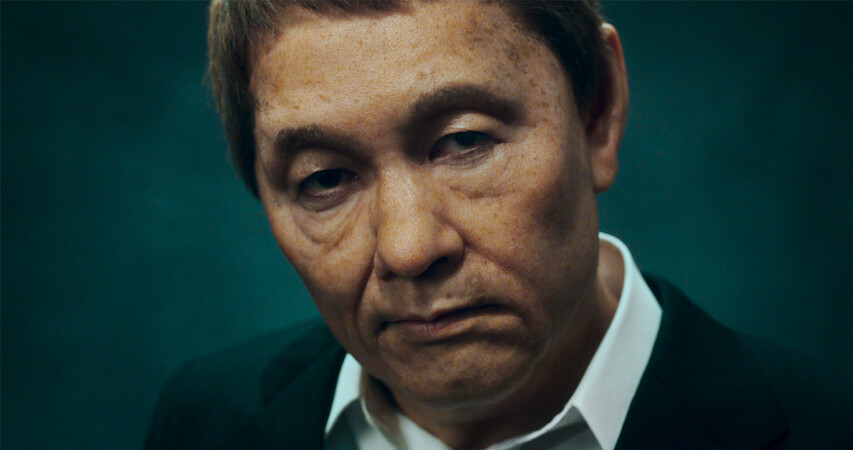
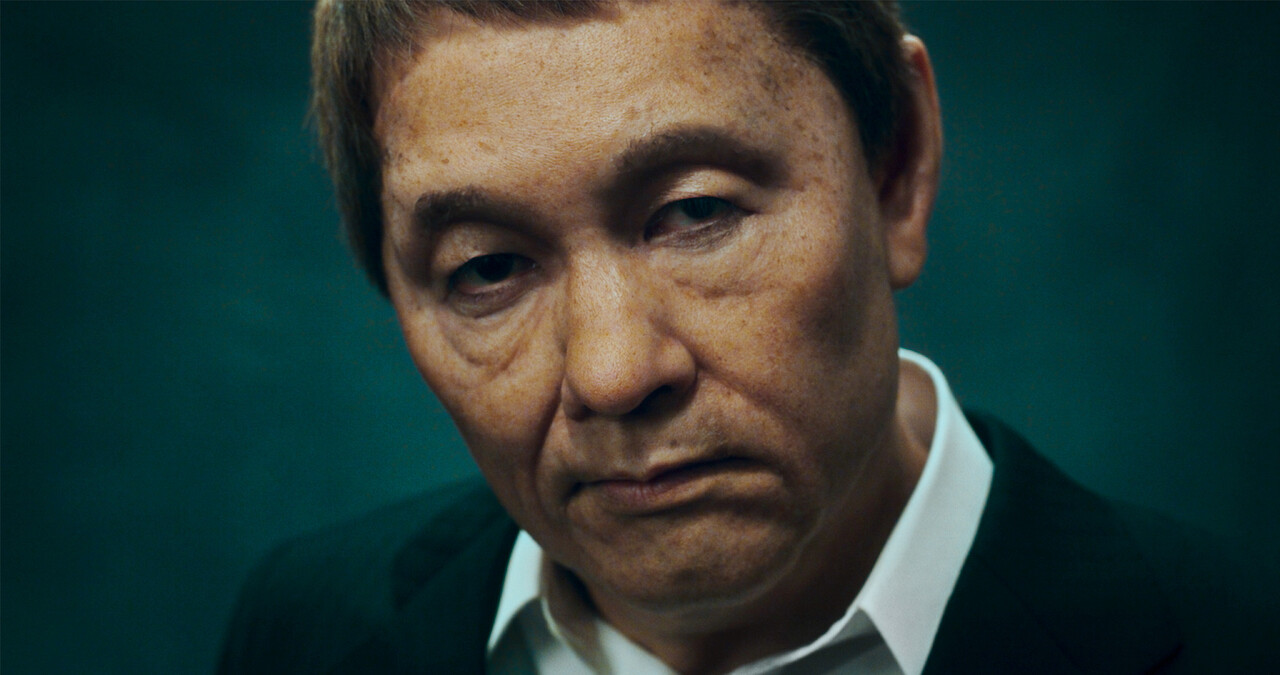
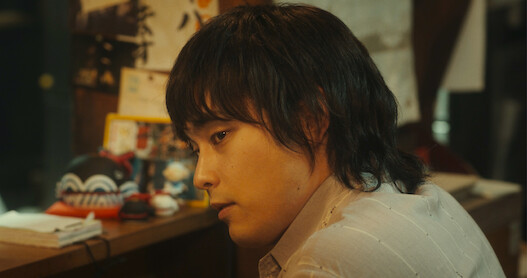
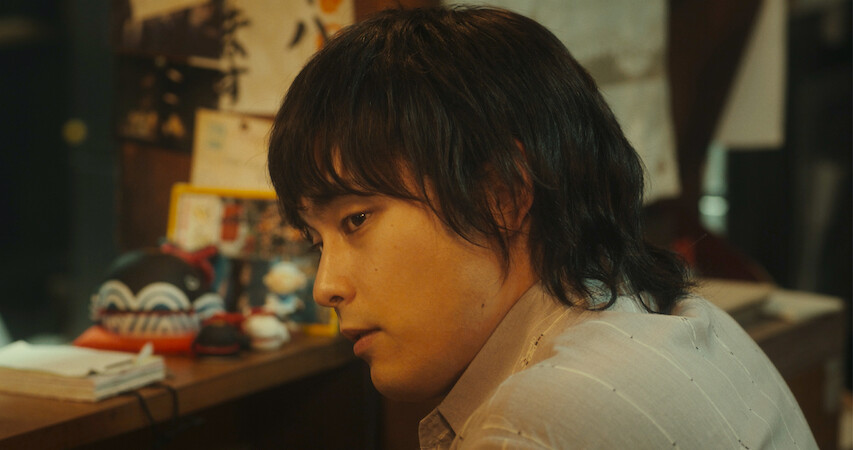
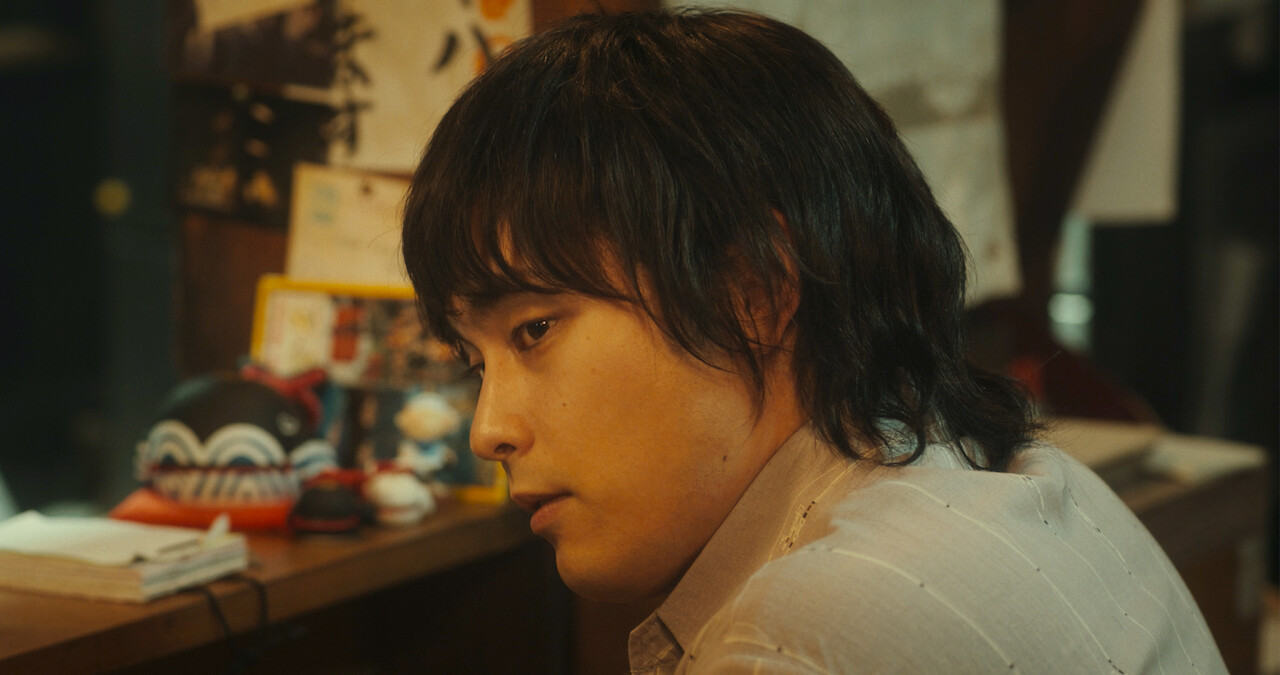
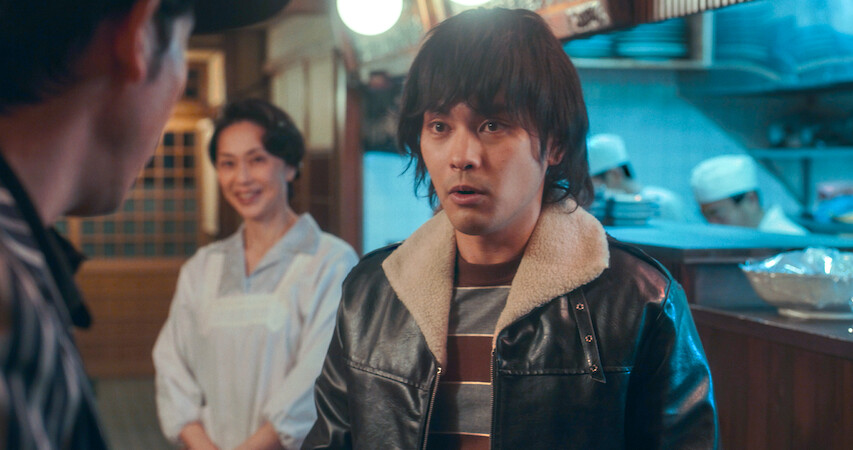
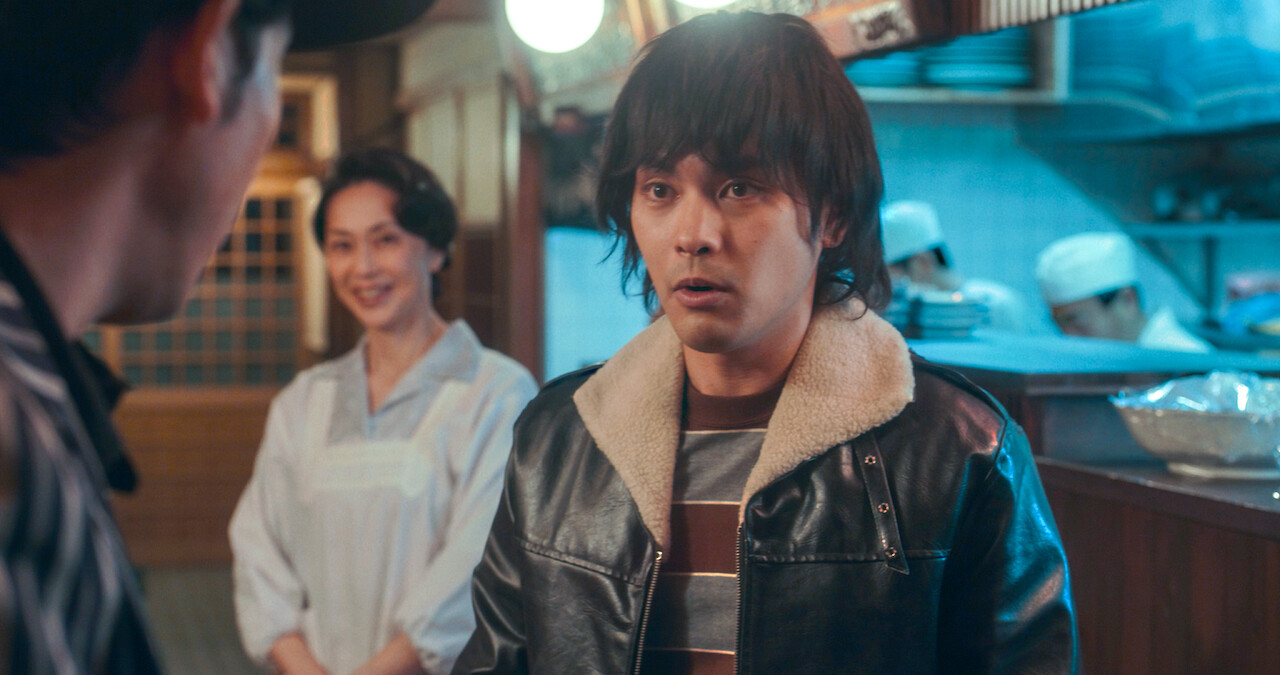
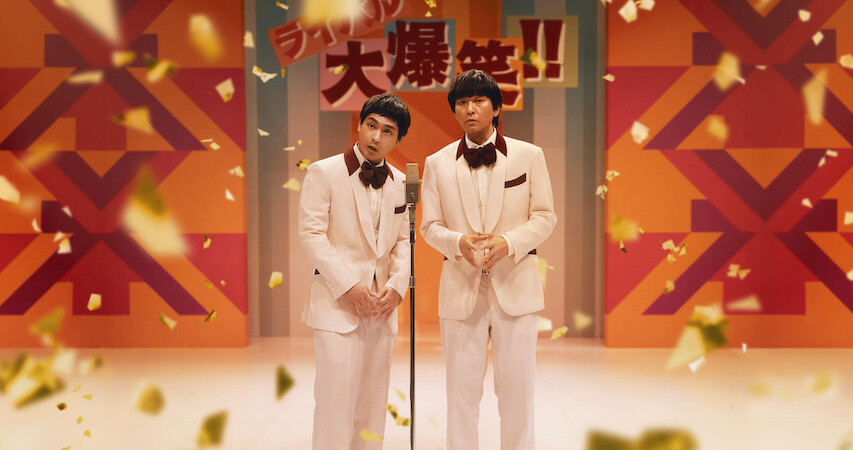
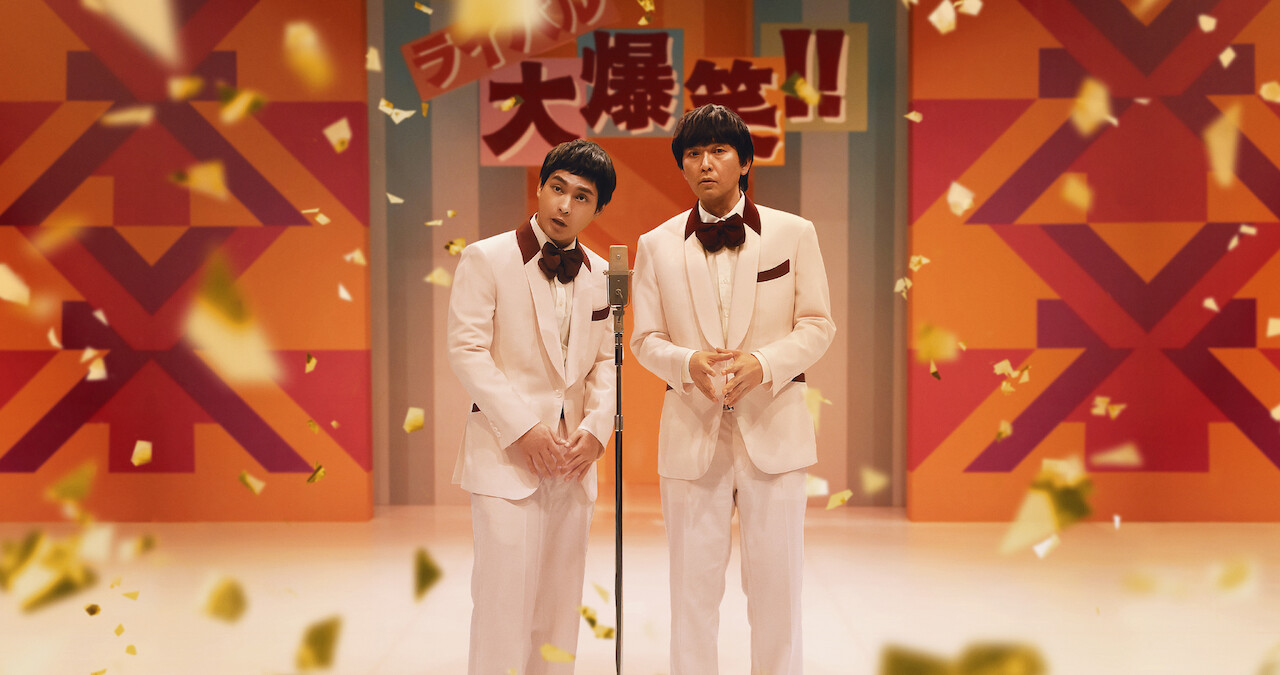
Wait just a second. You’ve just finished watching Asakusa Kid. You may have a few questions. You may be asking yourself: Takeshi is Takeshi Kitano? The same guy who made all the arty yakuza movies? It’s true. Beat Takeshi, the young elevator boy-turned-manzai star played by Yuga Yagira in the Netflix biopic, and the award-winning film director Takeshi Kitano are, in fact, the same person. So, what exactly happened to Takeshi between Asakusa Kid’s climactic scene set in 1983 and its final flash-forward to the present day? Let’s trace the nearly four decades that made Takeshi a star both in and outside Japan.
When we leave Takeshi (before the flash-forward, that is, in which Yagira is transformed into present-day Kitano with some impressive makeup work), it’s the early ‘80s. Takeshi has left Asakusa and the France-za theater behind; his mentor, Senzaburo Fukami, has passed away in a fire (a real-life incident that occured on February 2, 1983). As chronicled in the film, Beat Takeshi and Beat Kiyoshi, the manzai duo known as Two Beat, got their break in 1975 when they appeared on television for the first time. They continued to have success through the rest of the ‘70s, but, by the early ‘80s, Takeshi also began to appear as a solo comedian. And, by the middle of the decade, Two Beat performances had become less frequent.
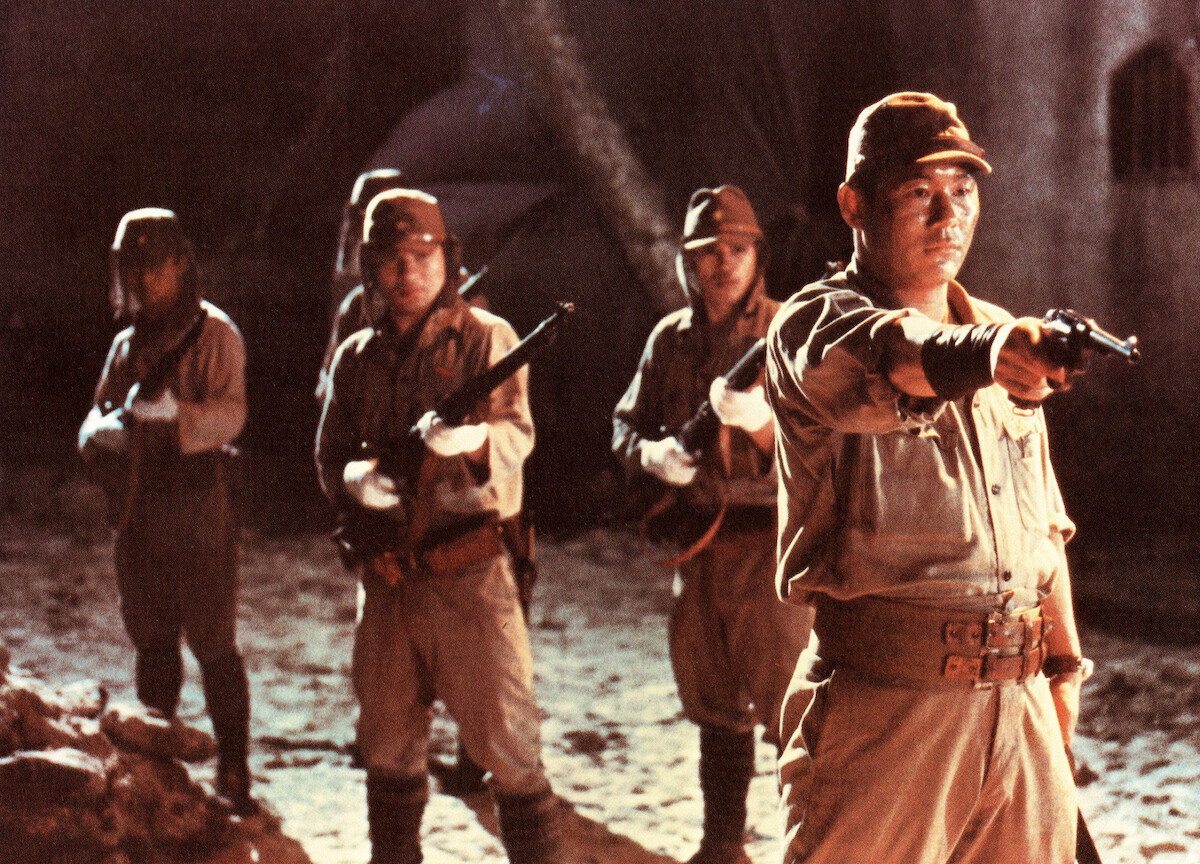
Merry Christmas Mr. Lawrence (Kitano in front)
Meanwhile, Takeshi also began branching out: He tried his luck as an actor in serious roles, like the 1983 Nagisa Oshima World War II drama Merry Christmas Mr. Lawrence, which also stars the musicians David Bowie and Ryuichi Sakamoto. Takeshi plays Sergeant Hara, a dark character who dispenses cruelty to the prisoners in a POW camp. Suffice to say, the role lacked any sort of humor. To this day, Mr. Lawrence remains heralded for its performances. But when Takeshi snuck into a screening of it in Japan, he was “devastated and humiliated” when his character appeared and the audience burst into laughter — a kind of mass reflex upon seeing one of Japan’s funniest comedians on screen.
Nevertheless, he kept taking on serious, non-comedic roles. In 1989, Takeshi was hired to play a renegade, Dirty Harry-style police officer in a crime thriller directed by Kinji Fukasaku, Violent Cop. Due to scheduling conflicts (Takeshi was still appearing on multiple TV shows per week), Fukusaku dropped out, and the producer suggested that Takeshi himself direct the film. Although it was his first time in the director’s chair, Violent Cop already displays many of Takeshi’s signature filmmaking motifs and techniques. That includes long, painterly shots taken with an unmoving camera — and a refusal to glamorize violence, making it appear sudden, brutal and consequential. Or, as he put it in a 2004 interview, “when I show [violence], it hurts.”
Takeshi continued to direct (and began to write and edit, too) with crime movies like Boiling Point and Sonatine, as well as films that had nothing to do with cops or gangsters like A Scene at the Sea, for which he teamed up with Joe Hisaishi, the composer best known for his collaborations with lauded anime director Hayao Miyazaki. Their partnership would last the better part of a decade and result in some unforgettable scores.
Then, in 1994, Takeshi suffered a motorbike accident which fractured his skull. The accident left him with physical scarring and facial paralysis, but he slowly recovered, spending two months in the hospital. During his recovery, he spent time painting. Those paintings later made their way into his 1997 drama Hana-bi, also known as Fireworks, which won the Golden Lion, the top prize at the Venice International Film Festival. The win solidified his standing as an internationally acclaimed director — and finally earned him some respect in his native Japan as a serious filmmaker. It was quite the departure from his early career but cemented him as a different kind of entertainer: a filmmaker that defied genre expectations, an actor that could handle grit, an artist that could interpret pain, and a writer that could capture real life.
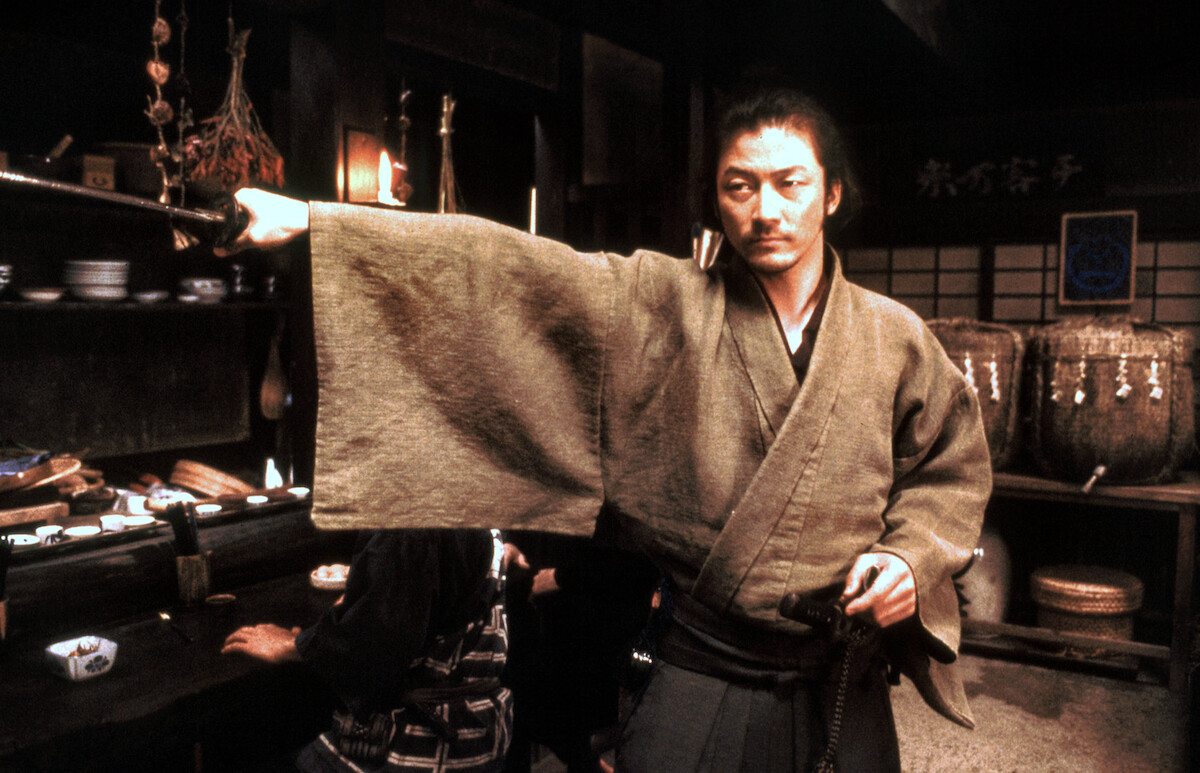
Zatoichi
Takeshi would continue to make films over the next two decades, including a series of self-referential films about filmmaking, a reboot of the blind samurai series Zatoichi, and a gritty yakuza trilogy called Outrage. He kept acting in serious roles, too: One of his most iconic performances is as the teacher in Battle Royale, a thriller that had some serious influence on Squid Game. Battle Royale was directed by Kinji Fukasaku, the same director who was originally set to helm Violent Cop.
All this isn’t to say that Takeshi ever abandoned his career as a comedian. Far from it, in fact. By the late 1980s, he was considered one of the “Big Three” comedic talents on television, appearing virtually every night on his own shows like Takeshi’s Castle, a game show in which contestants battled through ridiculous and nearly impossible physical challenges. As of 2021, at age 74, Takeshi still appears on six television shows a week, commenting on the issues of the day in his signature style.
Arthouse filmgoers outside Japan in the ‘90s and ‘00s were often surprised to hear that back home, the thoughtful, Yasuhiro Ozu-inspired artist Takeshi Kitano was better known as a slapstick comic. Meanwhile, those in Japan were equally flabbergasted to see Beat Takeshi, who beamed into their homes with irreverent jokes every night, honored with awards like the French Legion of Honor for his serious cinema. But, in a way, Takeshi was simply ahead of the curve. These days, actors flit between TV and film without a second thought, and comedians like Adam Sandler star in groundbreaking arthouse films to great acclaim. Takeshi has proven that when it comes to creativity, one need not be tied to a certain genre, medium or style. Not bad for a former elevator boy from Asakusa.