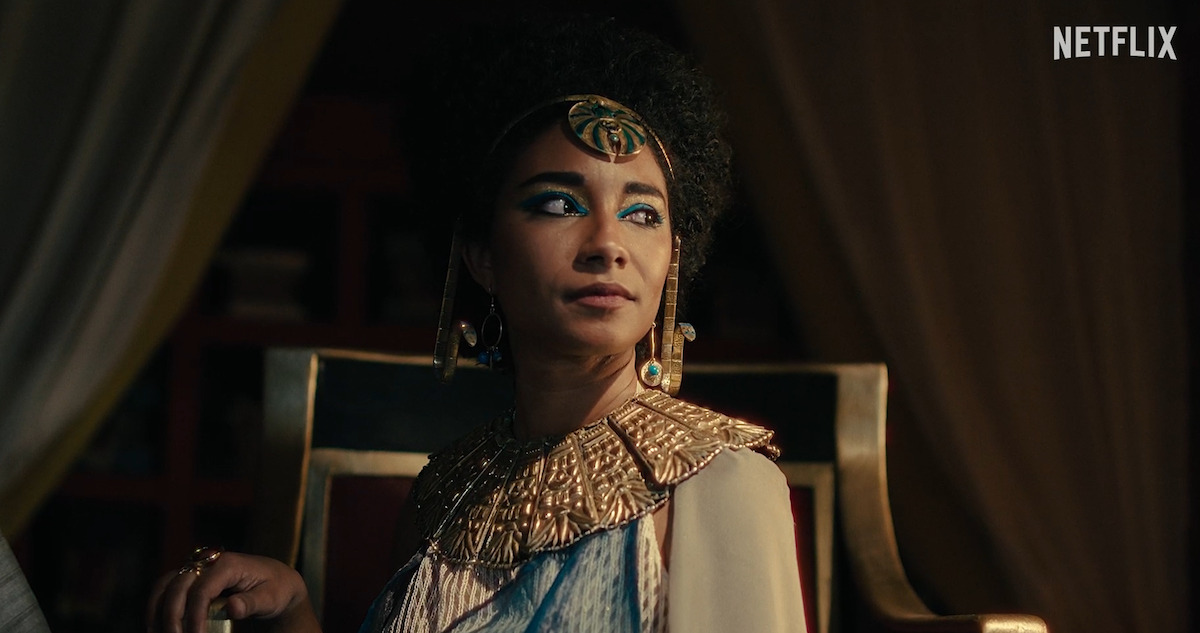
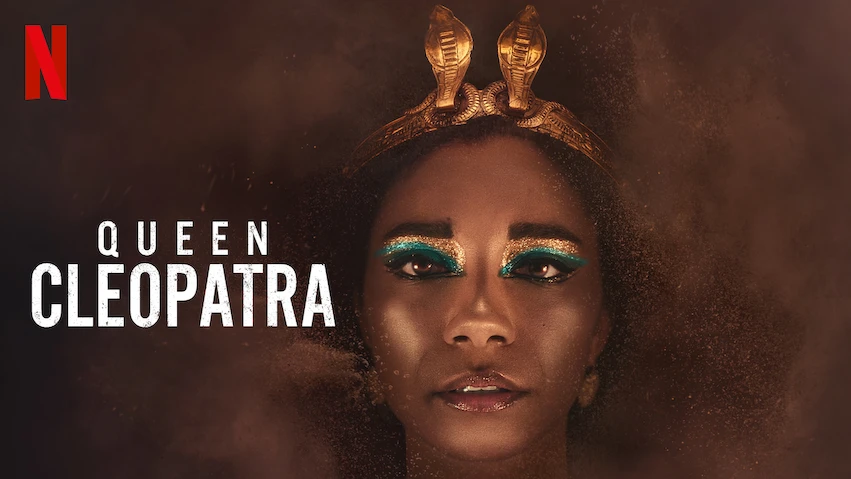
With African Queens, a new documentary series from executive producer Jada Pinkett Smith, audiences get to learn about the fearless, captivating lives of queens who were likely not part of their Western academic curriculum. The latest installment features one of history’s most famous, powerful and misunderstood women: Queen Cleopatra. Though Cleopatra’s life has been the subject of much debate and lore, the new series hopes to reassess this part of her fascinating story — including her love life — in a brand new way, and also highlight one of Cleopatra’s strongest weapons: her intellect.
The second season of the documentary series re-creates the true story of Queen Cleopatra, narrated by Pinkett Smith, who wanted to find stories to inspire her daughter, Willow. The first season of African Queens followed 17th-century warrior Queen Njinga, who ruled over Ndongo and Matamba, which were located in what’s known today as Angola.
“We don’t often get to see or hear stories about Black queens, and that was really important for me, as well as for my daughter, and just for my community to be able to know those stories because there are tons of them,” Pinkett Smith tells Tudum. The sad part is that we don’t have ready access to these historical women who were so powerful and were the backbones of African nations.”
In the series, Queen Cleopatra is played by Adele James (Casualty). The creative choice to cast an actor of mixed heritage to play Cleopatra is a nod to the centuries-long conversation about the ruler’s race. During the time of her reign, Egypt’s population was multicultural and multiracial. Cleopatra’s race was unlikely to be documented, and the identities of her mother and paternal grandparents weren’t known. Some speculate she was a native Egyptian woman, while others say she was Greek.
Said the producers of the series: “The aim of African Queens has always been to uncover the hidden histories of powerful women from the past and what made them leaders that we still talk about today. Working with leading historians and experts including Shelley Haley (Professor of Classics and African Studies, Hamilton College) and Dr. Sally-Ann Ashton (Cleopatra scholar), we explore Cleopatra's story as a queen, strategist, ruler of formidable intellect as well as a woman whose heritage is the subject of great debate. Her ethnicity is not the focus of Queen Cleopatra, but we did intentionally decide to depict her of mixed ethnicity to reflect theories about Cleopatra’s possible Egyptian ancestry and the multicultural nature of ancient Egypt.”
“Given that Cleopatra represents herself as an Egyptian, it seems strange to insist on depicting her as wholly European,” says Dr. Ashton, an expert who was interviewed in the series.
For more information on the history of Queen Cleopatra, check out this educational guide.
When does Queen Cleopatra premiere?
Queen Cleopatra premieres on May 10. You can watch African Queens: Queen Njinga now.
Editor’s note: The opinions expressed in the show are those of each individual and do not represent all of the contributors.