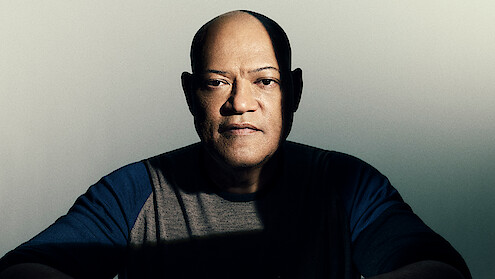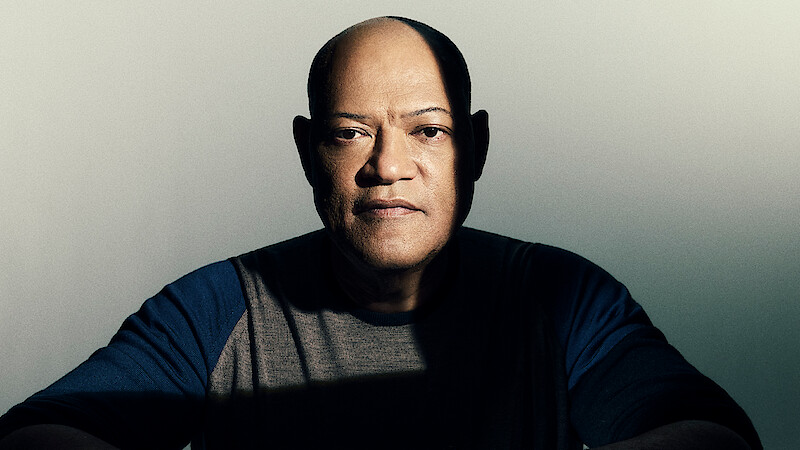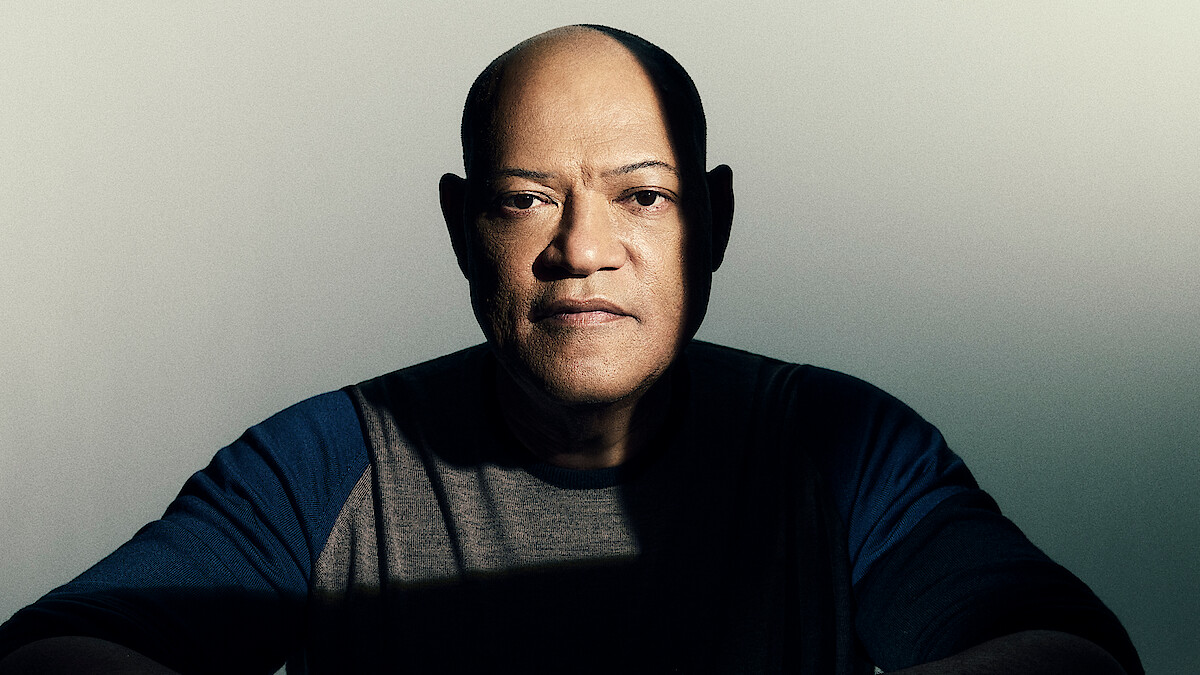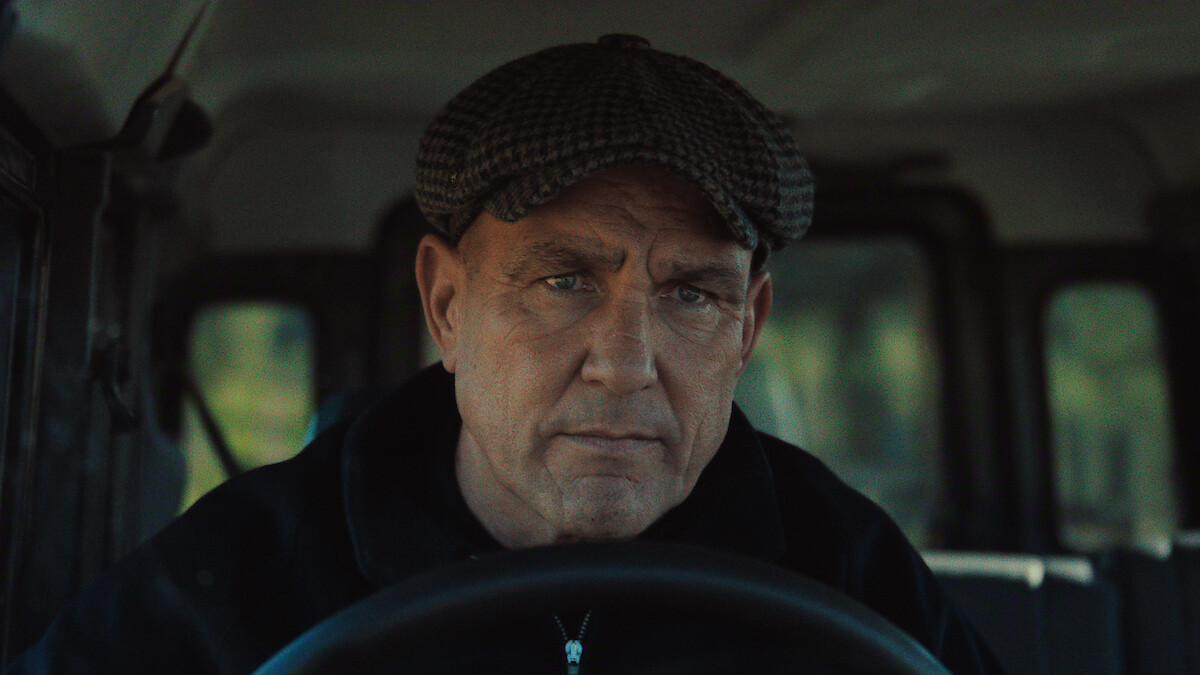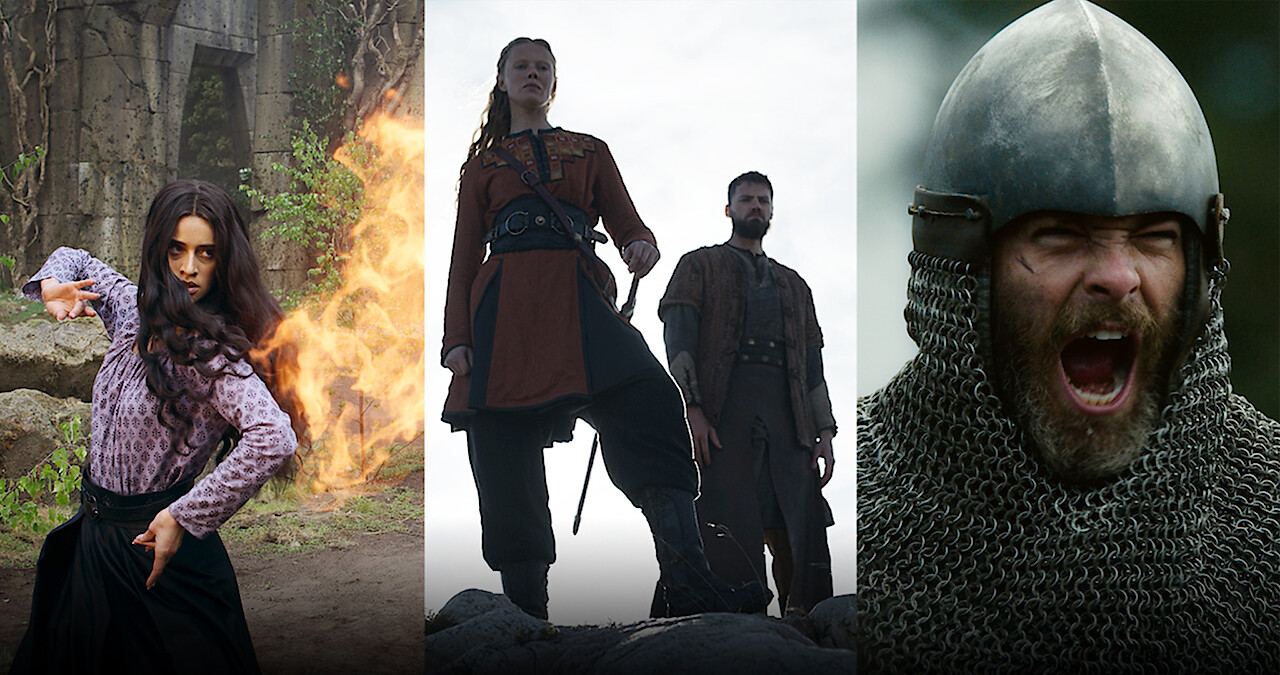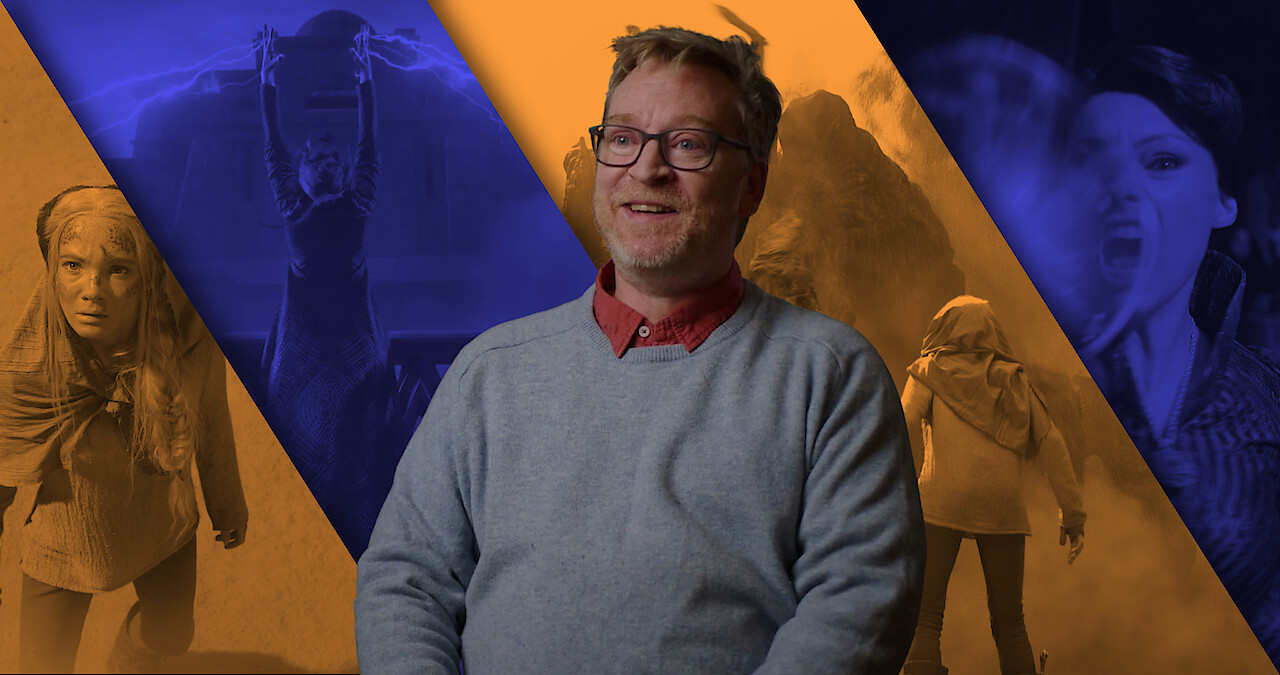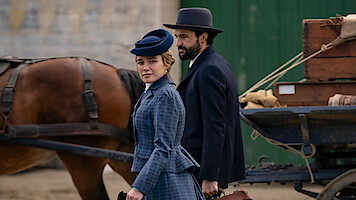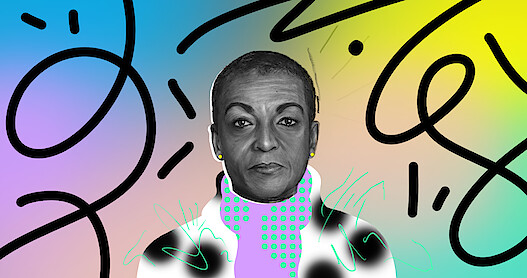
Illustration by Jordan Andrew Carter
Interview
Adjoa Andoh Just Connected Netflix’s Two Biggest Fandoms
Maybe Bridgerton and The Witcher aren’t so different after all.
Dec. 21, 2021
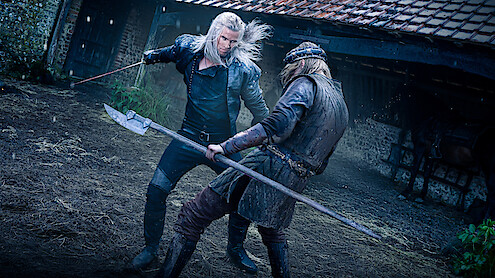
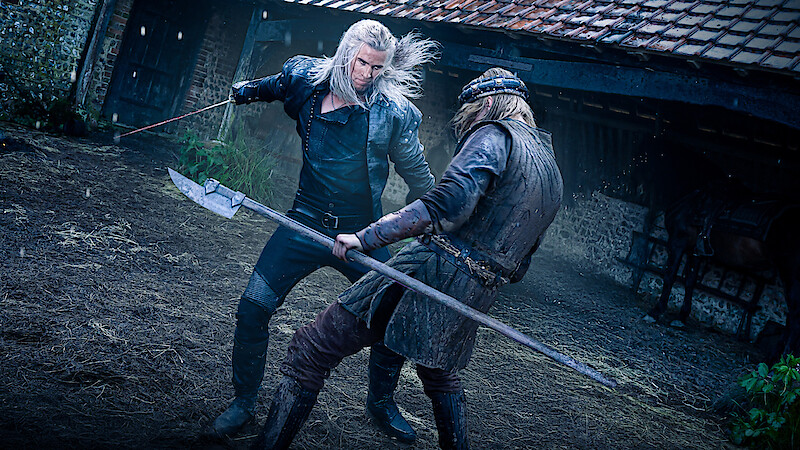
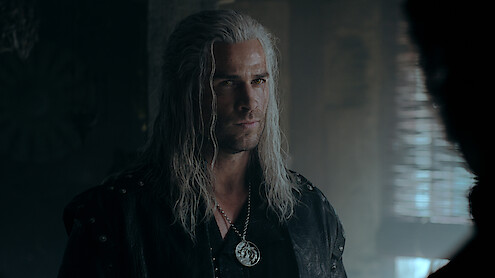
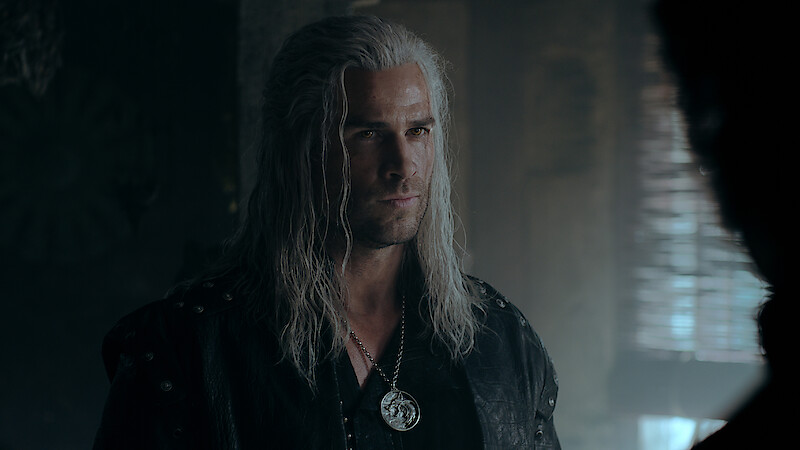
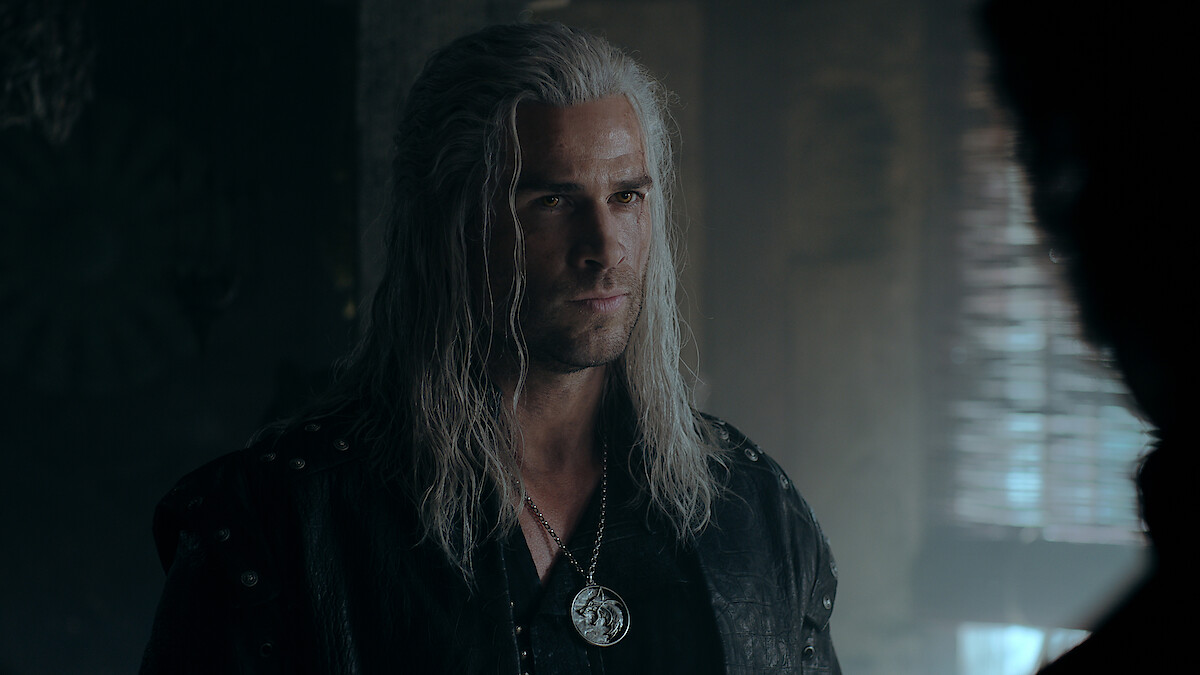
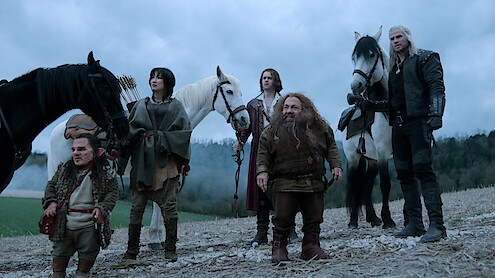
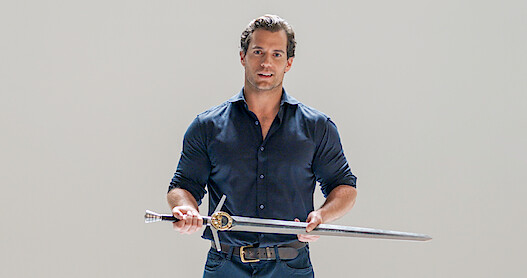
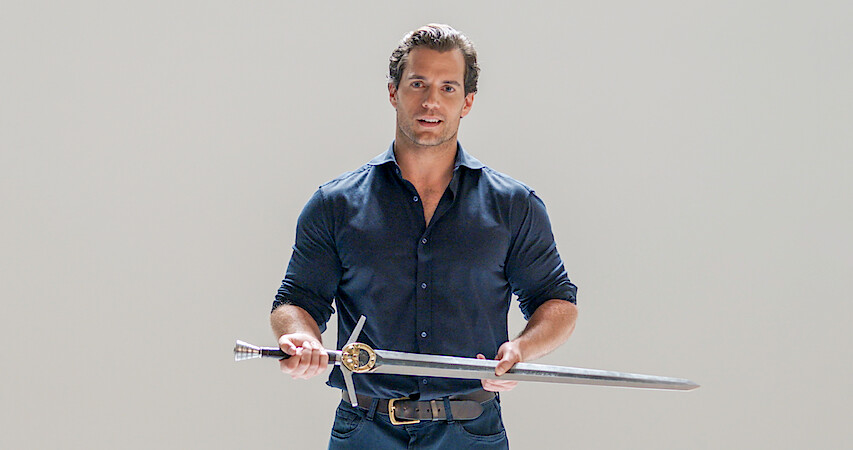
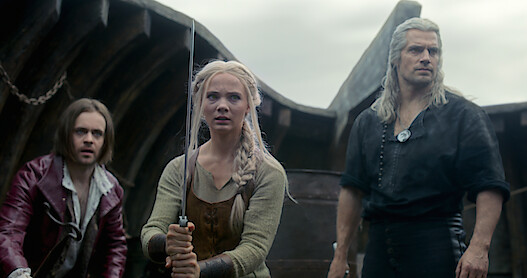
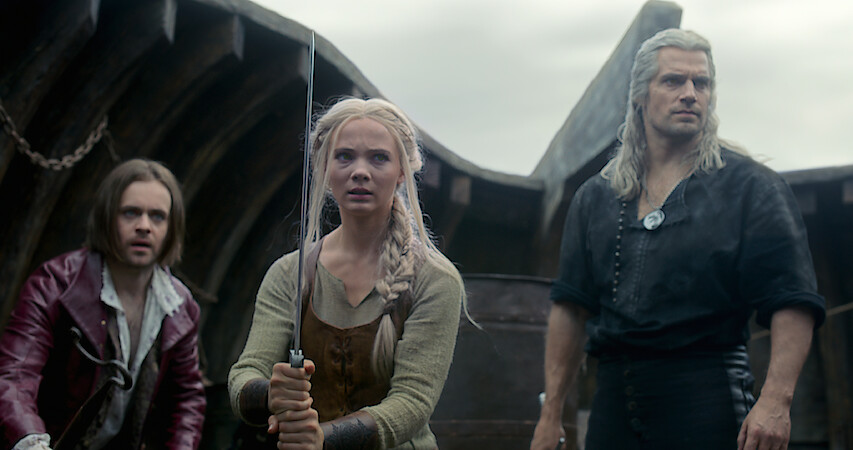
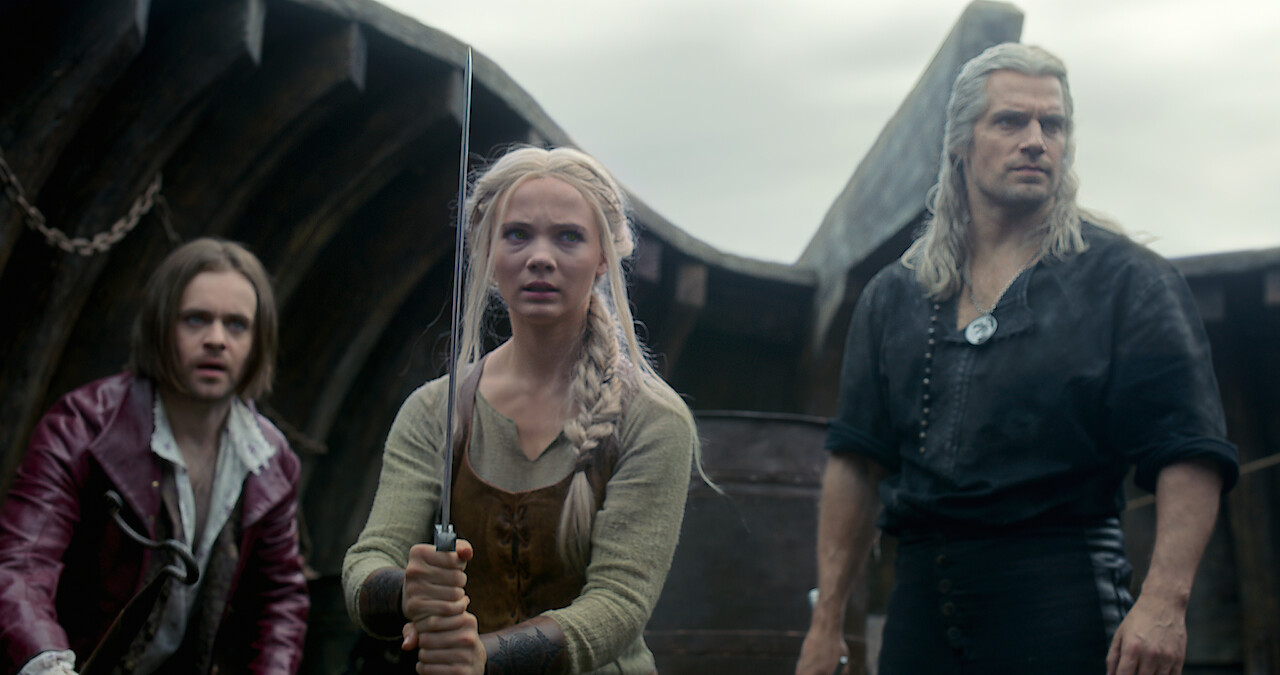
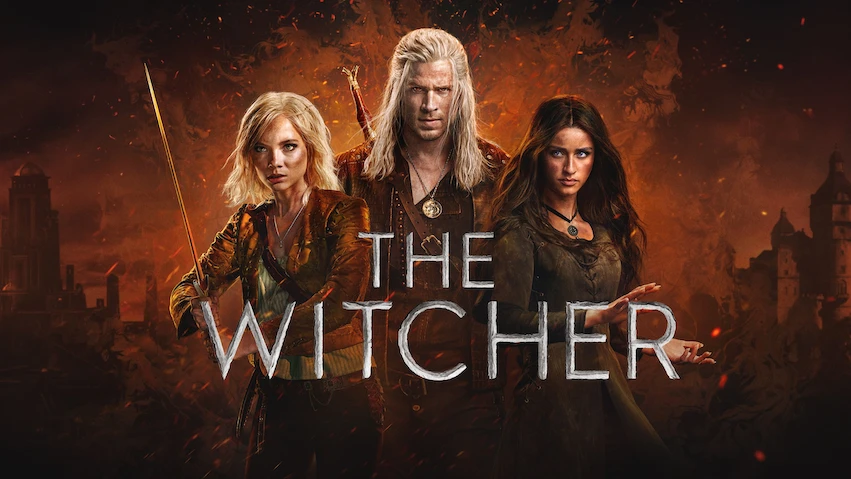
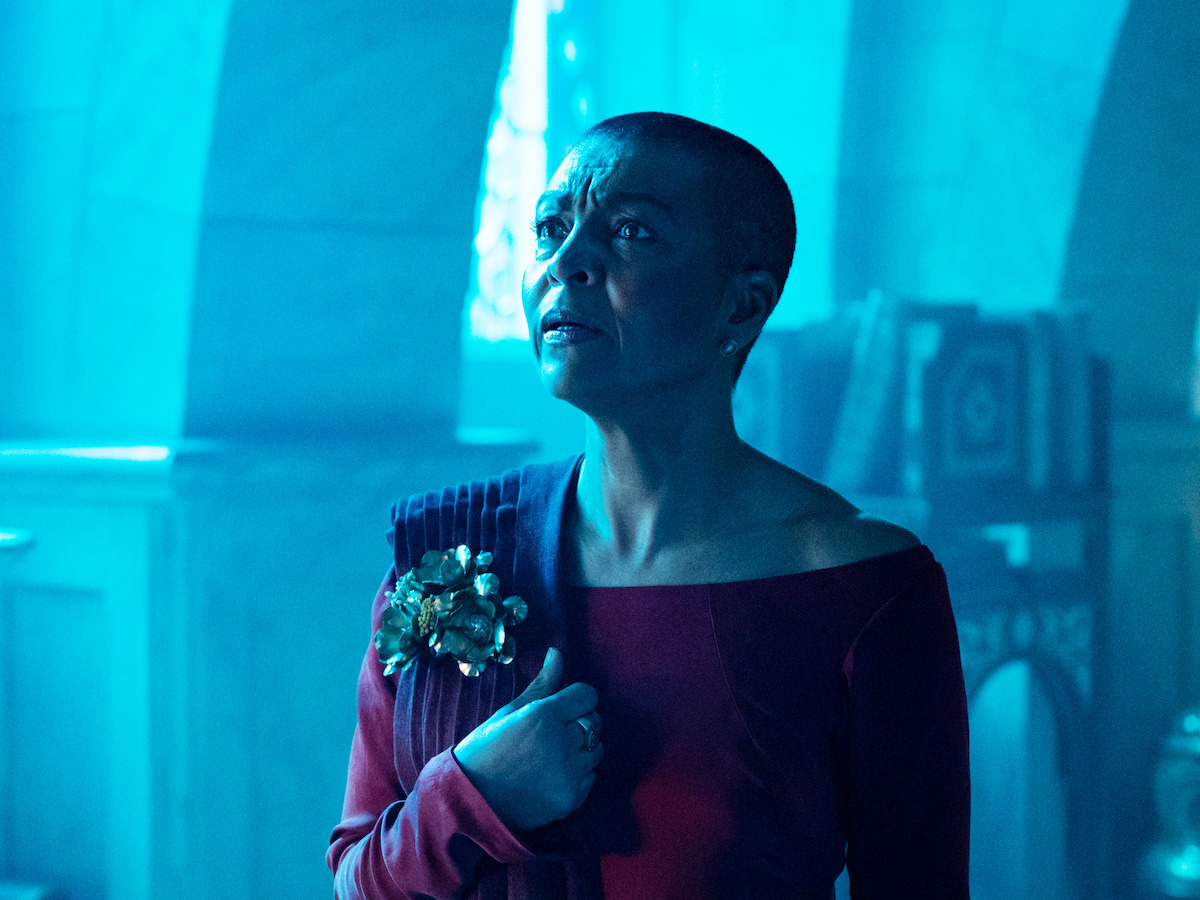
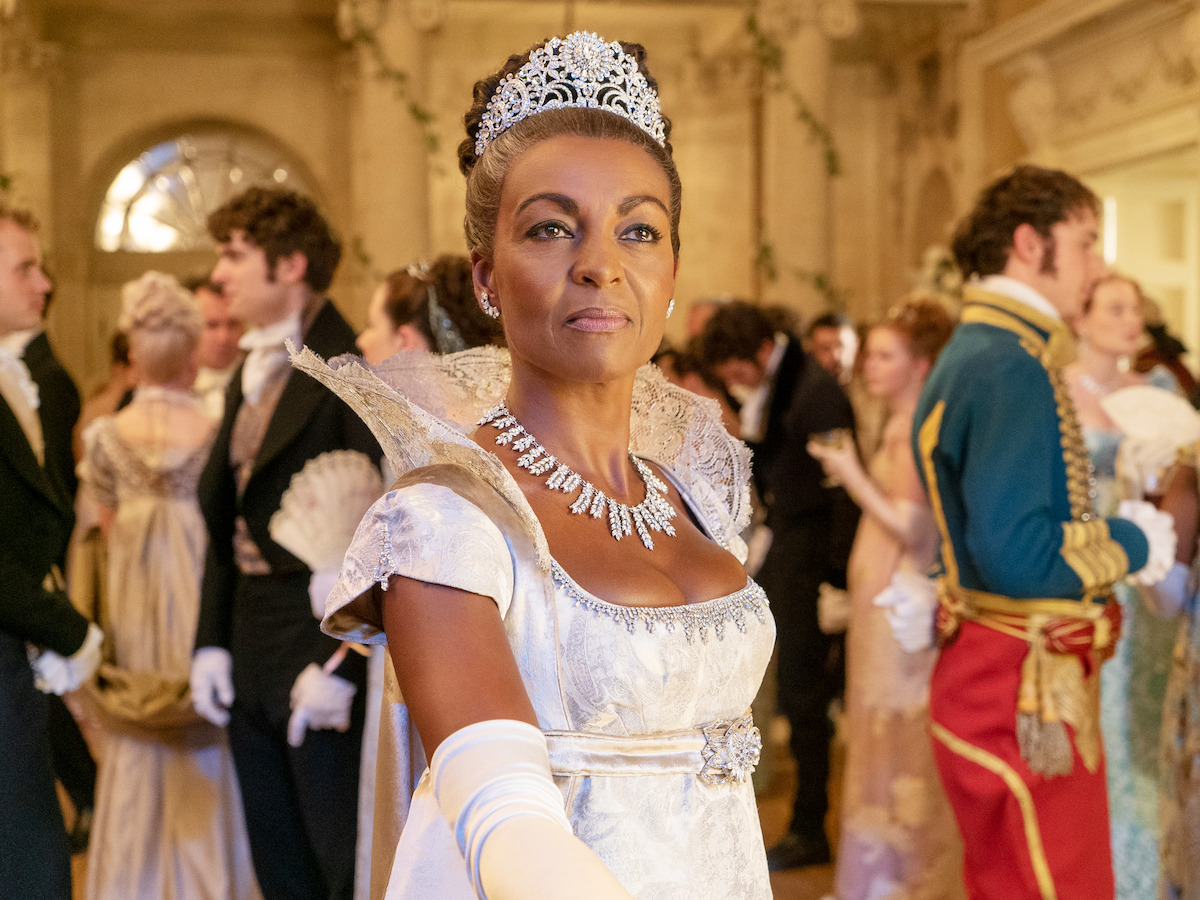
The Witcher Season 2 is jam-packed with revelations intended to shock audiences. The introduction of the Chernobog monster alone could give even the bravest of fans nightmares for years to come. But no surprise may push audience members to gasp and run for the group chat quite like the appearance of Nenneke, a priestess at the Temple of Melitele. Because Nenneke is played by Adjoa Andoh — or, as Bridgerton loyalists know her, the formidable Lady Danbury. Andoh has seamlessly gone from advising Bridgerton’s Simon, the Duke of Hastings (Regé-Jean Page), to verbally sparring with Witcher hero Geralt of Rivia (Henry Cavill).
Viewers hear Nenneke before they really see her. With the sound of her confident footsteps, Andoh bridges two of Netflix’s biggest blockbusters — hopefully to the delight of fans everywhere. “I hope they don’t go, ‘Oh my God, it’s terrible news. Why’s she doing it,’” Andoh tells Tudum with a laugh. “That would be a blow.”
Still, the British actor isn’t actually fretting about how her new spin on Nenneke, a character from the Witcher universe of video games and books, will be received. In previous iterations, Nenneke, a longtime mentor to Geralt, has been portrayed as a white woman; Andoh is a proud Black woman with Ghanian heritage. Fantasy fandoms have a long history of intense pushback against accepting actors of color in traditionally white (fictional) roles. Andoh isn’t worried about racist internet panic.
“I don’t care. I’m not interested. If you give me that character, I'll make her my character,” she says. “At this stage in my life, life is too short for me to get wrapped up in worrying about if people are going to like something… [It matters] if my performance is rooted and authentic and honoring the character that I’m playing and honoring the spirit of what’s been written for me.” After we spoke with Andoh, there’s no question about whether she put in the work to honor this new take on Nenneke.
These are two different worlds. What was it like to drop into The Witcher after Bridgerton?
The glorious thing was: I don’t have to sit in hair and makeup for three hours before we start doing anything for The Witcher. I don’t have to wear a corset. I did Doctor Who for two series. I’ve done computer games. I actually sponsor a science fiction award for writers of color. This is a world I really enjoy. It didn’t feel at all unfamiliar.
You are a Black woman. I am an Afro-Latina. How did it feel to represent people of color in sci-fi and fantasy — and the people who love these genres?
We’ve always known [they exist]. In the Latino community, or an African community, or an Asian community, we have all the same myth stories that the original Polish novelist would have drawn on for The Witcher: the scuffle between good and evil, between power and subjugation, distrust and confusion, bargaining and relationships, alliance making. All that stuff goes with all those cultures.
For me, with The Witcher, the Nenneke that I’m playing has a slight West African edge to her. Her temple, Melitele, could draw on a whole load of traditions from across the world. So I like the possibilities of science fiction and [the ability to] mess with it. Because the emotional truth of those stories and those relationships [is] the same in any setting.
The character in the games is a white woman. Were you ever nervous about pushback playing a white character? We all know how the internet can be.
If you don’t like it, I don’t care. Let’s talk about the polar caps melting and global warming — that’s important stuff. If you don’t like me, that’s not important. If I put in a shabby performance, that’s something to worry about. If you don’t like the performance I put in, but I think it’s an honorable one, it’s a free world. Have your opinion.
I noticed Nenneke’s accent and how it immediately separates her from Lady Danbury. What was behind the decision to give her a more West African accent?
I just wanted to have some fun, really. I wanted to talk about those warrior women, those healing women, those strategists that you find in all cultures. I just thought, “I’m Ghanian heritage. Let’s bring a little bit of that heritage into the mix and make it super clear that I’m introducing this other culture into this culture.” And why not?
Speaking of fun, The Witcher and Bridgerton are two of the biggest fandoms in the world. How does it feel to be the bridge between these two hugely popular things?
It’s extraordinary. I’ll have to get a job on Squid Game next.
Between The Witcher and Bridgerton, viewers might focus on their differences. But there’s a little bit of similarity between Lady Danbury and Nenneke in their uncanny ability to get these very brooding men to share their feelings. Do you agree?
Yeah, there is a sort of insularity that you would see with the Duke of Hastings that you would also see with Geralt. There’s something about the ability of a woman [like Lady Danbury or Nenneke] who is not afraid of telling it like it is — speaking truth to people who other people might feel less inclined to speak truth to if the truth is a difficult one. Because they know it comes from a place of love and a place of wanting them to thrive and travel through the world in the best way that they can. I’ve been paired with a shine of blokes.
That’s what I was about to say! As soon as you say “the Duke of Hastings” and “Geralt” in the same sentence, you think, “Everyone in the world is going to be jealous of this woman.”
Yes! I do get to work with very beautiful men. That’s true.
And what was it like to work on Nenneke’s scene with Ciri, where you get to invest in a younger actress like Freya Allan? It’s a very poignant moment.
There are many ways to get someone to open up. When Nenneke says to Ciri, ‘Do you want to light a candle?’ and they get involved in the physical process of activity, they can have conversations that are hard because their physical task is something else. It’s a way that Nenneke opens the door to allow the conversation [to] flow with Ciri. Let’s not forget that a young Geralt was brought to [Melitele] and that is how his relationship started with Nenneke. The purpose of bringing young people to this temple is to assess what their powers are, what their challenges are, what their potential is. Nenneke has been doing this for a long time. She can work out what strategy is going to be most effective for what person.
Rewatching the episode, I realized Nenneke’s first impression of Ciri — “She’s a fucking tinderbox” — feels destined to be memed. It’s applicable to everything.
I like the fact that Nenneke is a healer and she looks after people who need refuge. And then she can also come out with a phrase like that. I like the energy of that. People are more than one thing at the same time. They can be healing and loving and supportive. They can give you tough love. They can also go, “Step the fuck away from that one.” It’s all in the same conversation. There’s something truthful in that that’s fun to play.
You’re only in two episodes this season. Do you hope to come back for more fun?
If they write more, I will come back. Absolutely. It’s a lovely show, and I really enjoyed working with Freya and Henry. We’ll see where we go!
This interview has been edited and condensed.