[Dark music playing]
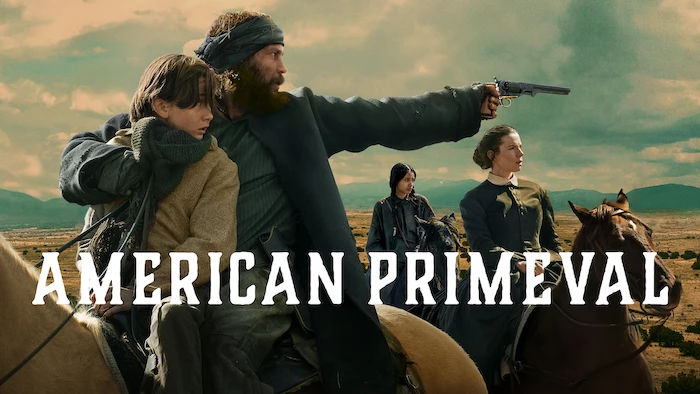
Peter Berg: The Mountain Meadows Massacre of 1857 inspired American Primeval.
Taylor Kitsch: We tell a tragic story in this time period in its rawest form.
[dark music continues]
Betty Gilpin: And the history, it's just so… terrifying.
[TITLE CARD] AMERICAN PRIMEVAL: STAGING THE MOUNTAIN MEADOWS MASSACRE
Peter Berg: In 1857, 120 pioneers were killed trying to get to California. They were killed by a group of Mormons who had dressed up as Native Americans.
[CLIP] Kim Coates (as Brigham Young): Do our hands show a drop of blood on this?
[CLIP] Soldier: No, sir.
Peter Berg: I started doing a lot of research on it, and reached out to Mark L. Smith, and together we started talking about setting a series in that world.
Peter Berg: Action!
Mark L. Smith: I love exploring that kind of gritty frontier, and Brigham Young, and the Mormon fight for this land.
[CLIP] Kim Coates (as Brigham Young): We are invaded by a hostile force. They threaten us with war! But we cannot weaken.
Peter Berg: In Utah and Southern Wyoming in 1857, everybody believes that they are in an existential fight to survive, and that they're on the correct side of history.
Julie O’Keefe: The level of violence actually happened. It was very chaotic. It was about survival.
[whip cracking]
Mark L. Smith: During this time period, there were no true heroes.
[tense music playing]
Peter Berg: We have some big set pieces, but the Meadows Massacre was the most intense, visceral thing I've ever filmed.
Taylor Kitsch: That scene blew me away.
[CLIP] Dane DeHann (as Jacob Pratt): I grew up with six brothers and sisters.
[CLIP] Wife: We have three of our own, and I believe that's all I'd care to have.
[CLIP] Husband: We wouldn't want to speak too soon. I think we'll likely have at least six.
[CLIP] Betty Gilpin (as Sara Rowell): Six? Three sounds like plenty to me. I'm finding I have my hands full with one. What is it that you want to do?
[CLIP] Mormon Wife: Well, I'd first like to get settled in Salt Lake Valley. But then I'd –
[arrow whistles]
[woman screaming]
[man shouting]
[menacing music playing]
[horses whinnying]
Alex Gayner: We started to talk about what it would feel like to be in something that happened like that. And what if we did this whole thing as one shot? So you really feel the visceral energy of the attack. We pre-vised it and really, you know, worked with little figurines in a conference room.
Peter Berg: We wanted it to feel as real as possible, maybe even a bit documentary-like.
Alex Gayner: With Pete's direction, we shot it over five days at sunset, within an hour window of light. We rehearsed, and rehearsed, and rehearsed. And then at the perfect light, the perfect time, we just went for it.
Peter Berg: We play the scene in real time from the perspective of Sara and her son.
Betty Gilpin: Doing stunts in a petticoat was a new and fun experience.
Jeff Dashnaw: Peter doesn't want anyone to notice that we're doing stunts. He wants it hardcore, dirty deaths.
Taylor Kitsch: The stunt men, I really tip the hat to. They just went for it.
J.J. Dashnaw: It's violent and scary. There's always something chaotic happening. There's main action in the foreground and big stuff in the background too. You can have the best stuff up front, but something off in the background ruins everything.
[dramatic music playing]
Jeff Dashnaw: Peter Berg did a big stunt. He shot a guy off a horse and then rifle-butted him twice. And then he got shot.
Dane DeHaan: The scene is incredibly brutal and incredibly intense. The character I play gets scalped in the massacre.
[screaming]
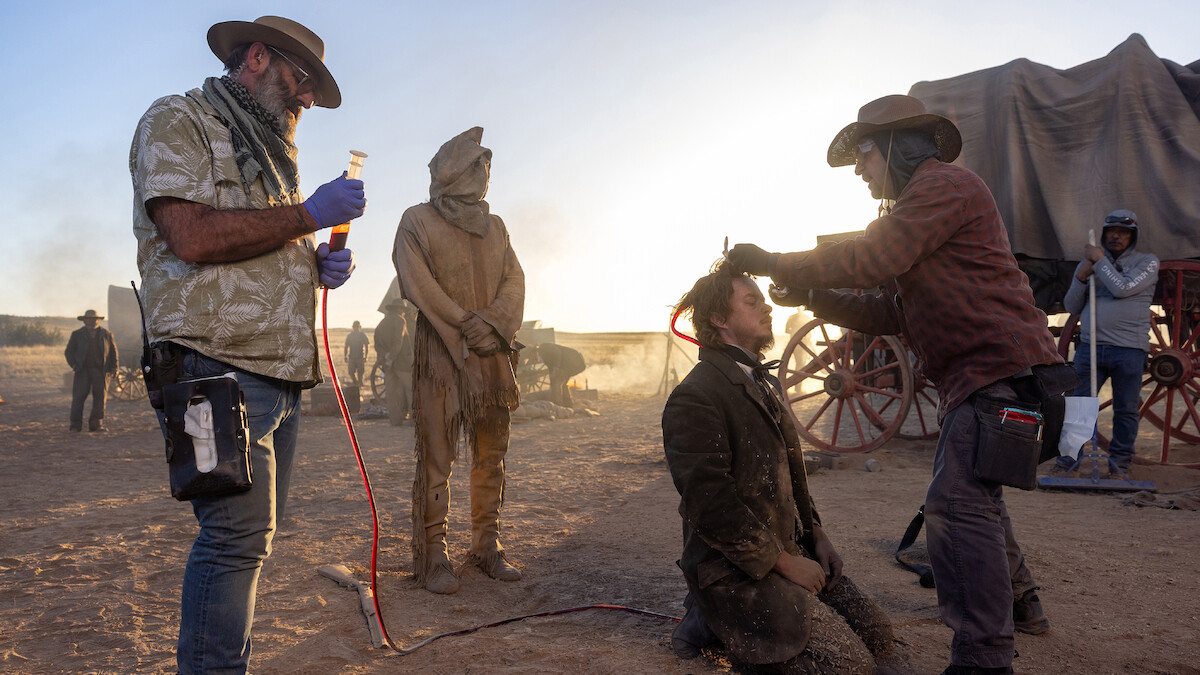
Howard Berger: Dane's head was scalped and the blood was very important. It's a combination of practical makeup effects and visual effects. The show is really, really dark and I love that.
[dramatic music continues]
Peter Berg: All of our department heads really went far beyond anything I've ever seen in their research and their commitment to attention to detail.
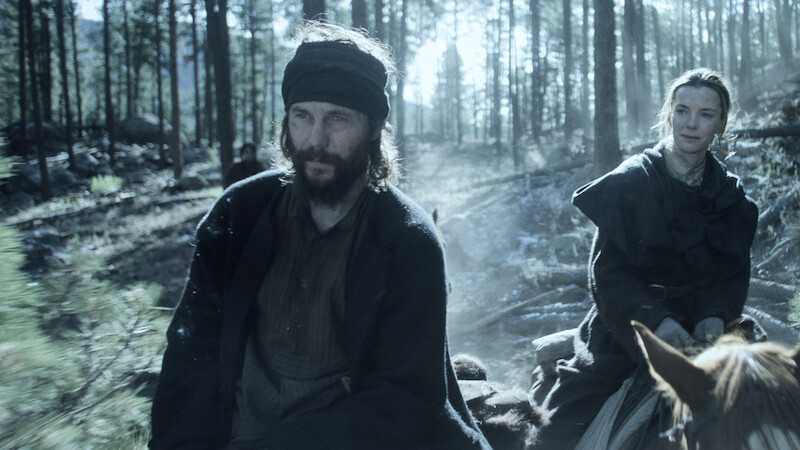
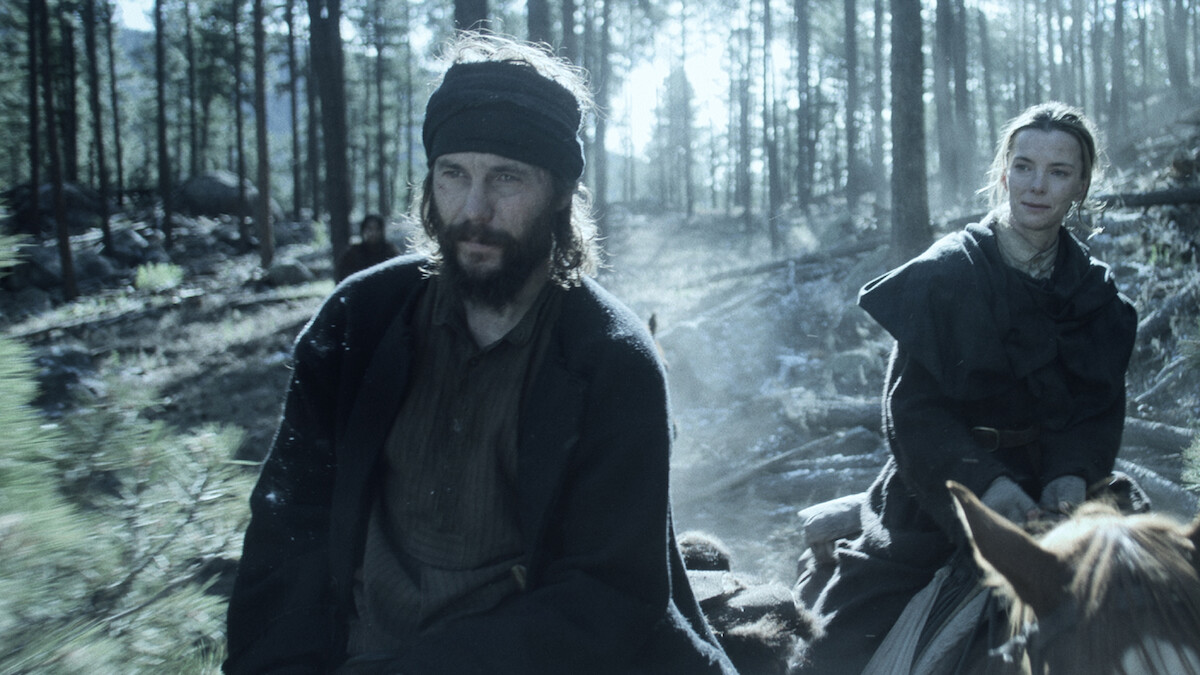
Renée Read: This is pre-Western. The spurs weren't around yet. You won't see a single cowboy hat. You're on the edge of civilization. We had to make sure that it felt authentic and real.
Dan Riker: We train all the actors how to use 1851 revolvers and black-powdered rifles. Everything had to be true.
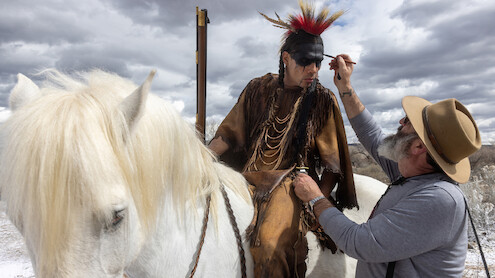
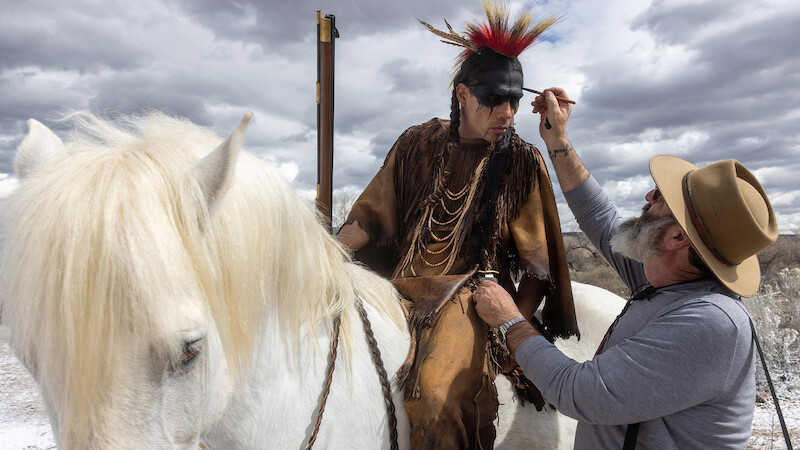
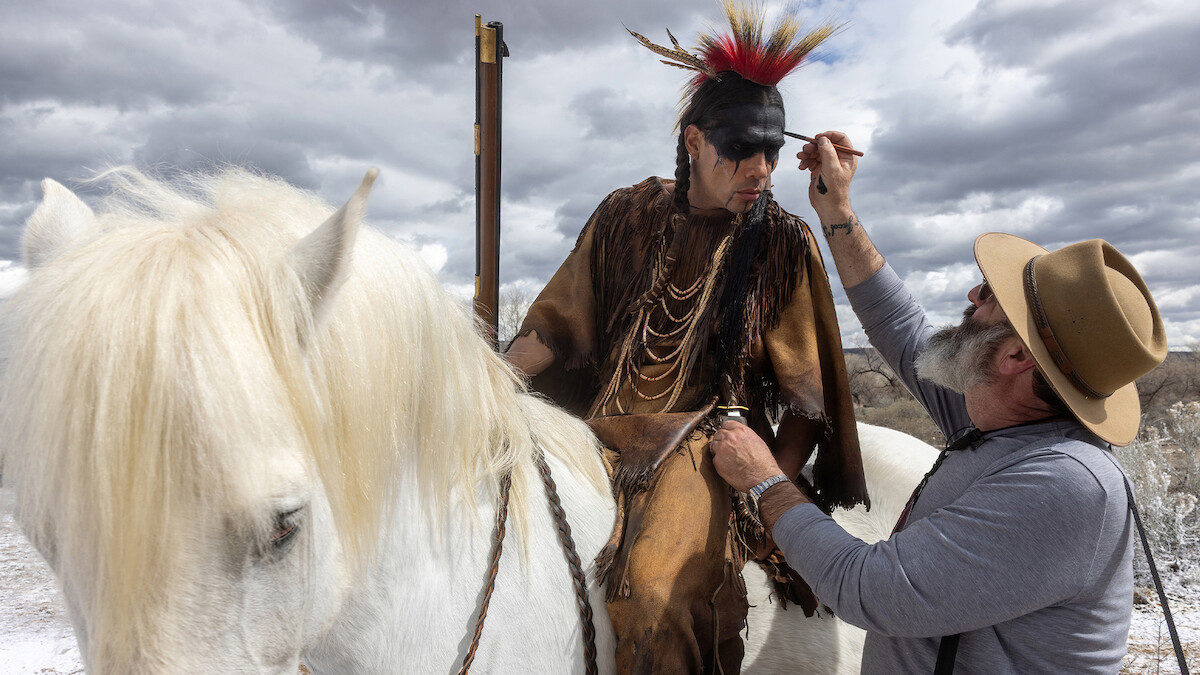
Julie O’Keefe: The Indigenous cultural authenticity was really truly spectacular. I'm proud of changing the way that our stories have been told.
Derek Hinkey: We're being honest on who native people are and were.
Taylor Kitsch: The difference between this and so many other depictions is a certain energy and rawness that I think you can feel when you watch it.
Alex Gayner: Everything that we do is based on a ton of research.
Peter Berg: People do like to learn. If you can make history interesting, it can be a deeply satisfying experience.
[dramatic music building]
Peter Berg: The Meadows Massacre is a very interesting example of just how bad things can get if violence isn't checked.
[music fades]