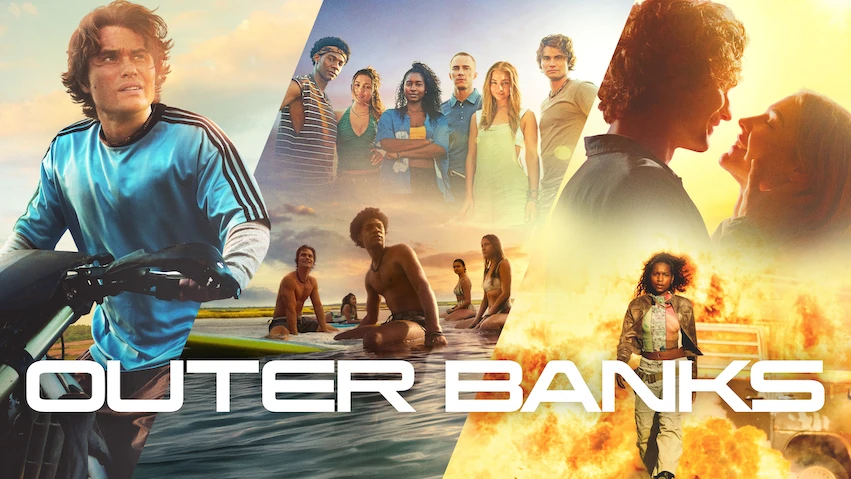
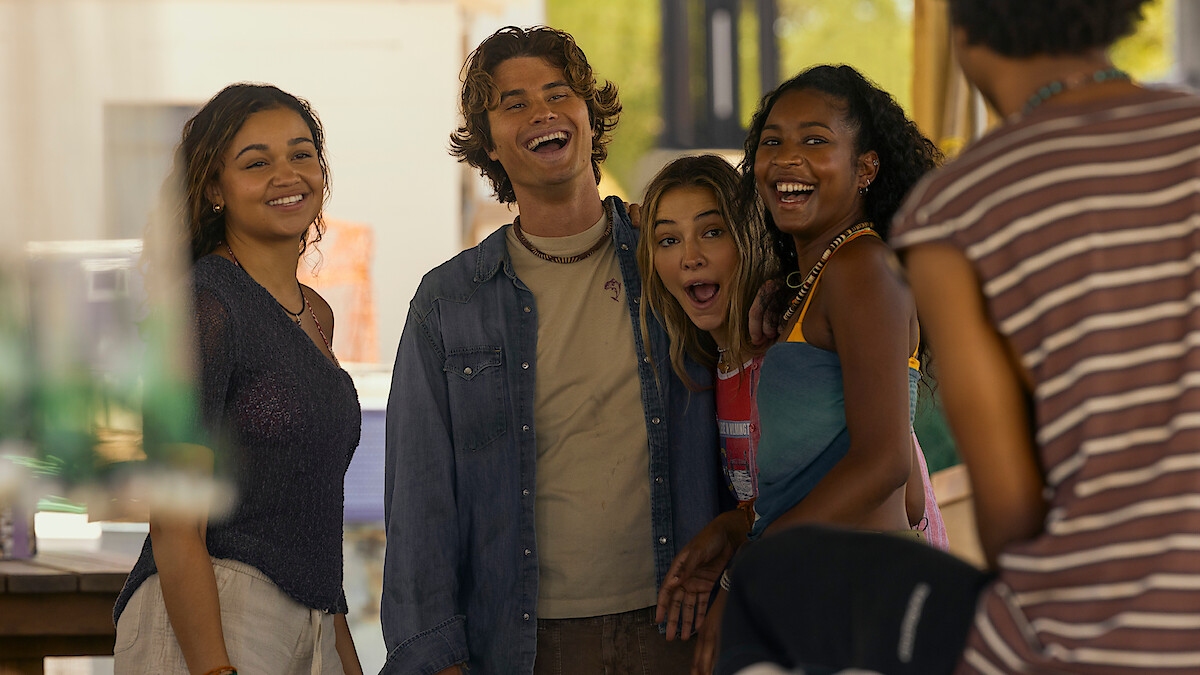
Who gets the Blue Crown? Do the Pogues avenge JJ’s death?

“Don’t let it end. Don’t let it end. Don’t let it end.”
Drew Starkey doesn’t remember many details about his first day filming Outer Banks. That’s not too surprising. It was seven years ago, and since then, he and his co-stars have experienced a meteoric rise in popularity, endured a global pandemic, and shot hundreds of hours of treasure hunts and ambitious stunts. But Starkey can definitely recall exactly how that first day felt. “I remember being so excited,” he says. “Everyone was so excited and young and green and happy to be there.”
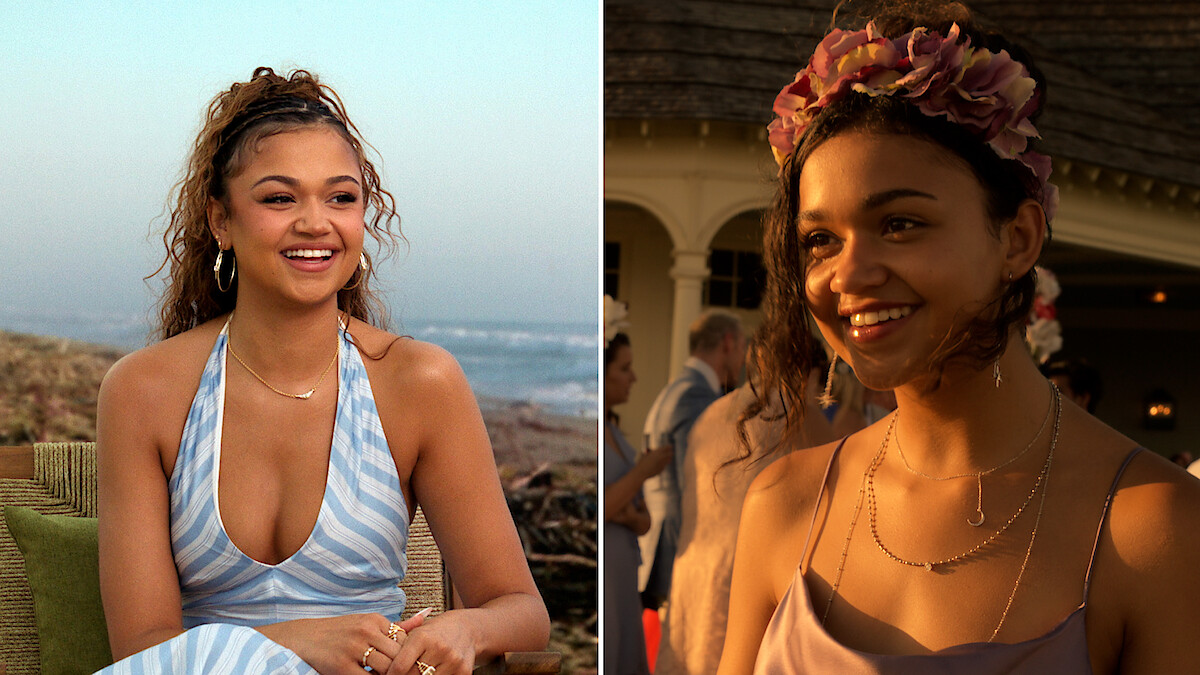
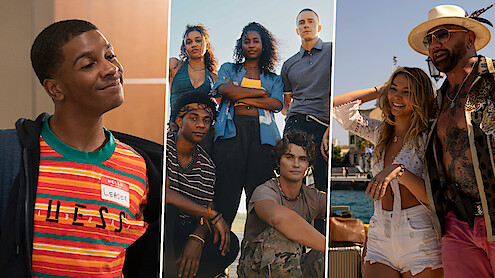
Before landing the role of Rafe Cameron, Sarah’s (Madelyn Cline) older brother and the show’s most complicated Kook, Starkey was working consistently as an actor while also doing odd jobs in Atlanta. Since he’d been very much a day player, landing a lead role in the premiere season of a series was a totally new experience, and one he was eager to dive into. “It was the first time that I was able to be a part of a process from beginning to end,” he says. “Usually I had just come in for a couple days or a week and then left, so I was really excited at the prospect of being able to help tell the entire story.”
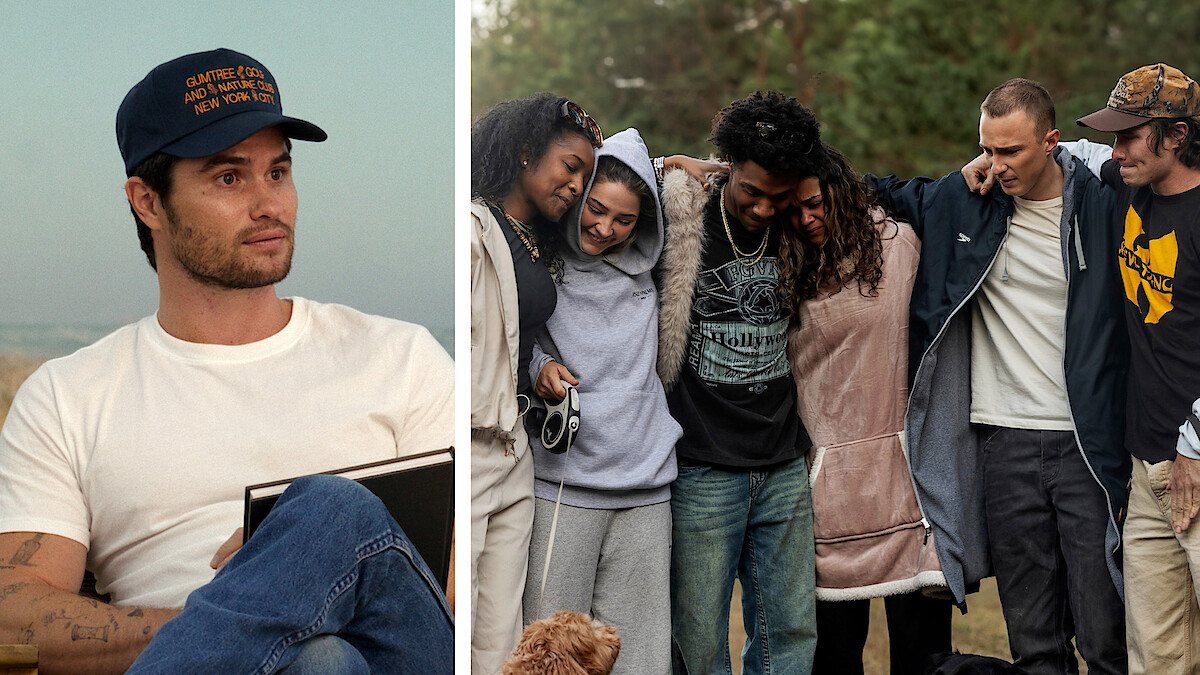
With Outer Banks, that process began before the cameras ever rolled, and Starkey did indeed dive in — quite literally. In the weeks leading up to the start of production, the cast was given swimming and boating lessons in Charleston, South Carolina. Looking back, Starkey wonders if that may have just been a way to “keep the twentysomethings busy” as they waited for the work to begin, but his co-stars insist they did indeed have some stuff to sort out at sea. “Drew could swim, but he couldn’t sink. That was a whole thing,” says Chase Stokes, who plays John B. Confirms Jonathan Daviss (Pope), “He’s very buoyant.”
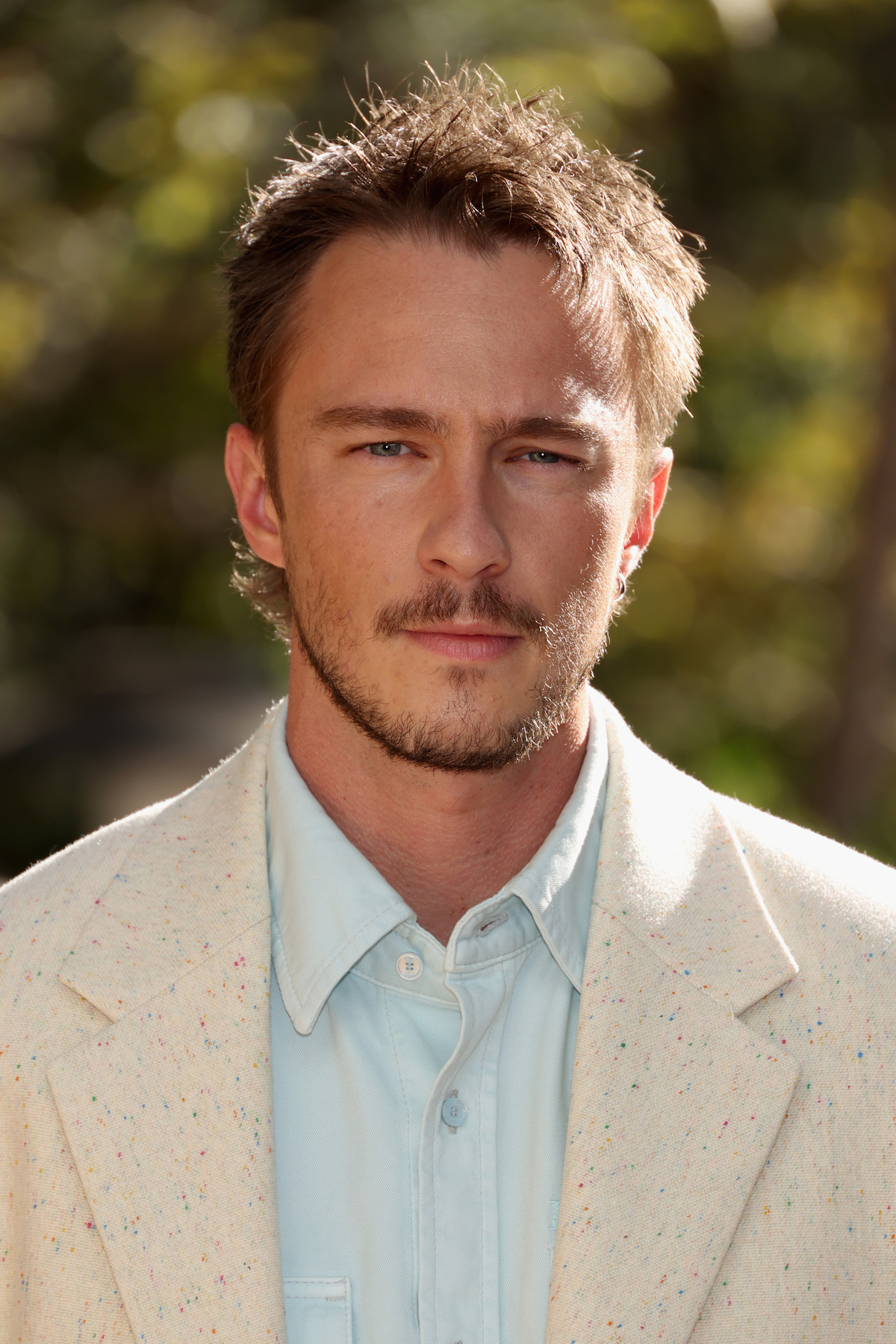
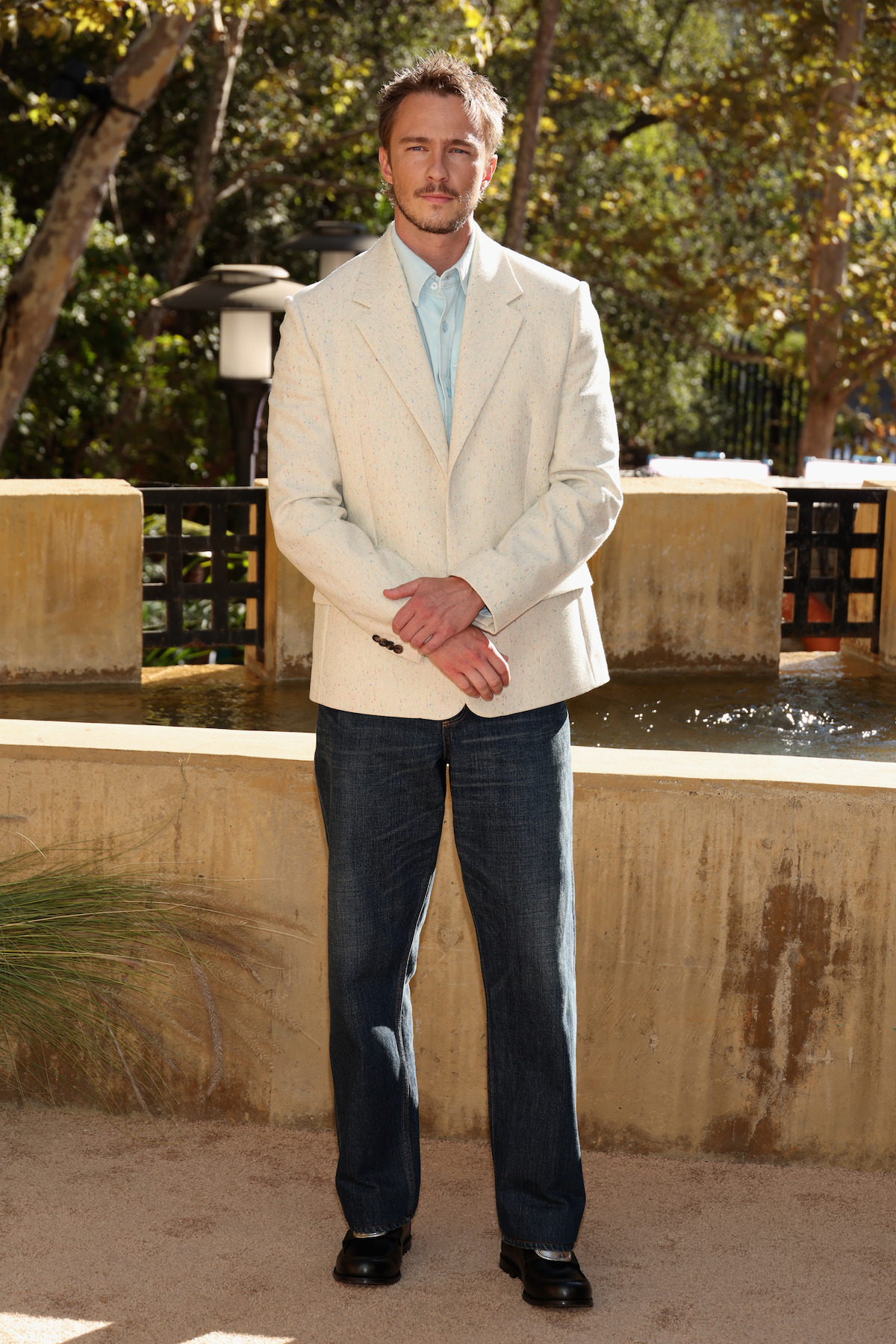
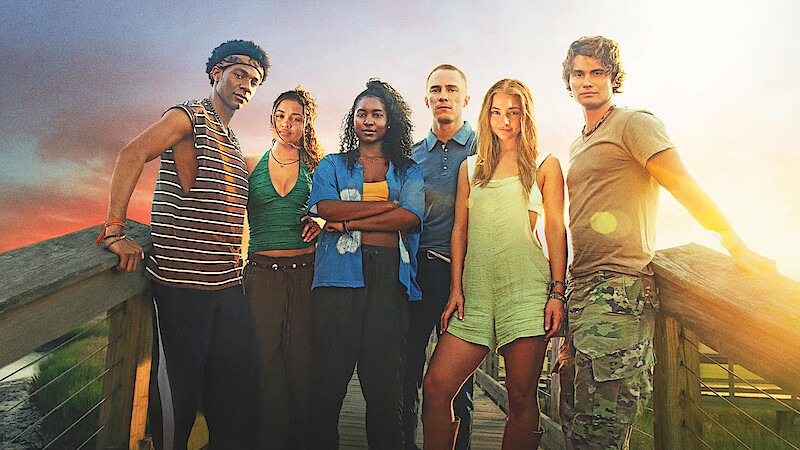
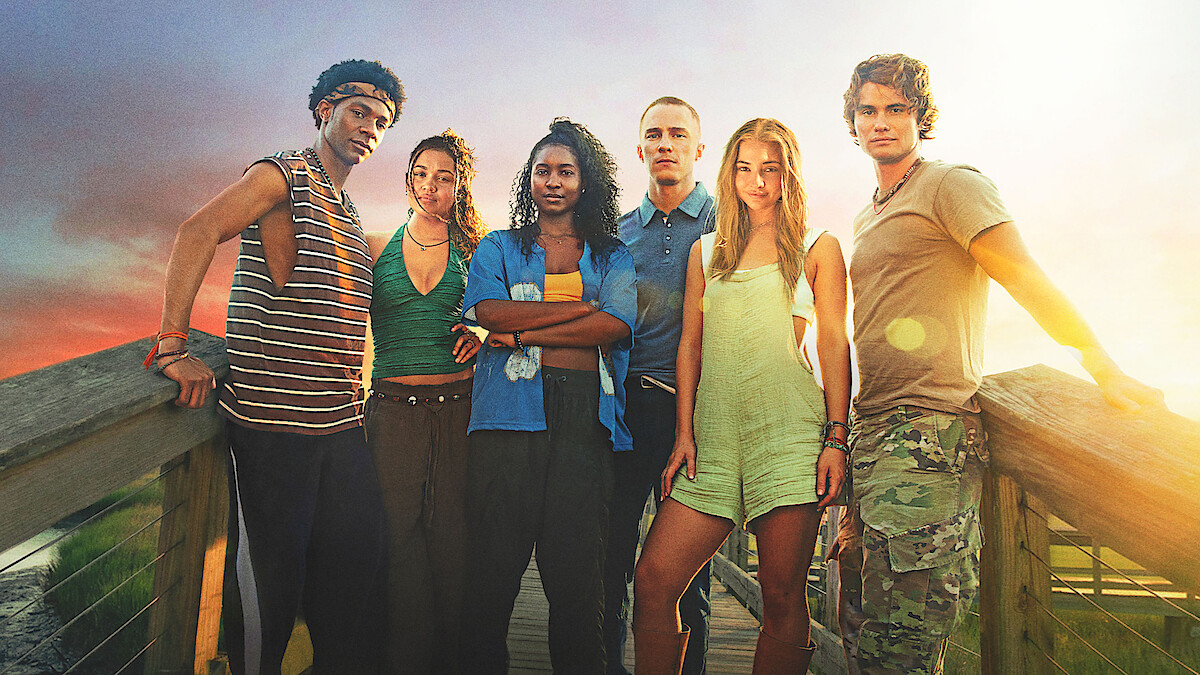
Whatever the reason for the lessons, the pool was where Starkey first met Daviss, Cline, and Rudy Pankow (JJ), with Stokes, Madison Bailey (Kiara), and Austin North (Topper) joining not long after. “I immediately fell in love with them,” Starkey says. Together, the cast began to understand and adjust to the realities that come with being a major part of a series’s entire arc. “I learned how to pace myself. I think when I first got on the show, I came in with so much energy and would burn out so quickly,” the actor says. “That’s the gift with TV: You’re shooting for seven months at a time, so it’s a long haul.”
Along the way, the cast also learned that to stay afloat through all that hard work, it’s important to make time for fun. For Starkey, that meant dining out in their new hometown. “I think Charleston is my favorite food city in the world, so a lot of my memories are around cast dinners and trying new restaurants,” he says. Over those shared meals, he formed lasting bonds with those who played his Pogue adversaries onscreen, including Stokes. Stokes says, “Drew is one of my nearest and dearest friends on this planet.”
After filming the first season, the cast settled in Los Angeles just as COVID hit, and their friendships intensified. “We were all quarantining together in the same apartment complex,” Starkey says. That meant they were by each other’s sides as their stars began to rise. In lockdown, though, Starkey says it wasn’t clear to him just how much of an impact Outer Banks was making, even with all the chatter on social media. “It was a very strange experience for the show to come out then. The first year or so, we had a lot of family and friends reaching out and all that, but you couldn’t really quantify the discourse online.”
The show’s popularity didn’t click for Starkey until he encountered fans out in the world. “I remember shooting something in Serbia, and that was the first in-person experience I had with people who watched the show,” he says. “It was a wake-up call that people really connected with it.” Despite playing Outer Banks' most controversial character, Starkey was embraced by viewers. “I’m glad that there are people that hear [Rafe] out, dig a little deeper under his skin, and see that there are reasons for the things that he does,” he says. “It’s nice to know that our audience really can understand that kind of complexity within a person.”
Alongside fans, Starkey also formed a fondness for his character, which made wrapping the series much more difficult than he’d imagined. “I was a wreck. I really was. I didn’t think I would be,” he admits. Unlike that first day on set, Starkey can describe the final one in great detail. “We were filming on an airstrip,” he recalls. “As last days go, it was a lot of scrambling around and a lot of moving parts. There were different units working, so it was a really busy, crazy day.” Then came Starkey’s final moments being filmed. “It was just a pickup shot of me walking through the woods. I break the tree line, look up, and see a plane going by,” he says. “It was such a simple shot, but I was like, ‘Don’t let it end. Don’t let it end. Don’t let it end.’”
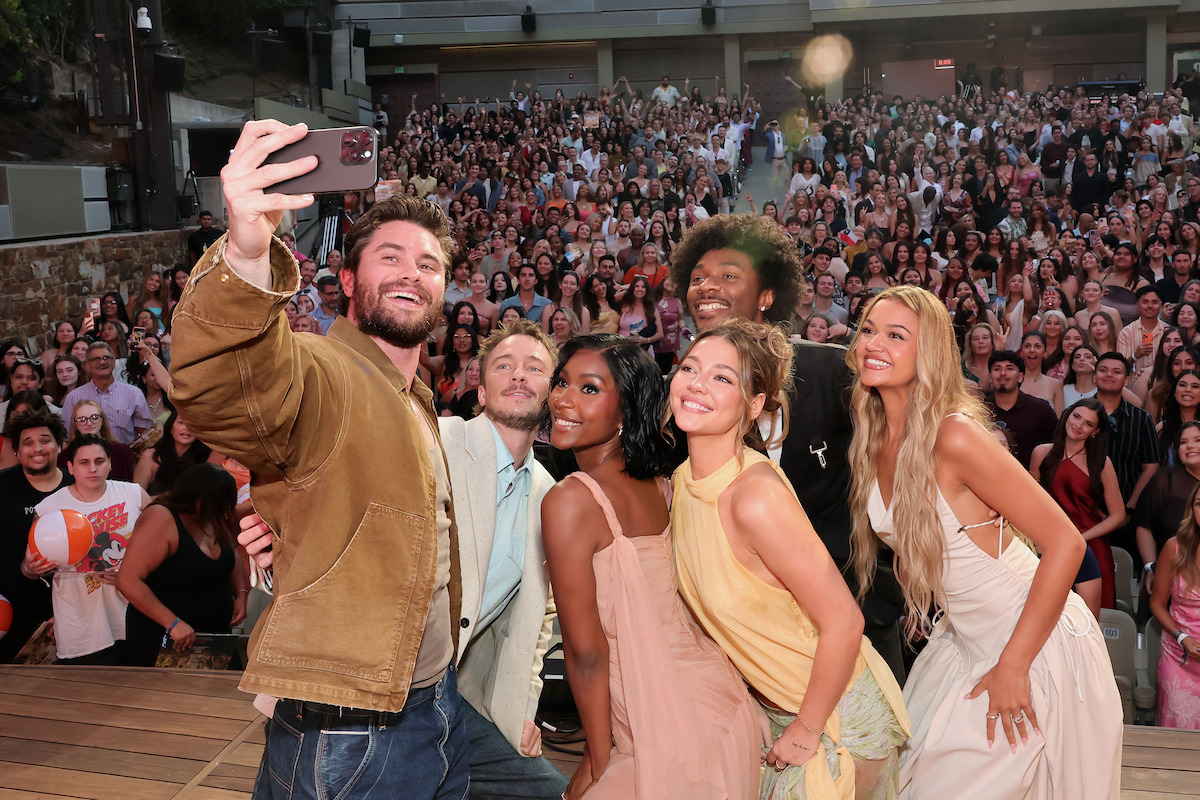
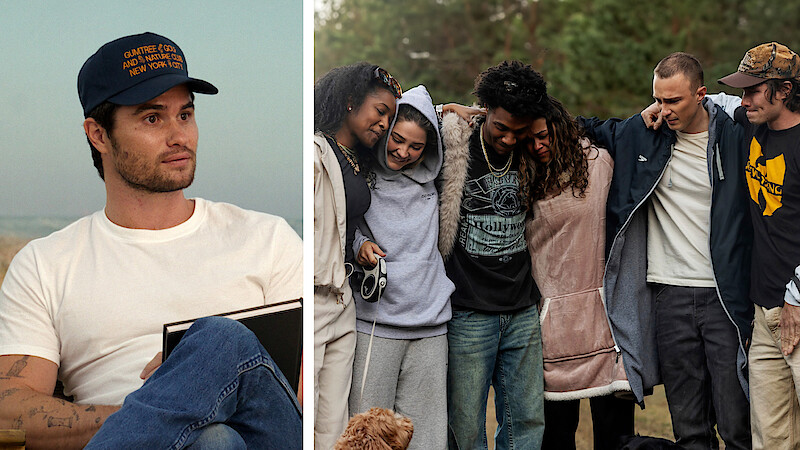
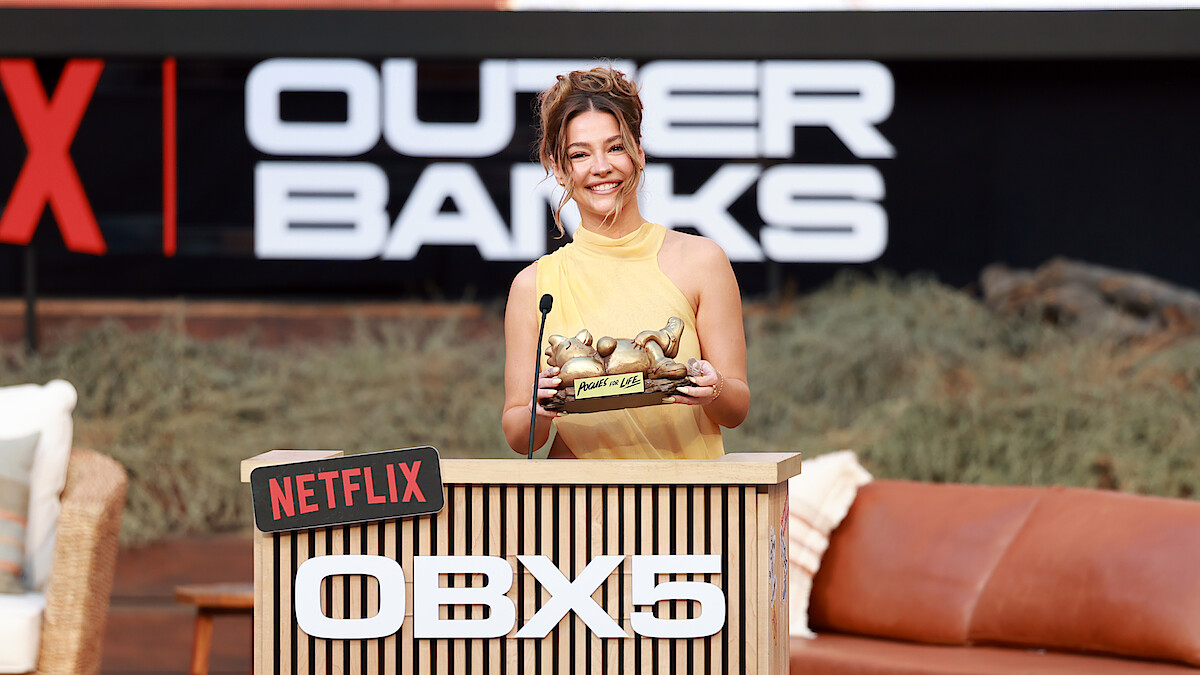
The cast of Outer Banks comes together with fans for one last Pogue celebration at Pogues For Life: A Fan Farewell in Los Angeles on August 15, 2026.
But it did, of course, end, and Starkey was overcome with emotion. “I had to take a moment. I walked about 20 yards away from everyone and just started weeping. I felt it all — the finality,” he says. “It felt like grief. I’d been with this person, Rafe Cameron, for the past seven years, and I was like, ‘That’s the last time I’ll get to play him, pretend to be him, and embody him.’”
When he returned to set, Starkey’s co-stars were right there with him in the deep end, just like the day they all met. And together with the crew, they trudged through the heartache. “Seeing everyone’s faces — our cast and everyone behind the scenes that made it possible — I could not stop crying,” he says. “I felt so grateful in that moment.”
Watch all five seasons of Outer Banks on Netflix now.