Illustration by Derek Abella
Explainer
What Even Is ‘The Power of the Dog’?
The film’s title is less ambiguous than it seems.
Nov. 30, 2021
Spoilers for The Power of the Dog ahead!
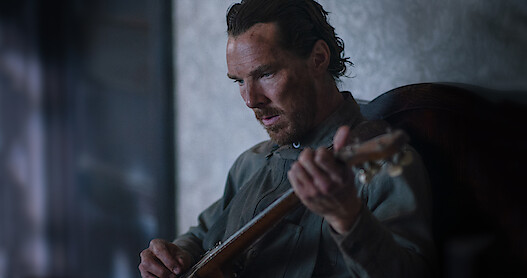
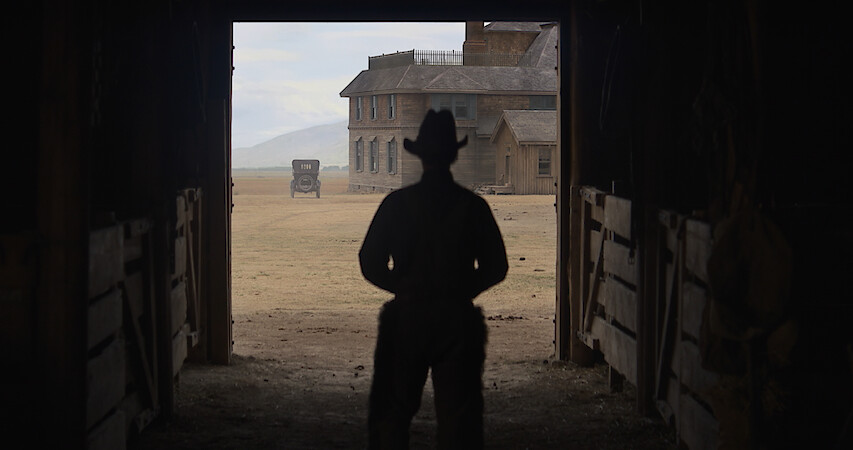
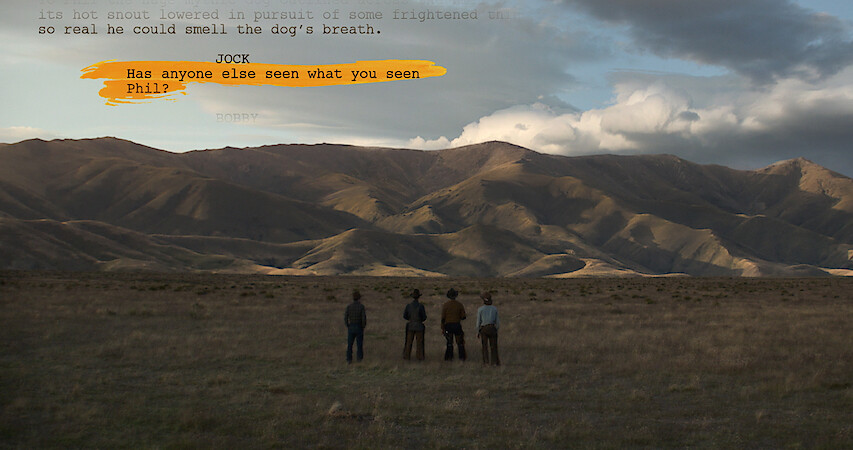
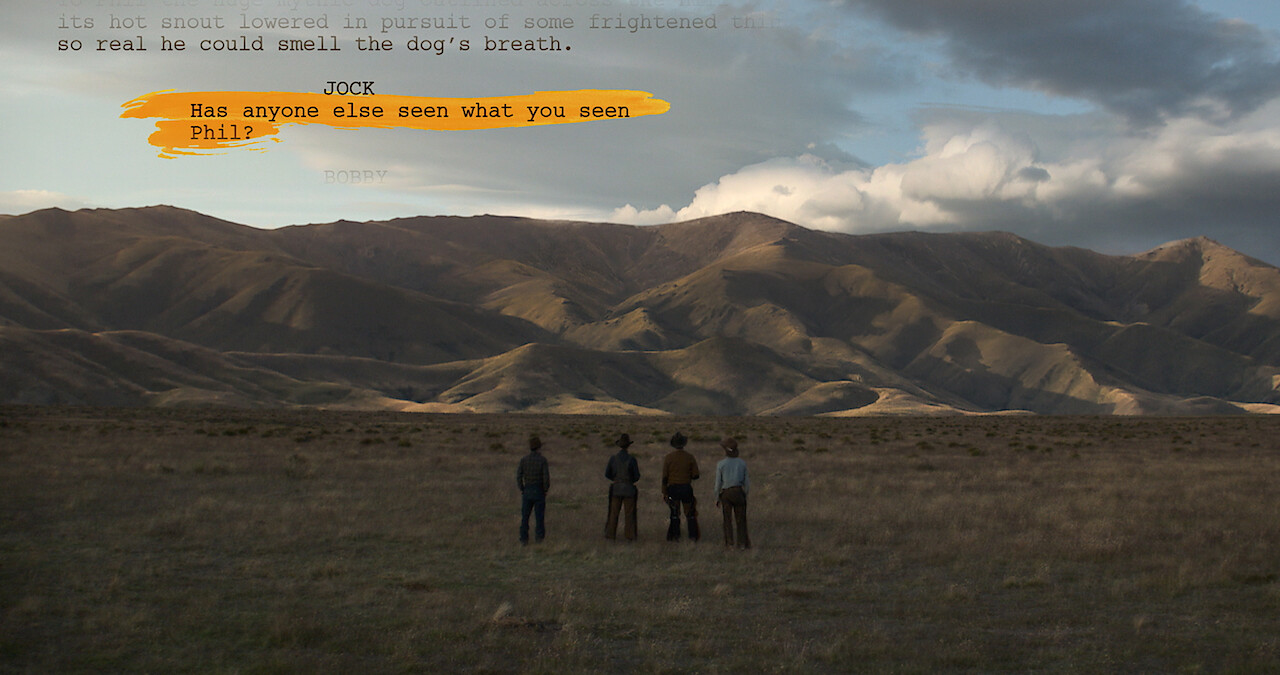
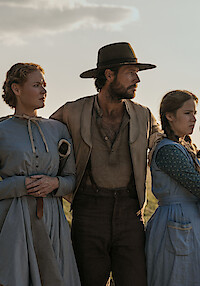
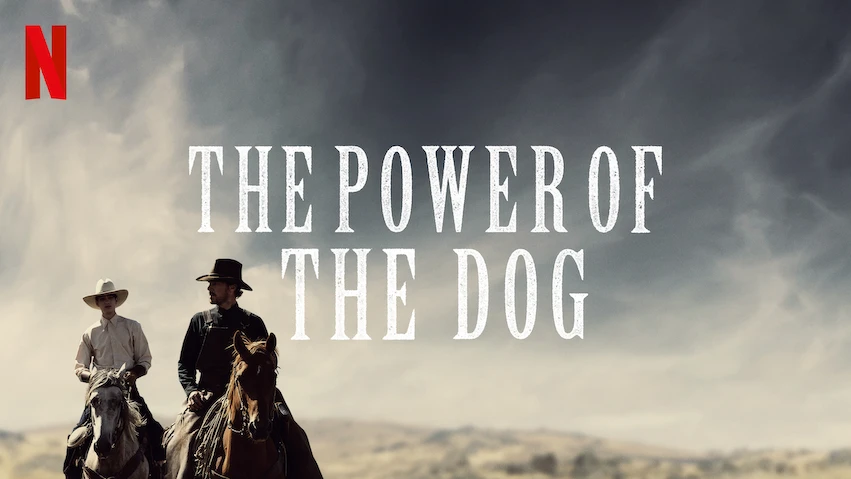
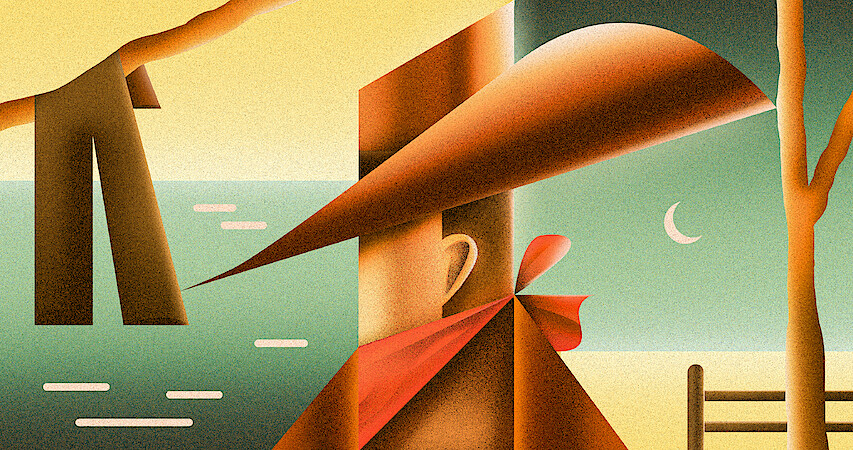
In the rock formation adjacent to his family ranch, taciturn rancher Phil Burbank sees a crouching dog, mouth agape as it barks at the sky. The meaning of the mountain is open to interpretation in the new Jane Campion drama The Power of the Dog, streaming on Netflix, as well as in the Thomas Savage novel on which it’s based. But the significance of the dog — its image hewn into the rock — hangs over the film like the mountain it’s imposed upon, eventually becoming the very core to understanding the story’s intricate and wounded characters.
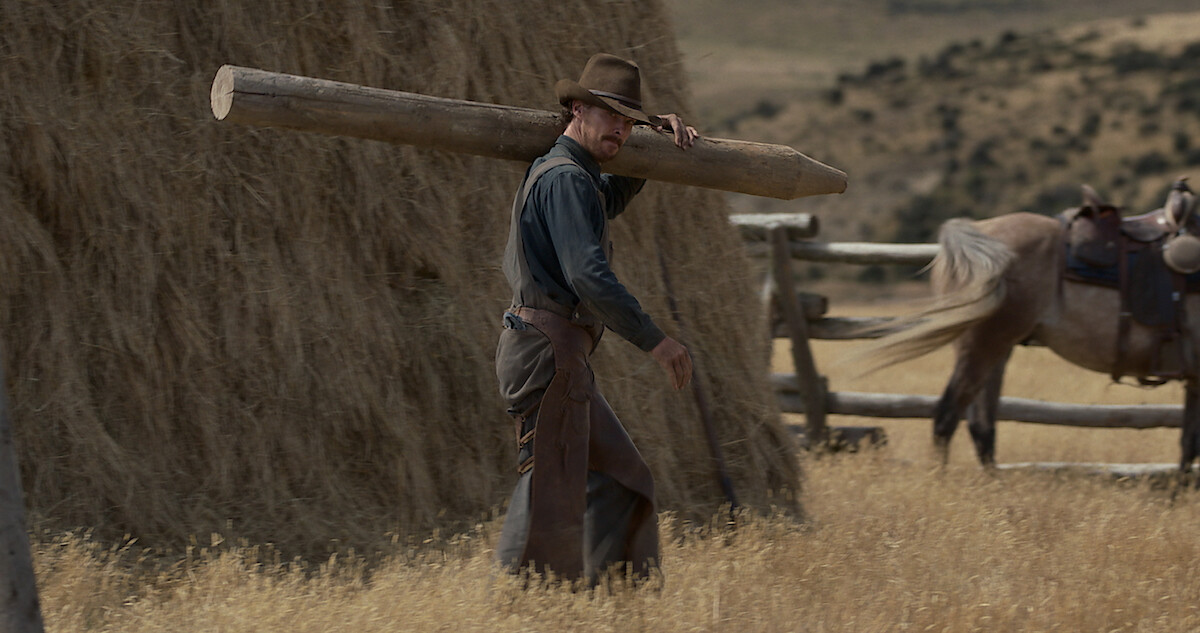
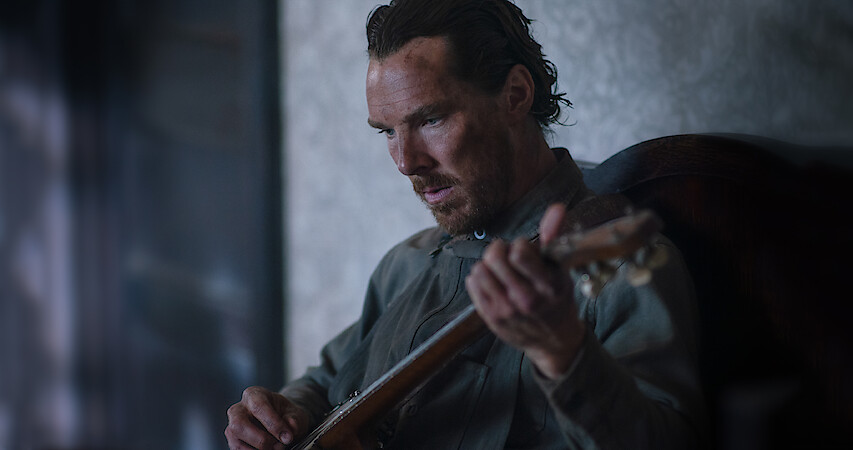
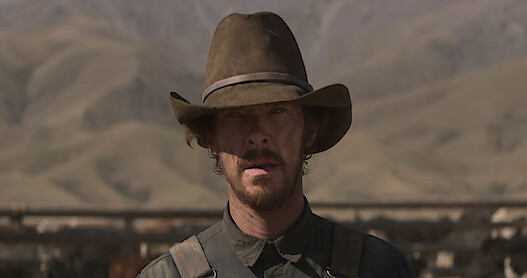
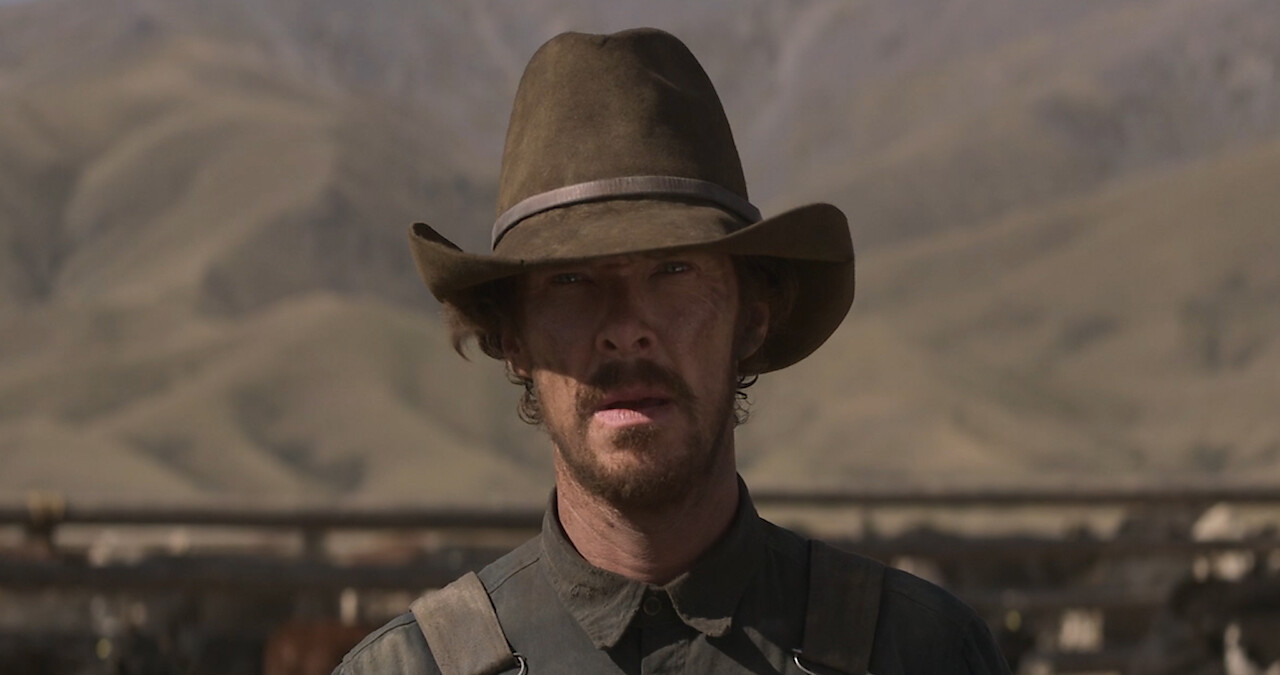
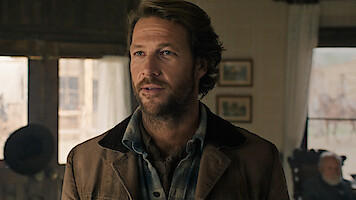
For Phil (Benedict Cumberbatch), as with most things, the dog is a constant reminder of his superiority, his position of power over his land and even over nature itself. “His was a nimble imagination,” Savage writes in the novel. “Often in the rolling clouds he saw smiles and frowns, sometimes the face of terror, and for him the wind hummed tunes. Precisely, it was his gift to arrange the facts of Nature into patterns that would stir the senses; it was this gift that let him see that thing his heart called The Hound on the Hill.” But the Hound is much more than simply a reflection of Phil’s self-image; it’s a beacon, calling out for someone else to see it and join him in his solitude.
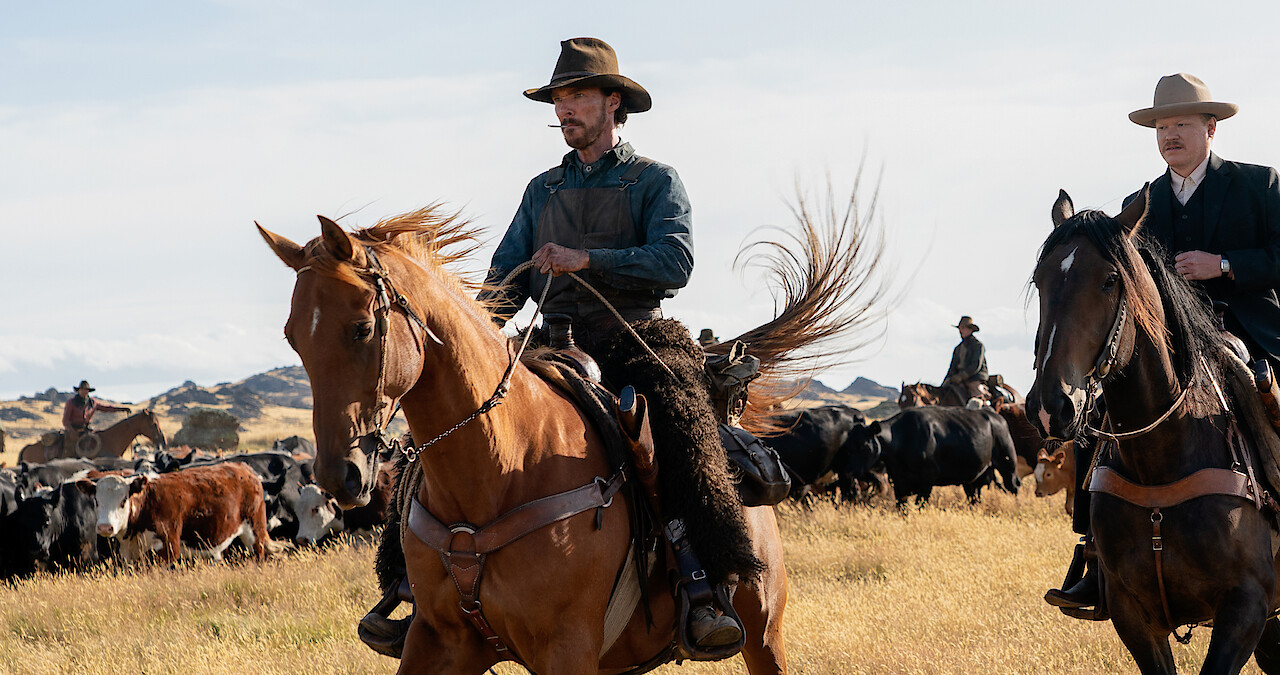
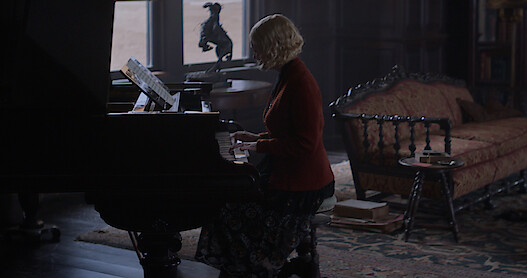
It’s revealed later in the film that the only other rancher who could see the hound was Bronco Henry, the legendary cowboy who trained Phil and his brother George (Jesse Plemons). “He taught me to use my eyes in ways that other people can’t,” Phil tells his brother’s new stepson Peter, with whom he shares an uneasy connection. Phil reminisces at length about Bronco Henry throughout the film until it sounds like a sort of pathetic mantra, a way to cling to his idyllic past at all costs. Early in the film, George confides in his wife, Rose (Kirsten Dunst), “how nice it is, not to be alone.” With Bronco Henry gone, Phil shares his brother’s sad solitude; the only companion who understood Phil (and the Hound) is long gone.
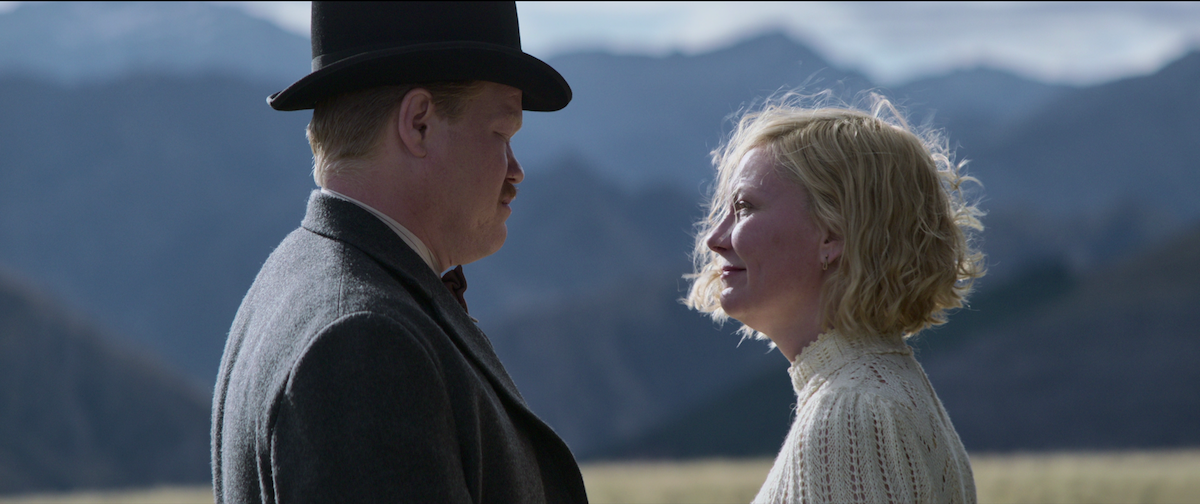
When Rose marries George and arrives at the ranch, rescuing George from his loneliness, Phil begins a crusade against her, tormenting and belittling her at every turn. Phil is controlling and cruel to everyone, but for Rose, he reserves a special bitterness, almost as if he is jealous of his brother’s newfound happiness. And perhaps he is, for the film soon reveals that Phil’s relationship with Bronco Henry was much deeper than it seemed.
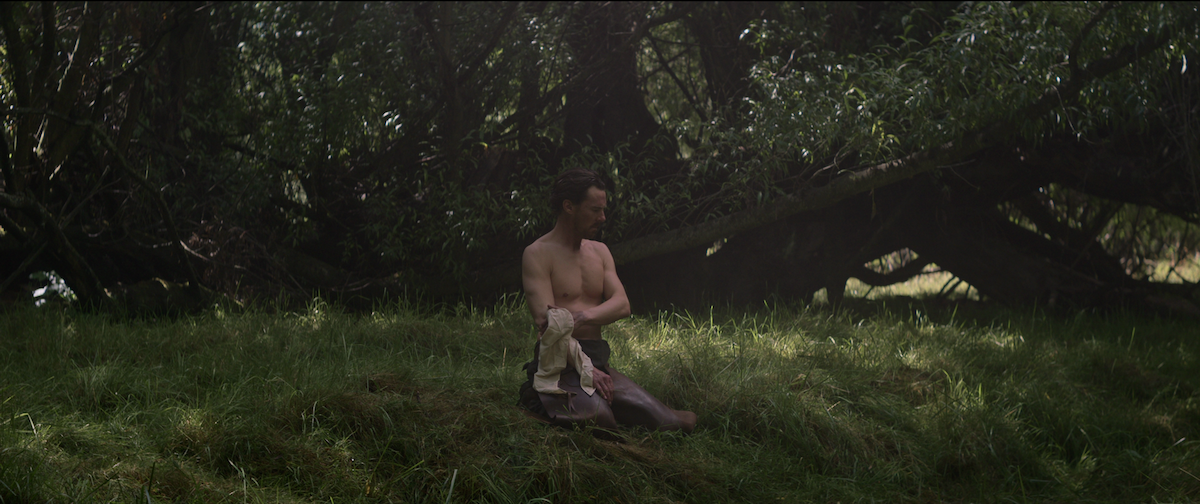
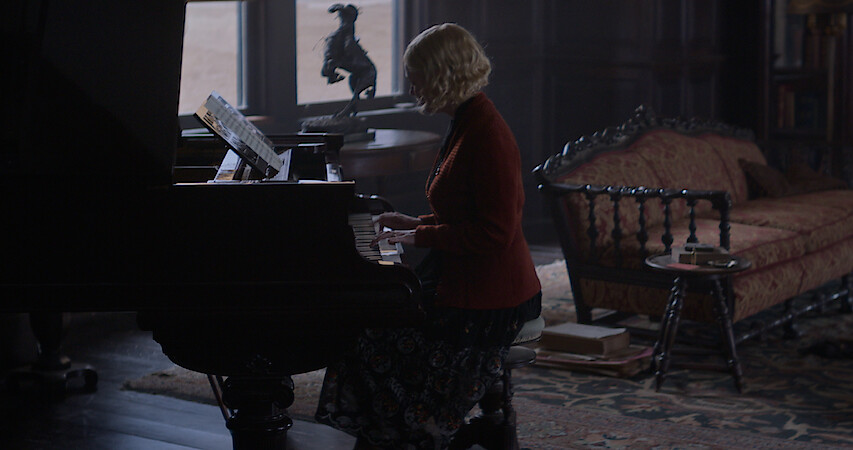
In a scene that departs from the novel, Phil escapes to a secret bathing pool, where he shares a quiet, erotic moment with a handkerchief monogrammed with the initials “BH.” In that same hiding place, Phil keeps magazines full of male nude models, labeled with Bronco Henry’s name. Later, Phil describes to Peter the time Henry saved his life during a freezing winter night by keeping Phil warm with his own body heat. “Naked?” Peter asks. Phil responds only with a knowing smile.
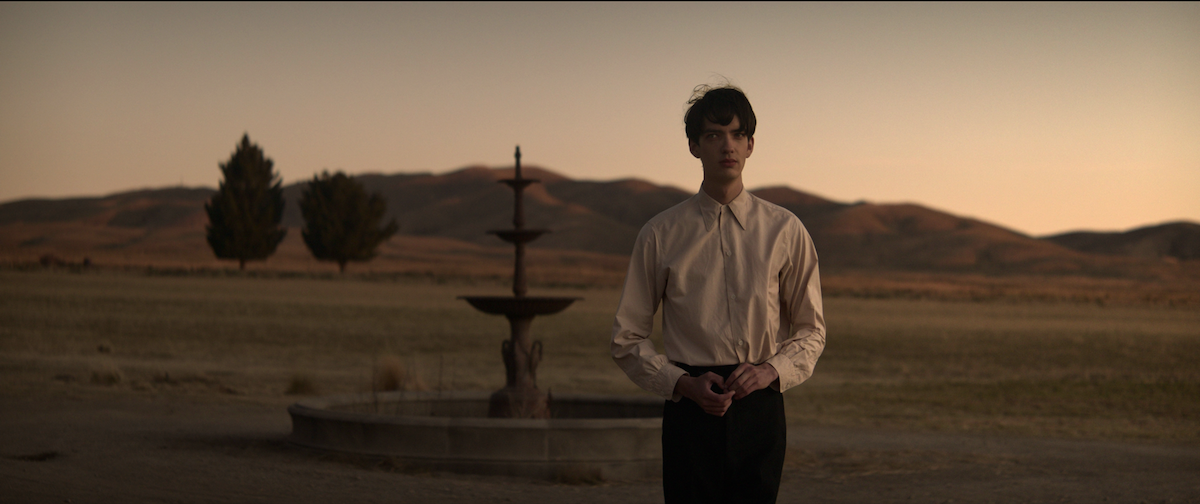
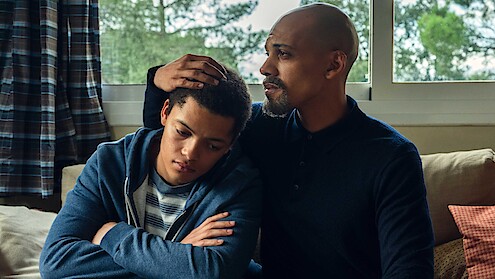
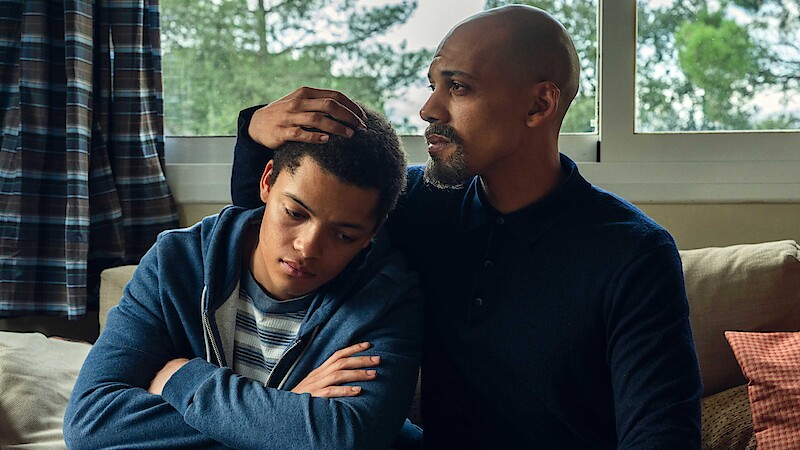
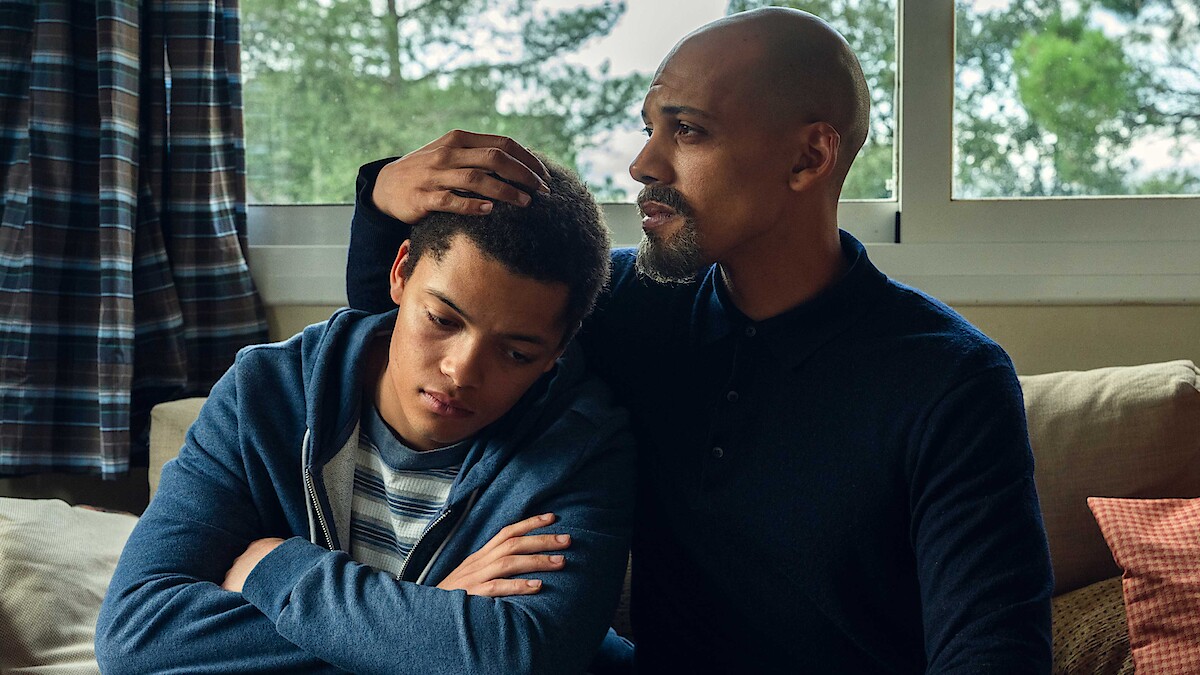
Phil’s bond with Peter, which builds over the second half of the film until it reaches a bloody climax, is a dark mirror to his relationship with Bronco Henry. When Peter first arrives, Phil unleashes the full force of his scorn, just as he does upon Rose. Peter stumbles onto Phil’s hideaway in the woods and witnesses him bathing, prompting a violent outburst. But soon after, Phil invites him under his wing, offering to teach him the ways of the ranch.
At first, it seems Phil’s mentorship of Peter is purely an extension of his psychological campaign against Rose, drawing even her own son away from her and pushing her further towards alcoholism. But like Bronco Henry, Peter too recognizes the Hound on the Hill, and the relationship takes on a sexual edge. For Phil, the power of the dog is the power to see what others can’t, in others and in oneself. What he sees in Peter brings out a side of him long dormant. “Sort of a lonesome place out here, Pete,” Phil tells him, a reflection of George’s early confession to Rose. Phil has found a companion of his own, all the while unaware of Peter’s own intentions.
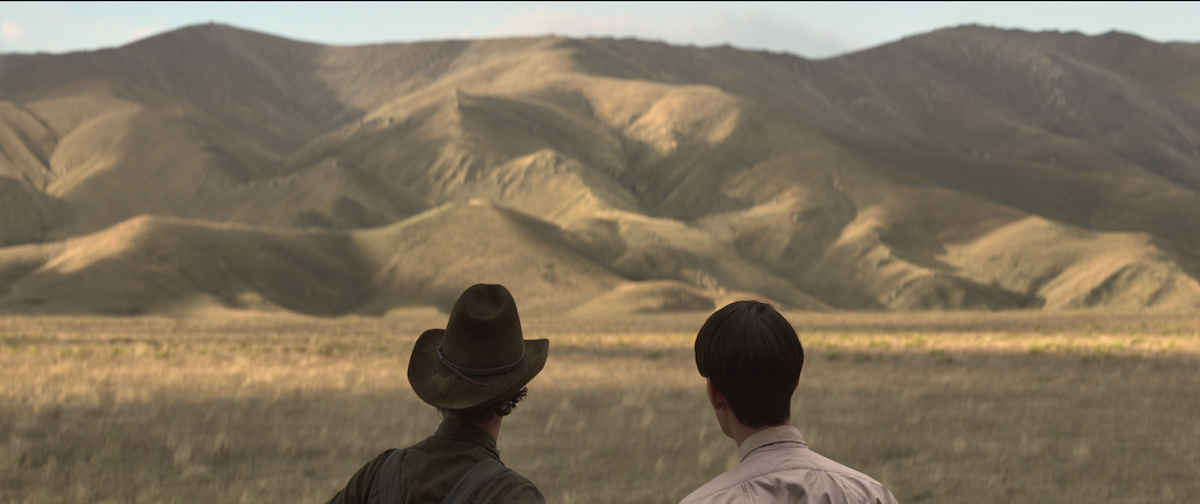
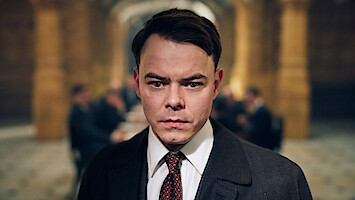
Peter lays out his motivations before even the opening credits of the film. “What kind of man would I be if I did not help my mother?” he says in voiceover. “If I did not save her?” As he watches his mother fall deeper and deeper into an alcohol-fueled depression at the hands of Phil’s quiet torture, he sets out to stop it, telling her, “You don’t have to do this. I’ll see you don’t have to do it.”
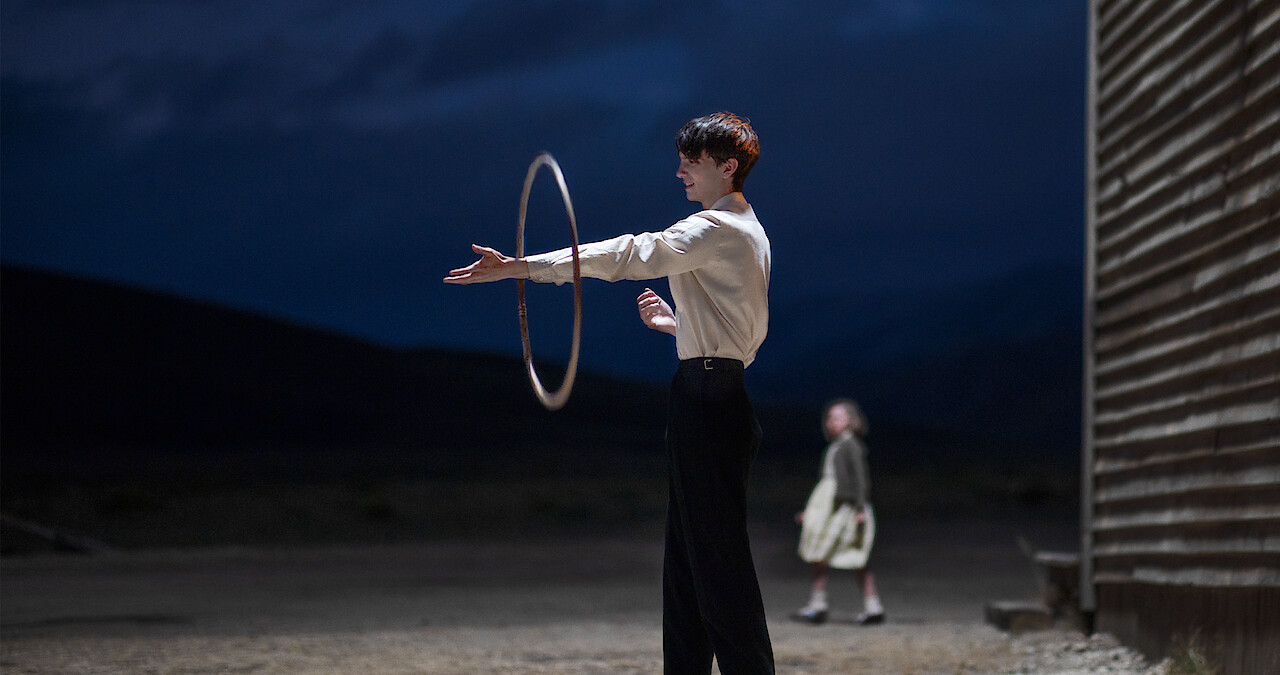
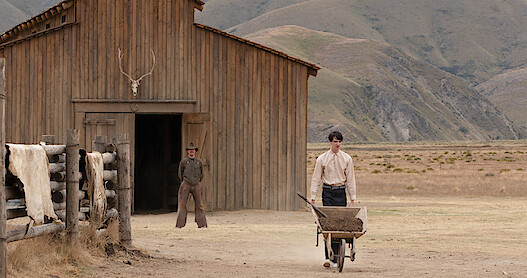
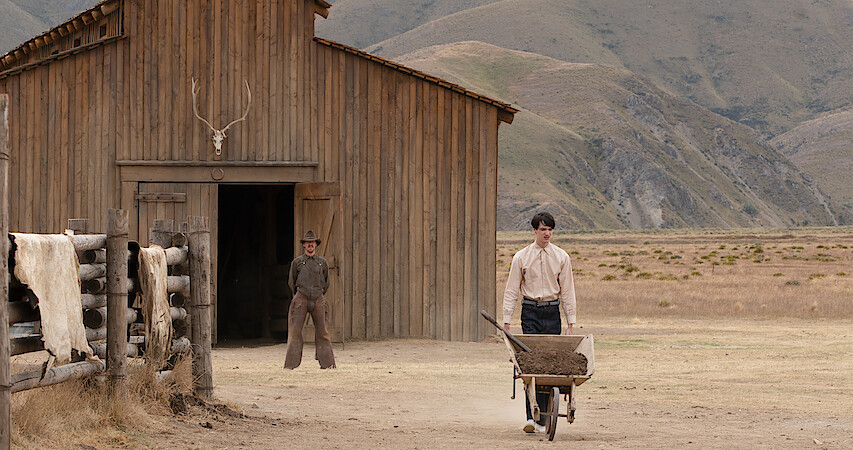
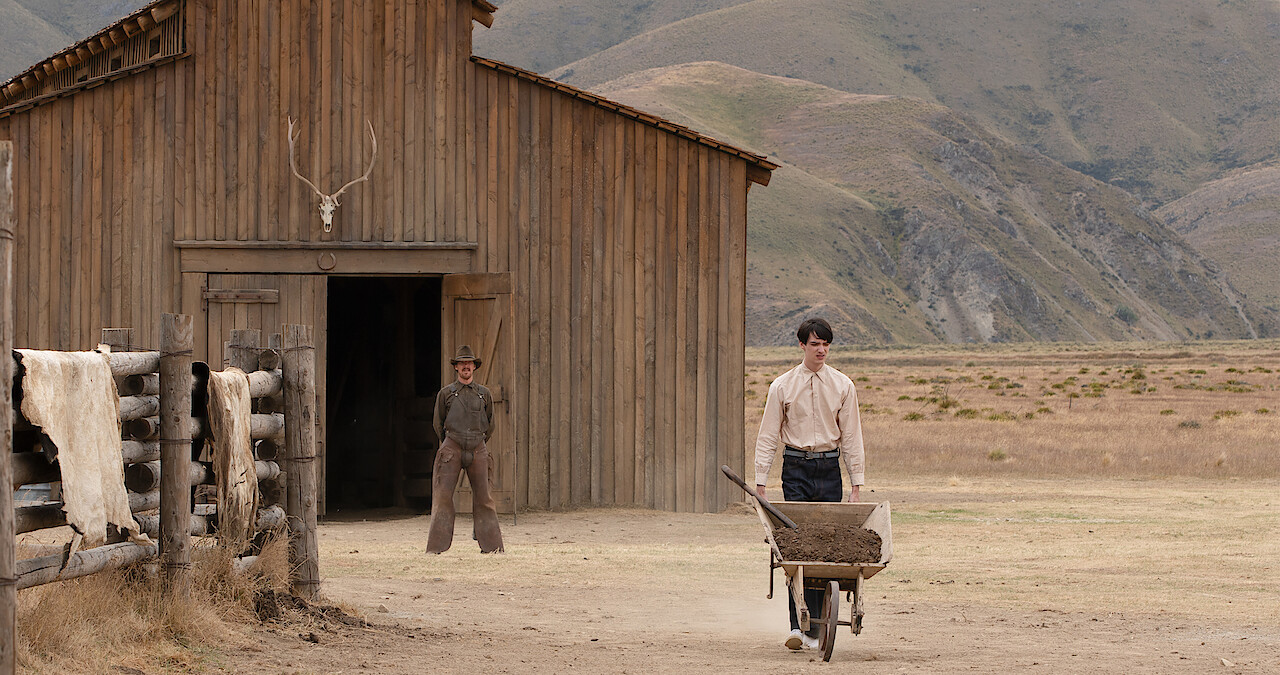
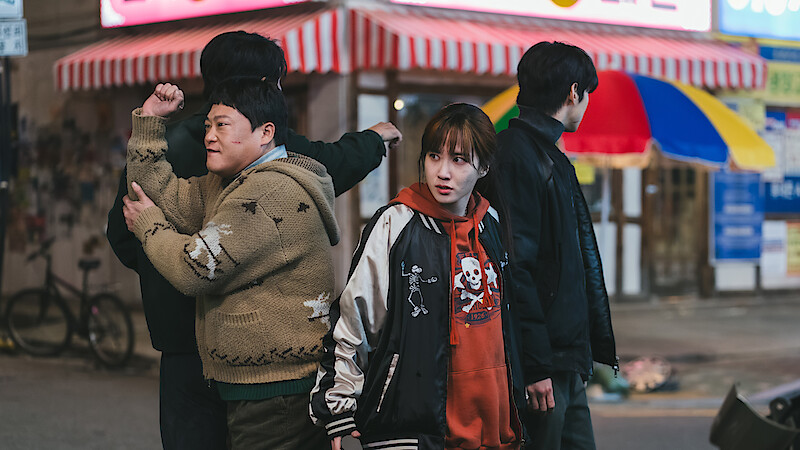
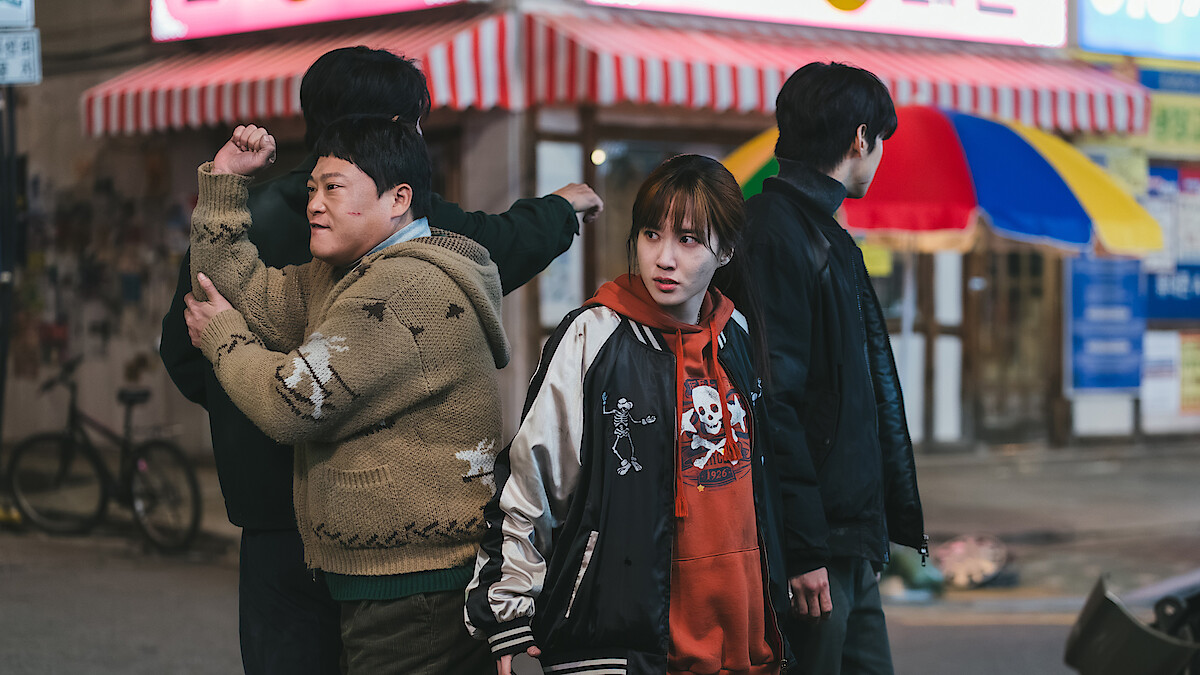
Like Phil, Peter is set apart from the other characters of the ranch, not in his perception of his own superiority but in his deep sense of detachment. Smit-McPhee is pale and out of place among the tanned ranchers of Montana; in his Levis and wide-brimmed hat, he looks like a child playing dress-up. When he catches a rabbit, it initially seems he wants to keep it as a pet, before a maid discovers him dissecting it as practice for his surgery classes. Peter tells Phil that he learned from his deceased father that a man is made by the obstacles he faces, and how he tries to remove them. In his crusade to destroy Peter’s mother, Phil has become an obstacle to Rose’s happiness. And as he says himself, what kind of man would he be if he did not help his mother?
Even as Phil aims to draw closer to Peter in order to remove Rose from his life, Peter is plotting the same. Like the surgeon he plans to become, Peter devises a clinical plot to cut out the cancer of Phil’s cruelty. After consulting his father’s medical books, he travels out into the hills and finds a cow beset with anthrax, removing its hide and giving it to Phil to finish a rawhide rope. Phil washes the hide with his bare, bleeding hands. The next day, he dies of anthrax poisoning.
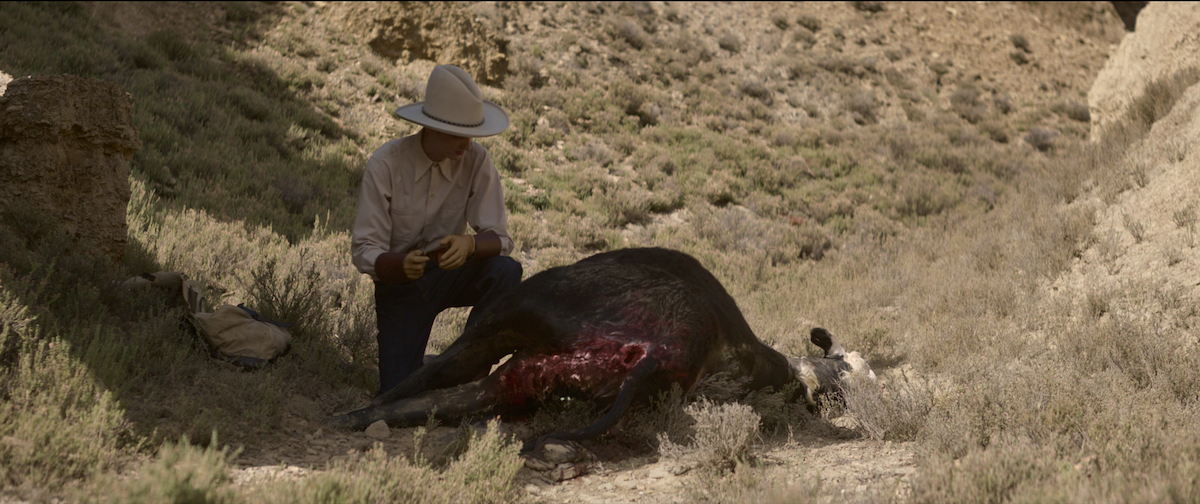
What Peter and Phil really share, even more than a budding sexual chemistry and an affinity for rock formations, is a casual brutality. Phil disguises his violence under blunt-force charisma and sly taunts; Peter conceals them behind the altruistic motivations of a surgeon. When he and Phil discover a wounded rabbit under a pile of wood, Phil takes the time to tease the animal, removing wood until it bolts. Peter, meanwhile, pets it calmly before snapping its neck as Phil looks on, surprised. Before the film is over, Peter will eventually do the same to Phil, putting him out of his misery as he taunts Rose like the trapped rabbit.
What Phil sees in Peter is a kindred spirit and, perhaps, a lover, another man who can see the Hound on the Hill so many years after he lost Bronco Henry. But the sexual tension between them is threaded through with violence: Phil’s psychological warfare and Peter’s poison. This complicated relationship with sex recurs throughout Campion’s filmography, from the coerced love affair of The Piano to the bloody eroticism of In the Cut. When Peter approaches Phil to offer him the poisoned rawhide, he removes his glove and clenches the older man by the arm. It’s a moment drenched in submerged desire, the closest the pair comes to physically consummating their relationship. It’s also the moment Peter sentences Phil to death.
It’s tempting to read the Hound on the Hill as a simple metaphor for the hidden sexuality of Phil (and Bronco Henry, and, perhaps, Peter). But the power of the dog is also the passion and the cruelty that lies dormant in these characters, and the power it has over them, as unchangeable as the mountain looming over the events of the story. Like the brief moment Peter holds Phil, the power of the dog is reflected in both sides of their relationship: the erotic and the poisonous.
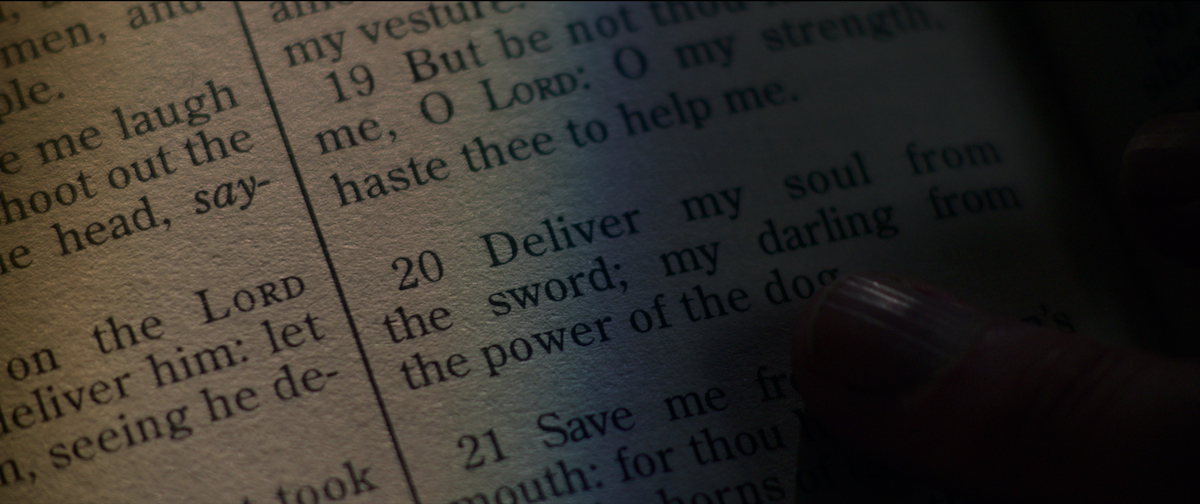
The title The Power of the Dog comes from Psalms 22:20: “Deliver my soul from the sword / My darling from the power of the dog.” At the end of the film, Peter reads the verse to himself in his room as Rose and George kiss outside. Savage’s novel ties these two threads together explicitly: “For she was delivered now — thanks to his father’s sacrifice, and to the sacrifice he himself had found it possible to make from a knowledge got from his father’s big black books,” he writes. “The dog was dead.”
The film makes that sacrifice clear in its final moments, as Peter’s gloved hands carefully hide Phil’s final gift: the toxic rope that killed him. Whatever relationship the two of them might have had, the power of the dog made it impossible. Now it is Peter who finds himself alone.