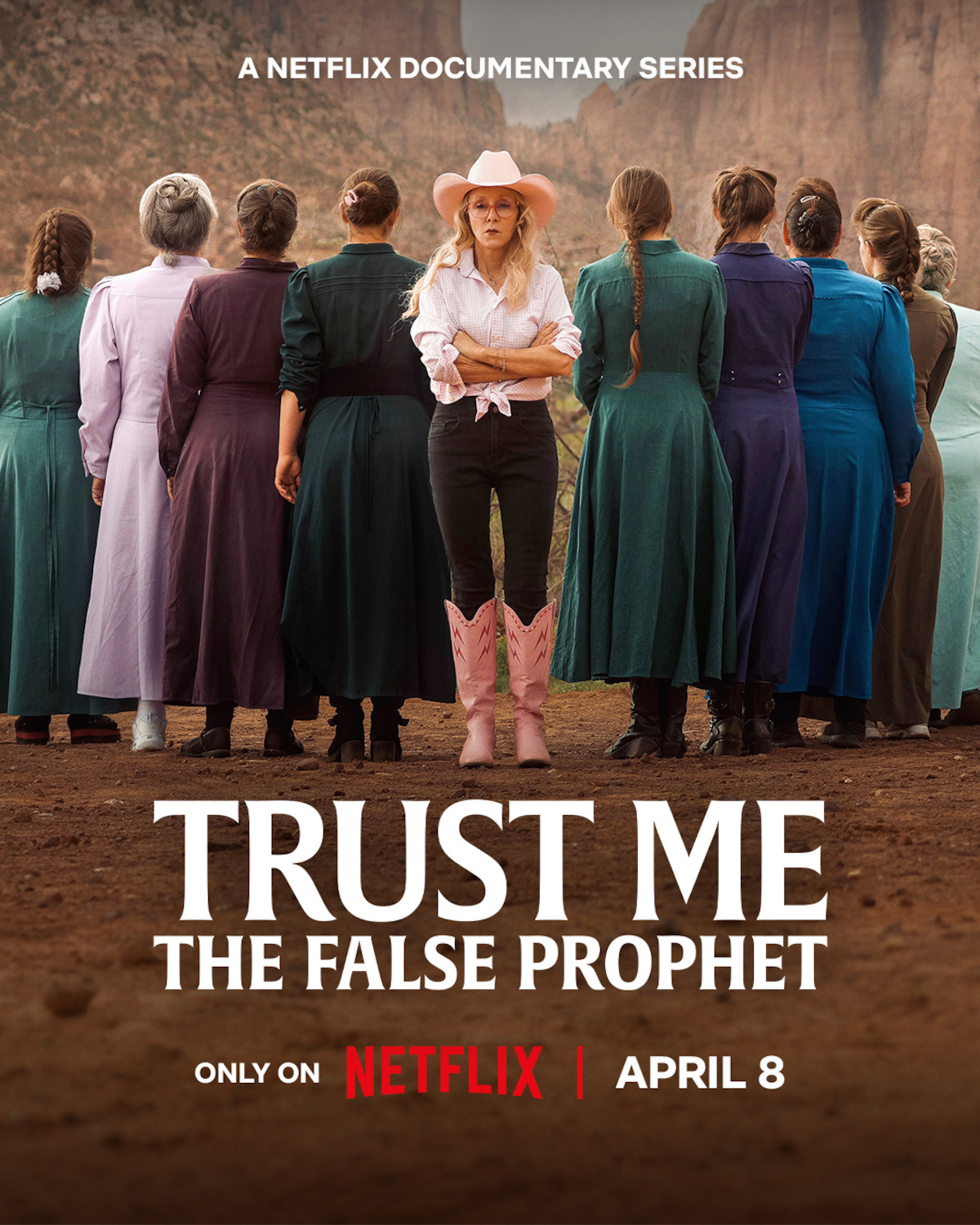
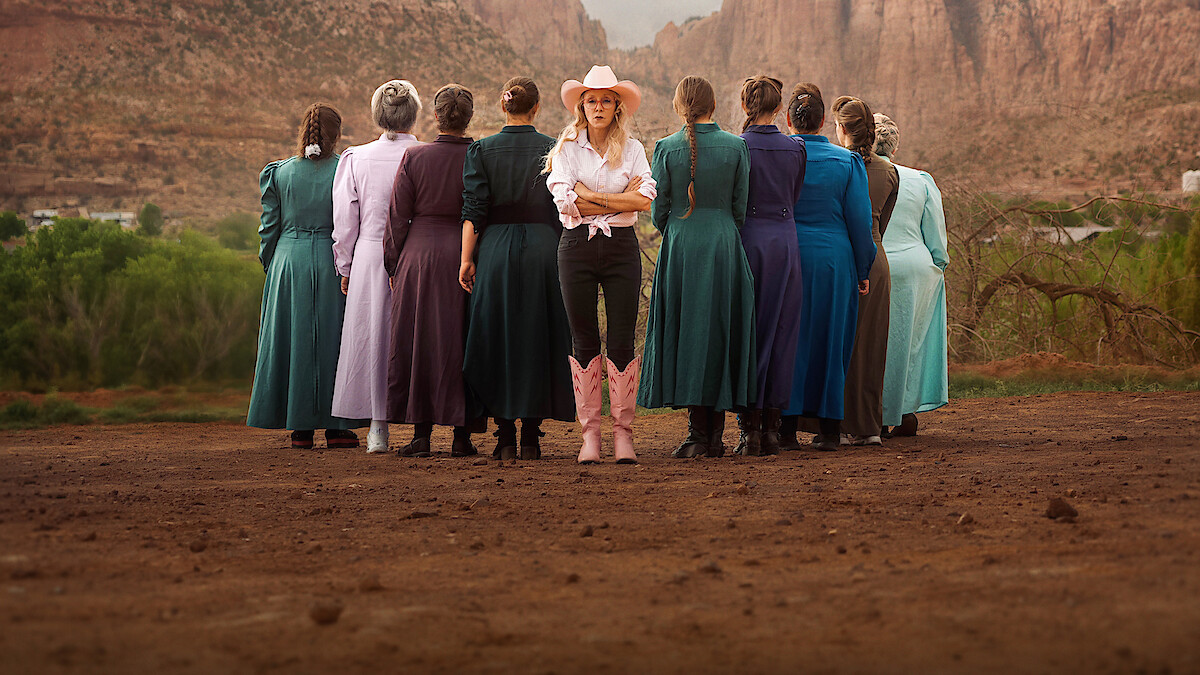
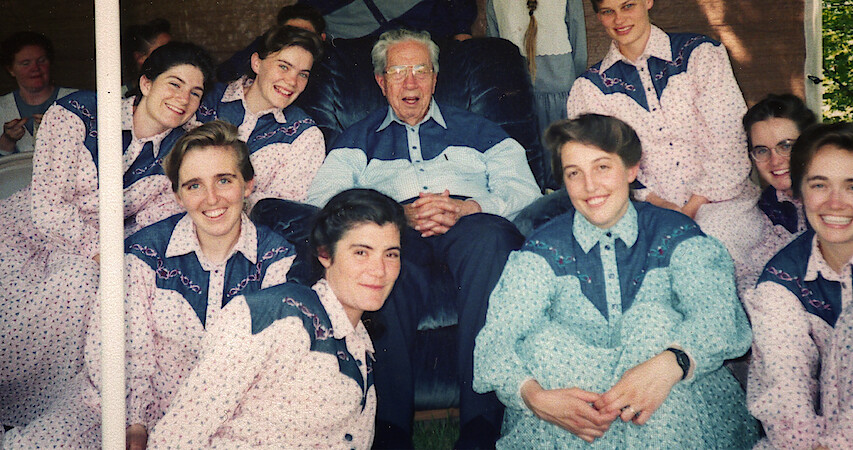
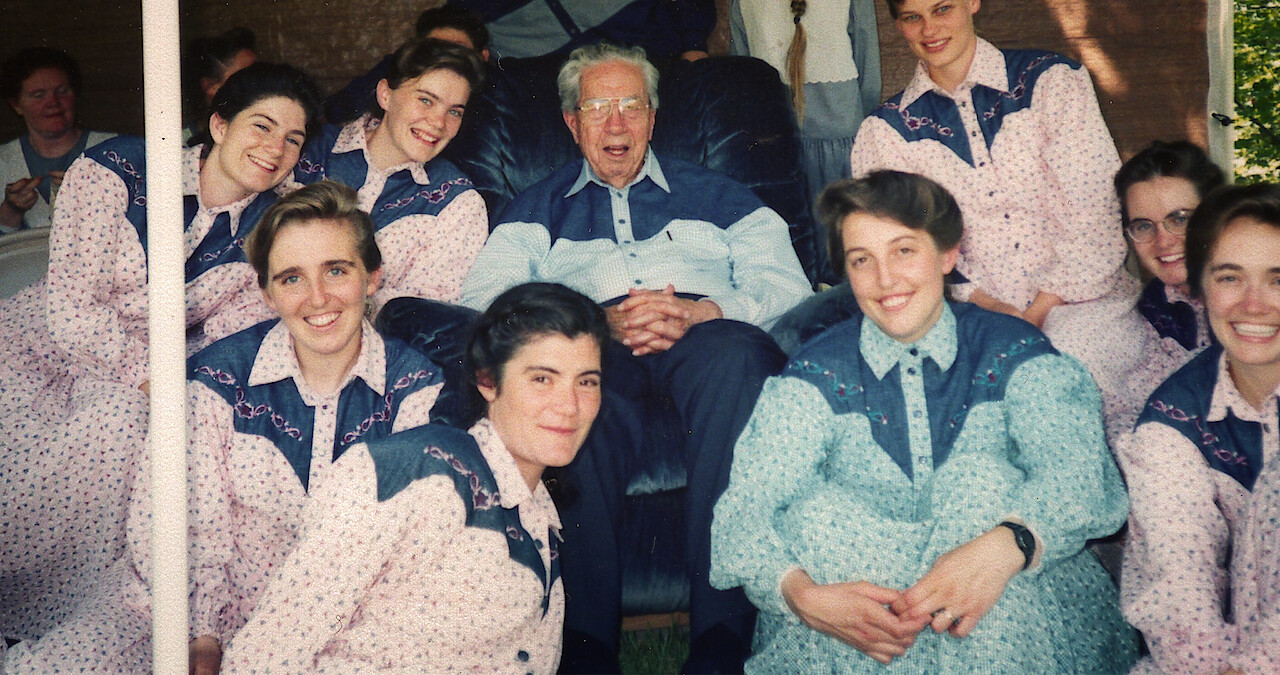
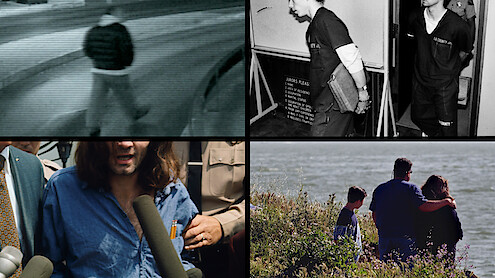
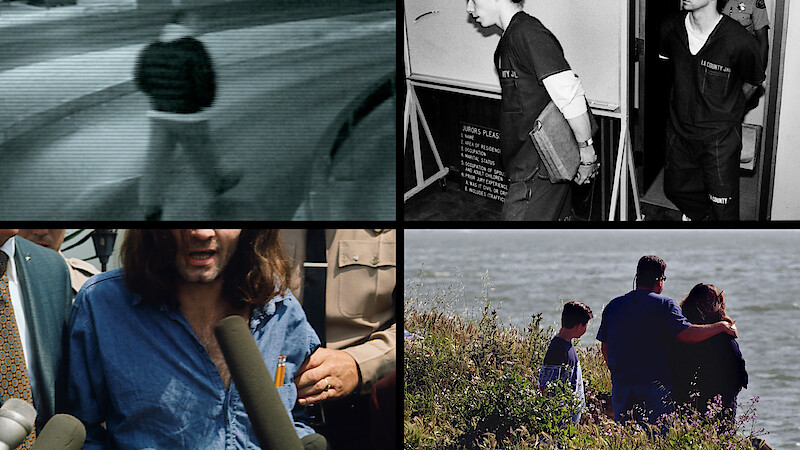
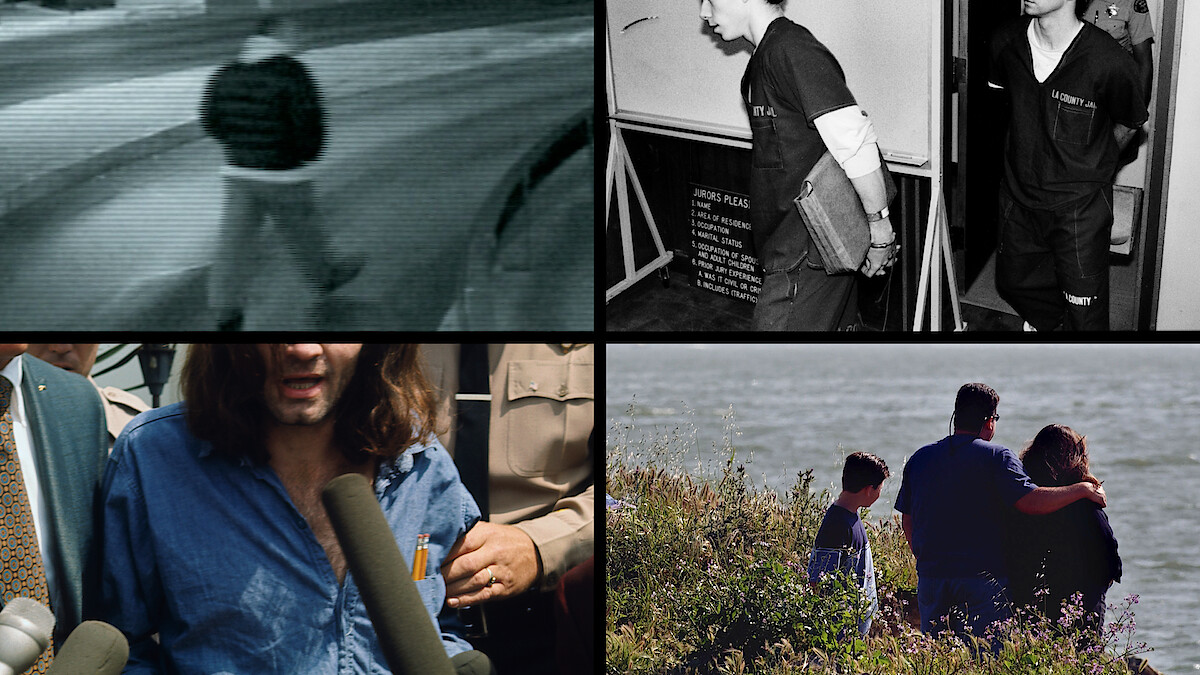
When cult expert Christine Marie and her videographer husband, Tolga Katas, moved to Short Creek, Utah, they planned to support a fractured community still reeling from the imprisonment of Warren Jeffs, leader of the Fundamentalist Church of Jesus Christ of Latter-Day Saints (FLDS), a Mormon breakaway group whose members practice polygamy. What they eventually found instead was a new FLDS leader claiming divine authority — and evidence of abuse they couldn’t ignore. Christine and Tolga’s harrowing journey to expose his crimes and get help for the young victims he'd harmed unfolds in the four-part documentary series Trust Me: The False Prophet, which is now streaming.
Read on for everything to know about the docuseries.
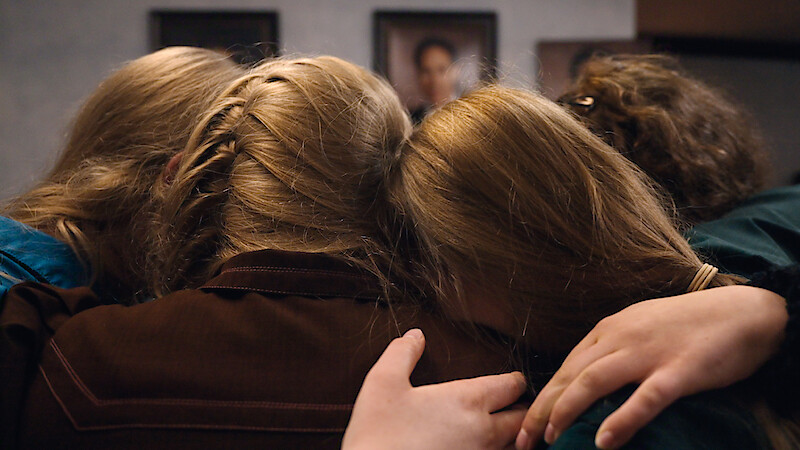
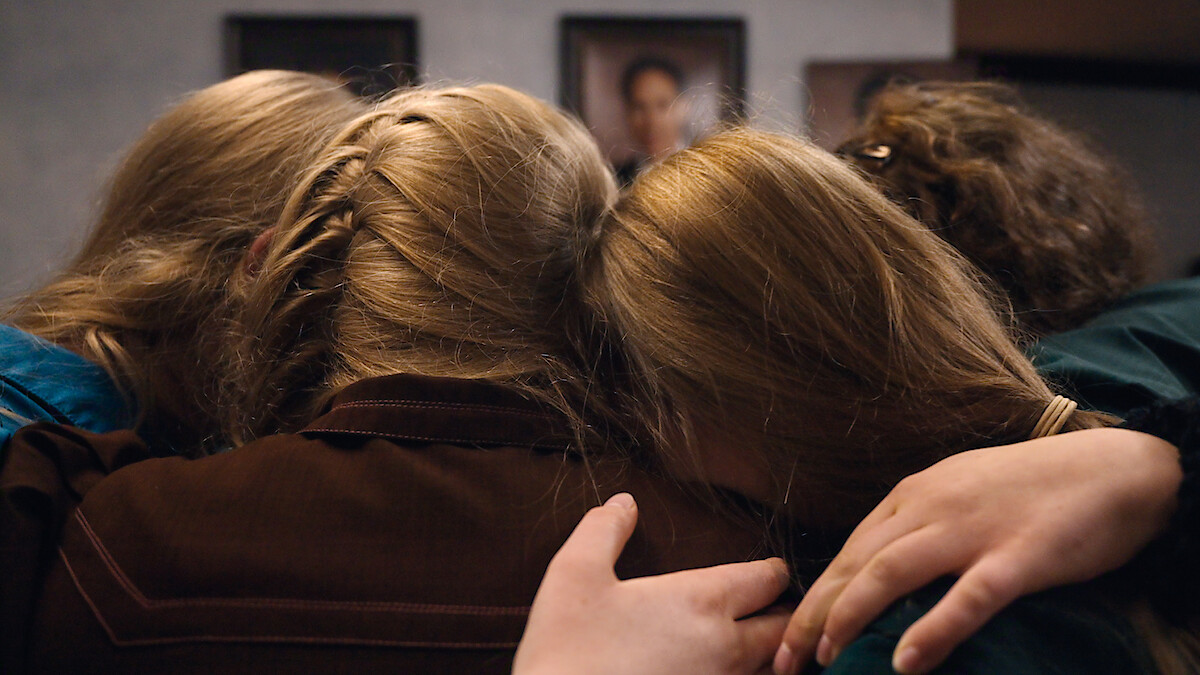
Trust Me: The False Prophet chronicles the rise of Samuel Bateman, the self-proclaimed heir to Jeffs, as seen through the eyes of the couple who infiltrated his inner circle. The four-part documentary series follows Christine and Tolga as they gain Bateman’s trust and uncover evidence of unignorable evil — revealing the depths of his control and the women brave enough to speak up.
Directed by Emmy- and Peabody Award–winning filmmaker Rachel Dretzin (Keep Sweet: Pray and Obey), the series features unprecedented access, never-before-seen footage, and firsthand accounts from inside the group. Dretzin, who decided to get involved after meeting Christine and Tolga and viewing their footage, hopes the series touches a nerve. “Trust Me offers intimate access to a normally closed world — and in doing so, I hope it exposes both the violence that enforced secrecy enables and what it takes to tell the truth when everything is at stake,” she says. “What these women did matters far beyond their community. It is a blueprint for how to dismantle even the most entrenched systems of abuse.” Jamila Ephron is the series producer and an episode director; Elise Coker is an episode director, cinematographer and field producer.
What is the release date?
The documentary series premiered on April 8. Stream it now.
Who are Christine Marie and Tolga Katas?
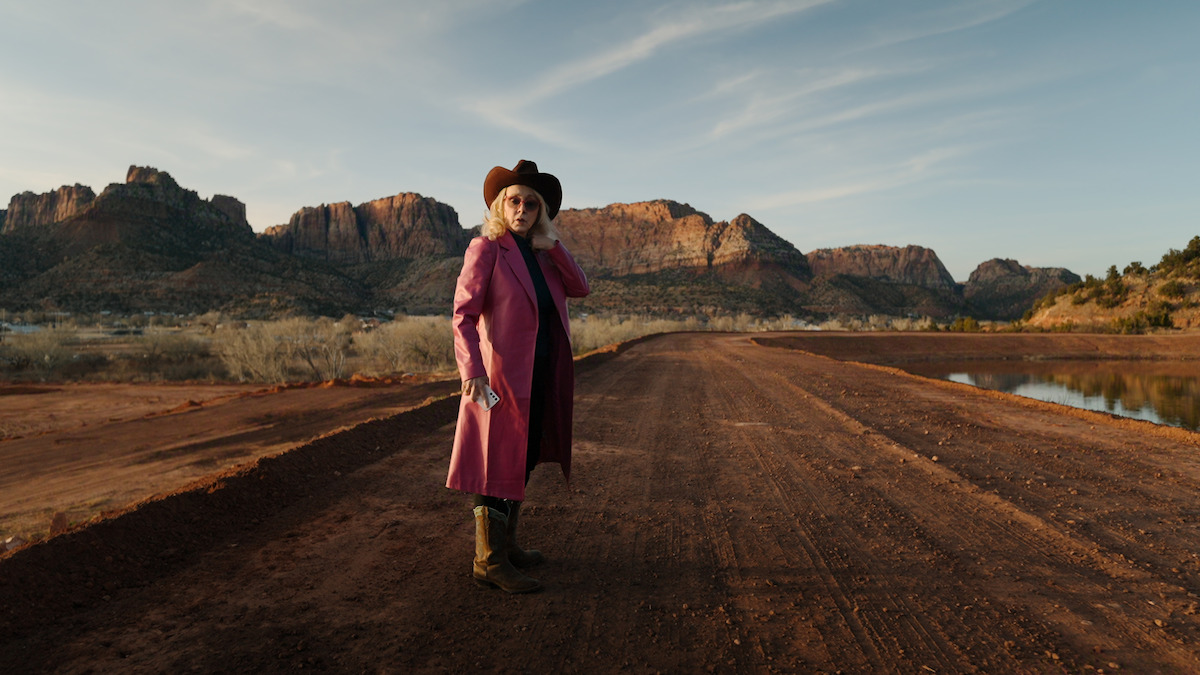
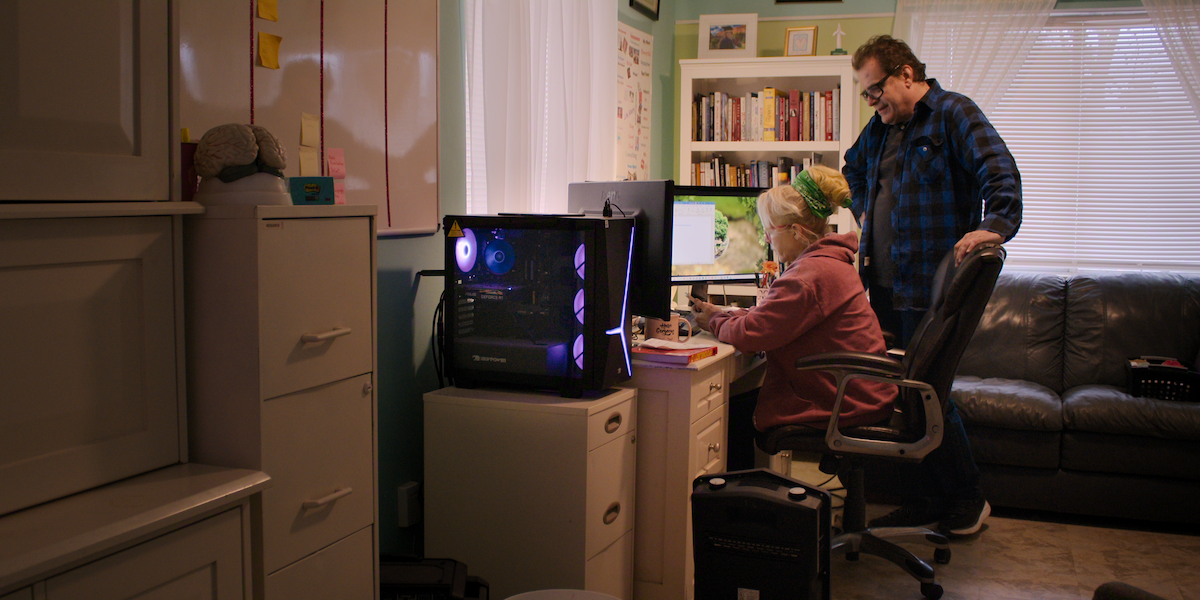
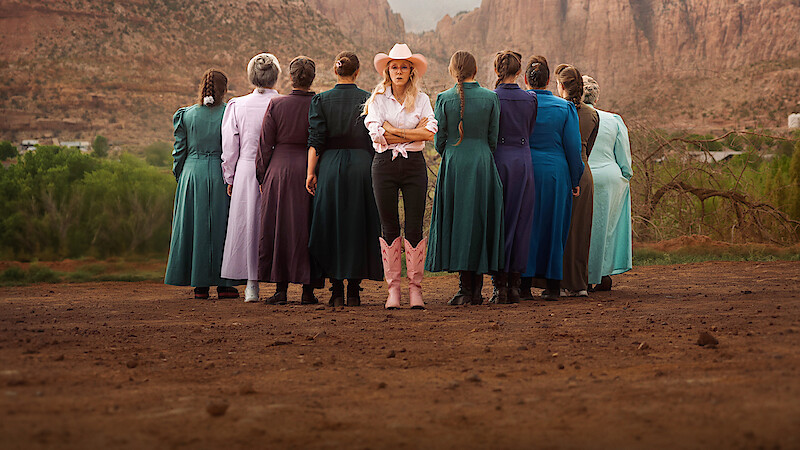
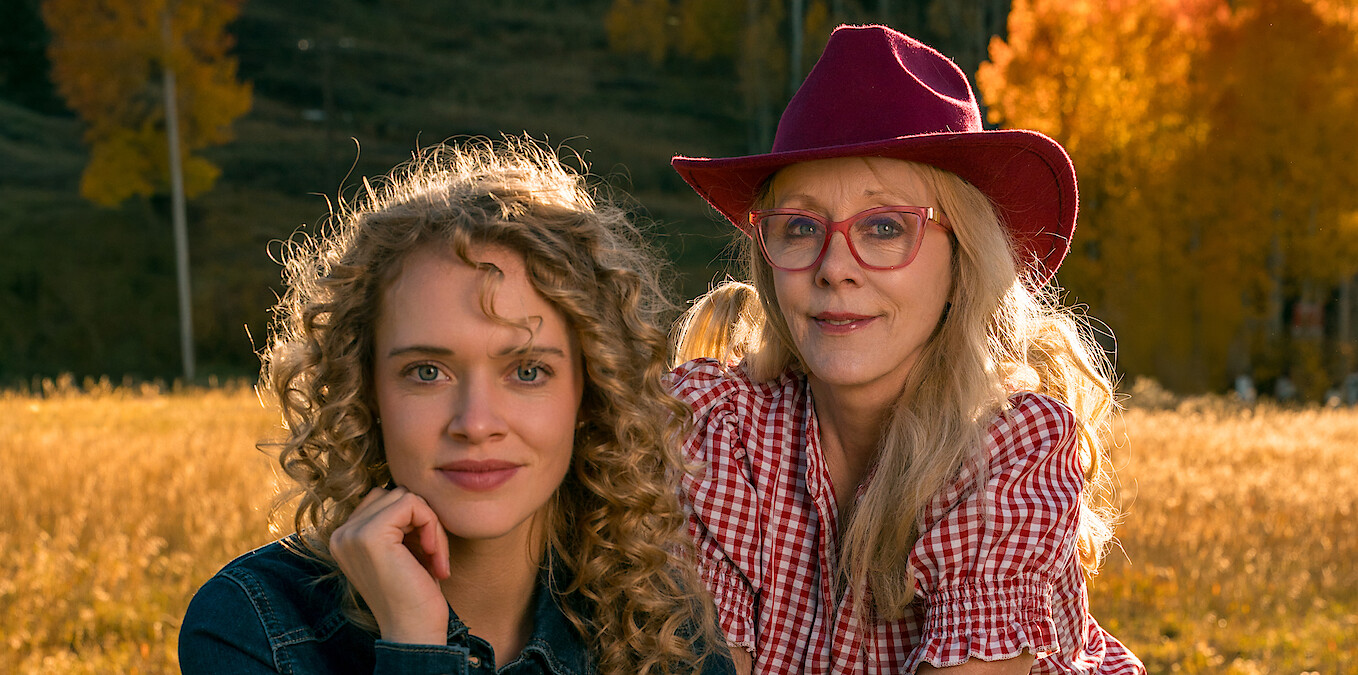
Christine Marie is a cult psychology expert and former “mainstream” Mormon who moved to Short Creek, Utah, with her husband, Tolga Katas, a music video producer and videographer, to support the local FLDS community. “When we moved here, we didn’t intend to do a documentary at all,” Christine tells Tudum. “We saw some things that we thought should be documented, and we were doing that as a service to the people.”
They met Samuel Bateman in 2017, when he was still married to his original wife. He resurfaced in 2019 with a new wife — and then another — which drew suspicion within the community, as it bucked a longstanding ban on marriage that Jeffs had issued from prison. “Then [Sam] disappeared again for a while and returned with an SUV or two full of women and children,” Christine says.
By then, she and Tolga had been documenting the community for several years, and surprisingly, Bateman welcomed their cameras into his own inner circle — believing he could influence the couple to make a documentary about him that could get his message out to the world.
“Christine is a complex, fascinating person, and she doesn’t reveal herself all at once. She unpeels like an onion — [even when it comes to her] own backstory, which in many ways was the motivating force for her to move to Short Creek in the first place and, ultimately, to take Sam Bateman on,” Dretzin says.
Who is Samuel Bateman?
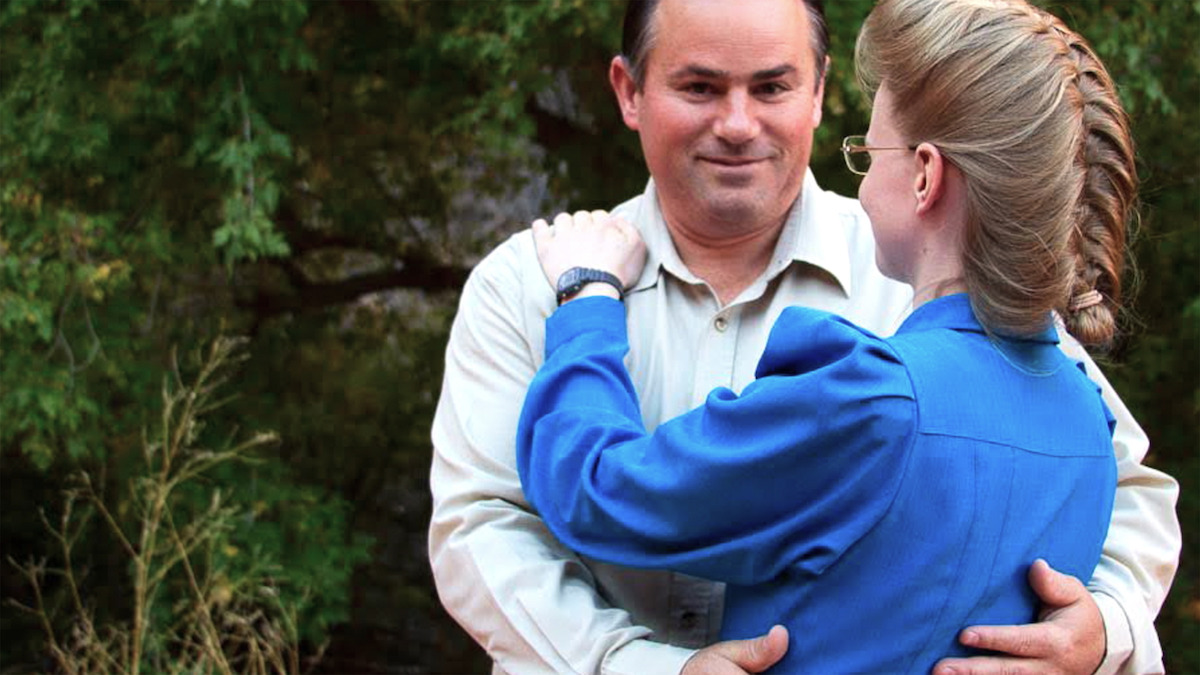
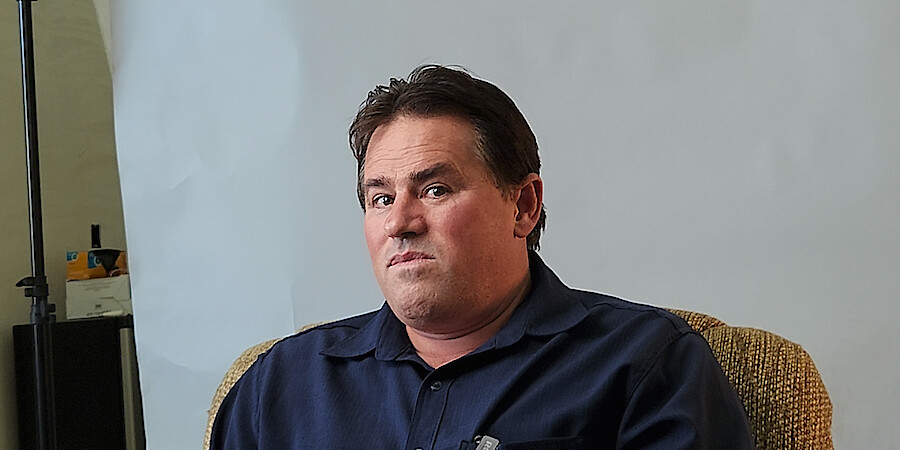
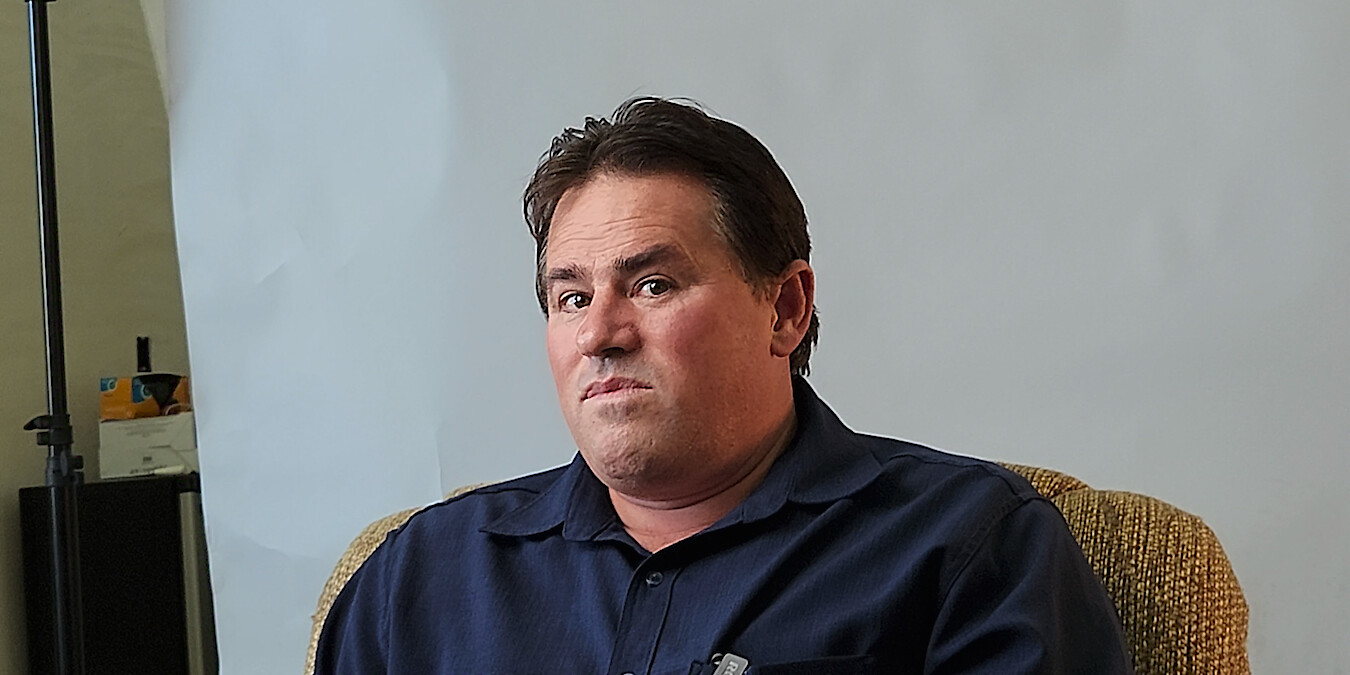
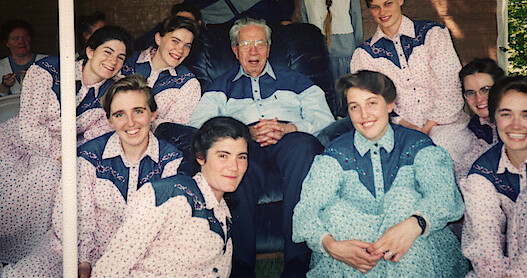
Samuel Bateman was a little-regarded member of the FLDS community in Short Creek, Utah — until he declared himself a prophet. After FLDS leader Warren Jeffs was imprisoned for sexual assault of multiple minors in 2011, many of his followers were left adrift and vulnerable. Bateman seized the opportunity, claiming that Jeffs was now speaking through him. He began gathering followers, taking multiple wives — including underage girls as young as 9 — and demanding total obedience. As his power grew, so did his depravity: orchestrating group sexual encounters and isolating victims from their families.
Was Samuel Bateman caught?
Yes. As seen in the documentary, a dramatic August 2022 traffic stop in Flagstaff, Arizona, led to Bateman’s arrest, but it was only the beginning. The stop accelerated an FBI investigation that had been building for months, fueled by the footage Christine and Tolga had secretly captured. Weeks later, a raid on Bateman’s compound brought the full scope of his crimes into focus.
Putting Bateman behind bars didn’t end the story, however. The series shows that even from jail, his influence over his followers proved difficult to break, and authorities soon faced a new crisis when eight underage girls who had been rescued from his compound vanished from state custody. In December 2024, Bateman was sentenced to 50 years in prison for conspiracy to commit transportation of a minor for criminal sexual activity and conspiracy to commit kidnapping.
Hear from the Dretzin, Christine, and a survivor of Bateman’s group on how the FLDS leader still exerts control from prison here.
How did Christine and Tolga capture the footage that brought Bateman down?
Bateman invited Christine and Tolga into his inner circle, and was eager to be filmed in order to give himself a bigger platform. But while Christine and Tolga captured footage with his permission, they were also quietly gathering evidence of his crimes — sometimes recording incriminating statements directly from Bateman himself.
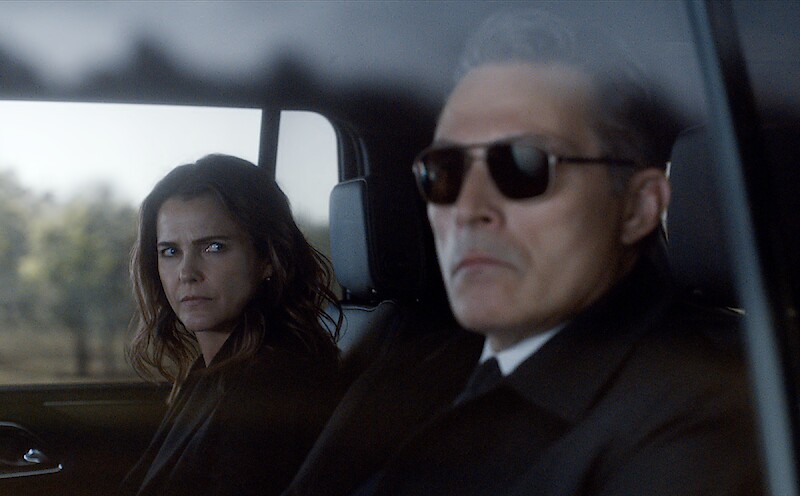
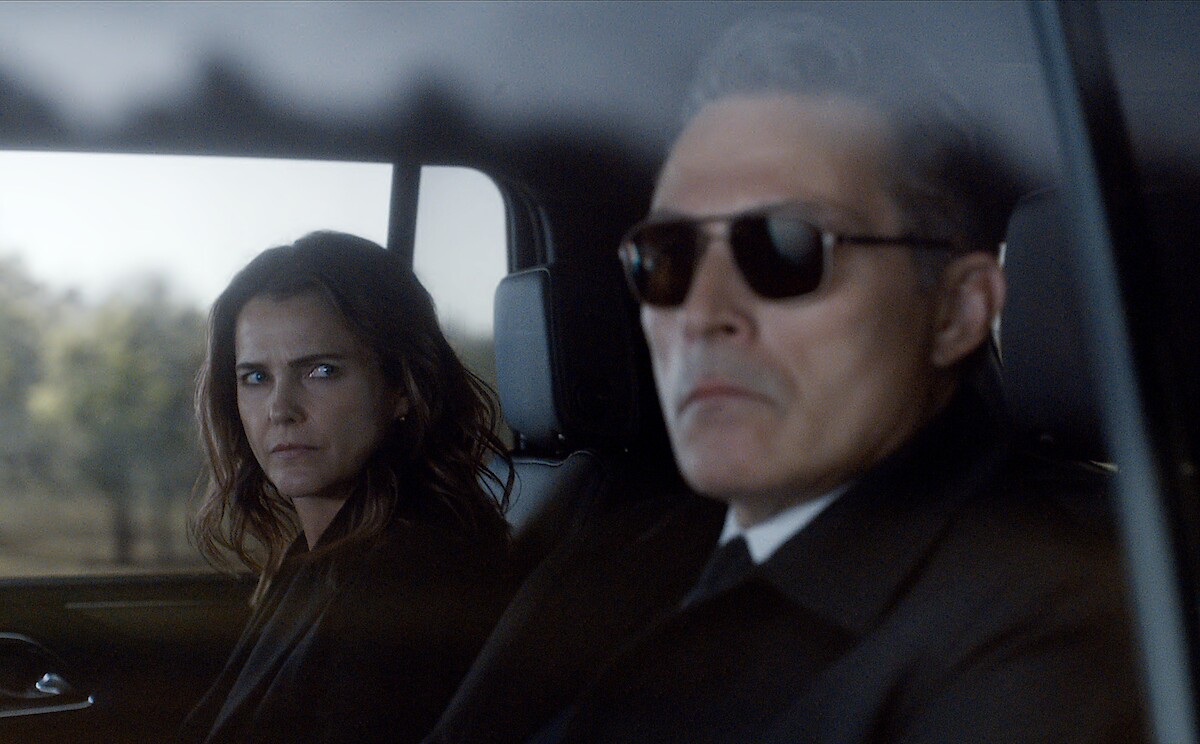
In November 2021, what seemed like a breakthrough arrived. As seen in the documentary, Christine was in a car with Bateman and some of his young wives when he began confessing to crimes with underage girls — with the victims in the car confirming it. “I thought, ‘I got the bombshell,’ ” Christine says. “Not only is he confessing, but we have the victims right there, confirming it. So what else do you need?”
One of the truly rare and exceptional qualities of this footage is that it allows you to witness mind control as it’s actually happening — something documentaries about coercion and brainwashing rarely achieve.
Director Rachel Dretzin
But when Christine brought the recording to local police, she was told it still wasn't enough. “I thought [they] would listen to it right away and get back to me within a matter of days,” she says. “When that didn’t happen, I was pacing the floor. I had this image in my mind that I wanted to take a baseball bat and break all my windows. I was so frustrated.”
Months passed as Christine and Tolga continued gathering evidence of Bateman’s escalating abuse, urging authorities to act. It wasn’t until the FBI got involved that the investigation gained momentum — but by then, what began as a documentary project had stretched into a years-long clandestine operation. Christine and Tolga faced the difficult task of maintaining their cover as Bateman’s behavior grew increasingly brazen.
“The conflict for me was how much I love these people, how much I knew they loved their prophet, and how much they were going to be hurt by me shining a light on what their prophet was really doing,” Christine says.
“One of the truly rare and exceptional qualities of this footage is that it allows you to witness mind control as it’s actually happening — something documentaries about coercion and brainwashing rarely achieve,” Dretzin says. “We felt it was important to let audiences see Sam and experience the way he spoke and interacted with people. At the same time, we were determined not to make a film that was about him. He plays a proportional role in the story, but he is not its center.”
How does Trust Me: The False Prophet use AI to protect the identities of minors?
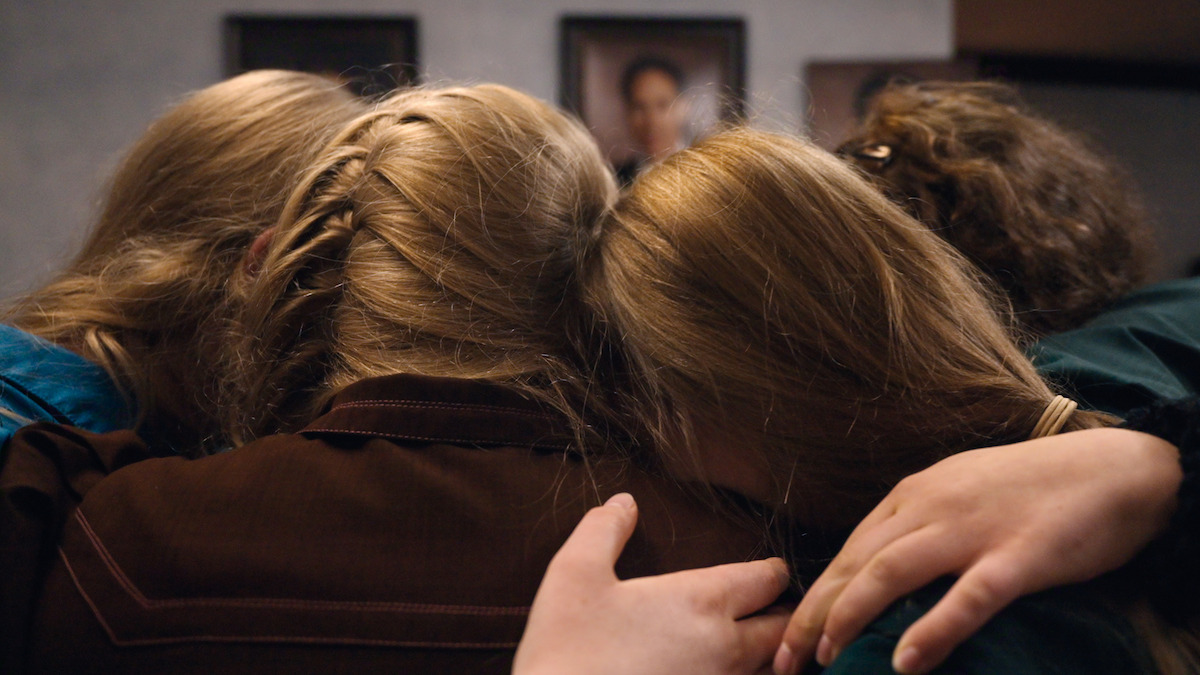
To protect the identities of the underage victims featured in the documentary, Dretzin and her team digitally modified their faces and voices using AI. It was a painstaking process that took nine months to complete.
“How to handle the minors in the footage was one of the most important decisions we faced as filmmakers,” Dretzin says. “It was clear to us early on that simply blurring their faces would have deeply compromised the heart of the story. It wasn’t only a question of their age — though some of these girls were very young, and it was crucial for audiences to viscerally understand that — but it was also about their emotions. There was simply no way to convey what they experienced without seeing it on their faces. At the same time, protecting their identities was non-negotiable.”
The team approached the process with enormous care, reviewing every face in every shot, again and again, to ensure anonymity. “Ultimately, it came to feel like a genuinely positive application of the technology,” Dretzin says of the decision to utilize AI for this purpose. “We were using it to protect people, and in doing so, we were able to tell a story that could not otherwise have been told responsibly. It felt like an opportunity to use the technology in a way that was thoughtful and compassionate.”
“I am so grateful for it because they went the extra mile, not just to protect [the minors’] identities, but to change their voices and yet still show the emotions because those girls deserve to be validated for what they went through,” Christine says. “This story needs to be told so that people can prevent this from happening again. I feel as if the way [the filmmakers] handled protecting the girls enabled them to move on with their lives without this being their identity, unless they choose to speak. So I feel like it was an incredible decision.”
Where are the subjects of Trust Me: The False Prophet now?
At its peak, Bateman’s group included more than 20 wives, nearly half of whom were minors. Since Bateman’s arrest and conviction, all nine of his underage victims were removed from Bateman’s group and testified against him in court. Many have since graduated from high school. Several of the men in Bateman’s inner circle are now serving lengthy prison sentences, while some of his adult wives served time and have since been released. A significant number of his adult wives remain loyal, still believing Bateman is their prophet.
Christine and Tolga still live in Short Creek, continuing their work with the FLDS community. Take a closer look at where they are now — including Christine’s reflections on the investigation, the community’s response, and updates from survivors — here.
An investigative and disturbing look inside a secretive polygamist sect, Trust Me: The False Prophet chronicles a leader’s abuse of power and the daring undercover filmmakers who risked everything to stop him.
Watch out for sensitive topics, including accounts of forced sexual encounters between older men and their young and/or underage wives, and discussion of how girls were groomed to be underage brides.
Could be described asKeep Sweet: Pray and Obeydirector Rachel Dretzin’s harrowing return to exploring the FLDS, using a unique documentary-within-a-documentary lens to expose systemic abuse from inside the secretive religious community.
If you or someone you know has experienced sexual abuse, information and resources are available atwww.wannatalkaboutit.com.