Images: Susie Allnutt/Netflix
On Set
How ‘The Witcher’ Pulled Off Its Biggest Surprise Yet
“The Art of Illusion” examines a fateful night in Aretuza from multiple perspectives.
June 29, 2023
🤐 SPOILER ALERT 🤐
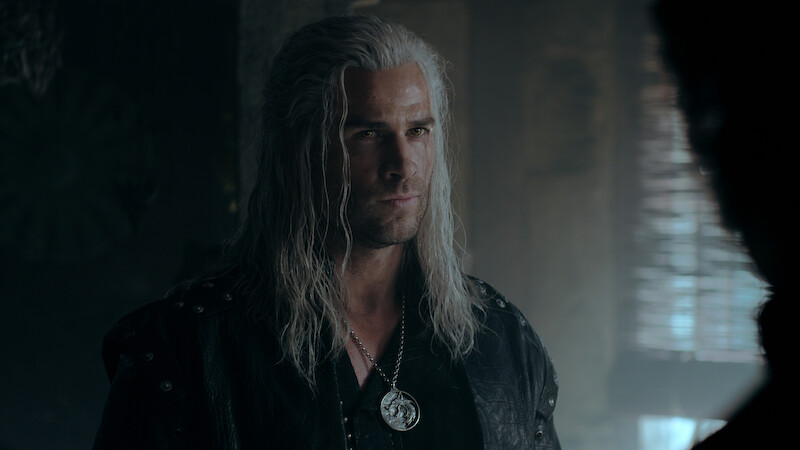
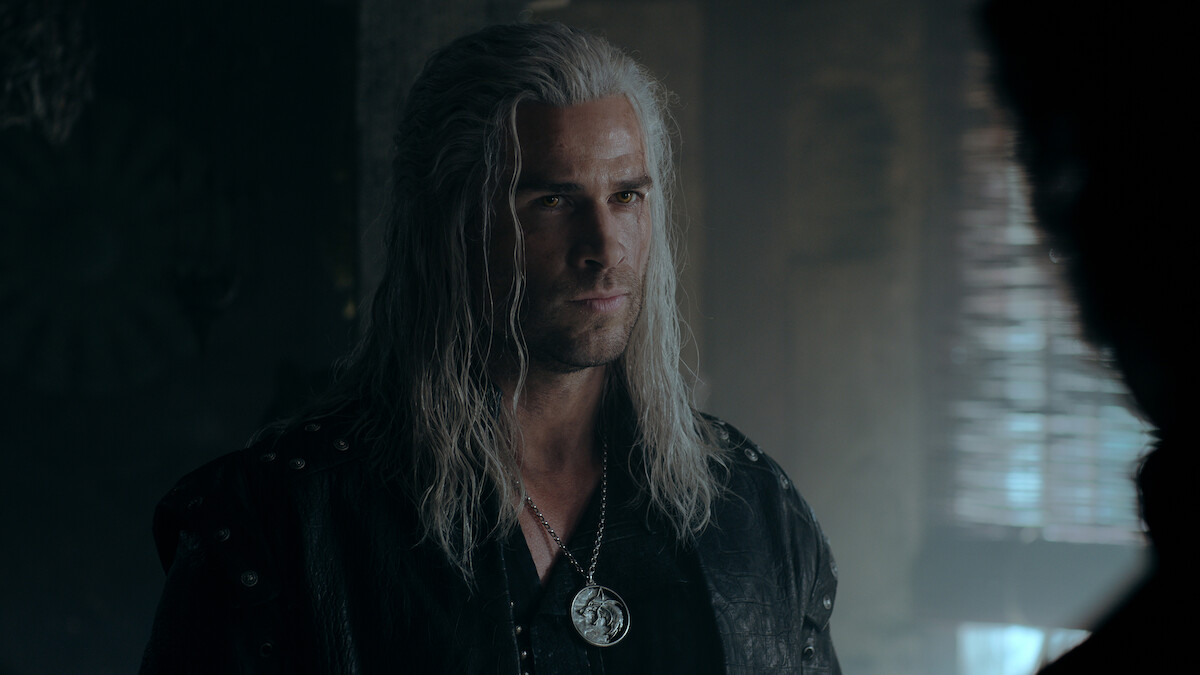
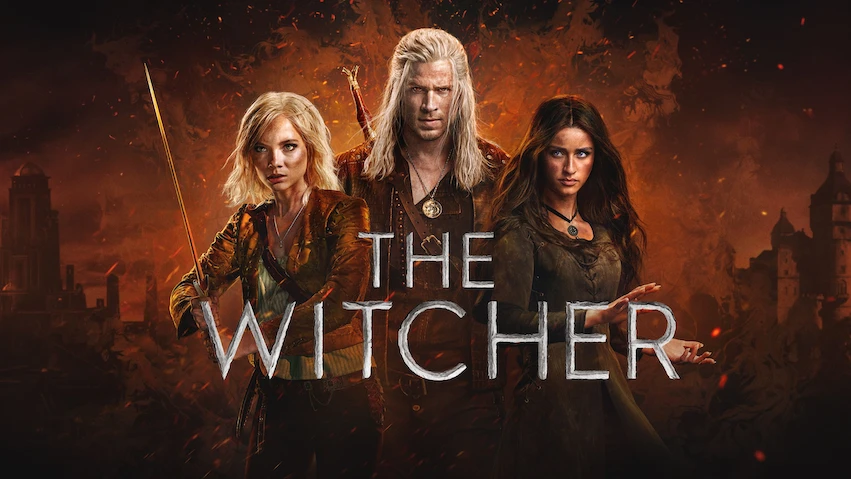
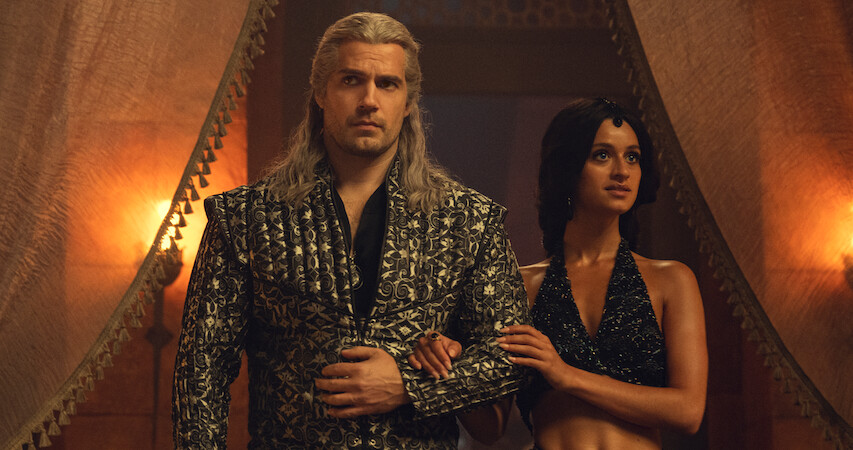
What’s the perfect soundtrack for a coup? “All is not as it seems,” sings The Witcher’s newest bard, Valdo Marx (Nathan Armarkwei-Laryea), throughout “The Art of Illusion,” the pivotal fifth episode of Season 3. It’s an appropriate tune for the events that unfold throughout the night, where we — and our heroes, Geralt (Henry Cavill) and Yennefer (Anya Chalotra) — learn that the person pulling the strings behind the Brotherhood of Sorcerers isn’t who anyone thinks it is.
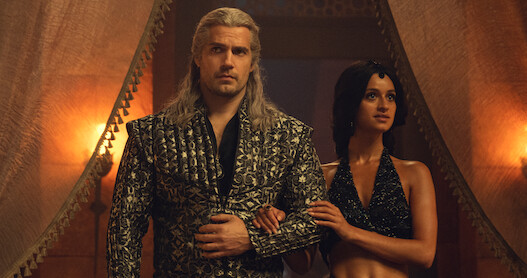
The final episode of Season 3, Volume 1 follows our heroes the night before a massive Conclave of the Mages at Aretuza. The Brotherhood and other powerful players have gathered on Thanedd Island as conflict rocks the Continent — naturally, they kick off their meeting with a lavish ball. (Nothing says diplomacy like a massive rager!)
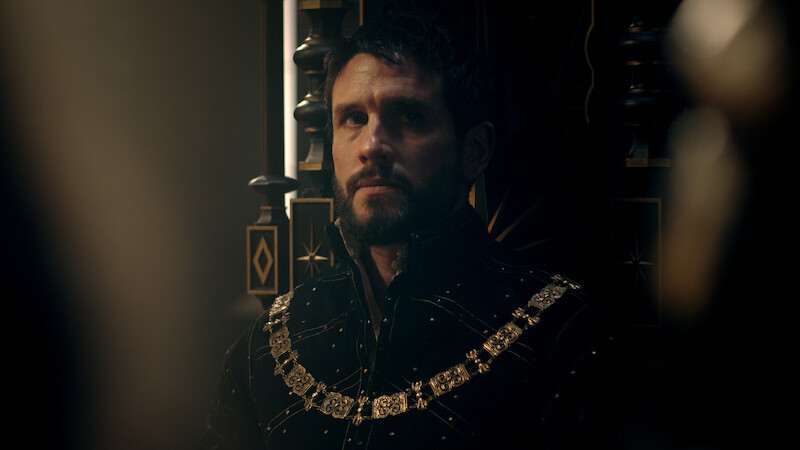
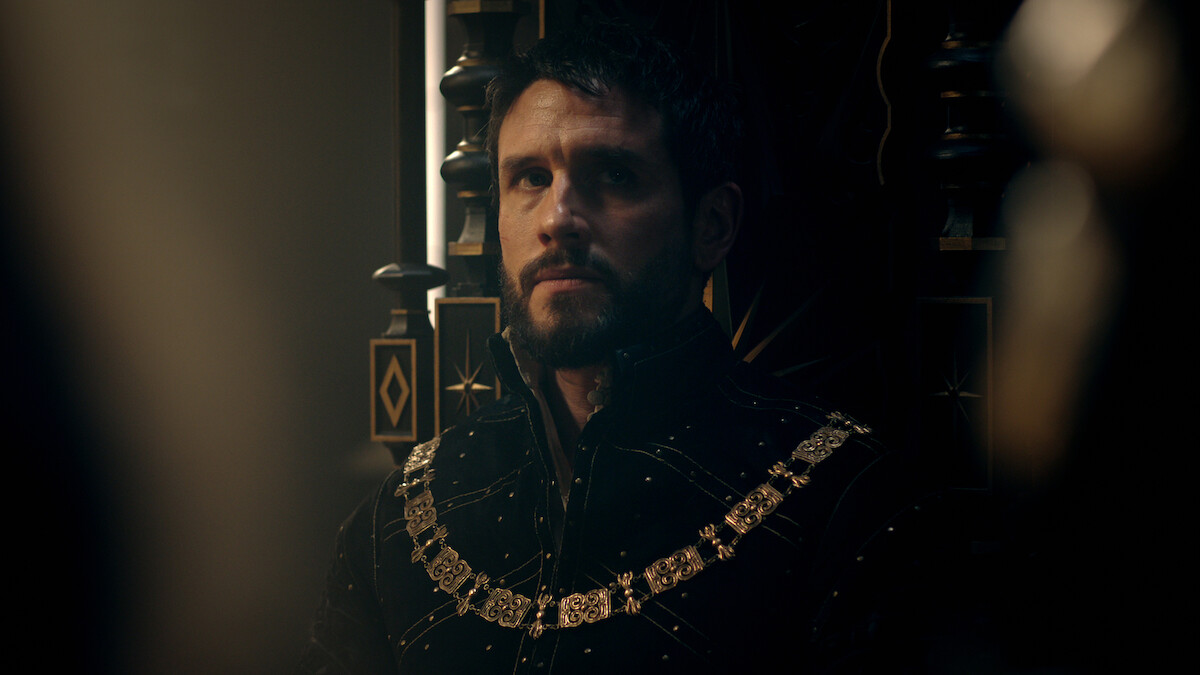
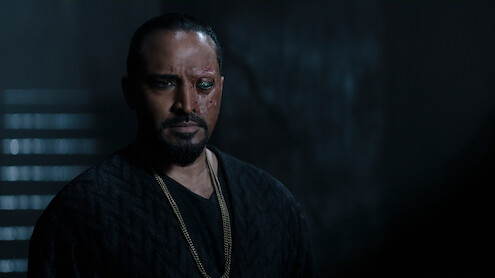
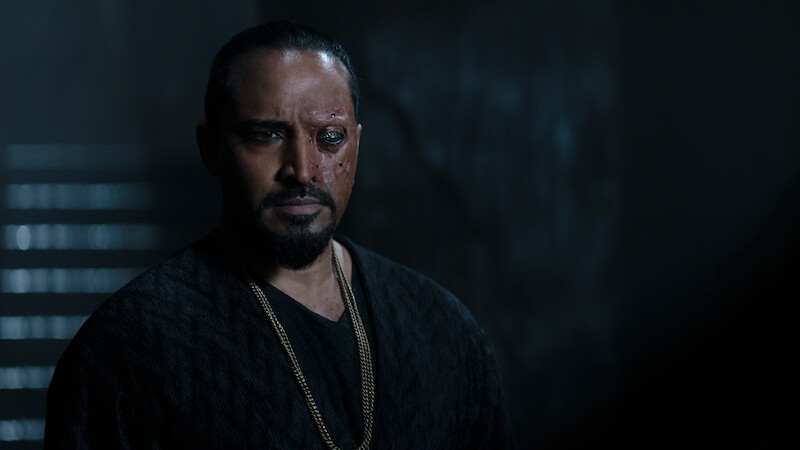
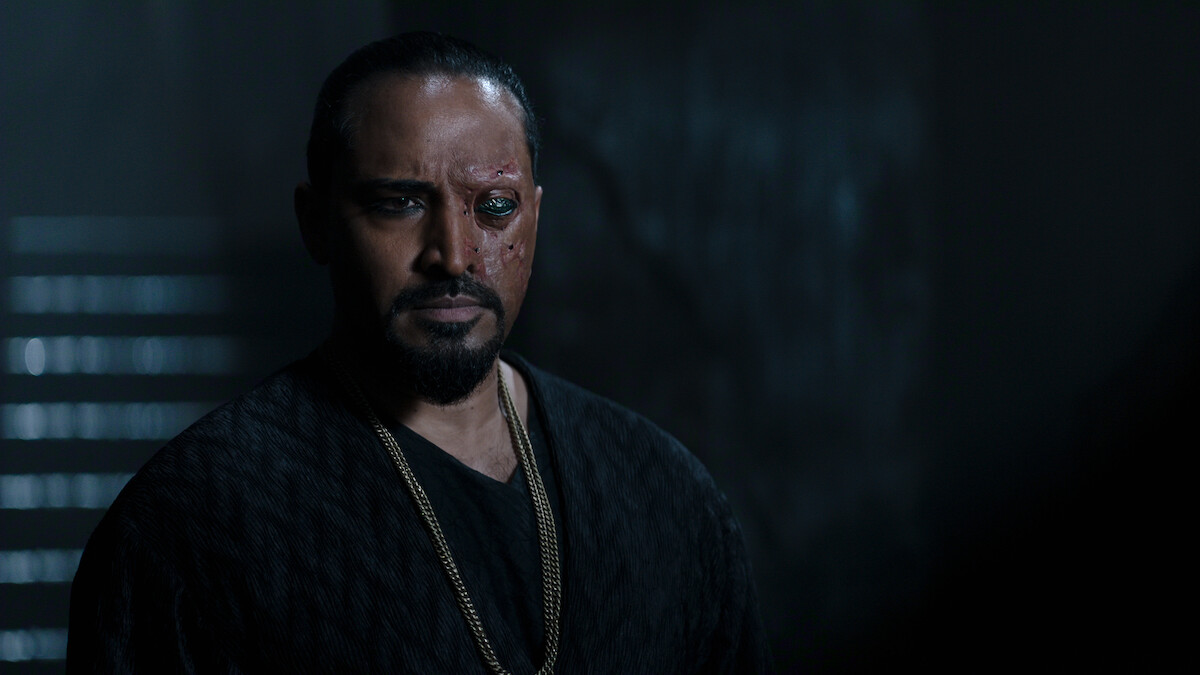
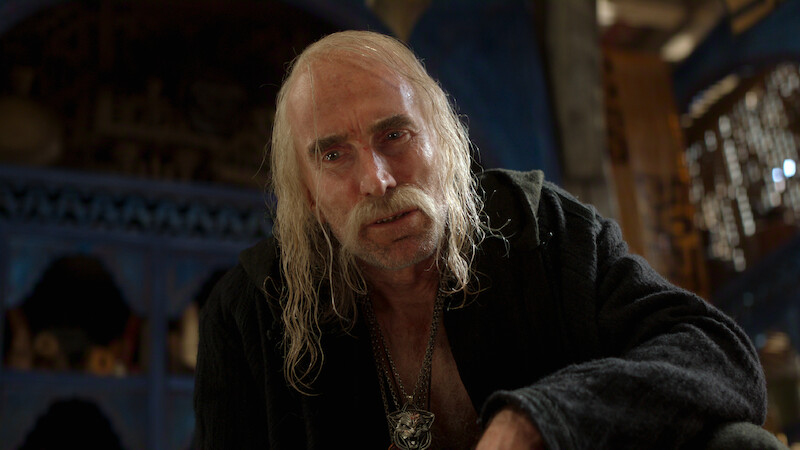
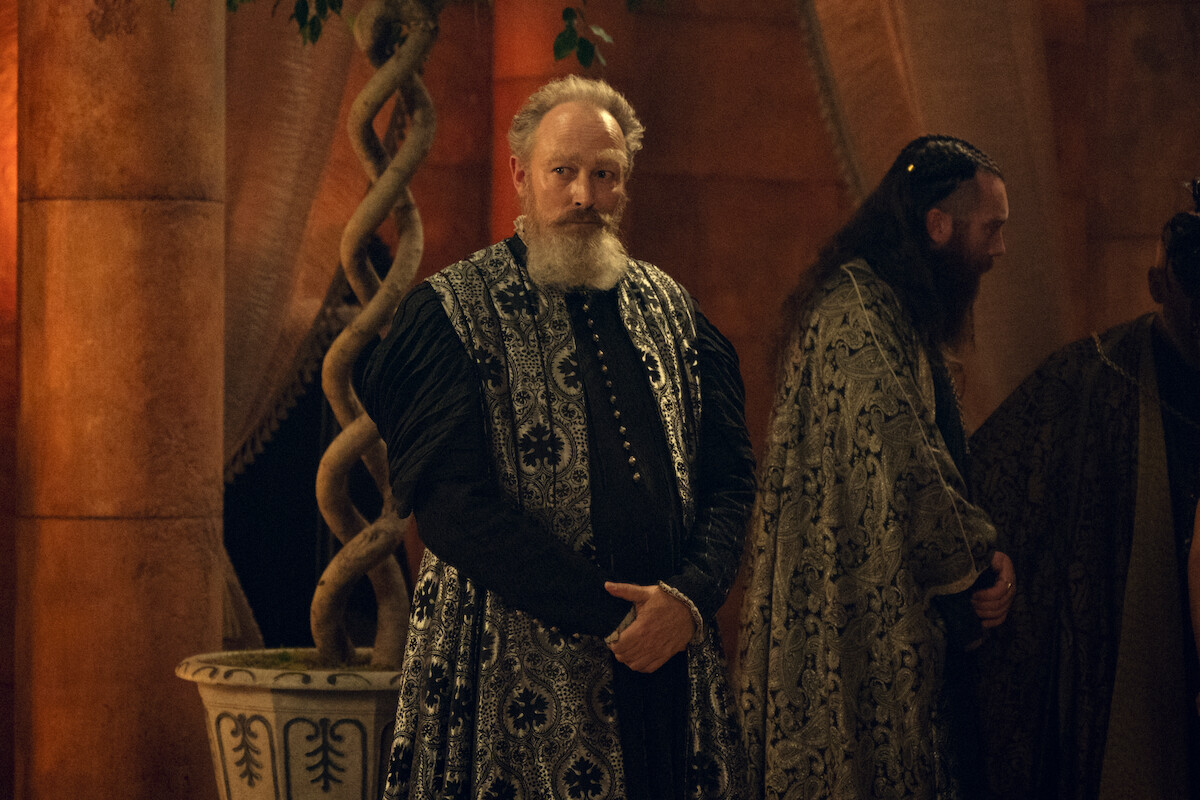
But there’s a dark magical force at play, kidnapping and torturing young Elven mages, threatening Yennefer and even potentially spying for Nilfgaard. Yen and Geralt suspect it’s Stregobor (Lars Mikkelsen), considering his many controversial opinions. As we watch the events of the night unfold from different perspectives, the duo deduce that the person trying to sabotage the conclave is not the vaguely villainous Stregobor, but actually the mercenary mage Vilgefortz (Mahesh Jadu). But is it too late?
“Should’ve chosen a side, Witcher,” a voice says while pressing a knife against Geralt’s neck in the closing moments of the episode. While we’ll have to wait to see how the actual coup plays out in the first episode of Volume 2, out July 27, Tudum can offer one more perspective on Episode 5 — and this one is from on set, behind the scenes.
Andrzej Sapkowski’s The Time of Contempt novel serves as the major source of inspiration for Season 3, and showrunner Lauren Schmidt Hissrich told Tudum in April that her main goal in putting together Episode 5, which was written by Clare Higgins, was to retain the structure of the scenes in the book.
“It is the same basic structure that you see in the episode, which is that we are constantly flashing back to Geralt and Yen as they have this wonderful night of sex and romance and fun,” Hissrich says. “And the audience are learning about what happened at the ball through their memories of what happened at the ball.”
The truth, then, is revealed through the addition of each new perspective. First, there’s what everyone sees. Says Hissrich, “If you’re just a rando at this ball, if you are someone there dancing, this is what you think happened that night. The beautifully choreographed dance, for instance, seems wonderful and romantic.”
The next layer is “what Geralt and Yen were actually doing behind the scenes,” Hissrich adds. “They had an agenda, they were going to unveil Stregobor as the baddy. We get to see what their plan was.” Here, their dance “seems dangerous — it’s much more of a tango.”
And finally, “as they’re telling each other the story, they both realize that there are elements they’re missing. That is layer three, which is what actually happened. And that is, of course, where we reveal our actual big bad.”
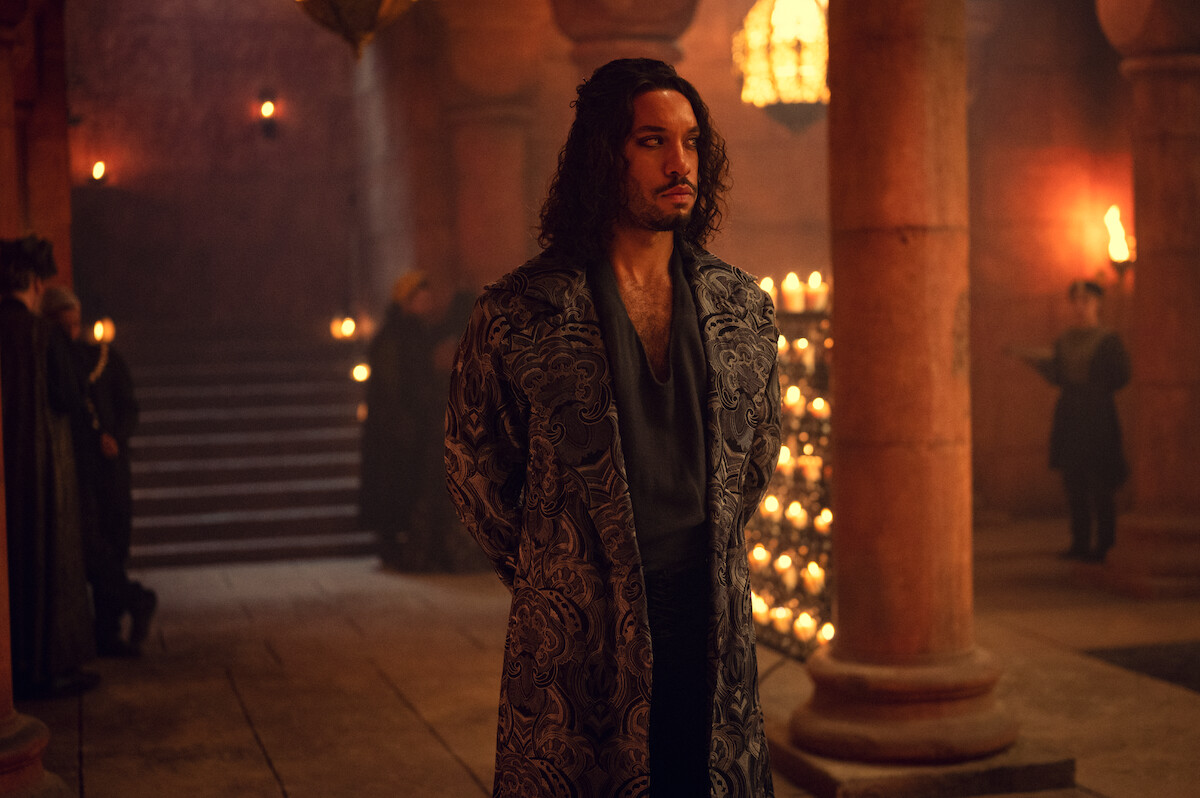
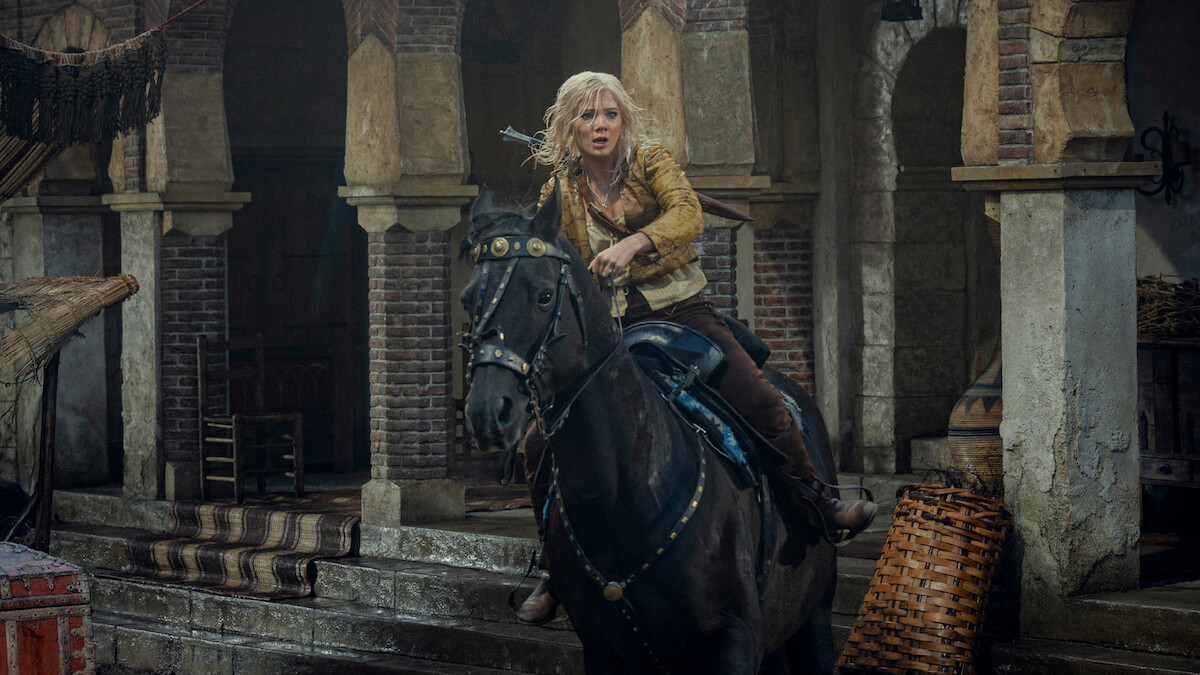
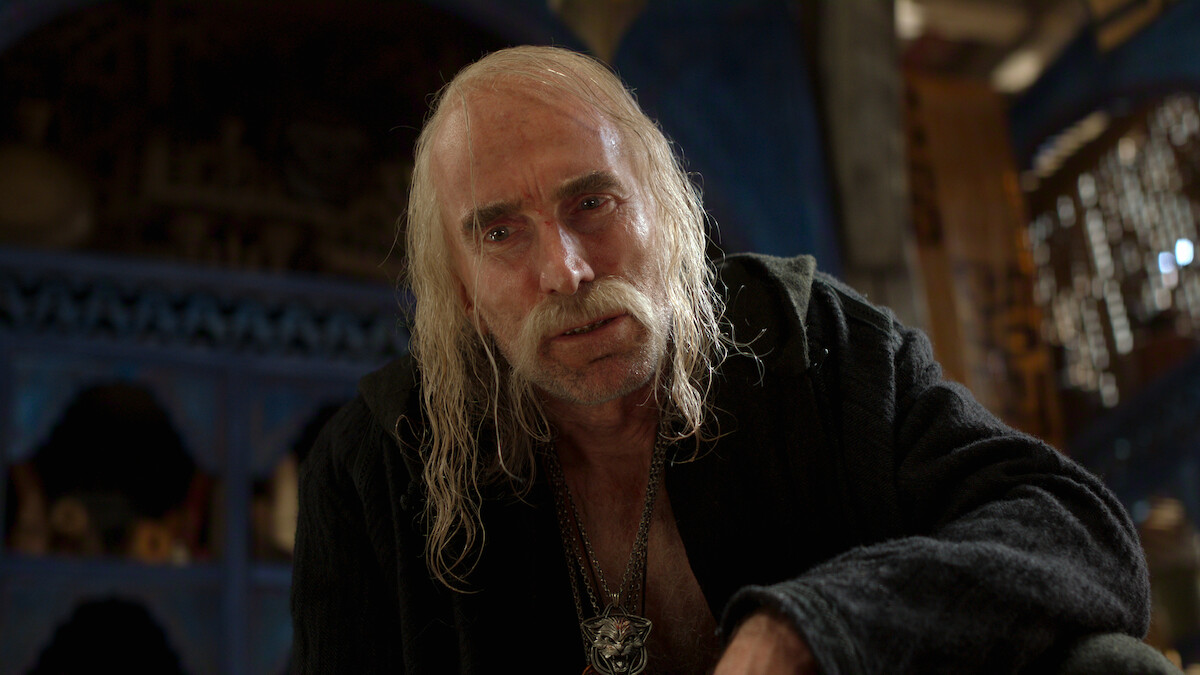
That “actual big bad,” Vilgefortz, is played by Mahesh Jadu, who was one of many principal actors on the London-area set when Tudum visited in August of 2022. But there were also 20+ other key players — Geralt, Yennefer, Stregobor, Vilgefortz, plus Tissaia (MyAnna Buring), Istredd (Royce Pierreson), Triss (Anna Shaffer), Philippa (Cassie Clare), Dijkstra (Graham McTavish), among them — and all were surrounded by a slew of extras to fill out the crowded scene. Every last one of them had to look perfect in order for the episode to work.
That means additional manpower was required in many departments. Makeup and hair designer Deb Watson tells Tudum that her operation is so large, there are several different teams that all work in conjunction with each other. On this episode, her main team was 21-people strong to accommodate for all the different actors on set. “It was absolute bedlam,” she says.
Watson also has an entire prosthetics team, a team that cleans and redresses the stations overnight and a crowds team that swells in size depending on how many people are working that day. “They work backwards,” Watson says. “They figure out, ‘What time does the set need them?’ Then they’ll figure out how many times you can do a person in the chair before they have to be on set. And then we’ll figure out how many more people we’ll have to get. It’s a really big show at the moment.”
Season 3 of The Witcher has 101 principal actors, but costume designer Lucinda Wright says it’s not as hard as you’d think to create a unique look for all of them. “All the actors bring something to [the role],” she says from a chair inside the massive costume shop. “I always believe that [for a] costume, 99% is what the silhouette of the person is, and quite often they’re cast for a certain look. So each time is an adventure. ‘What are you gonna do with them?’ ”
The director of the episode, Loni Peristere, has handed out index cards to each background actor with their own backstory. “He’s a huge fan of the books — a huge nerd, enormous nerd,” jokes Hissrich. “So he has all of this encyclopedic information in his brain.”
Chalotra tells Tudum that Peristere literally mapped out the scene for her. “We had the context of every character. We knew where we were headed at all points. It really required focus as an actor and as Yennefer to make this scene happen — this episode happen,” she says. “Sometimes we couldn’t always shoot in consecutive order because there’d be three perspectives in the same position, so it’d be easier to just film it all. So that was quite confusing, but that’s when I trust [my colleagues].”
It’s no wonder Chalotra needed a map to get through the ballroom scene. While the Aretuza dance hall looks impressive on-screen, it’s absolutely massive in real life. “This is what we call a super-set,” production designer Andrew Laws explains. It’s a “completely interactive” space, something he and his team designed to fill with detailed touches to make it feel as real as possible — no VFX required. “We see how actors react in spaces when they’re enveloped in [a world]. So we try really hard to do as much as we can, physically, in camera,” he says.
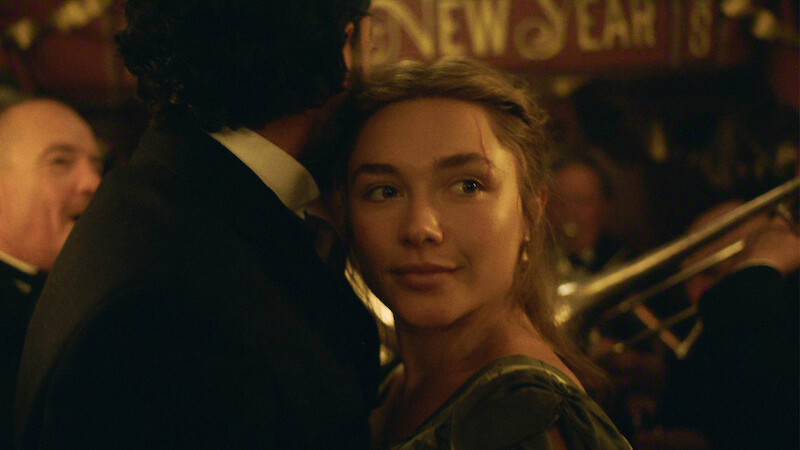
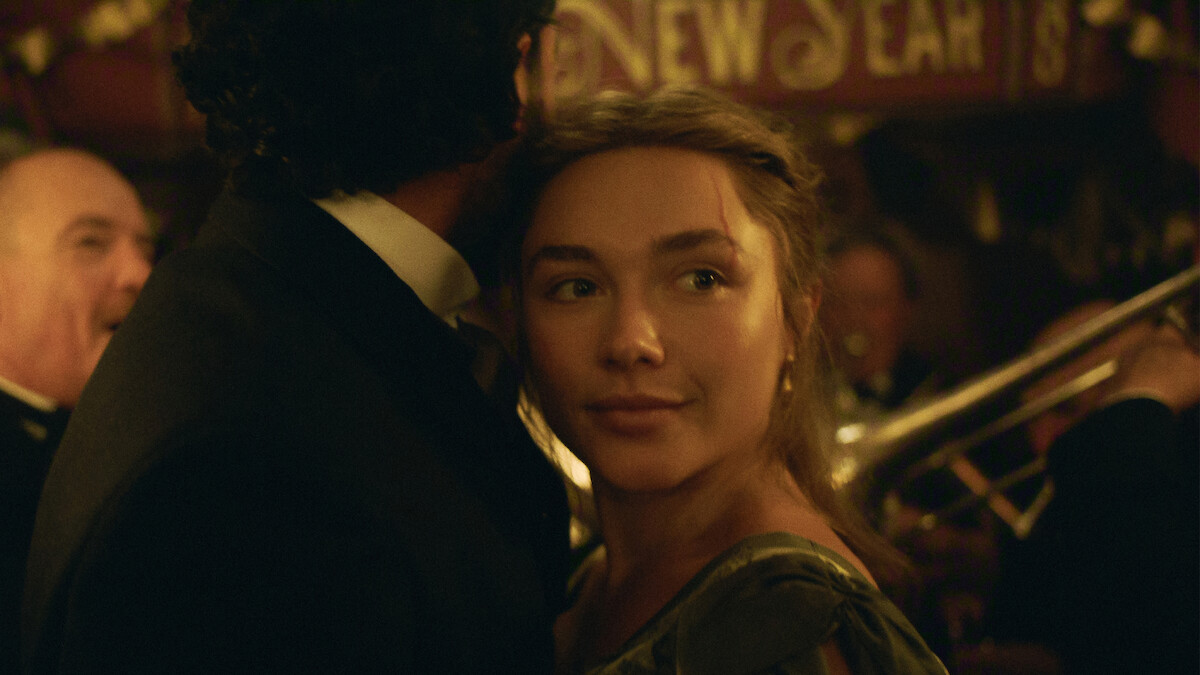
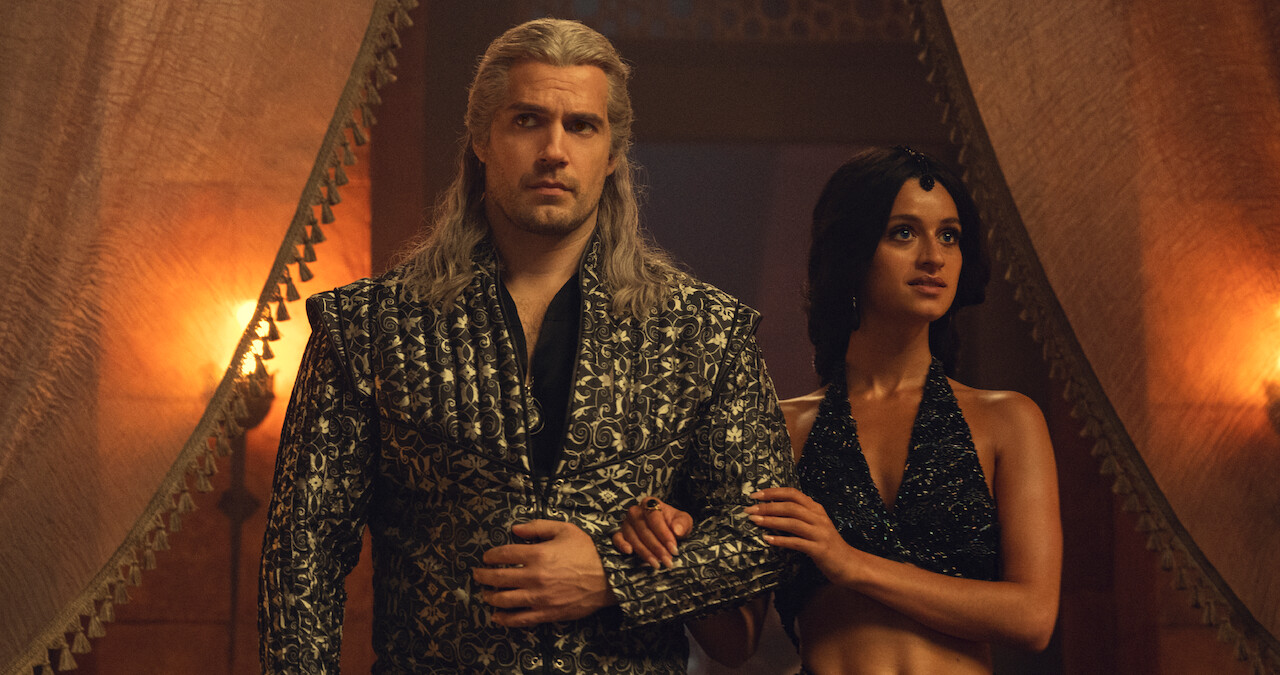
The cavernous ballroom, complete with walls of real burning candles, teems with people ready to film the big dance that kicks off the night. As the music begins, Cavill and Chalotra glide through the doors to perform their special dance together, the Melange (it’s “not optional,” Yennefer informs Geralt). The two actors get a massive round of applause after each complicated take, as the camera weaves around them and throughout countless other dancing couples.
The interactive set, Laws says, means “you’re able to move in and out of the spaces, into rooms, back through corridors, the idea being the architecture of Aretuza is continuous throughout the entirety of the complex. This represents a part of it, but you can use the elements that are within this to represent all the other pieces that expand.”
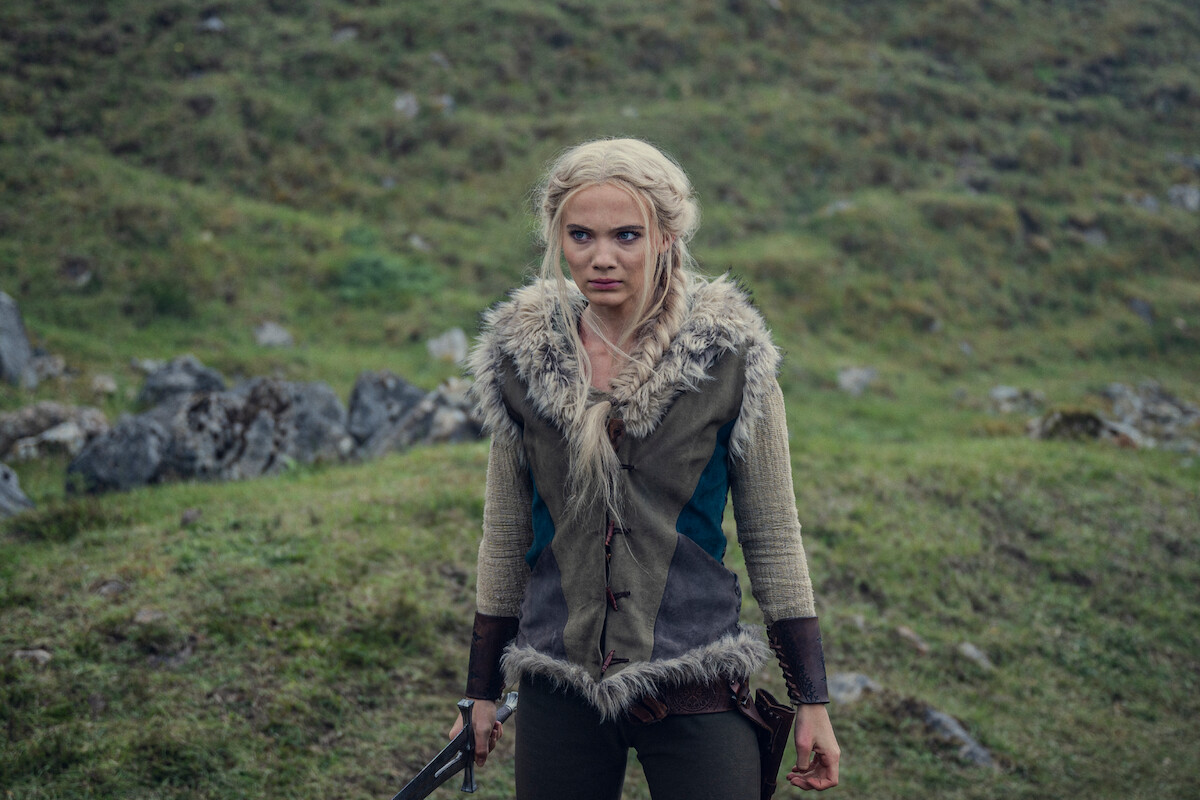
Right before Geralt and Yennefer string the events of the night together, they share another revelatory moment — he finally tells her that he loves her for the first time. But, says Chalotra, “They’ve always known. She’s always known that love is there. They just don’t vocalize it, I think.”
But Yen is caught off guard, because Geralt has never announced his feelings so publicly. “It’s not about them that night,” Chalotra says, “and I think that’s why it came out.” Their conversations and arguments are always full of passion, but “through that passion there, sometimes you aren’t able to say the truest things.” This time, since “the limelight isn’t on them, I think it’s born out of that,” she adds. “I think it’s born out of something bigger than them.”
That bigger force, according to Cavill, is the very real threat against their chosen daughter’s life. Princess Cirilla of Cintra (Freya Allan) is perhaps the most powerful person on the Continent, and everyone wants a piece of her power. “Geralt has been very nonchalant about these threats of war and famine and the end times,” he tells Tudum. “But now it means something, because everything is after Ciri. And that changes his entire perspective on things.”
Several months later, Witcher composer Joseph Trapanese sat in a London studio as the episode was being mixed and realized that “music takes you through that whole evening of the ball.” He tells Tudum, shortly before the Season 3 launch, “There’s certain things that happen on-screen musically, but then there’s also very detailed, very important story points that are happening. So there was a lot of experimentation. That was not only a difficult, but also very rewarding process because we were using the music to be such an integral part of the story.”
Of course, there was one song that wasn’t just an integral part of the story, but an omen of what was to come. As the events of the night play themselves out, and the layers of subterfuge peel back, the more prescient Valdo Marx’s lyrics seem. “All is not as it seems,” indeed. They’re important words to remember — and also, for some, impossible to forget. Says Hissrich, “That song was all I was singing for days. It is insanity — and an amazing song.”
Additional reporting by Ariana Romero.