Behind the Scenes
The Trick Meryl Streep Used to Become President of the United States
Cue “Battle Hymn of the Republic.”
Dec. 24, 2021
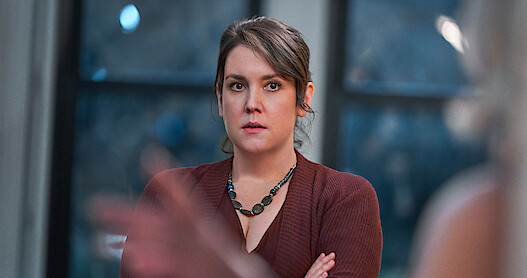
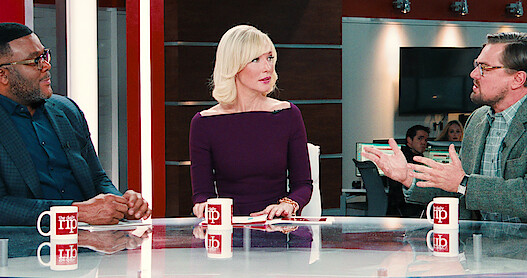
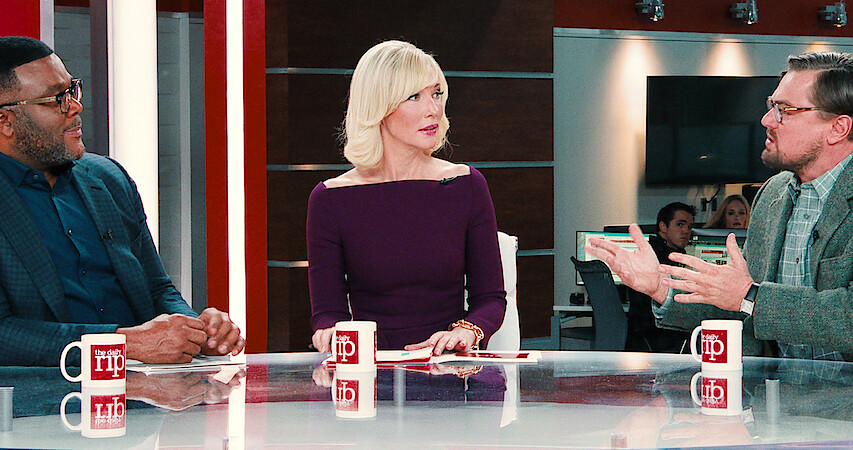
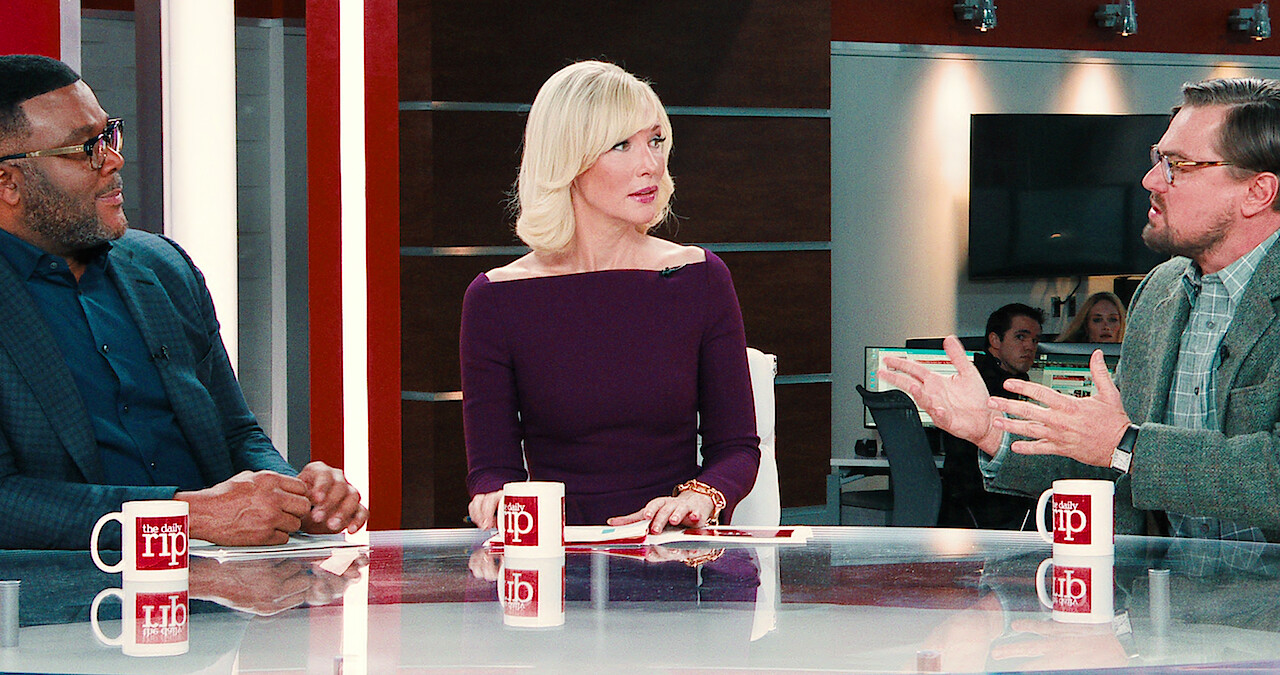
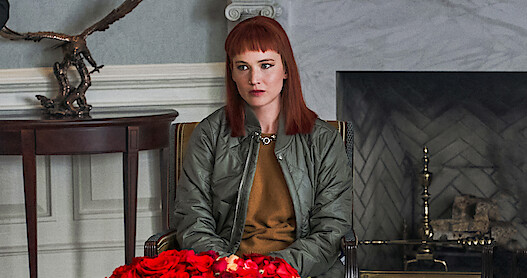
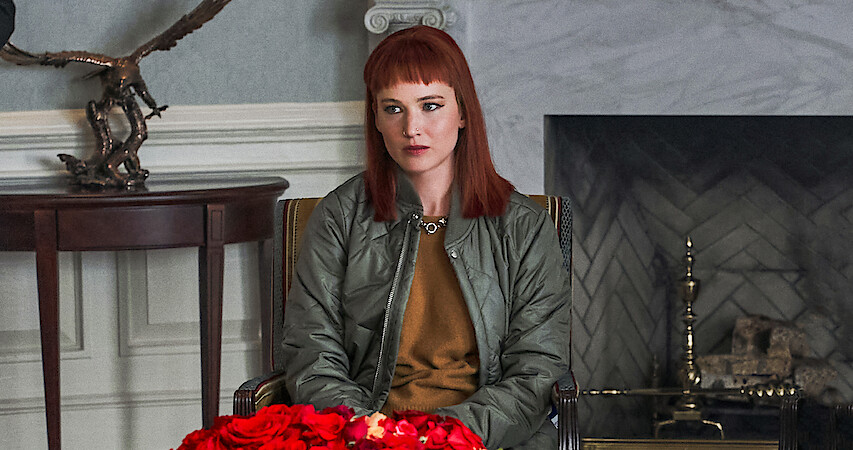
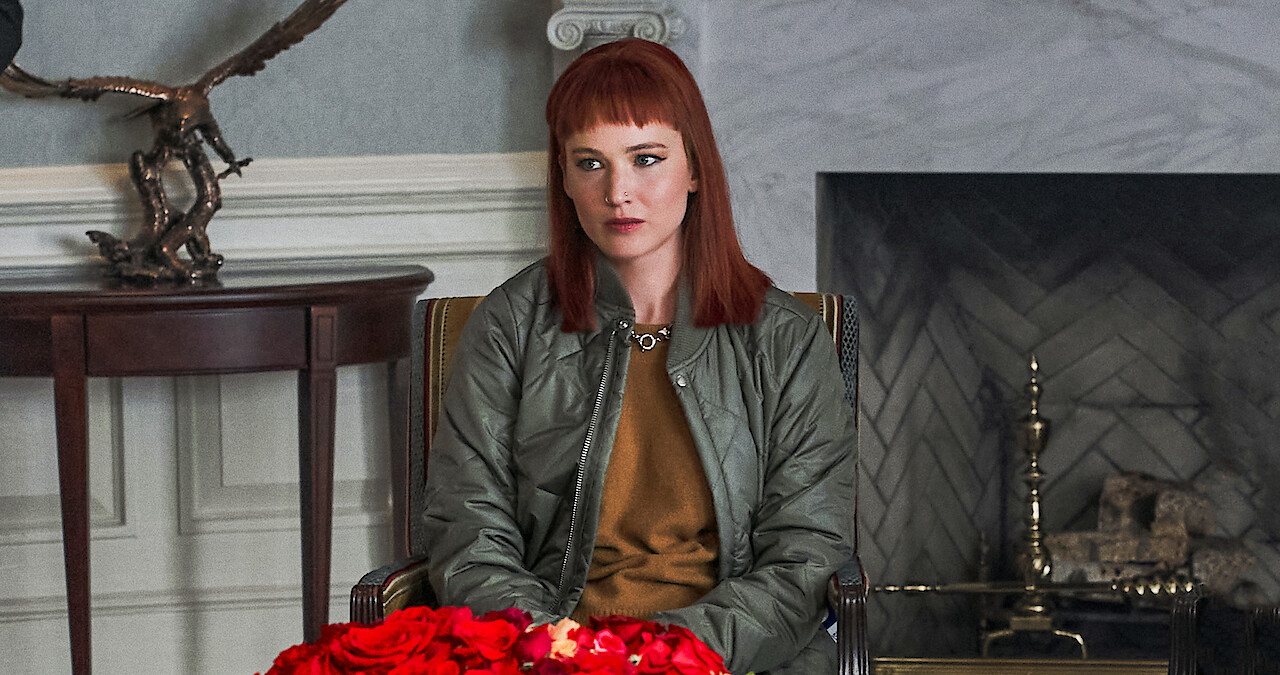
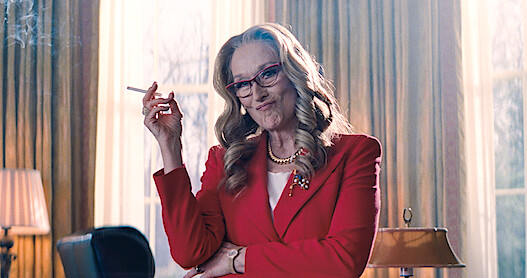
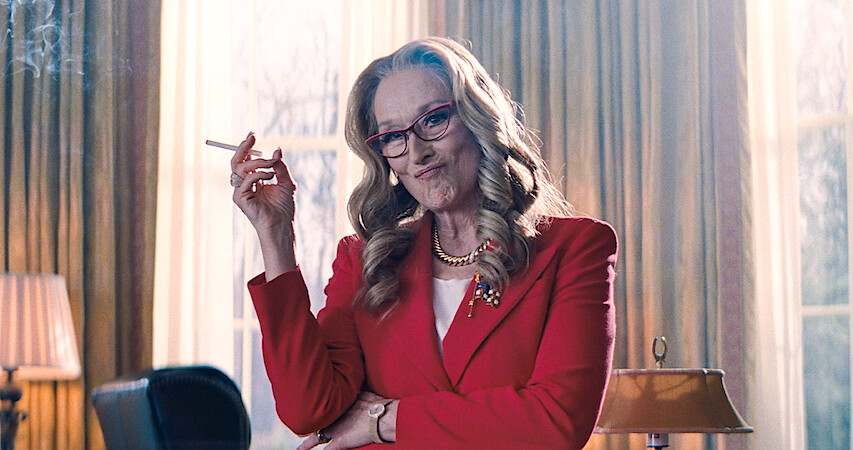
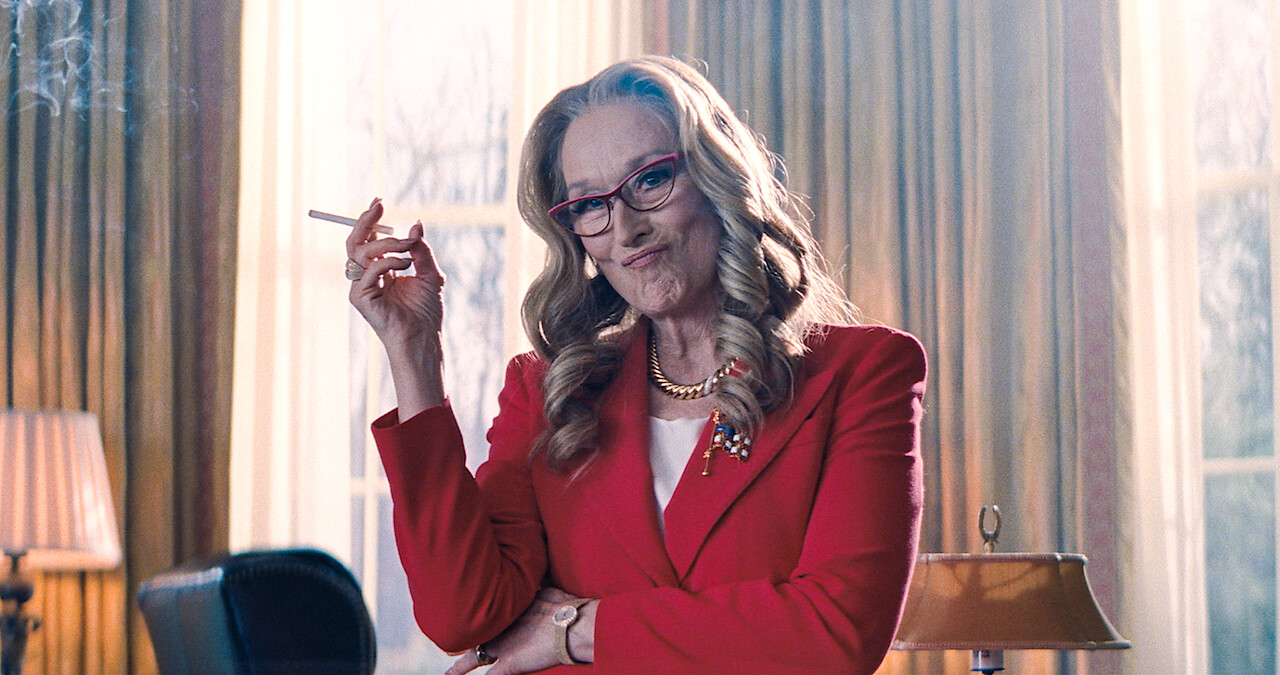
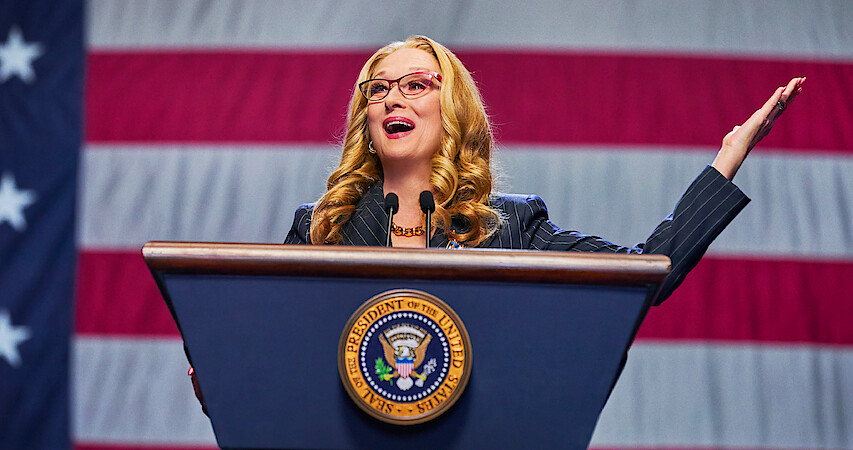
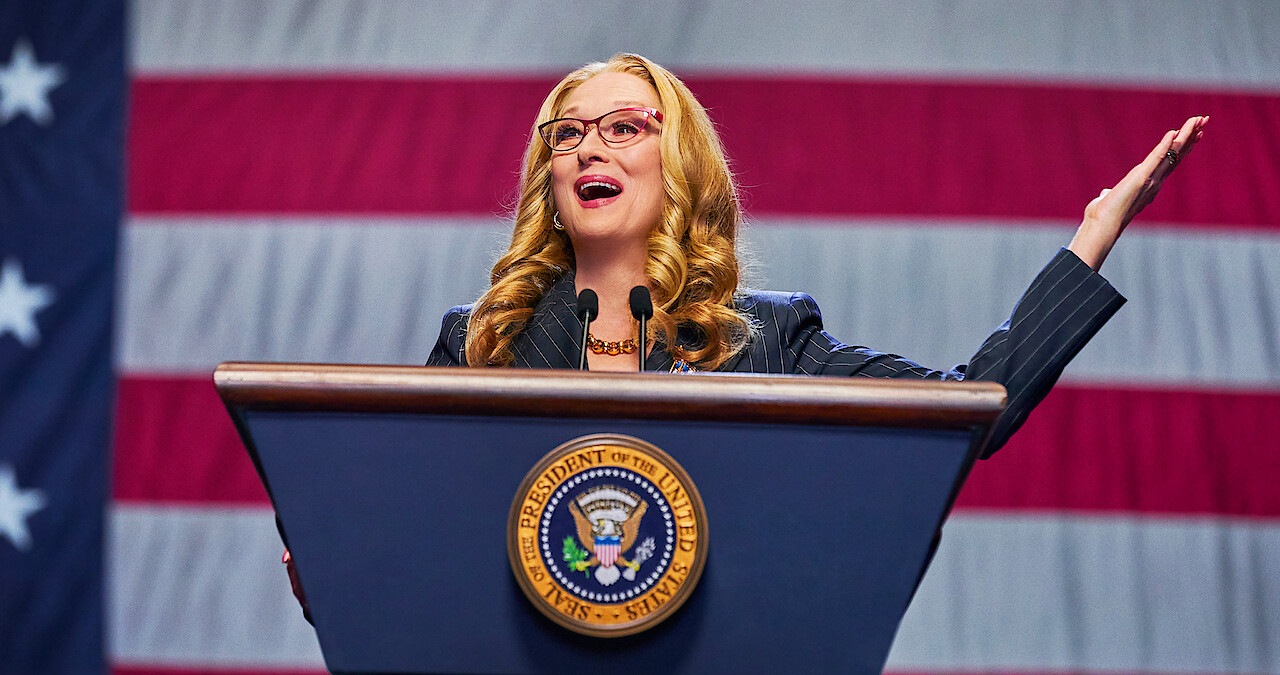
Meryl Streep knows how to be in charge. How else can you describe someone who has played the most demanding fashion editor on the planet (The Devil Wears Prada), the publisher who authorized the printing of the Pentagon Papers (The Post) and the British Prime Minister (The Iron Lady)? Still, there’s one leadership role that has long evaded her: President of the United States — until now, that is. In Don’t Look Up, Streep finally steps into the Oval Office as President Janie Orlean, a former financial self-help book guru who’s more interested in using her power for self-aggrandizement than, you know, actually running things.
To inspire her performance, art director Brad Ricker filled the halls of the White House set with portraits of some of history’s less popular presidents, including Warren Harding, Andrew Jackson and Richard Nixon, among others. “It’s kind of a rogue’s gallery of presidents,” Ricker says in an upcoming episode of The Last Movie Ever Made, our exclusive podcast that traces the making of Don’t Look Up.
But Streep had her own trick for getting into character: a constant barrage of news and current events podcasts. “The news,” she says in the podcast about preparing for the role. “Endlessly, the news, because there was so much happening while we were shooting.” Creating a playlist specific to her character is something she’s done for every performance since The Devil Wears Prada, when she decided she would no longer use Method acting. Playing ice queen Miranda Priestly 24/7 meant she couldn’t interact with her co-stars Anne Hathaway and Emily Blunt, which had a negative impact on her mental health.
“It was horrible! I was [miserable] in my trailer,” Streep told Entertainment Weekly in June 2021. “I could hear them all rocking and laughing. I was so depressed! I said, ‘Well, it’s the price you pay for being boss!’ That’s the last time I ever attempted a Method thing!” Now, rather than walking around as her character, she grabs her headphones and delves into their minds. “I usually have one thing that I listen to over and over,” she says in the podcast. “And it’s sort of a mantra or something; it puts me in the space, the headspace.”