Plastic products are embedded in nearly every facet of modern life, from food packaging and kitchen tools to clothing fibers, cosmetics, and children’s toys. Over the past few decades, a growing body of research has linked plastics — and especially the chemicals used to make them — to myriad health concerns ranging from infertility to cancer. Now, a documentary directed by Louie Psihoyos (You Are What You Eat: A Twin Experiment) and Josh Murphy unpacks the science and human stakes of our plastic-dependent lives.
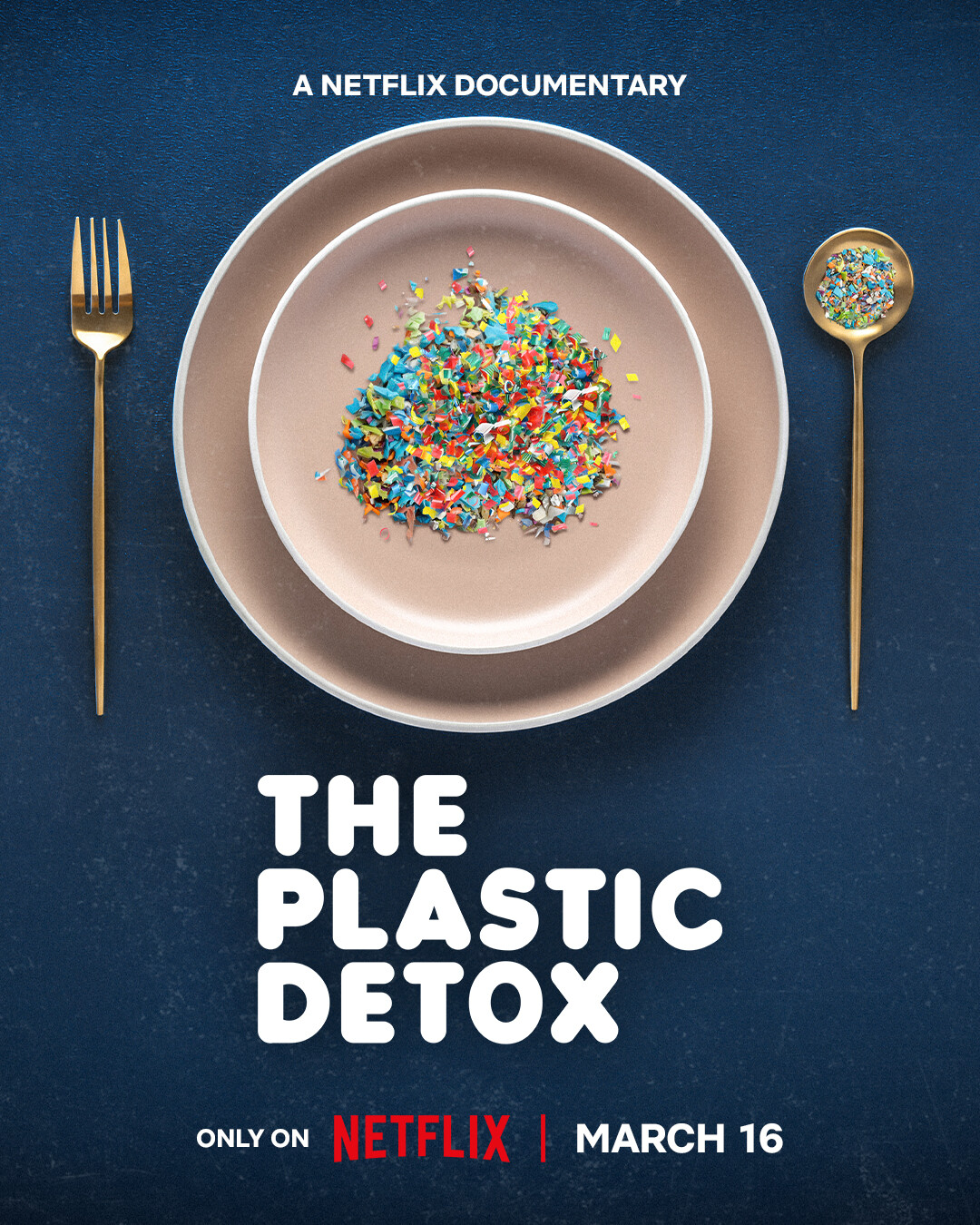
The Plastic Detox, now streaming, explores the impact of everyday exposure to plastics and chemicals in plastic on health and fertility. With the help of scientists and researchers at the cutting edge of reproductive and environmental health, the film traces how these substances seep into daily routines and investigates whether changing daily habits can make a difference.
Take a first look at The Plastic Detox in the trailer at the top of the page, and read on for everything to know about the documentary, including expert tips for reducing exposure to plastic-related chemicals in our daily life.
What is The Plastic Detox about?
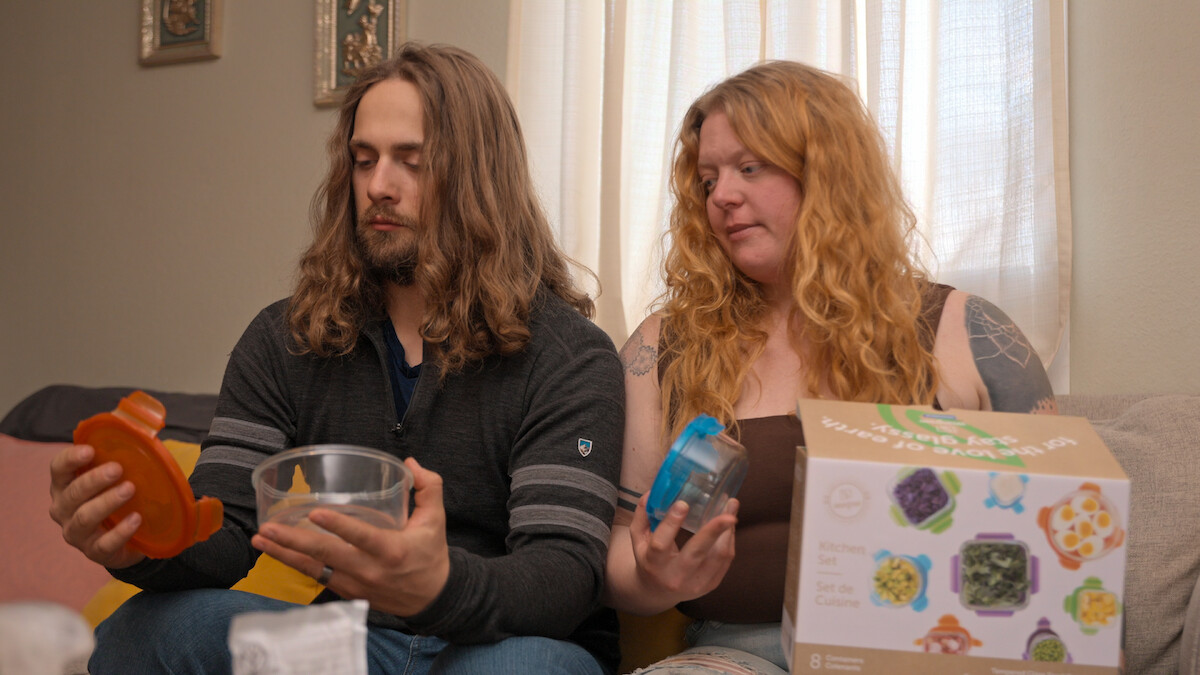
The Plastic Detox weaves together the journeys of six couples facing unexplained fertility challenges — some of them have spent years trying to conceive. Guided by environmental and reproductive epidemiologist Shanna H. Swan, Ph.D., they embark on a three-month effort to dramatically lower their daily exposure to plastic-related chemicals in hopes of better health markers and, ultimately, pregnancy.
Fertility was a useful lens for understanding the impact of plastic-related chemicals on the body for two reasons, Swan tells Tudum. For one, it's deeply relatable: “Many people have experienced [fertility issues] or know somebody who's experienced them.” And unlike other health concerns, fertility offers a faster feedback loop. “Unlike things like cancer or even obesity, if we wanted to go in there and change people’s lives and then see what difference it makes, for fertility, you can do that very quickly.”
Learn the latest on where the couples are now after the documentary here.
The documentary also examines the broader impacts of plastic production and waste as these products turn up across industries, profiling an array of affected people. It follows community organizers fighting against a proposed petrochemical plant and fashion designers working to strip toxic dyes and plastic-based fibers from their supply chains. It features interviews with researchers at the forefront of environmental and reproductive health as they investigate how plastics are reshaping human health across generations.
What is the release date?
The Plastic Detox premiered on March 16. Stream it now.
What are microplastics, BPAs, and other plastic chemicals?
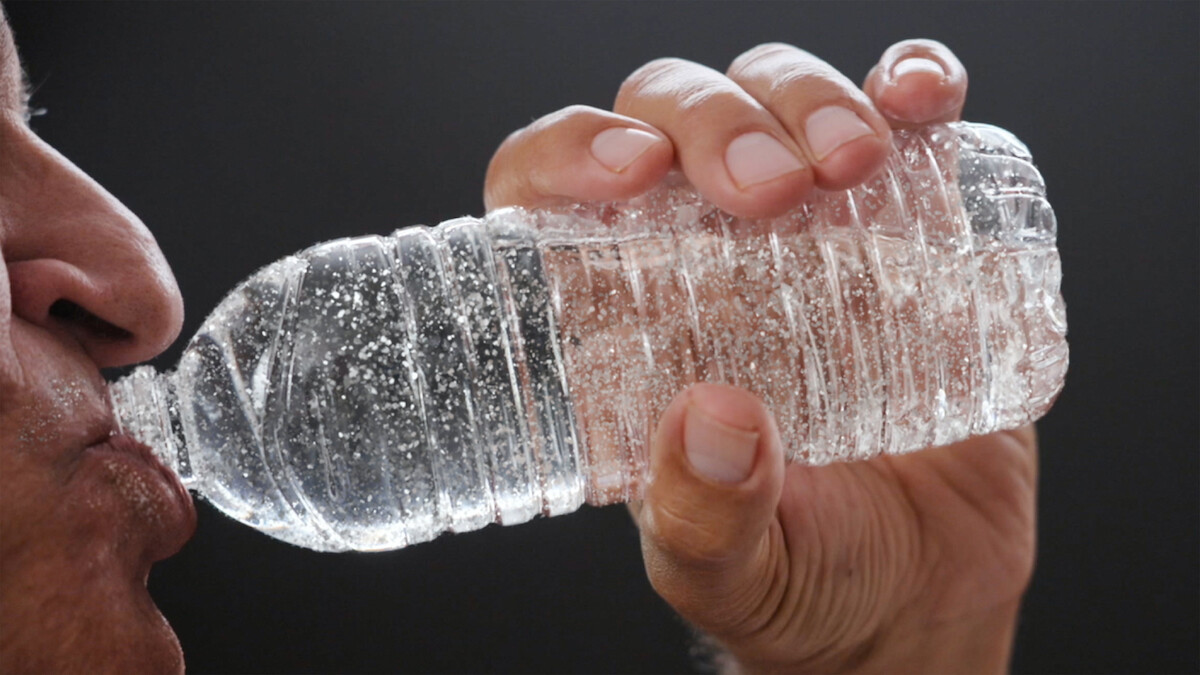
Microplastics are tiny fragments of plastic that can break down from larger pieces over time. These microscopic particles can be ingested and inhaled, and some evidence suggests they can even be absorbed through the skin. Plastic often contains chemicals added during production, especially two key groups the film focuses on:
- Phthalates, which make plastics soft and flexible
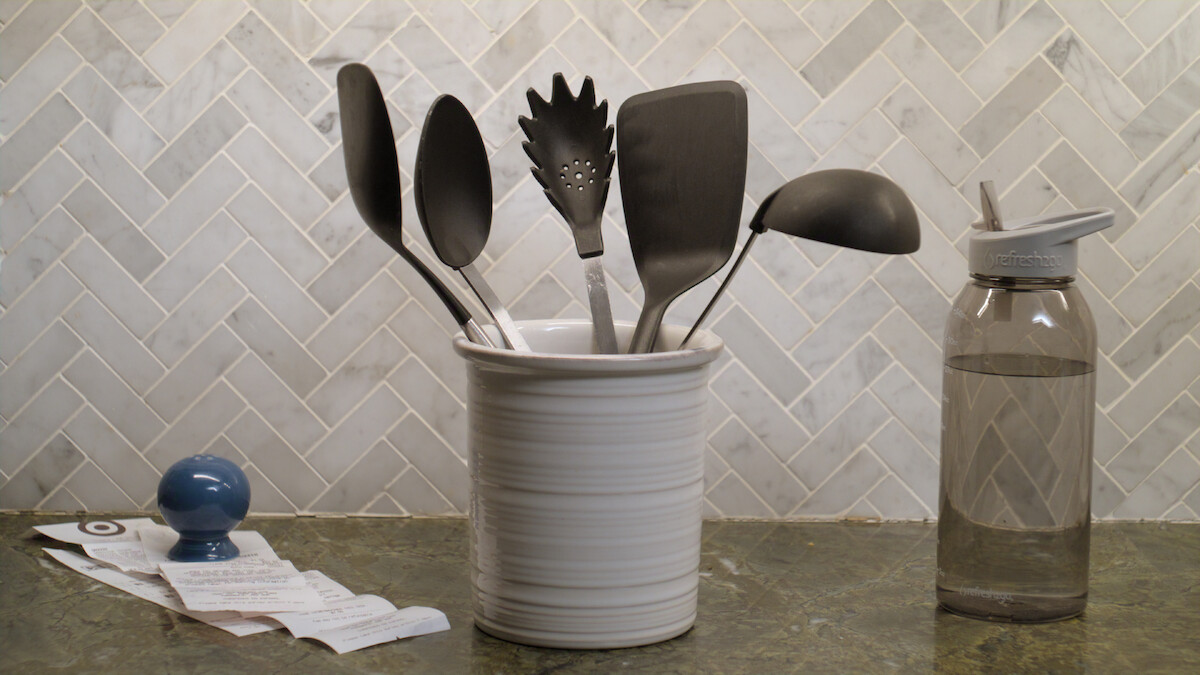
- Bisphenols (like BPA), which make plastics hard and are also used on things like thermal paper receipts
What are the potential impacts of chemicals in plastic on health and fertility? Are microplastics harmful?
According to the scientists and doctors interviewed in The Plastic Detox, phthalates and bisphenols are two major groups of endocrine-disrupting chemicals (EDCs), which can interfere with the body’s hormone signaling. EDCs have been linked to a variety of health problems, from early heart attacks and strokes to subtle shifts in thyroid hormone that can affect developing brains. Many of these chemicals are considered “obesogens” — substances that can promote weight gain and the accumulation of body fat. In the documentary, the couples learn how these substances can migrate from everyday products into their bodies. They work with Dr. Swan to see if reducing their daily exposure to these chemicals helps improve their overall health and fertility. At the end of their three-month detox, the couples sit down with Dr. Swan to review what has changed in their bodies — and what it could mean for their path to pregnancy.
Learn what has happened with the couples since working with Dr. Swan here.
What are alternatives to plastic? How can people lower plastic exposure in daily life?
In The Plastic Detox, Dr. Swan guides the couples through a series of practical changes designed to reduce their daily contact with plastic-related EDCs. The documentary highlights five key areas of focus beyond removing obvious plastics from the home:
1. Food and beverage packaging
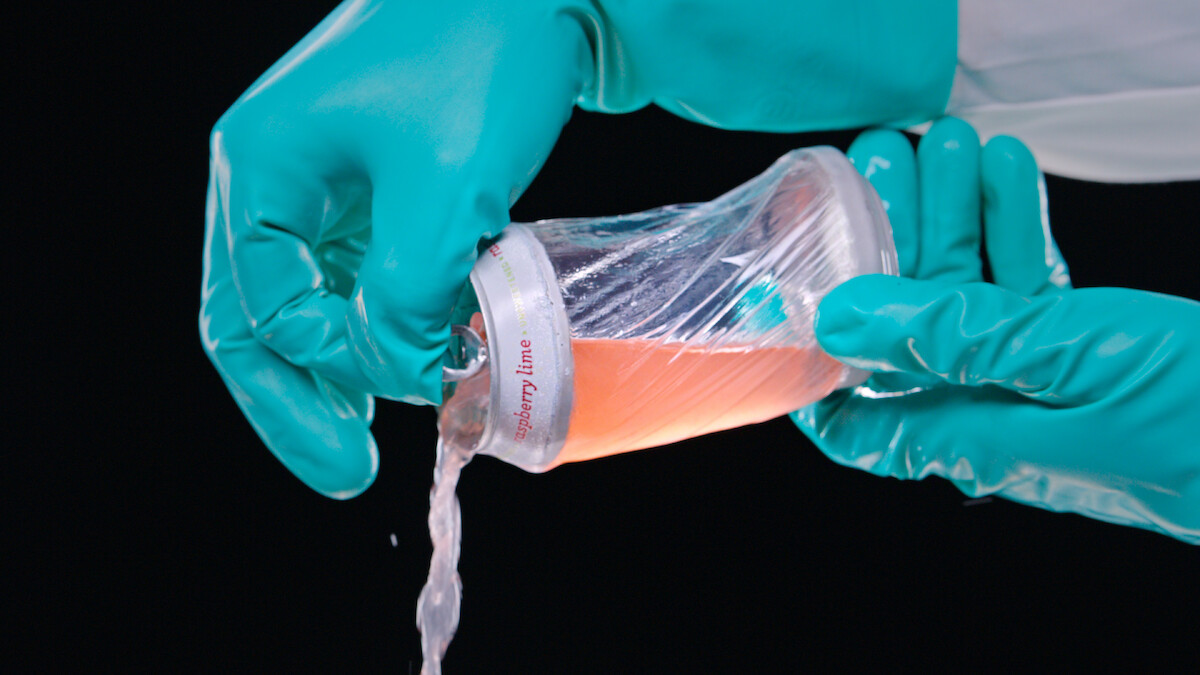
Dr. Swan recommends people avoid consuming food and drinks that come in plastic packaging when possible — whether from the grocery store or restaurants. “Food packaging and storage of food at home are really easy [and], if you will, satisfying ways that we can take control over our personal exposure,” she says. Her advice: Make it a game. “Every time [you] go shopping, [ask], ‘Can I buy this product not prepackaged, not in plastic?’ ”
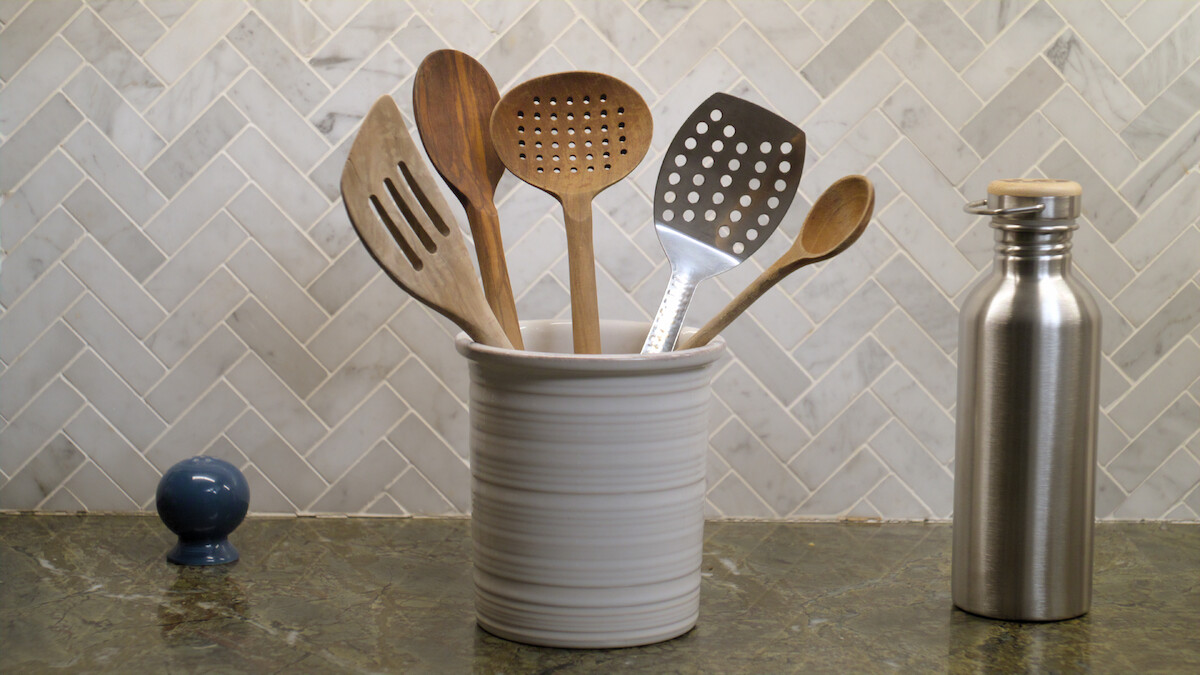
Heat is a particular concern: When plastic containers are microwaved or exposed to high temperatures, chemicals can leach into food. Swapping glass, ceramic, or stainless steel for storage and reheating can help reduce exposure.
2. Fragrance products and perfume
Many fragrance products, from perfumes and colognes to scented candles and air fresheners, contain phthalates, which help scents last longer. “If you can smell it — and it’s probably pleasant for most people — then you probably want to avoid it, unfortunately,” Swan says. “We showed in [other studies we’ve done] that women who reported using fragrance products had higher levels of chemicals in their body.” She acknowledges it’s “one of the least pleasant steps that people can take, because everyone likes things to smell nice — but there’s a cost to that.”
3. Personal care products
Shampoos, lotions, makeup, and other personal care items can contain endocrine-disrupting chemicals. Swan draws a distinction between products that serve a health function, like dental care or prescription items, and those that are more elective. “Personal care products are not just about health, of course. There’s many, many optional ones,” she says. “For things like lotion and creams and makeup … we should be aware that all of those contain chemicals that I personally am worried about.”
She notes that phthalates are often added to skin-care products because they “increase absorption” and “increase the retention of smell and color.” The bottom line: “Any colored makeup, for example, or anything fragranced, or anything that’s going to go into our skin is going to have these chemicals in it. Some of those we can avoid. Some of them, not so much.” According to the documentary, skin can absorb more than 60% of the chemicals it comes in contact with, making what we wear and touch just as important as what we eat or inhale.
4. Synthetic textiles and petrochemical dyes
Clothing made from synthetic fabrics like polyester and nylon can shed microplastic fibers, and petrochemical-based dyes may contain harmful chemicals that can be absorbed through the skin.
Clothing is a relatively new area of focus in the conversation around plastic chemicals, but Swan says it’s an important one. “A lot of these chemicals that we’re concerned about in clothing are the PFAS chemicals [per- and polyfluoroalkyl substances, also known as ‘forever chemicals’],” she says. “They’re added to increase stain resistance and make them water-repellent. Well, that’s good. But there’s this cost. And what’s not known very well is that these things interfere with our immune function and our response to vaccination, for example.”
Prioritizing natural fibers like cotton, wool, linen, or bamboo — especially for items worn close to the body like underwear, activewear, and bedding — can reduce exposure.
5. Thermal paper receipts
Most paper receipts are coated with bisphenols like BPA, which can be absorbed through the skin on contact. Swan’s approach is simple: “When I go to a store, they say, ‘Do you want a receipt?’ I say, ‘No.’ ” She adds: “The fix is so easy: [Get receipts] electronically. Why would you touch it?”
Beyond the basics
For those who’ve made these swaps and want to go further, Dr. Swan recommends taking a closer look at your drinking water. “In my house, we actually distill our water using a tabletop distiller. … This device is free of plastic. There’s no plastic in it at all.” Reverse osmosis filtration is another good option, but the key, she says, is to “do more [in your home] than they do at the [treatment] plants. … And do it in a way that doesn’t introduce plastic” — for example, by storing filtered water in glass rather than plastic containers.
A note on labels
Shopping for safer products can be confusing. Labels like “BPA-free,” “phthalate-free,” “nontoxic,” and even “plastic-negative” don’t all carry the same weight. Swan cautions that some claims can be misleading: “Originally we found out that BPA was bad. And the manufacturers took it out and labeled everything ‘BPA-free.’ But what people didn’t know was that they substituted another bisphenol, which performed the same function and actually had the same risk.” She likens this approach to “whack-a-mole” and cautions that while apps and websites can help rank products, “those apps and websites do not actually test products.” Instead, they simply scan ingredient lists for known harmful chemicals.
Her advice: When possible, skip the packaging question altogether. “If you have the option, for example, of shopping in a farmer’s market, or buying in bulk,” she says, “bring your container from home, which you know is clean, and buy in bulk. You’re going to be good to go.”
Looking to do even more? The filmmakers behind The Plastic Detox have compiled additional resources and practical tips at unplasticyourlife.com.
What’s being done about plastic chemicals?
Beyond individual choices, The Plastic Detox points to broader efforts underway, from innovations in “green chemistry,” which aims to educate scientists on how to anticipate negative impacts on human health and the environment, to policy advocacy aimed at regulating harmful chemicals at the national level.
One of the bigger questions, Swan says, is defining what “safer” actually means when it comes to chemicals and the human body. “We don’t really understand yet, or know in a way that’s actionable, what it means for a product to be safe,” she says. “I call that the moonshot question.”
Still, she’s encouraged by the momentum. “So many people are working on it,” Swan says. “Lots and lots and lots of companies are looking at bio alternatives, which is great. And the chemists are working hard at looking at alternatives.”
Still, Swan believes individual action matters — and that people shouldn’t wait for systemic change before taking steps of their own. “It’s terrible to know that these things are out there and harming us,” she says. “But we don’t have to wait for the government to regulate. We don’t have to wait for manufacturers to make safer products. We can choose better products that protect our health.”
On the research front, Swan and her team are working on a proposal for a formal, controlled study based on the findings of The Plastic Detox. “There will be three treatment arms and a much larger study. … Fifty couples in each of three arms. So it’s 300 people [total], and we’re submitting that very soon.”
The Plastic Detox is now streaming.
What’s this doc like?
This investigative, thought-provoking documentary blends expert insight with an intimate 90-day experiment, demystifying the effects of everyday plastic exposure on health and fertility — while offering practical changes anyone can try.