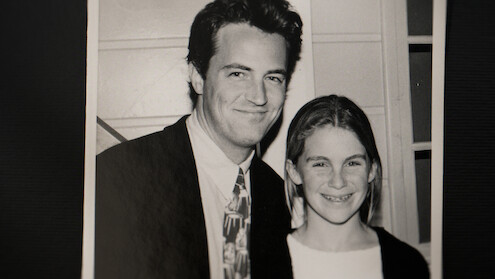
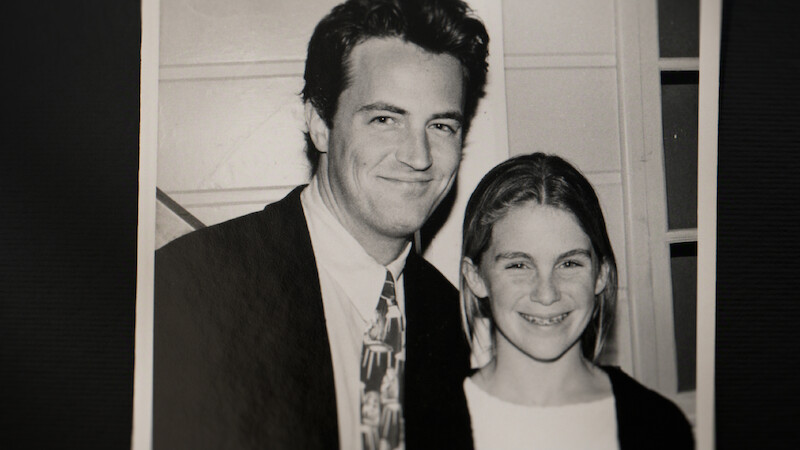
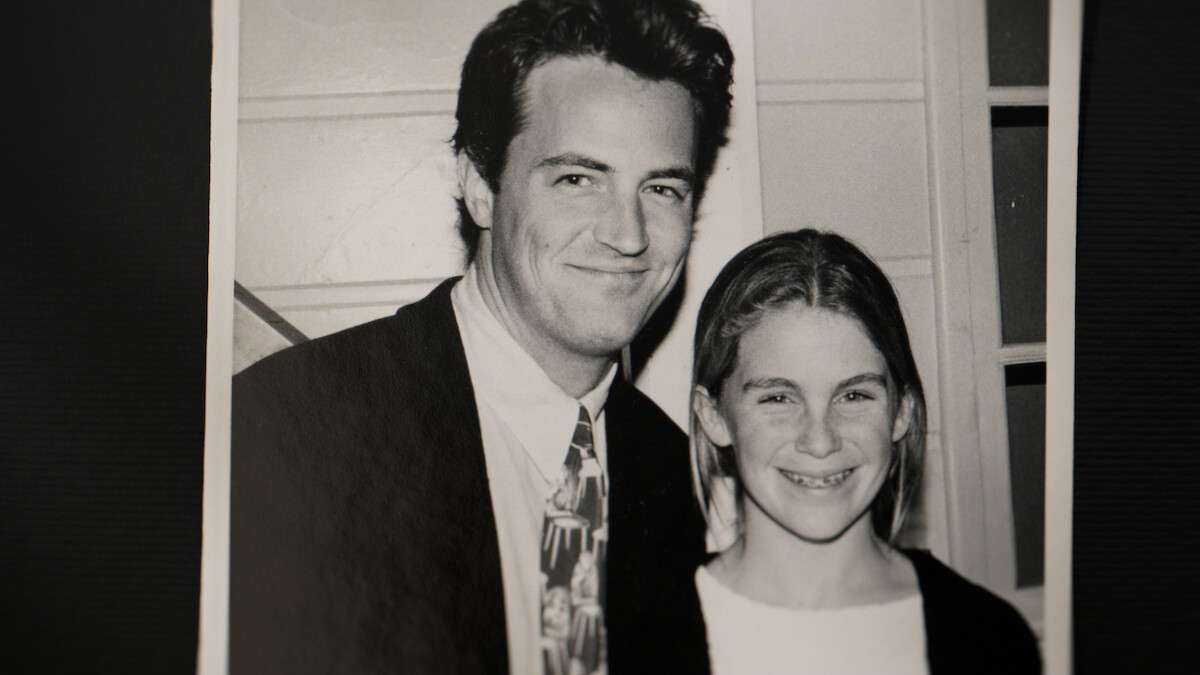
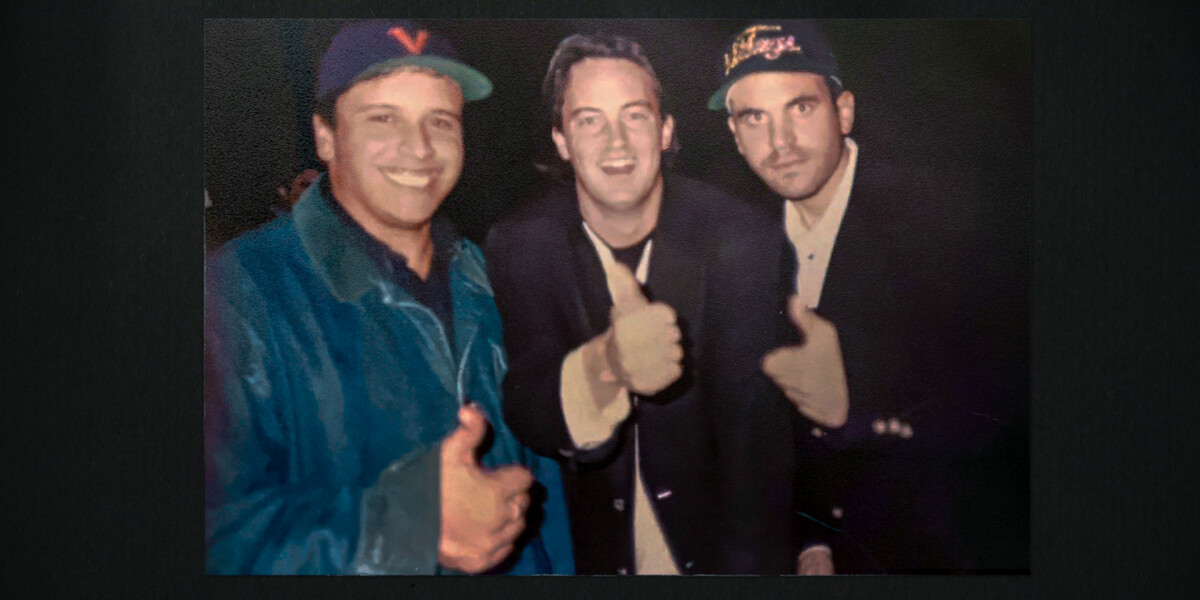
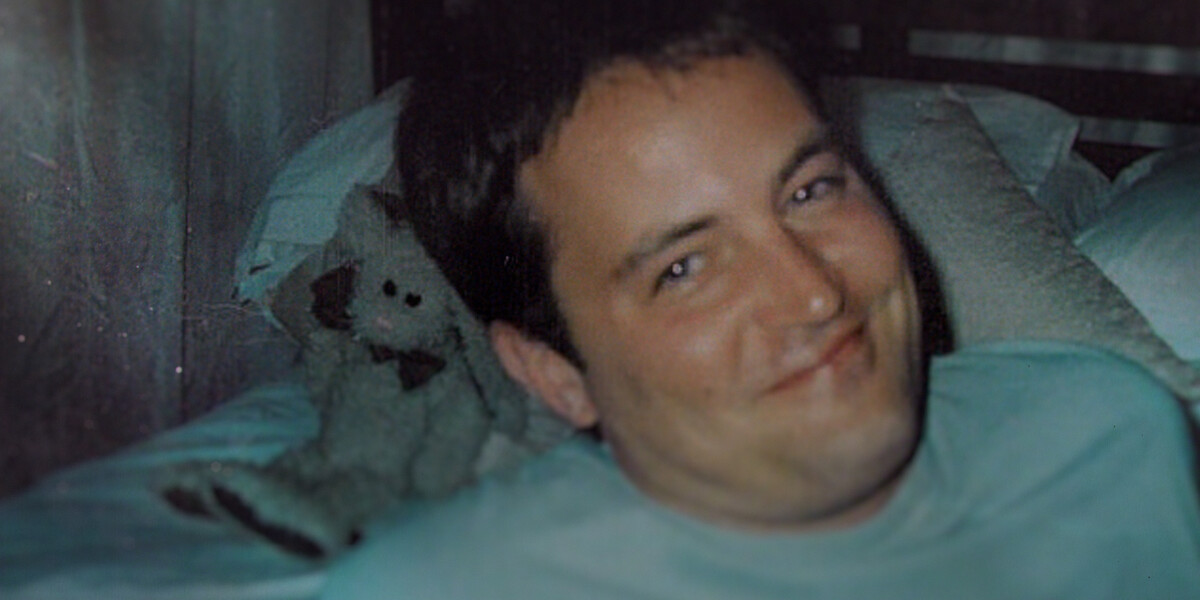
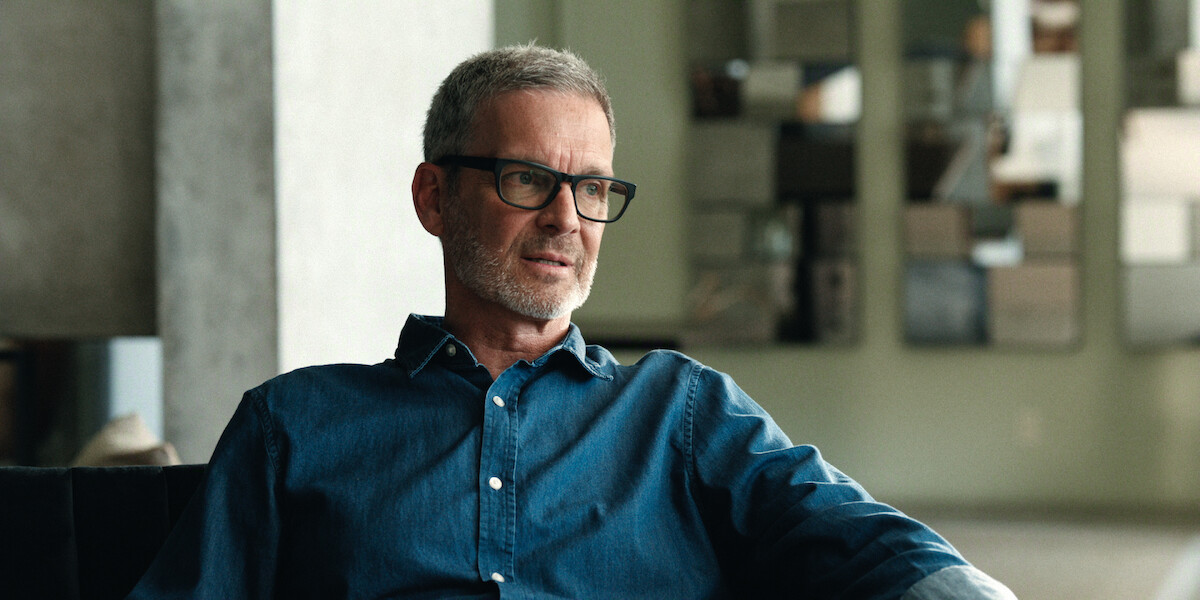
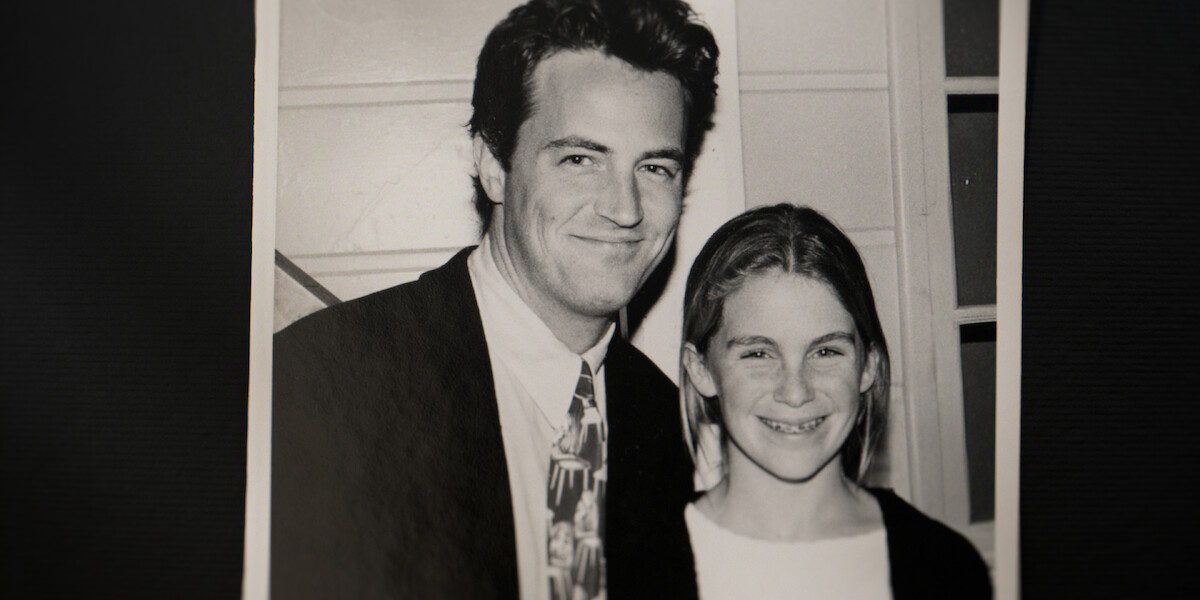
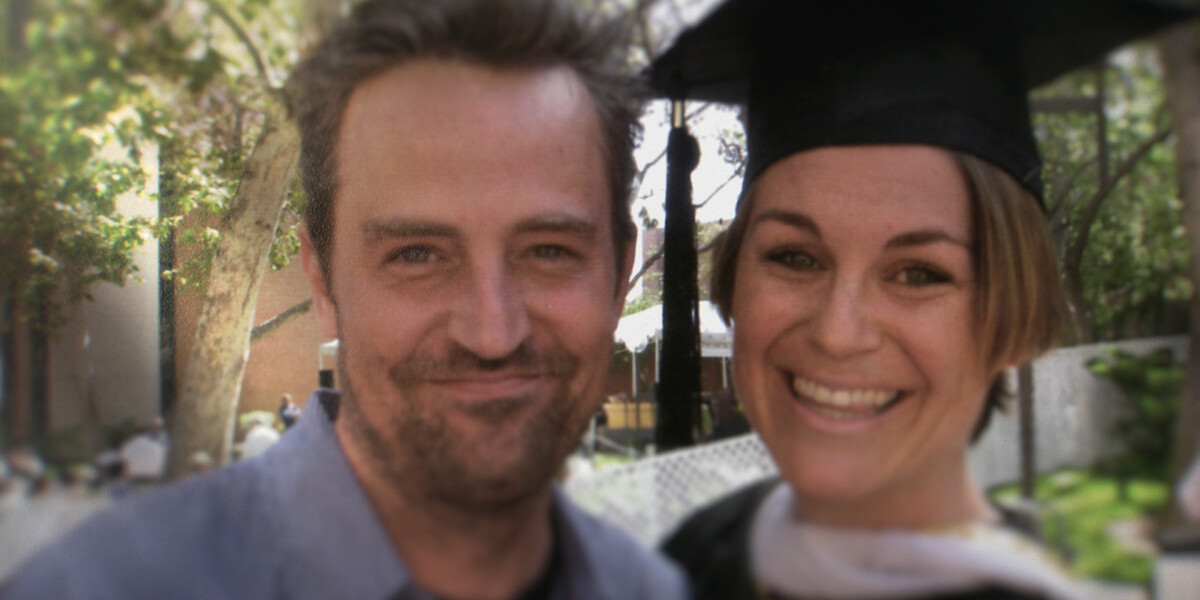
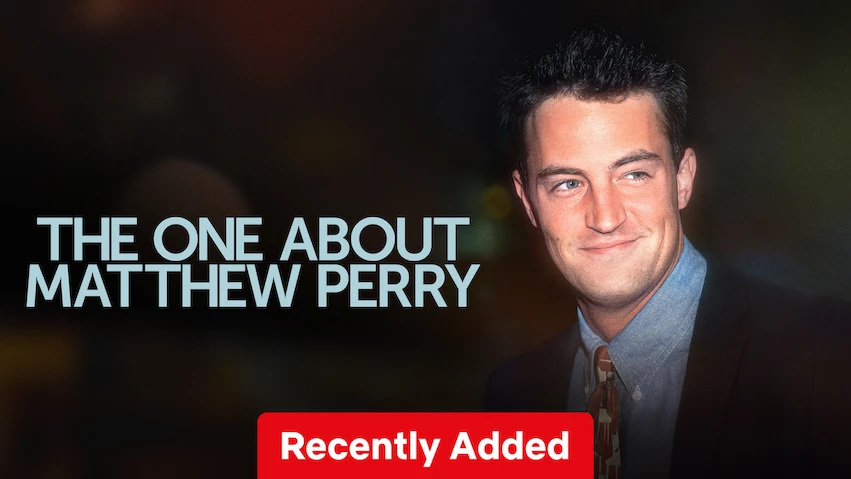
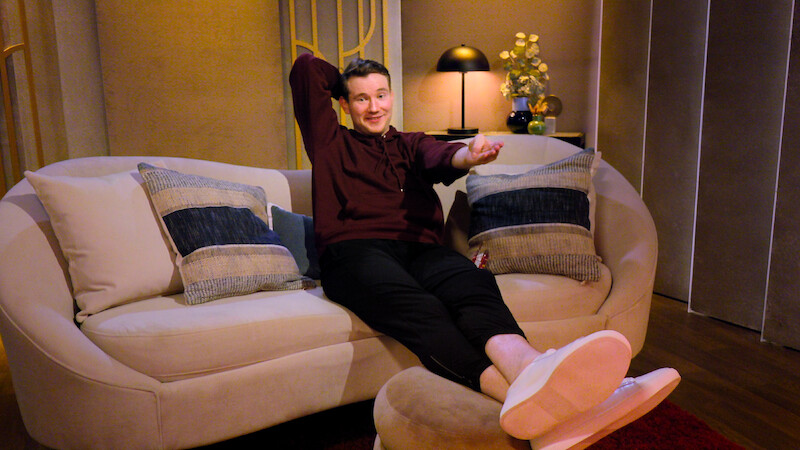
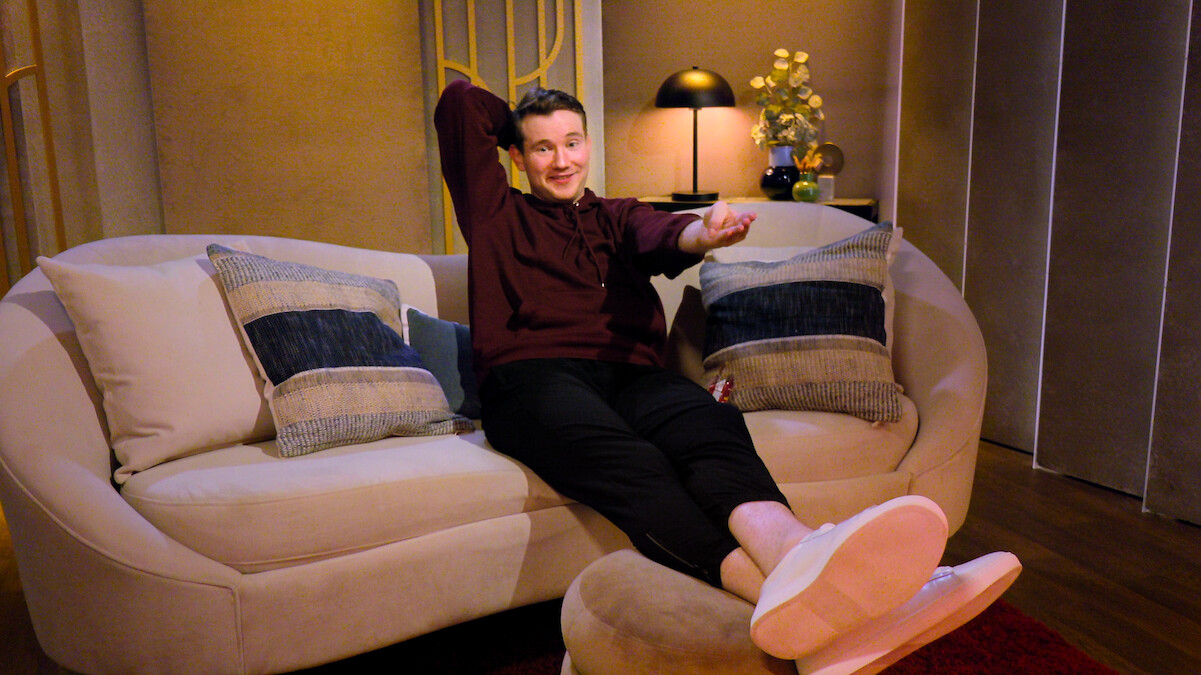
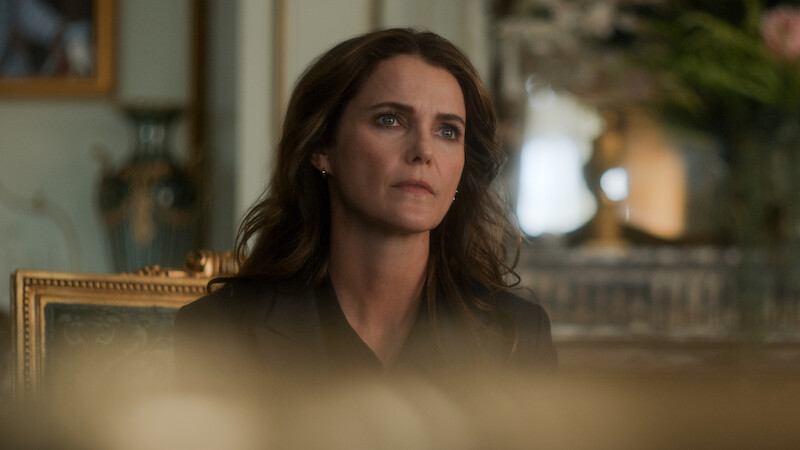
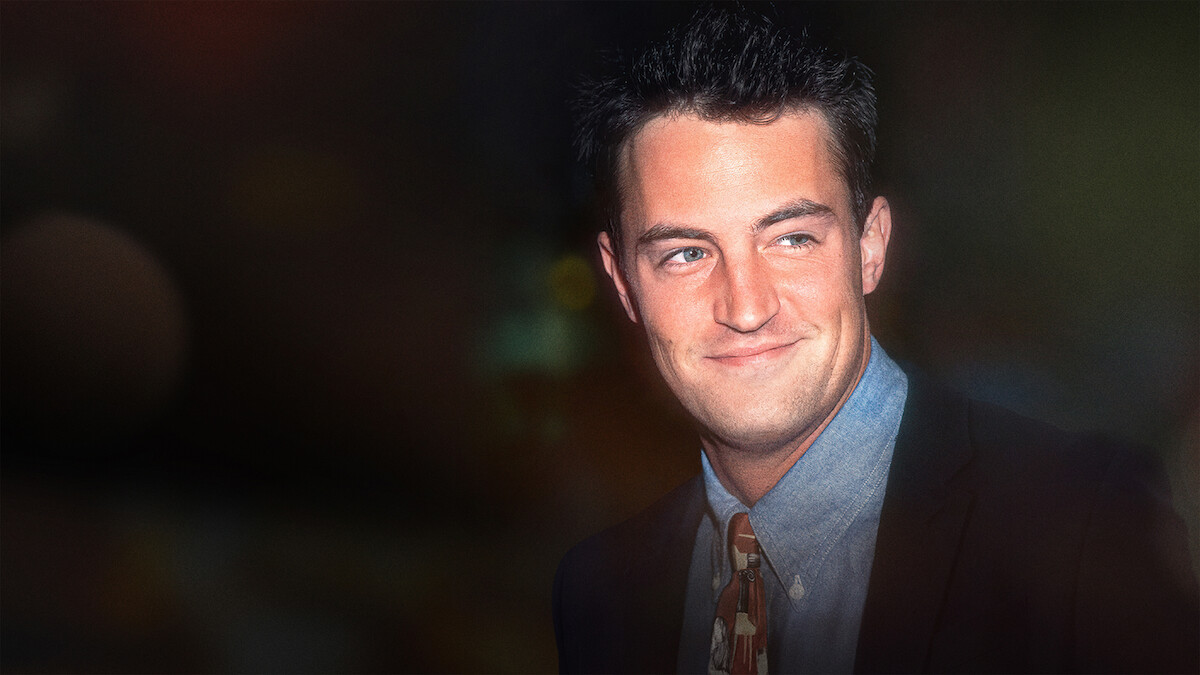
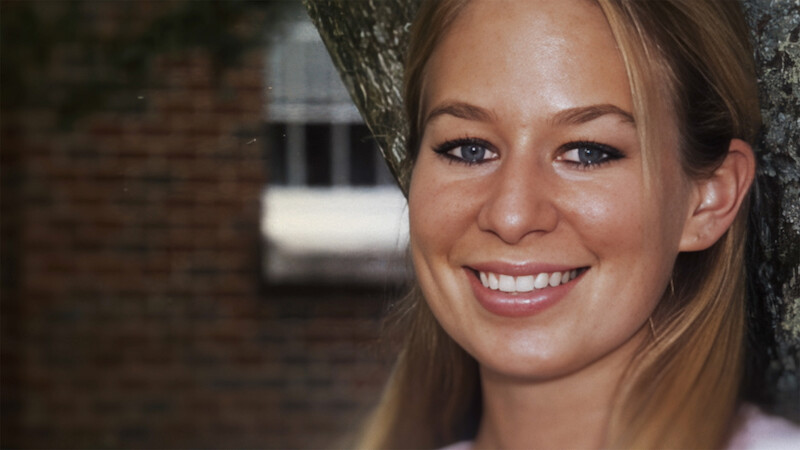
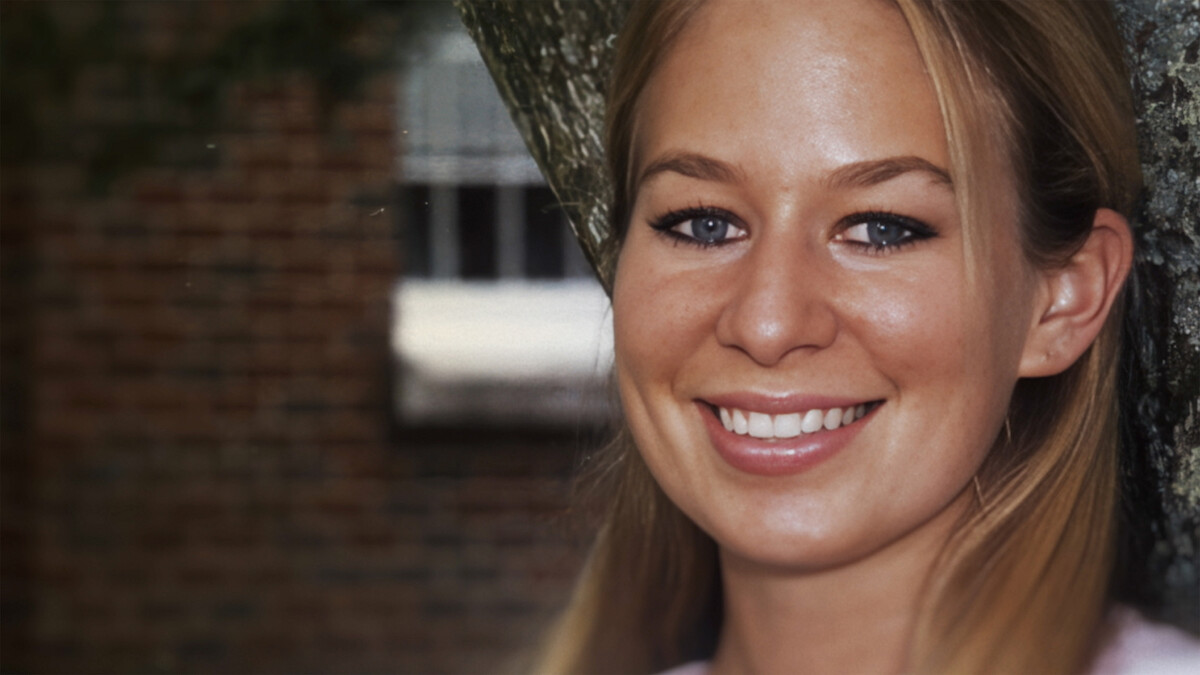
For 10 years, Chandler Bing was the TV friend who made millions laugh. Behind the character, though, actor Matthew Perry was a man who spent much of his life battling an addiction from which he refused to cower away. He was also, most importantly, a son, brother, and real-life friend adored by the people closest to him. The One About Matthew Perry, the first in-depth documentary about the actor, now streaming, tells his full story primarily through their words.
Directed by Emmy winner Mary Robertson, the three-part series moves from Perry’s rise to fame through his private struggles to the tragic circumstances of his death and, finally, the legacy he leaves behind.
“I felt this renewed commitment to honoring him, his voice, and the man behind Chandler Bing,” Robertson says.
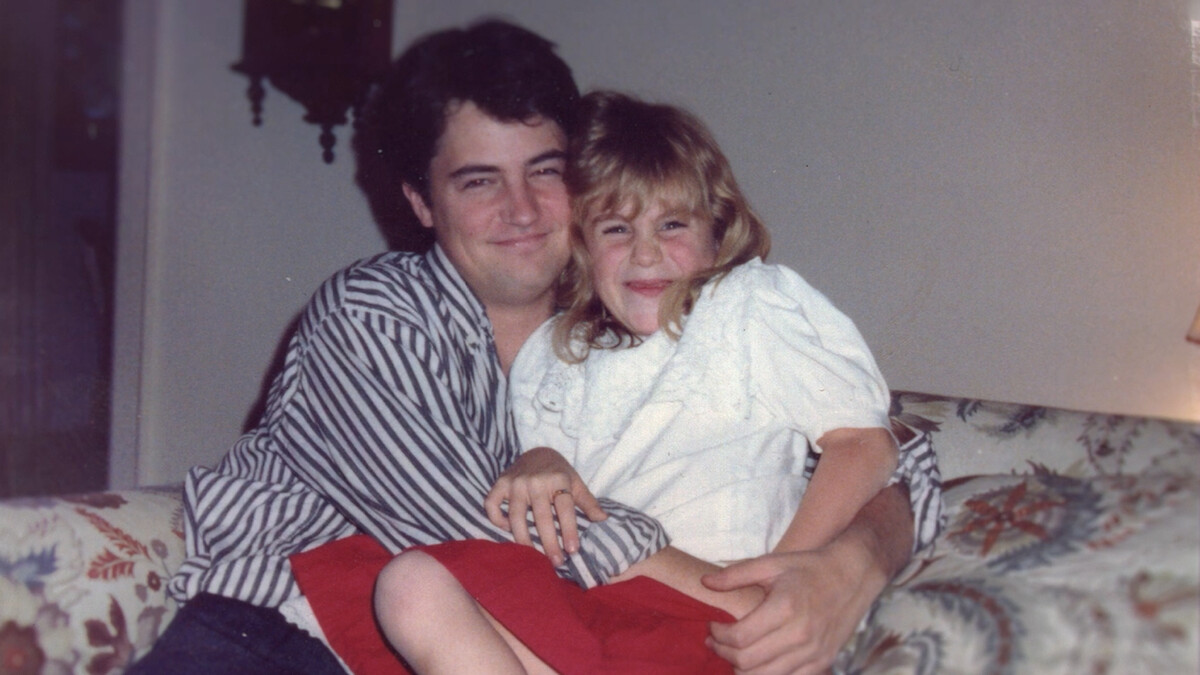
For Perry’s sister, Mia Perry Bowick — the series marks the first time she’s spoken about her brother on camera — the documentary is a portrait made up of equal parts joy and pain. “I’ve really learned how to hold gratitude and grief simultaneously,” she says. “That was overall encompassing of how I felt watching the doc.”
It’s Bowick’s voice, above all, that carries the series. “Mia was able to give voice to experiences that are hers and hers alone,” Robertson says, “but there’s clearly a universal aspect to these experiences” — ones she articulates, the director adds, “in a way that will provide insight and comfort to so many people who watch.”
Here are the 12 biggest revelations from The One About Matthew Perry, with further reflections from Robertson and Bowick.
1. Bruce Willis guest-starred on Friends because he lost a bet.
One of the documentary’s most charming asides reveals the story behind that famous Friends cameo. As explained by Jonathan Lynn, who directed Willis and Perry in the 2000 comedy The Whole Nine Yards, “Bruce had a bet with Matthew. Bruce believed the film would be a flop. Matthew bet that it would be a hit. If Bruce lost, he would make a guest appearance on Friends.” The film was, in fact, a hit — and the reason why fans saw a familiar face when they met Ross’s [David Schwimmer] girlfriend’s dad.
2. Chandler was a kind of mask — one Perry knew all too well.
In an audio interview featured in the documentary, Perry recounts how when he read the Friends script, he found the role of Chandler to be “something that was very similar to me and had my rhythms. It was about a guy who was sort of trying to distract everybody from how miserable he was all the time by being funny.”
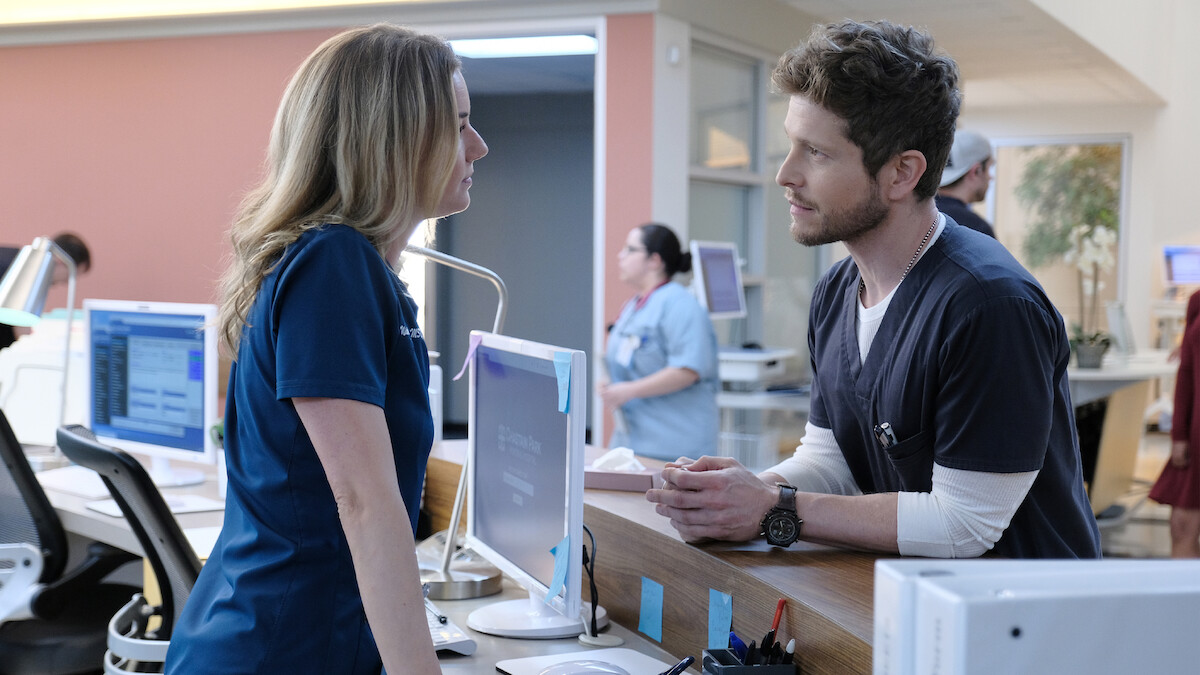
Robertson, like so many others, first became aware of Perry through Friends. “He was in my living room at the same time every week,” the director says. “He brought this warmth and vulnerability to the expression of that character that was uniquely his, also this incredible physical comedy and this incredible sense of timing.”
3. His drug addiction began with an on-set injury.
The series traces the origins of Perry’s dependence on painkillers to an on-set injury during the making of 1997’s Fools Rush In, in which he had his first starring role. During a lunch break on location at Lake Mead, “Matthew got permission to get on a Jet Ski and flung himself in the air and hurt himself,” the film’s producer, Doug Draizin, says in the documentary.
“I had no idea what was going on,” Perry says in an audio clip. “The doctor gave me a pill in a package and said, ‘Take this when you’re done shooting.’ I did and then I felt this incredible euphoria. So why wouldn’t I take more?”
“Who knows what would have happened if that accident didn’t happen,” Draizin says.
4. Chandler and Monica’s wedding was filmed while Perry was in and out of rehab.
One of the series’ quietest gut-punches comes when it reveals Chandler and Monica’s (Courteney Cox) Season 7 wedding was shot while Perry was moving in and out of treatment. In the documentary, Bowick says that both sides of Perry’s family came to watch the taping, and the event took on much greater significance given her brother’s health — and the conviction with which he delivered his lines. Bowick says, “The unspoken truth that we all were sitting with in some way or another, was, ‘Is this his wedding?’” She continues: “When Matthew said his vows to her, the emotion in his eyes and everything was so real.”
5. A song by Train scored his mornings in recovery.
The documentary captures the small, sustaining rituals of Perry’s journey. Tim Harrington, who met Perry at a recovery meeting in 2001, recalls in the series, “We’d go every morning at 7:30 to West Hollywood to the Log Cabin, a famous AA meeting … and we would play ‘Drops of Jupiter’ by Train.”
6. At the height of his fame, Perry opened up his home to a friend on the verge of relapse.
Harrington — the same friend from those early morning meetings — says he once called Perry when he was about to relapse and preparing to live out of his car. Perry wouldn’t allow it. “Matthew’s like, ‘No, you’re not.’ And he’s like, ‘You can go get your stuff, but you’re moving in with me,’” Harrington says in the documentary. “He saved my life right there in my moment. I believe that.”
“Matthew helped so many people who were in recovery, both through his public-facing and private actions,” Robertson says. “I'm so lucky that his once-upon-a-time really close friend Tim Harrington chose to participate in the documentary.”
7. In 2018, a ruptured colon nearly killed him — and made his sister his power of attorney.
The series details the 2018 crisis that left Perry in a coma with a ruptured colon and sepsis, placed on an extracorporeal membrane oxygenation (ECMO) machine. In interview footage featured in the documentary, Perry himself recalls how close he came to death: “I was given a 2% chance to survive the night. … They put you on an ECMO machine when it’s a Hail Mary, and five people were on ECMO that night, and the other four died — and I somehow made it.”
The ordeal came surreally close to home for Bowick, who says in the series, “This is the exact same ICU that I had just checked out of after giving birth about six weeks earlier.” With her brother’s life hanging in the balance, Bowick was named Perry’s power of attorney. “In some ways, I was really honored to get to be the person to make these sorts of choices for my brother,” she says. “But I also felt this really intense anxiety and pressure, and…[was] barely functioning.”
8. A Batman action figure revealed his lifelong love of the masked hero.
When Perry was wheeled out of the ICU, his sister found a Batman action figure under his bed. “He was absolutely obsessed with Batman from a very young age,” Bowick says in the documentary, adding that her brother kept “an amazing collection of Batman paraphernalia.”
Bowick tells Tudum she believes the action figure had been brought along by Perry’s assistant. But the Batman figure had a way of mysteriously accompanying Perry all over the hospital. “I don't understand how it got from the ER to the surgery and then back over to the ICU,” she says. Eventually, it became a kind of traveling talisman during his recovery. “It remained in his hospital room going forward, and then it was in his home after that,” she says.
9. After the Friends reunion, Perry’s sister began to see his disease “as a terminal illness.”
A single line in the series marks a profound shift. Following the 2021 Friends reunion taping, Bowick says she “started, unfortunately, thinking of his disease as a terminal illness.” She explains the hard-won wisdom behind it to Tudum: “You can’t love someone and control them at the same time. So as soon as I really learned to let go of feeling like it was my responsibility to keep him alive, I was able to be in so much more authentic connection and love with him — and, luckily, that was the last few years of his life.”
10. His memoir represented the mountain he’d spent his life climbing.
When Perry's 2022 book Friends, Lovers, and the Big Terrible Thing: A Memoir became a bestseller, those closest to him saw a man at peace. “He was the happiest we’d really ever seen him,” Bowick says in the documentary. The memoir amounted to “accomplishing his life’s work. He had been trying to scale a mountain for his entire life,” she says, picturing Perry looking out “over all of the hard work and all of the roughness and everything that he had been through” — and realizing “he’d actually made it to the top of that mountain.”
Robertson says she read Perry’s memoir in a single sitting. “I swallowed it in one gulp,” she says, calling it “more candid than any memoir that had been penned by someone who grappled with addiction that I’d ever read. It was relentlessly funny, deeply searing and harrowing.”
11. Perry’s death “wasn’t just tragic, it was criminal.”
When Perry was found dead in a hot tub in his Los Angeles home on Oct. 28, 2023, those closest to him at first assumed the worst had come naturally. “The story that most of us were thinking had happened was that he’d had a heart attack while sitting in his jacuzzi,” Bowick says in the documentary. “But we were all waiting on an autopsy report.”
That report found that the 54-year-old Perry had died from the acute effects of ketamine. The series treats his passing with restraint and care. “It's important to share what is understood about the circumstances around Matthew’s passing,” Robertson says.
Part 3 of the series turns from grief to accountability, following the federal investigation into the people who supplied the ketamine that killed Perry — “a broad underground criminal network,” in the words of E. Martin Estrada, the former US attorney who brought the case.
As seen in the documentary, Perry first sought a new supply of the drug, which he had begun using recreationally after initially being prescribed it clinically, from Drs. Salvador Plasencia and Mark Chavez. Then, Estrada says in the documentary, a woman named Jasveen Sangha “cultivated this glamorous persona as this ketamine queen” and sold “the dosage of ketamine that ultimately resulted in the death of Mr. Perry” through an intermediary, Erik Fleming; meanwhile, Kenny Iwamasa, Perry’s live-in assistant, “at times was the conduit for obtaining ketamine, at other times was the person who actually administered it,” Estrada says in the series.
In 2025, Plasencia was sentenced to two and a half years in federal prison and Mark Chavez to eight months of home detention; both surrendered their medical licenses. In early 2026, Erik Fleming was sentenced to two years in prison and Sangha to 15 years in federal prison; and in May 2026, Iwamasa was handed a prison sentence of three years and five months.
He was always one of my main confidants, and he still is.
Mia Perry Bowick, Matthew Perry’s sister
Bowick chose to attend the court proceedings, saying in the series she felt “some kind of catharsis, release, redemption … something came off of my chest that had been lingering there … since he had died.” She tells Tudum, “It didn’t feel like I could even start to process the added complication of the trials until they were all complete. … [T]hat process just got started in the last few months. So I’m certainly still knee-deep in it, but on the right path.”
12. The documentary ends on Perry’s favorite song, which his sister says helps her feel his presence.
The series closes with Bowick describing Perry’s favorite song, “Rainbow Connection” which was performed by Jim Henson as Kermit the Frog in The Muppet Movie. After a pause, Robertson cuts in to say, “He feels very present.” “Everybody say, ‘Hi, Matty,’” Bowick replies, holding back tears.
Earlier, she describes feeling Matthew’s posthumous presence for the first time at his own burial — the sensation of him leaning over her shoulder to crack, “How fucked up is this?” She says that his presence has stayed close ever since.
“Over the summer, a close family member was also dealing with a terminal illness, and I found myself going outside and sitting and talking to Matthew every single night about what I was going through with my loved one who was in hospice,” she tells Tudum. “The best way I can explain it is that I feel the same way I would feel if he was actually physically sitting with me. I feel warm, supported, loved, contained. He was always one of my main confidants, and he still is.”