Before they were Marines fighting in the Pacific Theater, John McLaughry, Bob Bauman, Tony Butkovich, and Dave Schreiner were college football stars with bright futures whose lives revolved around their teammates, families, and packed stadiums.
Then came the attacks on Pearl Harbor in 1941.
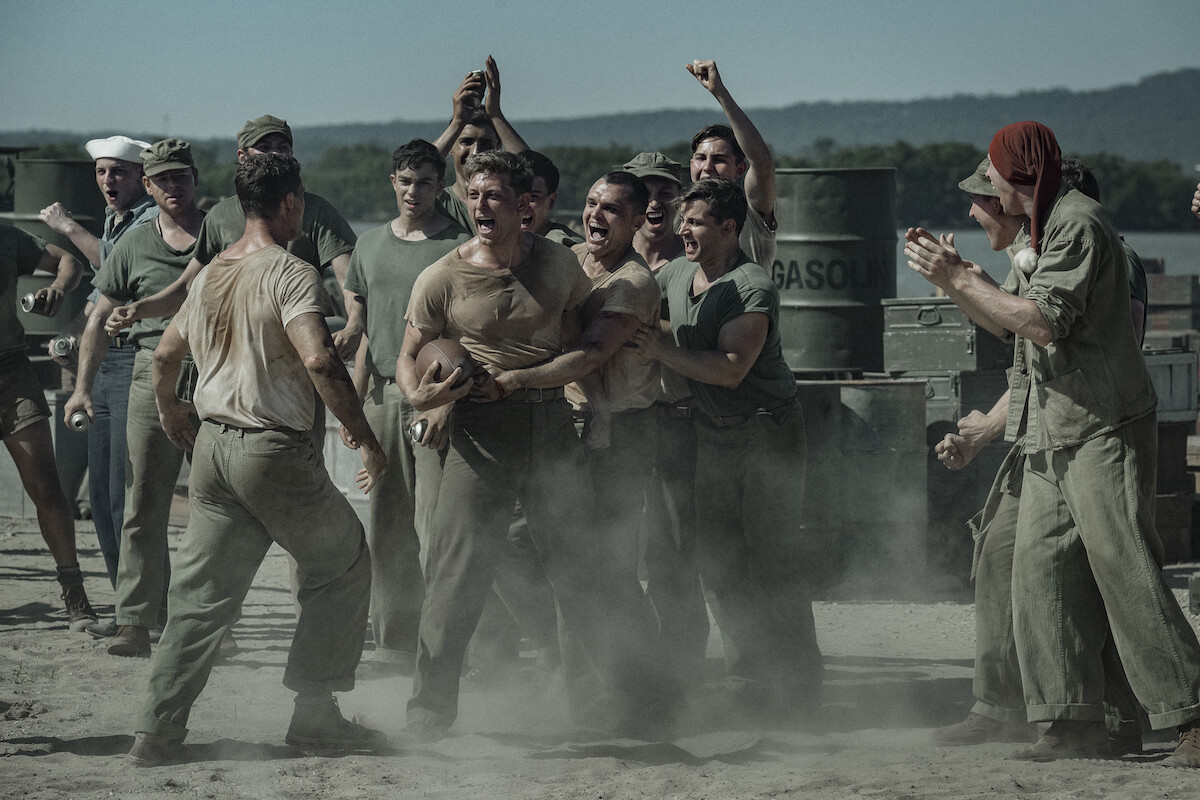
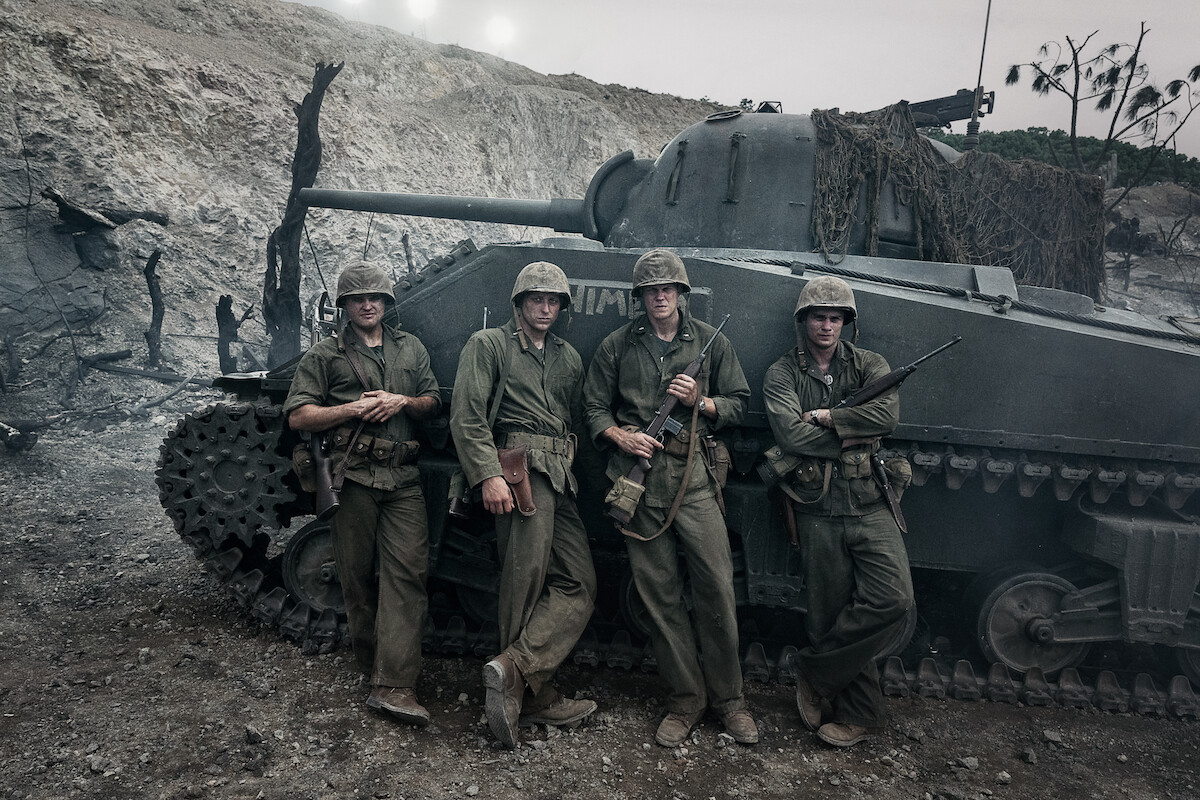
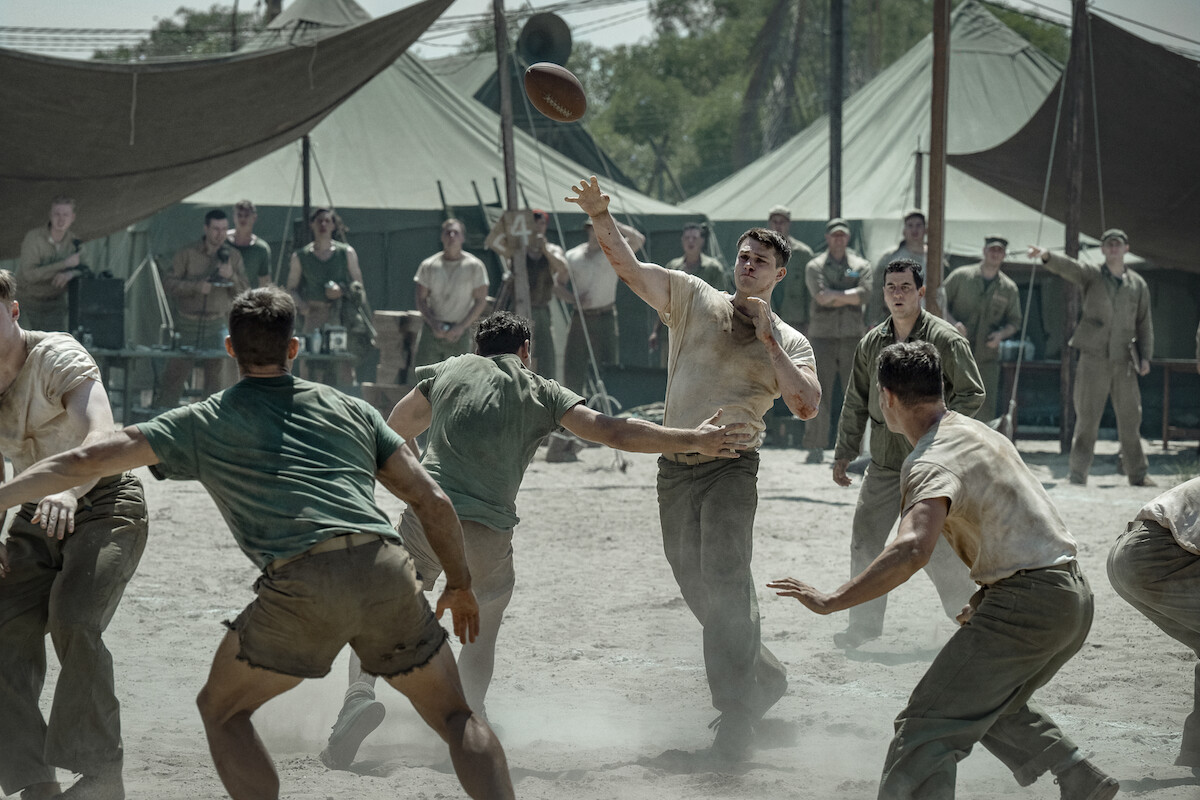
Like millions of young Americans of their generation, the four put their dreams on hold and entered a war that reshaped the world. But amid their journey from college campuses to some of the bloodiest combat of World War II was an incredible, little-known interlude: a football game played by Marines on the island of Guadalcanal, featuring a roster of college standouts.
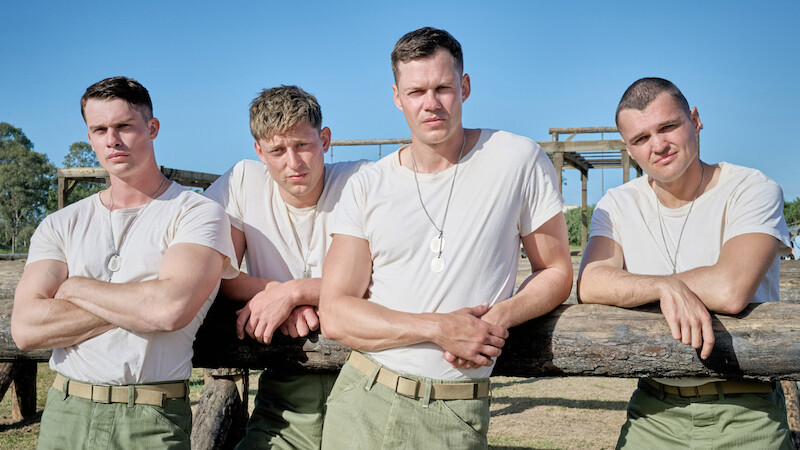
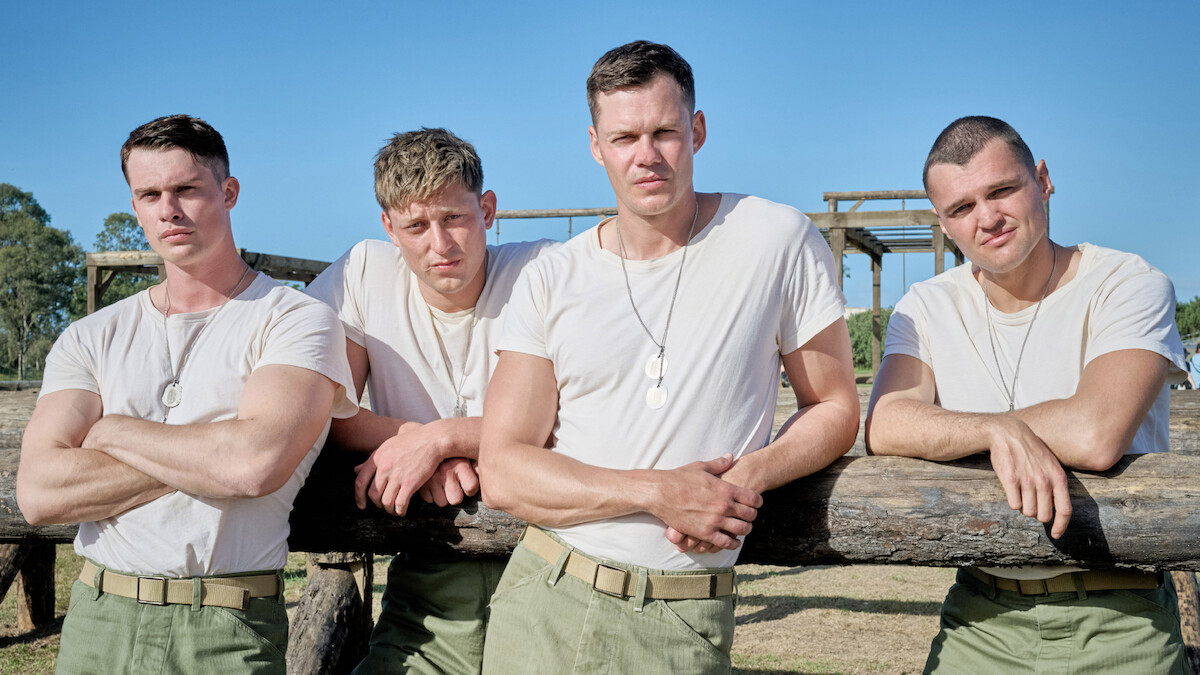
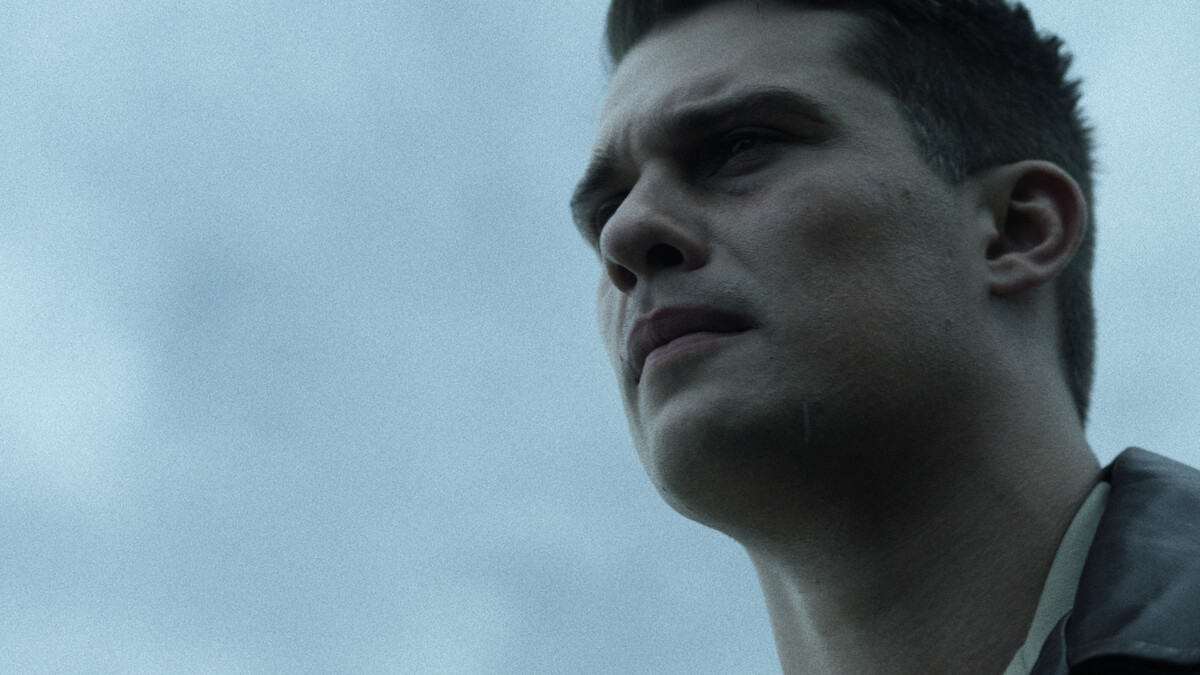
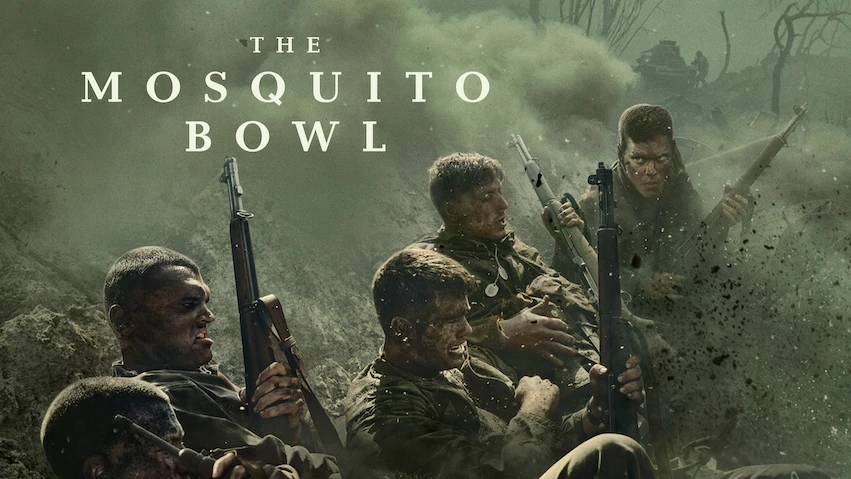
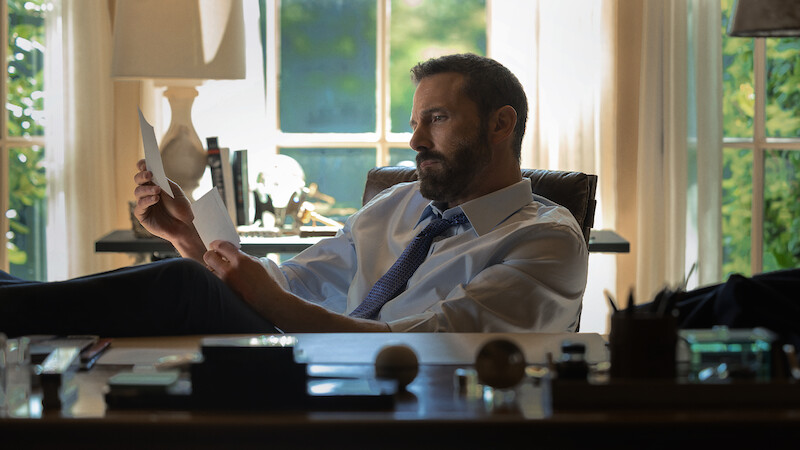
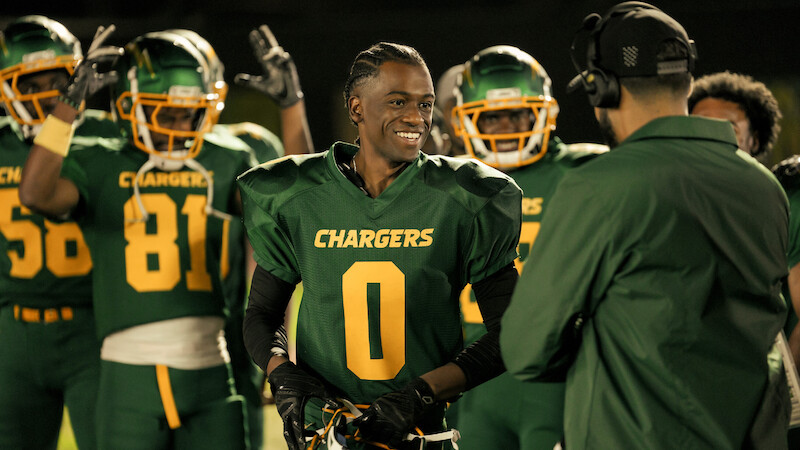
The game became known as the Mosquito Bowl. Best-selling author Buzz Bissinger chronicled their story in his nonfiction book The Mosquito Bowl: A Game of Life and Death in World War II, which in turn inspired Peter Berg’s upcoming film, starring Nicholas Galitzine as McLaughry, Bill Skarsgård as Bauman, Ray Nicholson as Butkovich, and Tom Francis as Schreiner. For the men who played in the match-up, the afternoon gave them an all-too-brief chance to recover the identities they’d sacrificed before the war.
“This is a film about young men who were sports heroes at home and became war heroes on the shores of the Pacific,” says Berg. “They were athletes, sons, teammates, and rivals; brothers, friends, and husbands who laughed together, competed together, and dreamed together about a future that war interrupted. I wanted to tell their story through that lens, so the audience could stand where they stood: unprepared, unknowing, and asked to face it anyway.”
Here’s the inspiring and devastating true story behind The Mosquito Bowl, releasing in theaters Oct. 30 and streaming on Netflix Nov. 25.
What was the Mosquito Bowl?
Bissinger stumbled across the story almost by chance while researching another project. “It was completely by accident,” he says. “First of all, the idea of a football game on the island of Guadalcanal during the Pacific theater blew me away.”
While doing preliminary research, Bissinger discovered a personal connection to the subjects — Bissinger’s father, who never spoke of his time fighting in Okinawa, was a Marine serving in the 4th Regiment, which played in the game. “He probably knew some of these guys,” says Bissinger. “That’s what put me over the top. It wasn’t the impetus, but as I wrote the book, I thought about my father constantly.”
Among the Marines stationed on Guadalcanal were enough accomplished former players to form an all-star lineup of football talent. The two participating regiments already had a rivalry, Bissinger says, and each was convinced it had the superior team. The resulting game featured three All-Americans, seven former college captains, and players who had competed at schools across the country.
But the significance of the Mosquito Bowl goes beyond the unlikely concentration of star players. These Marines had already left behind the familiar world of college athletics and encountered the realities of military service in the Pacific. The game allowed them, however briefly, to return to something that made sense to them.
Berg says, “It wasn’t a big grand moment. It was a moment where they were able to not just reconnect with their identity but also experience joy for one last moment, which is something that the game provided not just for them but for all the Marines who were watching or listening.”
Soon afterward, that respite was over, and the Marines returned to war. “For this one brief moment, these boys got to be boys again,” says Berg. “They got to laugh and smile and be human.”
Who were the real-life men at the center of The Mosquito Bowl?
Bissinger’s book tells the story of many of the Marines who participated in the Mosquito Bowl, but four emerged as central figures in his reporting: John McLaughry, Bob Bauman, Tony Butkovich, and Dave Schreiner.
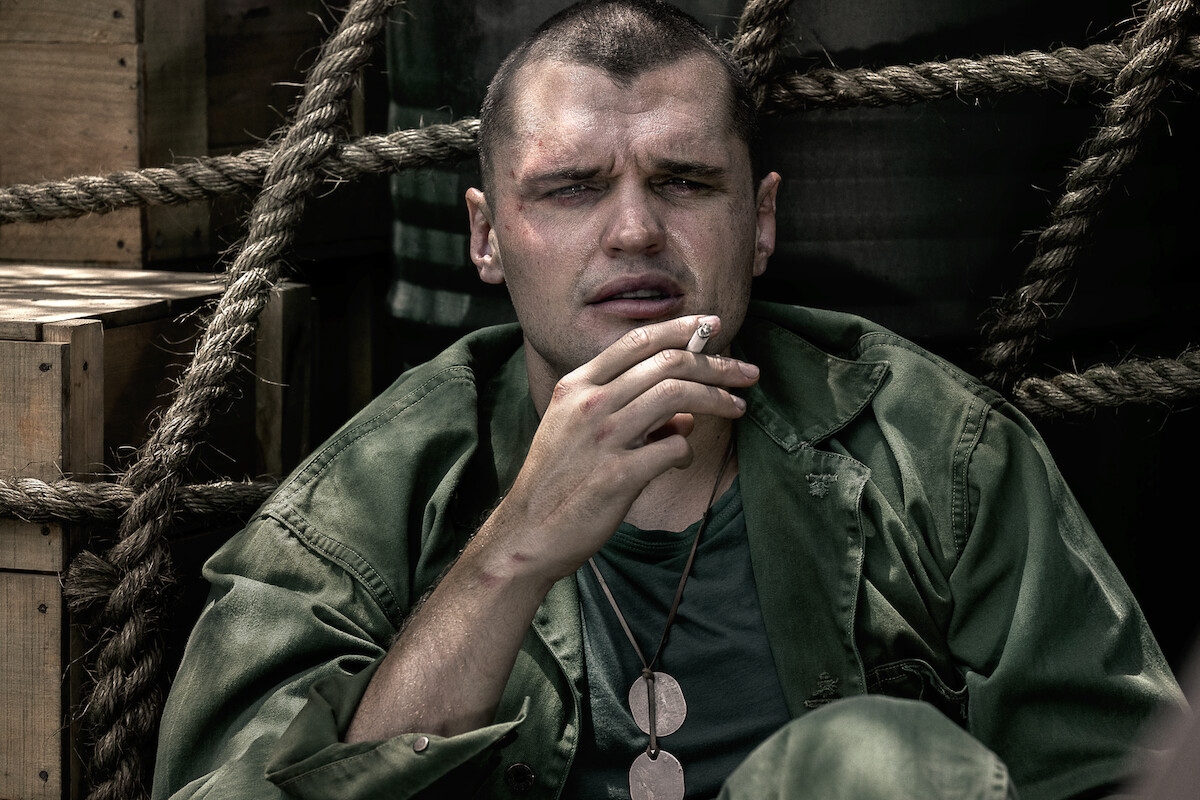
Ray Nicholson as Tony Butkovich
Butkovich was a gifted football player from a large first-generation American family. His parents had seven children, and three went to college — something that particularly struck Bissinger as he researched him. “He was just a big kid and a great football player,” Bissinger says. “He was tough.”
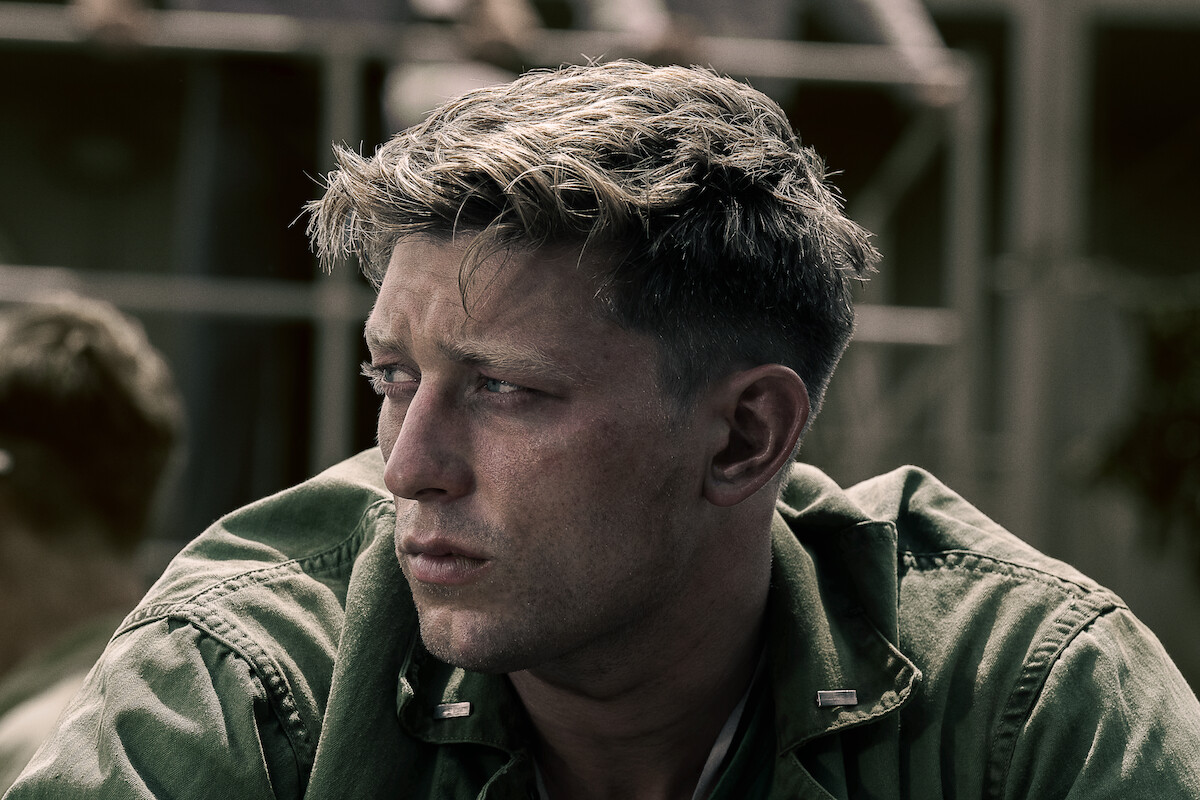
Tom Francis as Dave Schreiner
Schreiner, an All-American at Wisconsin, revealed himself vividly through the letters he left behind. Bissinger found a young man who was humble, self-critical, and deeply connected to the people he loved back home. The surviving correspondence included not only Schreiner’s words, but letters from his fiancée, Odette Hendrickson.
“I saw an incredible humility in him,” Bissinger says. “He was really, really hard on himself and almost shy.”
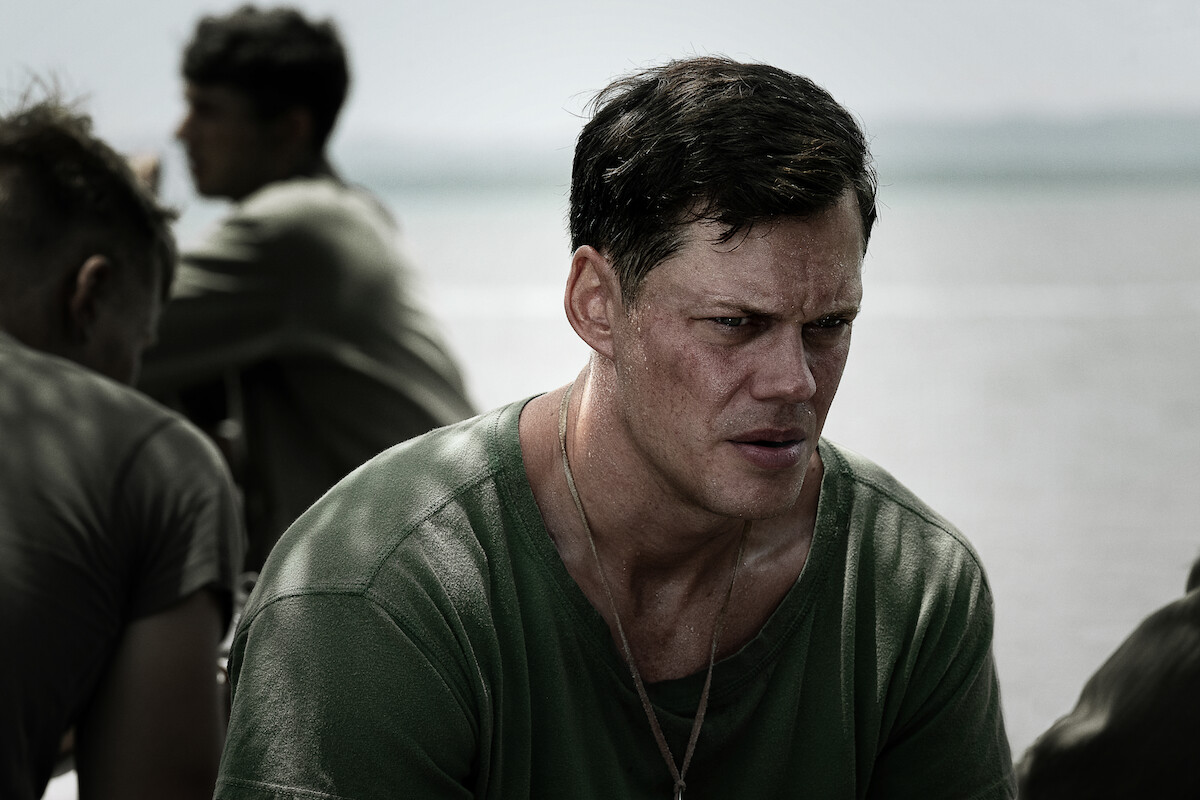
Bill Skarsgård as Bob Bauman
Bauman, Schreiner’s best friend, had a different energy. Bissinger describes him as more easygoing and “devil-may-care,” someone who tried to bring his tightly wound friend out of his shell.

Nicholas Galitzine as John McLaughry
And McLaughry was a figure Bissinger came to see as a natural leader. The son of a well-known football coach, he was also a gifted painter — a discovery that surprised Bissinger as he dug into an unusually extensive family archive. McLaughry’s relatives had preserved letters dating all the way back to his childhood.
“He was really the steady force,” Bissinger says. “I think he was the one you looked up to. He wasn’t a hot dog. He was a great leader because he listened and he did not take unnecessary risks.”
In the course of Bissinger’s research, the four became more to the author than names in military records. “These men are very, very dear to me,” he says. “They were kids.”
How did Buzz Bissinger bring the story together?
By the time Bissinger began reporting The Mosquito Bowl, nearly everyone who could have given a firsthand account had died, which made writing the book, in his words, “a detective story.” He says, “Bit by bit, you uncover a layer here, a layer there.”
He began with names and military records, then searched for descendants and surviving family archives. Had relatives kept letters? Photographs? Diaries? Would they speak with him? For about six months, Bissinger investigated before deciding there was enough surviving material to bring several players to the page.
Some crucial breakthroughs in his research helped bring the story to life: Schreiner’s papers had been preserved by the Wisconsin Historical Society; McLaughry’s family had kept a rich archive; Bauman’s niece helped Bissinger learn more about him. Butkovich, on the other hand, left behind much less. Bissinger pieced his life together largely through public records and an interview with a cousin who was still living at the time.
The letters became especially important because they captured ordinary lives, not necessarily grand moments in history. “They’re poignant. They’re simple,” Bissinger says. “You get the idea of these men just pining for home.”
And those documents reflected a disillusionment between the adventure many young men imagined when they went overseas to fight and the tragic reality they encountered once they reached the battlefield.
“The Mosquito Bowl honors the humanity of those who fought, mourns those who never came home, and reminds us of the true cost of war,” Berg says.
The Mosquito Bowl will be in select theaters Oct. 30 and streams on Netflix Nov. 25.