Some people might mention a cartoon or musical when recalling their favorite childhood movies. That’s not the case for The Midnight Club co-creator and executive producer Leah Fong.
“I just remember watching Total Recall and Terminator when I was really young, and I loved those movies so much,” she tells Tudum. “My parents never restricted me from watching things.” With the remote in her hands, Fong found comfort in the world of entertainment — and she hopes her new series with Mike Flanagan becomes a safe space for young viewers too.
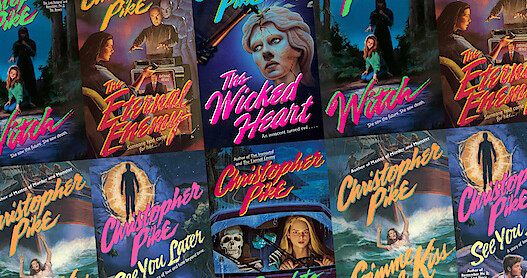
This isn’t the first time Fong’s worked with Flanagan. As writer/producers on The Haunting of Bly Manor, the creative duo bonded over their shared love for author Christopher Pike. “He’d always wanted to adapt The Midnight Club, and I have this list of things that I wanted to adapt since I was a kid and one of them was Remember Me,” she says.
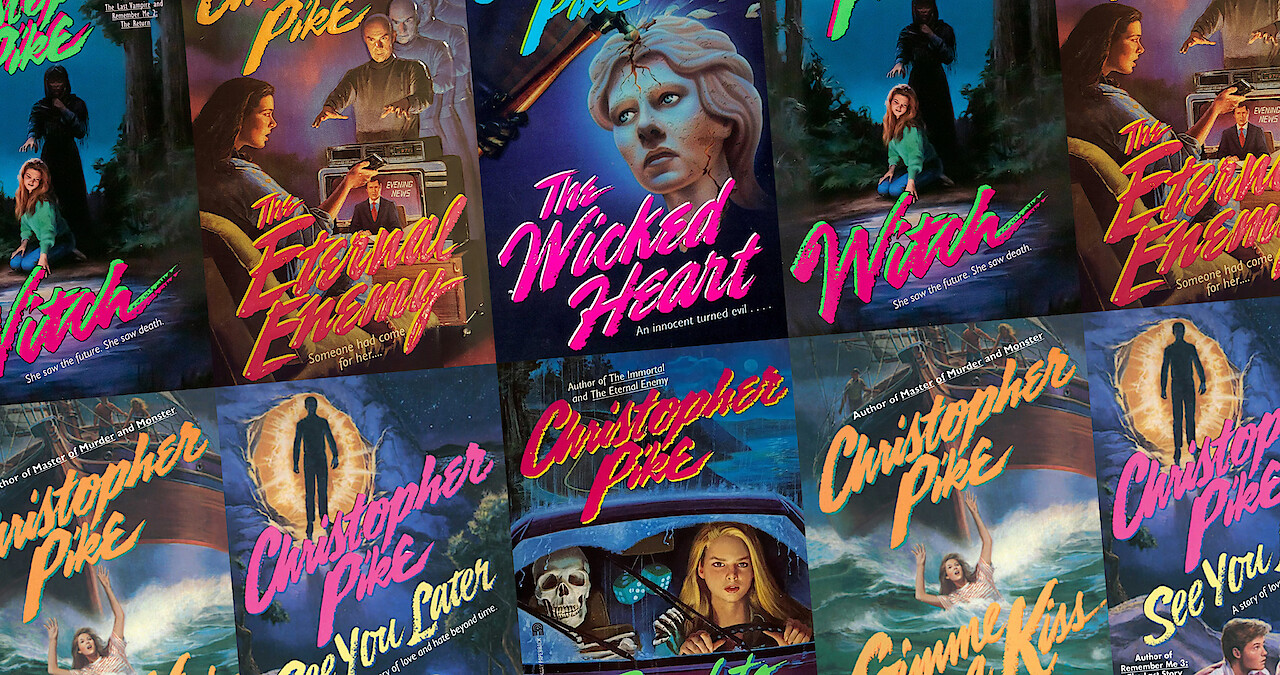
While the titular book serves as the basis of the show, many of the characters and their stories are based on Pike’s other novels, such as The Wicked Heart, Gimme a Kiss, Witch, See You Later, Road to Nowhere and The Eternal Enemy.
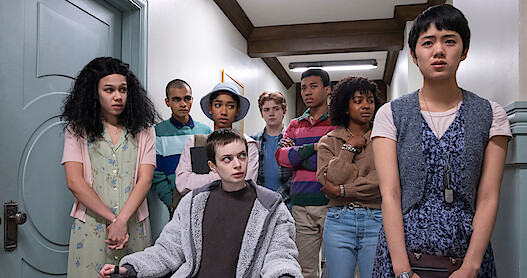
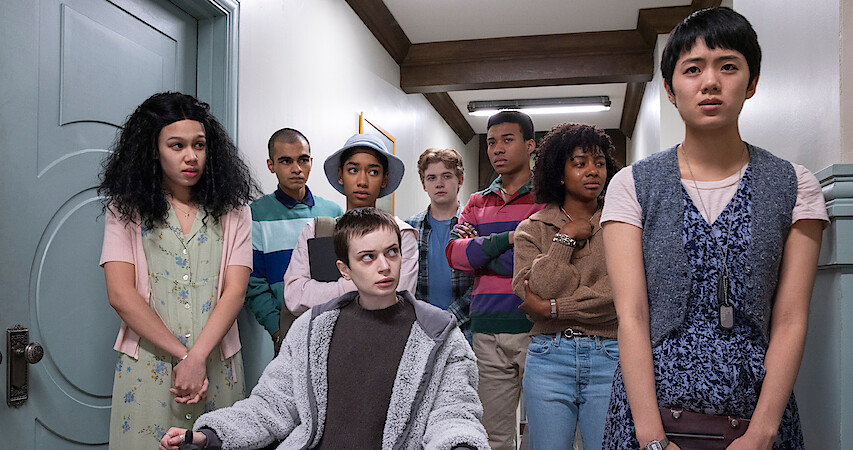
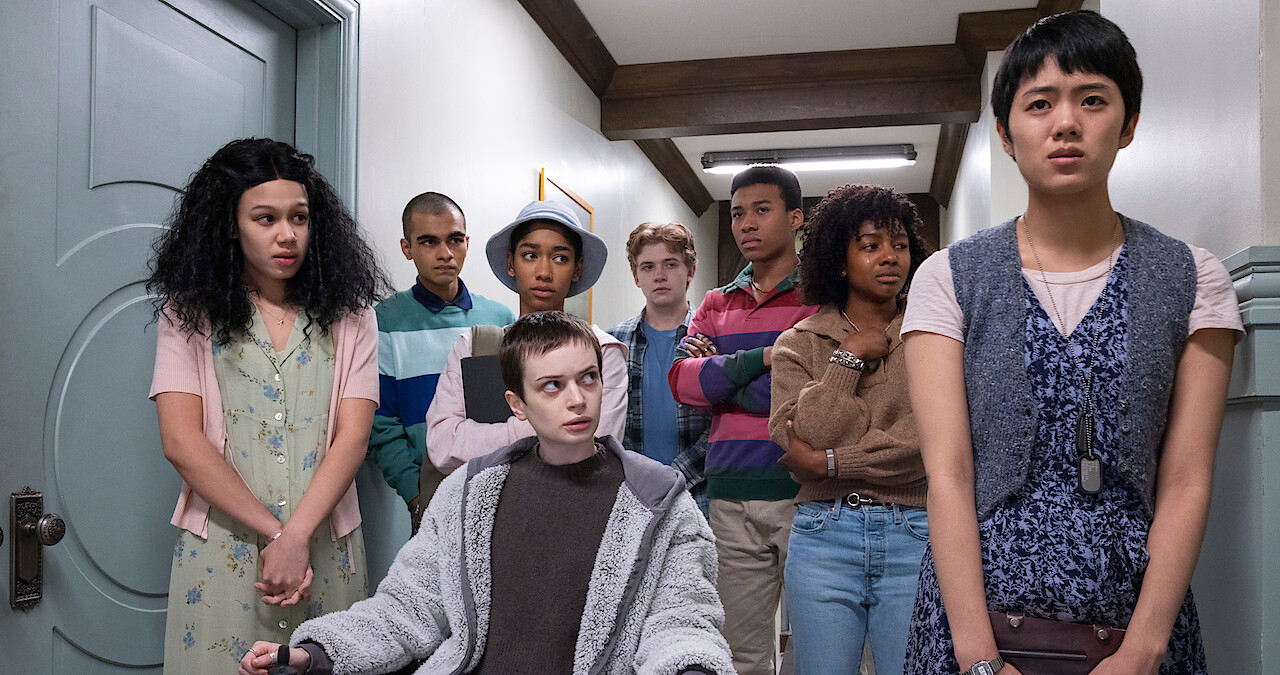
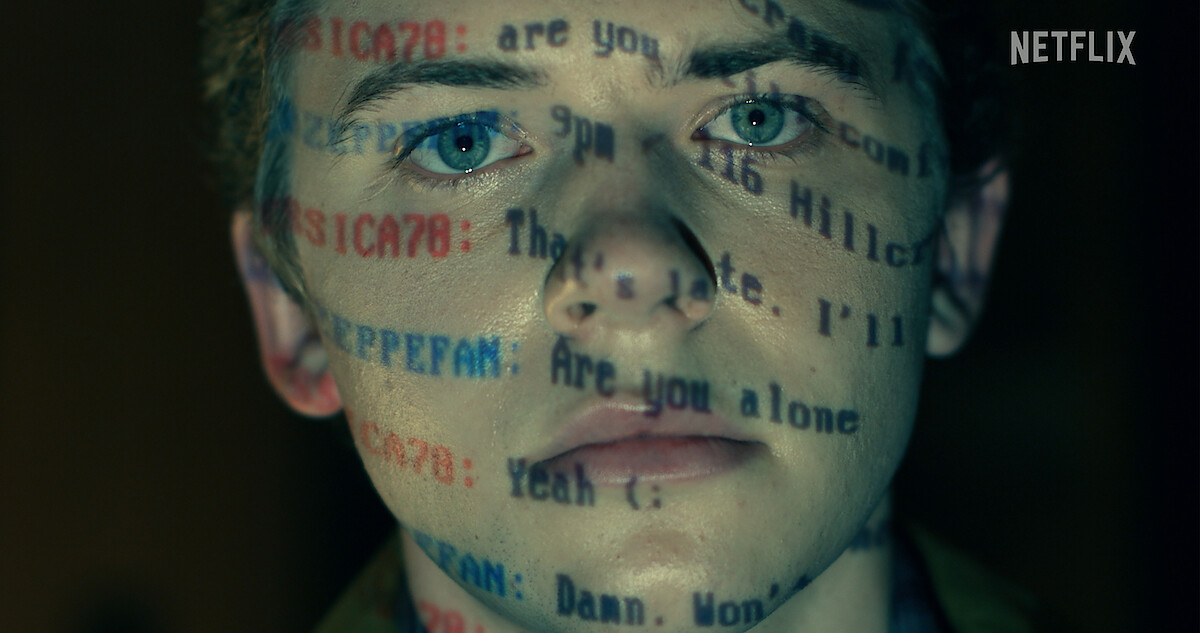
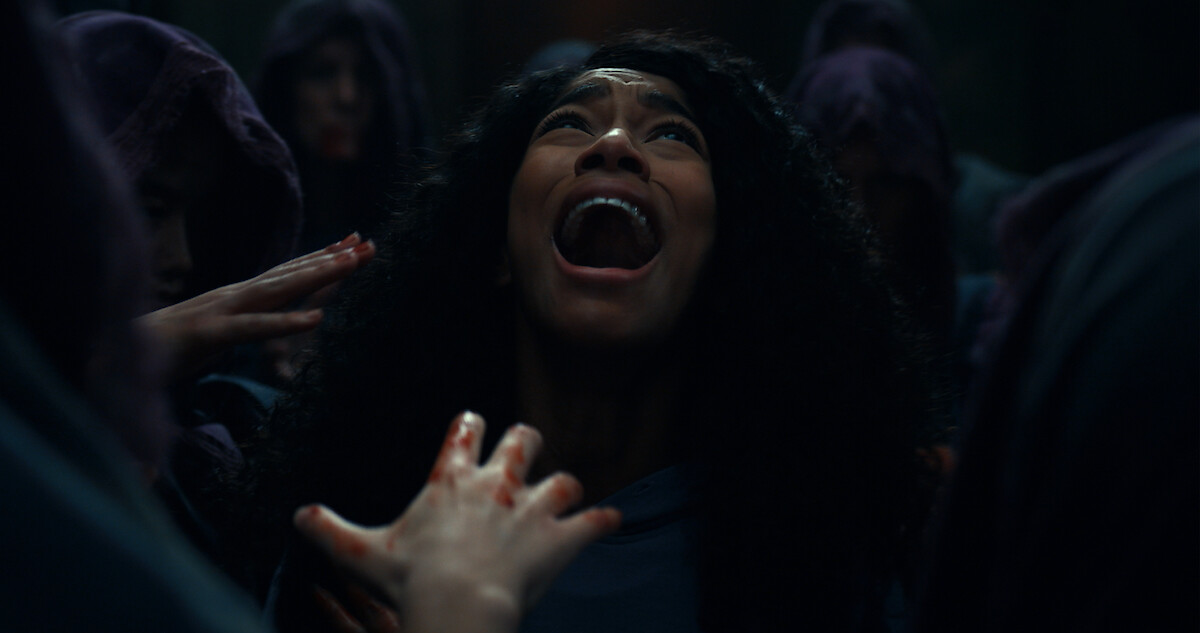
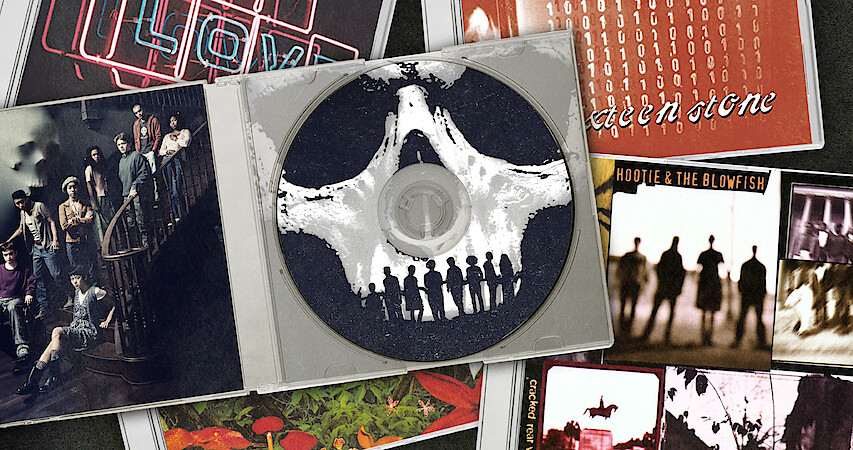
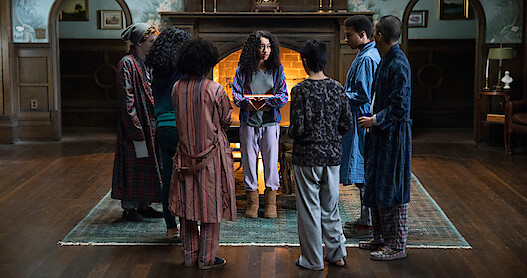
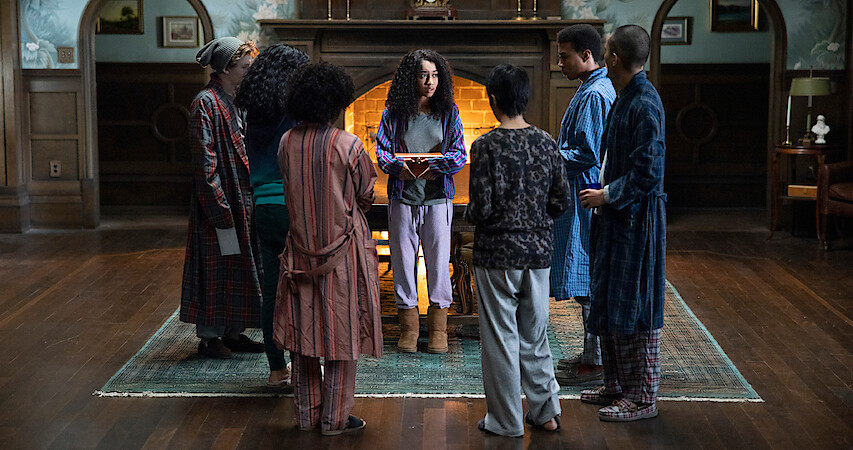
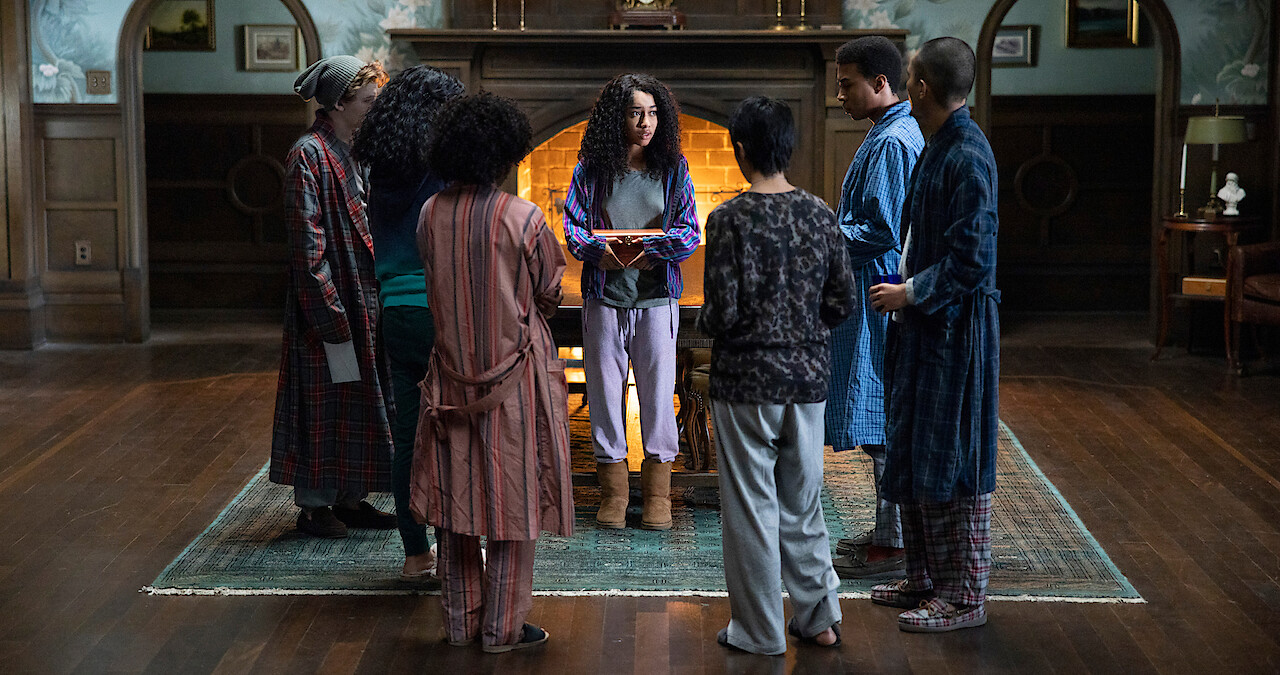
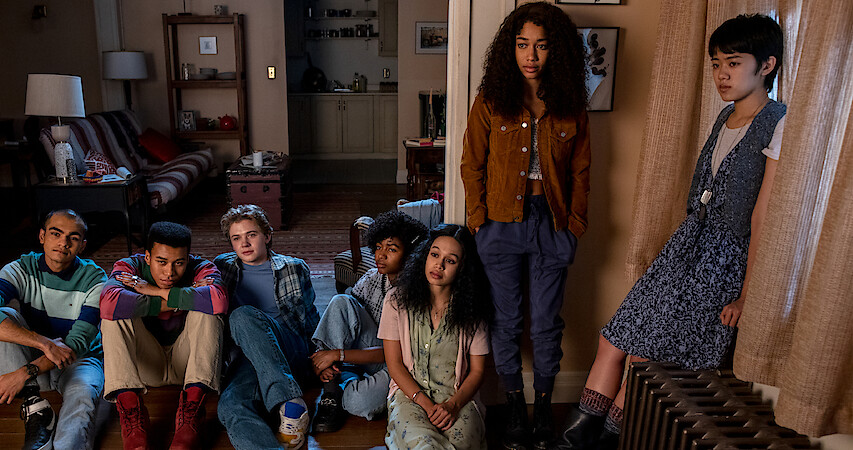
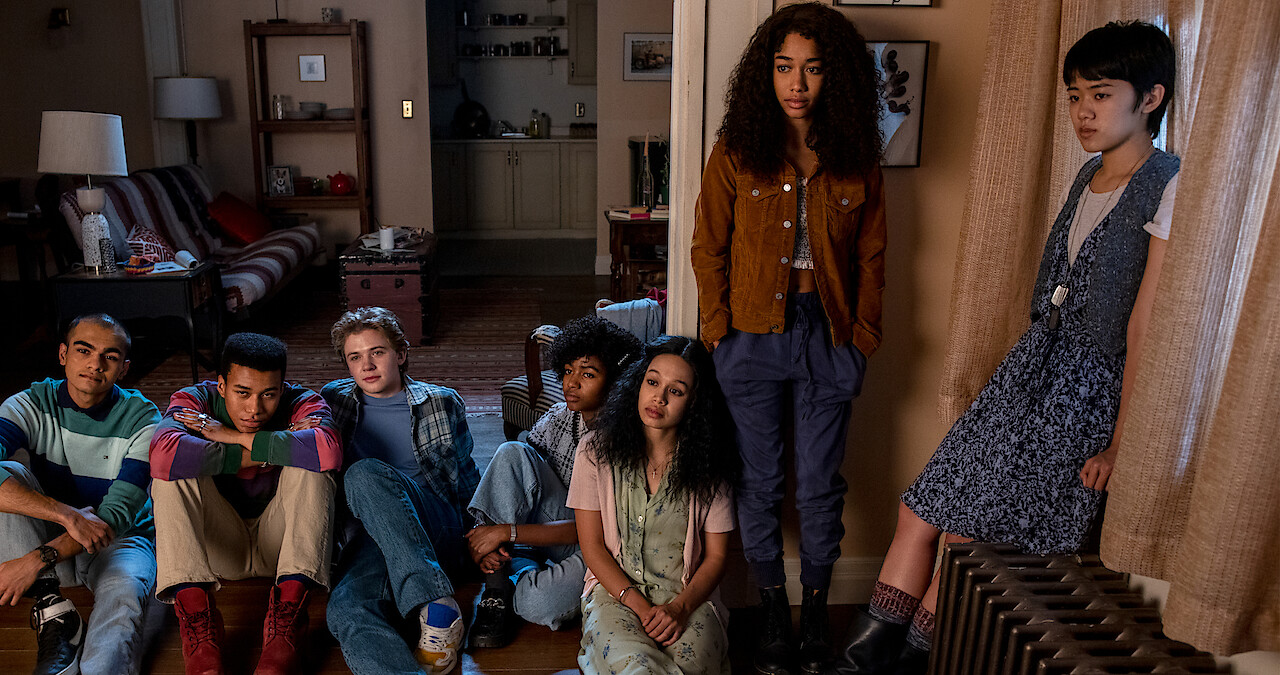
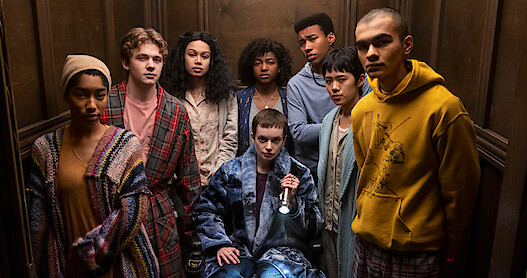
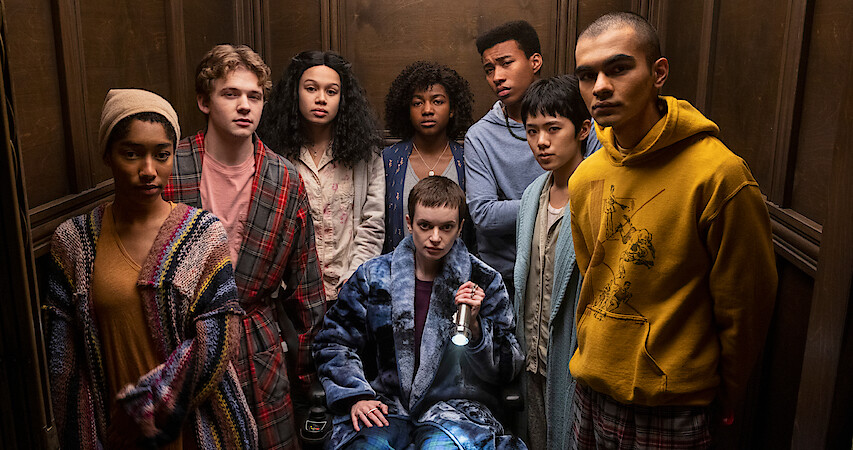
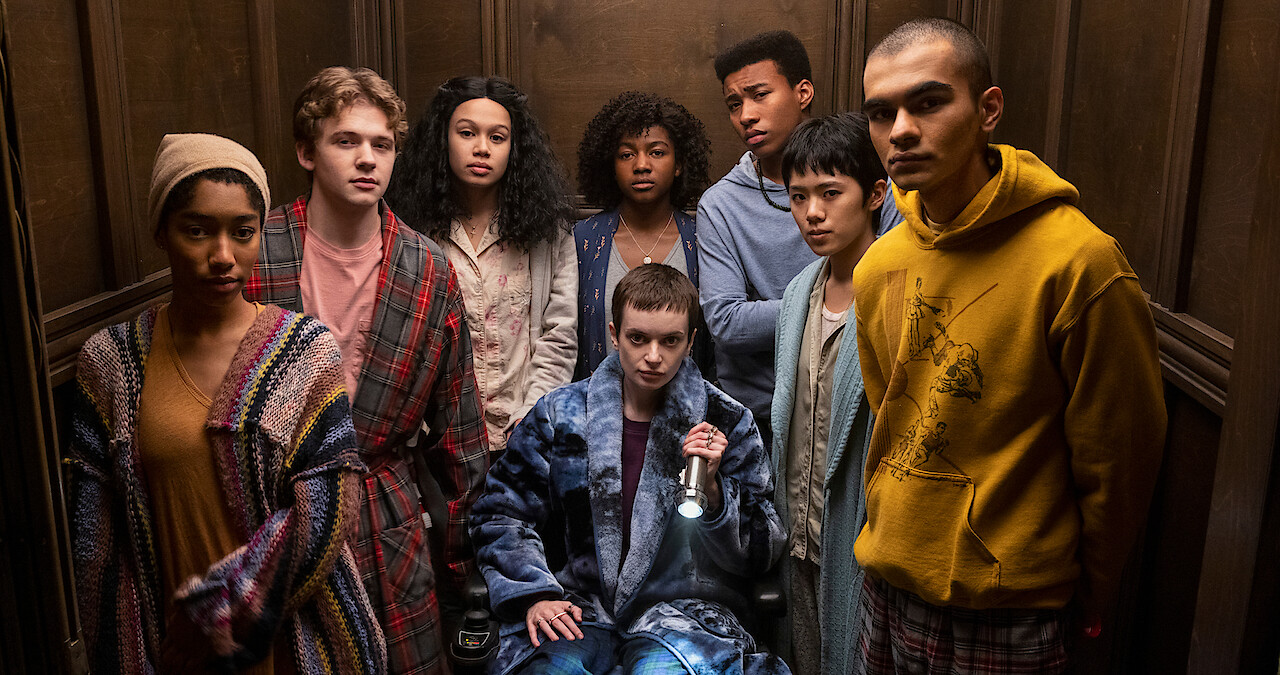
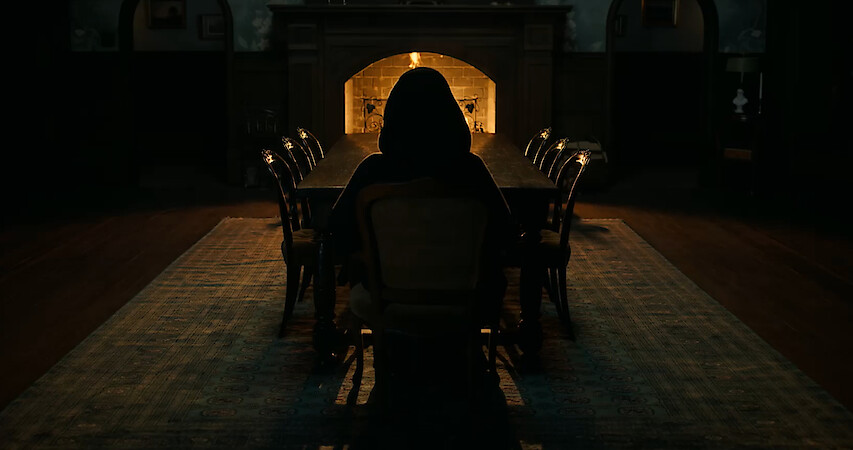
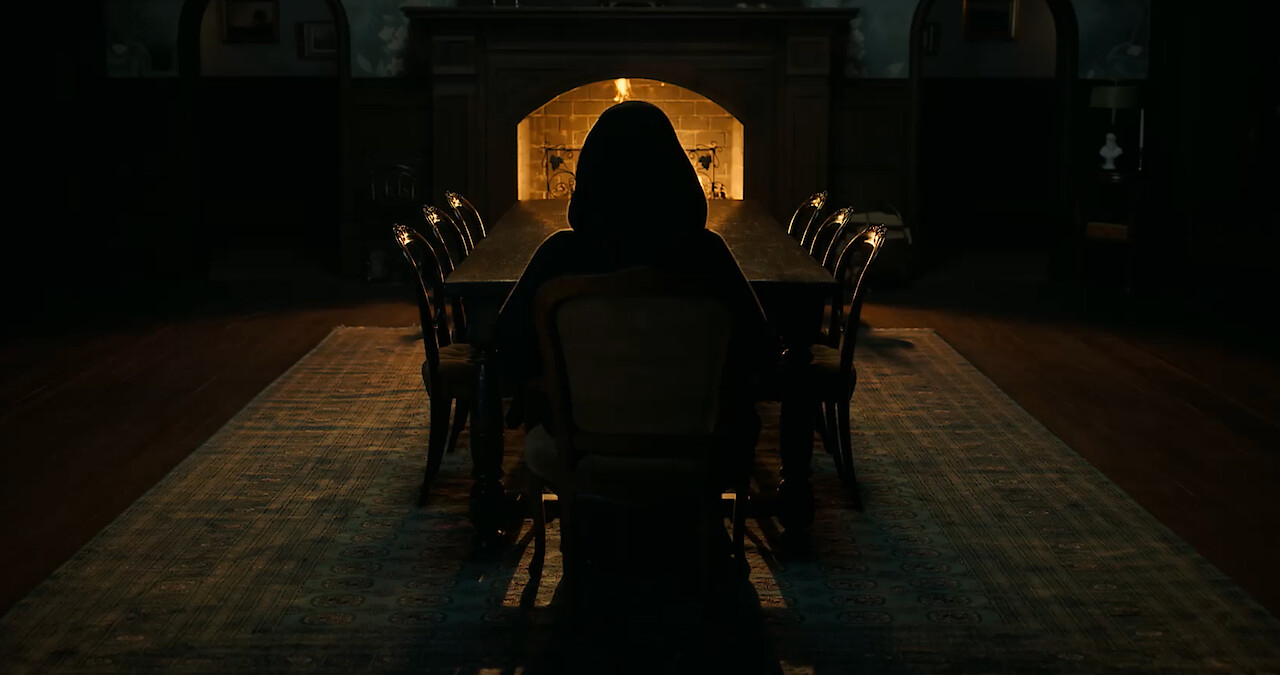
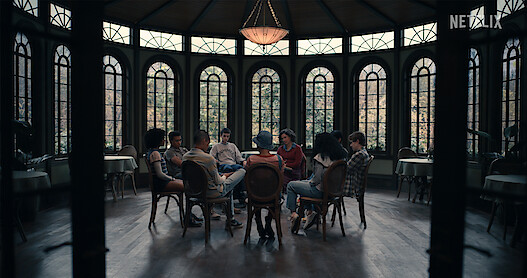
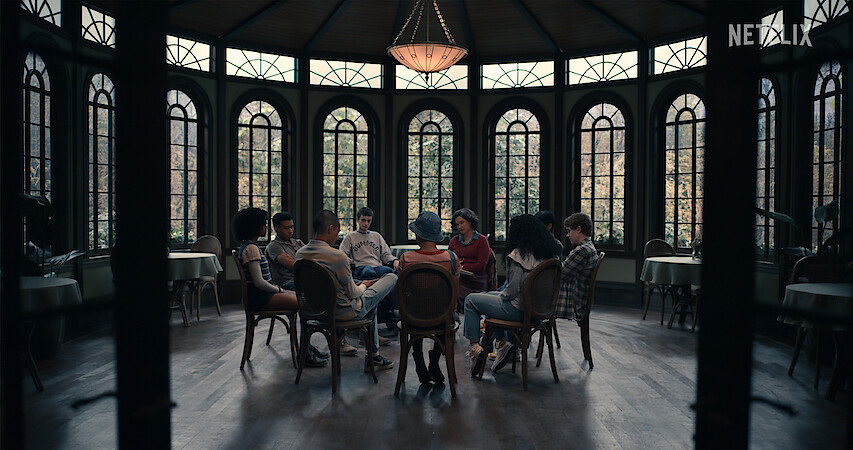
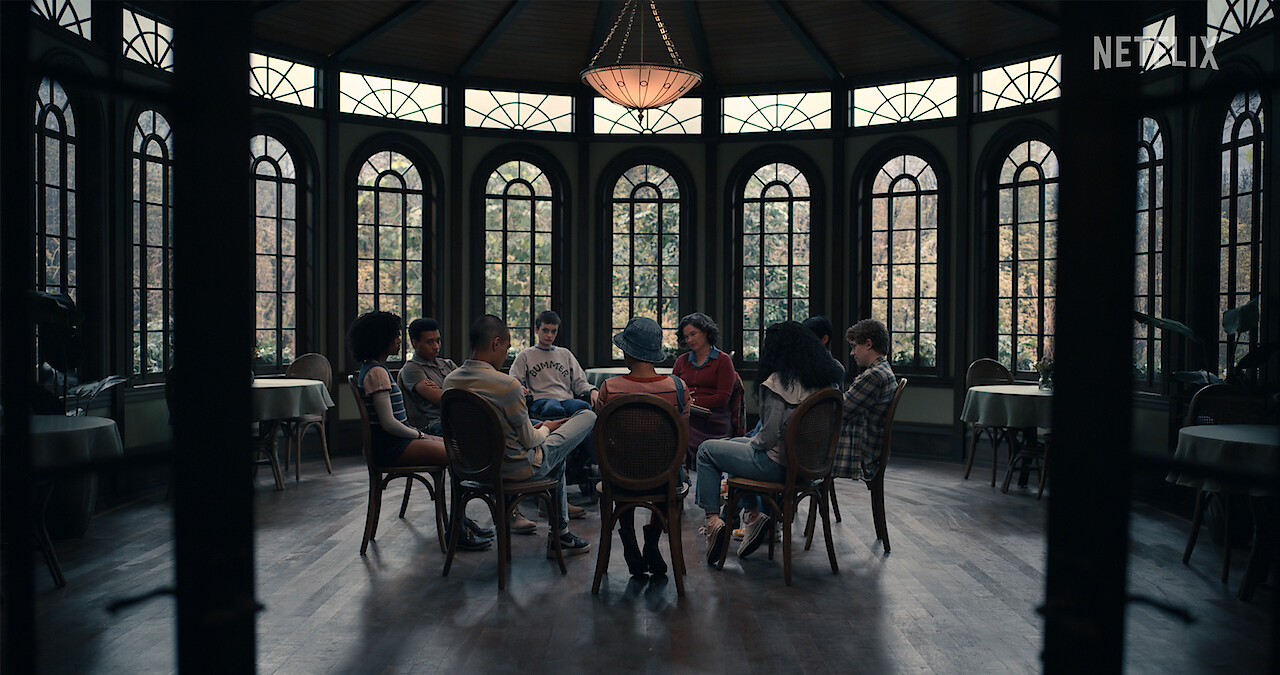
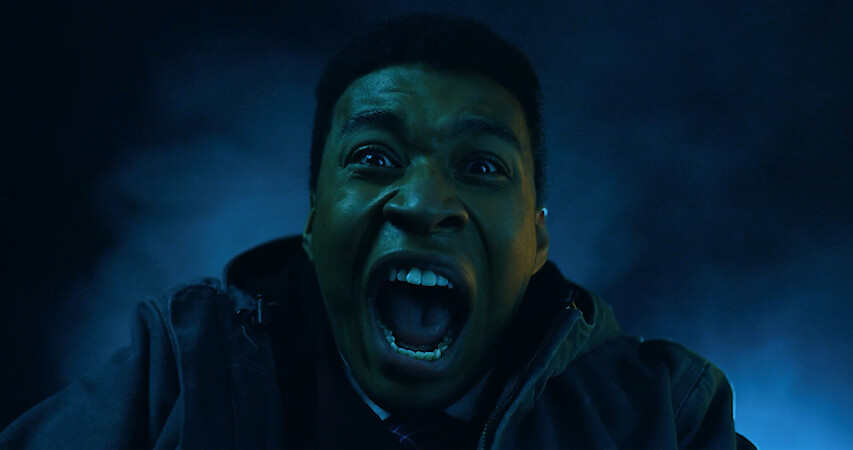
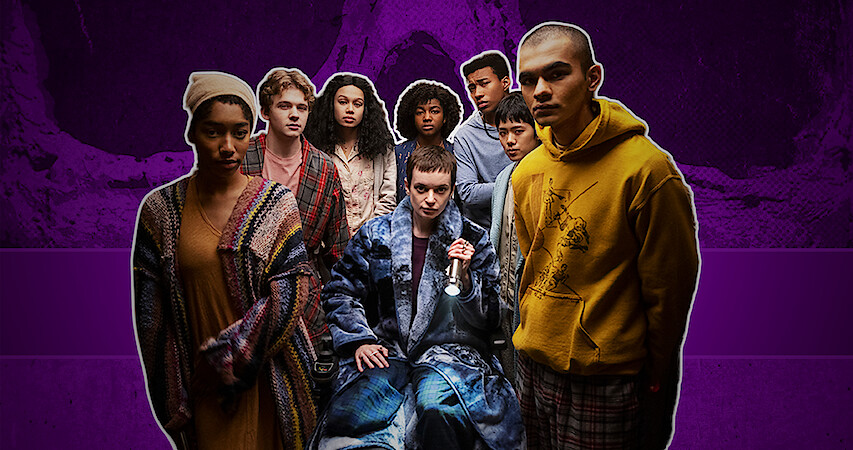
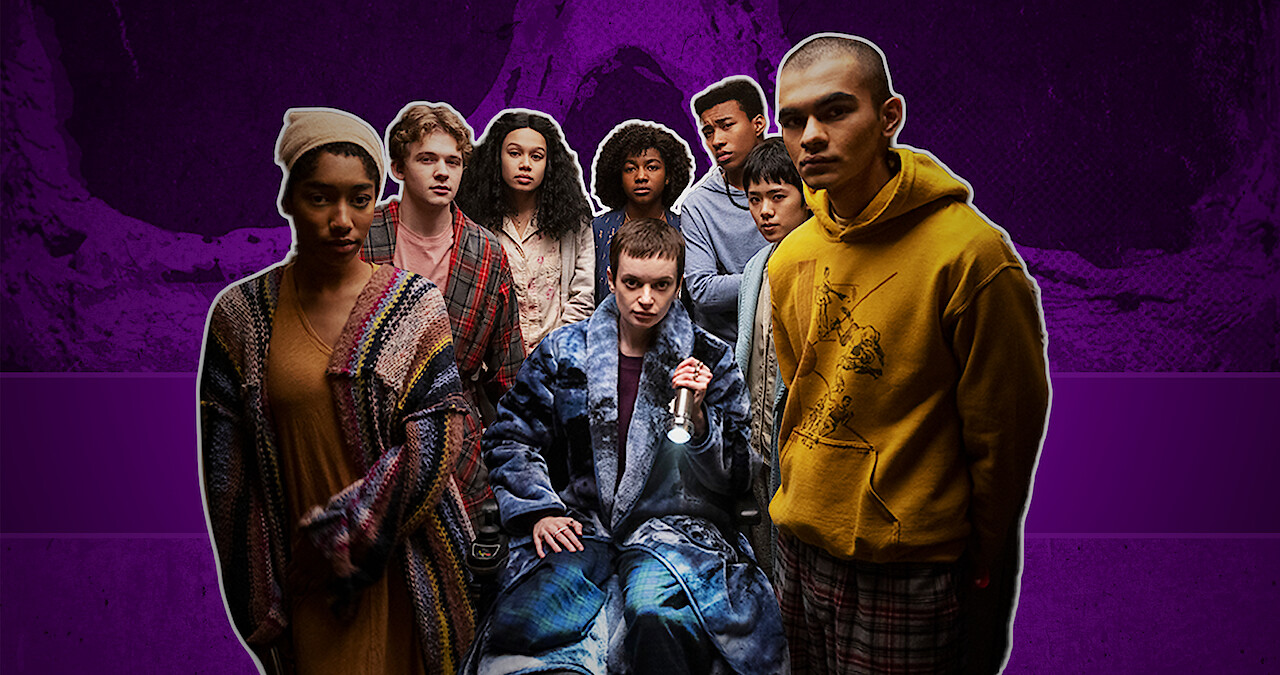
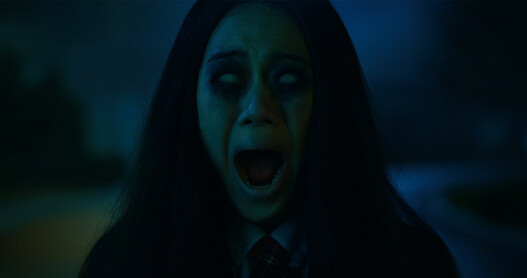
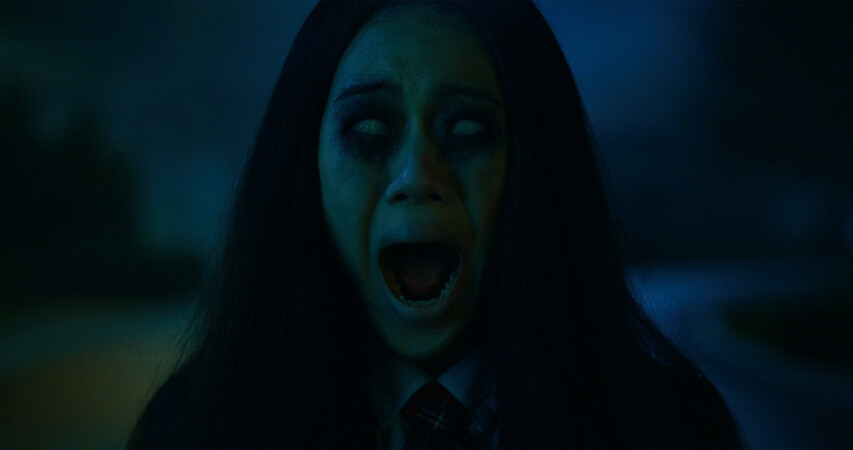
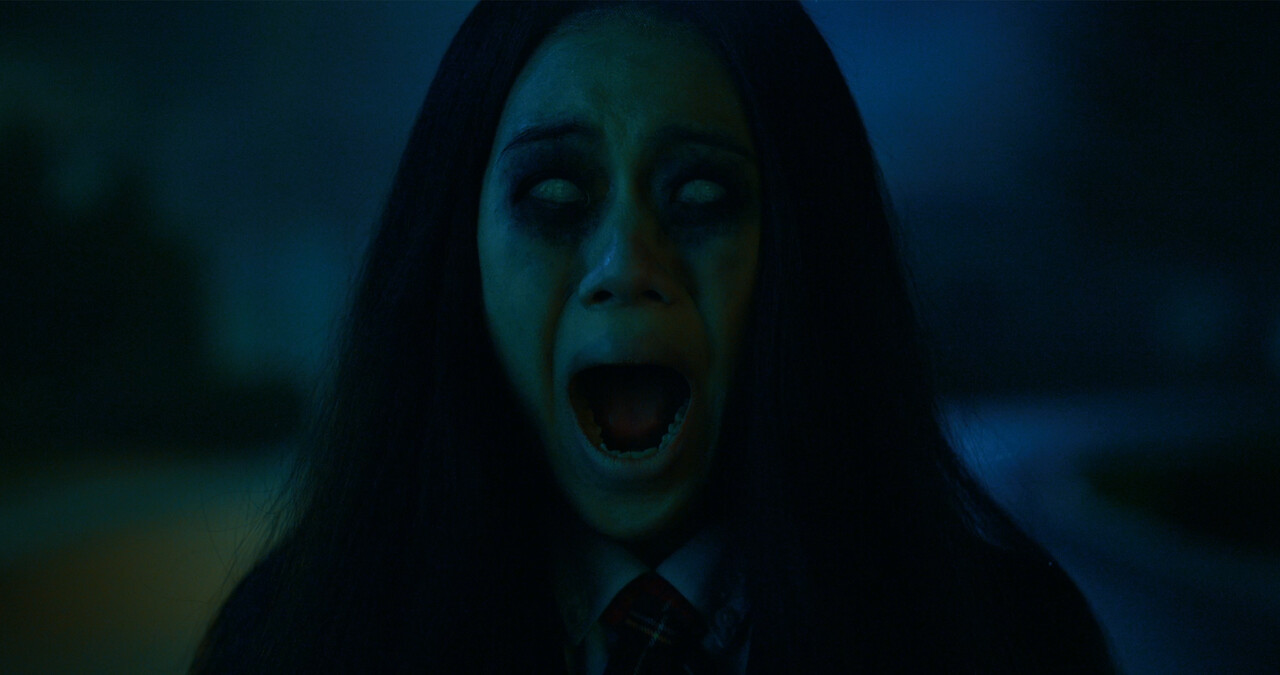
Fong’s latest series takes a more YA approach than her preceding projects, but that doesn’t mean she’s holding back on the thrill. Set in 1994, the show follows a group of terminally ill teens at Brightcliffe, a hospice center. At night, they gather to form the Midnight Club, sharing spine-chilling tales with one another while honoring those who are no longer with them. More importantly, they’ve formed a pact to communicate with each other from beyond the grave after death.
With themes ranging from sexuality to mortality, it can be a heavy show to watch — but Fong believes it’s important exposure for young viewers. “I don’t know if I am eternally a child or what, but it just feels like you need to treat young people the way that you would want to be treated,” she shares. Part of her creative approach is not talking down to them. “You’re going to be exposed to it at some point or another, and I think doing so in a way that’s safe, fun and imaginative is the best way.”
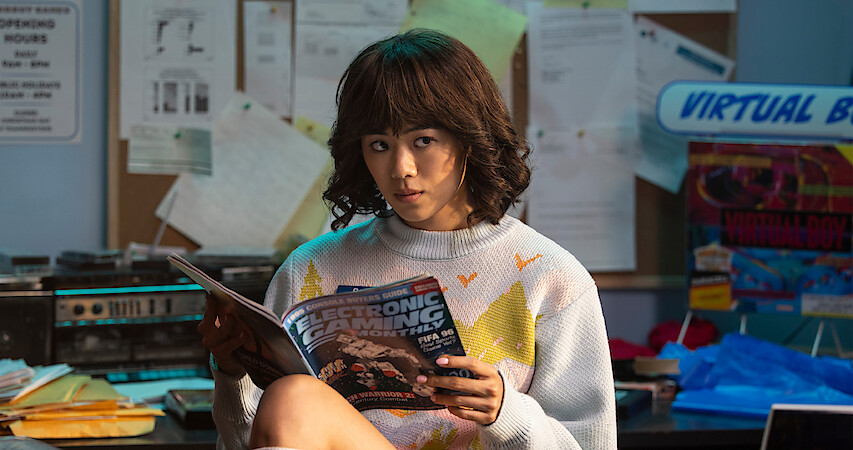
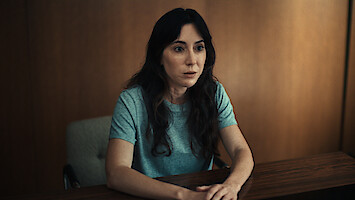
One tough conversation Fong is having through her series is about mental health among Asian Americans. For eight years, Fong has written on other shows like The Magicians, Once Upon a Time and Emerald City, but this is the first time she’s been able to write an East Asian female character into one of her scripts. Fong, who’s Chinese, Japanese and Korean, tells Tudum that it was a long time coming. “We tell a story with Natsuki (Aya Furukawa) about depression, and I think that looks differently when your parents are Asian. My parents for a long time, I don’t think they believed that it existed,” she says.
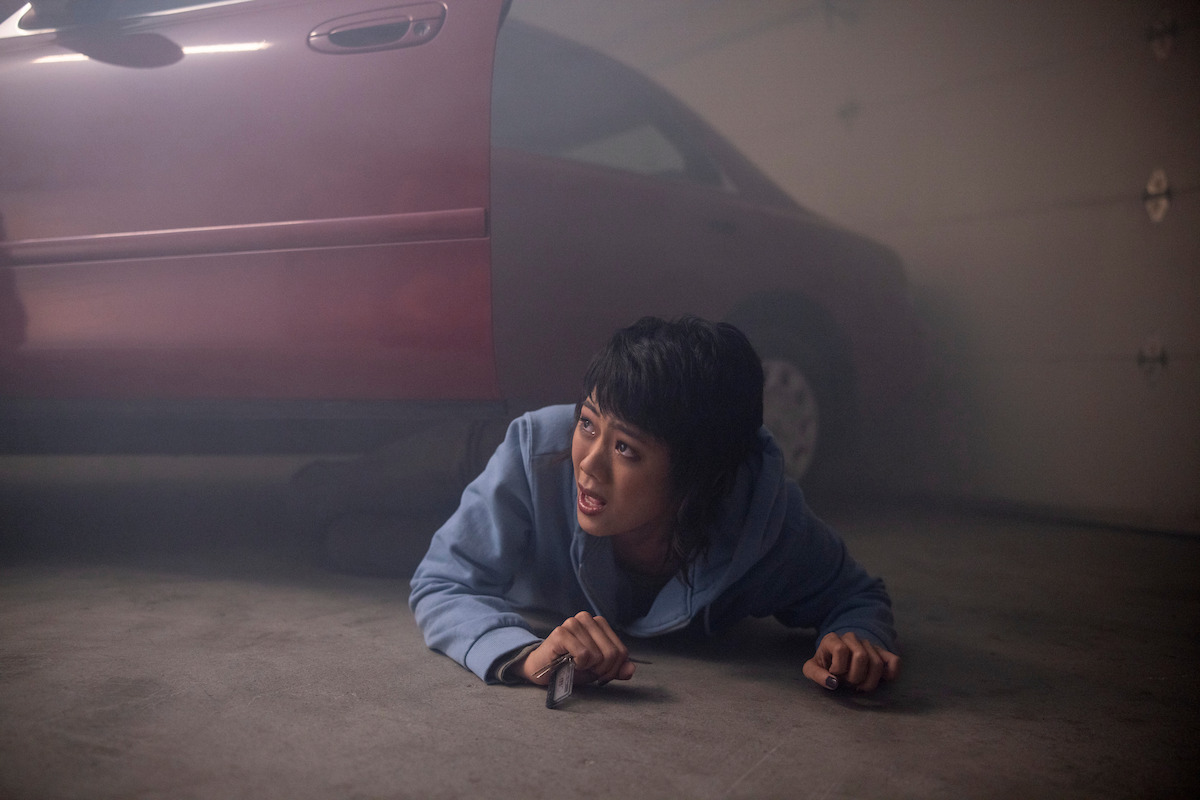
Aya Furukawa as Natsuki in The Midnight Club.
Asian Americans are the fastest-growing racial group in the US, yet have the lowest help-seeking rate of any other group when it comes to mental health care. While systemic barriers are at play, cultural traditions and stigmatization also contribute to this disparity. “Being able to explore [depression] with [Natsuki] in a really real way, but also understand how that’s filtered through her background, her upbringing, her parents and her situation was a really exciting story to tell,” Fong says.
Representation is more than just color-blind casting of diverse actors. Fong believes it also involves diving deeper into the intersectionality of their identities, including both the good and the bad. For the character of Spence (Chris Sumpter), that meant highlighting a reality of being queer and Black in the ’90s. After receiving his HIV diagnosis and coming out to his conservative family, Spence is kicked out and comes to live at Brightcliffe.
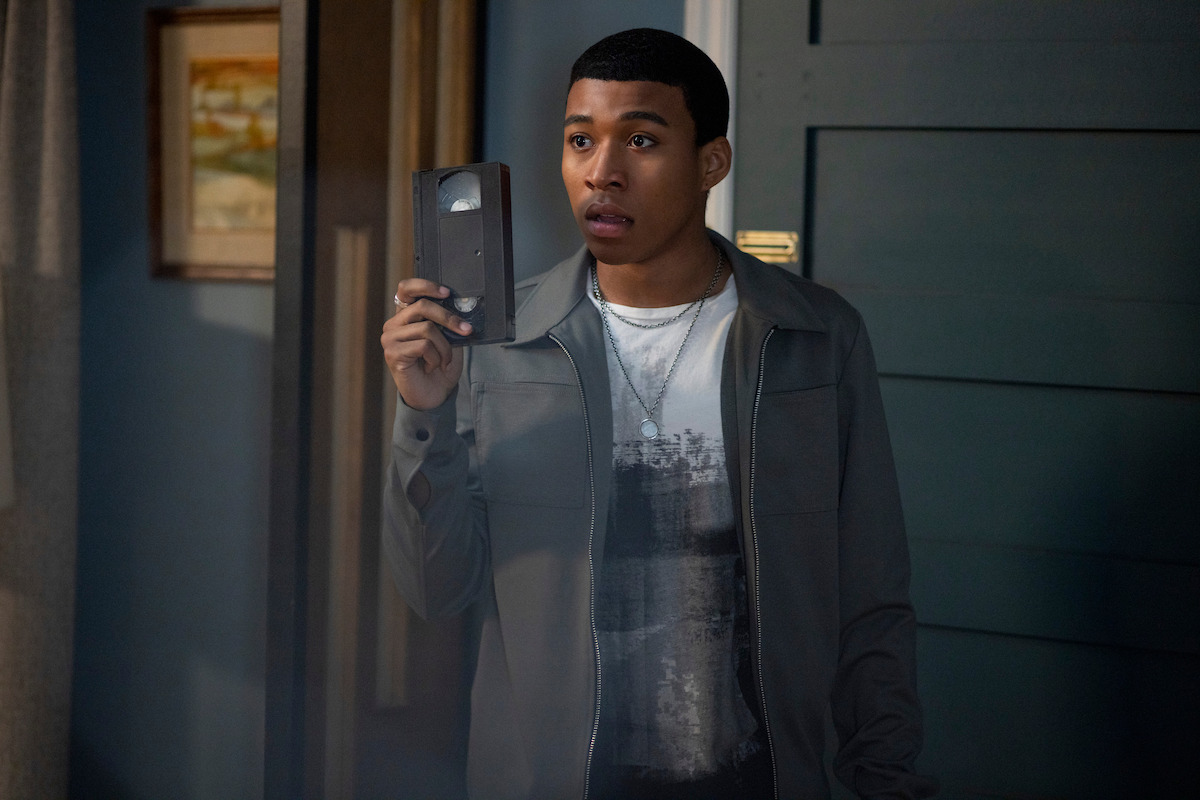
Chris Sumpter as Spence in The Midnight Club.
In the mid-1990s, the HIV epidemic peaked in the US. Although today there’s HIV prevention medication such as PrEP and more conversations around queer sexual health, Black Americans are still disproportionately affected by HIV/AIDS — and that disparity has only deepened since the start of the epidemic in the 1980s. In order to tell Spence’s story with accuracy and care, the production team even consulted with GLAAD.
Although Fong and her team approached each character’s storyline with a lot of nuance, she’s prepared for what others might say about their impending fate. Her previous project, The Haunting of Bly Manor, faced criticism for lending to the “bury your gays” trope when one-half of a queer couple is killed off. “We had this conversation on Bly…. There’s a lot of death in horror,” she says. “Well, if the entire board is filled out in a way that’s diverse, then you don’t have to worry about that. It’s not about not casting someone so you can’t kill them off. It’s about casting lots of people so you can kill off everybody.”
One of horror’s most overused tropes is killing off characters of color first, and Fong sees a diverse ensemble as a way to subvert that stereotype. “You just need to tell more and more and more and make sure that that’s not the only story that’s out there.”
Similar to how The Midnight Club became a safe space for its characters to gather and talk about their fears, working on the show provided a similar solace to the writers. “We had people in the room who were teenage cancer survivors. Both my parents had cancer, and they’re cancer survivors. We were all able to share our stories and incorporate those things so they’re all coming from a place of truth,” Fong shares. “I always came into [this project] with the understanding that we needed to really take care with all the stories that we were telling.”