Guillermo del Toro and Mike Flanagan on horror and their new series. - Netflix Tudum
Up Close
Guillermo del Toro and Mike Flanagan Share Their Greatest Fears
The directors discuss their latest work and the power of horror to confront hard truths.
By Samantha Nelson
Oct. 21, 2022
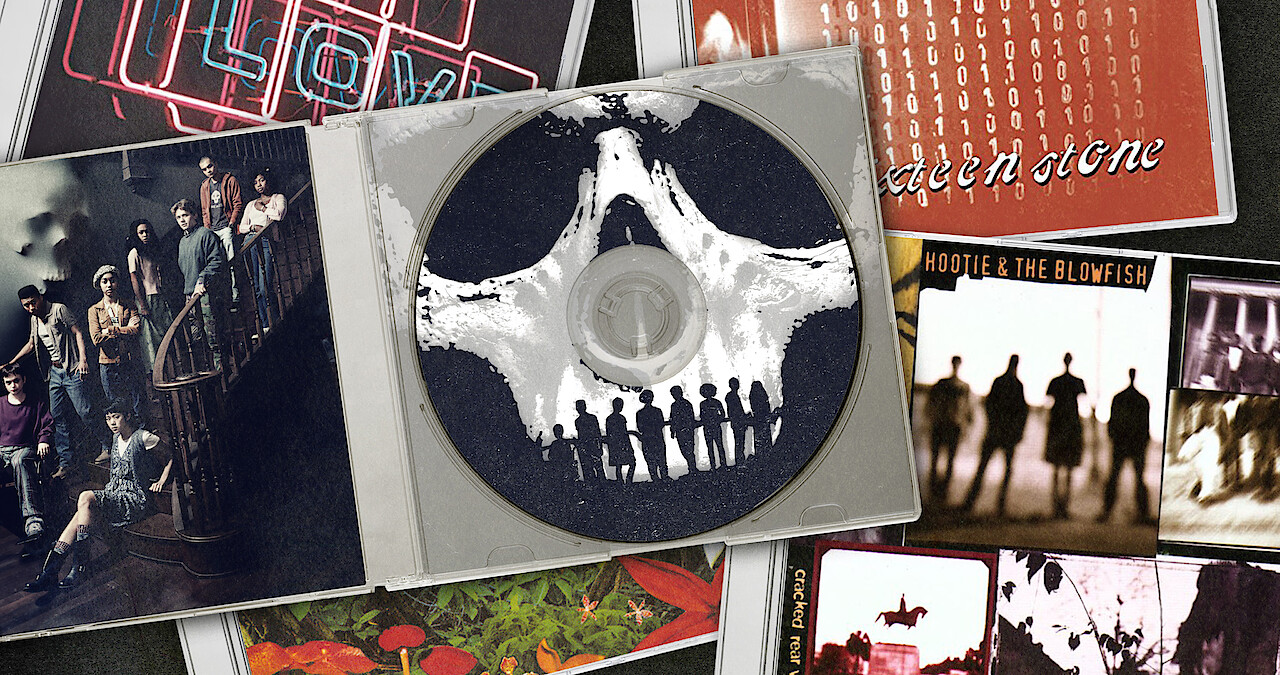
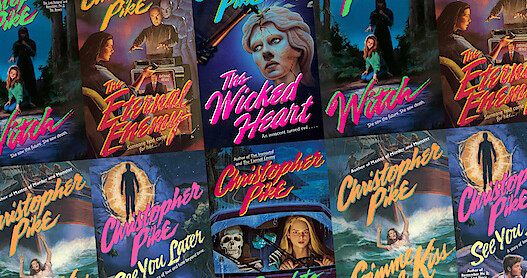
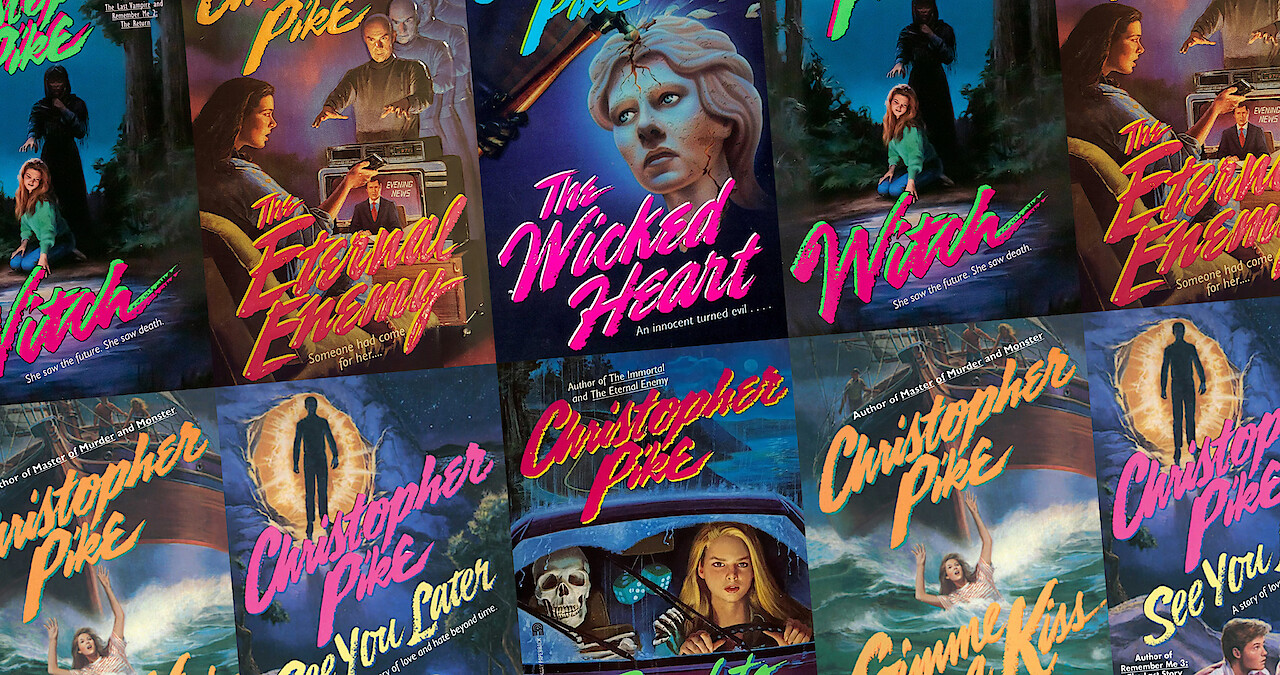
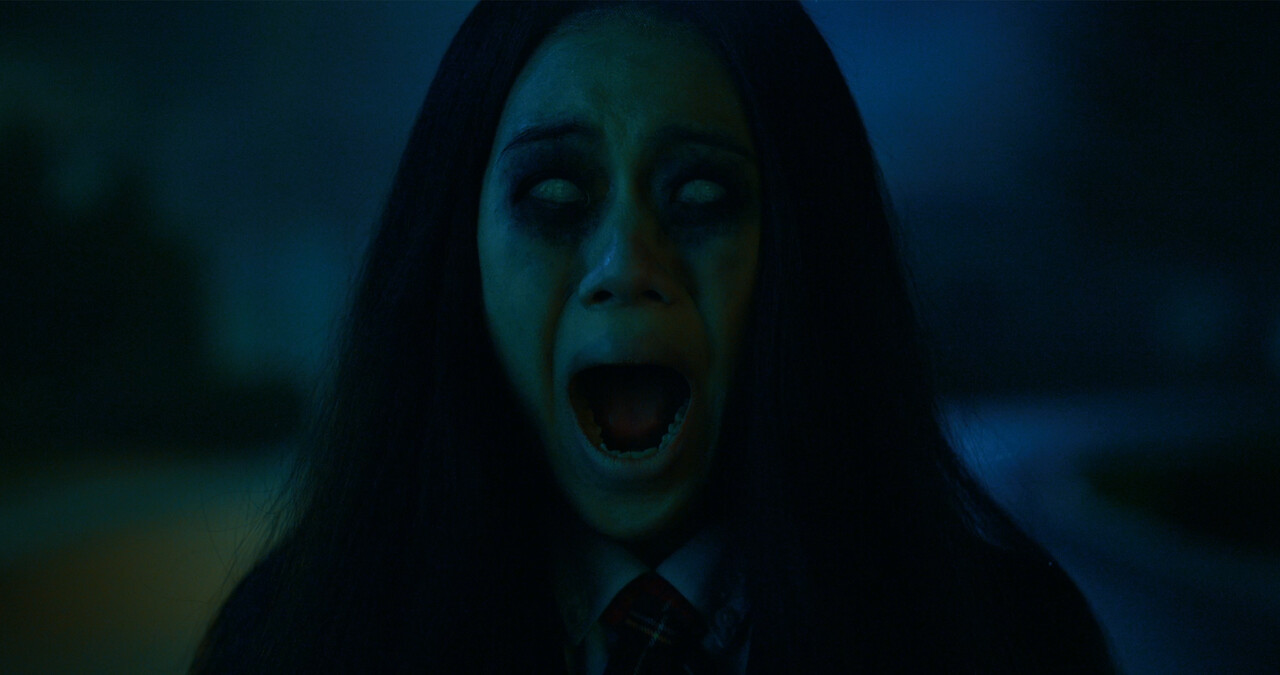
Because of Halloween, October is the most popular time of the year to watch horror and explore everything the genre has to offer, from creature features to tales of existential dread. Viewers looking for some new scares can check out Guillermo del Toro’s Cabinet of Curiosities, an eight-episode anthology series produced by the Academy Award-winning director, or The Midnight Club, Mike Flanagan’s tribute to YA horror author Christopher Pike.
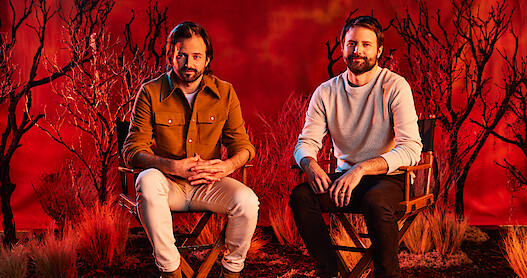
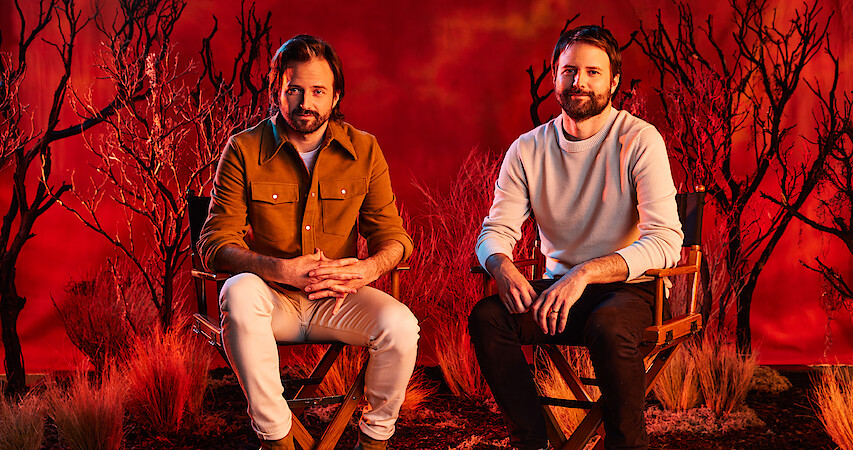
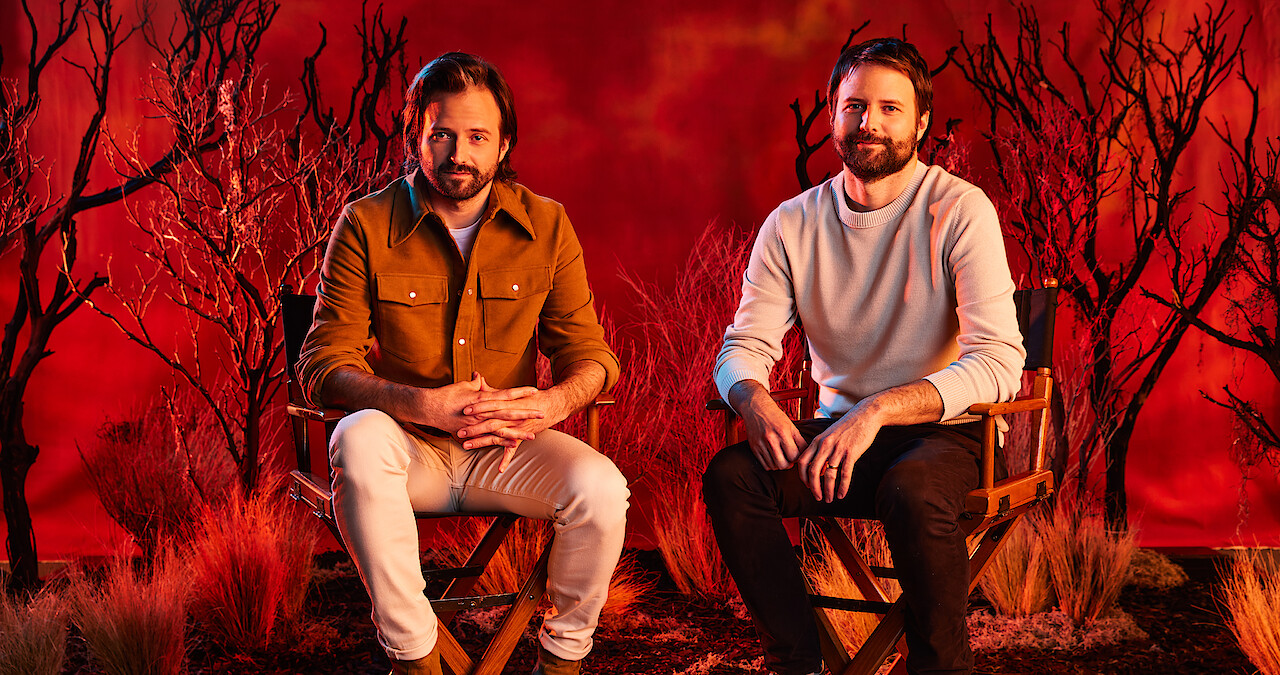
To celebrate their release, the directors sat down together to discuss their latest projects, their thoughts on what horror does best and the fears that keep them up at night.
Guillermo del Toro: All my life, what I wanted to do more than anything is an anthology TV series. The first horror book I read was an anthology book. I wanted to do an anthology that harvested some of the best that I’ve read, and a few new ideas that I wanted to write, because I always like writing short stories.
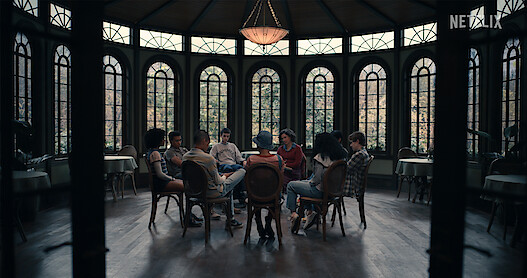
Mike Flanagan:The Midnight Club is based on the writings of Christopher Pike. It’s a bunch of terminally ill teenagers in a hospital who meet every night at midnight to tell each other stories. I thought there was a great chance to do a format that was both an anthology series, but also had this strong through line. Then I thought, “For all of the stories that they tell each other, how about we use other Christopher Pike books?” Christopher Pike was hugely formative for me. I grew a love for short form and for great ghost stories. I directed the first two episodes, and then I got the joy of being able to support incredible storytellers and watch what they do. I imagine something similar in your series, where these filmmakers were swinging for the fences.
Del Toro: They do whatever they want. I gave them final cut. I gave them notes, and some of them ignore them completely. I wrote two of the stories. “The Murmuring” was an idea I had when I was traveling through Europe. I thought, “What if the birds were murmuring in the sky? What if they were forming patterns because they carry the souls of the dead?” Then Jennifer [Kent] took it into a place that I didn’t see coming. She made it a story about healing, and I was blown away.
Flanagan: What scares you now?
del Toro: It’s not monsters. It’s not vampires. It’s not ghosts. It’s us.
The other one I wrote was “Lot 36,” which occurred to me when I lost my storage. They sent the mail to the wrong address, and they sold all my storage to somebody. It had all my storyboards and it took a while to recuperate. So I thought, “What if somebody buys the storage and there’s something in there that shouldn’t be seen?”
Flanagan: I would love to poke at H.P. Lovecraft a bit. You did “Dreams in the Witch House” and “Pickman’s Model.” I’ve heard about your ambition to do At the Mountains of Madness. I find Lovecraft to be fascinating and terrifying, but so difficult to adapt.
Del Toro: Lovecraft was a misanthrope. He was not comfortable in this world at all. I think he hated existence. He says if we understood our real place in the universe, we would go insane.
Flanagan: That’s horror to me — when the monster is the truth.
Del Toro: I think the monster is always the truth, the thing we don’t want to face. There’s no more mysterious story to be told than a horror story, because those things can’t be said safely in regular language. I think horror is very healing.
Flanagan: You said in an interview once something very beautiful that has echoed with me — that in the last moments of life, everything is stripped away except for what we’ve done and what we didn’t do right. That is profound and frightening, because one of the things that I think is so interesting about horror is that it can be such an effective mirror. It can force us to kind of have that end-of-life moment early in a controlled safe space where we can start to really look at uncomfortable truths about who we are as a society, a species or individually.
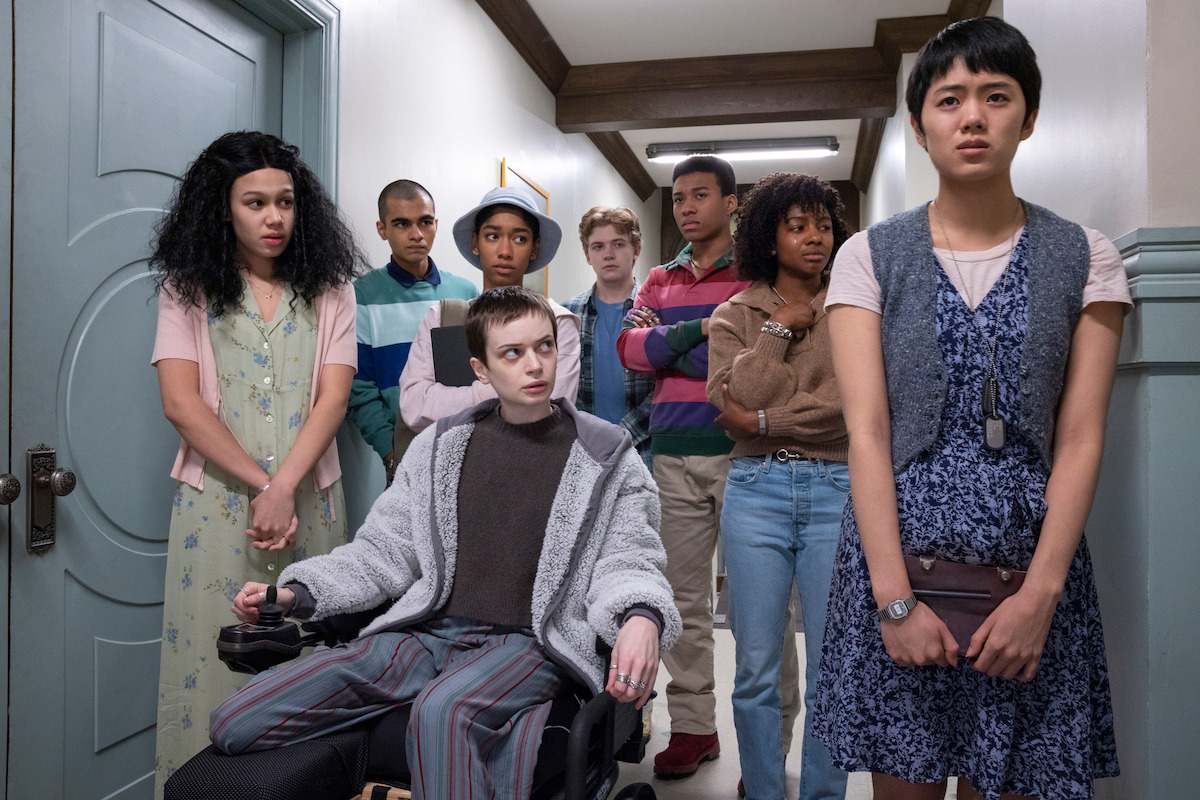
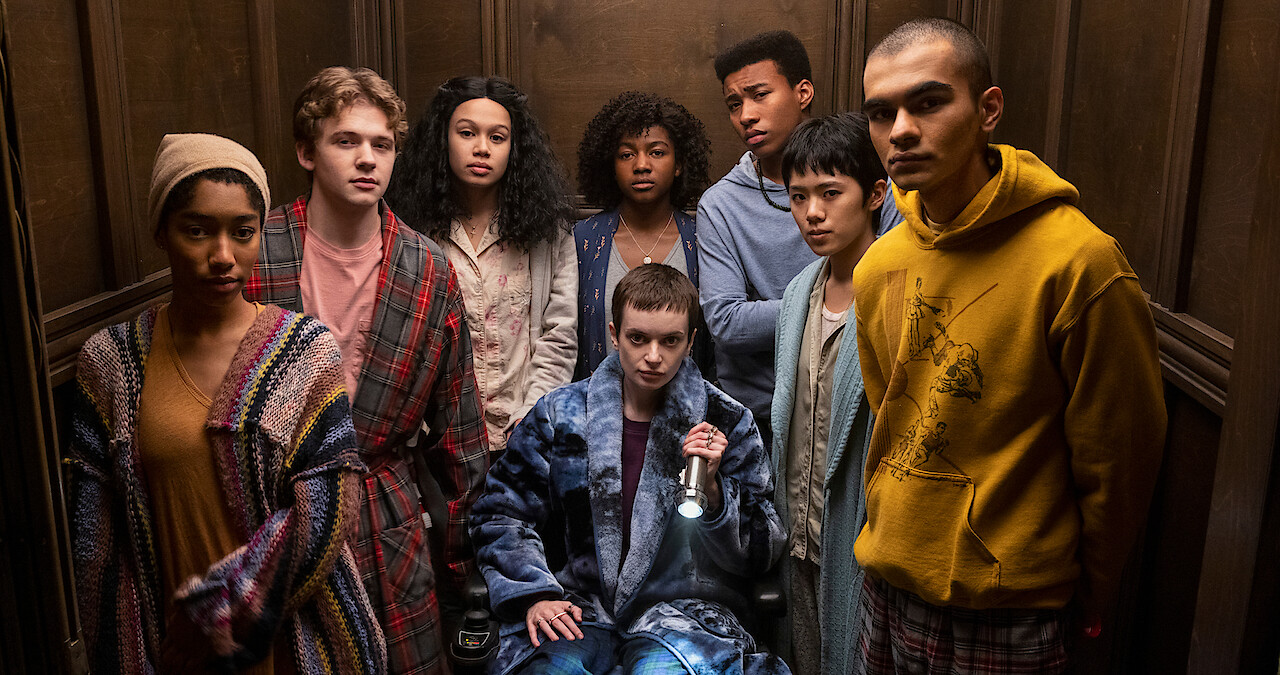
Eike Schroter/Netflix
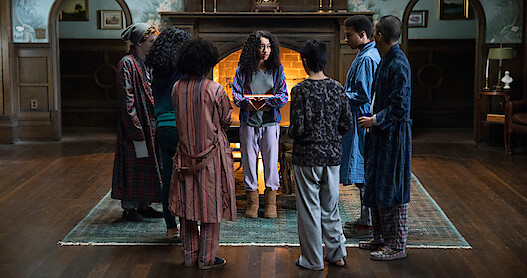
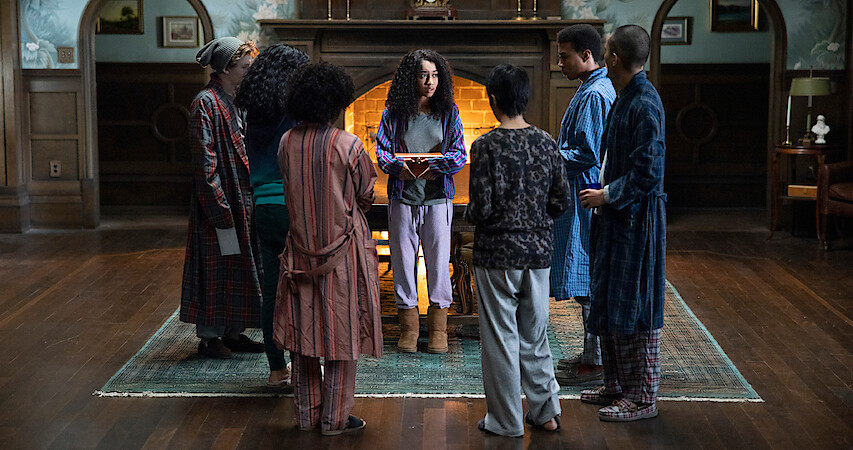
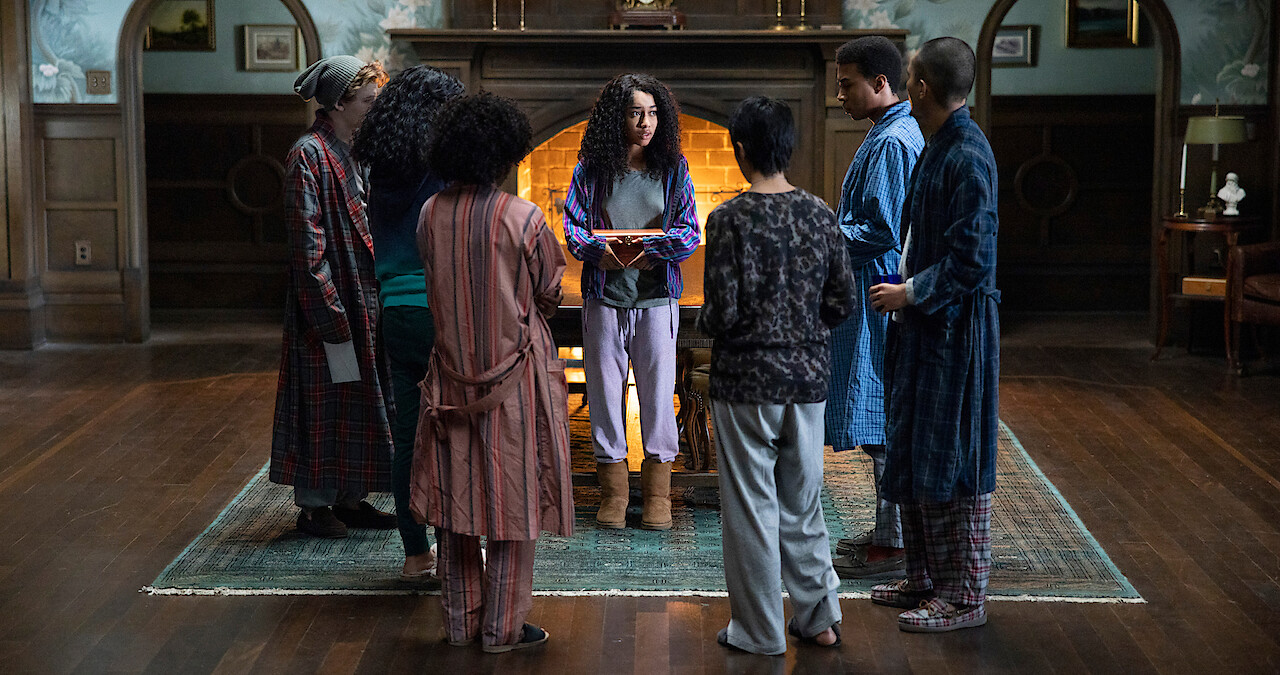
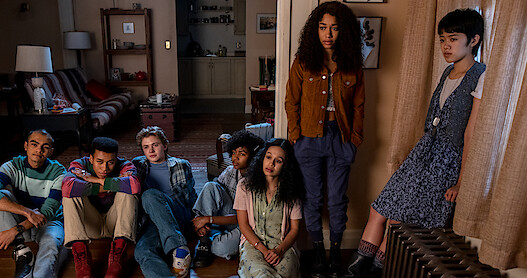
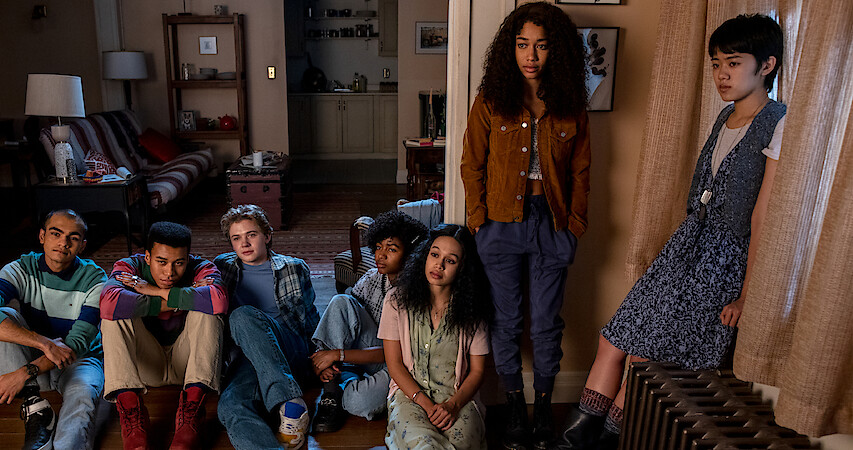
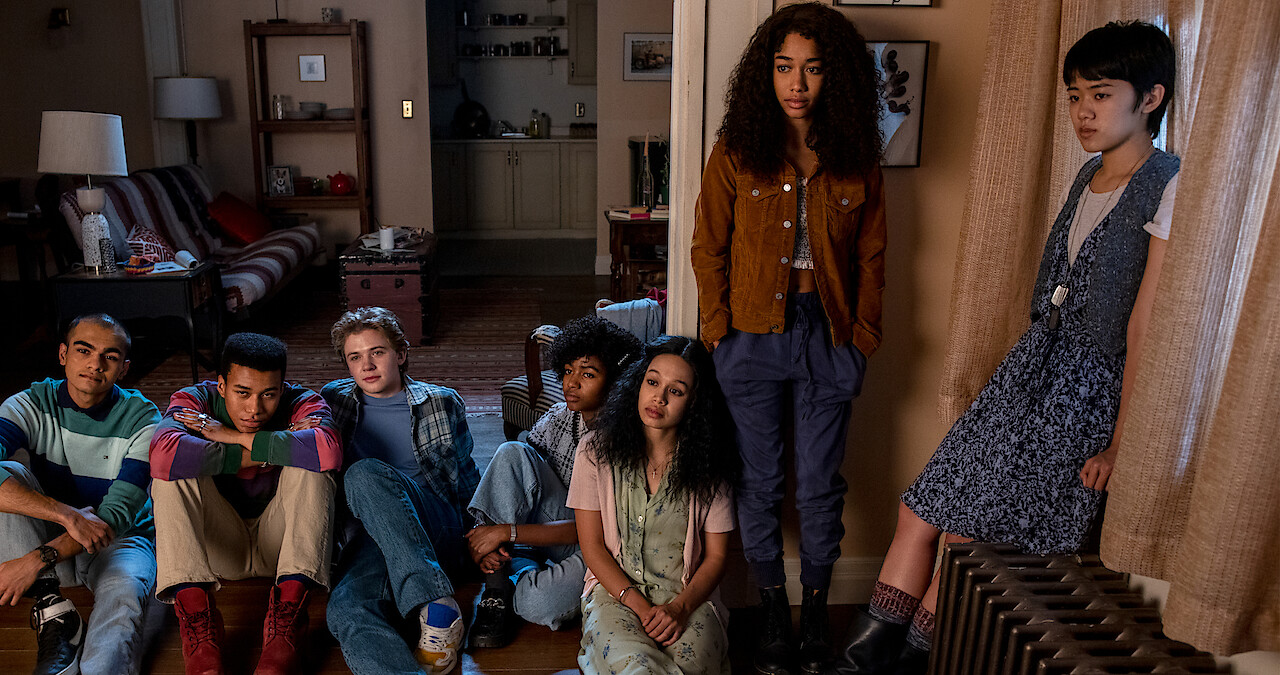
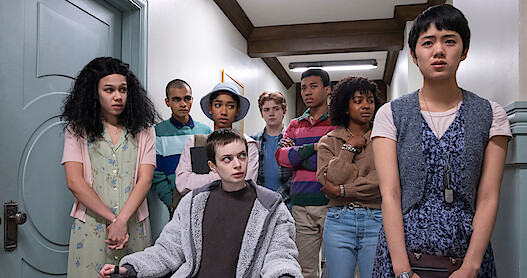
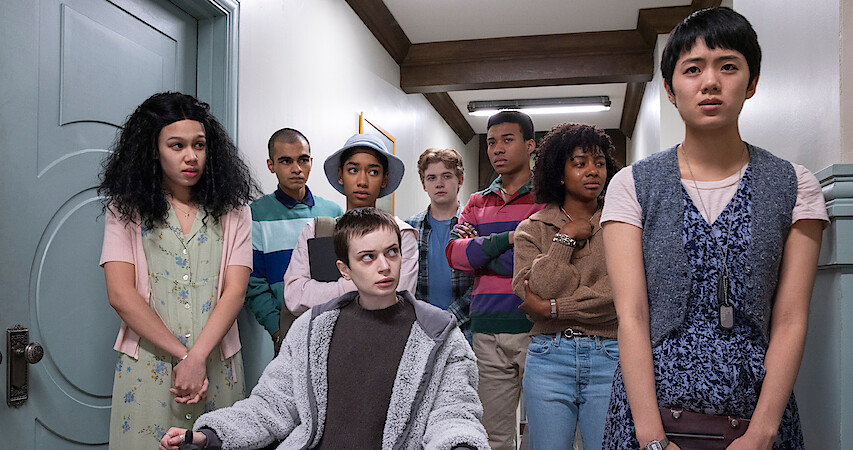
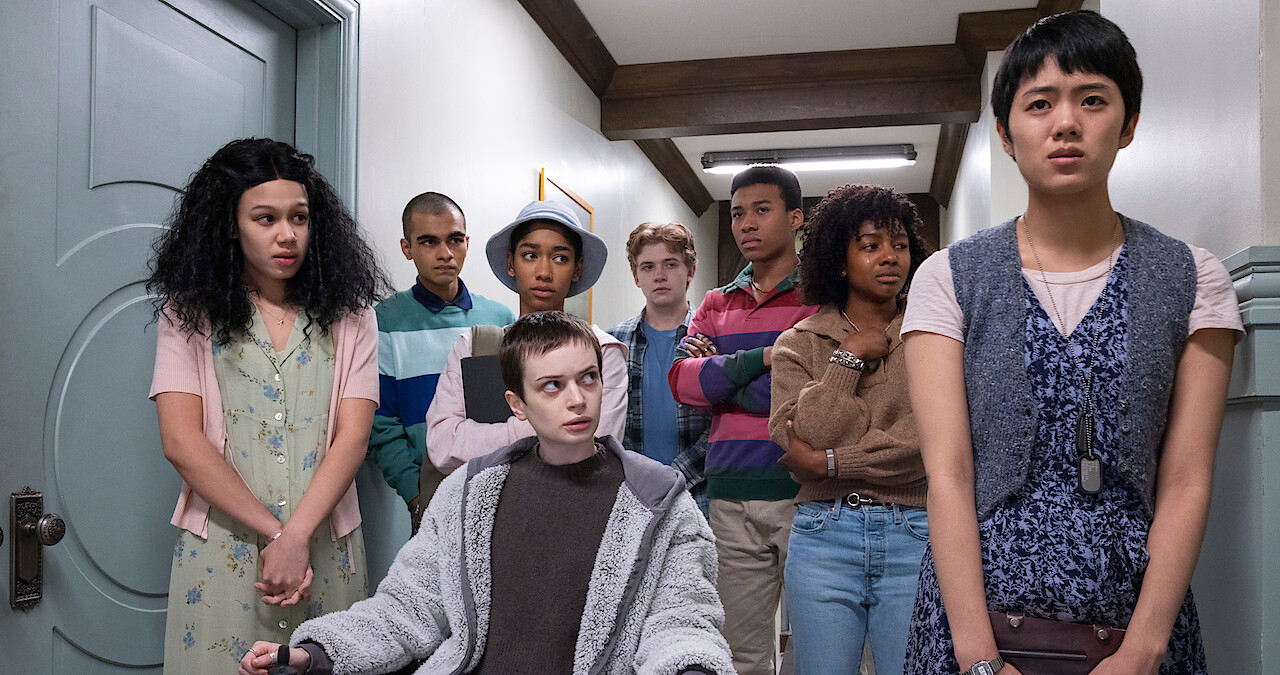
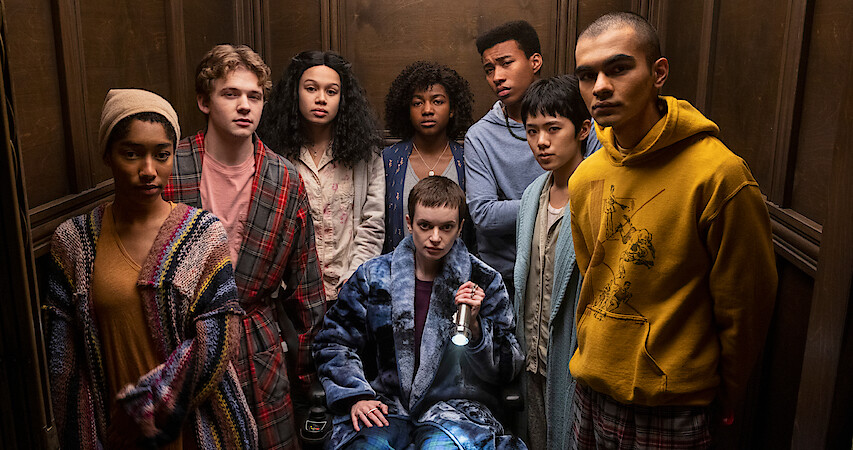
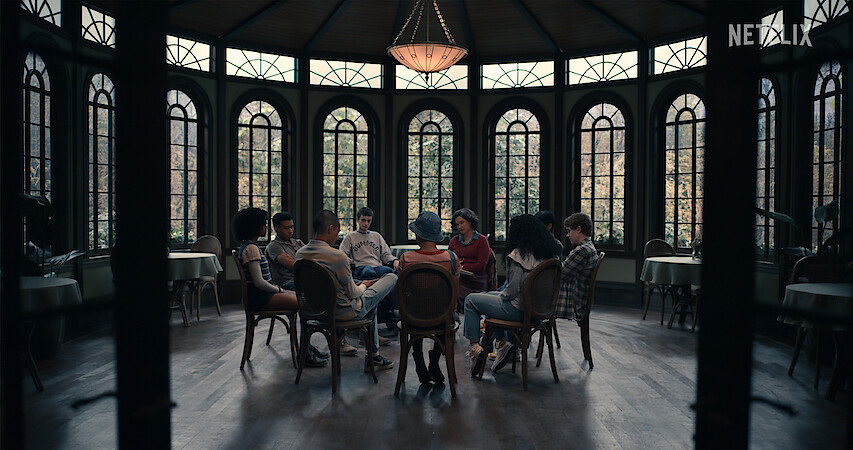
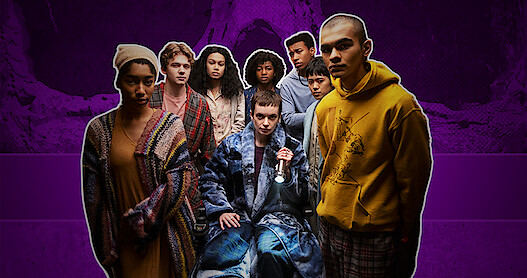
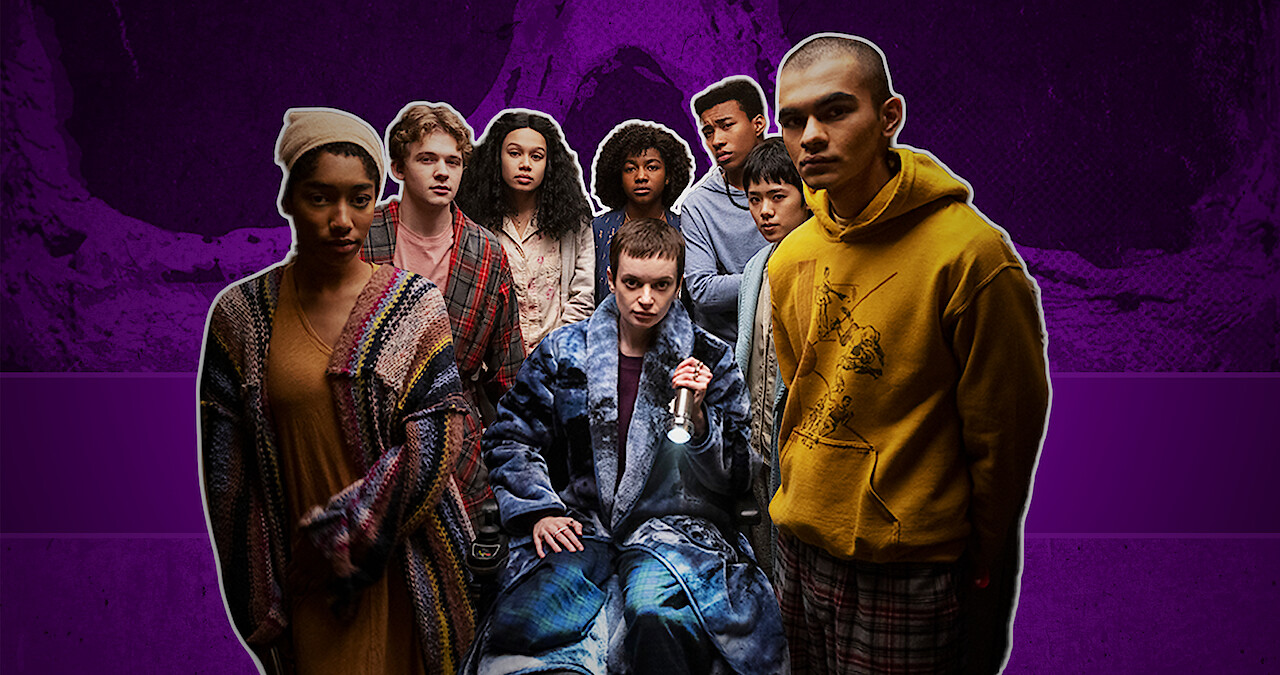
(L to R) Annarah Cymone as Sandra, Ruth Codd as Anya, Sauriyan Sapkota as Amesh, Iman Benson as Ilonka, Igby Rigney as Kevin, Chris Sumpter as Spencer, Adia as Cheri, Aya Furukawa as Natsuki in The Midnight Club
Del Toro: Hatred and fear are mirrors. Love is a window into another world. Do you want to do more seasons of The Midnight Club?
Flanagan: It was designed to continue, but it’s interesting because the protagonists of this series are all going to die soon. These are young adults who have months at the most. It would continue in a way that would require us to bring in a new cast and to kind of re-create it, which is something I think is beautiful about it. In researching the show, I was meeting people who’ve dealt with terminal diseases young, and something that struck me was how many young people in the world have to summon levels of courage and catharsis that I’m not capable of in my mid-40s.
Del Toro: I think that’s why horror is a useful thing. This is a genre that talks about the things adults don’t want to admit. When people say, “You deal with fantasies,” I say that a piece of paper means money or that there’s a line in the sand between Mexico and the United States — those are fantasies. What we deal with are archetypes that are infinitely more real. There are archetypes that are so supremely big, so quintessentially necessary for spiritual sustenance. We need them to understand the world. You need angels and demons to make sense of good and evil.
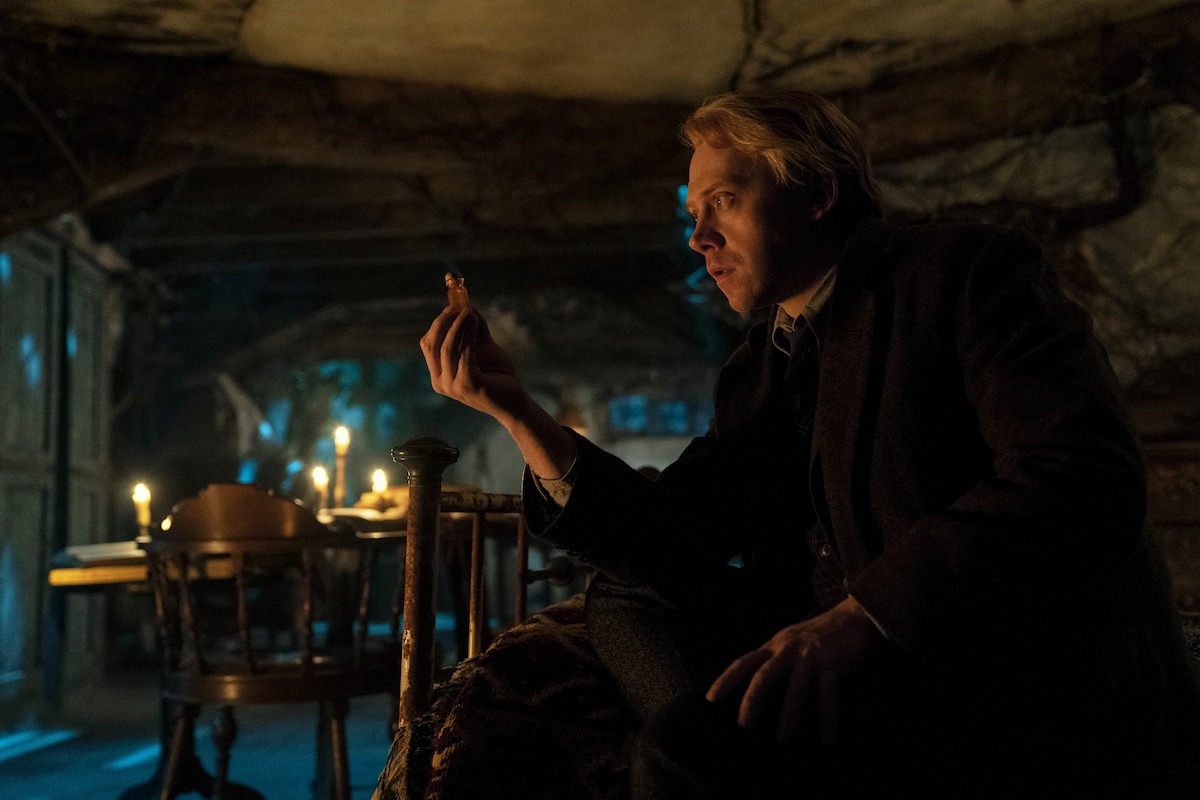
Ken Woroner/Netflix
Rupert Grint as Walter Gilman in episode “Dreams in the Witch House” of Guillermo del Toro's Cabinet of Curiosities
Flanagan: Has having children changed the way you approach your work?
Del Toro: It’s been the biggest lesson I’ve gotten. A bad review is nothing compared to the ones you get from your kids on your performance as a parent.
Flanagan: It’s fascinating because I noticed with the stories I wanted to tell before I had children, I was perfectly comfortable having an ending that was utterly nihilistic. Then I met my wife, and I had kids. After that, I felt that I was drawn to stories that had a final note of some kind of color, some kind of forgiveness, some kind of empathy. I owed that to my kids. It changed the kind of stories that I wanted to tell. One thing I do believe is that we’re all ultimately stories, and so what’s the story that I want to leave for them? They’re only going to get to know me so well while I’m here and I’m going to do everything I can to be as accessible to them so that they can get to know me, but they may not really interrogate who I was until I’m gone and then I’ve left behind all of this work. So you call the show Cabinet of Curiosities. Why not Cabinet of Horrors or Terrors or anything like that?
Del Toro: We wanted them to be curious little pieces of storytelling. The stories are told in an hour to give people the room to breathe and allow them to go places that are violent or disturbing or metaphorical or funny — anywhere they want. This series is purely coming from a place of love and a place of discovery. Can we discover a new point of view about the genre that we love?
Flanagan: So you were a frightened child. You decided to love that fear, and you completely took power over it as an adult and now a parent and a storyteller. What scares you now?
Del Toro: It’s not monsters. It’s not vampires. It’s not ghosts. It’s us.
Flanagan: That reminds me so much of one of my heroes, Carl Sagan. He used to say that what frightened him was that we would destroy ourselves before we realized the truth of our potential. I feel that anxiety daily. My parents are Fox News people, and I don’t understand why they tune in every day just to be terrified with lies.
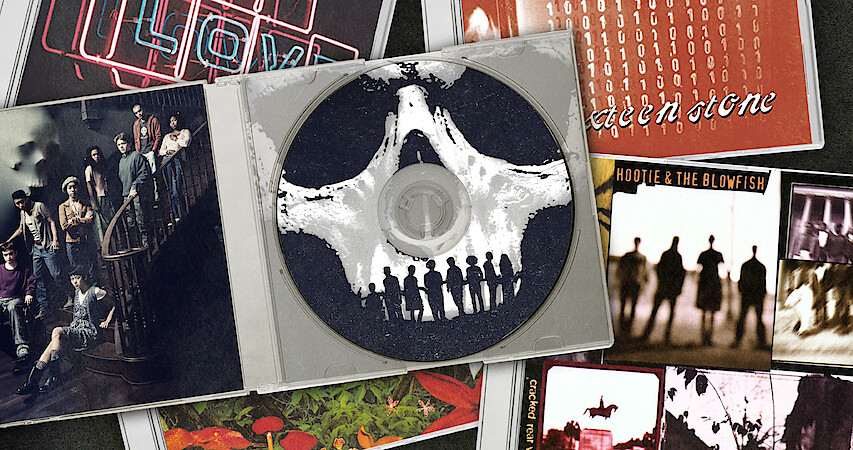
The Midnight Club Breaks a World Record for Most Jump ScaresMike Flanagan has a love/hate relationship with jump scares.
Del Toro: The difference between an idea and an ideology. An idea comes from you, and it articulates exactly who you are. Even if it’s the wrong idea, it helps you recognize yourself in it, and you can change. Ideology comes from someone else. You’ll never see the center of yourself in an ideology. But it allows you not to think. It allows you to feel very deep hatred and fear, and that’s utilized to control you. Horror breaks ideologies with ideas. What was your biggest fear as a child?
Flanagan: My biggest fear as a child was being alone in the dark. My biggest fear as a child was being by myself without any support where I could not comprehend what was around. I had a childhood that was unusually full of fear. I first found horror because I couldn’t watch any of it. I had friends who were watching Michael Jackson’s Thriller video on repeat. I was probably 8 or 9, and I remember hiding behind my hands or hiding behind a couch when it was on. I was embarrassed because I was the kid who was having nightmares and calling out for my parents every night. Similarly, I was terrified of a lot of the imagery that I encountered in Catholicism. I was terrified of the devil, demons, hell, consequences and guilt. My solution to being afraid of watching scary things was I would read books, and that meant I could be in more control of the experience.
Del Toro: My great-aunt, whom I call Grandma, used to tell me I was going to go through hell to purgatory no matter what because I was born with the original sin. She said, “If you put bottle caps upside down in your shoes and you bleed, you will atone for your sins.” I wore bottle caps in my shoes until they bled, and my mother discovered it and said, “You can’t do that to that kid in seventh grade.”
Ken Woroner/Netflix
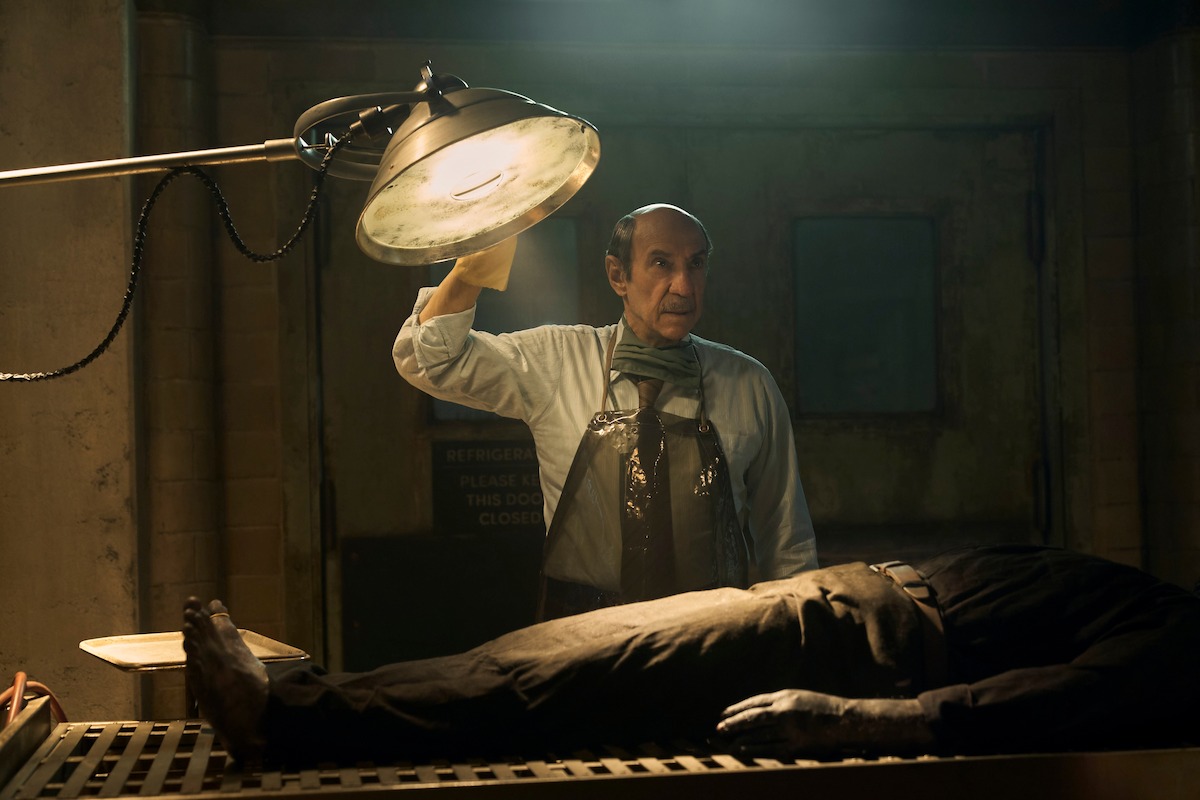
F. Murray Abraham as Dr. Winters in episode “The Autopsy” of Guillermo del Toro's Cabinet Of Curiosities.
Flanagan: What do you say to people who come to you and say, “I don’t like horror.” How do you try to lure them in?
Del Toro: Well, there’s Sturgeon’s law, which is 90% of everything is shit, which is true. You can say that about comedy, science fiction or action movies. So just direct them to the 10% that they should see. They may be convinced, but you can never make someone jump onto a roller coaster if they don’t like it. The best horror for me is when you come in feeling you’re going to be afraid and you end up crying. You end up being moved and recognizing yourself in it. What monster do you identify with most?
Flanagan: I think the one I identify with the most is the vampire. It’s an anxiety of mine that I don’t know exactly where it comes from, that I’m feeding off of the people I’m close to somehow. I’m taking something from them, and this relationship is beneficial in a lopsided way. As a child, I’d identify very much with the vampire because this was a character that was lonely. They could look like a person, behave like a person, mimic a person, but not be the same. They have some kind of deep secret, some kind of appetite to them, that would very much disturb people if they found out about it. What’s one book that you feel every fan of the genre has to read?
Del Toro: Frankenstein. The beauty of Frankenstein is that it’s written by somebody in her late teens and the questions it asks are relatable. It’s a very vibrant book. That book resonated with me, and it’s something I would love to tackle. If you read it at 15 and then you read it at 40, it’s a different book. Have you ever talked to Stephen King in person?
Flanagan: I screened Doctor Sleep for him. I sat next to him during the movie in abject fear that he was going to hate it because he didn’t want to see anything until it was done. All I could think about was everything I’d ever heard him say about Kubrick’s The Shining. I just sat there staring at him and analyzing every little twitch he made. Fortunately for me, he liked the movie, or I probably would have died and never worked again. Afterwards, we got to go have lunch, and we sat and had pizza and just chatted about books and movies we like and talked about our kids. It’s one of the most incredible afternoons I’ve ever had in my life. He struck me as someone — and I’m having the same experience today — who I felt a kinship with, who sees the world and stories in a very similar way. It was a privilege to be able to say to him what I’m trying to not awkwardly say to you: Thank you for making me love stories and for showing me what’s possible.
Del Toro: That’s what we do, and that’s what you’re doing for a generation now.