Behind the Scenes
Everything You Need to Know About Andrew Morton’s Book in ‘The Crown’
Researcher Annie Sulzberger explains the facts.
Nov. 11, 2022
🤐 SPOILER ALERT 🤐
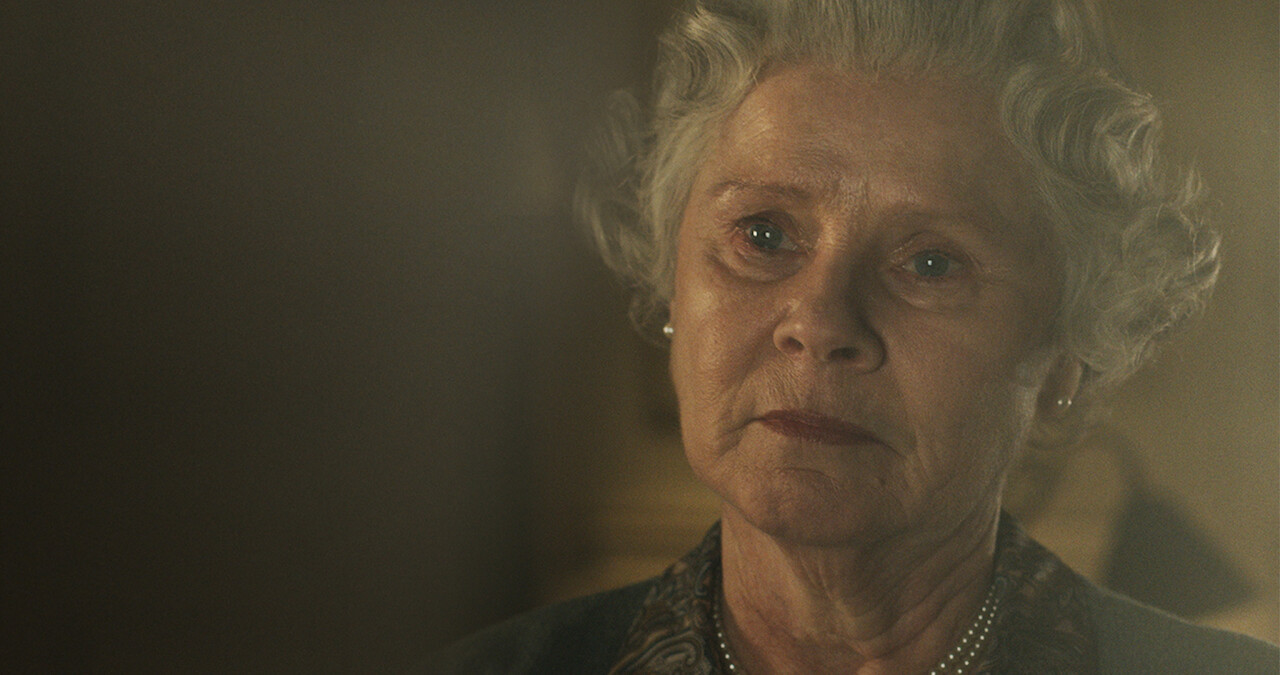
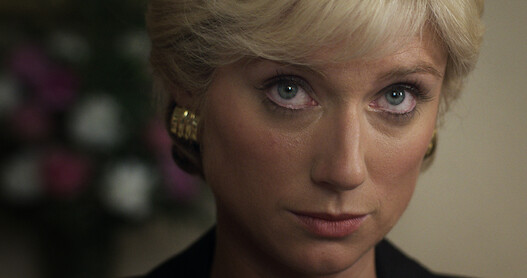
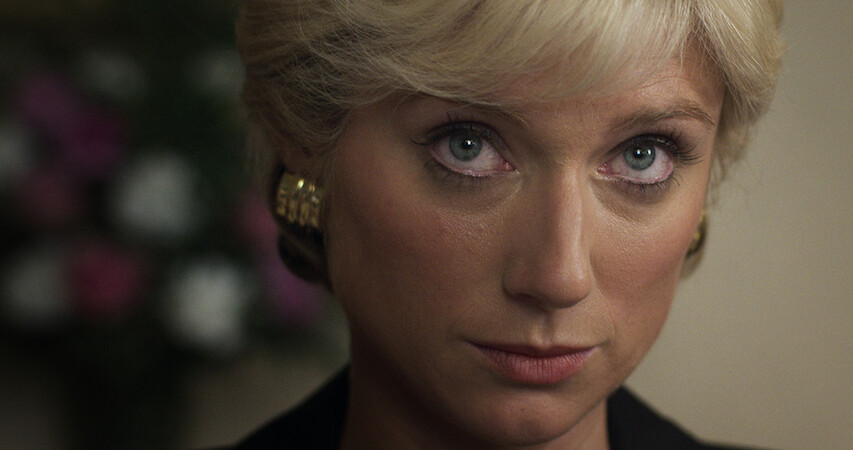
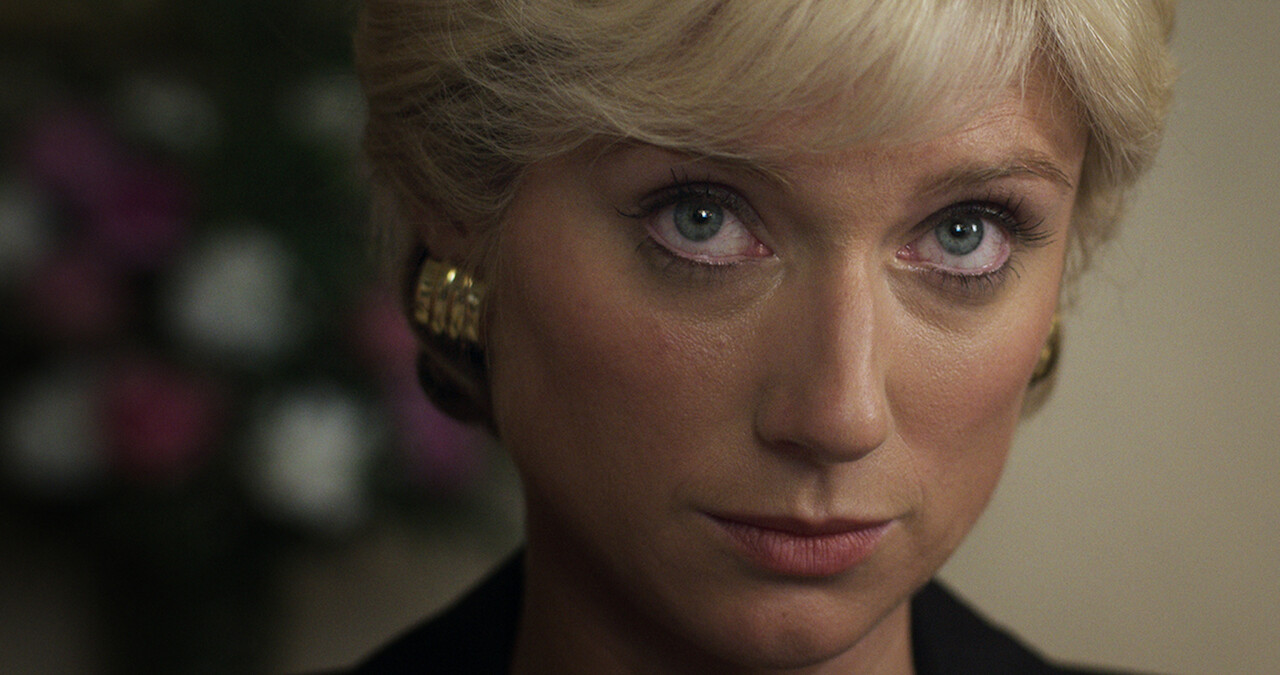
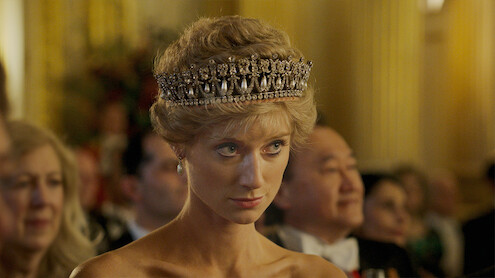
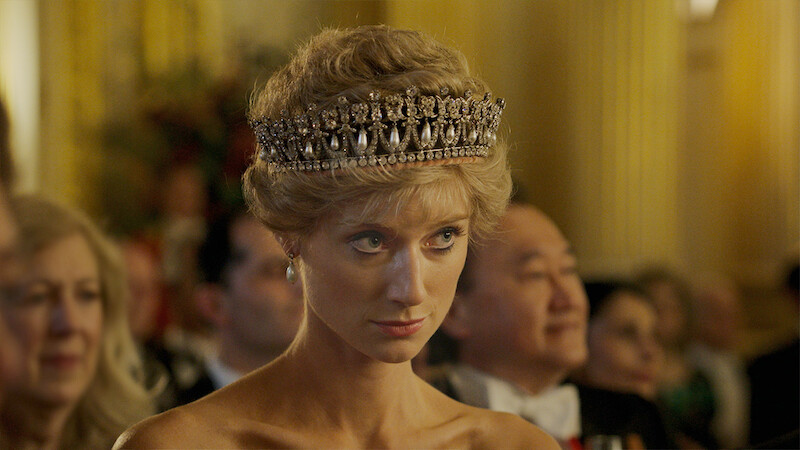
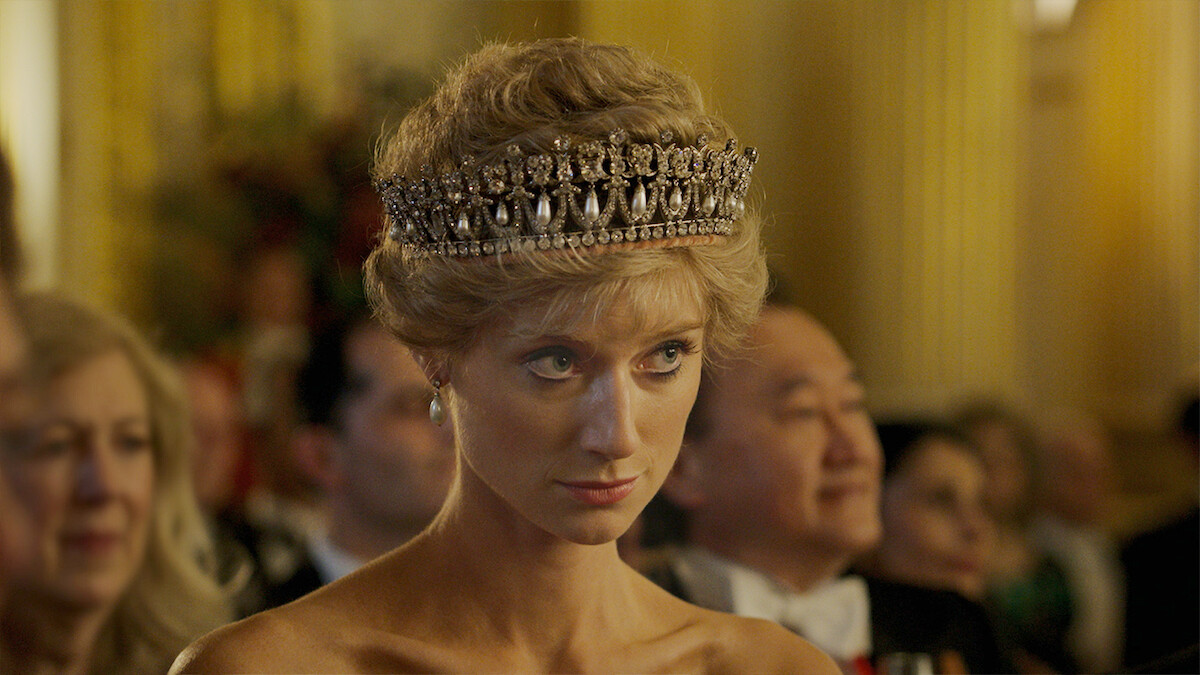
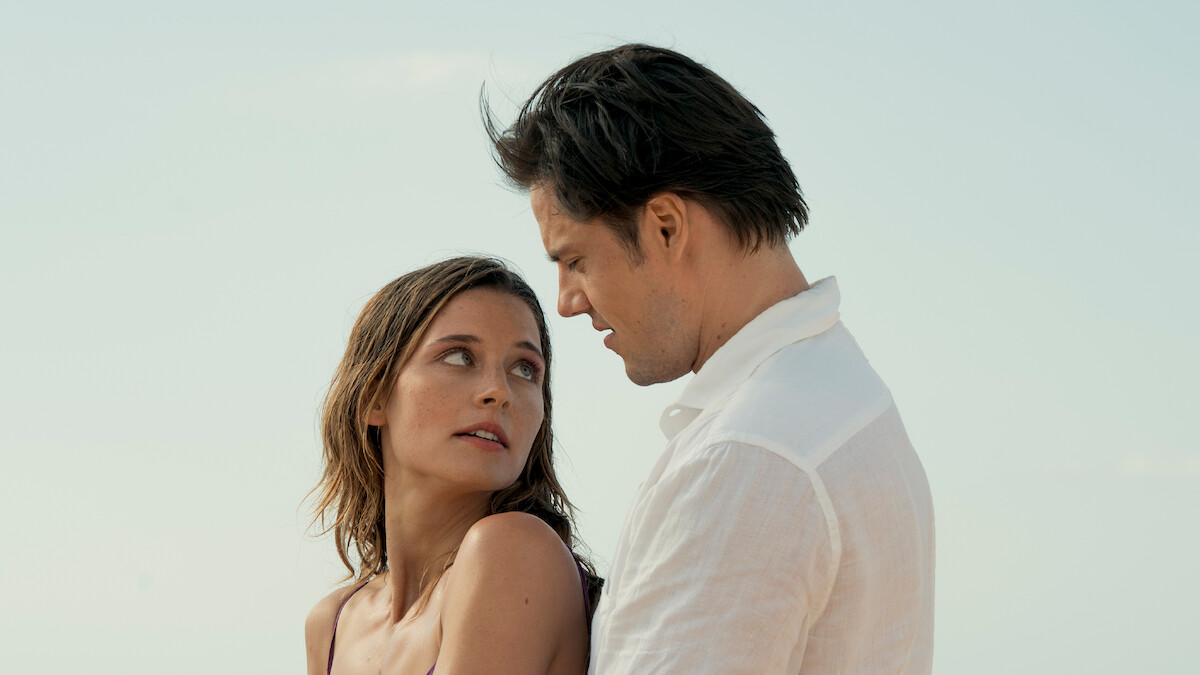
Andrew Morton’s explosive tell-all about Princess Diana (Elizabeth Debicki) takes center stage in Episode 2 of The Crown. In the second installment of The Crown: The Official Podcast, host Edith Bowman explores the ways in which the characters must learn to live within a rigid hierarchy that leaves little space for the individual. Ahead, you’ll find the transcript of her interview with head researcher Annie Sulzberger, who gives context around Morton’s book.
Tune in to the full episode for more behind-the-scenes details on “The System” as Bowman speaks to director and executive producer Jessica Hobbs, movement coach Polly Bennett and Jonathan Pryce about Philip’s journey over the course of the series.
Edith Bowman: Well, it’s time now to head over to The Crown’s research department for our new feature for this season of the podcast. Let’s ask head of research Annie Sulzberger the questions we’ve all been wondering about. Annie, what came out in the Andrew Morton book and how was it written?
Annie Sulzberger: OK, I’m gonna start with, “How was it written?”
Bowman: OK.
Sulzberger: Andrew Morton was a royal correspondent for various newspapers. He also wrote books. He wrote a kind of easy-going book on Diana in the late ’80s, and he was part of the circuit. She knew who he was a little bit, but he became friends with one of her good friends, Dr. James Colthurst, in the late ’80s.
We don’t know if he did it because he was courting him or whatnot, but they met each other on one of her tours of a hospital that James Colthurst worked at. And then they started playing squash together and hanging out, and it’s 1991 when he says, “Hey, I’m thinking of writing a book about Diana. Do you think I could sort of have her cooperation?”
At that same time, it’s the second honeymoon that we show [in Episode 1]. She’s very angry with the state of their marriage and with the way Charles’ private secretaries are using the second honeymoon to say, “Look, aren’t they so in love?” No, they’re not. It was not good.
So, when Morton says I’m gonna possibly write a book about her, she’s like, “OK, maybe I could help here. Maybe this is the time.” So what he does, so that he’s not lying when he says “I never interviewed her,” and when he defends the book, he asks James Colthurst to take his questions to Diana at Kensington Palace.

They’re very good friends — no one’s gonna be suspicious that James is coming by — and she will record her answers on tape. He will then take the tapes back home. Morton will come over to his house. James will give Morton the tapes to listen to them then and there, and he’ll transcribe. And so it’s essentially an autobiography because she’s providing him with all of this personal information that’s never been public at all. She’s also giving him access to her best friends and her closest confidants, so it’s the closest thing that we have to an autobiography by Princess Diana before her death. It comes out. He’s stunned by her candor, as is the rest of the world, when it starts to be serialized in 1992 in The Sunday Times, but they decide to publish it in Finland for security purposes. And in it, she tells all: that she knew about the Camilla relationship from the start, that she was bulimic. A lot of people didn’t even know what bulimia was at the time. She claims she threw herself down the stairs. She [says she] tried to kill herself five times, that the royal family never was there for her.
It’s interesting because there’s one point when Morton says, “I can’t publish this unless you give me evidence for the Camilla affair.” And she steals private correspondence from Charles’ briefcase in Balmoral and shows copies of them and says, “Is this enough?” to Morton and the publisher.
Mind you, nobody knows she’s involved because they’re not claiming it’s an autobiography. So at the start, it’s completely discounted as pure fantasy, written by someone who hates the Charles court, and all of his friends come out and newspapers that support Charles say, “This is utter rubbish.” But then she goes to visit her friend who’s the primary source in the book, so she’s essentially adding legitimacy to it. From that moment on, Elizabeth and Philip, who had always been rather like, “Make it work, make it work, make it work, we can’t divorce in this family, you’re going to be head of the church when you ascend the throne,” they say, “OK, if we can’t divorce yet, then fine. We’re finally behind separation. This is not manageable anymore. You can’t just return to the status quo with her.”
There needs to be some indication to the public that, yes, this couple is no longer romantically involved, but they’re going to take their public duty seriously. They’re going to stay married for the public. But what’s really useful with Morton to keep in mind is this is one person’s version. For example, she never admits her own affairs, and she’s had four by this point. So she places a lot of blame on Charles about him being adulterous, but she completely omits all of her indiscretions. You have to keep that in mind. This is a confessional from one perspective, and Charles would counter that with his [Jonathan] Dimbleby [interview]. Each one of these, this is not the truth — this is their truth, and it’s obviously rather flawed.
This interview has been edited for clarity and length.
Listen to the full episode of The Crown: The Official Podcast for more from Season 5, Episode 2 of the drama series.