Keith Bernstein/Netflix
Behind the Scenes
‘The Crown: The Official Podcast’ Introduces a New Queen Elizabeth
Bow down to Imelda Staunton.
Nov. 9, 2022
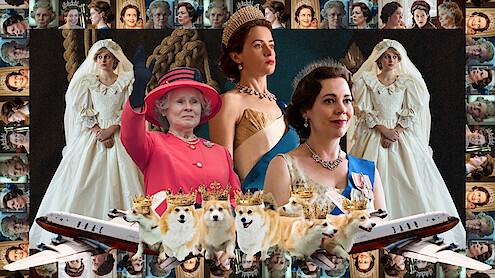
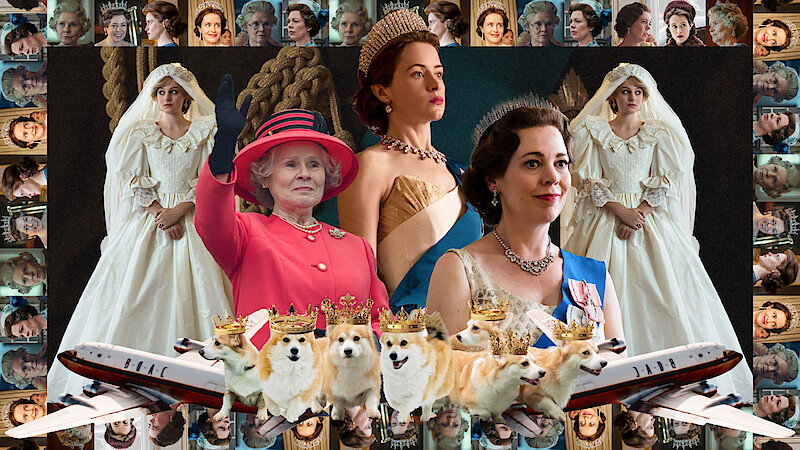
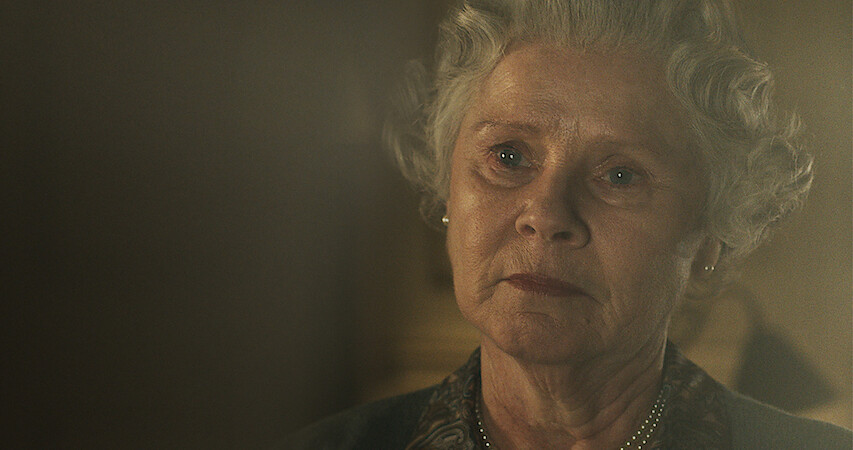
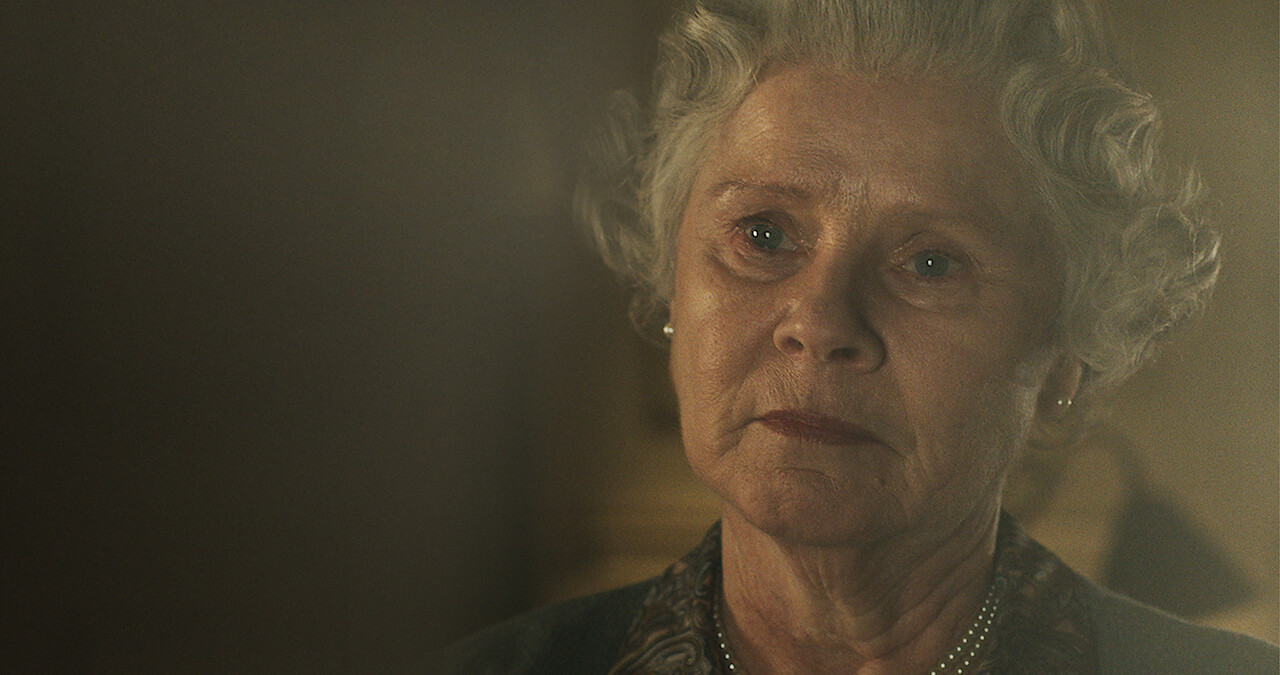
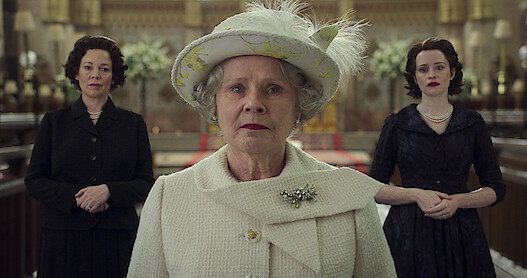
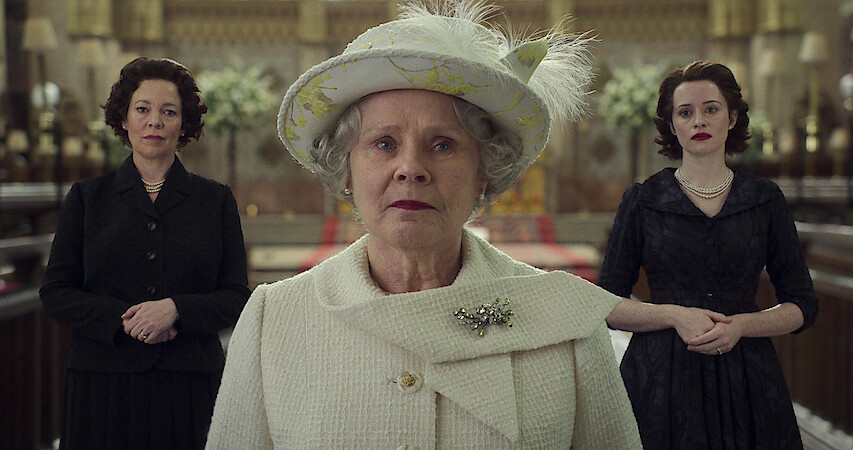
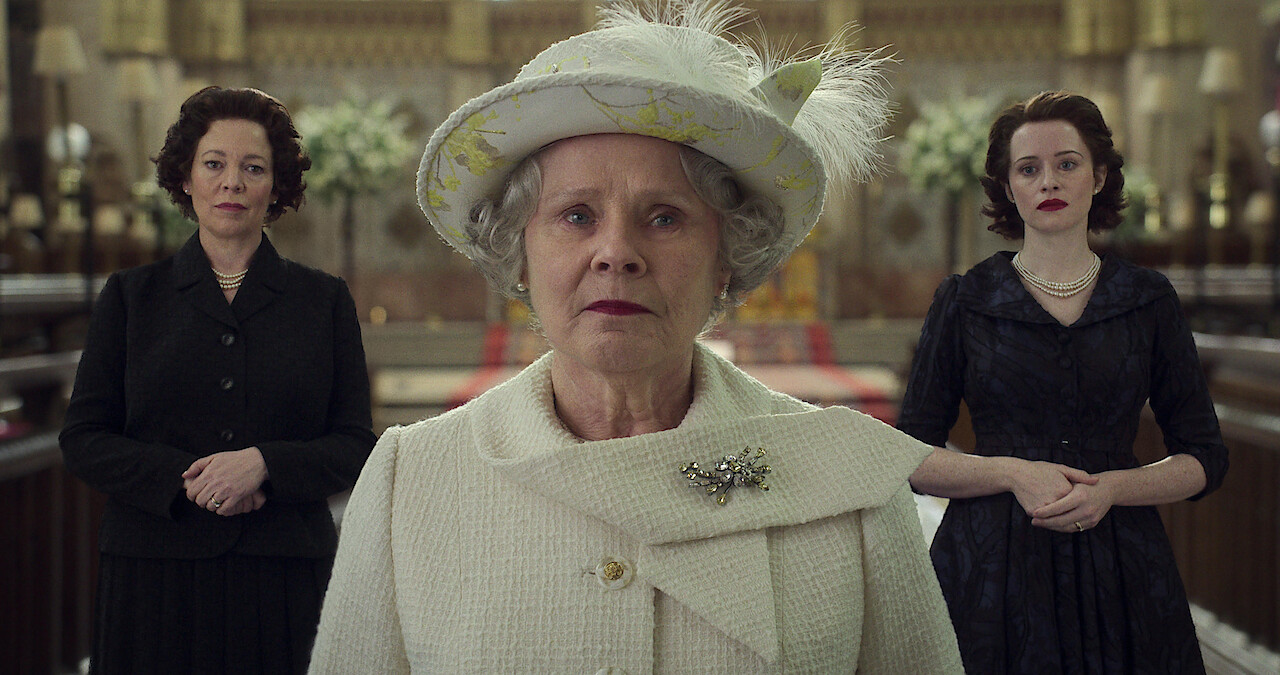
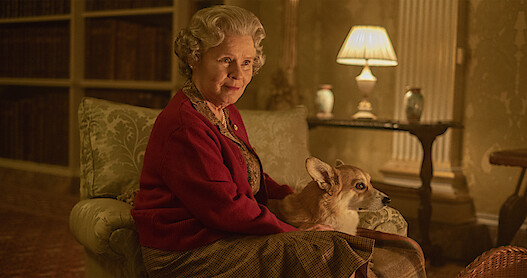
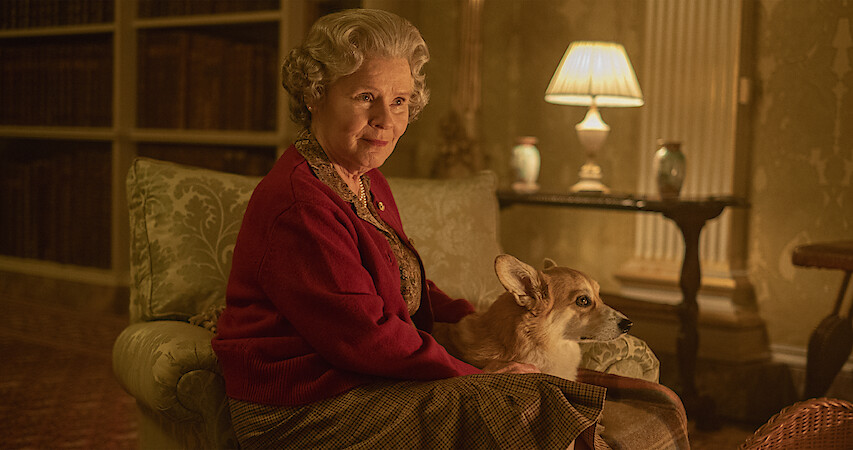
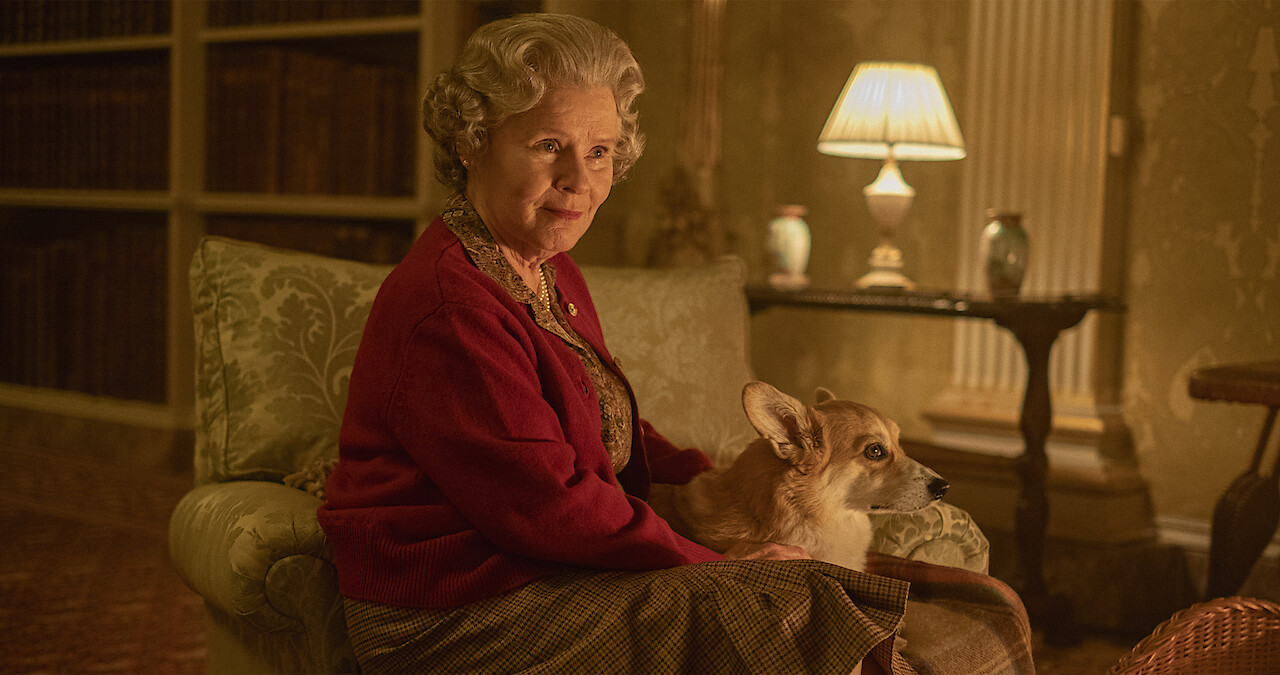
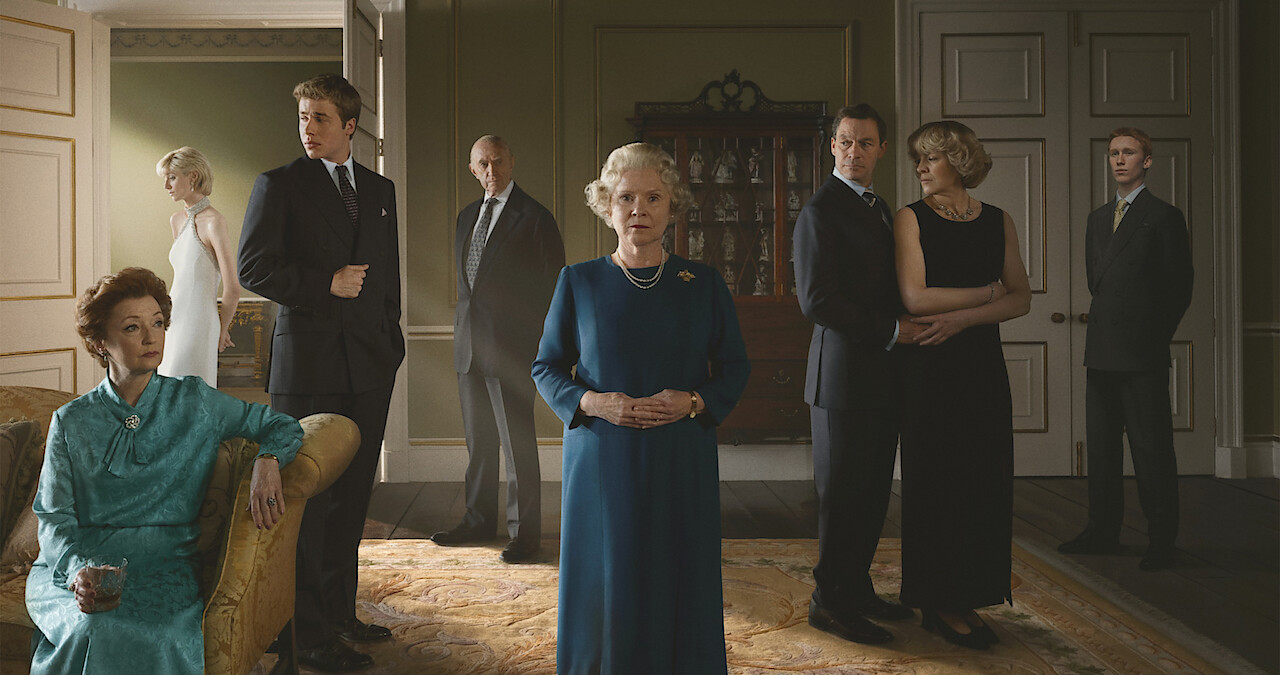
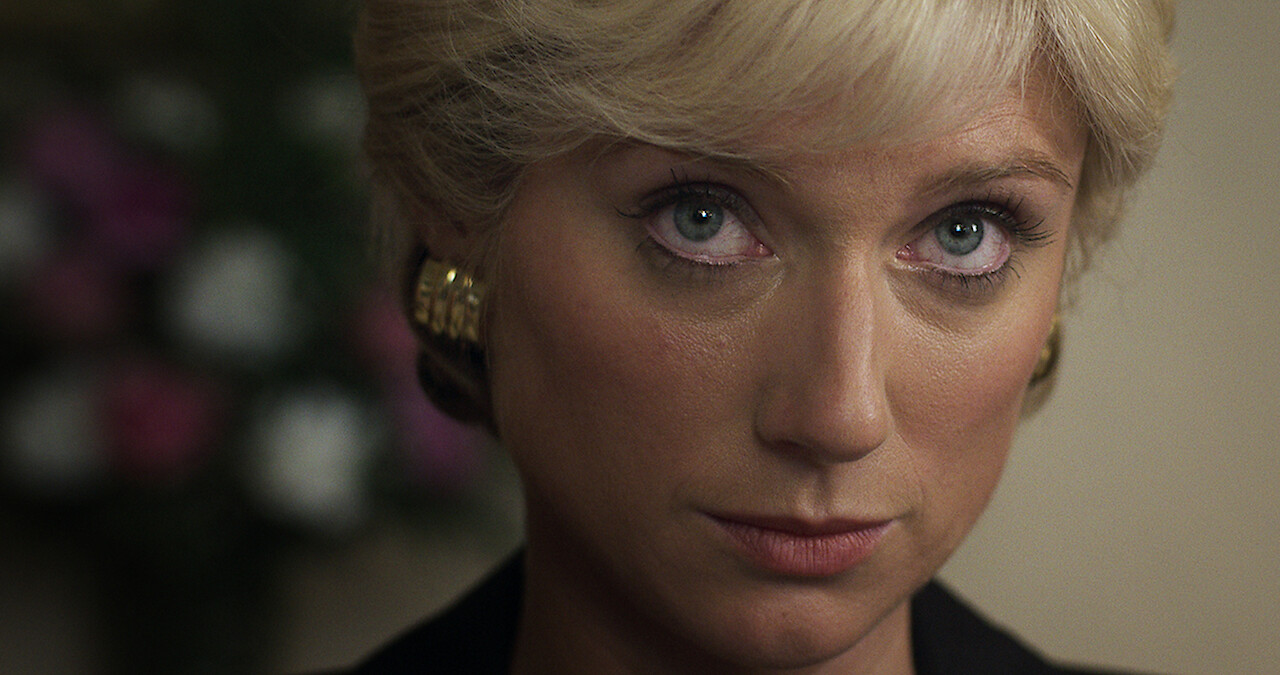
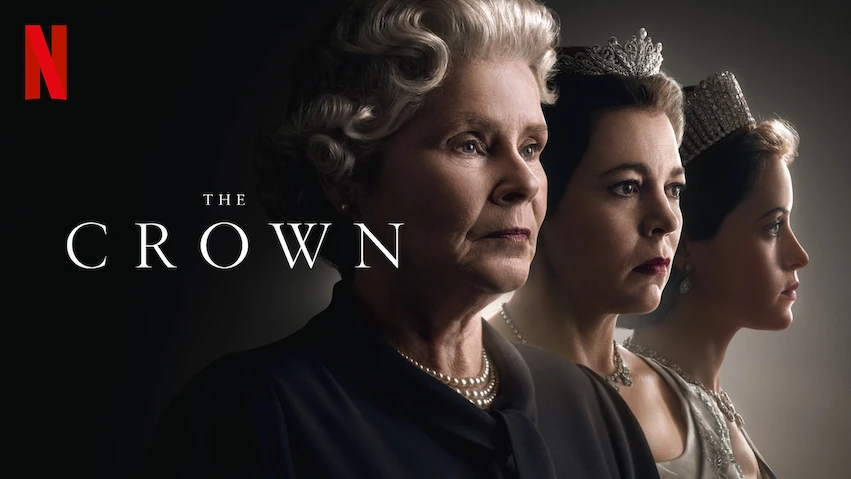
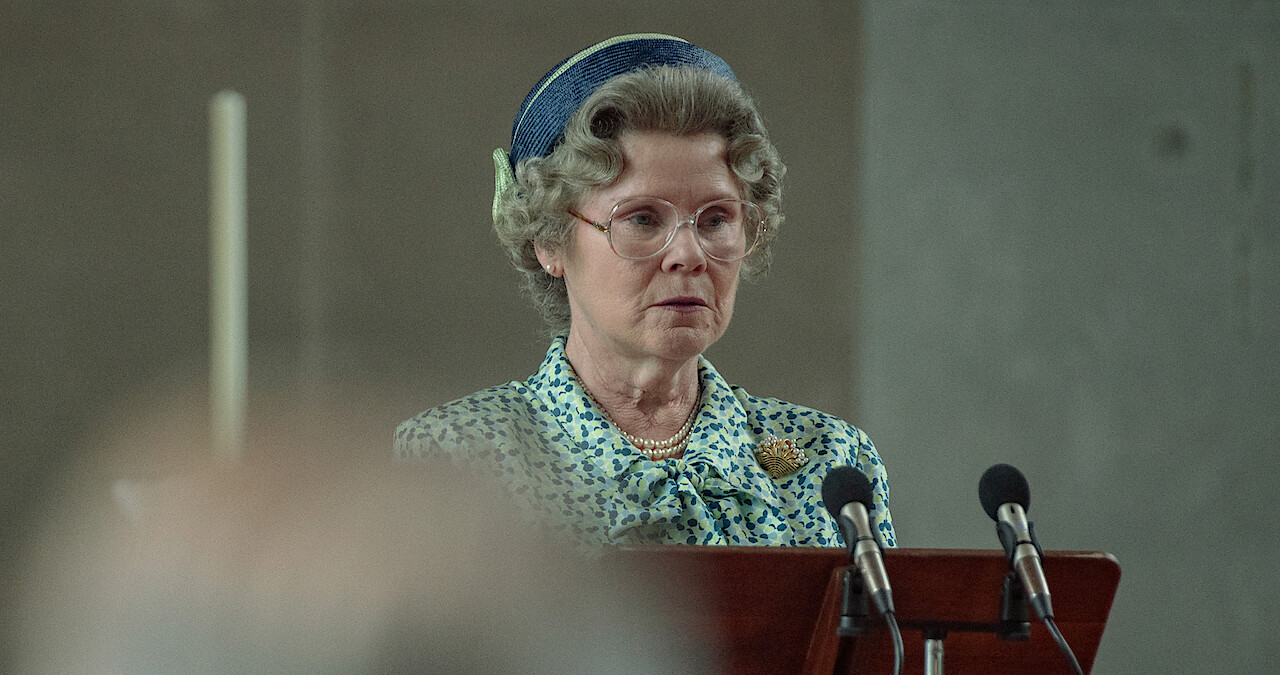
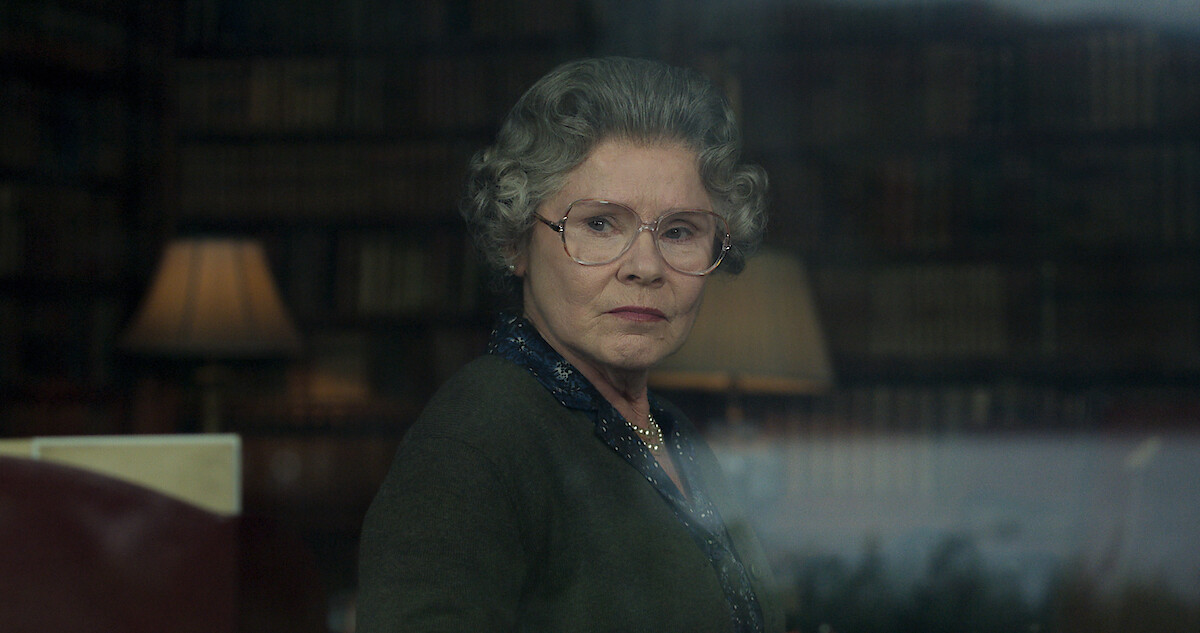
For the third and final time, The Crown has a new queen. Imelda Staunton takes over for Claire Foy and Olivia Colman in the series’ fifth season, portraying Queen Elizabeth II as the royal family enters one of the most turbulent periods in its modern history: the ’90s.
In the very first installment of this season of The Crown: The Official Podcast, recorded alongside the production of Season 5 (and, therefore, before the passing of Queen Elizabeth), host Edith Bowman talks to Staunton about stepping into the role. Read a transcript of their conversation below, and check out the podcast for more from creator Peter Morgan, director and executive producer Jessica Hobbs and head researcher Annie Sulzberger, who take you behind the scenes of Season 5, Episode 1: “Queen Victoria Syndrome.”
Edith Bowman: Ah, yes, the queen — played this season by the legendary Imelda Staunton. I was lucky enough to catch up with Imelda on set at Elstree Studios, just outside of London. When I say “on set,” I really do mean on set. I sat down with Imelda on a comfy sofa in Kensington Palace.
Bowman: Imelda, you’re amazing in this. You really, really are. I just want to say congratulations to start with.
Imelda Staunton: Thank you. Thanks.
Bowman: Do you mind if I ask how Peter asked you? Because I know that he says that he’s had you for this part of this whole story in his mind for a long time.
Staunton: I was asked to go to his house. In June 2019 on something like June the 11th at about 11 o’clock.
Bowman: Brunch?
Staunton: So, I go there and he opens the door [and] goes, “Oh, hi, sorry. There’s been lots of people here.” And I thought, “Well, of course there have, because you’re seeing all these people to play the queen.” He made me a very fine coffee and we went upstairs and then he said, “So, we want you on board and that’s it,” and I think I said, “Are you sure?”
And then he said, “Do you wanna watch some of what we’ve done?” And I said, “Yes, absolutely.” As if that was gonna make things any easier... Let’s watch all the other people do it.
Bowman: But I think [that’s] what’s great about this show. It’s all their own voices. It’s all different. Dominic [West]’s Charles is different to Josh [O’Connor]’s Charles. It’s a different period of the story. It’s a different time in their life.
Staunton: All you try to get is an essence. Because, you know, we’ll go, well, “I don’t look anything like [them].” Get rid of that. Oh, “I don’t sound anything [like them].” Get rid of that.
But the added weight is we’re not only the original people who we are trying to portray, but then everyone else who has portrayed them before. So, you have to sort of go through that and accept it and look at it and fear for your life. And then that goes away, and you just go forward. And also, no doubt about it, you are served with such good writing. So, that is most of your work done for you. And I think for me, what I found incredibly moving are my costumes.
Bowman: Amy and Sid [Roberts].
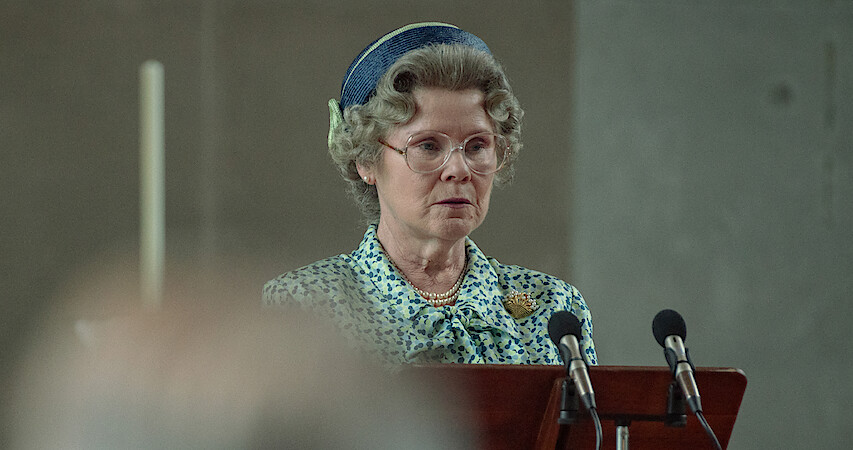
Staunton: I have found that really, really moving — the care and the love and the precision. And of course, there’s something about this real woman, this queen, and how they want it to be so right for her. It has also made it very hard for me to go to any shop and look at any clothes and [not] go, “Well, that’s not made right, is it? That’s not made at all properly.” Everything I wear is handmade. She never wears the same thing twice, but I think the work that’s gone into that just shows what this is all about, and what probably the queen is about — you don’t do it unless it’s right. And you don’t do it unless you’ve worked hard at it. And they work really hard. You’re just being enabled all the time to serve it up.
Bowman: They’re such an amazing team here, from my experience of having the luxury of chatting to all these wonderful craftsmen and women in all these amazing departments, be it props or hair and makeup, set design. I mean, we’re in Kensington Palace. It’s bonkers. There’s so much care and love put into it.
Staunton: There is care and love, but also the crew have worked so hard in their masks, month in and month out. That’s been really hard for them. So let’s not forget how difficult it has also been, and for the production company, keeping people safe. So, add that onto something that’s already challenging, you know? And I think everyone did absolutely remarkably well.
Bowman: How did it feel when you came on set for the first day? Because everything is so real. Even when you walk around the lot, there’s a bit of Buckingham Palace, there’s a bit of Downing Street. There’s so much reality here.
Staunton: Yes. It doesn’t feel like a set. And also we’re not dealing with just a nice ordinary kitchen, are we? We’re dealing with high-end. Real life. Martin Childs, who designed it, I first worked with him in 1985. He was the assistant on Dennis Potter’s The Singing Detective.
Bowman: No!
Staunton: Yeah. Now he’s running the show and he’s been given the right money to do the job the best he can. We’ve all done a lot of, well, let’s just make do, and you’ve always done your best, but then to just be given that little bit extra to do it really well is really good. And I haven’t been here before, so this is quite interesting.
Bowman: Welcome to my drawing room.
Staunton: Thank you.
Bowman: I’d quite like to live here.
Staunton: Yes.
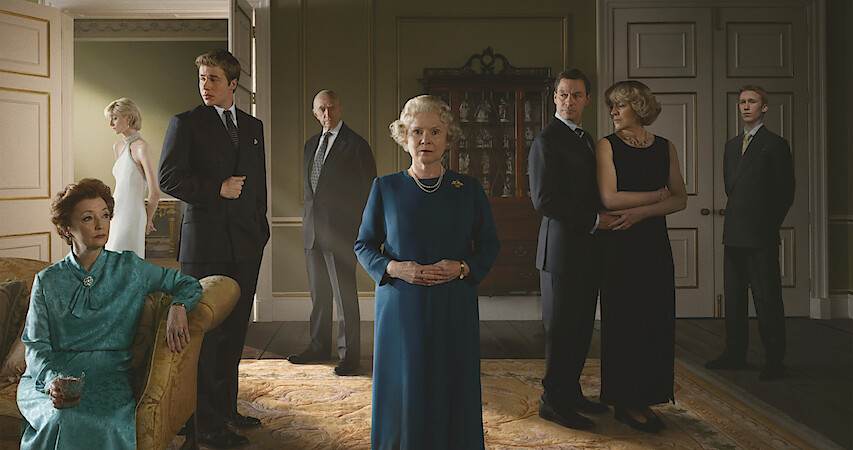
Bowman: I was saying to you, I’ve been lucky enough to see a couple of episodes and it’s wonderful to watch you and Lesley [Manville] together. You’ve known each other for a long time, and Lesley was talking about [how] you thankfully both knew quite close to each other that you were gonna be playing these roles, so you didn’t have to keep secrets from each other. But that must have been a wonderful and exciting opportunity.
Staunton: Really nice with Lesley and with Jonathan [Pryce] and with Dom[inic West]. I’ve worked with them all, so there’s a great ease there.
Bowman: Yeah.
Staunton: That’s riches, really. And for Lesley and I, it’s a lovely opportunity to do proper stuff together, because we usually talk about cakes and stuff in between.
Bowman: That’s what Jonathan said. He’s like, “We don’t talk about the scene or where they are.”
Staunton: Well, you don’t because if it’s written that well, there ain’t nothing to talk about, but [you] just do it and with every single scene you think, “Well, thank you. Thanks for that.”
Bowman: The way that Peter writes, it’s so captivating and brilliant that you believe everything. That’s down to his writing, the performance, all those wonderful collaborations within each show and episode. It’s a fine line finding that line of the performance.
Staunton: I’d like to say it was down to me, but I actually think it is completely down to Peter Morgan because he creates the line. He’s creating all of it.
Bowman: You’re the tightrope walker.
Staunton: Yes, I am. Thank you. That’s very good. Thank you. I’ll use that.
Bowman: You can have that one.
Staunton: Thank you.
Bowman: On that day, you went around to Peter’s house. Did he give you any scripts to read?
Staunton: No.
Bowman: That’s a good sign. You’re saying yep, before you even read a script.
Staunton: You know, you’re asked to play the queen. You’re not gonna say, “Well, hang on a second. What does she actually do?” Of course it was a huge honor to be asked. You always think, “Oh God, are you sure I’m the right person?” But of course, there must have been a bit of me that felt, “Yeah, I think I can give this a good shot.”
Bowman: What’s been your most memorable moment on this so far, do you think?
Staunton: Two things, actually. I got to walk on a big beach somewhere that was rather extraordinary. And then in Episode 4, “Annus Horribilis,” I got to walk up a beautiful staircase into the most extraordinary banqueting hall. And that felt like I was in The Crown. But those are just images. Every scene has a rich moment within it. And the scenes where you have got more than just a few lines [are] difficult. It’s satisfying. It’s demanding. It’s not something you go, “Oh, this is fun.” No, it’s not fun. God almighty, it’s so hard!
Bowman: It’s hard work.
Staunton: It’s hard, which is good. That’s not a bad thing. Work being difficult is not a bad thing. There wasn’t any moment I thought, “Oh, that’s lovely. I’m just doing this now.” No, raise the bar, raise it higher, raise it higher all the time. I do that to myself, but also the writing demands that you do that. And hopefully the directors push you up there, get you onto that tightrope. Also something that I’ve never done before is where you also have five different directors. So, that was new for me. And each one just got better, and I thought, “Well, this is great, actually.”
Bowman: Yeah.
Staunton: I thought it would be very hard, but then also I’m playing a character, as we all are. We’re playing characters who live in their own little box and whatever shape that box is. So it’s not like I could go, “Well, what can I do with this queen?” You just want a director to, within that, give you some space or take away some of your air. And they all did that. That was really nice to have a slightly different color.
Bowman: It’s such an interesting thing because it’s about a family, but [also] this incredible woman. As Peter’s always said to us, when we’ve been lucky enough to chat to him, that everything always comes back to her. She’s the beating heart of all of it.
Staunton: I think that will be gone when she goes, because if you think, she had a connection to Queen Mary and that generation of people who did not question. I’m not saying that’s right or wrong, but they just didn’t. No one said, “I’m tired. Well, I can’t do this.” For the queen — not being too flippant about it — but you know, her whole life has been a press junket. And no one has done it better.
Bowman: Do you feel like you understood her life a bit more from this part?
Staunton: I understand that her faith has a lot to do with her resilience and her stoicism. I think it’s obviously given her enormous support and strength and serenity. One sort of learns from that and takes a little bit from that because part of you goes, “I don’t know how she does it.” And then of course, people might say, “Well, it’s an easy life.” I don’t really think it’s in any way easy, but it’s just her life. I don’t think she questions it. And I think one of the main reasons that people seem to love the queen is that she has always just been herself. The queen just knew she had a job to do, and actually that was the most important thing. She realized how lucky she was to have Philip who was prepared to stand behind the woman.
He did that because he also understood duty and, it’s interesting, isn’t it? We think [it’s an] old-fashioned thing, duty, but actually that’s why people love those sorts of people, because they’re always gonna be there and do the right thing.
This interview has been edited for clarity and length. For more, check out the full episode of The Crown: The Official Podcast.