VANESSA CLIFTON/NETFLIX
Interview
Survival of the Thickest Levels Up in Season 2
Co-creators Michelle Buteau and Danielle Sanchez-Witzel usher in a bold new season.
By Collier Meyerson
April 1, 2025
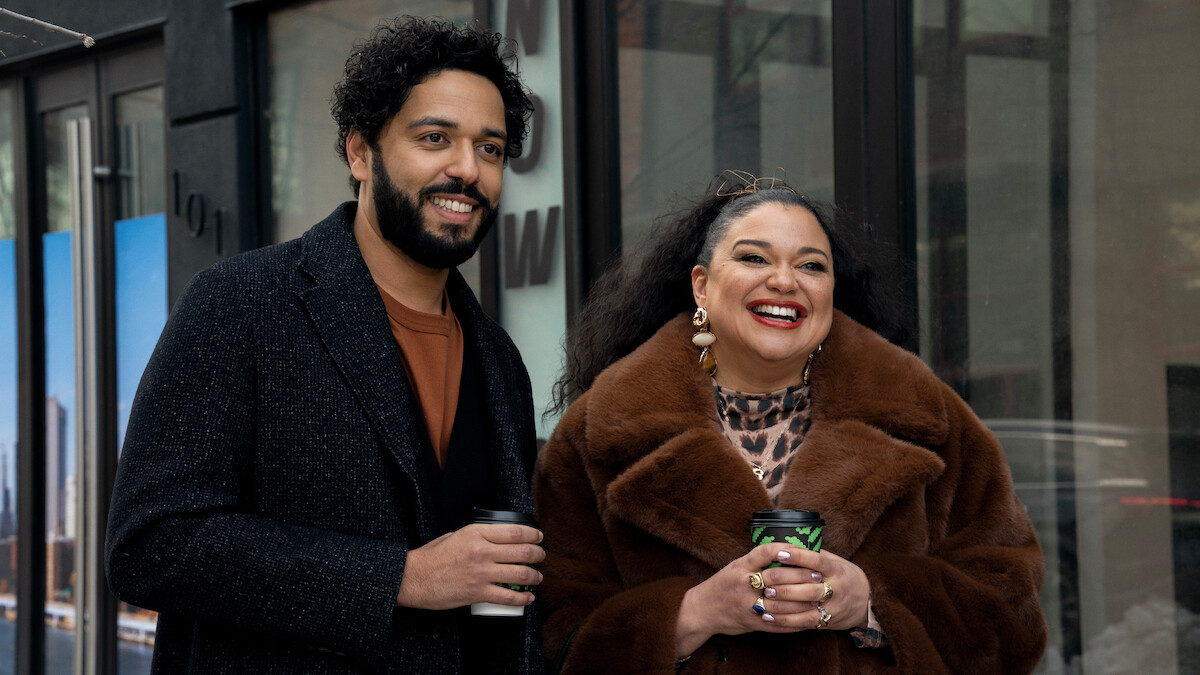
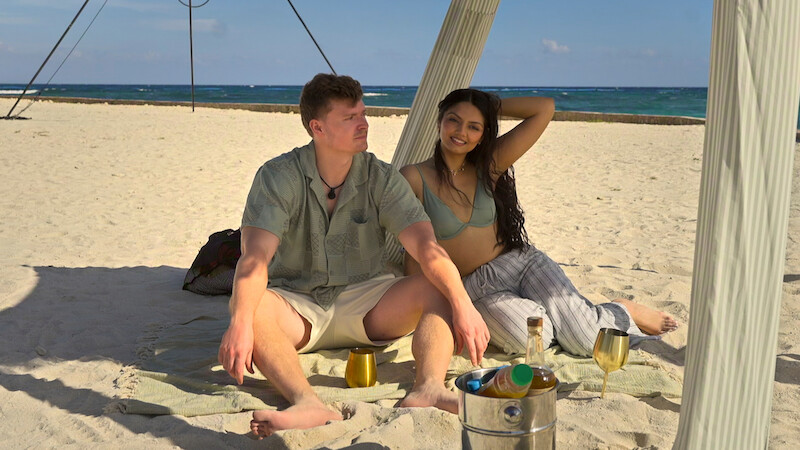
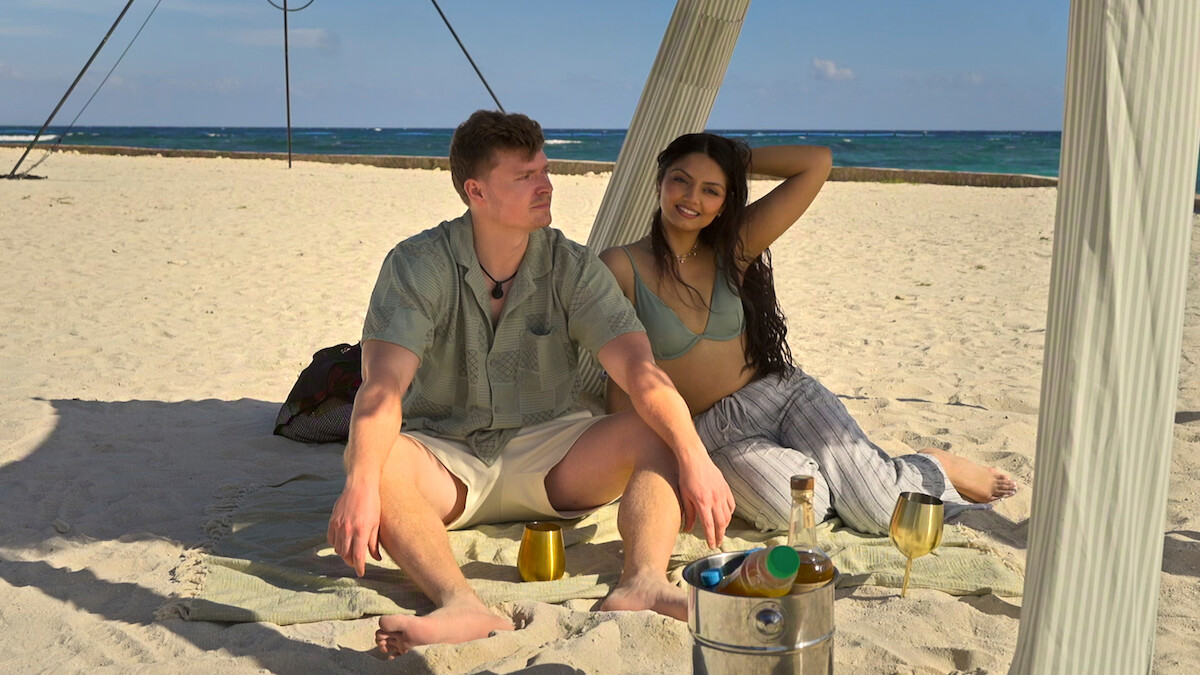
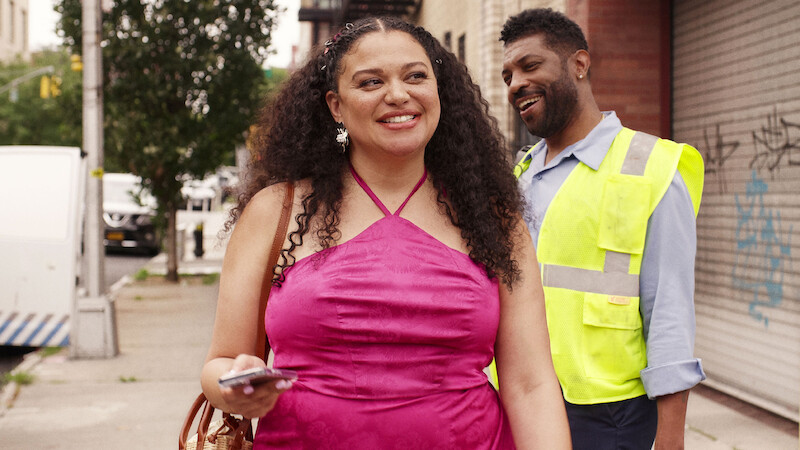
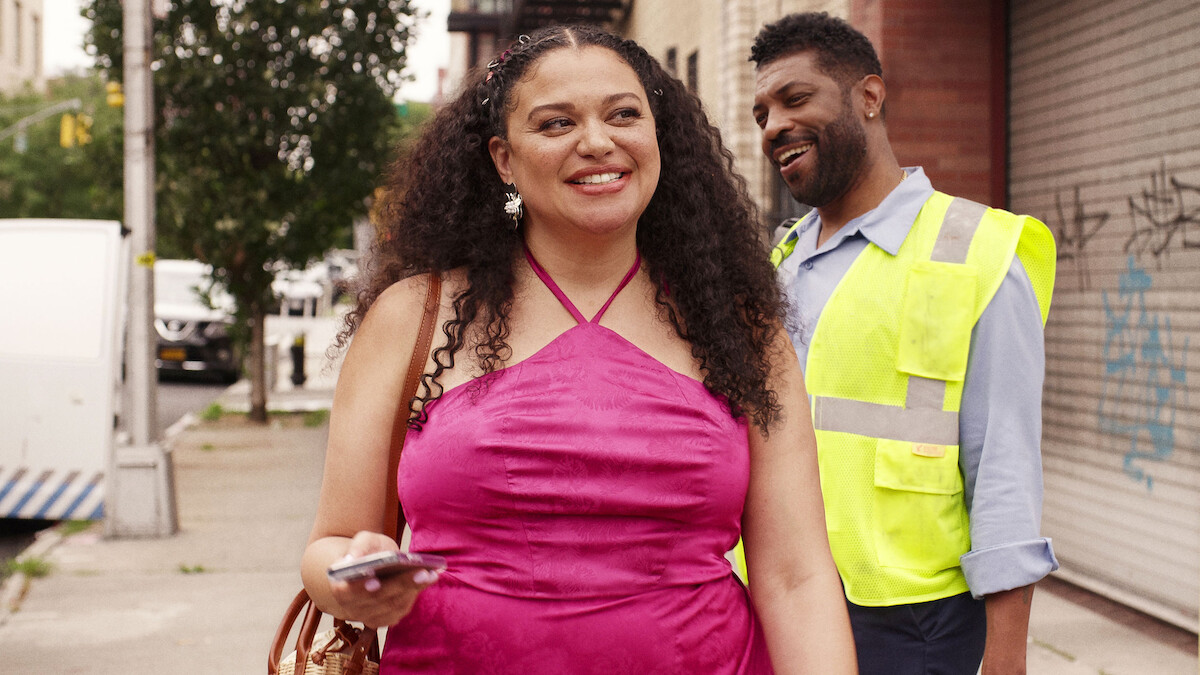
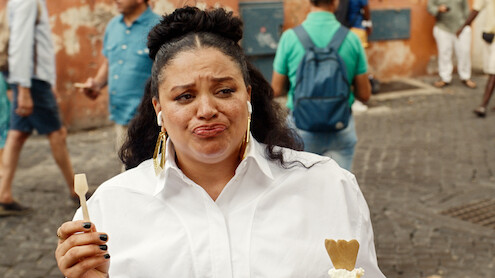
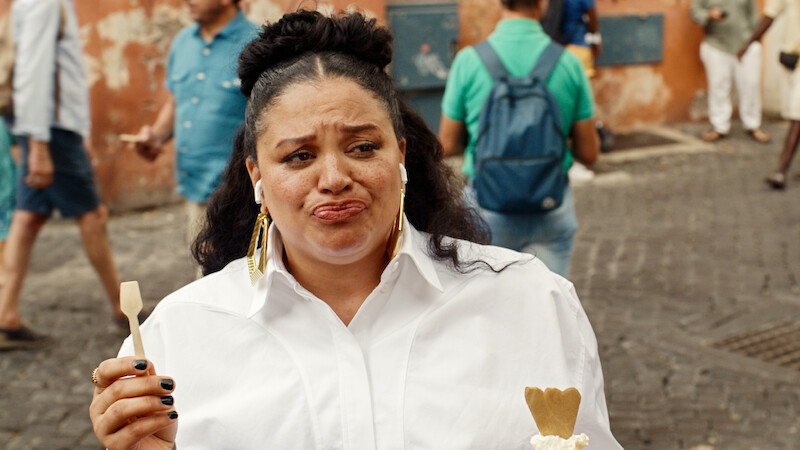
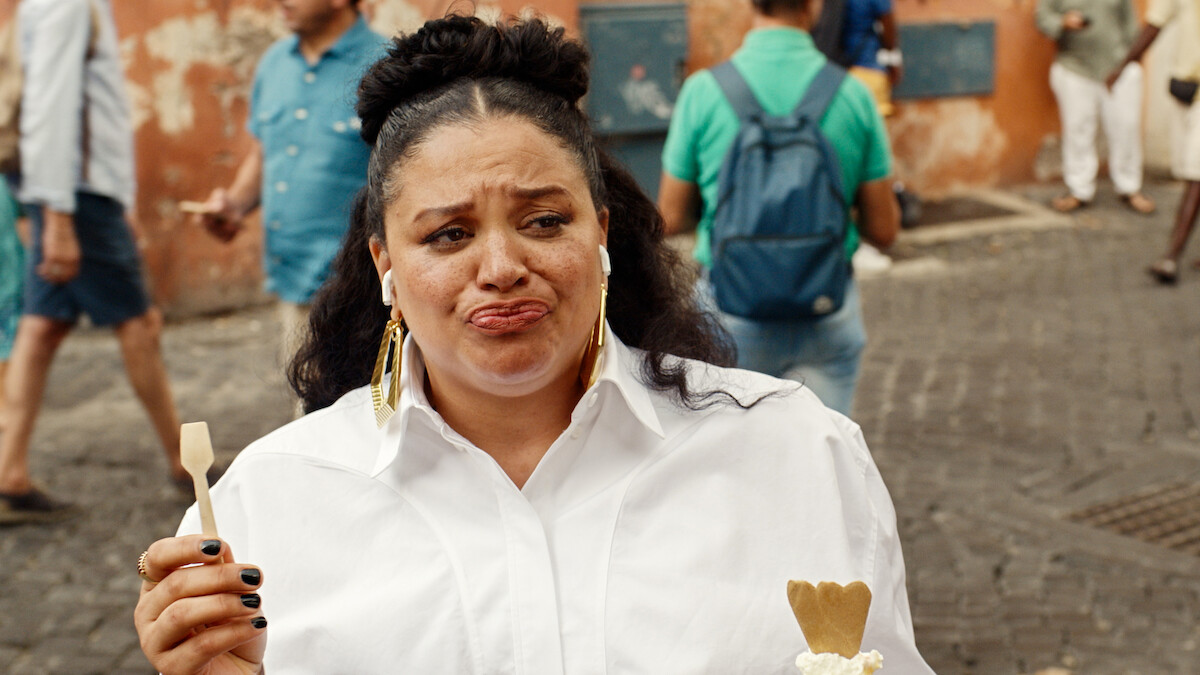
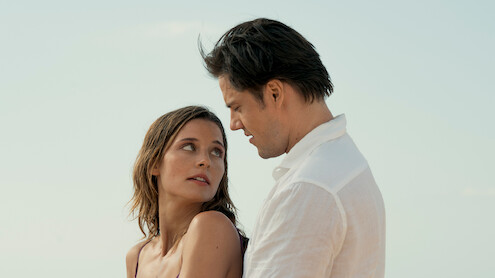
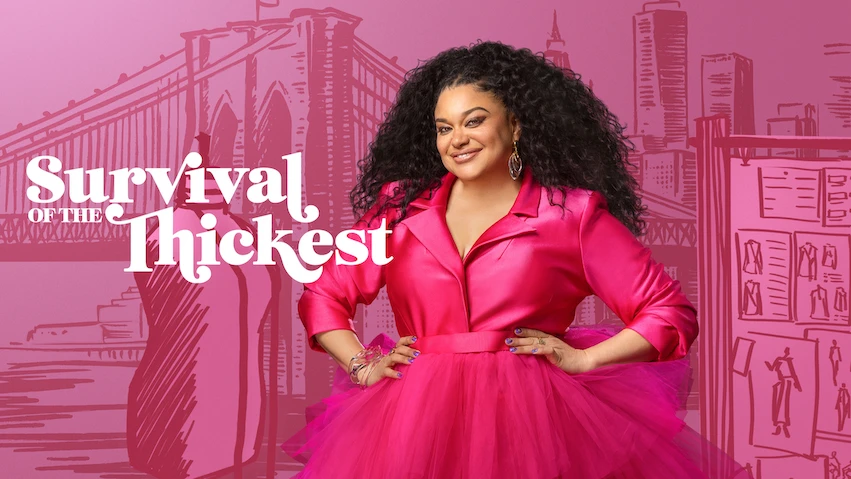
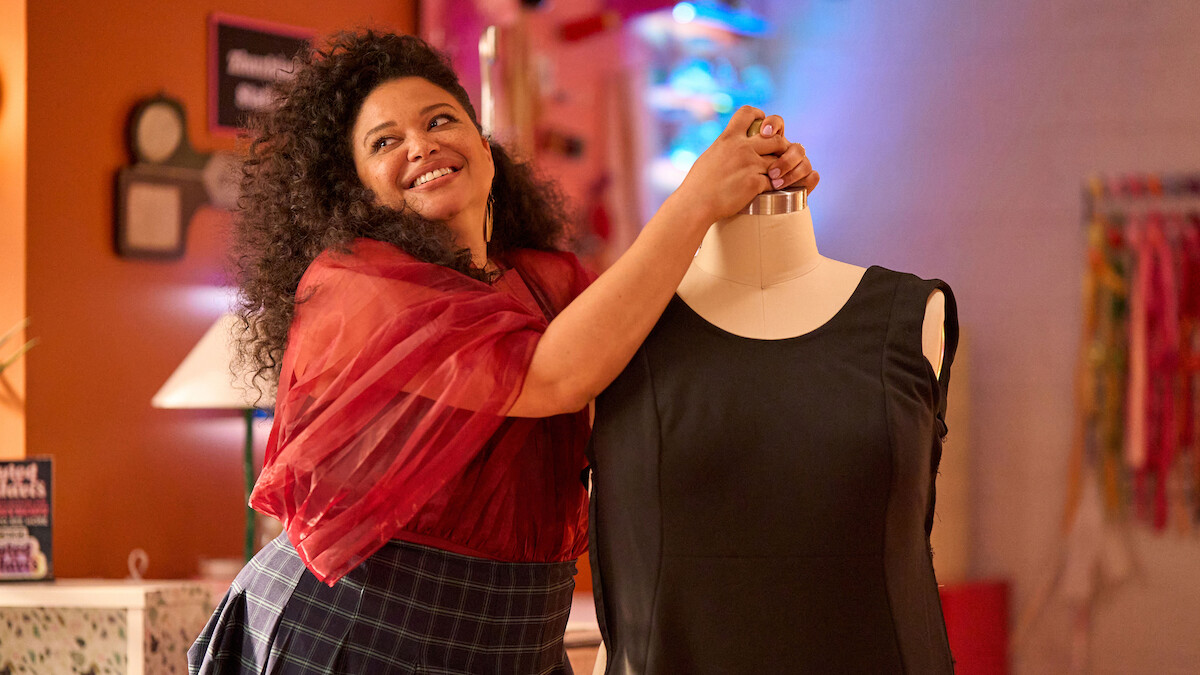
Back for its second season, Survival of the Thickest, co-created by Michelle Buteau and Danielle Sanchez-Witzel, follows Buteau’s character, Mavis, as she revisits old love interests, dips her toes into new ones, and makes bold career moves. Undergirding the whole season, though, is Mavis’ need to explore self-love.
“How are we growing not only Mavis, but the whole world,” Sanchez-Witzel asks of the second season. “The theme that we kept coming back to was leveling up. Getting these characters to reach new heights romantically, take chances with their careers.” The cast’s supporting characters, Khalil and Marley, played by Tone Bell and Tasha Smith respectively, certainly do level up. Alongside Mavis, their characters have their own unique heartbreaks, realizations, and career shifts. Still achingly funny, the show takes a more grounded approach this season, one that deepens the characters’ emotional range.
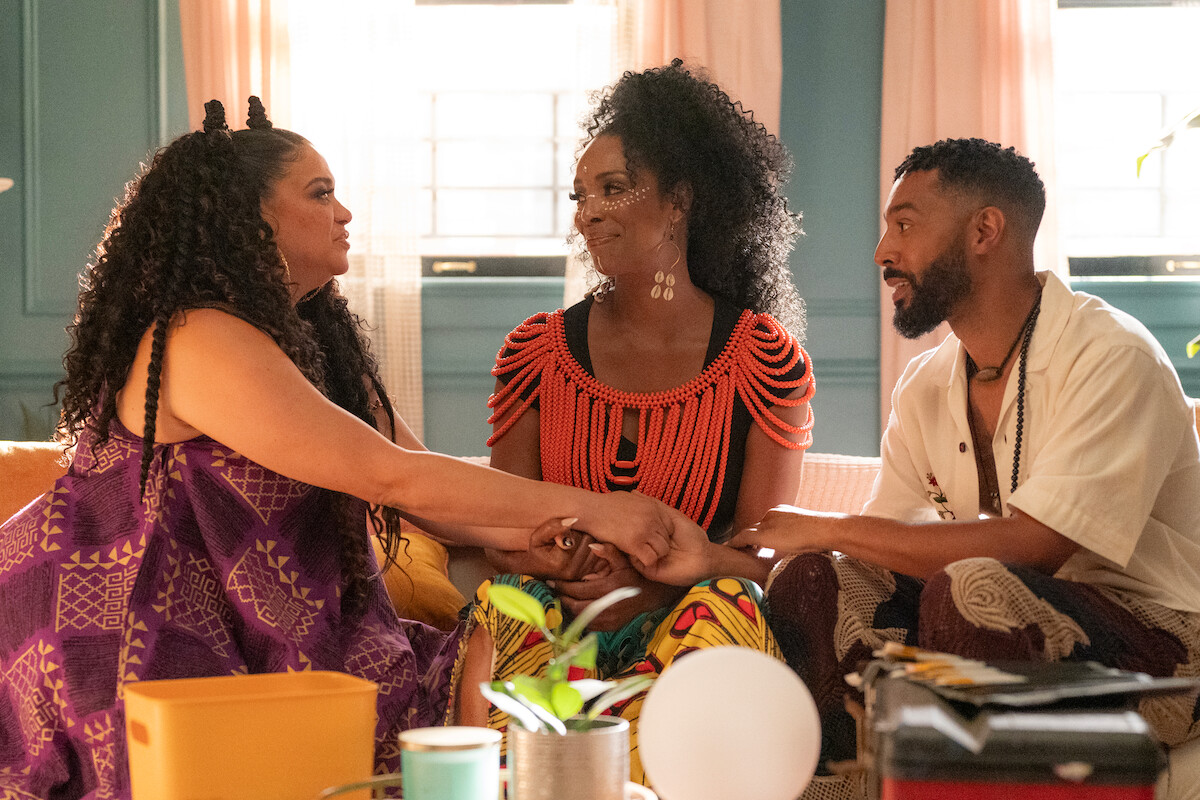
Michelle Buteau as Mavis, Tasha Smith as Marley, and Tone Bell as Khalil in Survival of the Thickest Season 2.
Netflix sat down with Buteau and Sanchez-Witzel on the eve of the show’s premiere to talk about everything from the writing process to music choices.
An edited version of the conversation follows.
What is your writing process like?
Danielle Sanchez-Witzel: Well, we’re bi-coastal: Our writers’ room was in L.A., Michelle’s in New York. So it was a lot of Zoom! We have a whiteboard up in the room, and we just start thinking about questions like, “What do we want? What do we want to happen?” We talked about Season 1 being a moment. And when we got into Season 2 and we realized we were doing a movement. So we went from moment to movement.
Michelle Buteau: Also, it was my first writers’ room, right? For my own show, which is so crazy. I feel luckier than Pete Davidson’s dick. And honestly, Season 1 was so exciting because it’s just like, “Who are we?” And then Season 2, you go in the room and everybody has their own wish list for what they want each character to do together and separately.
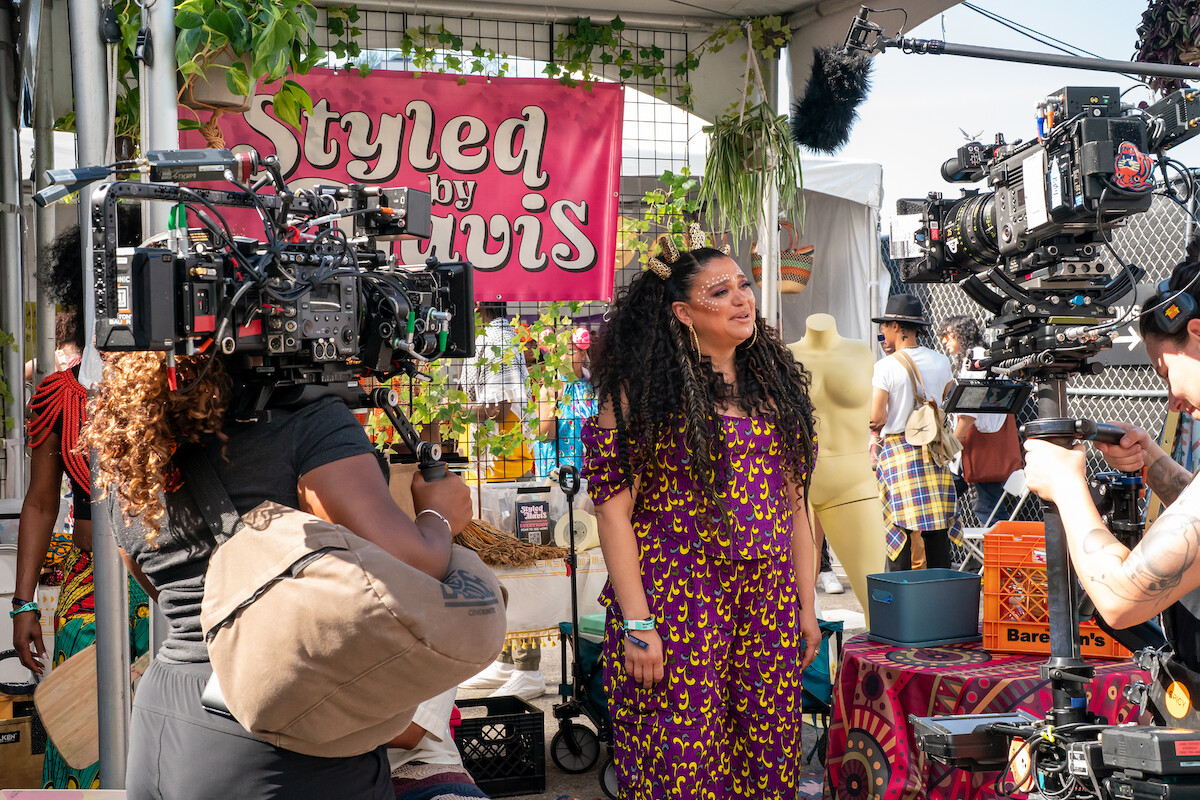
Michelle Buteau as Mavis behind the scenes of Survival of the Thickest Season 2.
With Michelle as both talent and the show’s co-creator, how did you negotiate that on set?
Buteau: What were the options you gave me at the beginning of this journey?
Sanchez-Witzel: A, B, or C. As co-creators, option A was to know everything that’s going on. Option B was to know the big things that are going on. And option C was to know as little as possible. And she chose option A, which is a bold choice to make. So beginning to end, that’s how we operated.
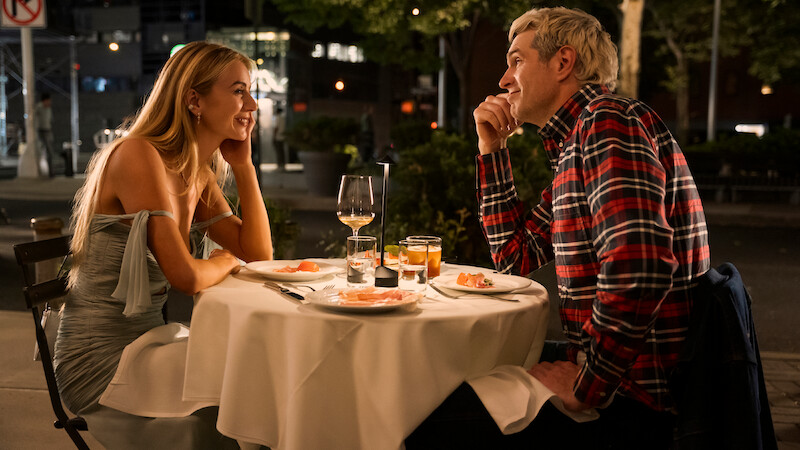
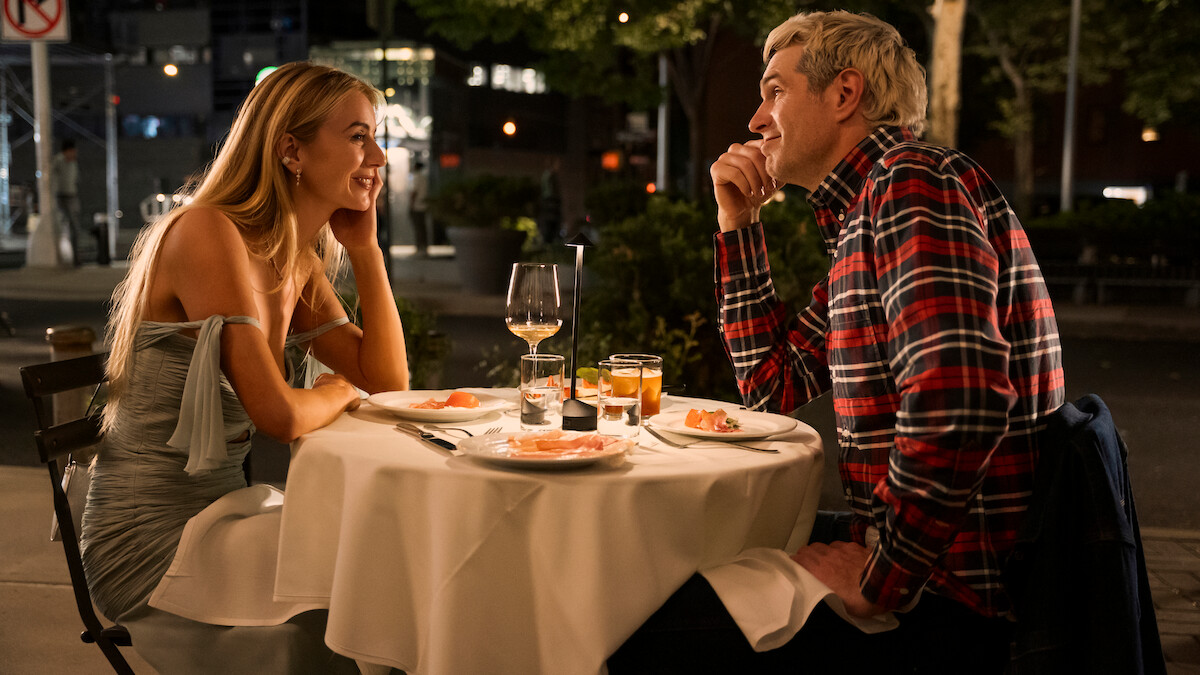
I love Mavis’s Emily in Paris moment, and that, in true Mavis fashion, hers isn’t the storybook love affair that we’re expecting.
Buteau: When we were creating Season 1, we had so many moments that made us think of Sex and the City, Emily in Paris, or any female-led show. And it’s like, “Holy shit, I get to have a chance to do that.” Honestly, it’s a dream come true.
It’s also really fun to poke fun at these shows, because everybody knows Emily’s going to go to Paris and do what she’s gonna do. But Mavis in Rome?! I think that’s why people relate to the show, because they see themselves in me. Because I do feel like a win for me is a win for all of us. Because if I look like you or your mama or your cousins, we can all get on. And that’s why diversity is so important.
The music feels so intentional and so much a part of the fabric of the show.
Sanchez-Witzel: Our music supervisors, Stephanie Diaz-Matos and Sarah Bromberg, are amazing. Just the way Michelle’s talking about bringing her version of New York to the screen, we knew it needed to sound that way too. But 70% of our department heads are female. We didn’t set out to do that, but that’s just who was right for the job, you know?
Buteau: We don’t know much about music, but we know feelings, and what we want those feelings to sound like. So I just said, “I want it to be, like, a period playlist from the ’90s for a thick, light-skinned Caribbean girl from Jersey, who is just leaving a Jersey mall parking lot.” Like you could just throw words at them, and then they’d come up with a playlist.
Sanchez-Witzel: Every area of the show has its own sound. [The drag bar where Peppermint works] CC Blooms has its own sound. Michelle’s apartment has its own sound. Khalil’s apartment has its own sound.
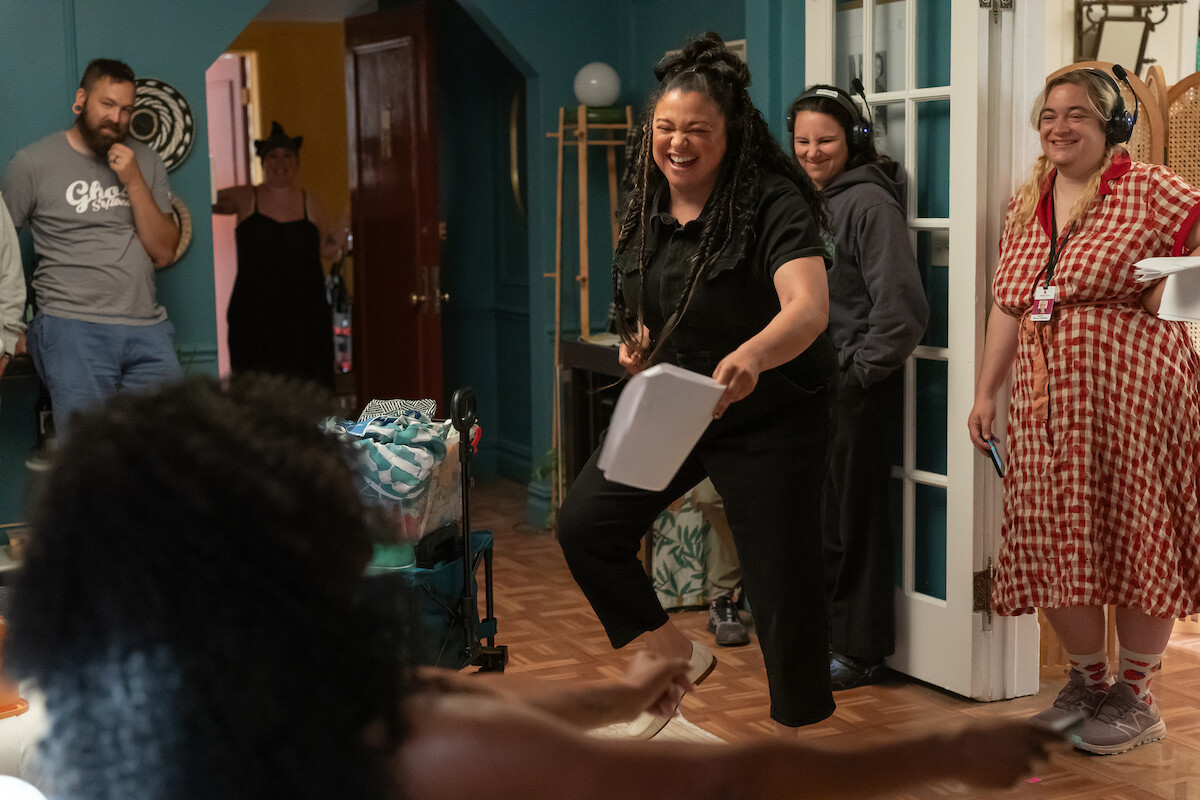
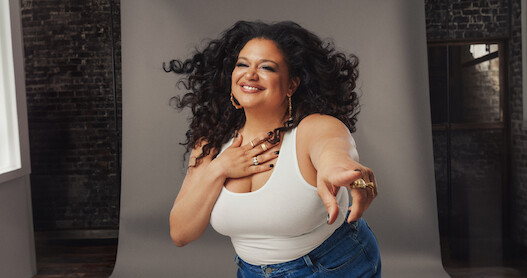
Michelle Buteau behind the scenes of Survival of the Thickest Season 2.
You work with a lot of women.
Buteau: All 16 of our episodes were directed by women. It was a really incredible experience, especially in the comedy space. And a sexy space.
Sanchez-Witzel: And a sexy space. We also have a female DP, Dagmar Weaver-Madsen, who’s incredible, so we’re collaborating there.
At the urging of Mavis, Khalil goes to therapy. It felt like a big moment on TV.
Sanchez-Witzel: We had several Black men in our writers’ room, who all have different perspectives, obviously. All writers have some relationship with therapy, I’ll just be honest. But having Khalil’s character go into this and say, “It’s okay to not be well, I think the world is very difficult right now.” It’s something that shouldn’t feel groundbreaking, but we don’t see it enough.
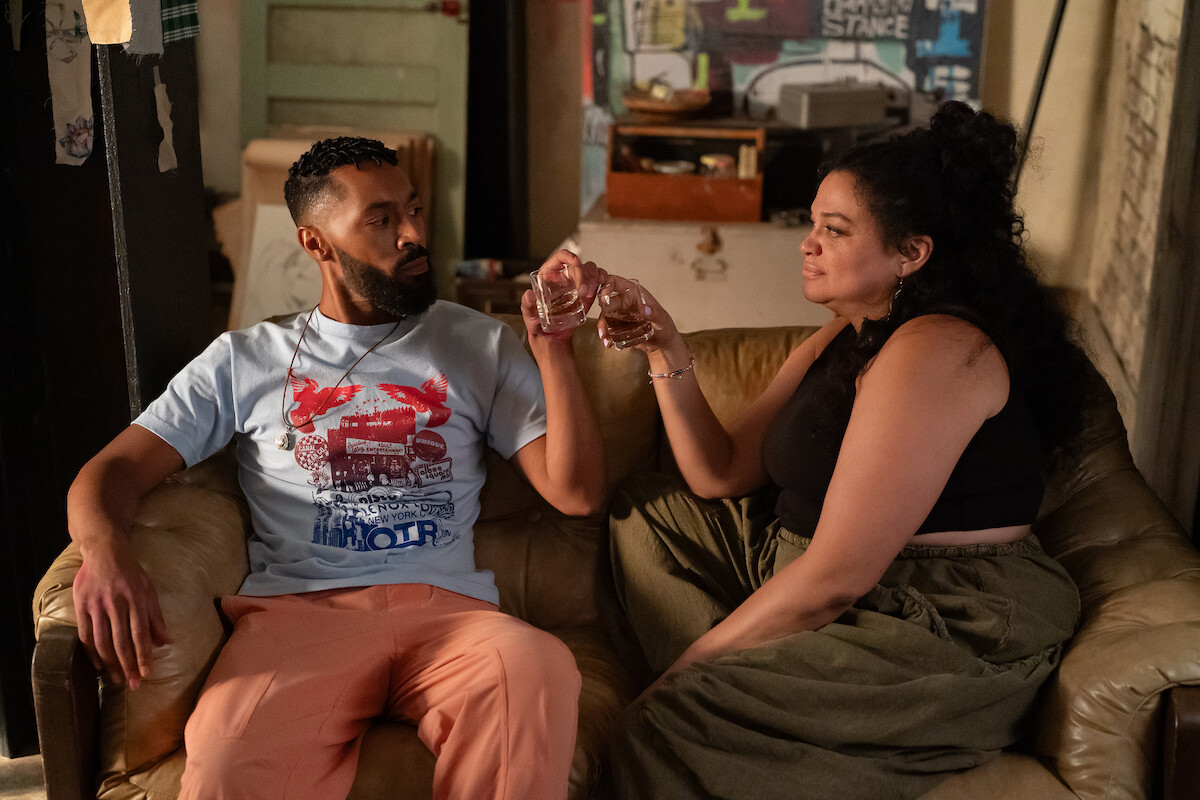
Tone Bell as Khalil and Michelle Buteau as Mavis in Survival of the Thickest Season 2.
Buteau: Season 1, Marley had a therapy scene. That therapy scene went viral on the Netflix social pages, I think because this is a window into a conversation we don’t get to see. The fact that we got to do this with Khalil is so important. You can write a post for Instagram and say, “Go to therapy and #blackmentalhealth.” Or you can put it in a scene and let it live. I think that’s the beauty of television and film. Any weird, hard conversation I’ve had with my mom or my dad is because I saw a scene in something and I’m like, “Wait a minute. They were talking about this.” It’s a beautiful jump-off. That’s what I hope we can give the universe.
What do you hope people take away from this season?
Buteau: I always say the most important relationship you’ll ever have is the one you have with yourself. Becoming comfortable with rejection is also important, however that presents itself. Whether you’re putting yourself out there for someone, whether you’re putting yourself out there for a job, whether you’re putting yourself out there wearing a new color, whatever it is, how do you know unless you try? Just try. It’s okay. You can go back to what you were doing before if you don’t like it, but just try.