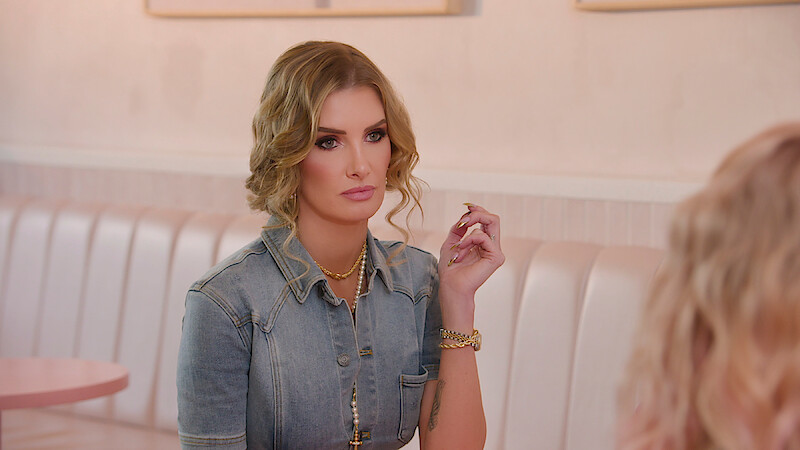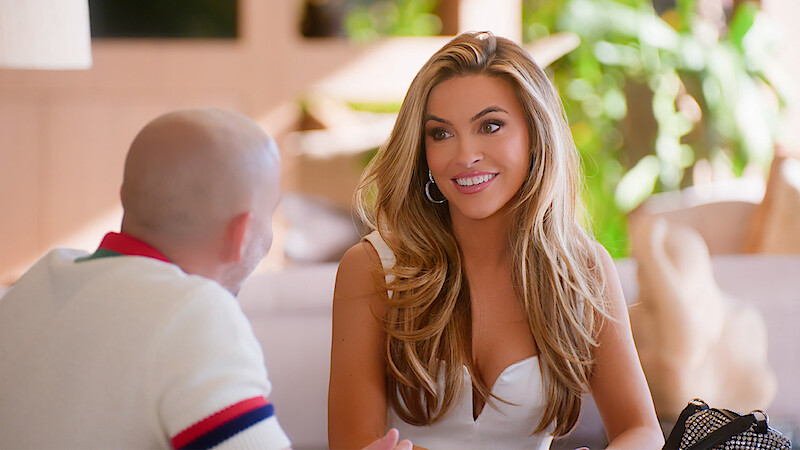


Control Room
The ‘Selling Sunset’ Team Explains That ‘Feisty’ Music
“It’s all female empowerment all the time.”
By Charlotte Walsh
Dec. 9, 2021
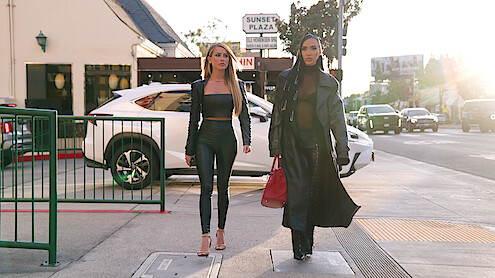
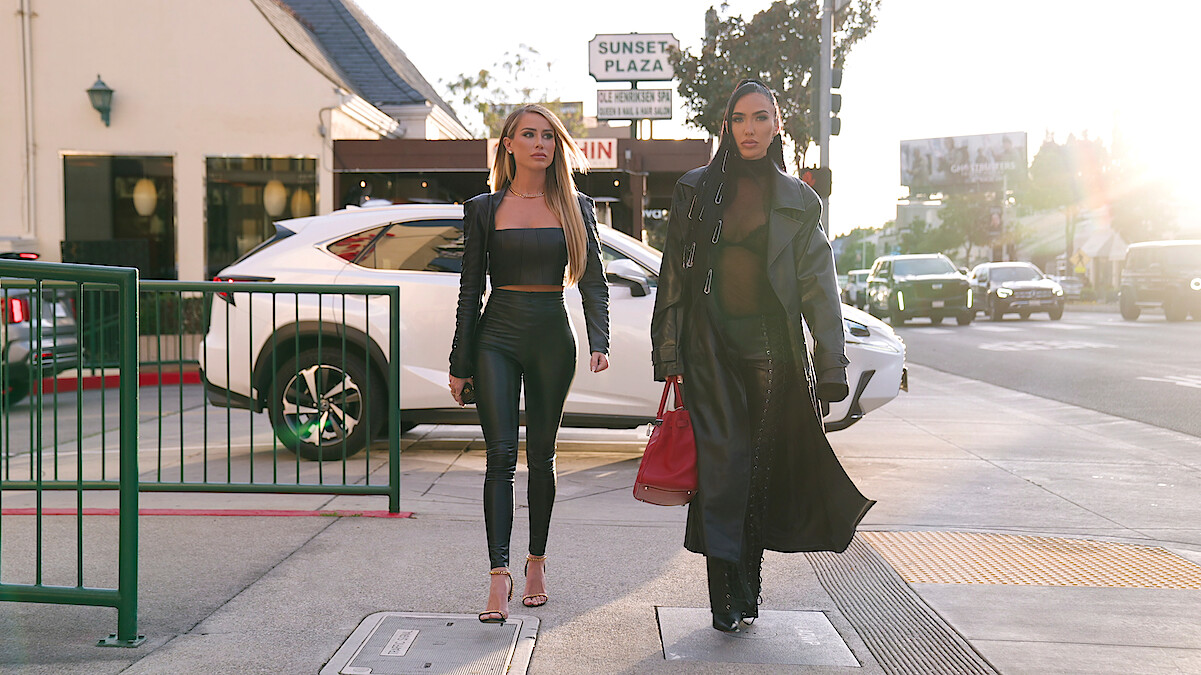
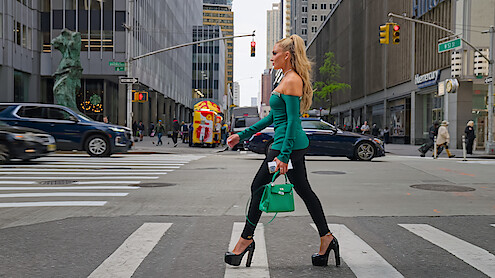
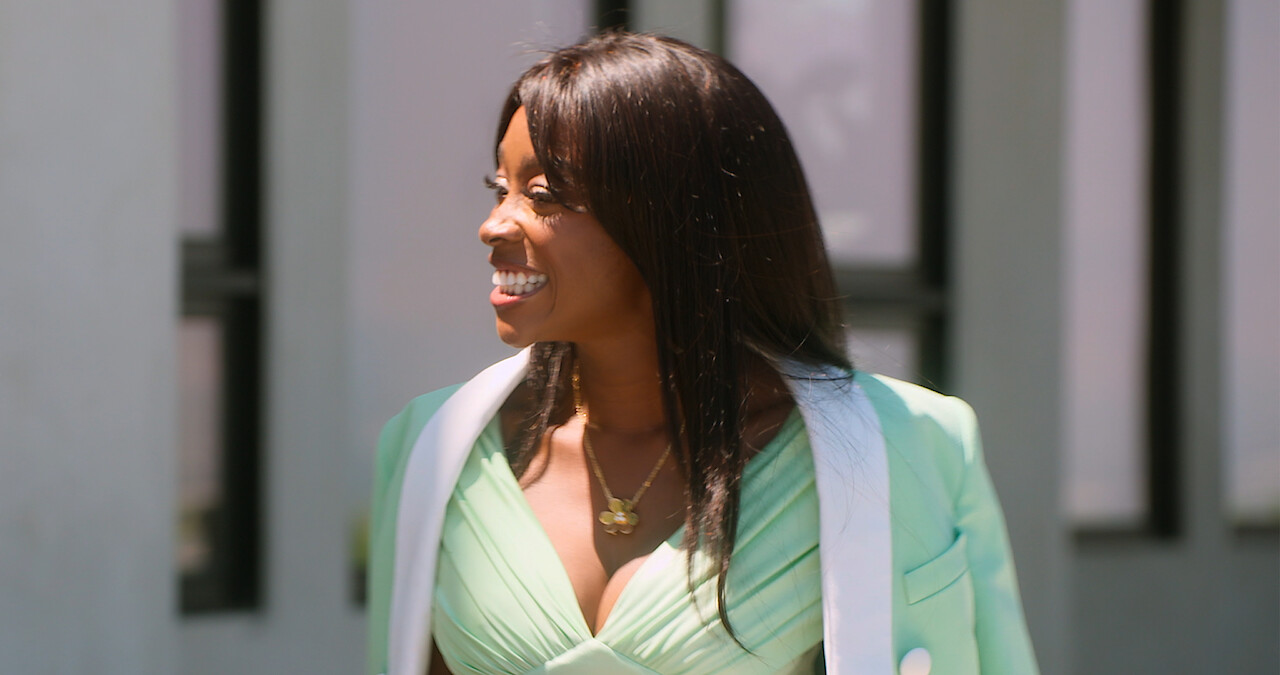
The camera dramatically zooms in on a private jet. The door opens, and we hear the sound effect of a rocket ship. Two lipstick-red heels strut down the steps, before the camera pans up to a matching scarlet pantsuit and Chanel tote. Emma Hernan, the newest agent at the luxury realty firm the Oppenheim Group and one of the stars of Selling Sunset Season 4, puts on her sunglasses and walks onto the tarmac in slow motion, “Queen Boss” (featuring Queen Kei) thundering in the background.
“Step aside, here comes trouble,” Kei sings. “Taking names, skrrt, skrrt, on the double/ Unleash the beast, ready to feast/ Let me tell you little something ’bout me, me, me/ Been on my grind, working so hard, now I’m at the top.”
Emma’s entrance is a favorite moment for Carrie Hughes, Selling Sunset’s music supervisor. “When you see it, you know,” she says. “When the right song goes up against that picture, you’re just like, ‘Yup, that’s the one. It’s perfect.’ ”
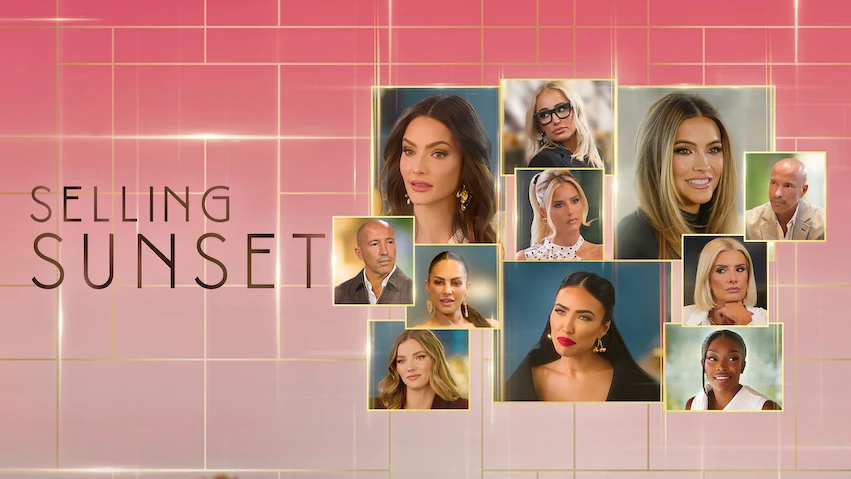
The music of Selling Sunset has become an obsession with viewers as well. Season 4 premiered on Nov. 24, and, as fans have pointed out online, everyone from gaslighters to gatekeepers to girlbosses have been digging these tracks. Author Bolu Babalola tweeted that it’s “like music from a mall from hell” and it’s “distinctly genreless.” Matt Buechele, a writer for The Tonight Show Starring Jimmy Fallon, joked that he was starting a GoFundMe for Selling Sunset’s music department. Some have even taken to writing fake lyrics for songs, including bops like “Sweet like candy on my tongue/ but you belong with me at the top” and “This money ain’t from my daddy/ It’s from the bank of me.”
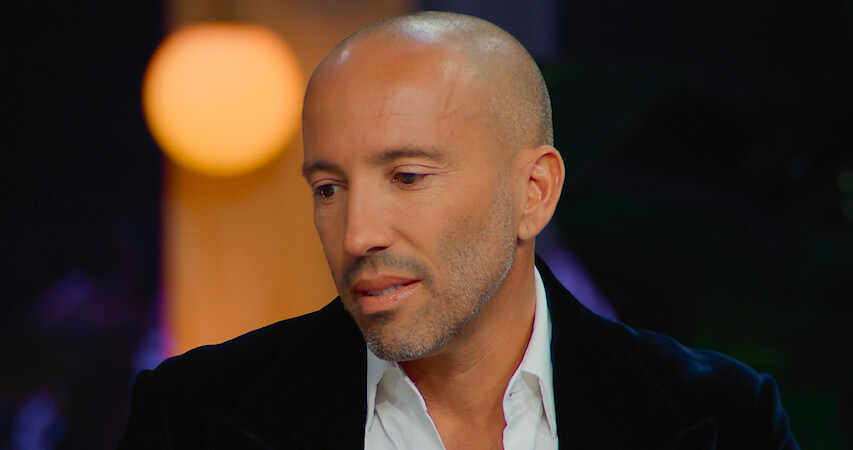
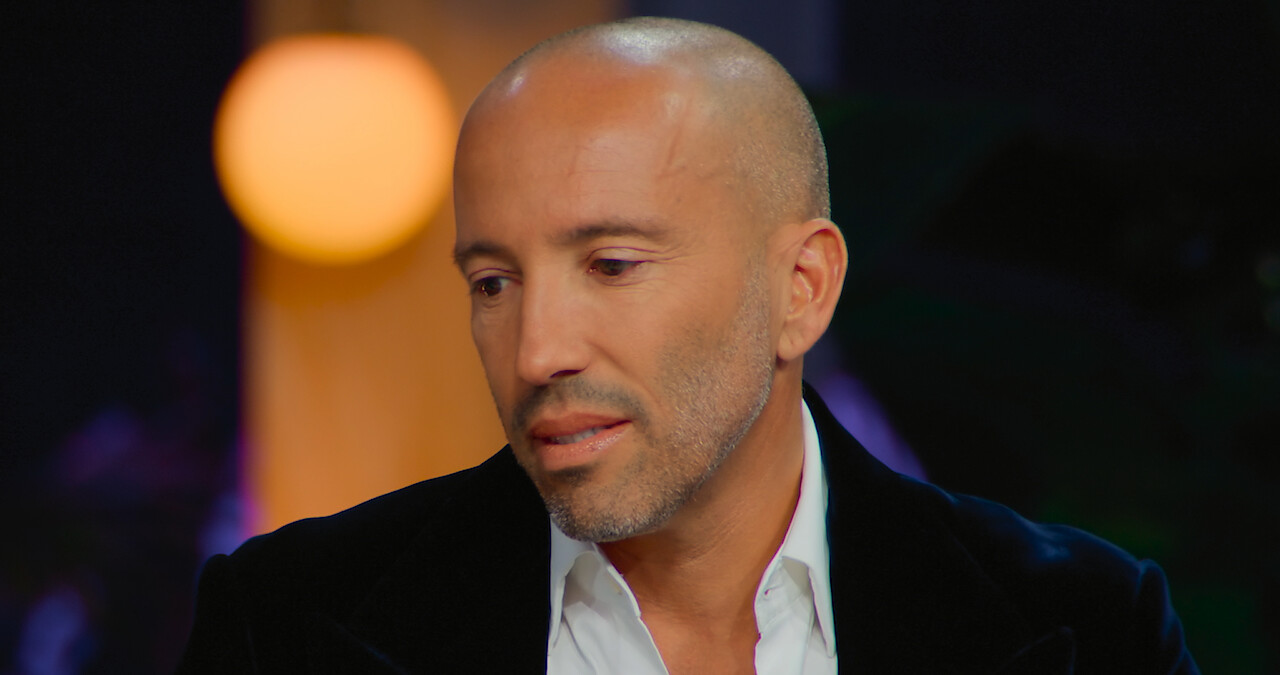
Showrunner Adam DiVello loves the online reaction. “It’s so fun that people pick up on these different things,” he says. “You don’t think that they’re going to pick up on every little thing when you’re in the edit.”
And it takes a lot of work to get to that final sound edit, as episodes can contain anywhere from 15 to 20 songs each. Hughes says the process begins with creating playlists. Every day, she listens to music and sends lists of songs — with themes like “tension” and “female empowerment” — to the show’s editors. The editors then choose which ones to insert into particular scenes. DiVello has the final say, and has a rule that no song can be used twice.
“It’s like wearing an outfit,” DiVello says. “When celebrities buy those crazy dresses, they never wear them twice. You just don’t want to hear the same song twice in an experience.”
More important scenes — for example, Christine Quinn’s wedding in Season 3 — get a little more “love,” Hughes says. While editing larger moments, she, DiVello and the editors will sit down and discuss exactly what purpose the music will serve. “There’s a lot of conversations about what vibe we’re going for and how many different storylines we’re telling in this one scene,” Hughes says. “Lyrics need to hit all those different storylines.”
The songs are primarily sourced from indie labels and licensing companies but can come from anywhere: DiVello says he once heard a song in Bloomingdale’s that he then featured on the show. Due to budget constraints, the Selling Sunset team doesn’t commission or use any work from larger artists, and DiVello says they wouldn’t want to.
“We’ve tried to pony up the money for big artists with big names that you would recognize, and it just doesn’t fit,” he says. “The show has such a unique, undiscovered sound, because you don’t know these songs — they’re not on the radio, they’re not Top 40 hits.”
Hughes believes there’s two categories of Selling Sunset music: female empowerment and “feisty” female empowerment. One builds up the women as a whole, while the other builds up one woman in particular while tearing down all others. Everything depends on the scene in question.
But she disagrees with fans who say the songs all sound similar. “It’s fun, and I get it — we use a lot of female empowerment songs. But to me, I don’t think they all sound the same,” she says. “I work in music. I do this all day. For me, the [songs] have the same themes, but they’re definitely different songs. I get it’s lighthearted and it’s fun, but I hope people realize there’s a lot of hard work that goes into it.”
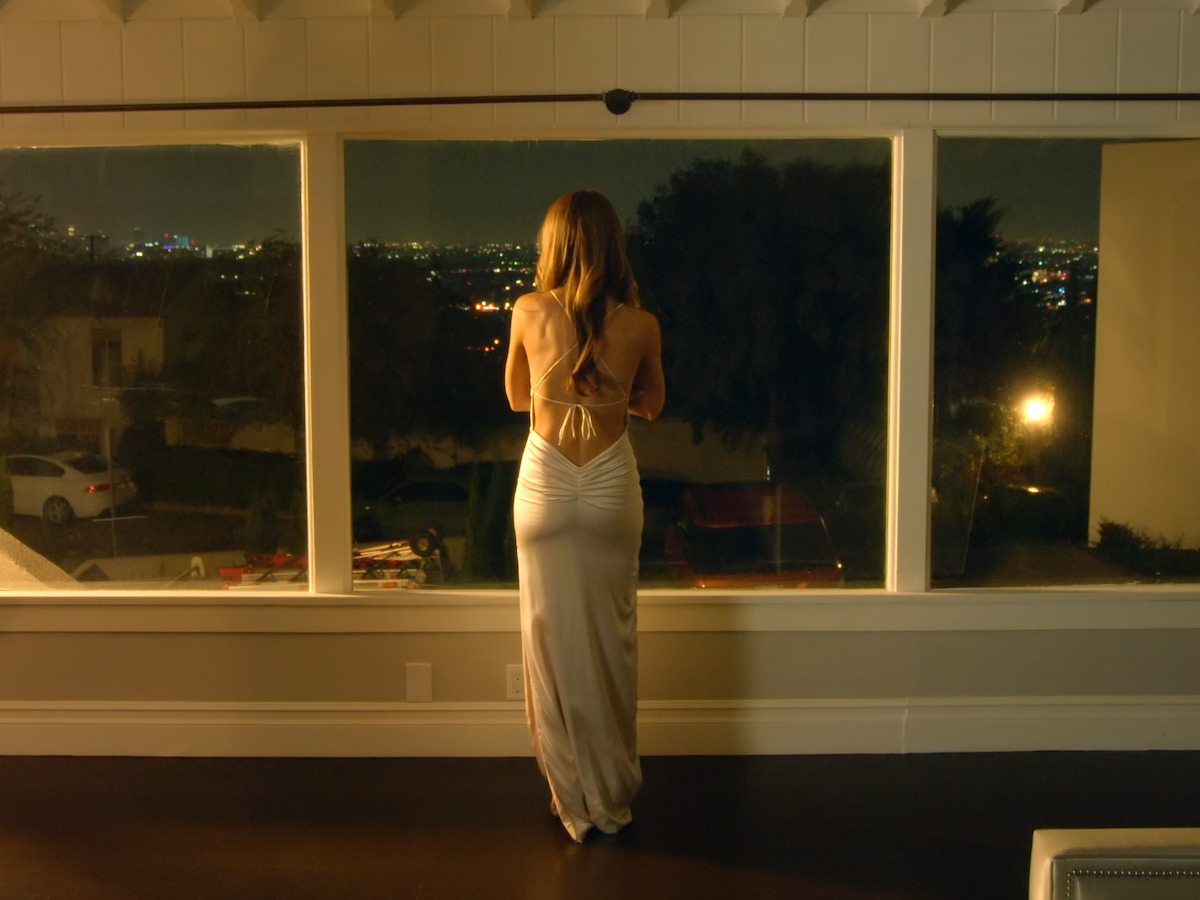
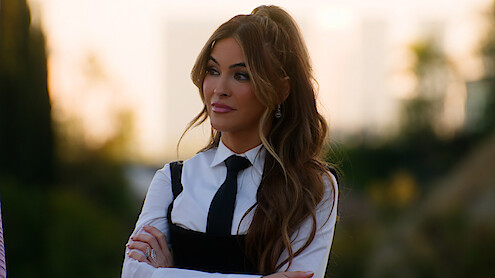
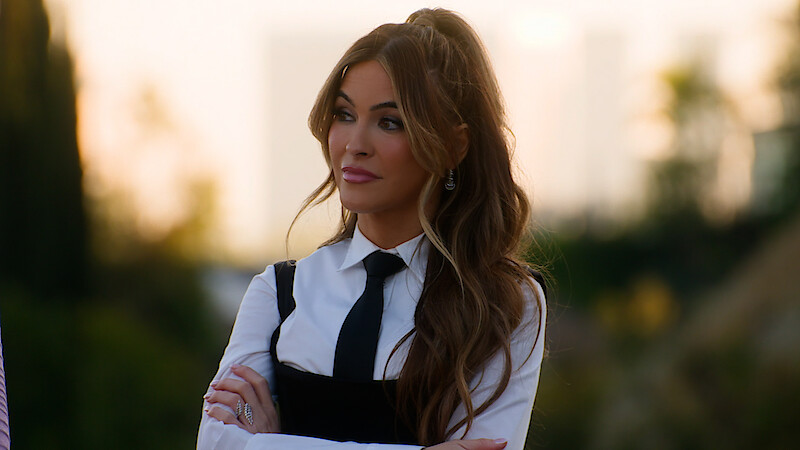
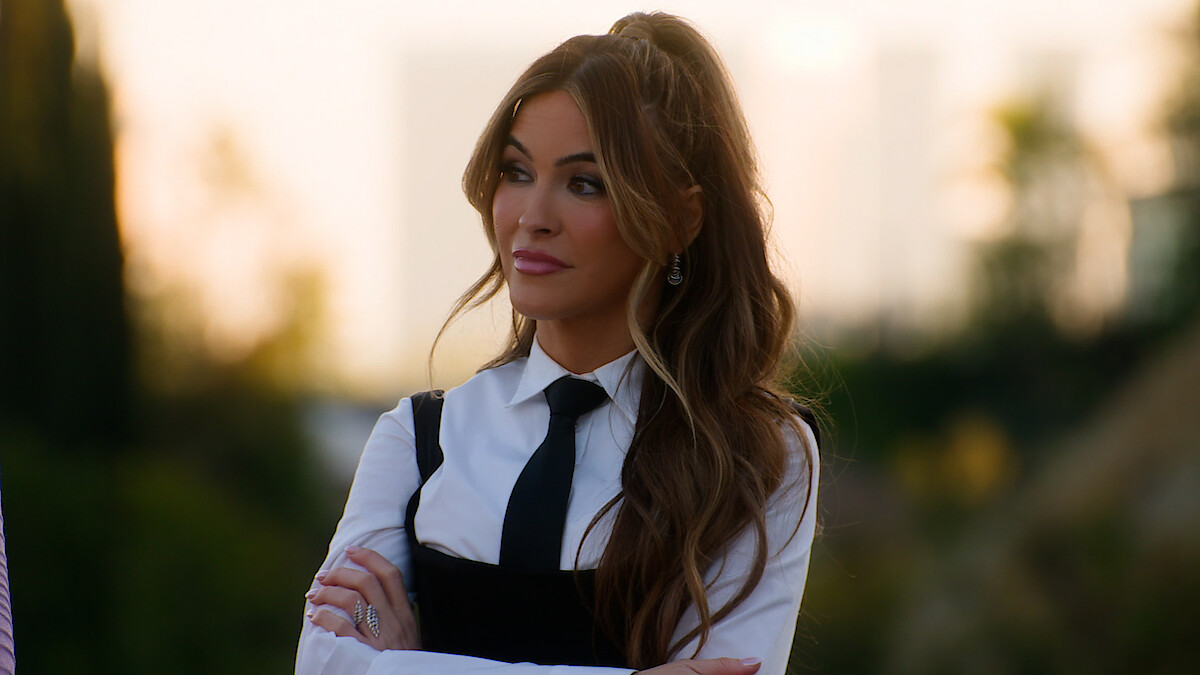
After all the editing is over, DiVello says the cast gets together to screen the episodes. There, he says, the cast enjoys seeing the scenes scored, although it can occasionally be tough to watch — he cites a Season 3 scene in which Chrishell Stause stares out her window while letting go of ex-husband, Justin Hartley, as a particular example. “The [cast] is shooting it in real-time, but when they see it with the score, it has a whole different feeling,” DiVello says. “It’s got a more magnified shine to it.”
Selling Tampa, the newest iteration of the Selling universe — dropping Dec. 15 — has a slightly different musical vibe. Instead of a glossy Hollywood feel, the songs are a little more tropical and slow. Since the show features an all-Black, all-woman cast, Hughes says the music reflects that: Around 90 percent of the show’s artists are Black. And DiVello says that the music for Selling O.C., which is currently filming, will feature men and women artists to reflect its cast. But don’t worry — you’ll still hear bops about making money and living the high life.
When DiVello is watching a cut of Selling Sunset, he says he sometimes jokes that it could be a Broadway show, complete with a studio audience to clap for entrances and a girl band to sing empowering music. So for him, it’s exciting for the “orchestra” to be highlighted in such a way.
“It’s like a character,” he says. “Los Angeles is a character on the show, but I think the music is as well.”