For a generation of music lovers, it just takes the sound of five notes to tenderize the soul. Selena Quintanilla’s “Dreaming of You” has become an anthem for the heartache of desperately missing someone you can’t be with — and the simultaneous privilege of having beautiful memories of them to begin with. The track was recorded by Tejano superstar Selena Quintanilla shortly before her death at 23, when she was shot by a fan. Selena and her family had befriended this fan, who had been trusted to run various family enterprises, from which she embezzled money.
“That’s the song I can’t listen to,” Selena’s brother A.B. Quintanilla III says in Selena y Los Dinos, the new documentary about Selena’s life told from the perspective of her family band. “That’s the only song. I hear the piano in the beginning, it just messes up my day.” The album, released posthumously, was the first that wasn’t solely produced by Los Dinos.
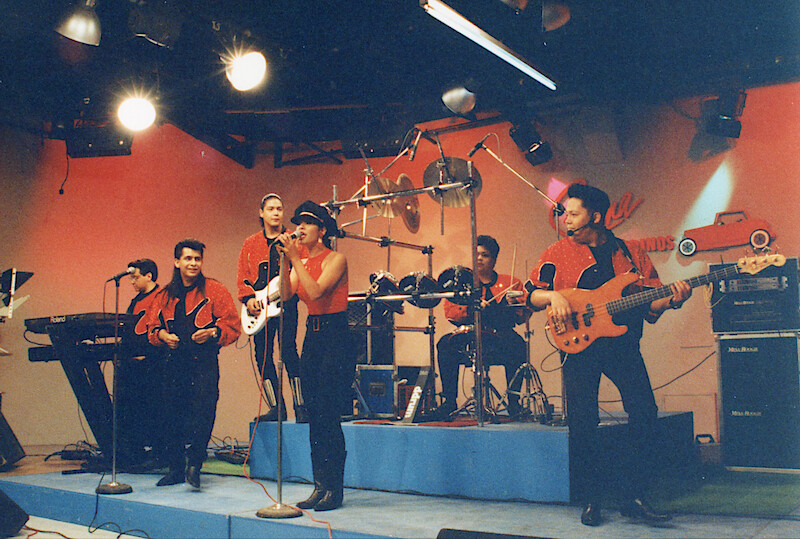
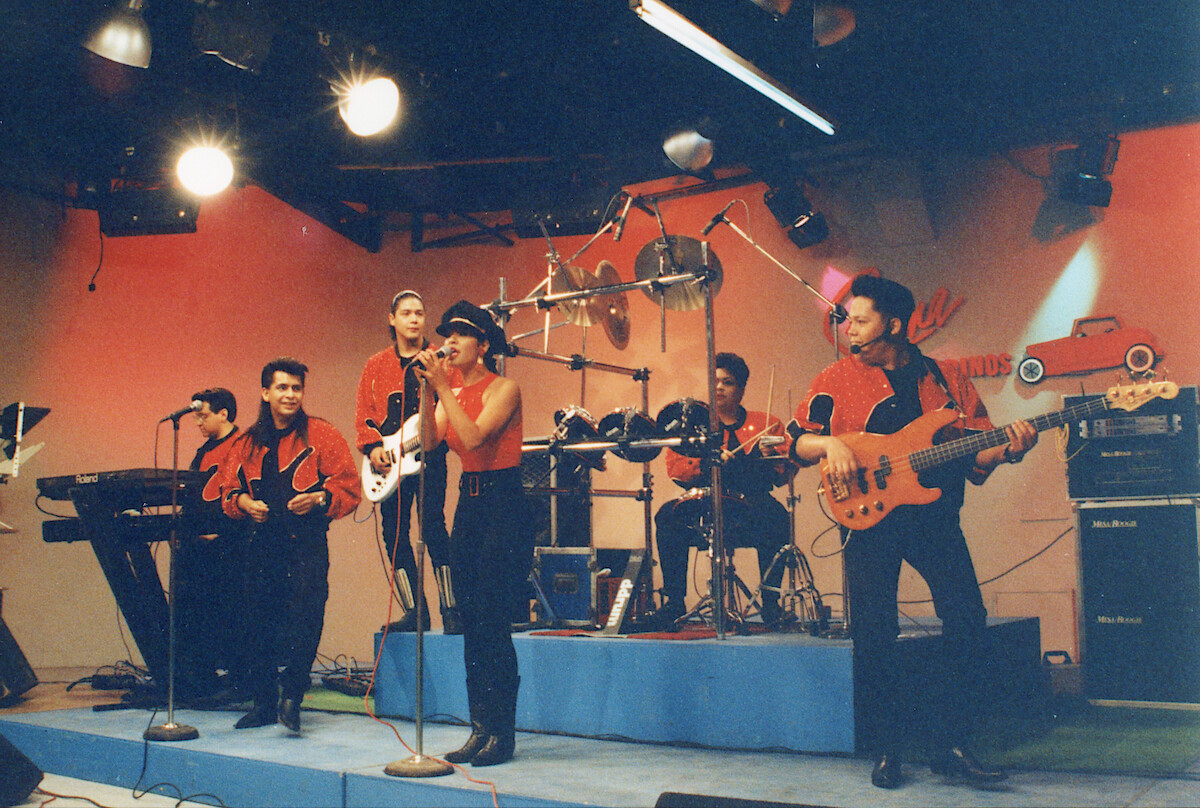
“We all had a family talk,” Selena’s sister, Suzette, recalls in the documentary, describing the moment when the family band Los Dinos would step back as Selena’s career skyrocketed. “And I remember saying nothing could ever separate us, because we are one.”
It’s that simultaneous feeling of grief and gratitude that underscores the storytelling in Selena y Los Dinos, as the Quintanilla family — former members of Los Dinos — wrestle with the pain and joy of keeping Selena’s legacy alive.
“At first, it was heart-wrenching to see the documentary, because it takes you back to what was and what could have been if she was still here,” Suzette tells Tudum. “But it hits me — this was our life, and it was beautiful. Those moments will forever be with me.”
The pain of her loss has kept Selena’s mother, Marcella, from publicly talking about her daughter — until now. “My mother is a very emotional soul, and she still suffers from Selena’s loss, and she can’t express herself because she tends to start crying,” Suzette explains. But director Isabel Castro and her all-Latina production team were on the same page as the Quintanillas about respecting Selena’s story. They convinced Marcella to sit down for her first interview since Selena’s passing. In the documentary, Marcella says, “I feel, in a way, a comfort. It helps me that people show so much love for her to this day. They took her life, but we’re going to keep her alive through her music.”
Today, the Quintanillas work hard to perpetuate Selena’s legacy, both with Selena’s own body of work and by supporting Tejano artists at Q-Productions, whichSuzette oversees. Father Abraham Quintanilla Jr. still works at a desk that overlooks the crowds at the Selena Museum in Corpus Christi. It was always family first — and it still is. “Our family oversees every aspect of every [Selena] project that we’ve ever done since day 1, even when she was here — and it hasn’t changed even 30 years after she’s passed,” Suzette says. This effort includes Selena’s widower, Chris Pérez, whose relationship with the singer was initially a source of tension among the Quintanillas, but who became an integral and beloved member of the family. “I think people think that we [and Chris] are not close, which is a big misconception,” says Suzette. “We are very close. Chris has known about this documentary from day 1. He’s always been a part of it.”
“[Selena’s story] resonates still to this day, not because of what happened to Selena,” Suzette continues. “It’s the writers, it’s the music, it’s the way that it was all put together. It was the way that she was able to sing to you, the way she captivated you. The interviews she’s in — she’s laughing, she’s real, and she was never fake. Our music
was timeless, and I’m very proud and honored, and I’m humbled by it.”