Warning: The following contains SO MANY major spoilers from the Season 1 finale of Resident Evil.
In Resident Evil Season 1, the adult version of Jade Wesker (Ella Balinska) wanted nothing more than to be reunited with her family. And she got what she wanted — and then lost it almost immediately. On the bright side, though, at least it gives her somewhere to go in a potential second season.
“We've got a character who you very much understand their motivation,” showrunner Andrew Dabb tells Tudum. “We've seen what she did to get back to her family in Season 1. Imagine what she will do in Season 2 to get her daughter back from her sister (who she's not the biggest fan of).”
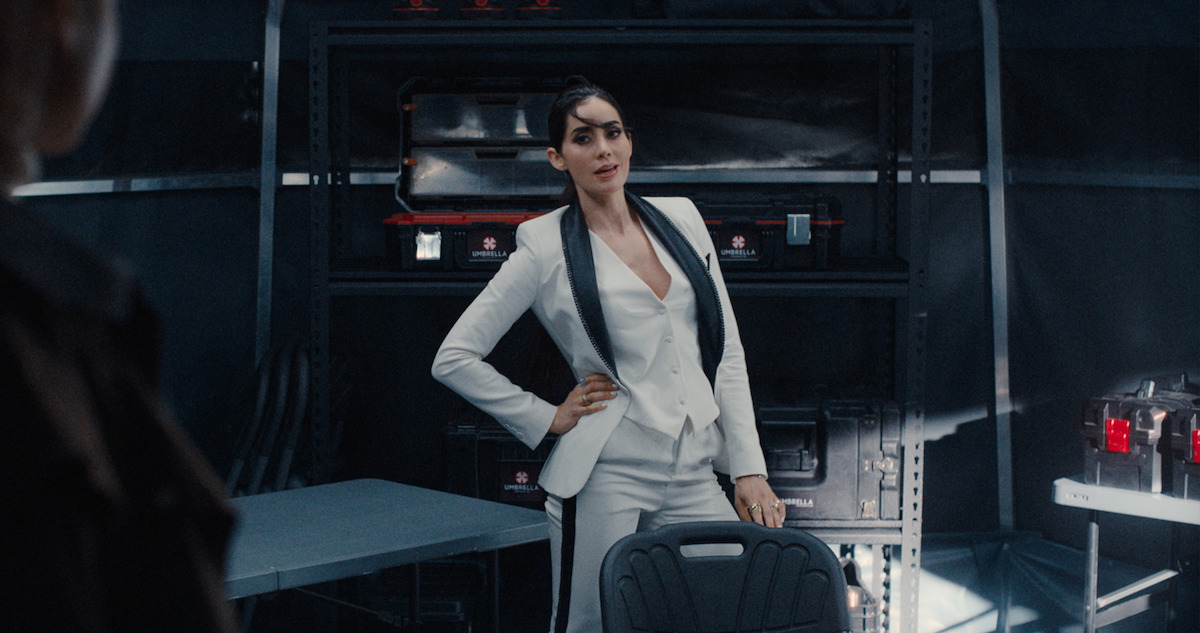
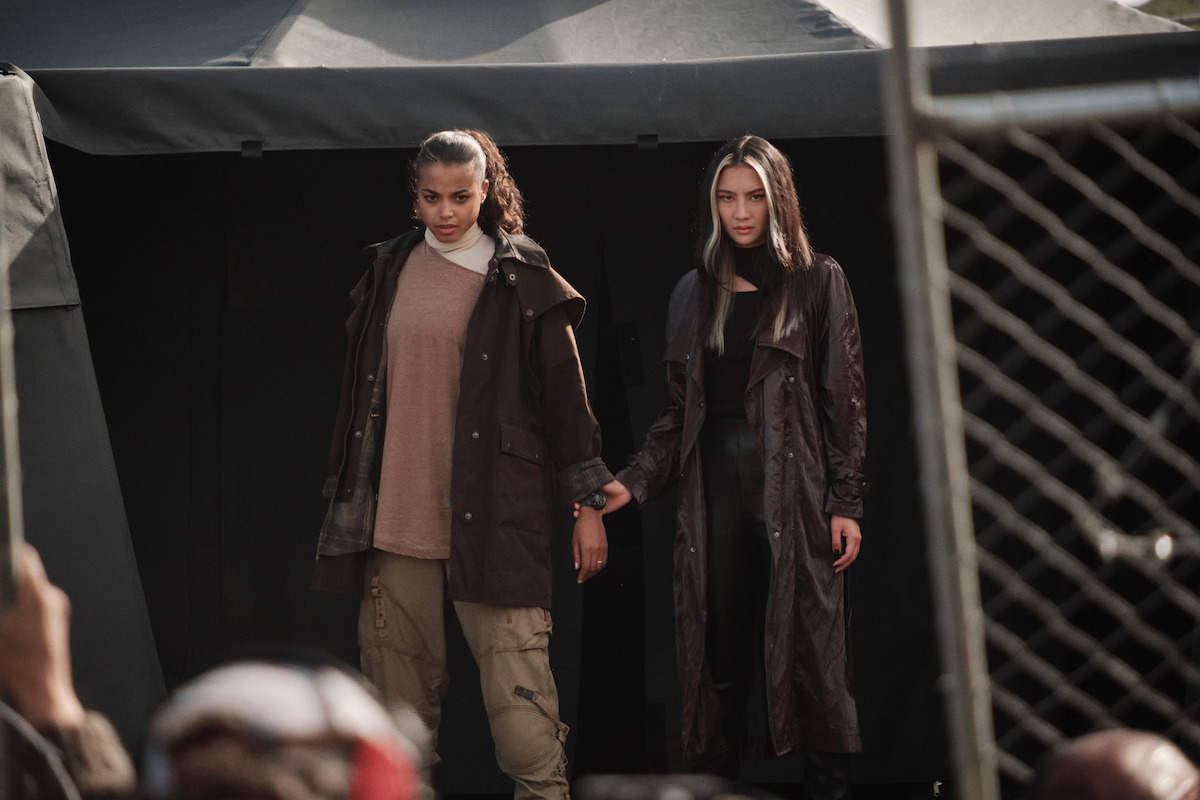
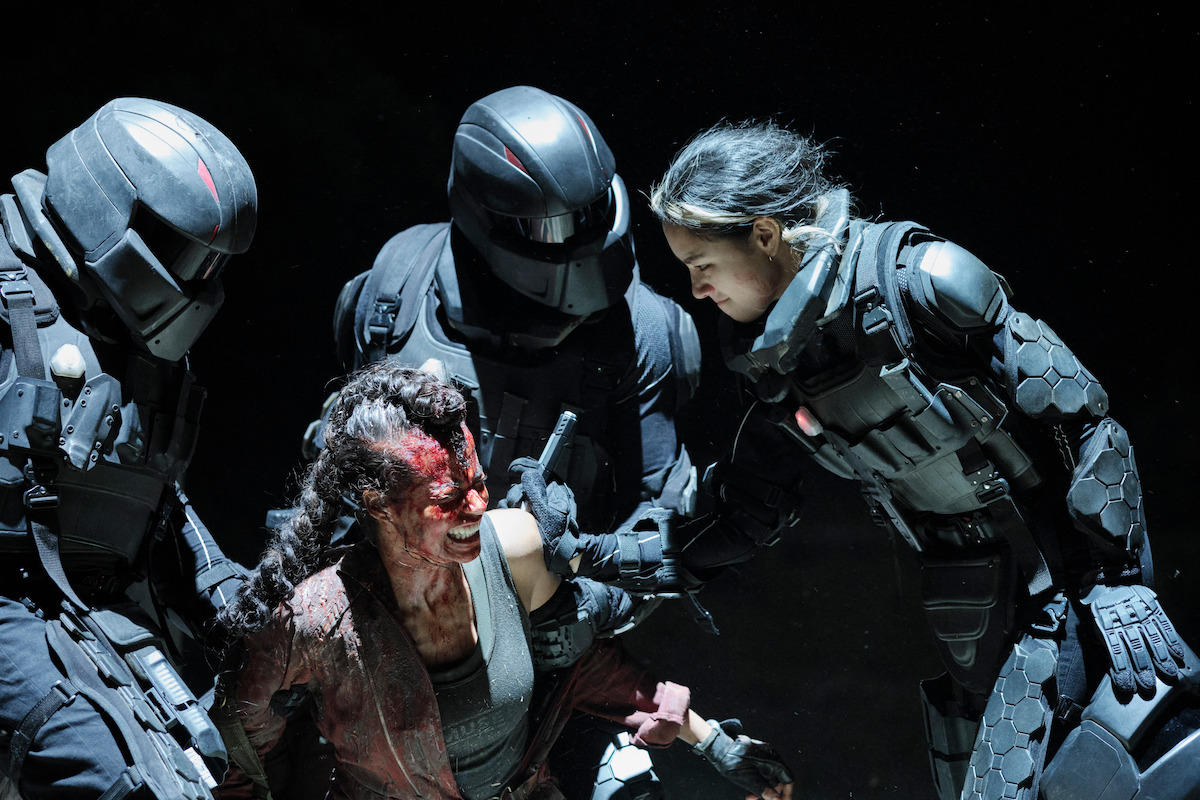
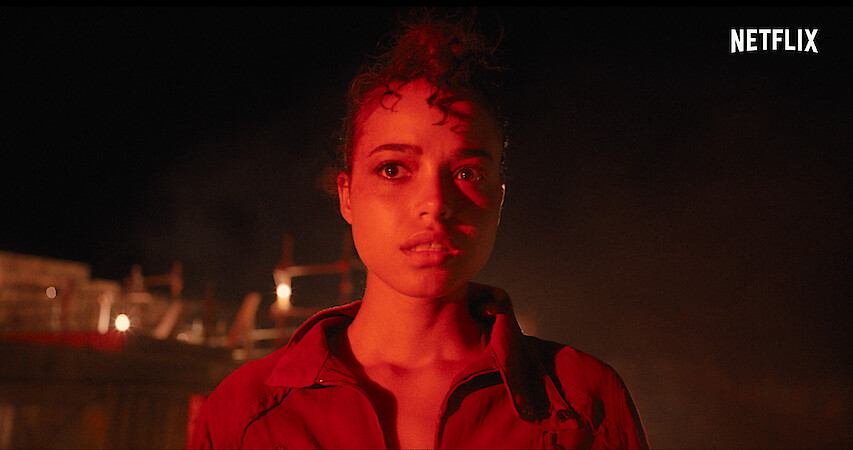
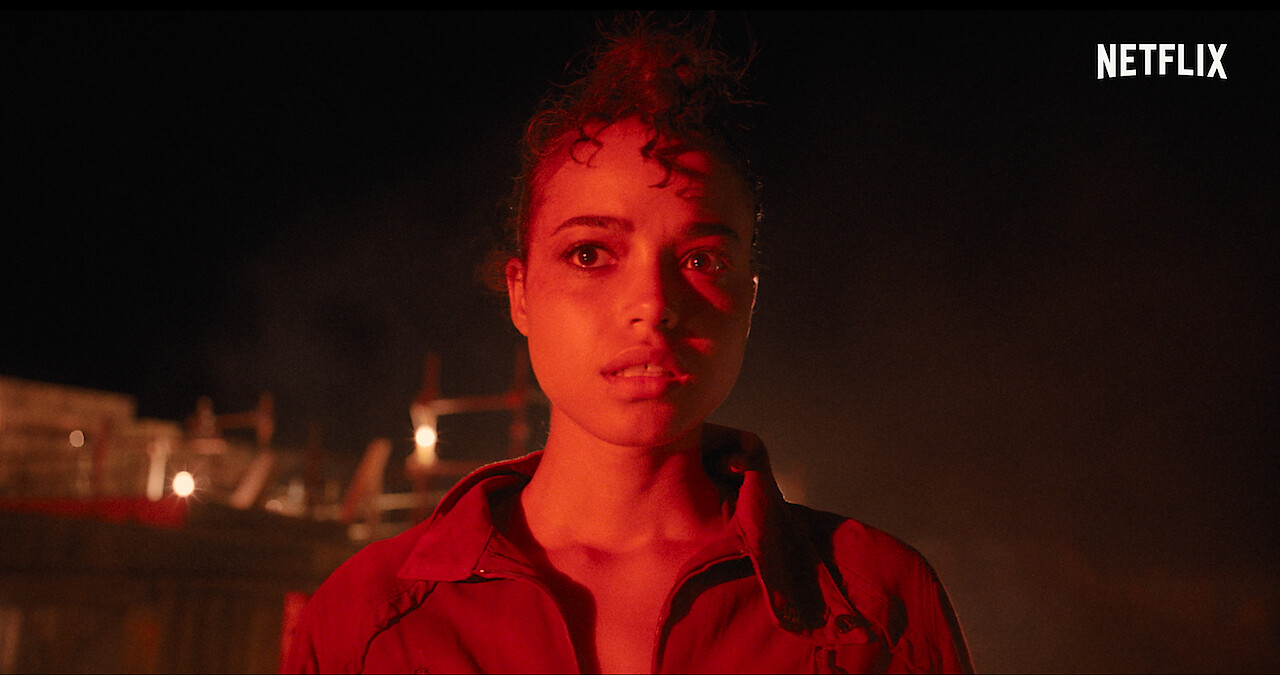
At the end of the action-horror show’s first season, Jade faces off with her estranged twin sister, Billie (Adeline Rudolph), who now runs the corrupt Umbrella Corporation in the year 2036 and is hell-bent on destroying the University, a large boat that’s the primary record of all human history in this postapocalyptic future. It’s also where Jade lives with her husband, Arjun (Ahad Raza Mir), and daughter, Bea. The University survives Umbrella’s attack with the help of a giant, infected crocodile — but it’s a pyrrhic victory. In the chaos, Billie shoots Jade and captures Bea, whose unique genetics may be the key to solving several problems.
“The overriding goal was to create the feeling of being in a Resident Evil game without necessarily just doing a one-to-one adaptation of a Resident Evil game.”
Andrew Dabb
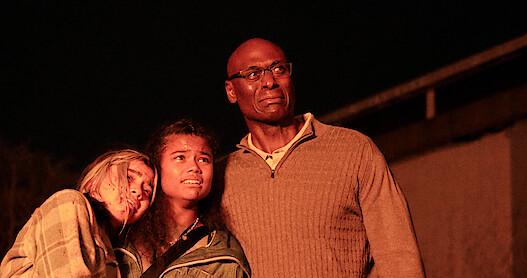
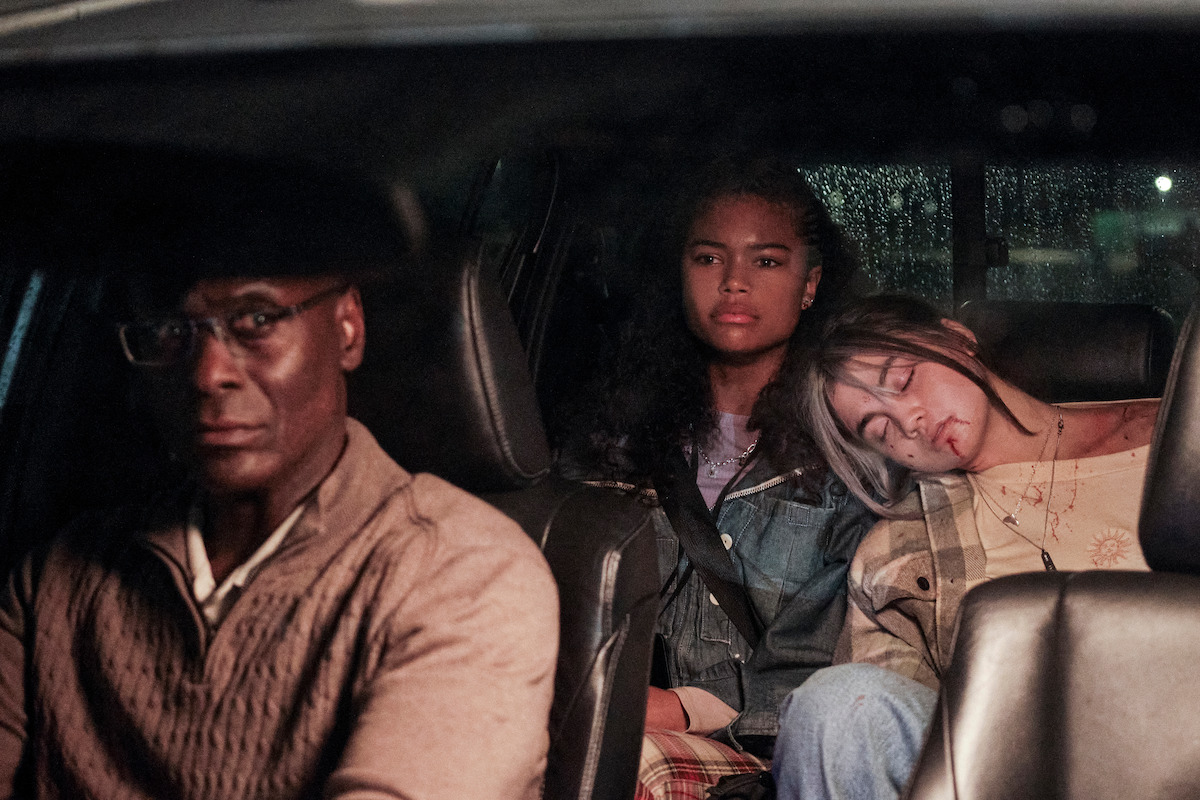
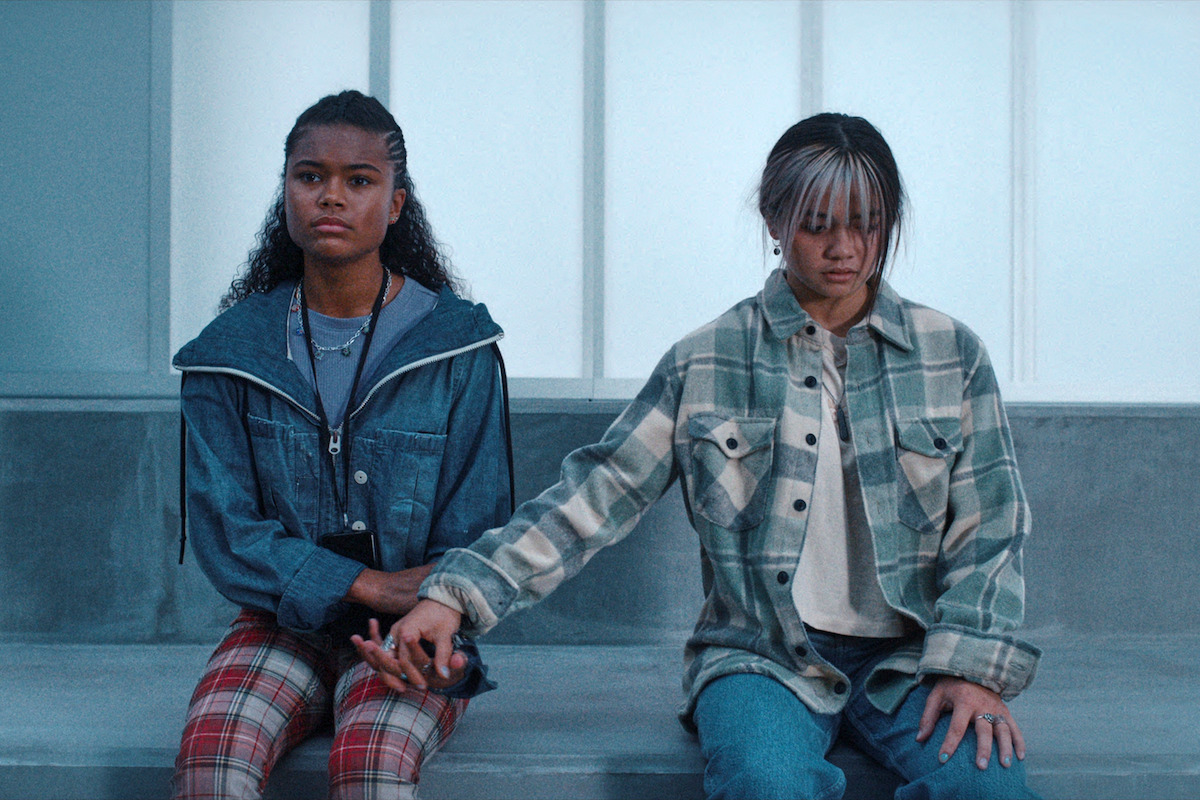
Meanwhile in the 2022-set timeline, young Jade (Tamara Smart) and Billie (Siena Agudong) team up with their father, Albert (Lance Reddick), and his clone, Bert (yes, you read that correctly), to stop the Umbrella Corporation from releasing a drug containing the virus that ends the world. Albert dies blowing up Umbrella HQ while the girls and Bert flee New Raccoon City together. Given that Jade and Billie are still together in the present-day timeline, the season leaves fans wondering how their relationship could have devolved so much in the intervening years.
Tudum caught up with Dabb to break down all the biggest moments in Season 1 including what exactly happens in the finale. He opens up about Season 1’s biggest twists, plotlines for a potential Season 2 and more.
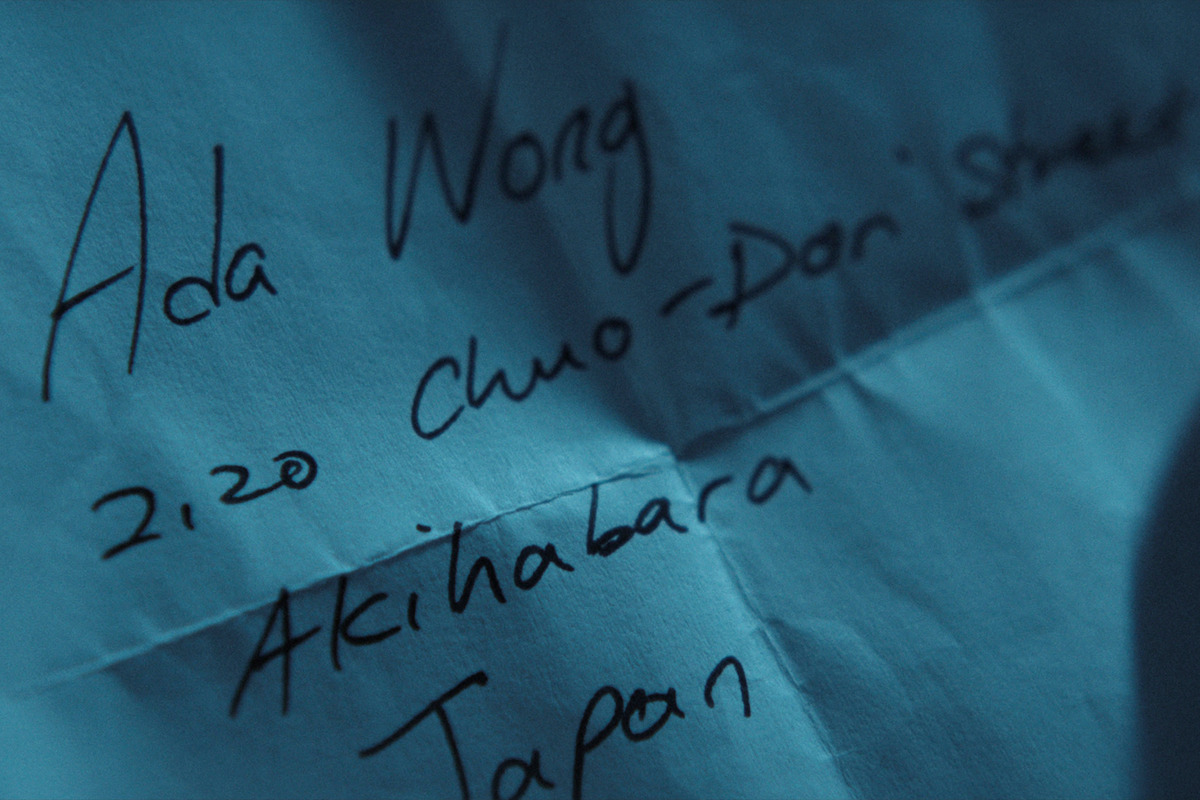
The season ends with a young Jade finding a note from her deceased father that tells her to find Ada Wong, who is a character from the video game series and can possibly help them. What can you say about your plans for her?
Part of the mission of Season 1 was — obviously Albert Wesker is a returning character, although he ends up being a new Albert — establishing these new characters in this world. And now at the end of Season 1, we have done that. I hope and feel we've done that. So now let's get even deeper because it gets crazy. And if we are lucky enough to get a Season 2, Ada Wong — who's a character people know and love but hasn't been around in the games for quite a while — we can have some fun with her own missing years and other characters, who I won't name right now. It's a chance to kind of bring these characters even deeper into the world of Resident Evil and the universe and the lore that I think it's going to be really fun.
Present-day Albert being a clone is one of the season’s biggest twists. How did you come up with that idea?
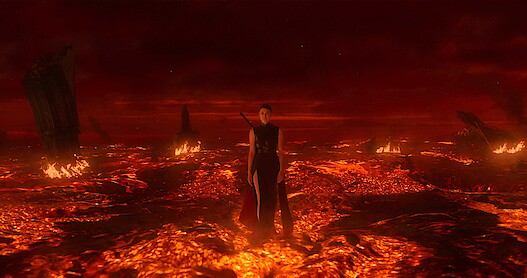
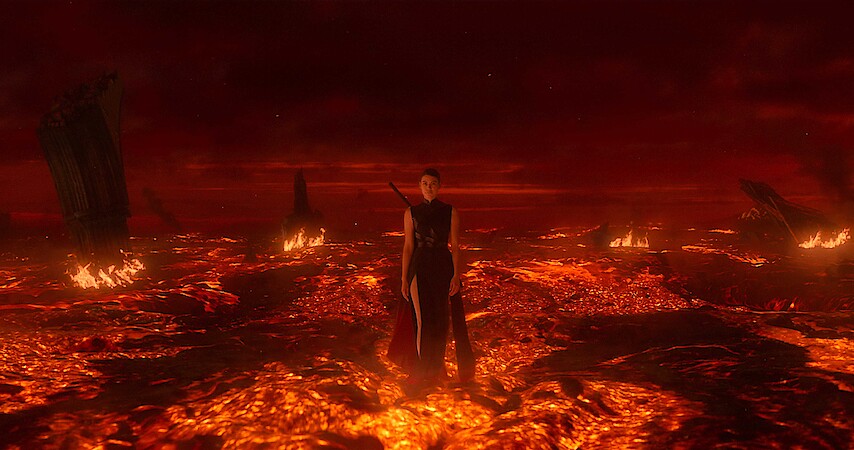
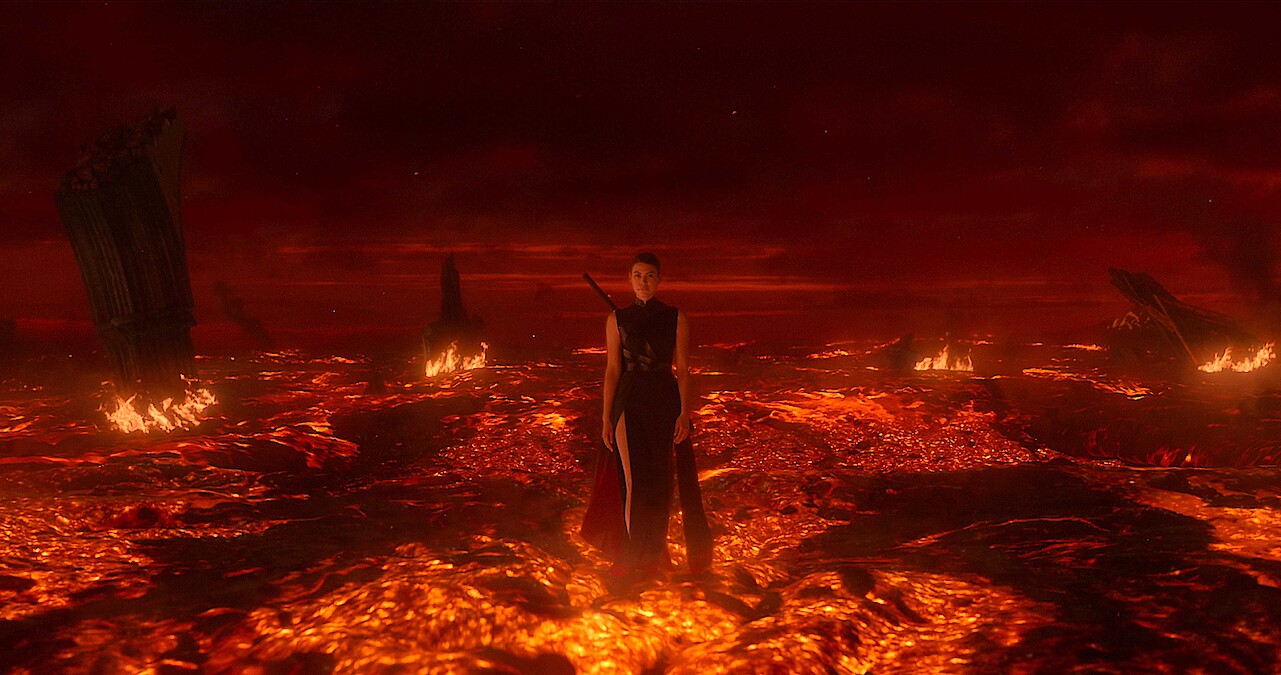
Yeah, so it was interesting because the idea of Wesker being a clone kind of was there very early on. In the fifth game, the real Albert Wesker dies in a volcano by being shot by a rocket launcher — and you don't really come back from that. He wasn't wearing volcano- and rocket launcher–proof clothes. So [we wondered], “Okay, but he's very much a narcissist. What would he have left behind?” He's a guy [who thinks], “Well, I need the best possible research team. I'm clearly the best possible, so let me [clone myself].” And clones are a part of Resident Evil lore from way back. So [we thought], let's have fun. Let's leverage that and create some new Weskers.
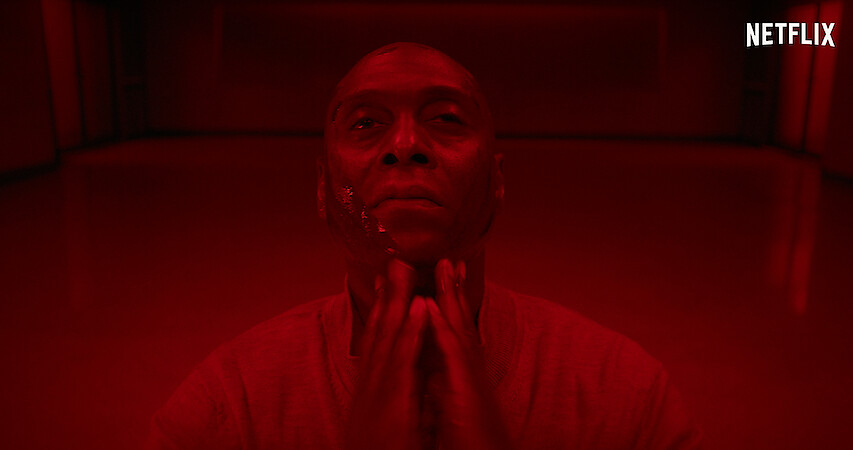
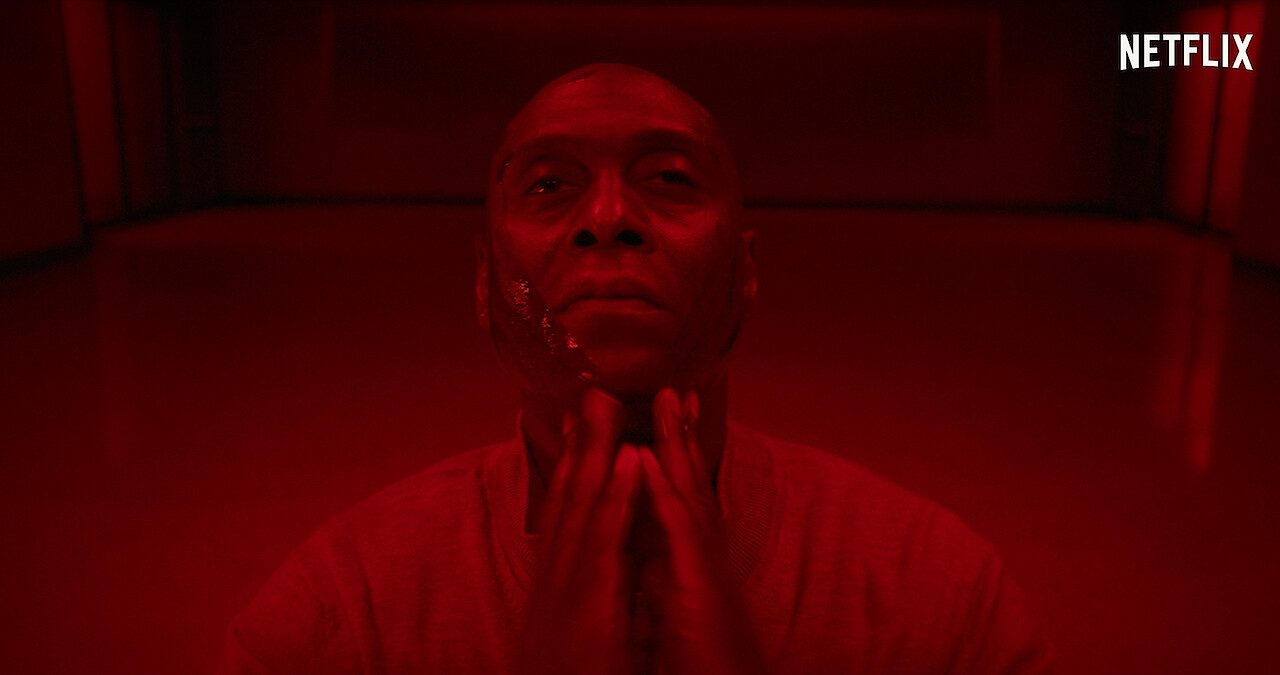
When we were talking to Lance, we tried to give each of the Weskers their own character. Obviously, there's OG Wesker who has the haircut and he's cool and he's psychotic. Then there's the Albert character, who’s the more mature character. There's the Bert character who's a little bit more quirky and focused. And then there's the Alby character, who of course dies pretty quickly. For Lance to play all those characters was really cool because it gave him the opportunity to really stretch as an actor. And it was very interesting because his process was, he had people from his real life that he put into those roles like, “Oh, I have a friend I grew up with who's very much like Bert, let me kind of take what I know from him and apply that to this character and filter through my own process,” and it worked out great. It’s a side of Lance you don't see very often. It's a pretty far cry from The Wire, for example, but it's super fun. And it ended up, especially with the Bert case, being a great character.
Having Jade and Billie crawl around their home to find clues that Albert left for them was clever and provided a comedic counterbalance to the apocalyptic drama. What were the origins of that idea?
It was interesting because Lindsey Villarreal, who wrote that episode, came in with a pitch, “Let's do an episode that is like the game, where you're in a house uncovering clues.” And so we really leaned into that and it was really fun. I’m however old I am, and when I grew up, there were no Ring cameras in the house, there were no notifications or Find Your Friends [app] on your phone or all that kind of stuff. If you're a kid trying to sneak around your house these days and your house is a smart home, it's not so easy to do. And [we thought], “Okay, how can they beat that?” And of course the hacker friend helps them. By the way, that's also a very Resident Evil thing where there's a lot of cameras, a lot of fixed points of view, things like that that you have to kind of work around, so that was fun to do.
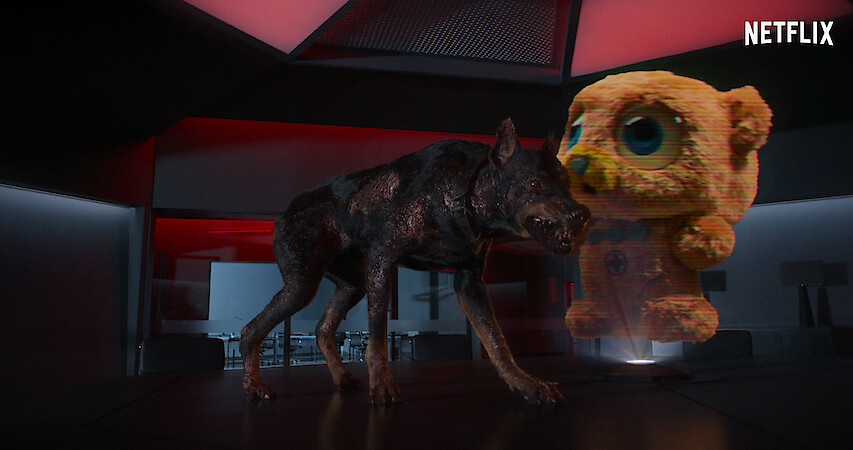
Jade and Baxter’s escape from the Brotherhood in Episode 4 also stands out because it feels like the show turns into a video game there, too. Were you constantly looking for moments that the story could feel like a game?
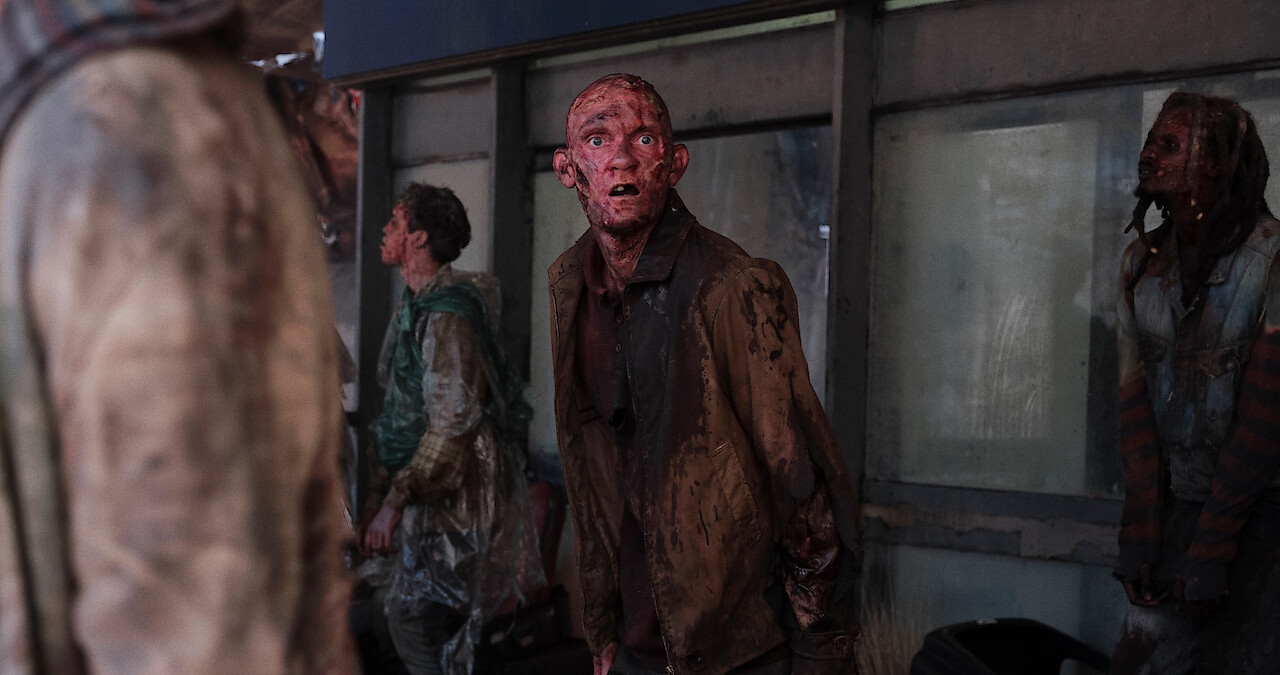
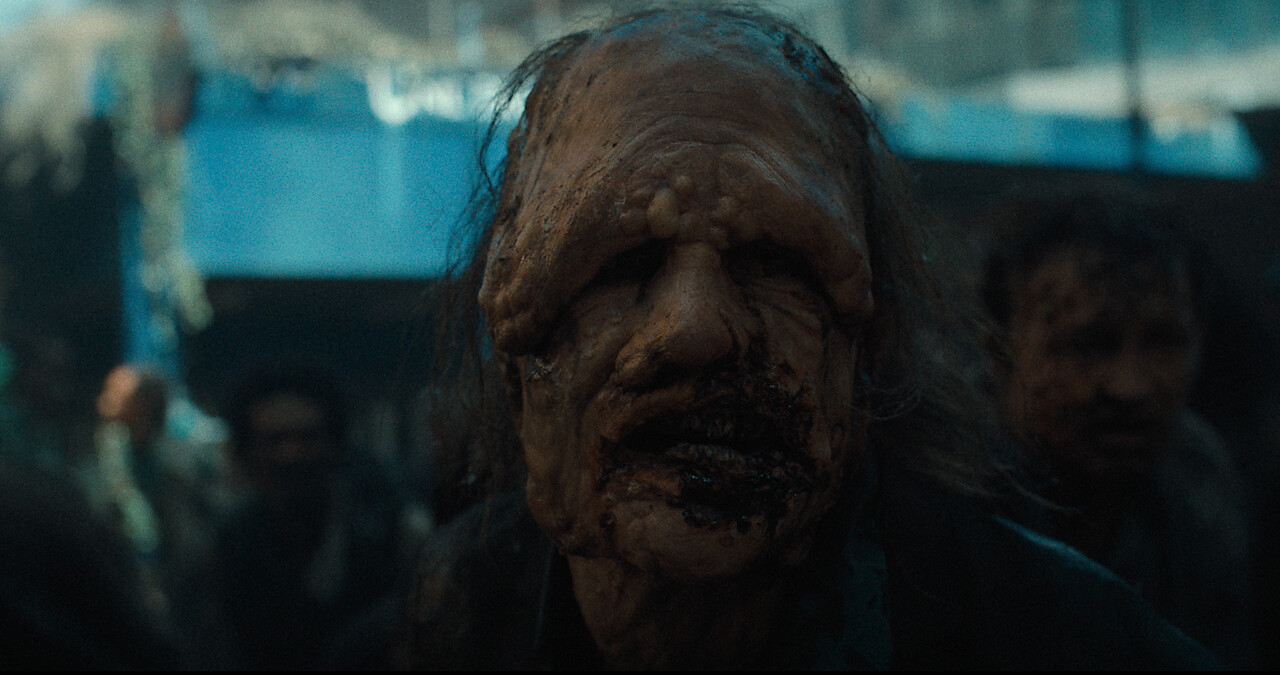
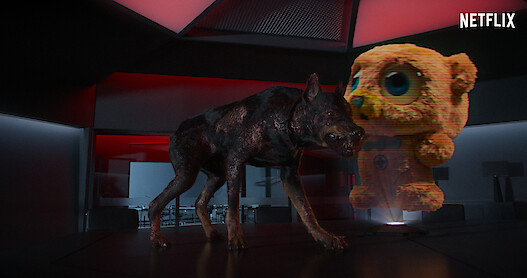
Yes, we definitely were. We wanted things that would echo the games tonally without necessarily suddenly becoming a first-person shooter for example. The energy of the girls uncovering a mystery, the energy of Baxter shooting a bunch of Infected — we've all shot a bunch of zombies in these games — the energy of running away from a giant monster where you're like, “Oh crap, I should not have, I should not have gone in this room,.” That was the stuff we wanted to create versus necessarily going beat for beat, moment for moment, visual for visual — not that there aren't places where we've done that a little bit, but that was not the overriding goal. The overriding goal was to create the feeling of being in a Resident Evil game without necessarily just doing a one-to-one adaptation of a Resident Evil game.
Evelyn Marcus Busts a Move | ‘Resident Evil’ S1E7Wanna see her do a backflip?
In Episode 7, Billie makes Evelyn dance to Dua Lipa. Was that moment inspired by Ex Machina or similar stories about corrupt corporations that use upbeat music in an unsettling way?
Yeah. The Ex Machina thing is interesting because she's kind of a bit of a robot herself and that was something we talked about. And then sometimes you just want to do weird stuff. When you're working on a longer order show, you can do a weird episode. You can take one of your 22 [episodes] and just say, “Screw it, we're going to do something weird.” And we did that a ton on Supernatural. In an eight-episode show, you can't get away with an episode like that, but you can get away with moments. And I also think for the audience, it keeps people on their toes a little bit because you're not expecting that. The more we can throw in things like that and surprise the audience, the better.
At what point did you decide that the season would end with Jade losing her daughter?
We knew that from the very beginning, although not from the very, very beginning. So early on, Jade didn't have a daughter. Early on, it was just Jade, she was on her own. She had not laid down those kinds of roots because of her guilt about what happened in the present day. And then we decided to introduce the idea of her having a family. It made sense [because] it all comes back to family. And so when you start talking about taking her daughter away, obviously that sets you up for Season 2.
We’ve seen what happens three months before the outbreak and this apocalyptic future. Do you already have a pretty good idea of everything that happens in the middle?
I wouldn't say we have a clear idea of everything, but I think we have a clear idea of what the formative moments were and the things we're working toward. You see some of that in Season 1. Knock on wood, you'll see a lot more of it in Season 2 and beyond. But yeah, we know what formed these characters and made them who they are, because again, if you look at present-day Jade and the future Jade they're very different people. What makes a person change like that? Billie, same thing. Pretty much all of our characters — even Evelyn has changed because of the things that have happened. So we have an idea, but I don't want to sit here and say we have a five-year plan and every beat of it is mapped out, because good ideas always come along and why limit yourself? We know some things, we don't know everything.
Do you think you’ll keep the multiple timeline format in Season 2?
Yes. I would imagine the multiple timeline structure will last. I would hope for the life of the show, but certainly beyond a few seasons.
Was it hard deciding how much to reveal in Season 1?
It is because, look, you want to show all your cards and Season 1 ends at the beginning of the story. They're beginning — it's definitely not a closed loop, let's put it that way. With Jade, she gets her family back and then she loses it again. But she loses it this time through choices that she made. With the girls, they started off close. And by the end, Jade's looking at her sister [like], “I love this person, but I'm kind of scared of her.” Whereas before she was not. So it's a much more important choice to bring them to a place of closure from a character point of view while keeping some of the plot stuff going that hopefully we can build off of in Season 2.
Do you view Season 1 as a villain origin story for Billie in a way?
I might take exception to the word villain. Because I don't think she considers herself that and as our story progresses, you'll see that. She considers herself, frankly, the last best hope for humanity. And yes, she's gone through some unorthodox things to get to that point, but she considers herself an altruist and believes her sister is selfish. I don't want to say it's a villain origin story, but I want to say it is an origin story. The dominoes are starting to fall in the present-day story that make her into the person we've seen in the future, who is this very fun, bad guy–type character. But once you scratch a little bit deeper, you really ask yourself some questions. Is she that bad? She didn't unleash a zombie alligator on the camp, you know what I mean? And she had to go to extremes to get rid of that thing, but she did. She made a lot of threats, but would she have gone through with bombing the University? I don't know.
This interview has been edited and condensed for clarity.