Up Close
Peter Morgan Previews the 'Difficult' Fifth Season of ‘The Crown’
The series creator shares what's to come when Imelda Staunton takes the crown.
By Emily Zemler
Oct. 31, 2022
When most people think of the 1990s, they remember Beanie Babies, Friends and Matchbox Twenty. But for the British royal family, the early ’90s were an era rife with drama, divorce and doubt. It was a challenging moment for Queen Elizabeth II: Public opinion of the sovereign was at a notable low, Charles and Diana were fracturing the traditional bonds of marriage and Buckingham Palace caught fire.
A dark time, yes, but for a drama series like The Crown, those moments of tumult make for captivating television. In approaching what he calls a “difficult” fifth season of the show, creator and writer Peter Morgan pinpointed specific moments in history that he felt had to be included, alongside the characters’ more personal moments of drama.

“I knew that we’d probably have to deal with annus horribilis, which would be difficult,” Morgan recalls of writing Season 5, which opens in 1991. “I knew that we’d have to deal with the divorce, which would be difficult. I knew that we’d have to deal with the Panorama interview, which for any number of reasons is a real minefield, because I don’t want to write anything that’s critical of the BBC. These are important cultural and historical events that we need to discuss and need to look at — and drama is an absolutely valuable instrument with which to do that.”
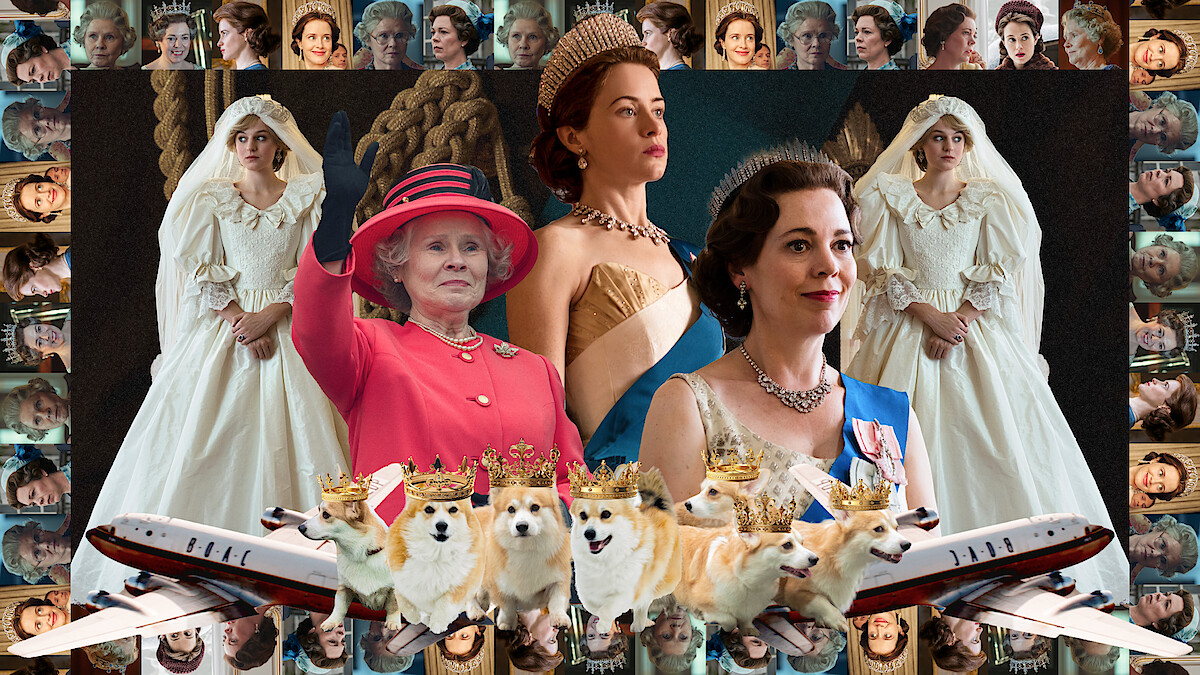
Season 5 opens the next chapter of The Crown, which debuted on Netflix in 2016. The drama series has followed the British royal family and Queen Elizabeth II since the monarch’s wedding in 1947 to Philip Mountbatten. Each season has encapsulated a particular era, leading into the more contemporary time period of the 1990s. Over the seasons, the show has covered the early years of Queen Elizabeth’s reign (with Claire Foy in the lead role) and the challenges she faced, to more recently, her relationship with Margaret Thatcher, and the introduction of Princess Diana to the royal family in the 1980s.
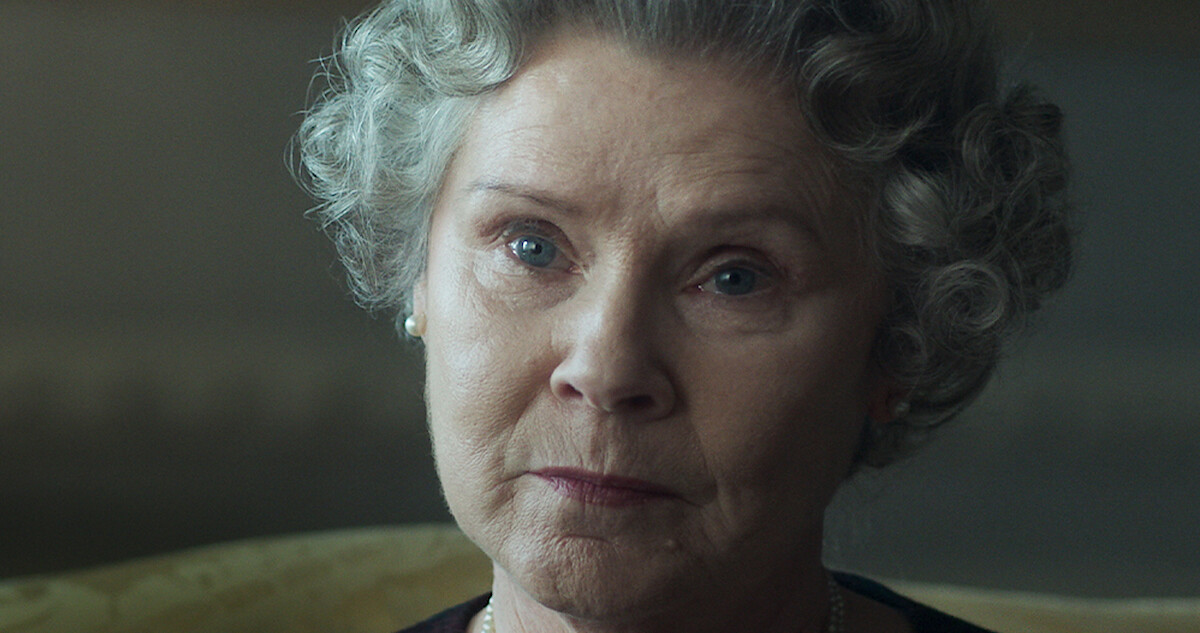
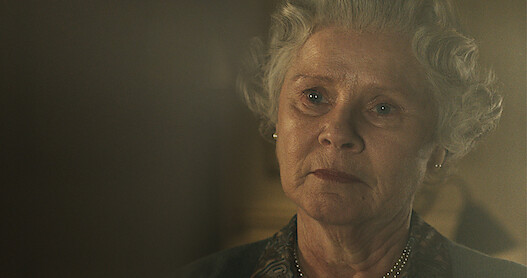
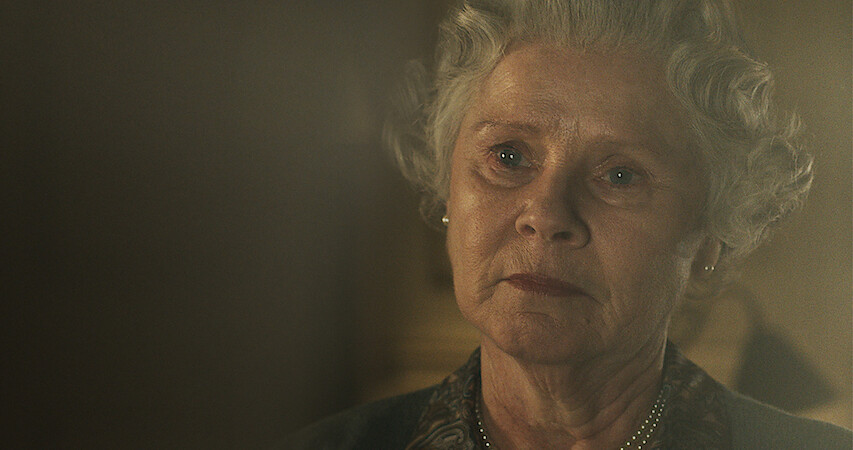
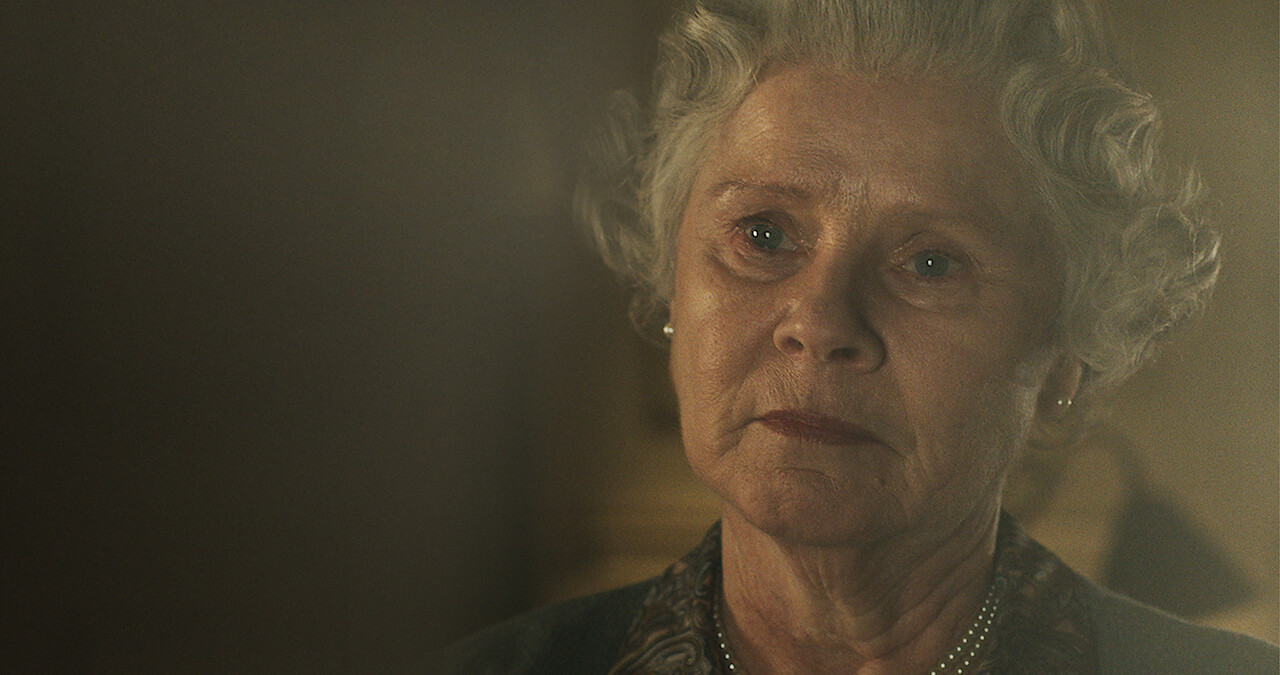
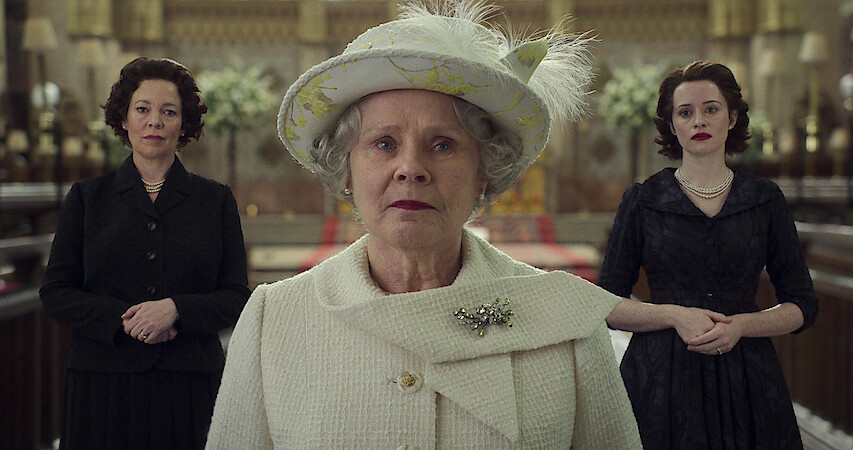
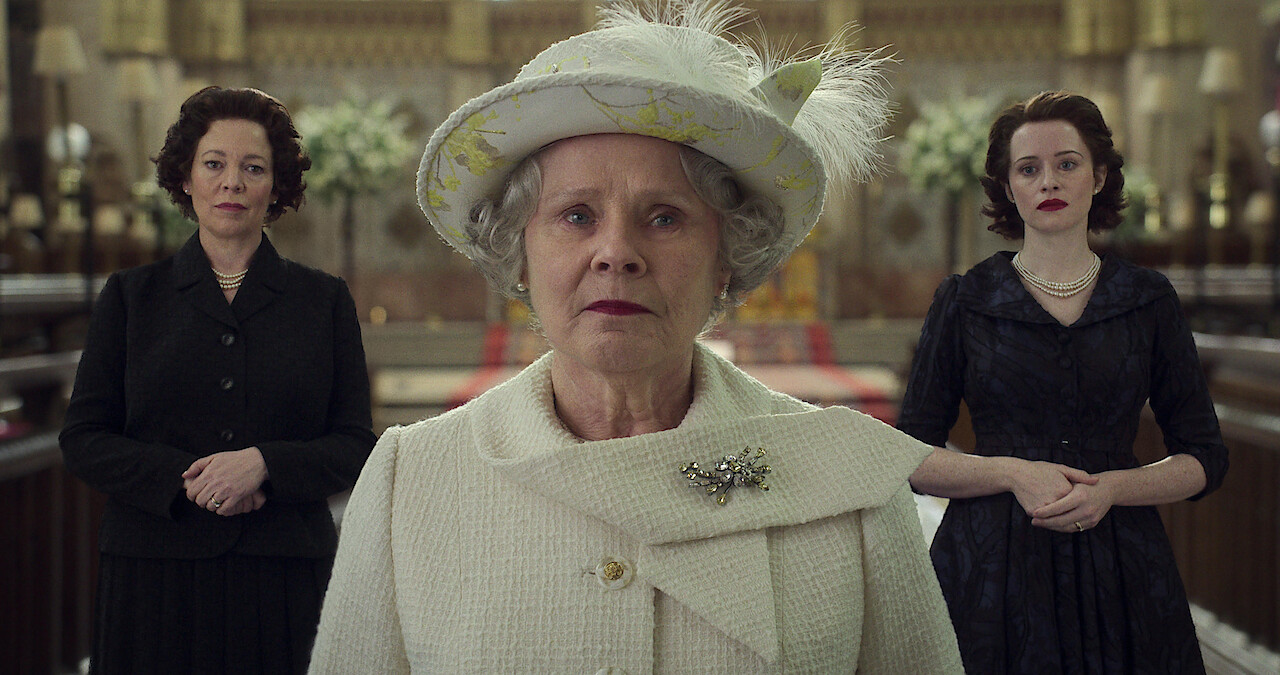
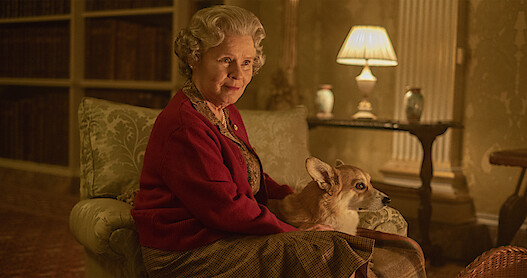
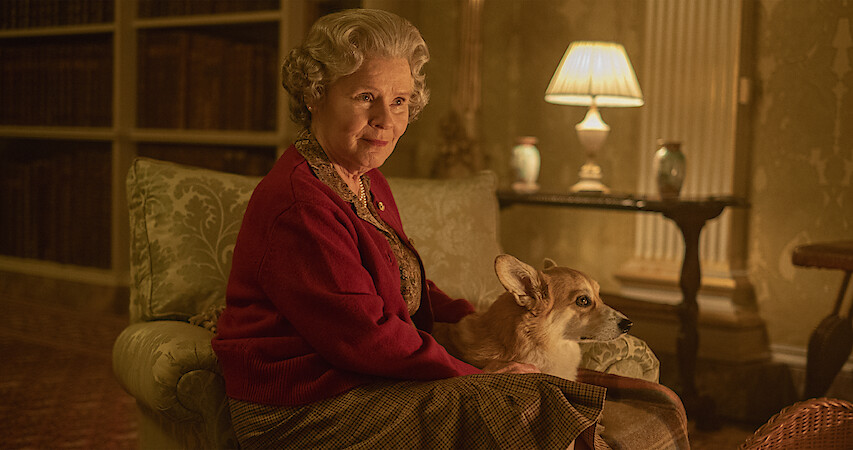
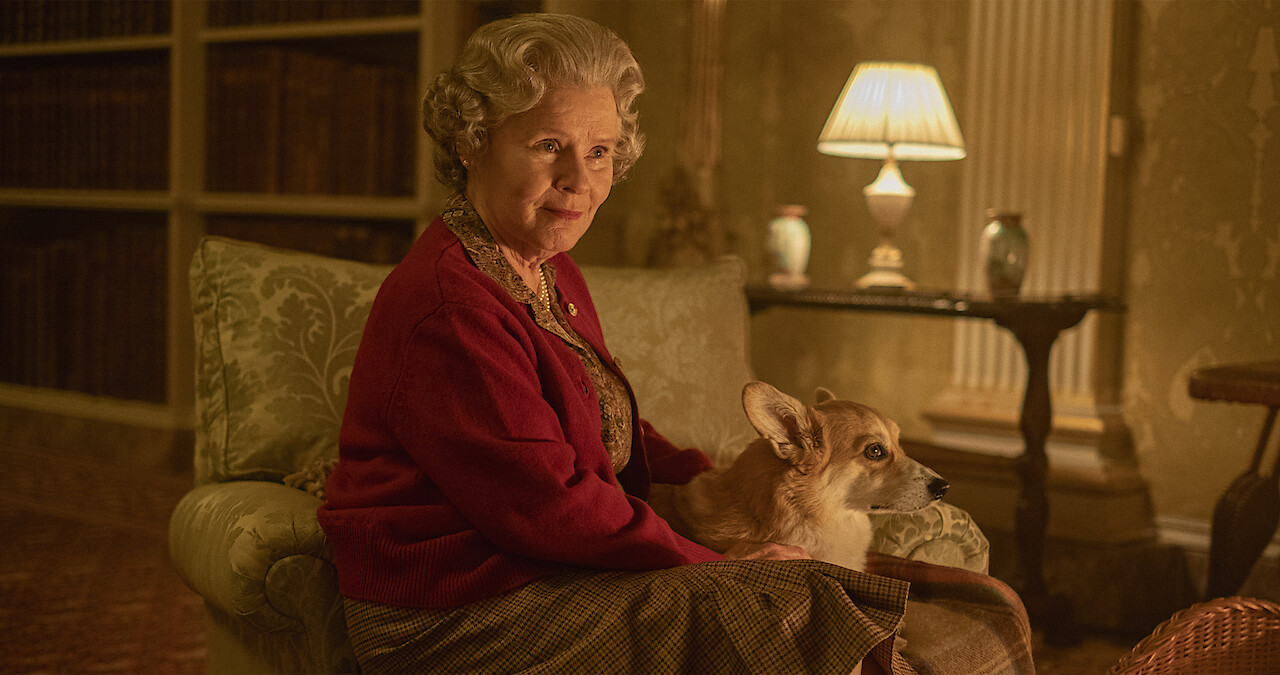
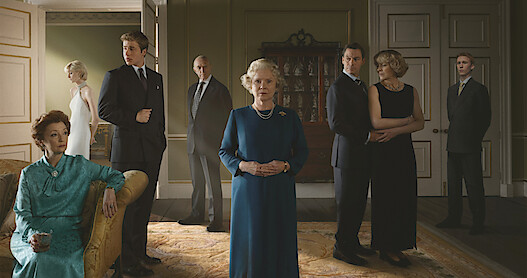
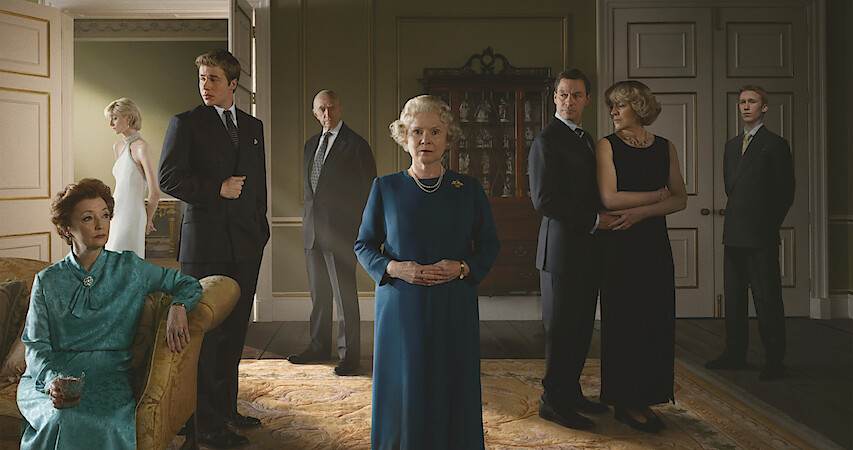
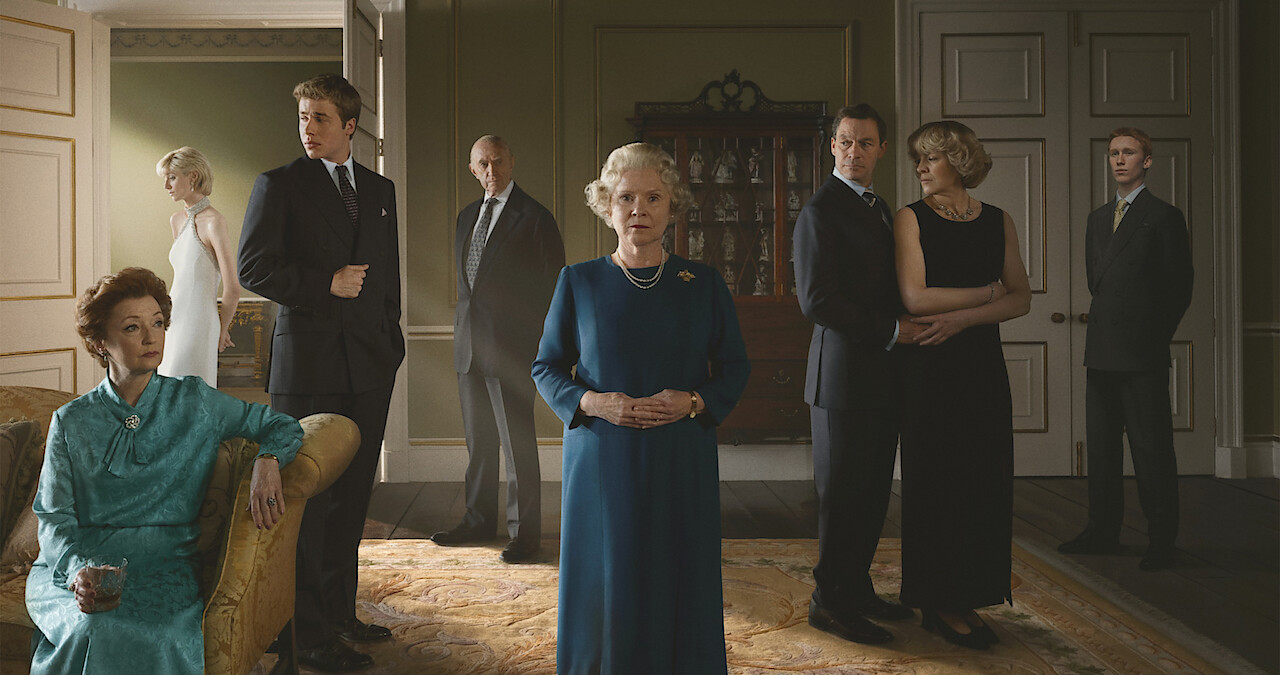
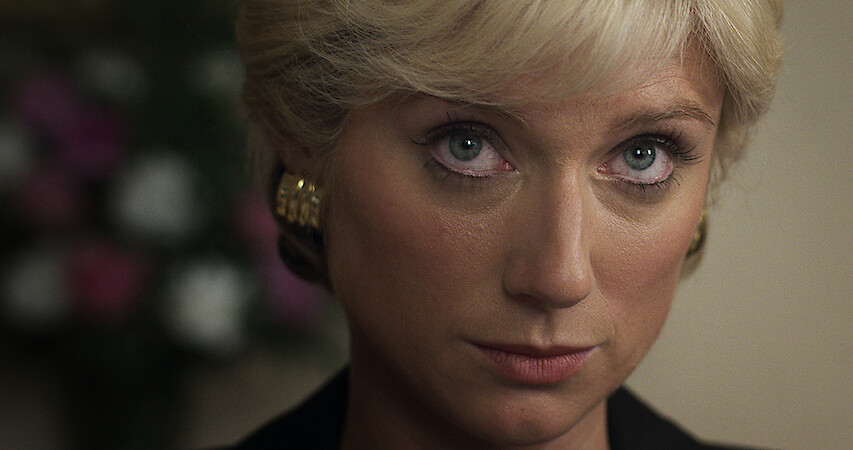
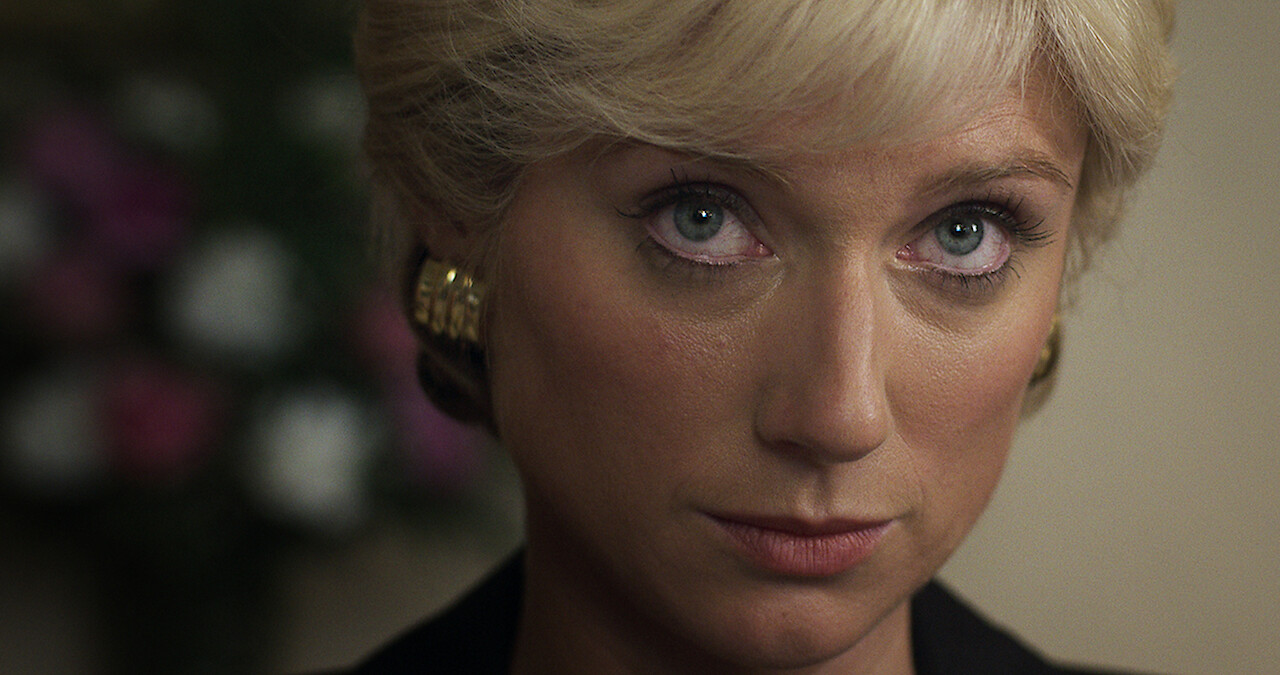
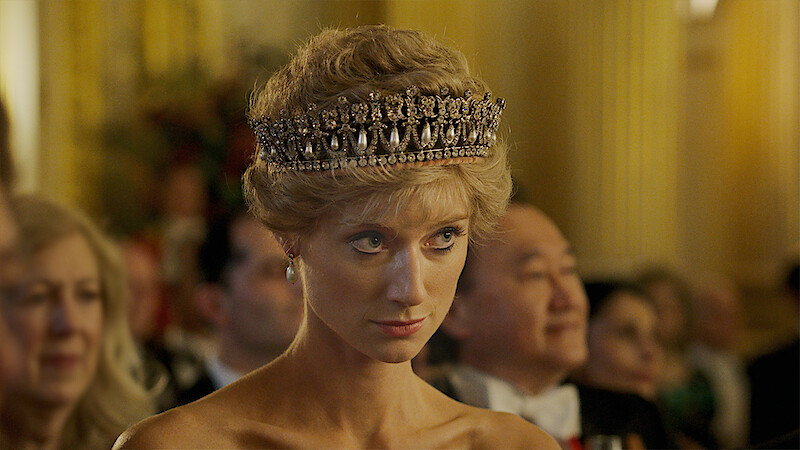
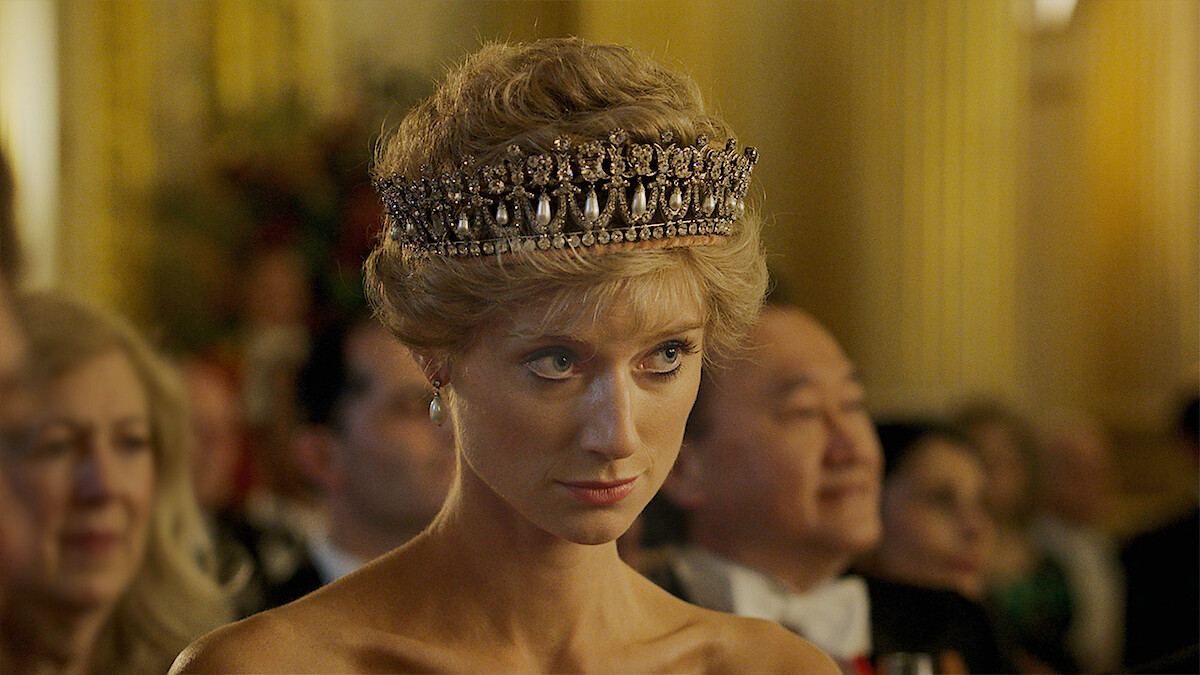
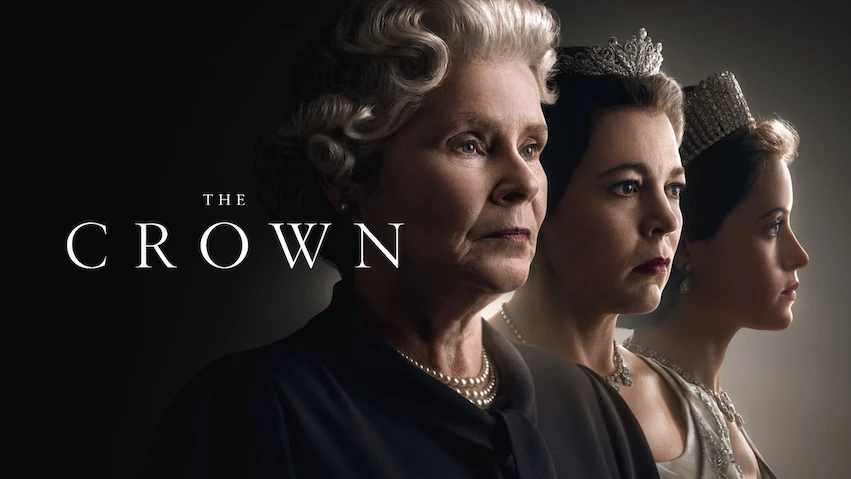
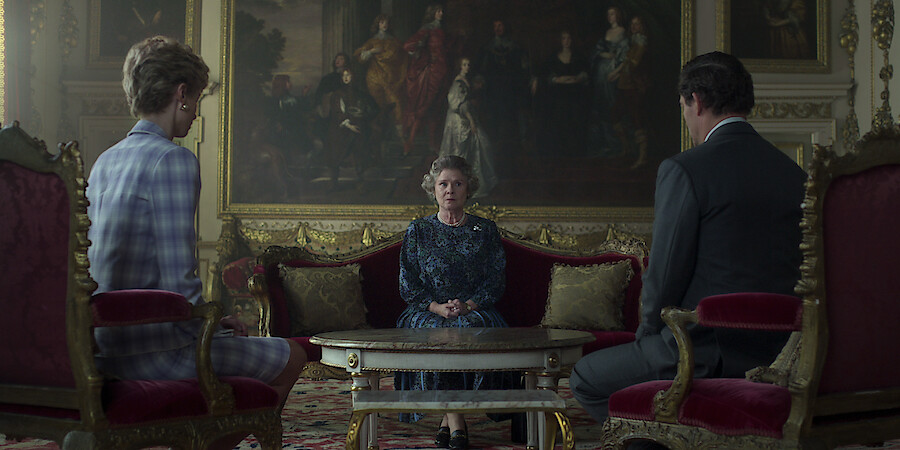
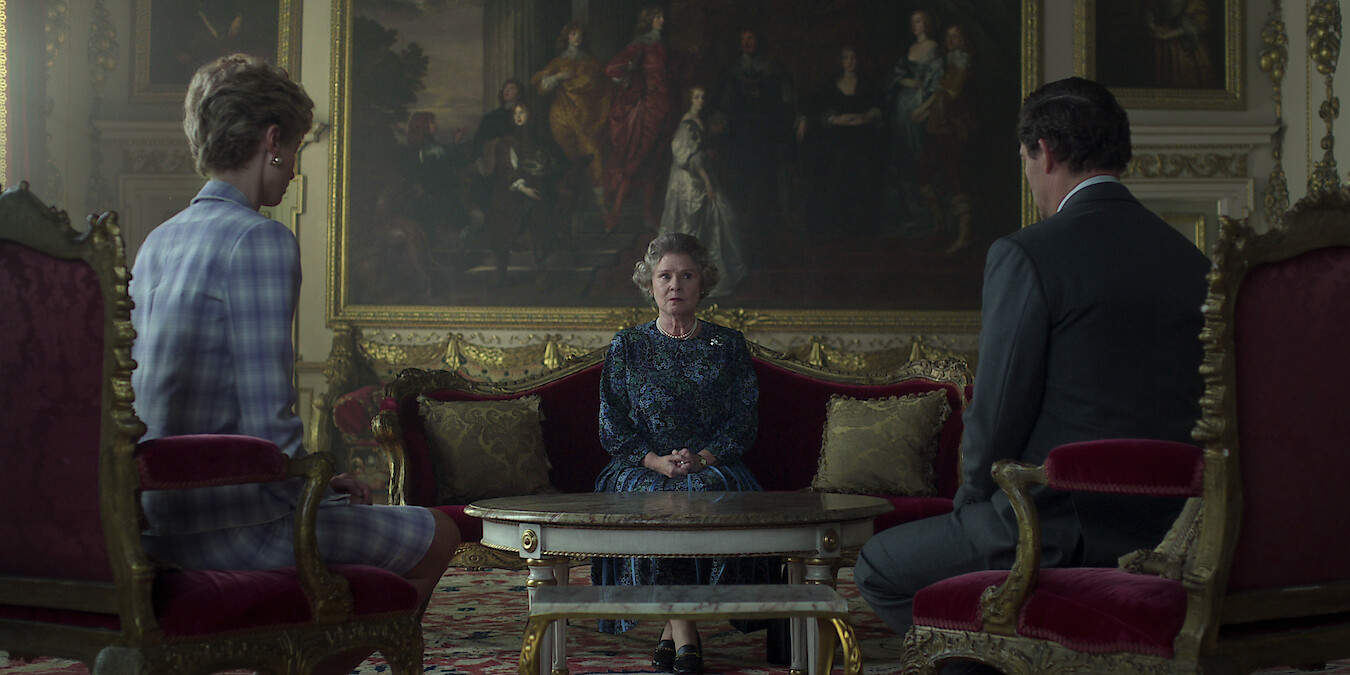
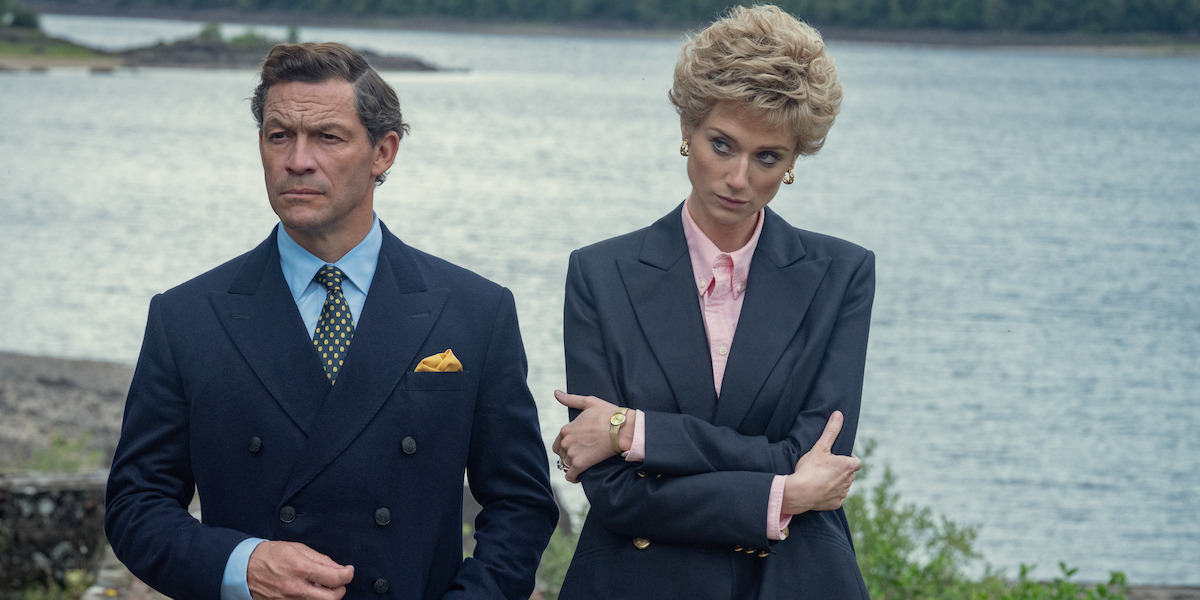
Now, as The Crown enters a new decade, it brings with it a new cast, marking the third round of actors to embody the royals since the series debuted in 2016. Imelda Staunton takes over the role of Queen Elizabeth II from Olivia Colman, with Jonathan Pryce stepping in as her husband, Prince Philip, who was previously played by Matt Smith and Tobias Menzies. Other notable additions include Lesley Manville as Princess Margaret, taking over from Helena Bonham Carter; Dominic West as Prince Charles, taking over from Josh O’Connor; Elizabeth Debicki as Princess Diana, taking over from Emma Corrin; and Jonny Lee Miller as John Major, who was the British prime minister from 1990 until 1997.
“It’s very exciting to keep refreshing a show and it keeps us, the program makers, on our toes,” Morgan says of the revolving door of stars. “Within the confinement of a long-running show like this, it stops the Groundhog Day feeling, and that’s really valuable. It’s challenging for an actor to just play the same part and become so over-associated with that part, even if it might be a great privilege. After two years, I’ve found that the cast is really ready to move on.”
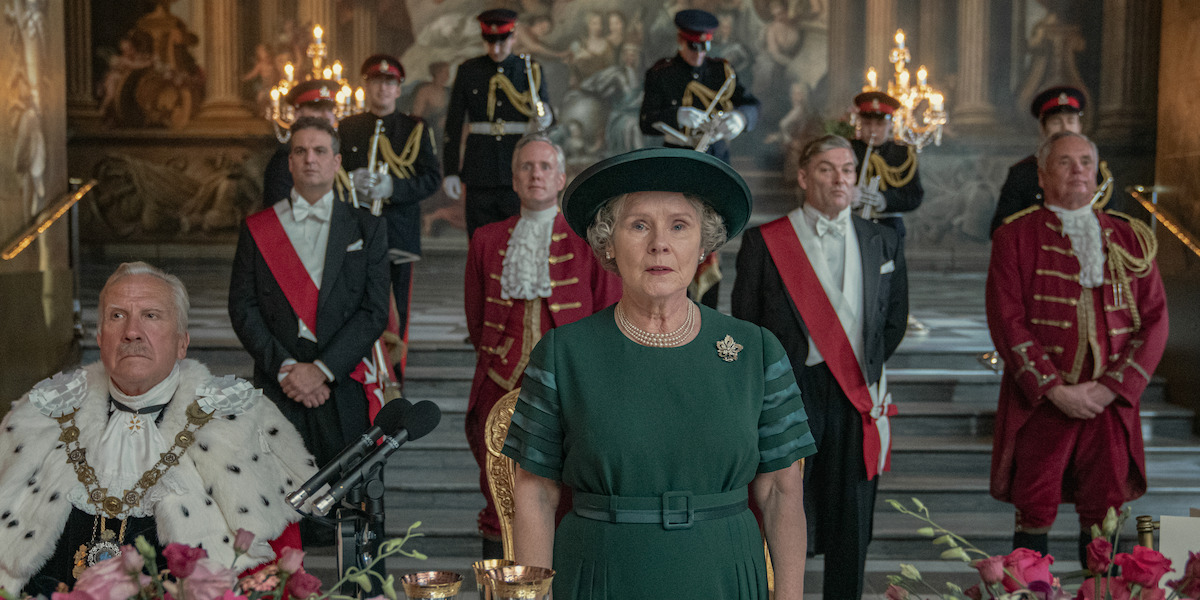
When imagining who would take over the role of the queen when Colman moved on, Morgan always knew he wanted Staunton; the same goes for Debicki taking over as Diana. It was his own idea to approach Miller to play Major, but many of the remaining casting decisions surprised him as much as they might the audience. Casting director Robert Sterne’s suggestion that West replace O’Connor as Season 5’s Prince Charles was one Morgan “would never have guessed.”
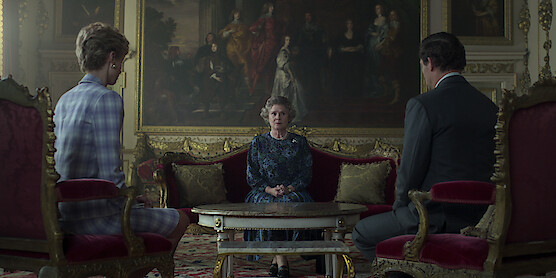
As the decade shifts and the characters grow older, Elizabeth transitions from navigating her early years as queen to grappling with her adult children’s problems. The tone of the storytelling has also changed to reflect the mood. For director and executive producer Jessica Hobbs, that’s in part due to how the British monarchy was perceived during the ’90s — and, in turn, how the queen may have begun to perceive herself. The events of the era offered an opportunity for the character of Elizabeth to look inward.
“When you’re coming into your 60s, you’re questioning perhaps your own relevancy, even though [the queen] has a duty going forward,” Hobbs says, adding, “From the beginning [of the season], we start with the concept of relevancy, specifically through the relevancy of the queen. By the end of the season, we are questioning the relevancy of the institution itself. That is really the arc.” That season-long theme allowed for the show’s creative team to “take a slightly darker, perhaps slightly more critical look at the institution and the monarch herself. Peter has done that really beautifully through the character, questioning her role and what it contributes and what it does.”
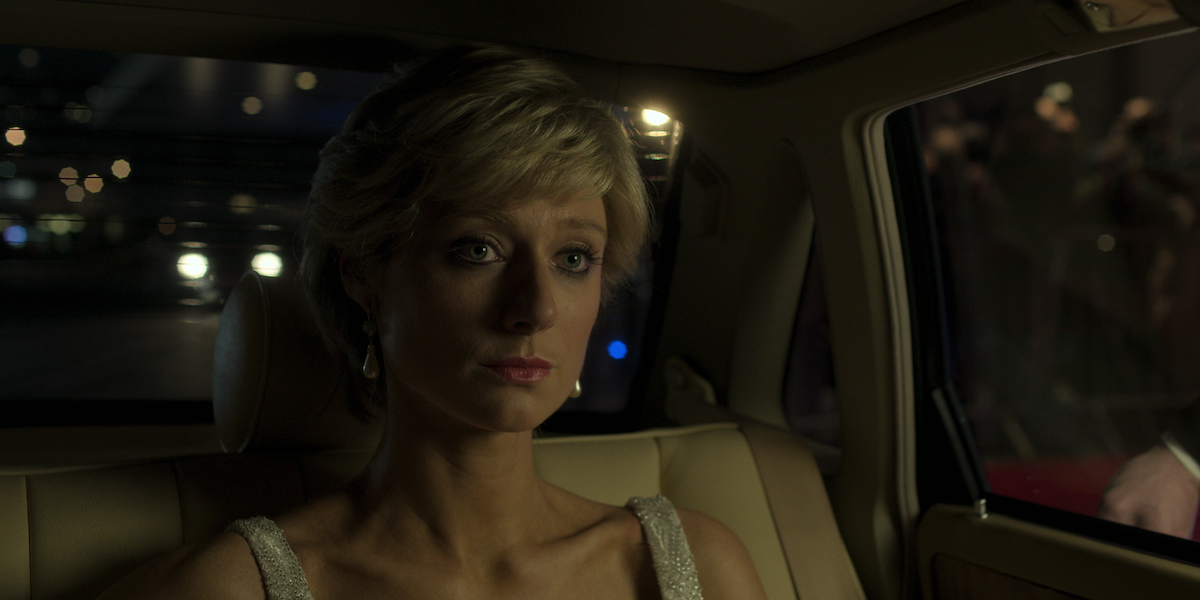
Relevance also reared its head when it came to appealing to the viewers. Hobbs notes that keeping a young audience engaged in characters who are aging presented a challenge for the team. “It was like, ‘Our characters are naturally getting older, what are we going to do to keep that relevant?’ ” she says. The solution came in one of the younger, compelling characters and her explosive Season 5 storyline: “Diana starts to kick in a more fierce, kind of radioactive way,” says Hobbs.
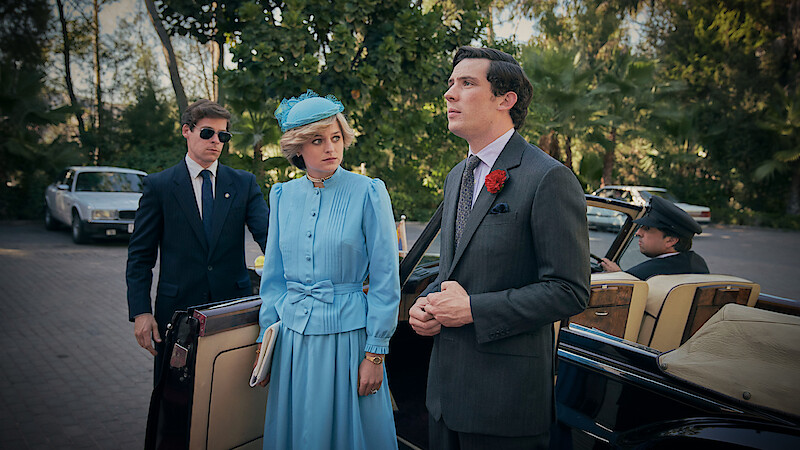
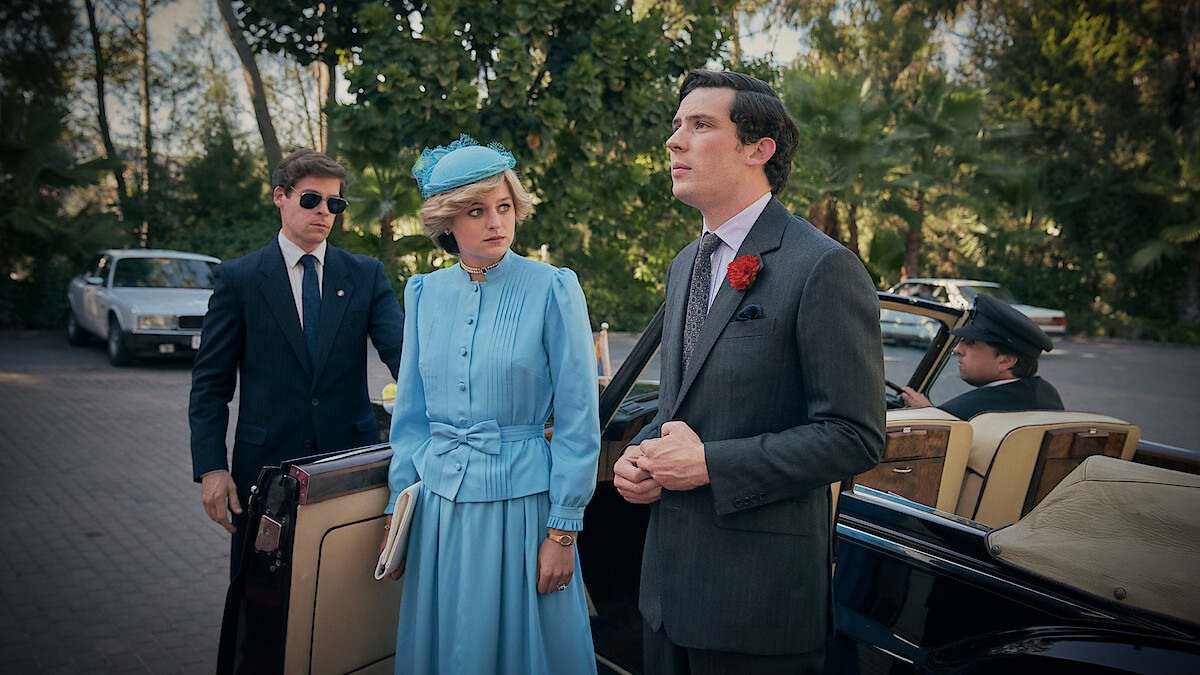
At the rocky core of Season 5 rages what Morgan refers to as “the War of Waleses.” Charles and Diana (aka the Prince and Princess of Wales) are in a calculated battle, with each attempting to undermine the other publicly. The vicious back-and-forth culminates in a contentious divorce with far-reaching ripple effects. In writing the dissolution of the characters’ marriage, Morgan was aware of how much personal baggage the audience brings to the story, with many staunchly defending Diana or Charles exclusively. Still, The Crown has to stand as its own dramatic narrative, isolated from public opinion.
Morgan therefore opts to focus on writing from his “own conscience as responsibly and as sensitively” as he can, and always keeps at the forefront of his mind how difficult it must be for real people to see their lives dramatized on-screen. “I don’t take the responsibility for that lightly,” he says.
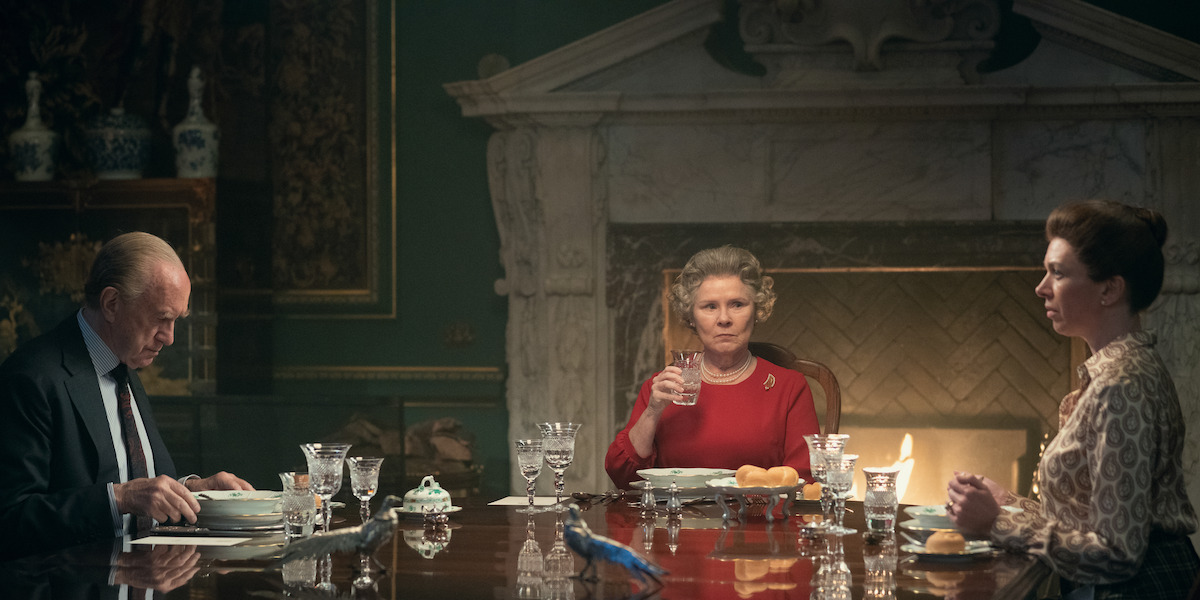
Adding to the tension of the show’s fifth season is its compressed timeline. Season 5 covers seven years, a shorter length of time than the previous seasons, and therefore feels “tauter” to Executive Producer Suzanne Mackie — as well as tinged with more sadness.
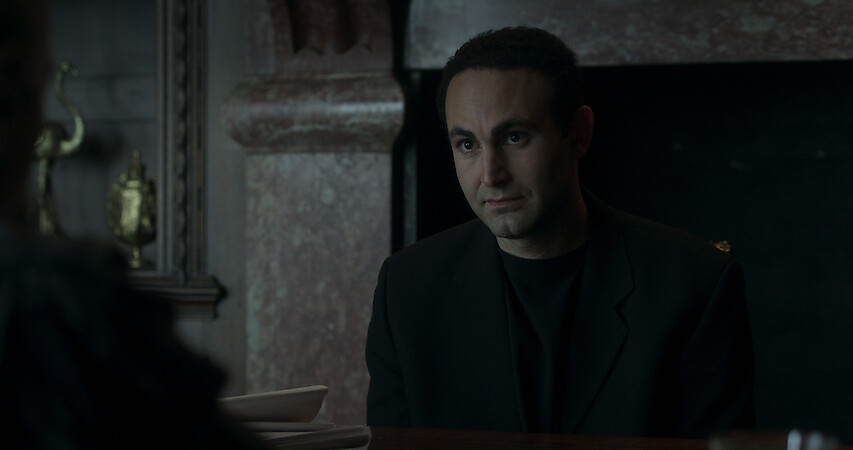
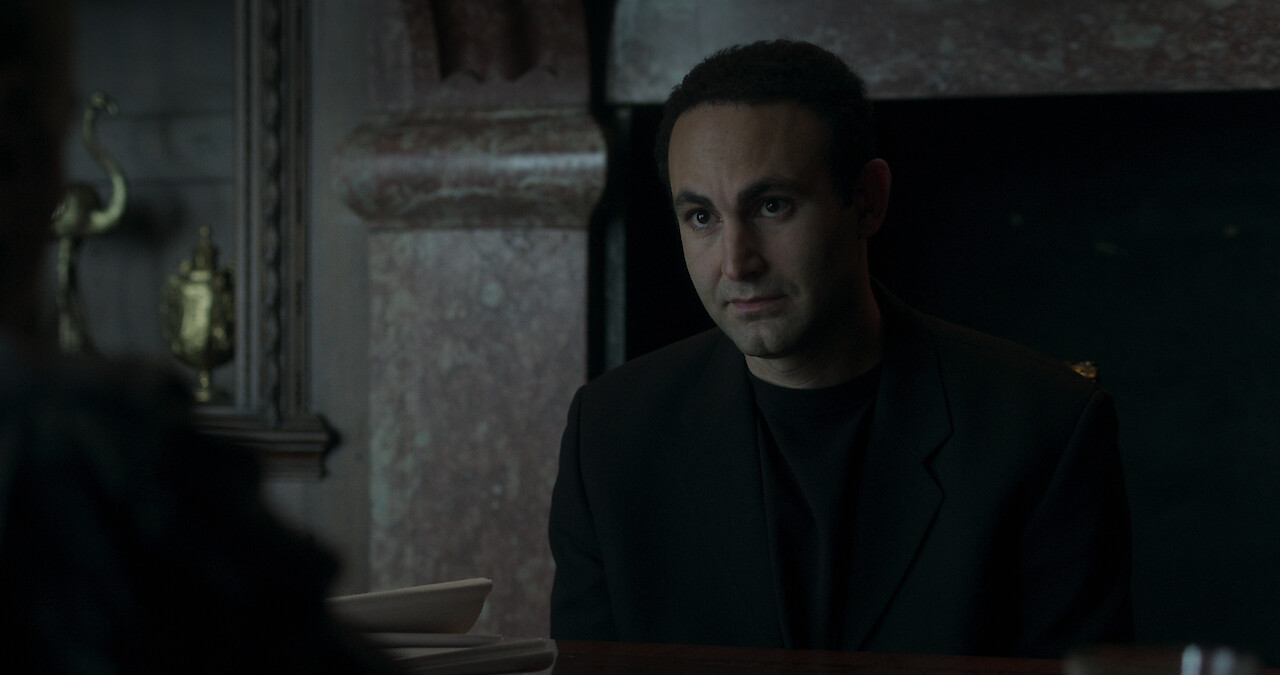
“Like every previous season, each episode does feel very stand-alone,” she reflects. “It does feel like there’s more of a story narrative propulsion throughout this season. We are watching a very famous marriage break down, and all the terribly sad consequences that that brings. We meet [Mohamed] al-Fayed and we meet Dodi [al-Fayed]. And so one feels a tension that’s very much inbuilt into the bones of this season, because we know in the end where we’re hurtling towards.”
That specific tension is also underscored and amplified by the overall attitude toward the royal family during the time period depicted in Season 5. “The real rub within Britain about status and whether the royal family deserved to be there anymore was quite a shift from the previous two seasons,” says Hobbs. “The public started to really question [them], and it was quite a publicly anti-monarchy time.” Adds Morgan, “It’s hard to remember a period as turbulent as the early ’90s.”
And yet, the royals remain — and it’s that perseverance that Morgan (and hopefully the audience) finds so compelling. After all, everyone loves a good family drama.
Tune in on Nov. 9 to take a turbulent ride through The Crown’s fifth season.