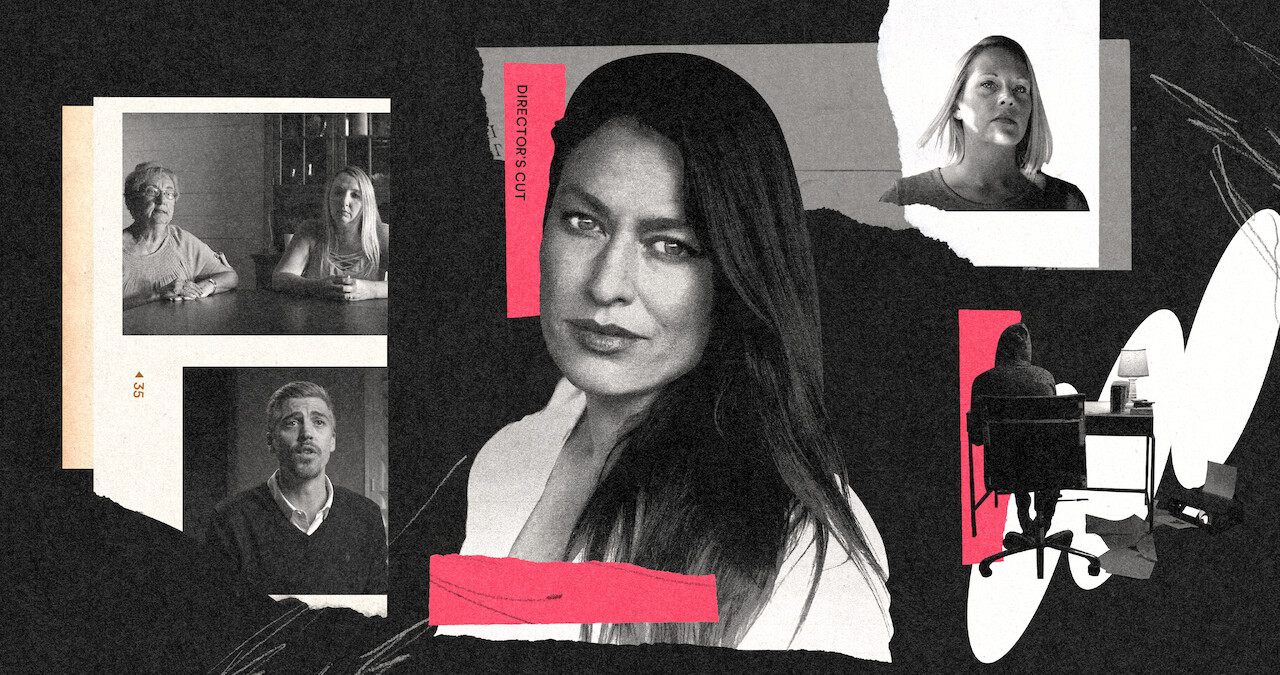
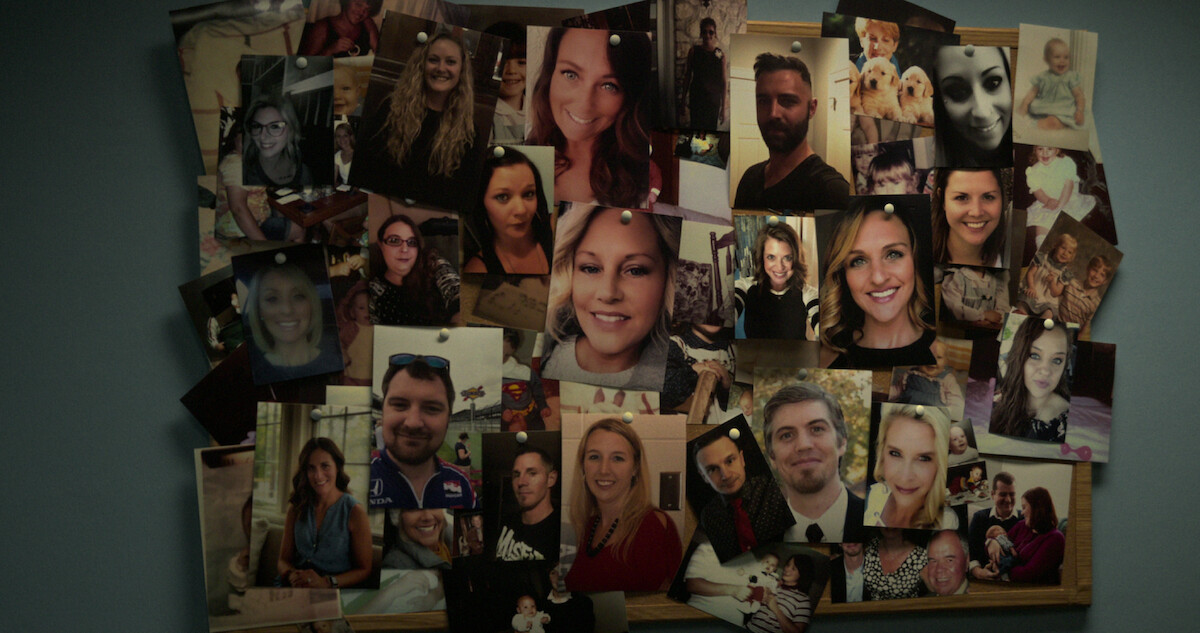
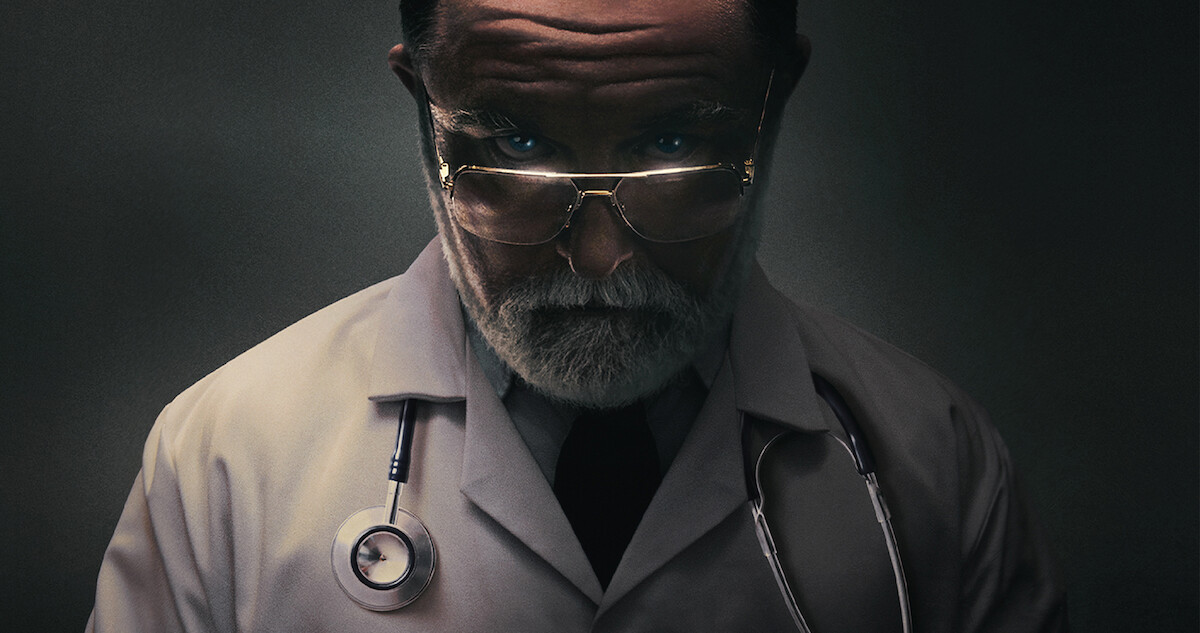
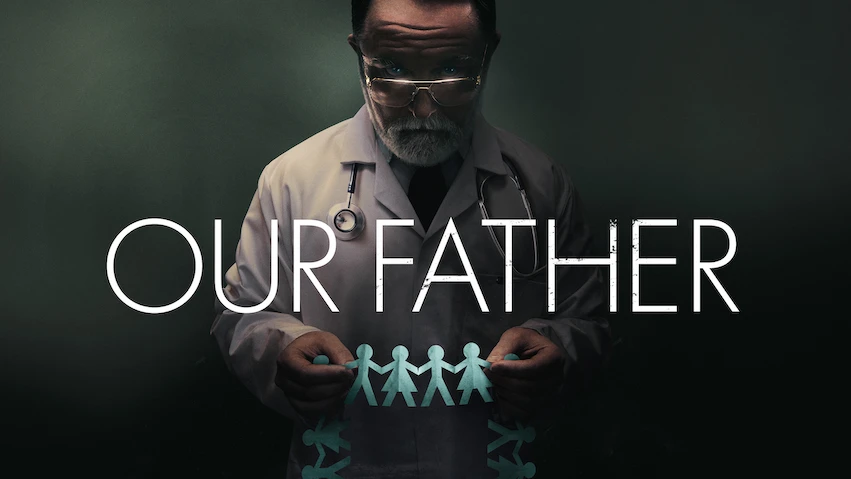
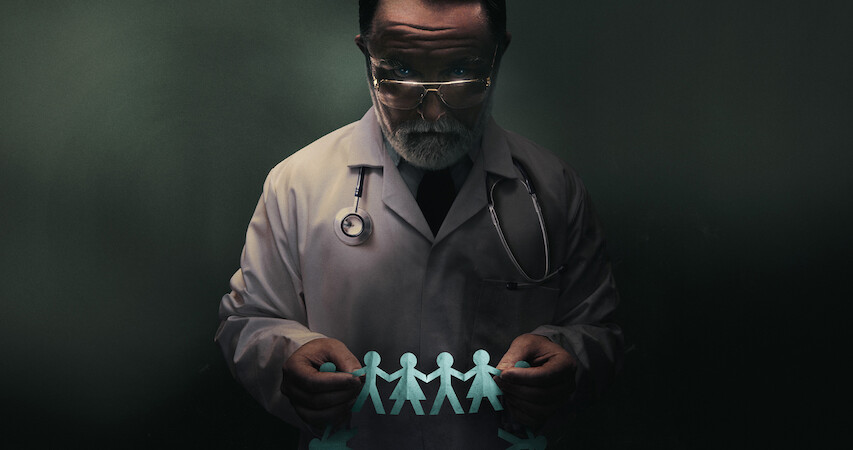
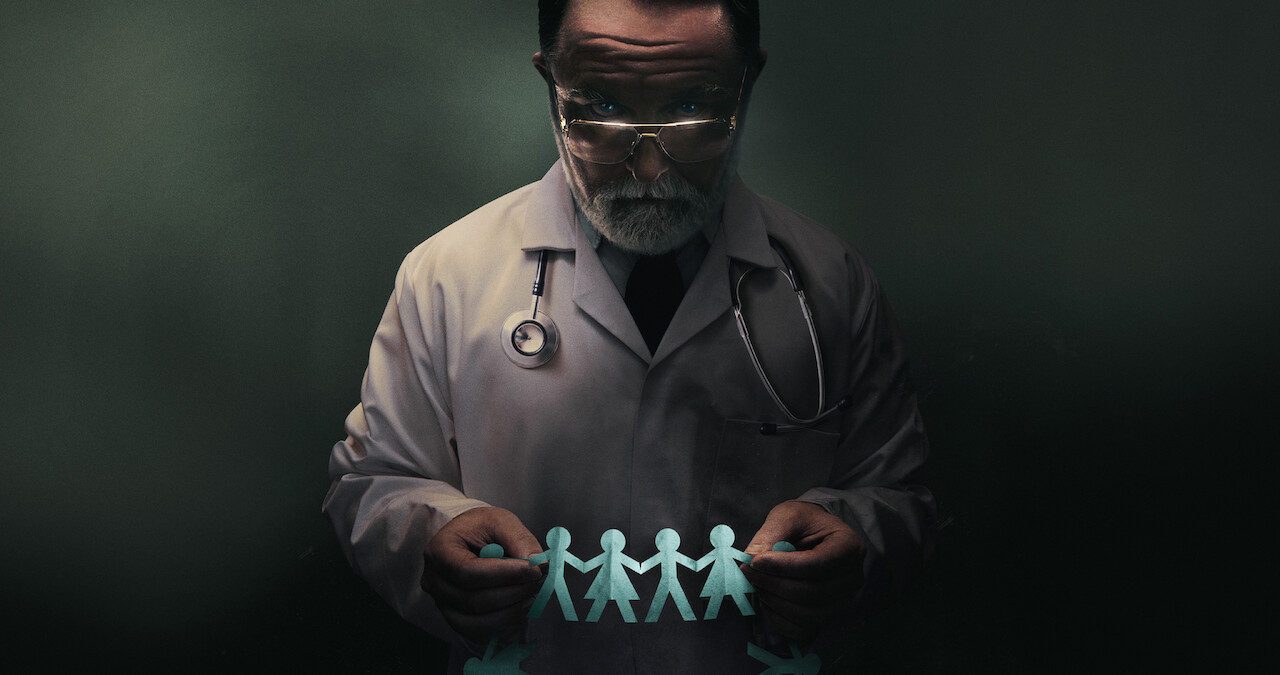
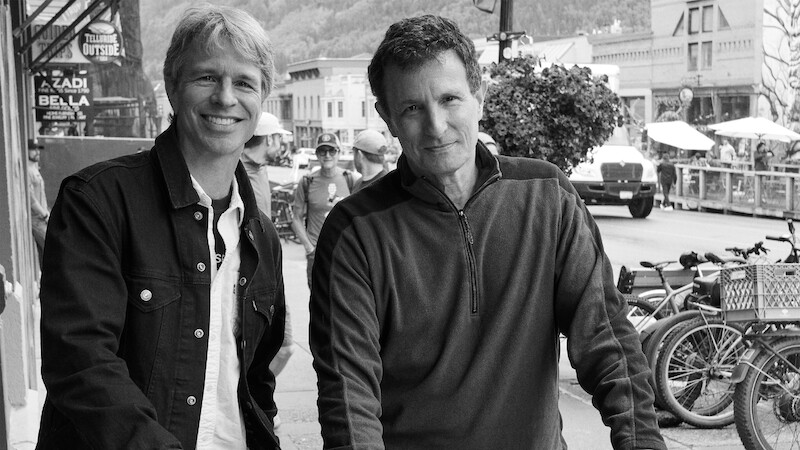
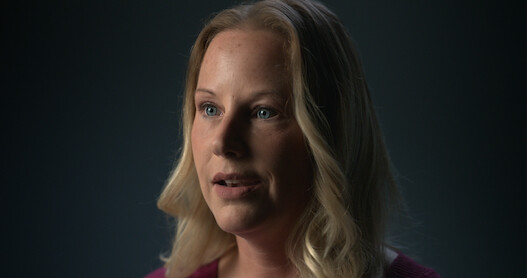
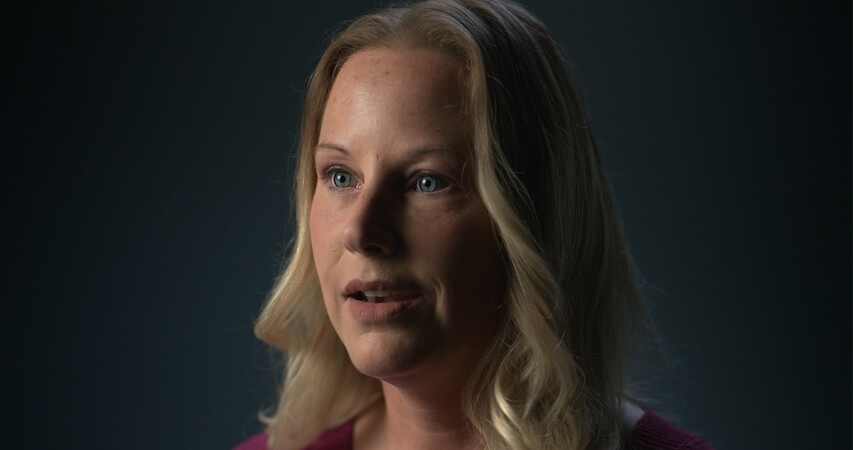
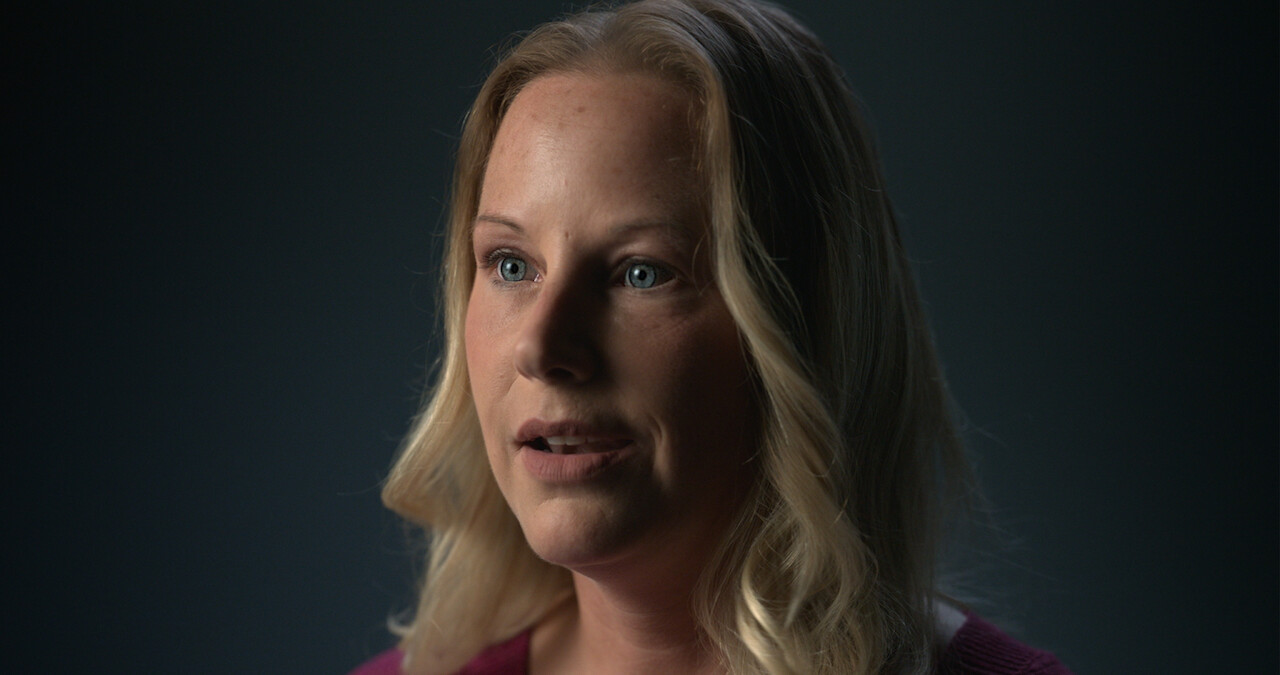
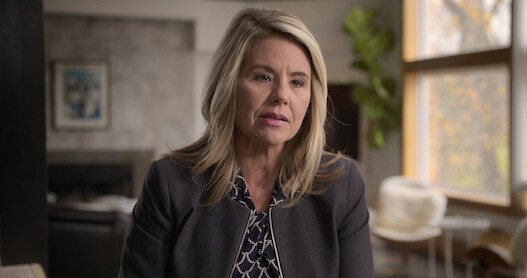
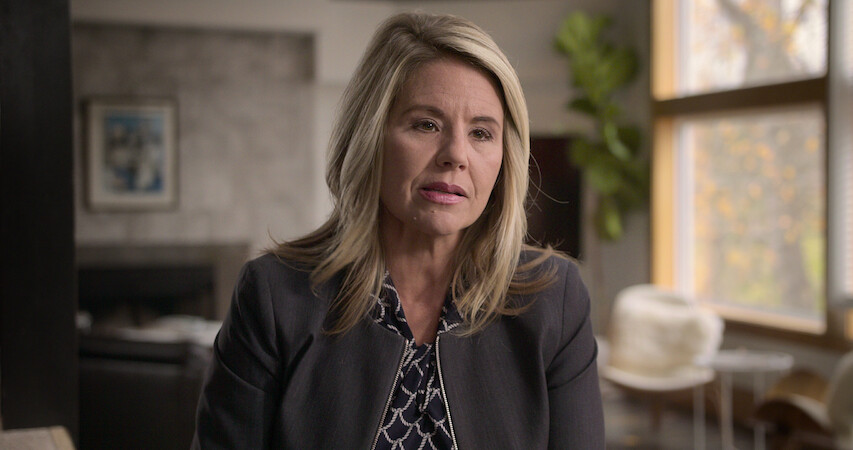
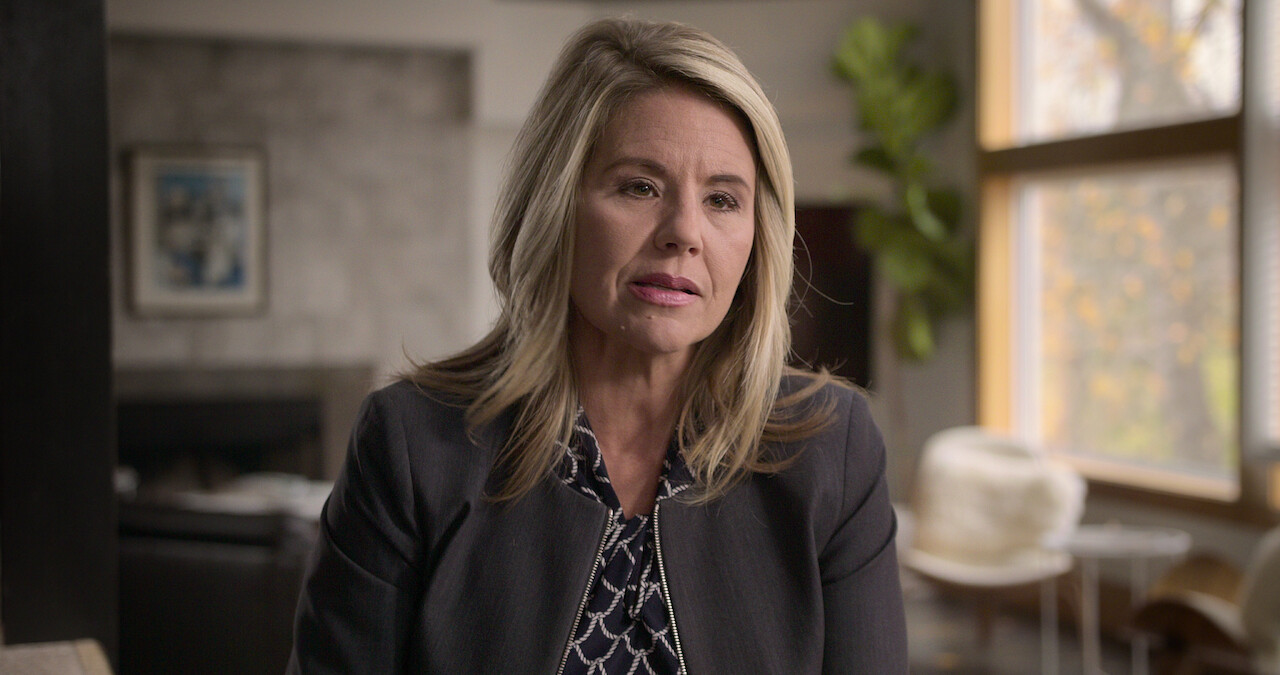
The story of Donald Cline, an Indianapolis fertility doctor who secretly used his own sperm to impregnate countless victims, is a chilling one. The new documentary Our Father not only tells this story but also serves as a catalyst to a much larger conversation. “This film is about consent,” director and producer Lucie Jourdan says. She chose to focus on the quest for justice by Cline’s victims — both the patients he lied to and the children who grew up unaware of their true parentage — rather than tell the story of what she calls a “salacious con.” By offering a perspective that is usually hidden, Jourdan gives viewers the opportunity, she says, to “sit with the victims.”
Here, Jourdan tells Tudum what it was like to make Our Father, what she learned from talking with many of Cline’s victims, why this project proved to be personally difficult and why she decided to see it through anyway.
How did you first come across the Don Cline story?
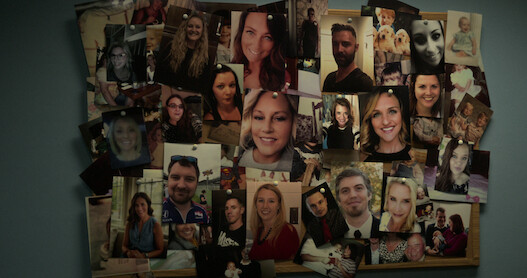
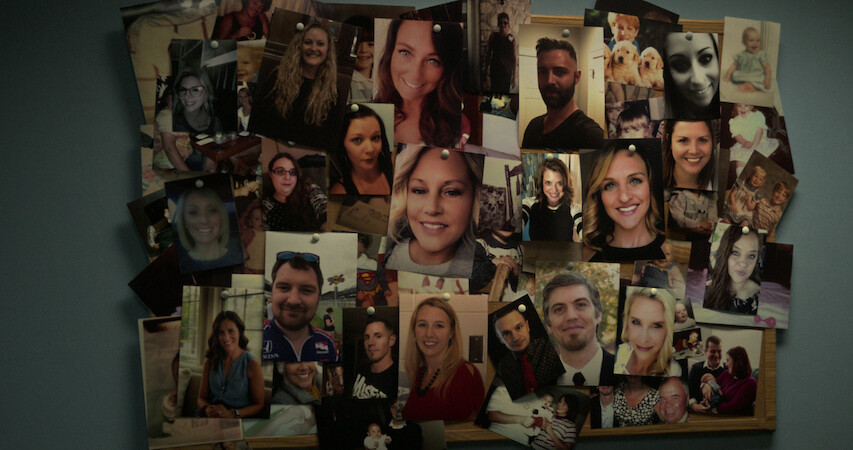
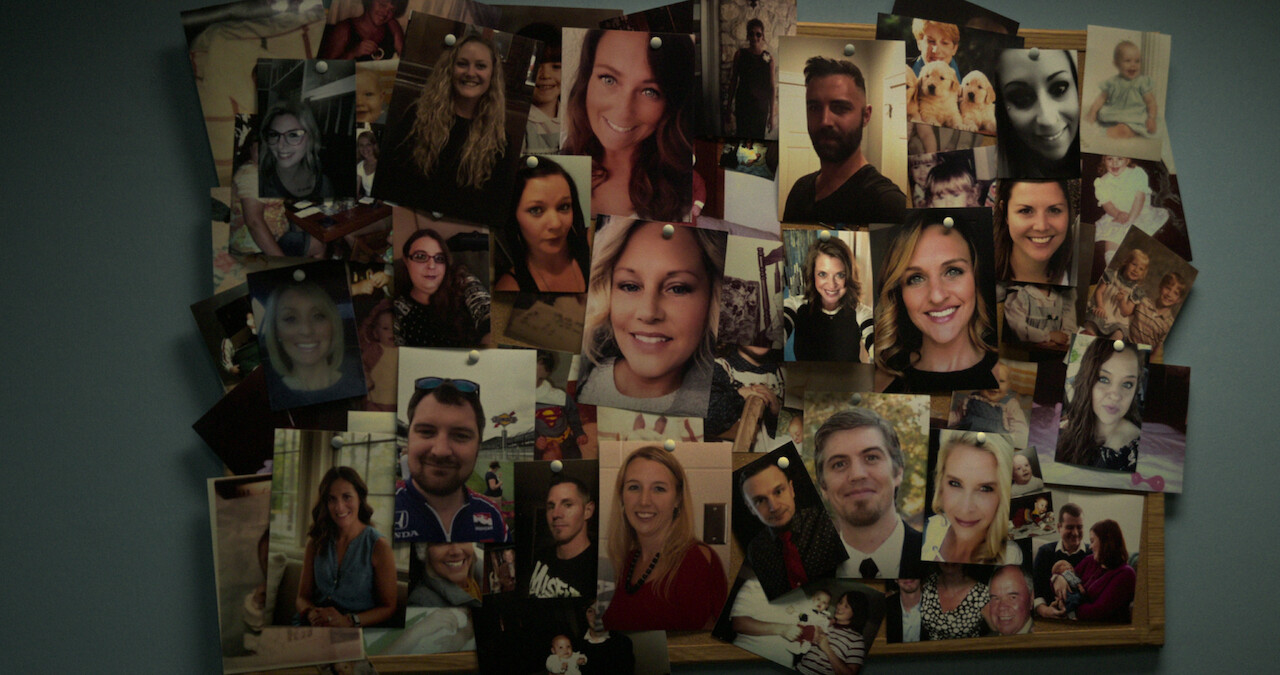
Michael [Petrella, Our Father producer] sent me an article the day after [Cline’s] trial. There were 22 kids who [were mentioned in it]. We immediately contacted them and said, “We want to tell your story.” We got the majority to sign up with us. We designed the pitch and it went around. Years went by, and then it finally got [acquired].
Did you reach out to Cline at any point?
When we were in the last week of filming in Indiana, we called him on camera just to get it on camera. He picked up the phone. [But] he knows who we are and just hung up on us.
So you gave him the opportunity to speak.
Oh, absolutely. I would love to hear from him. And also the siblings would. He refuses to talk, which is why this film is the way it is... the reenactments and all of that stuff is really a commentary on [his silence]. If he had spoken, this would be a very different film.
What did it mean to his victims to speak to you about their experiences?
I don’t think I have cried with a group of people more. When we finally sold this and sat down and put the cameras in their faces, we had become friends. So, to sit across from them and hold the space for them to be vulnerable — it opened up these floodgates, and then the sense of relief.
I think they didn’t realize it could feel that way. All of this will go on — more siblings will be found and more bullshit will happen — but their story has been memorialized. That’s what I really wanted this film to be: their story.
Within their story, you’ve also introduced other individual narratives, like that of Cline’s former business partner Dr. Robert Colver. In the film, Colver goes from saying that Cline has a very special place in his heart to being quite disgusted by the end. What was it like to watch that unravel?
When the interview started, [Colver] was talking about a really good friend who is the reason why he’s such a successful doctor. [Cline] mentored him. [Cline] paid for him to go to school. Colver said, “[Cline] was the one who told me that if [an appointment] is at 8:00 a.m., you show up at 7:50, because you have to be on time because you have to respect your patients.” And I said, “It’s really interesting you talk about respecting your patients, given what he’s done.” And it was shattering. It was wild to see his facial expressions. I mean, this is a literal horror story. That’s the weight of this. To know how vulnerable those patients are and now knowing what Cline did, [Colver] can see how violating it is.
It seems that Cline and other doctors who’ve been accused of inseminating patients with their own sperm try to semi-legitimize their actions.
The refrain they all come back to is “She wanted a baby.” Well, then give her the option to know [if you’re the father] or not. It’s more of that god complex — “You wanted this and I gave it to you.”
The thing that bugged me so much at the beginning was this narrative that [Cline] “donated” his sample. And the freezing of his donated sample removed all the sexuality from it and it seems so clinical. The reason why I open the film as I do is I want you to know off the bat what “donating your sample” means: you have an erection, you’re masturbating and you’re putting it immediately in your patients. How is that not, in some way, some form of sexual assault?
In the film, Jacoba says, “I want an investigation. I want him punished.” Is there hope now, with Our Father, that there could be some changes to the federal law?
That is the goal. They passed those two laws [making it illegal for fertility doctors to use their sperm for treatment without the prior knowledge and consent of their patients] in Indiana and in Texas, and you wouldn’t believe the pushback they got to make it criminal. And so to make this federal, 100%. The problem is [Cline’s victims] wanted retroactive [punishment], but it cannot be. But they could stop this from happening in the future. My big hope is there’s a lawyer out there who is watching this and realizes there’s a loophole.
[Cline’s] only been charged with obstruction of justice. He hasn’t even been tried for sexual assault or any of that stuff. I hope there’s someone who’s like, “Wait a minute, maybe we can do it or at least have him in court.” [After all,] he got his medical license taken away, and he was already retired. He was on the medical ethics board of the hospital — for years!
How frustrating is it that Cline is quite advanced in age but has still not been held accountable for his actions?
He’s about 84 now. It’s tough. Often these guys just get away with it. But you know, I’ve heard that he’s still alive and well, so hopefully we’ll see justice.
It’s cruel for the victims to know he’s alive and not been punished.
I know.
It’s basic empathy.
Basic empathy. But again, it’s a woman who wanted a child.
Basic misogyny, then.
Well, the first artificial insemination was done in the late 1800s, and the woman was chloroformed and had no idea it happened. She got pregnant and didn’t find out about it until years later when one of the doctors wrote to her personally. So, the beginning of this whole fertility thing began with essential sexual assault. It was nonconsensual.
At the end of Our Father, we’re told that 44 additional doctors have been found so far to have used their own sperm to inseminate fertility patients. Do you hope that your documentary will lead to even more stories like this being uncovered?
My hope for this film — because it was the hope of [Cline’s] children — is for anyone who’s seen Cline to get tested, even [if they saw him] when he was just a gynecologist. If you had a child and you saw Cline, you need to get tested. I think in the aftermath of this film, there will be more siblings coming forward. This is the craziest part of the film to me, that you could be watching and it could be your story and you have no idea. There will be people watching this who will take a DNA test afterwards. And all those people they just saw are their siblings. That blows my mind.
This interview has been edited and condensed for length and clarity.