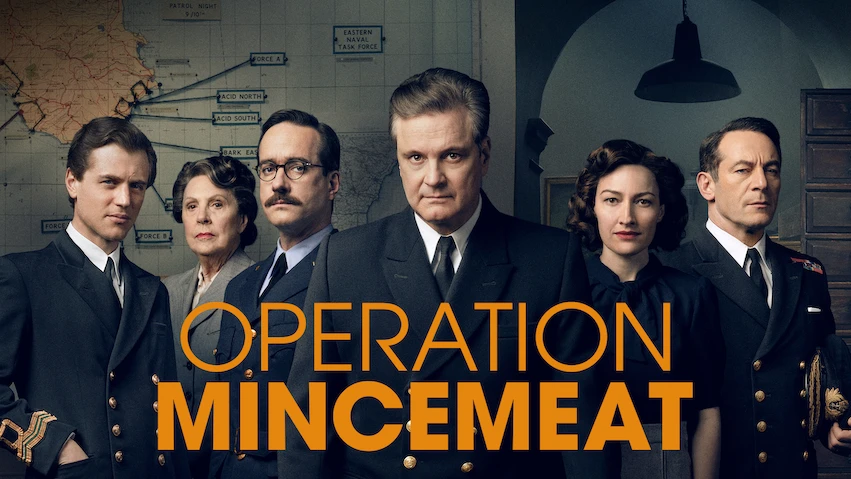
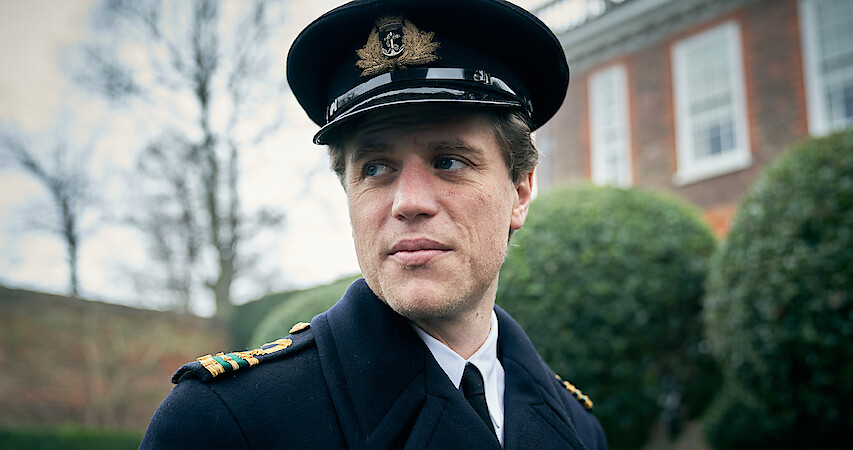
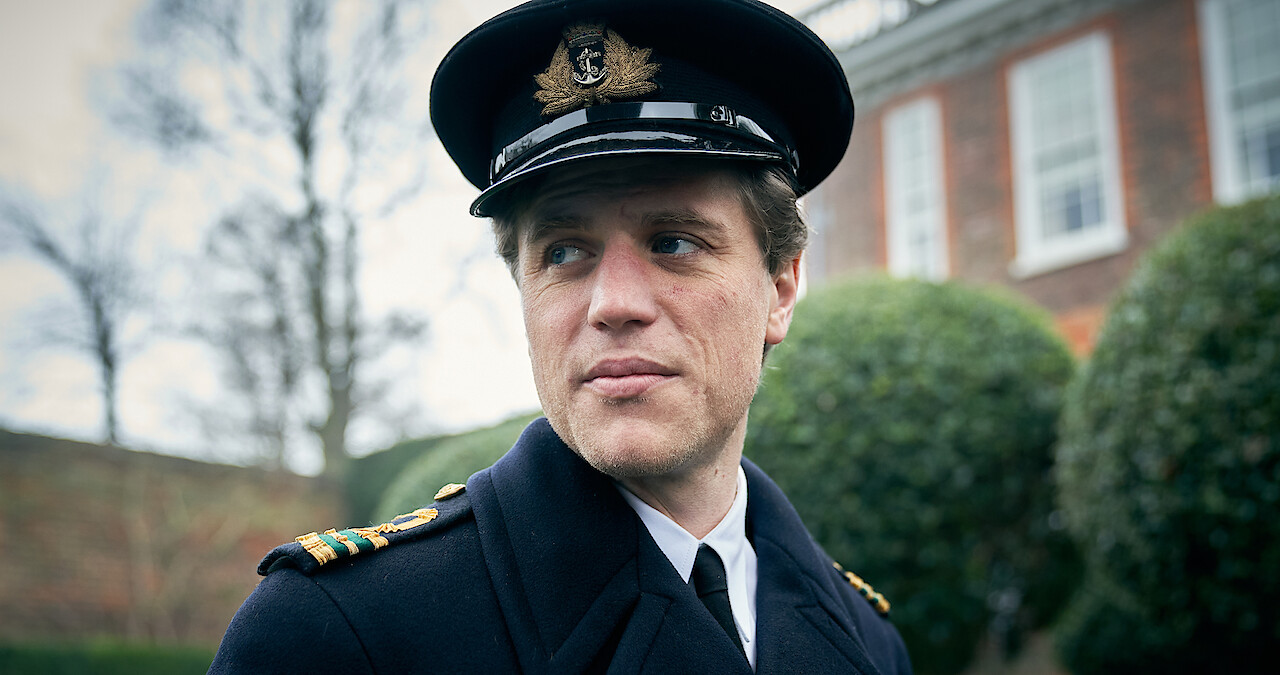
War movies often focus on the men on the front lines or leading armies, and they relegate women to the role of grieving or fretting mothers and spouses. Set behind the scenes of World War II, Operation Mincemeat changes the usual script by putting women at the center of a major mission.
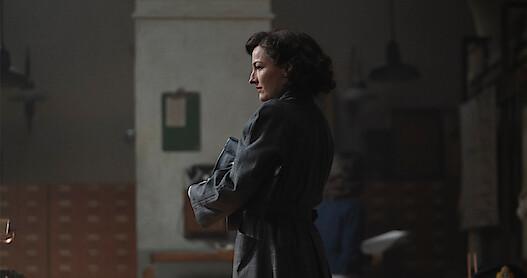
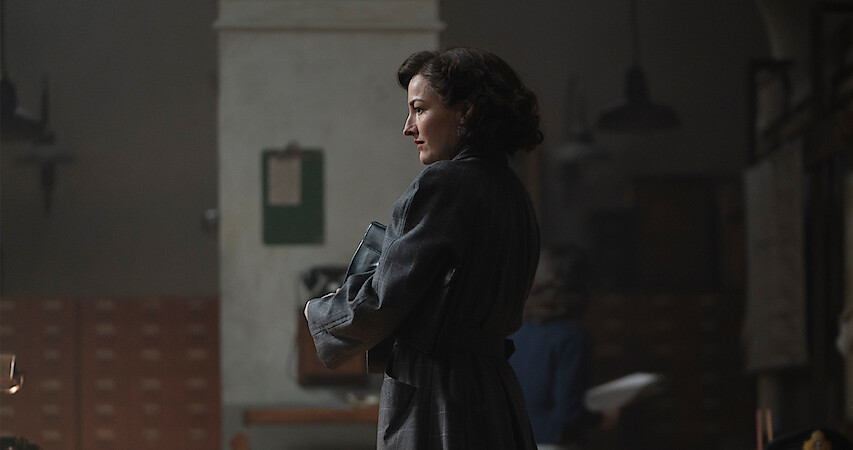
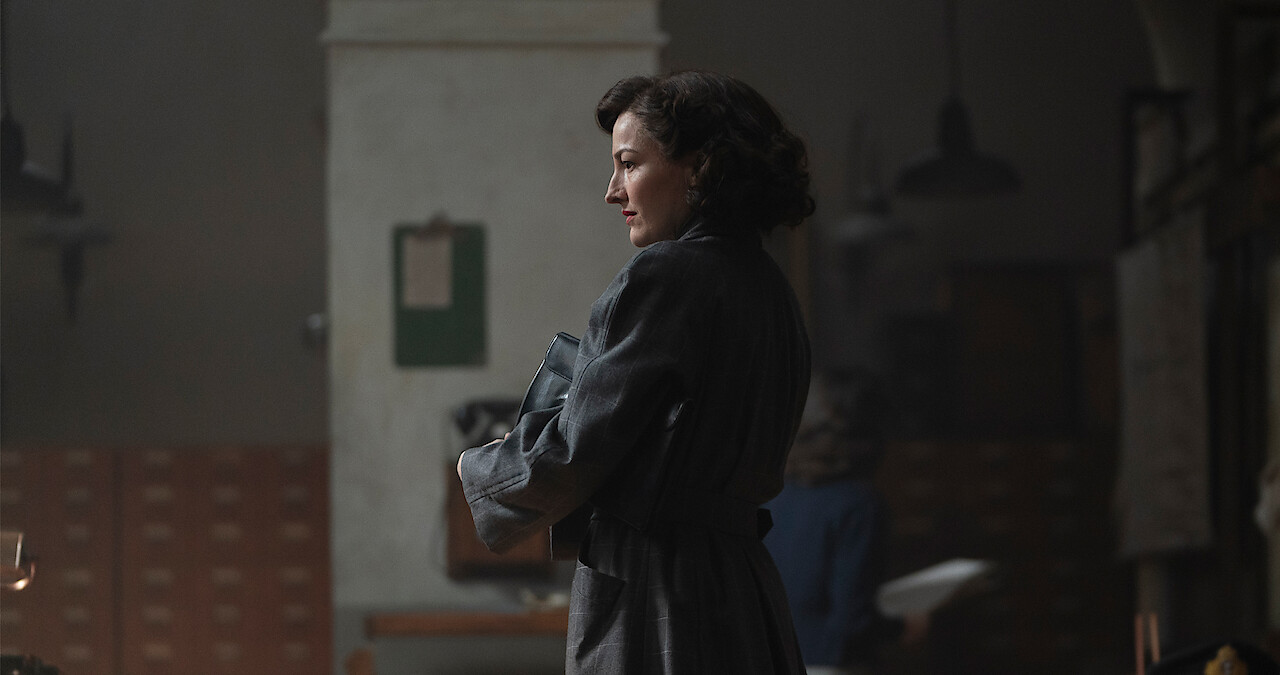
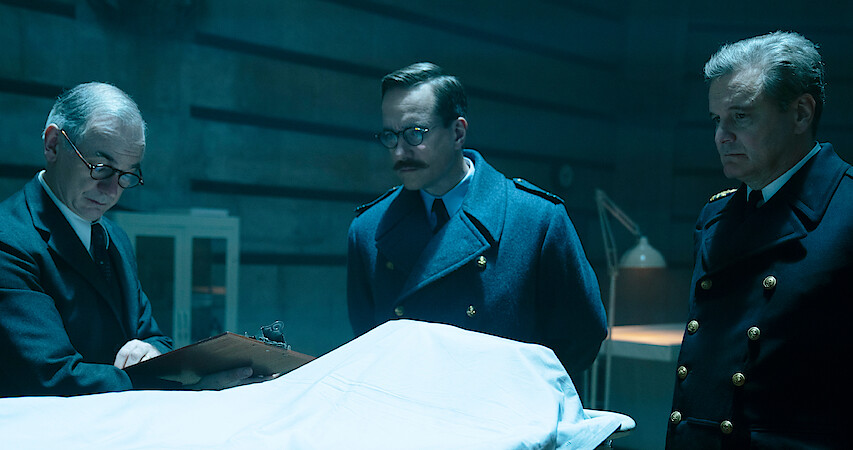
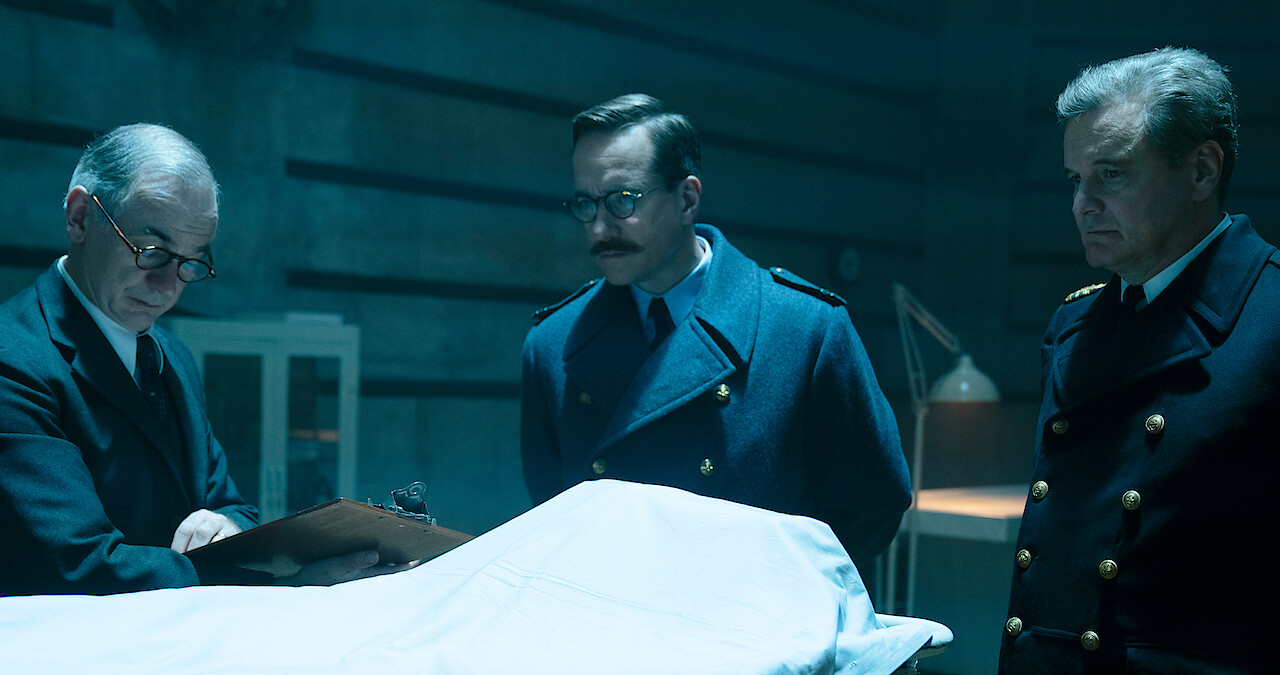
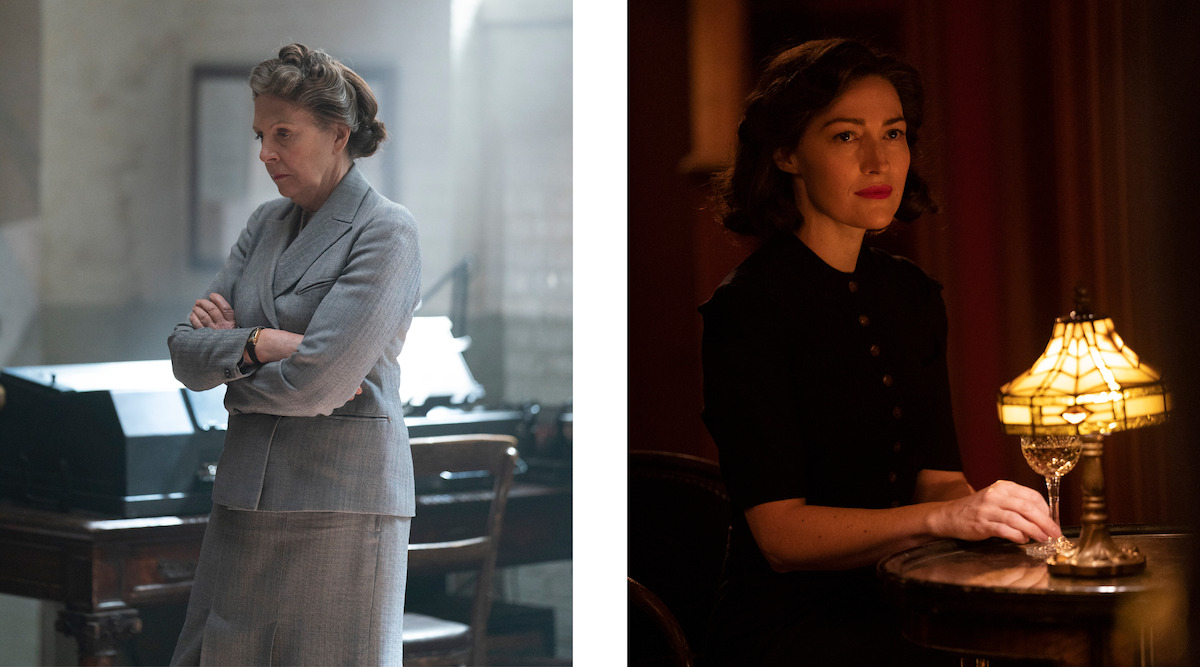
The historical drama is based on the actual Operation Mincemeat, a ploy to trick the Nazis and make it easier for the Allies to invade Sicily. The mission involved planting a corpse, supposedly of a fallen royal marine, who was carrying fake invasion plans. To make the ruse more realistic, he was also carrying a photo of his supposed fiancée, which was actually a shot of MI5 secretary Jean Leslie (Kelly Macdonald).
“Women were the unsung heroes during World War II, both in America and in Europe,” Operation Mincemeat screenwriter Michelle Ashford tells Tudum. “We know a lot about how women stepped up during that time and the fact that Jean Leslie is the face on the photo that in a weird way launches this whole operation.”
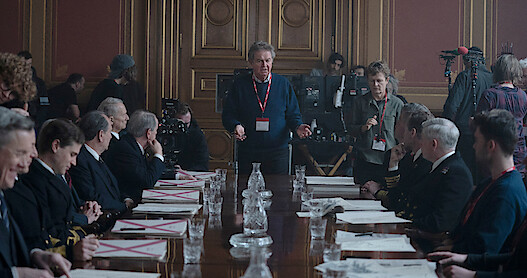
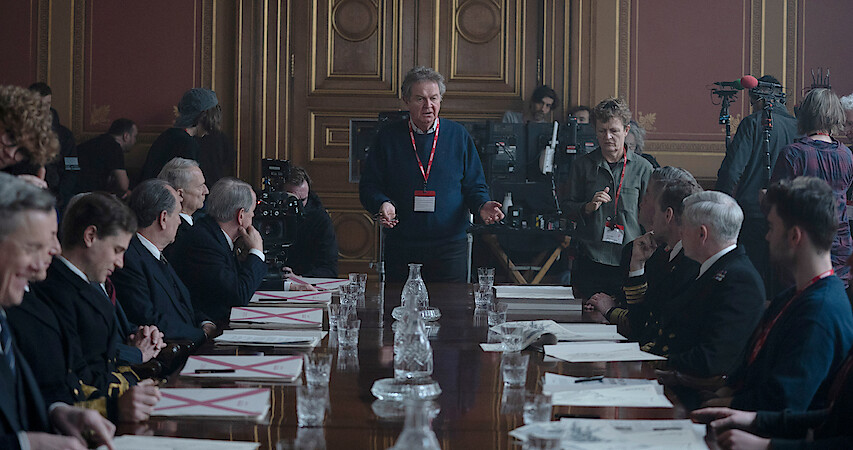
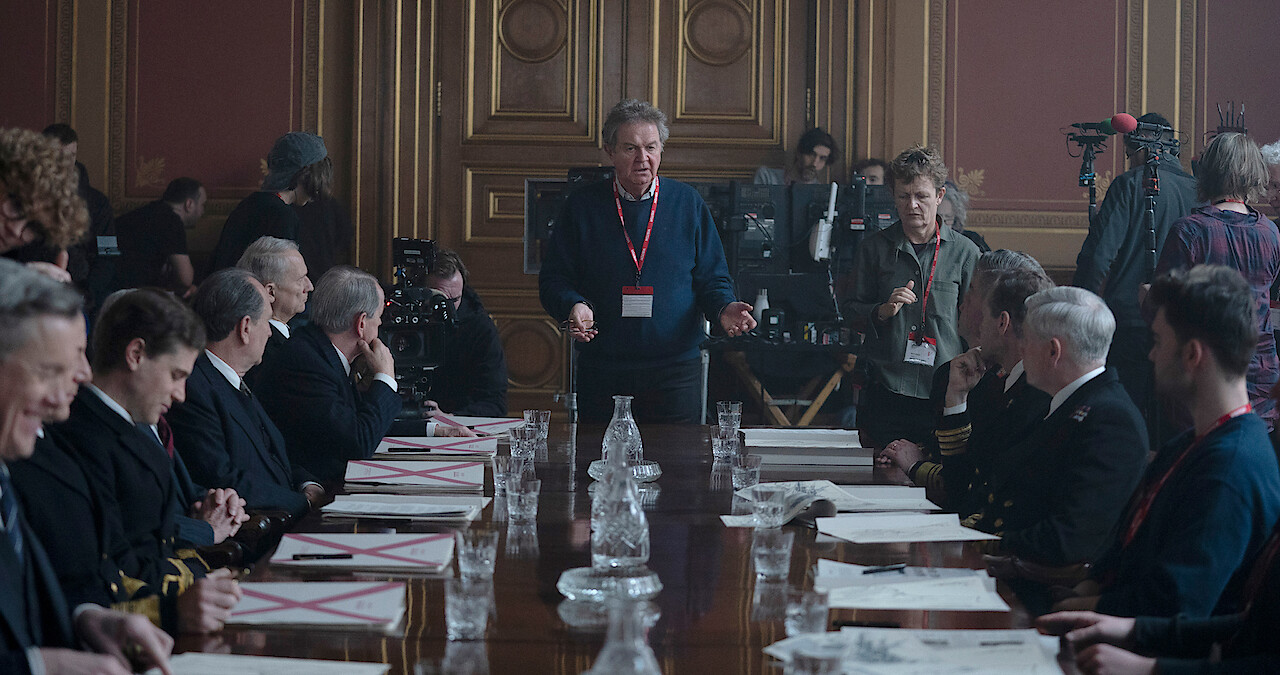
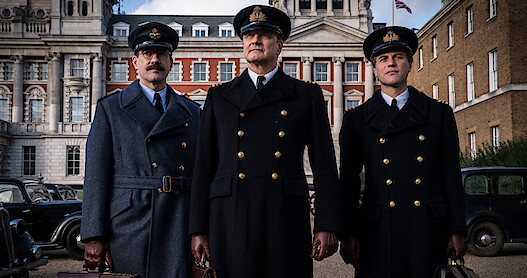
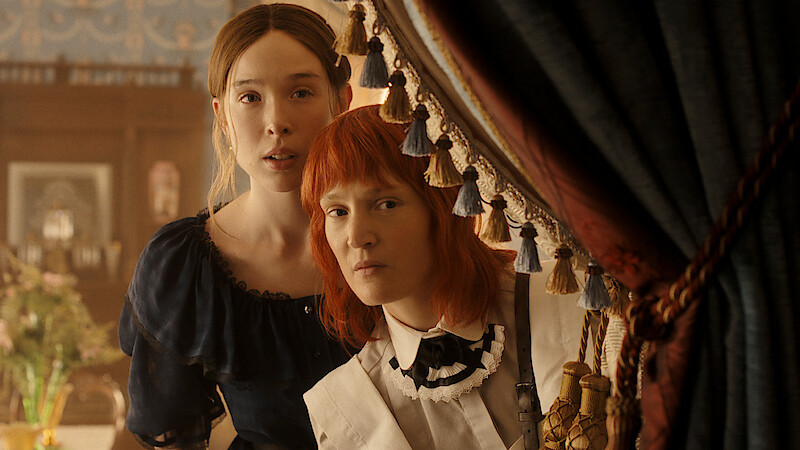
(L-R): Robert Viglasky/Courtesy See-Saw Films/Netflix; Giles Keyte/Courtesy See-Saw Film/Netflix
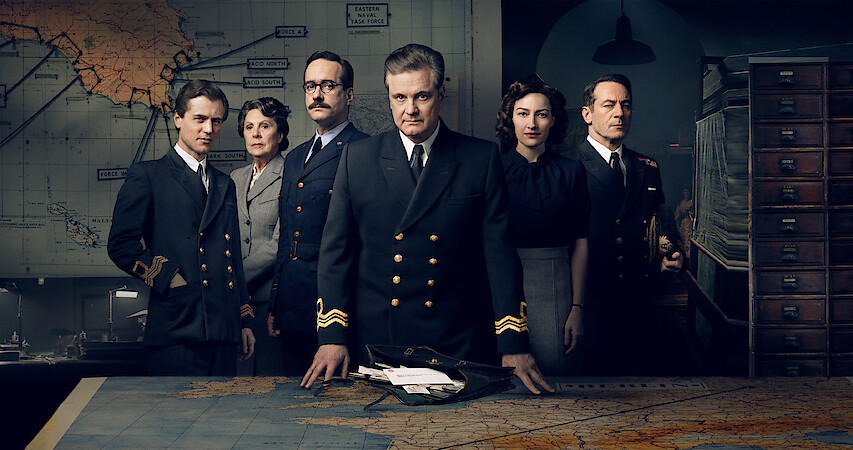
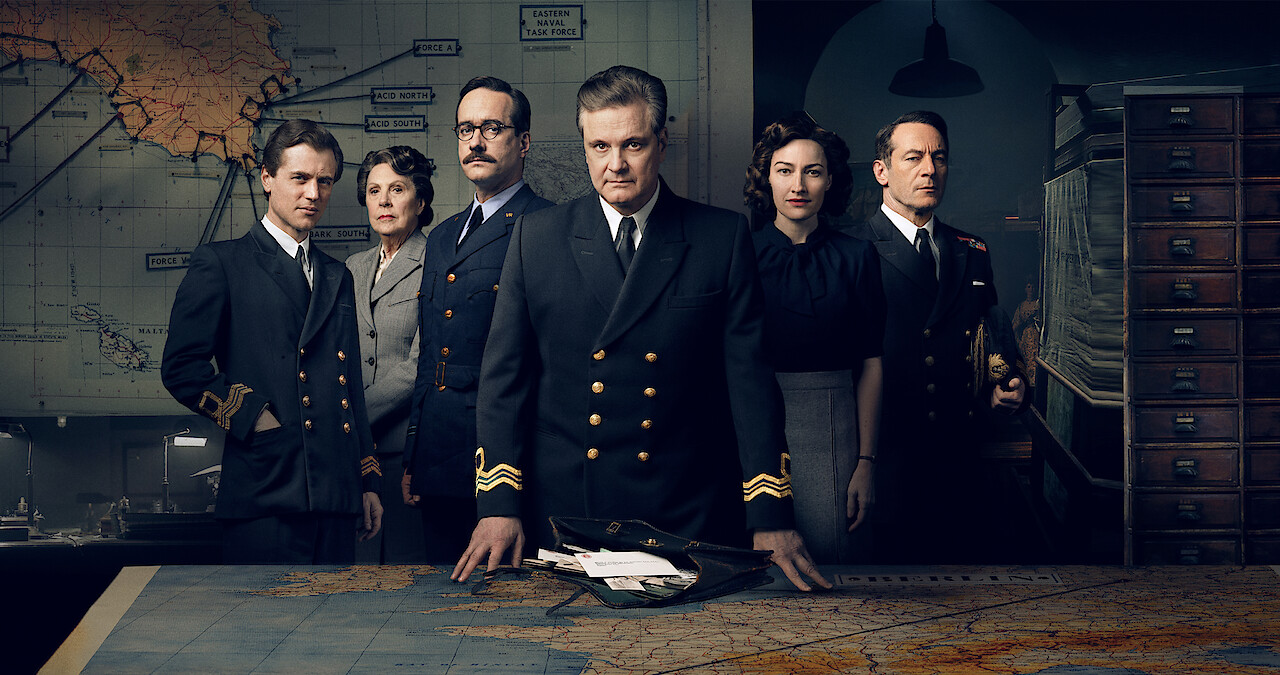
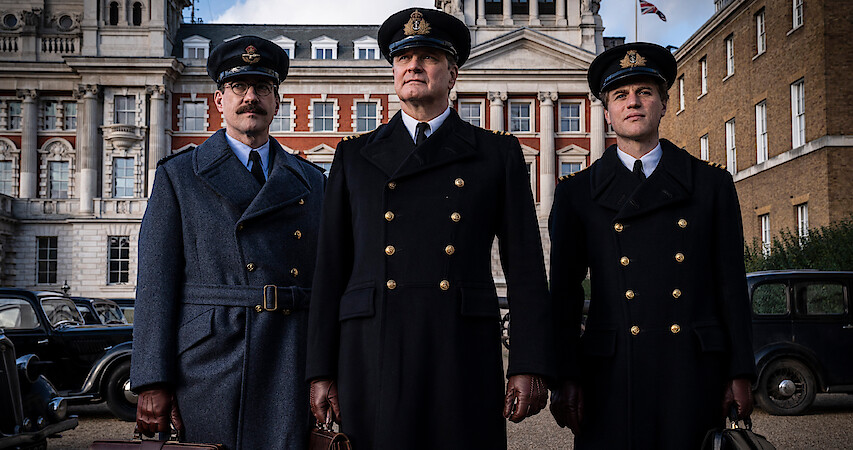
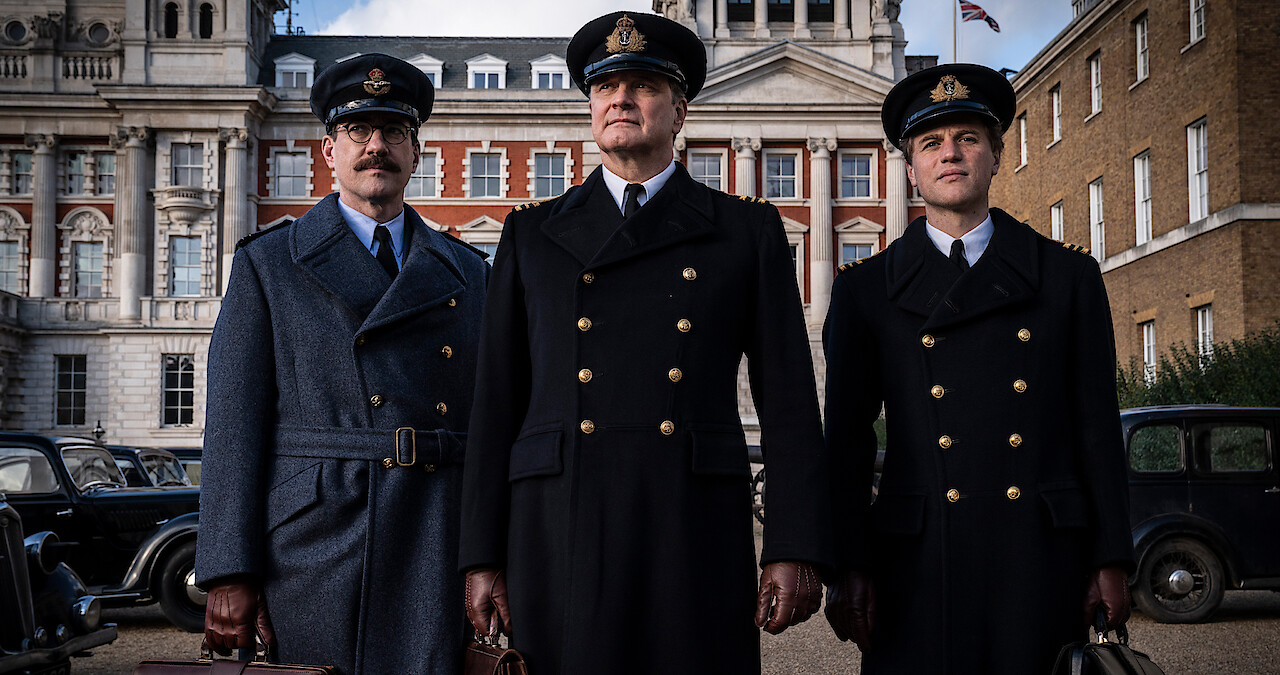
Ashford says she felt it was important to make Leslie as key to the story as Ewen Montagu (Colin Firth) and Charles Cholmondeley (Matthew Macfadyen), the British intelligence officers who planned Operation Mincemeat.
“Quite often, stories just have that kind of a character as a sidekick,” she says. “I thought all you have to do is shift the lens slightly and just show how she was working in this environment. Women were doing remarkable things for British intelligence during the war. I just thought, ‘Well, let’s make sure we give her her due.’ I didn’t feel like I was stretching anything. She was absolutely as much involved in this as any of those characters.”
Also key to the mission was Hester Leggett (Penelope Wilton), head of the MI5 secretarial unit, who wrote love letters that were used as part of the plot. While Leggett takes inspiration from her own lost love, Leslie’s work with Montagu and Cholmondeley winds up sparking a new, complicated romance.
“Historically, the roles that the women actually played in the mission are very close to reality,” director John Madden tells Tudum. “What happened, to a degree, emotionally, is also close to reality.”
While the director of Shakespeare in Love is no stranger to romance, he wanted to make sure that the film drew attention to the key role women played during World War II as they stepped out of the home to take up jobs left vacant by fighting-age men. He noted that many of the British code breakers working at Bletchley Park were women who helped change the course of the war.
“They were contributing to the war effort in a physical sense as ambulance drivers and farmers and in the creative field of intelligence,” Madden says. “The movie passes the Bechdel Test completely because those two women are defined by what they’re doing, not by what their feelings are for their gender counterparts.”