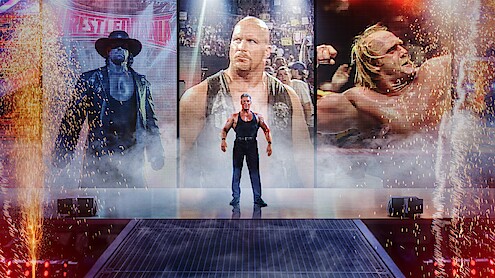
The exponential growth of an empire requires meticulous strategizing, but sometimes a quick decision made in the moment yields massive results. A split-second improvisation lands in just the right place at precisely the right time, etching a monumental mark in history.
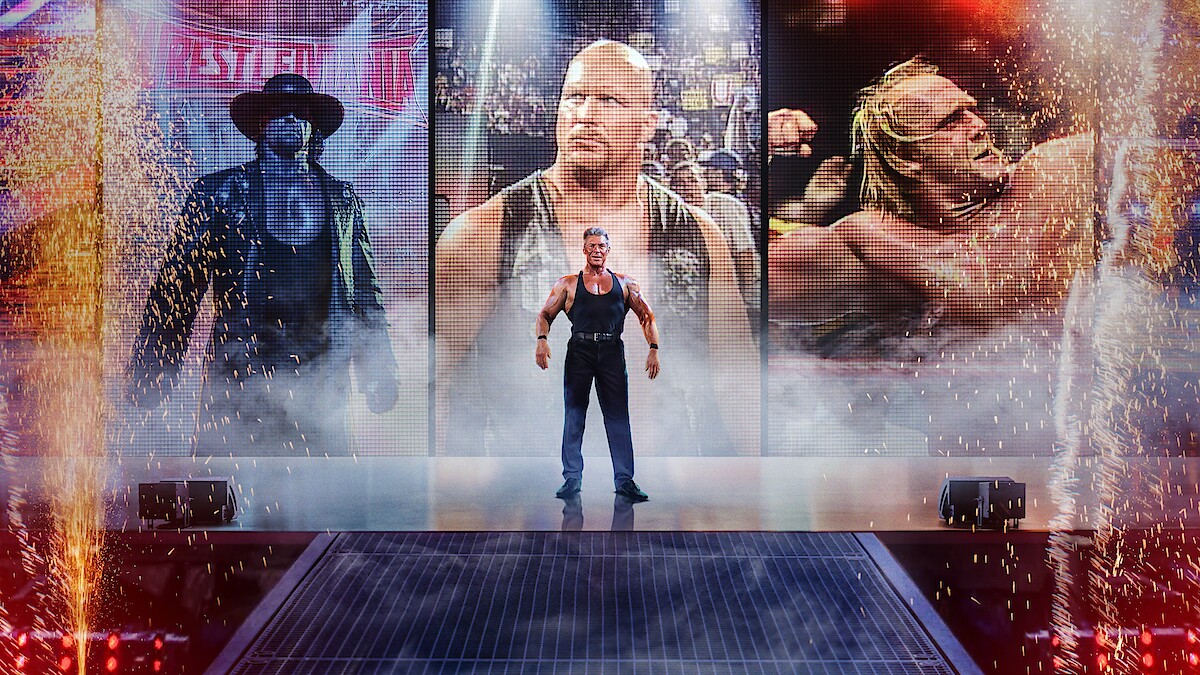
Mr. McMahon deep dives behind the scenes of Vince McMahon’s decades-long efforts to bring WWE firmly atop the wrestling business by any means necessary. McMahon was a cruel and ruthless businessman, pushing the boundaries in fictional storylines and making real-life choices that burned bridges with talent. Ultimately, explosive sexual misconduct allegations against McMahon led to his eventual resignation, which the series candidly explores.
However, in the midst of McMahon’s mess is the legacy of the WWE as fans know it today. While plenty of thorough strategizing lead to WWE skyrocketing past competition in the late ’90s and early 2000s, there were also impromptu public comments and choices that led to some of the most iconic moments and legendary characters in WWE’s storied history. Let’s look at some of those, which you can watch play out in greater detail in Mr. McMahon.
The infamous, improvised “curtain call” draws Vince McMahon’s ire.
In May of 1996, at a live WWE event (that was not airing on television), four wrestlers shared a hug after a match. Razor Ramon (Scott Hall), Diesel (Kevin Nash), Triple H (Paul Levesque), and Shawn Michaels forged a friendship behind the scenes, but their display in front of an audience was considered a violation of “kayfabe,” meaning they shattered the illusion that the storylines playing out in the ring are real.
This resulted in a big decision made on the fly.
McMahon pivots plans to punish Triple H for his role in the curtain call.
While that evening marked Hall and Nash’s last night with the company — the group planned the embrace to pay tribute to their exits — breaking kayfabe was a cardinal sin of professional wrestling. Feeling there had to be consequences for the act (and considering Michaels was a top face of the company and WWE Champion at the time), McMahon made a decision to penalize Levesque.
“To quote Vince, ‘You’re going to have to learn to eat shit and like the taste of it,’ ” Levesque recalls in Episode 3 of Mr. McMahon. At the time, the WWE planned to have Triple H win a major pay-per-view event called King of the Ring, but that opportunity was taken away as punishment for participating in the fourth-wall shattering group hug.
That sudden change in plans led to the exponential growth in popularity of one of WWE’s other wrestlers.
McMahon replaces Triple H with Steve Austin, sparking his rise to stardom.
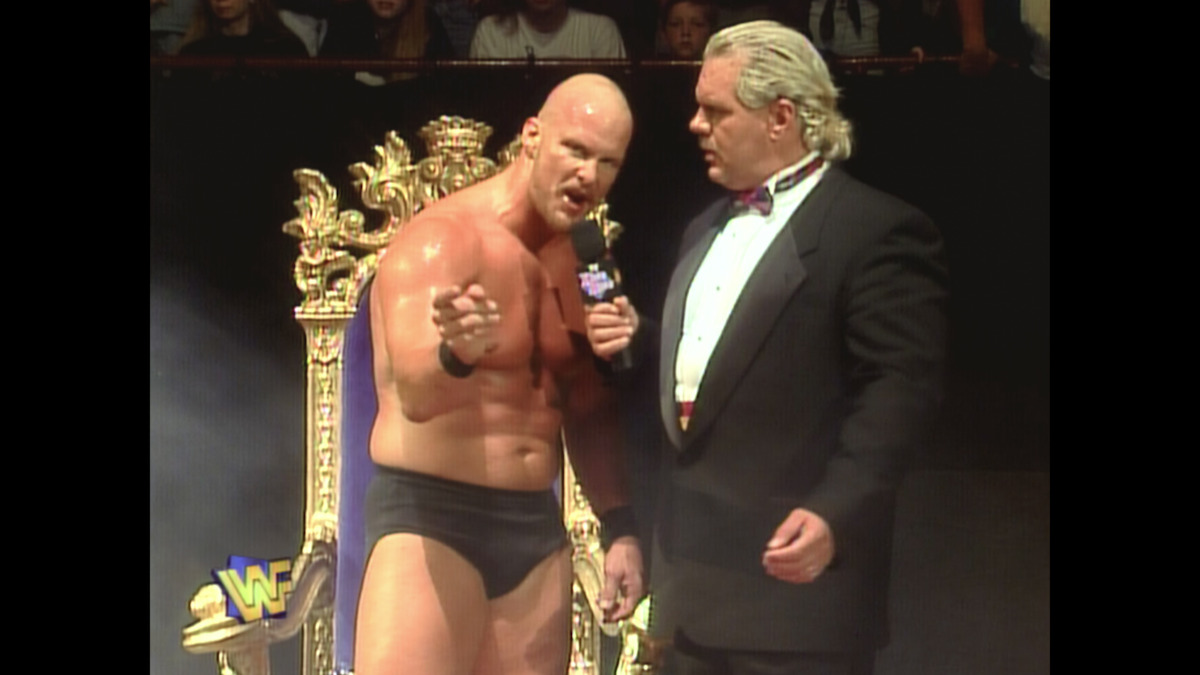
With Triple H no longer planned to win King of the Ring, the WWE chose to crown “Stone Cold” Steve Austin instead. After winning, Austin in an interview mocked his opponent’s “religious” speech prior to their match by saying, “Talk about your Psalms, talk about John 3:16. Austin 3:16 says I just whipped your ass.”
“I kept talking and kept talking, and I could hear Vince in the background, ’cause he was doing commentary,” Austin recalls in Episode 4. “I said, ‘Oh man, I need a button on this promo.’ And so just out of the blue I said, ‘And that’s the bottom line, ’cause Stone Cold said so.’ ”
The edgy ad libbing sparked Austin’s popularity, and he would go on to be one of the biggest names in WWE history, with Austin 3:16 and “That’s the bottom line” widely used on signs and merch.
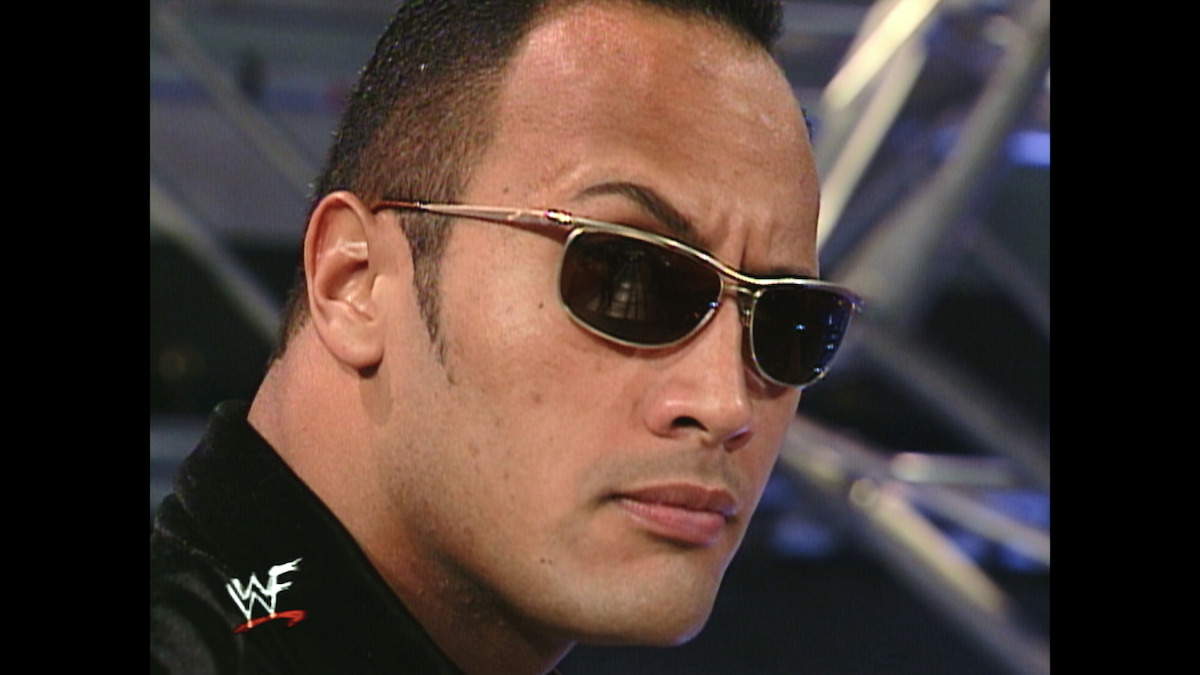
The Rock (Dwayne Johnson) speaks off the cuff and takes his character from despised to beloved.
Johnson debuted in the WWE under the name Rocky Maivia, a high-energy, third-generation good guy, but fans booed him. McMahon recalls the negative response in Episode 4. “A lot of our audience, I think, thought that this person was just, like, handed this opportunity, and no matter how hard Dwayne worked in the ring, initially people started booing him.”
After turning The Rock into a heel (aka a “bad guy”) by having him join a group of heels known as the Nation of Domination, Johnson recalls requesting that McMahon allow him to cut a promo in front of the audience. “I talked to Vince, and I said, ‘I would just love the opportunity to speak on why I’m joining the Nation,’ and he said, ‘You got it.’ ”
During the promo, with the crowd chanting “Rocky sucks” at him, Johnson said the line, “Rocky Maivia is a lot of things, but ‘sucks’ isn’t one of them.” His smooth-talking during the segment shifted fan perception and sparked his rise to superstardom.
“Sometimes in our lives we find these moments where there’s a shift and a click, and you go, ‘Man, there is some real power behind that,’ ” Johnson says. “And boom, just like that, within a month, I became the hottest heel in the company.”
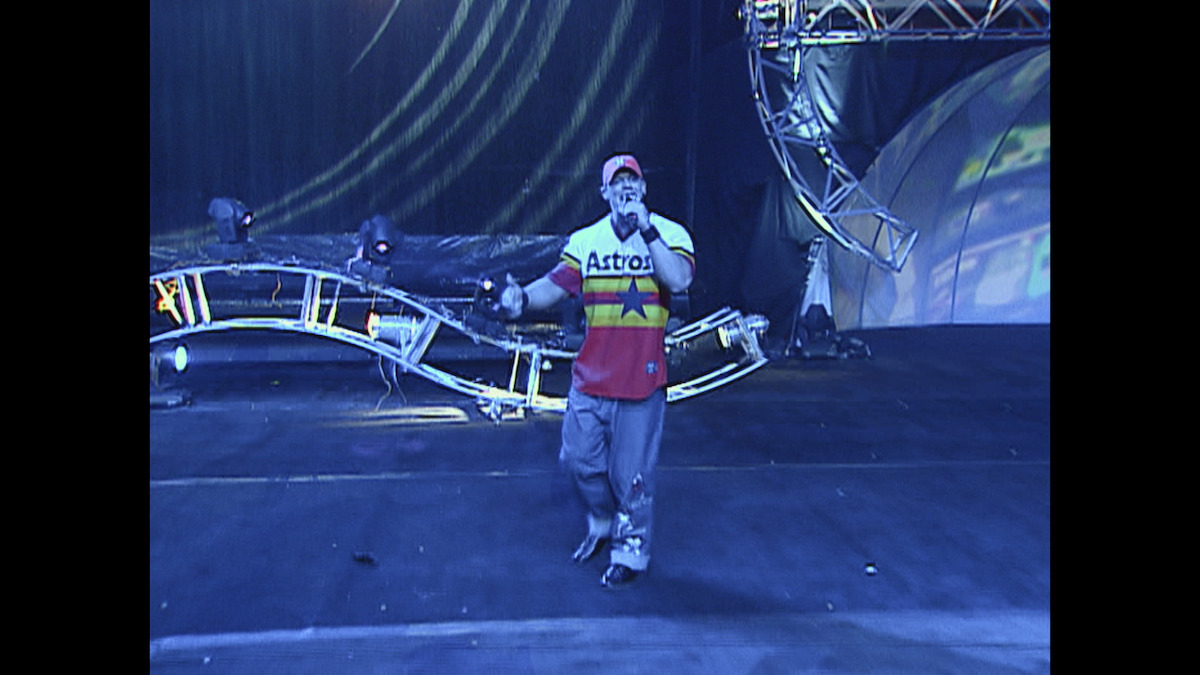
John Cena’s freestyle rapping saves him from being fired, leading to a legendary career.
“I didn’t have personality. … Like, I almost got fired for being that bad,” Cena says of his early WWE career in Episode 5. Then, one day, he was freestyle rapping on a bus with other WWE superstars, not realizing that Vince’s daughter, Stephanie McMahon, overheard.
Cena remembers the moment Stephanie approached him. “She was like, ‘Would you like to do that on TV?’ I said, ‘Fuck yes, I would.’ ”
Vince McMahon recalls Cena’s job being under consideration when his special skill was discovered. “John had the ability to rap. Bingo. Instead of being someone that you might want to cut from the roster, it was like, ‘Hang on. This is different. This is very different.’
“He went out there balls to the wall and did it so well. All of a sudden he was a huge star, and the audience loved him.”
For a more in-depth look at the controversial businessman and his transformation as he turned the WWE from a regional company to a global powerhouse, watch Mr. McMahon on Sept. 25.