On a sweltering August day in 1993, long-simmering tensions within Philadelphia’s criminal underworld erupted in a hail of bullets. Gunmen loyal to John Stanfa — the Sicilian-born mafia don who had seized control of the Philly mob after the downfall of the infamous Nicky Scarfo — ambushed and injured rival boss Joey Merlino and killed his trusted lieutenant, Michael Ciancaglini. Weeks later, another brazen drive-by targeted Stanfa and left his son grievously wounded, sending a clear message: no one would be safe from the bloodshed flooding the city’s streets.
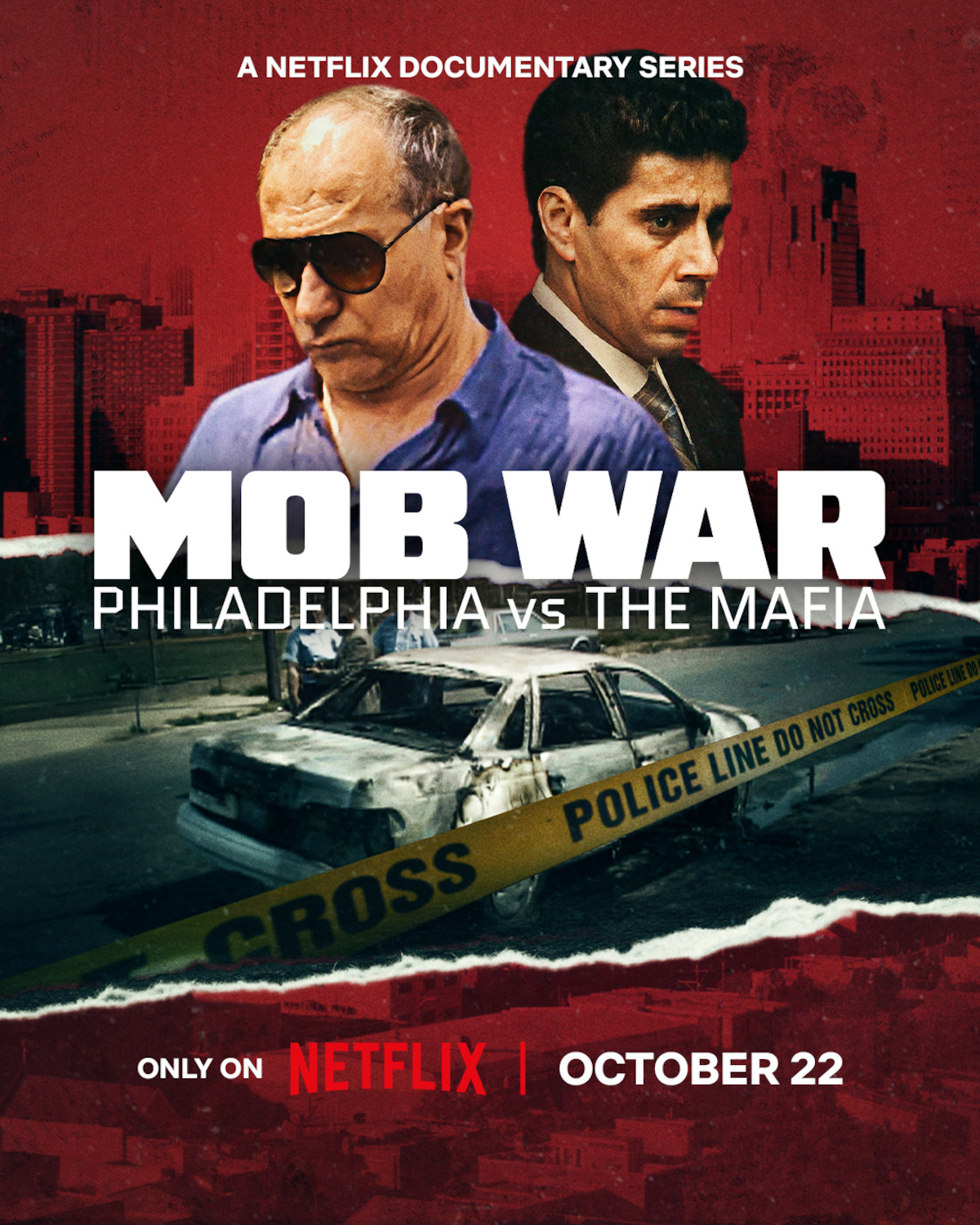
The three-part docuseries Mob War: Philadelphia vs. The Mafia revisits this era of open mob warfare, when shocking violence gripped the local community, national media swarmed, and relentless investigators raced to bring the chaos to an end.
Take a first look at the series in the sneak peek clip above, and read on for everything to know about Mob War: Philadelphia vs. The Mafia.
What is Mob War: Philadelphia vs. The Mafia about?
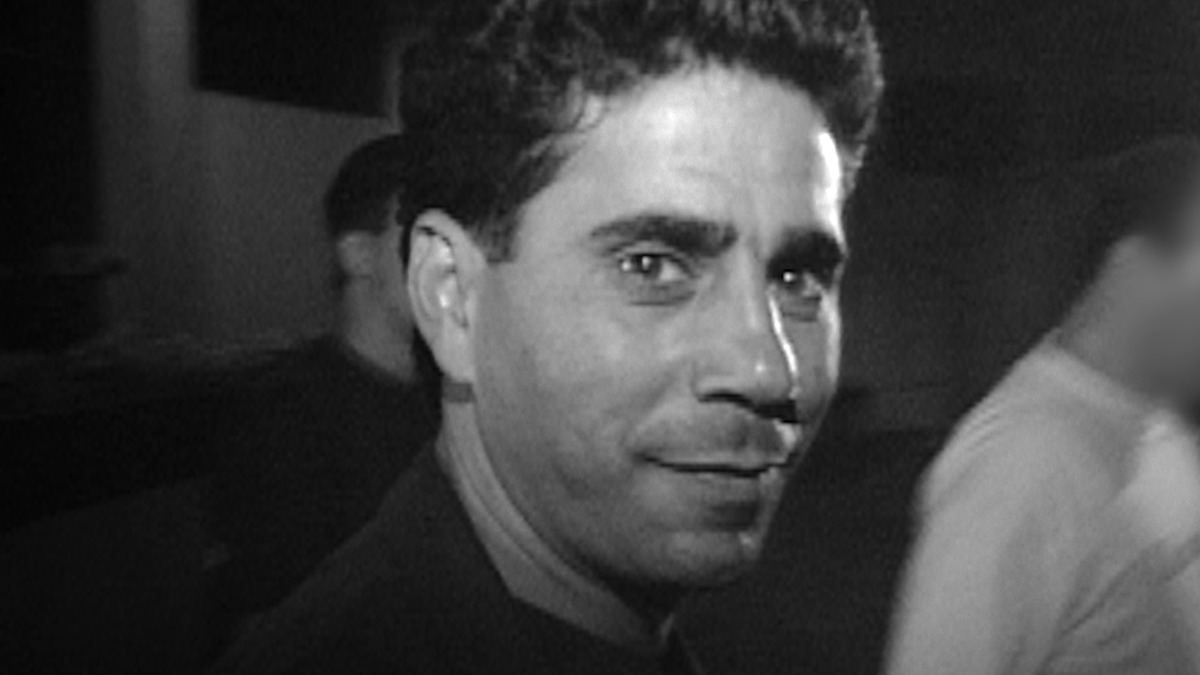
The docuseries traces the turbulent saga of Philly’s mob, beginning with the power vacuum left by Scarfo’s 1986 arrest. John Stanfa, backed by New York’s Five Families to restore order and return business to the shadows, soon found his old-school grip threatened by a new breed of mobsters. Led by Joey Merlino, these flashy, fearless upstarts had little respect for tradition and everything to prove. Their rebellion ignited a vicious war of shifting loyalties and deadly vendettas, tearing the City of Brotherly Love apart — and drawing the scrutiny of national media and the FBI.
What is the Mob War: Philadelphia vs. The Mafia release date?
The three-part docuseries premiered on Oct. 22. Stream it now.
Where can I watch the series trailer?
Take a look at the dramatic true story in the trailer below.
Who appears in the docuseries?
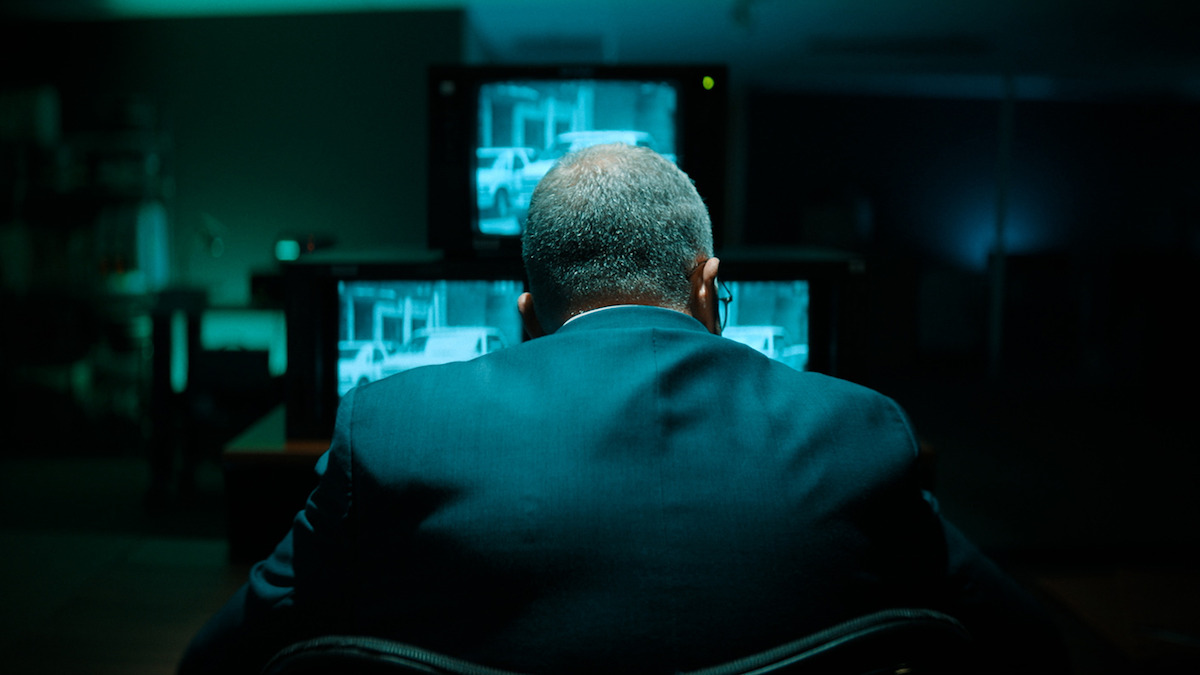
The series features firsthand accounts from former mob associates, law enforcement officials, prosecutors, and journalists who witnessed the war unfold. Through chilling wiretap recordings, surveillance footage, and reenactments, Mob War charts the FBI’s pursuit and eventual takedowns of Scarfo, Stanfa, and finally Merlino — though, as noted in the series, Joey Merlino denies being involved in violence or ever being a member of the Mafia.
What is “La Cosa Nostra”?
Italian for “Our Thing,” La Cosa Nostra refers to the Mafia, a criminal network with roots in Sicily. While the term is used in Italy, in the U.S. it’s most commonly associated with the Italian American Mafia. In Sicily, the Mafia operated under a code of secrecy and loyalty enforced through rituals, oaths, and a hierarchy of bosses, underbosses, capos, and soldiers — and those origins echo throughout the documentary. John Stanfa, a Sicilian aligned with old-school traditions, sought to reimpose that code after Nicky Scarfo’s fall. For years, mob figures and lawyers publicly denied La Cosa Nostra existed. But in the documentary, the FBI’s court-approved bug in attorney Salvatore Avena’s office captures Stanfa explicitly invoking “Cosa Nostra,” helping investigators tie real-world plots to the organized criminal enterprise.
Was anyone killed in Philly’s mob war?
Yes. The series recounts several murders tied to the conflict. Michael Ciancaglini was fatally shot during the August 1993 ambush in which Merlino was wounded. Earlier flashpoints included the killing of Felix Bocchino, cited as the first mob hit in Philadelphia in seven years, which signaled the war’s onset. The docuseries also details additional homicides and attempted hits tied to both factions, drawing on FBI surveillance, witness testimony, and contemporary reporting to chart the escalating body count and the toll on families and neighborhoods.
Who is John Veasey?
John Veasey, who is interviewed in the series, was a volatile enforcer who took contracts to eliminate Stanfa’s rivals, including a hit on Merlino that never came to pass. In 1993, he was photographed beside Stanfa at a surveilled gathering, evidence that later proved pivotal in the FBI’s case against the Sicilian don. After Stanfa’s faction allegedly put a price on his head, Veasey flipped and began cooperating with federal authorities. The docuseries reconstructs a dramatic attempt on his life at a butcher shop where he was shot multiple times and still fought back, as well as the tragic killing of his brother, Billy, which occurred before John’s testimony. Veasey’s cooperation became a crucial inflection point in the government’s case against Stanfa’s organization.
How did the FBI take down the Philly mob?
The series chronicles a multi-year campaign of surveillance and aggressive undercover work on the part of federal investigators. First, a judge approved an FBI request to bug Stanfa’s attorney Salvatore Avena’s office, which captured Stanfa explicitly invoking “Cosa Nostra,” undercutting longstanding denials about the mob’s existence. Agents monitored gathering spots like the Avenue Cafe and the Warfield diner, where, for the first time, an attempted mob hit was caught on video. As the criminality continued, informants became pivotal. Ron Previte, flipped by the FBI, wore a wire and brokered introductions that opened racketeering angles and narcotics schemes reaching into Boston. After the takedown of Stanfa, wiretaps tied new boss Ralph Natale to a methamphetamine scheme; facing a de facto life sentence, he later cooperated — becoming the first sitting American mob boss to do so.
Did anyone go to jail in Philly’s mob war?
Yes. As depicted in the series, multiple leaders and associates were convicted after federal investigations. Nicky Scarfo’s era ended with sweeping convictions in 1988 and a 55-year sentence, creating the power vacuum that fueled the conflict. John Stanfa’s faction fell next: in 1995, Stanfa was convicted on racketeering charges and eventually sentenced to life in prison. Finally, Joey Merlino and several associates were convicted on racketeering charges stemming from undercover operations and recordings; in 2001, Merlino received a 14-year federal sentence and served 11 years.
Mob War: Philadelphia vs. The Mafia unpacks a Shakespearean saga of shifting allegiances, family betrayal, and deadly vendettas in a true crime story that changed Philadelphia and the American mob forever. The three-part docuseries is now streaming on Netflix.
What’s this doc like?
Investigative and propulsive, Mob War: Philadelphia vs. The Mafia tells the inside story of a city’s mob implosion from a brutal power vacuum to an all-out street war through first-person accounts, wiretaps, and rare surveillance footage. Blending methodical case-building with high-stakes drama, it follows old-school bosses, flashy young upstarts, and the FBI squads and journalists who chased them down.
- Watch out for sensitive topics like footage and imagery depicting violent shootings and attempted assassinations, references to torture/mutilation, and strong language.
- Could be described as A deeper dive into the mob families of Fear City: New York vs. The Mafia meets Narcos’ intriguing duel between a crime kingpin and multiple law enforcement agencies.