Warning: contains references to abduction, rape, and sexual assault.
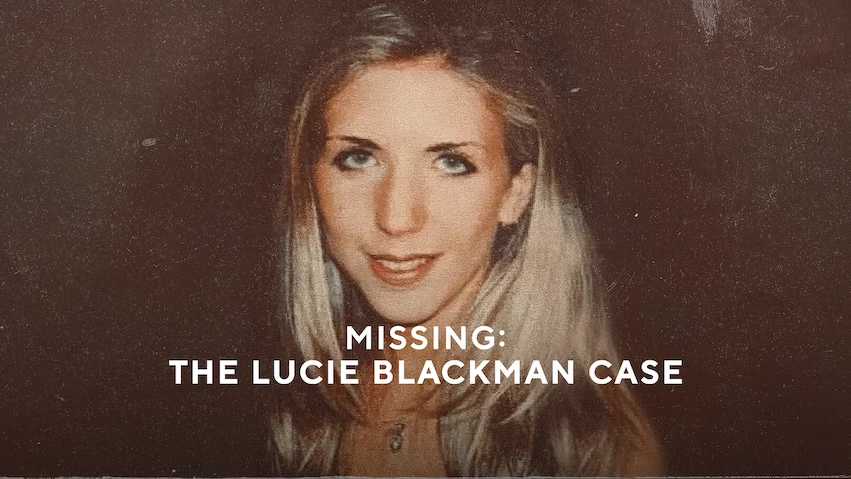
Twenty-three years after an extensive search that gripped UK and Japanese media, new documentary Missing: The Lucie Blackman Case revisits the troubling story of a disappeared British Airways flight attendant in Tokyo and explores its haunting and relevant impact now.
Directed by Hyoe Yamamoto (Samurai and Idiots: The Olympus Affair, Wisdom Day), the film interweaves archival footage surrounding the case with dozens of interviews with police detectives, journalists, and Tim Blackman, Lucie’s father. Members of the Tokyo Metropolitan Police reflect on the twists and turns of the months-long investigation into Blackman’s disappearance and the revelations it yielded about an accused serial abductor and rapist who’d eluded them for years.
When will Missing: The Lucie Blackman Case be released?
Stream it now.
Where can I find the trailer for Missing: The Lucie Blackman Case?
Check it out below.
Who is Lucie Blackman?
Lucie Blackman was a former British Airways flight attendant originally from Sevenoaks, Kent, England, who was visiting Tokyo on a tourist visa. Her family described Lucie as an adventurous, charismatic person who was interested in Japanese culture and eager to travel the world.
What happens in Missing: The Lucie Blackman Case?
“There isn’t a Western equivalent… There’s no sex; it’s not like that,” writer and former hostess Suzy K. Quinn says in the film of the Casablanca nightclub where Blackman worked. Clubs like the Casablanca in Tokyo’s Roppongi district were frequented by men who were hosted on-site in platonic visits with professional hostesses like Blackman. But if a woman accepted a dohan — a paid dinner date with one of the club’s patrons outside the premises — she could very well find herself in deep danger.
On July 1, 2000, Blackman, a 21-year-old British flight attendant on an extended visa in Tokyo, was last seen leaving the Casablanca. A day later, her friend Louise Phillips, a fellow British traveler also working at the Casablanca, received a call from a stranger who informed her that Blackman had joined a cult and she’d never see her friend again. That explanation rang false to Phillips, and to the Tokyo Metropolitan Police, who eventually conducted a months-long search for Blackman and the man who they came to believe had abducted her — as well as, their evidence would show, hundreds of others before her.
Who is Tim Blackman?
Tim Blackman, Lucie’s father, became a prominent figure in the media and a thorn in the police force’s side as he insisted on keeping his daughter’s name in the news, papering Tokyo with 30,000 missing persons posters. Eventually, as the film shows, police detectives were finally able to convince other Roppongi district hostesses to talk — offering critical information that was a breaking point in their search for Lucie. Police also uncovered the extensive crimes of her alleged killer. The film charts the full trajectory of the search and the Blackmans’ fight for justice.
Is Missing: The Lucie Blackman Case based on a true story?
Yes, it’s a nonfiction account of the investigation into the disappearance of 21-year-old British citizen Lucie Blackman in Japan.
Is Missing: The Lucie Blackman Case based on a book?
It’s based on a Japanese book by Shoji Takao, who also wrote the film.
Where can I learn more about Missing: The Lucie Blackman Case?
Numerous journalists, including several interviewed in the documentary, have also published books about the investigation. Among them: Richard Lloyd Parry’s People Who Eat Darkness: The True Story of a Young Woman Who Vanished from the Streets of Tokyo — and the Evil That Swallowed Her Up, Jake Adelstein’s Tokyo Vice: An American Reporter on the Police Beat in Japan, and Clare Campbell’s Tokyo Hostess: Inside the Shocking World of Tokyo Nightclub Hostessing.