Deep Dive
Filming an Icon
Maria cinematographer Ed Lachman brings a sense of incandescence to a portrayal of opera legend Maria Callas.
By Matthew Schnipper
Jan. 24, 2025
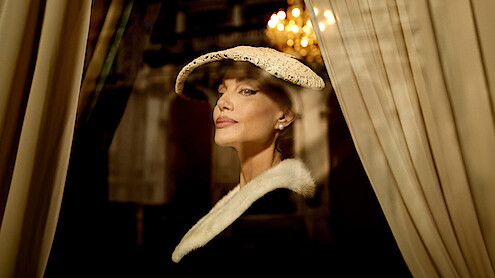
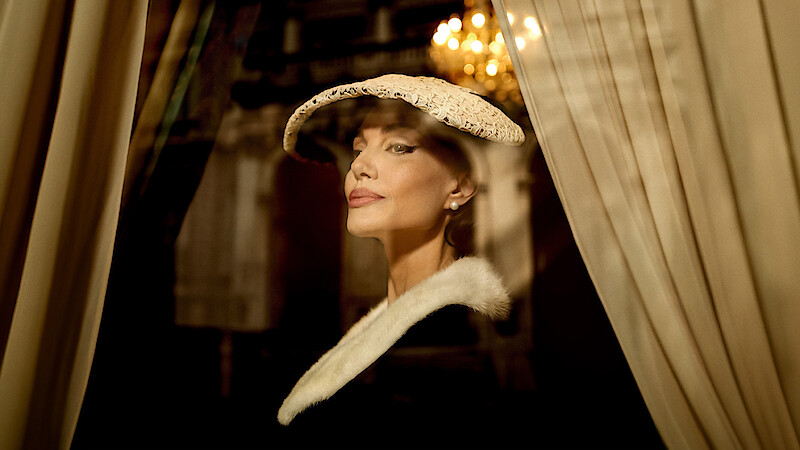
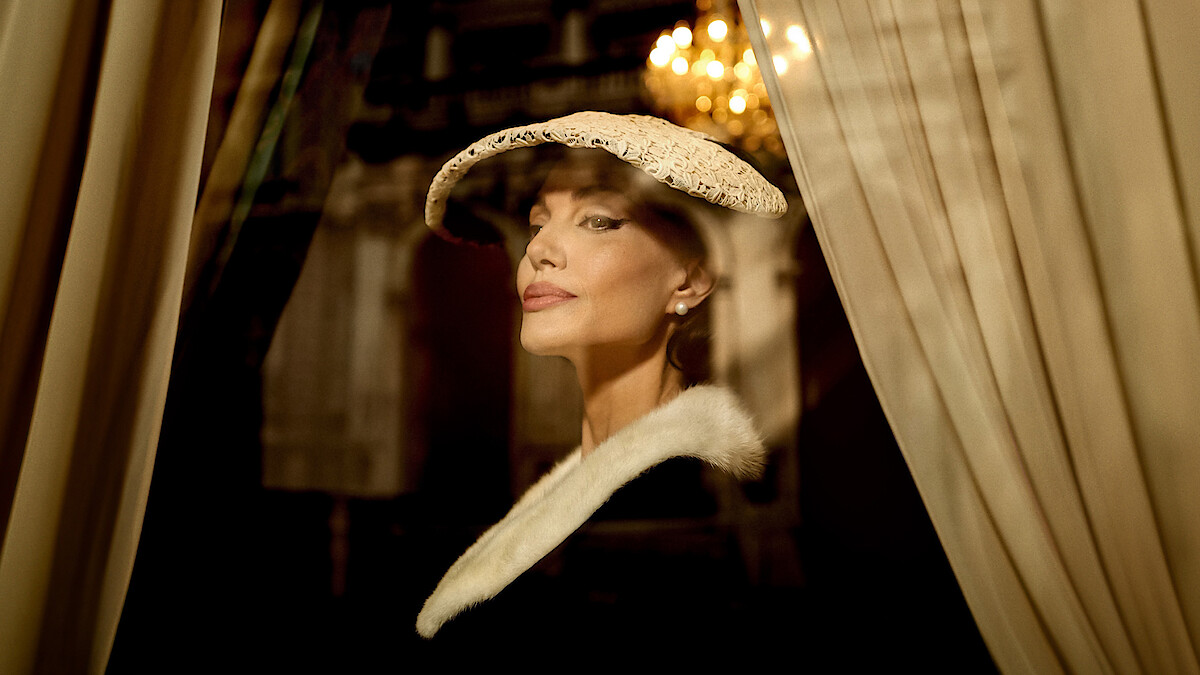
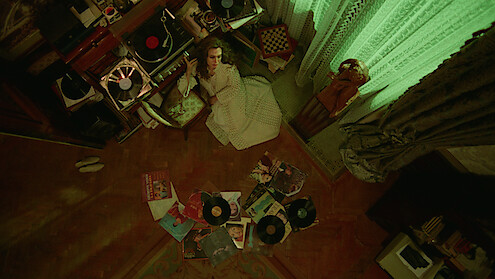
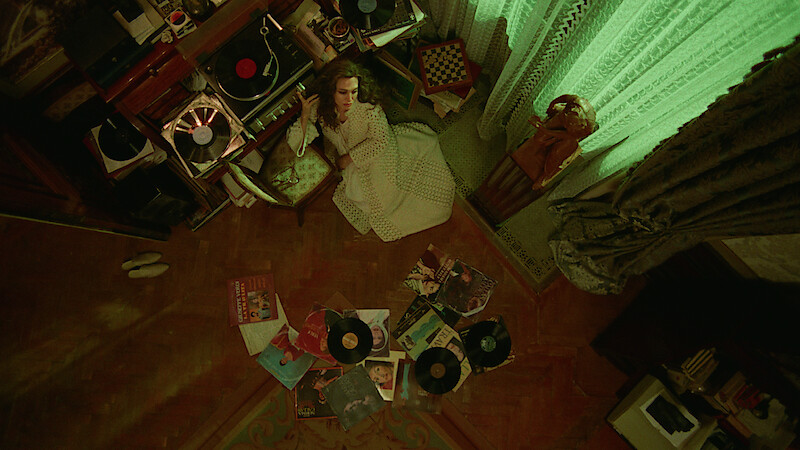
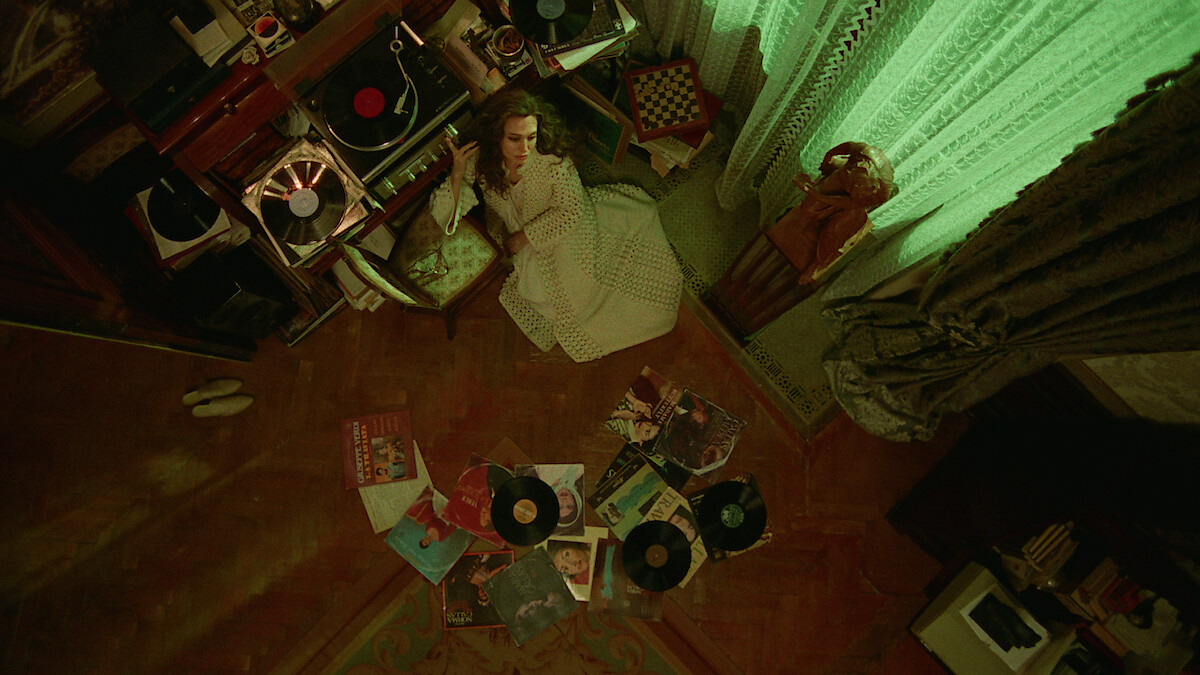
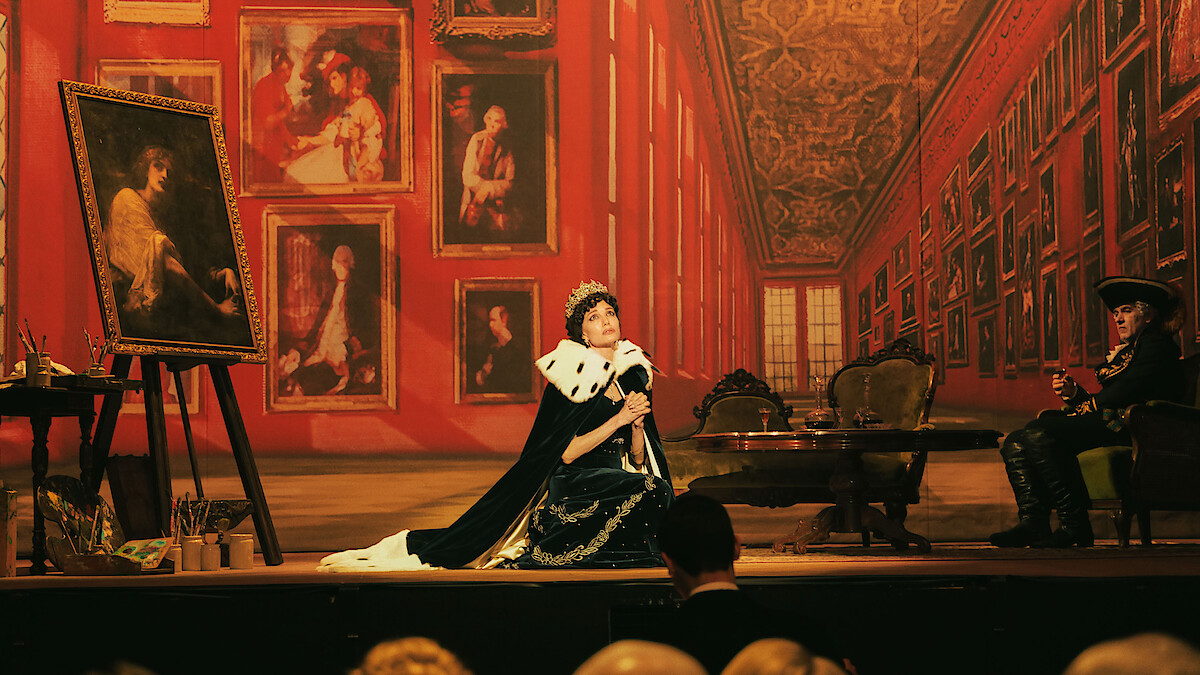
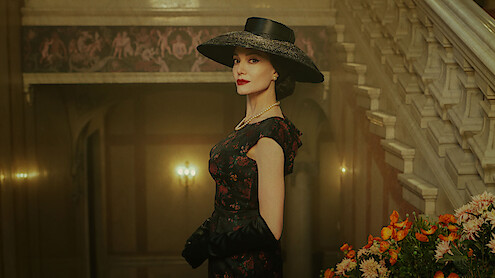
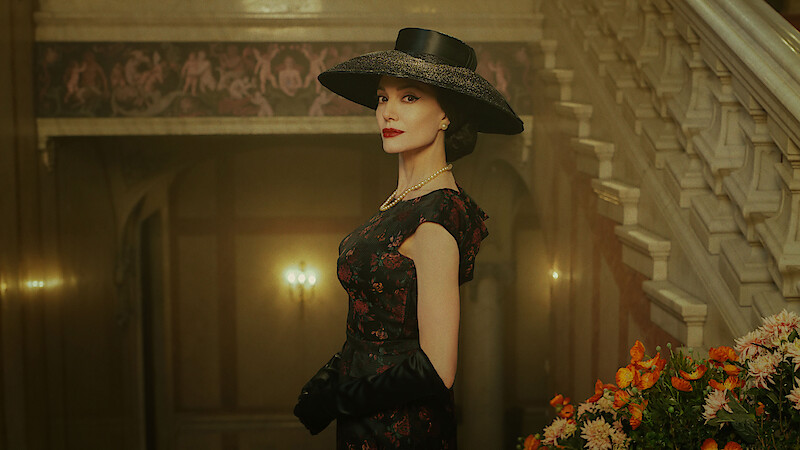
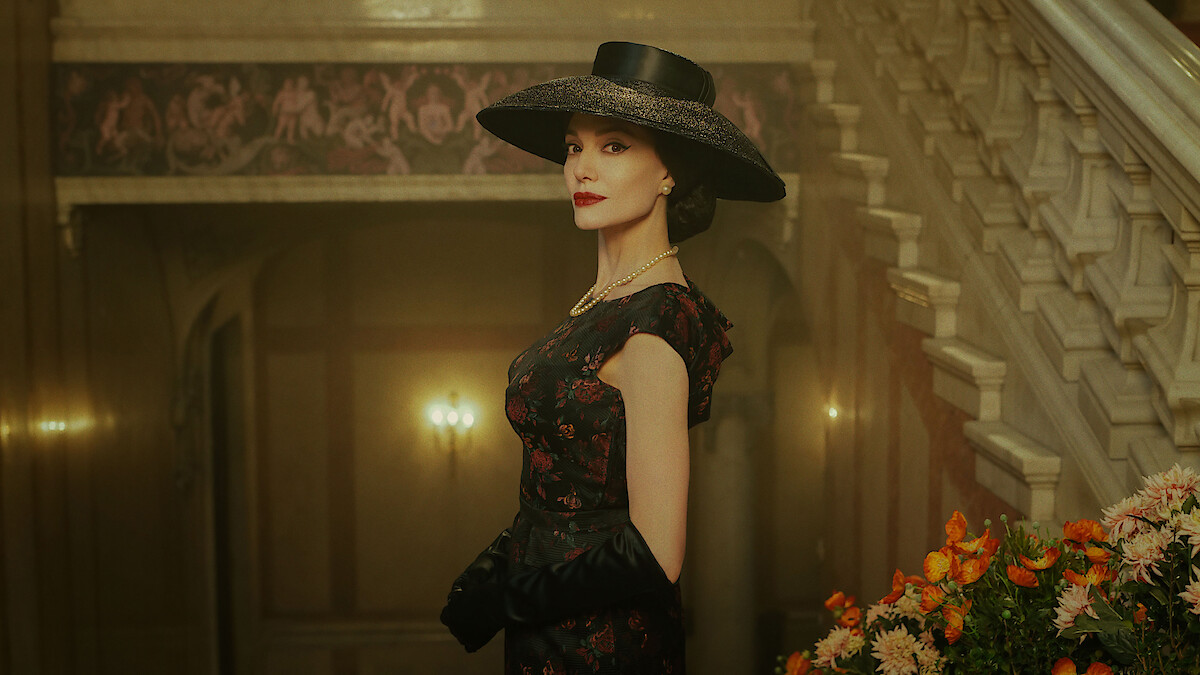
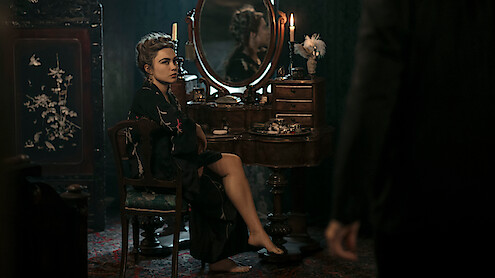
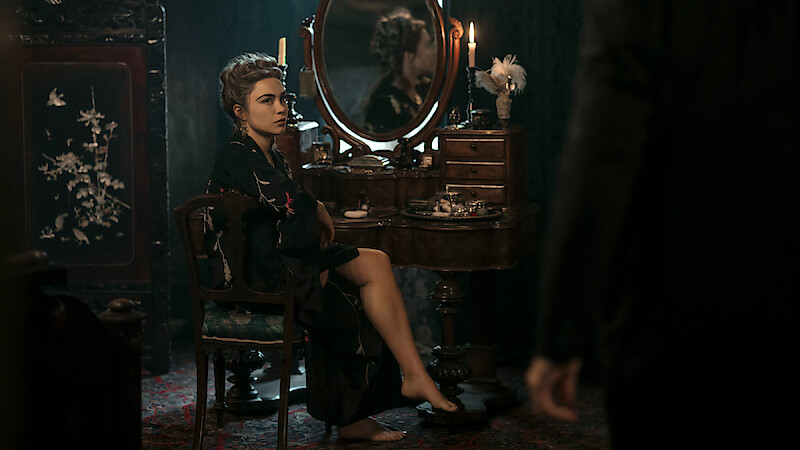
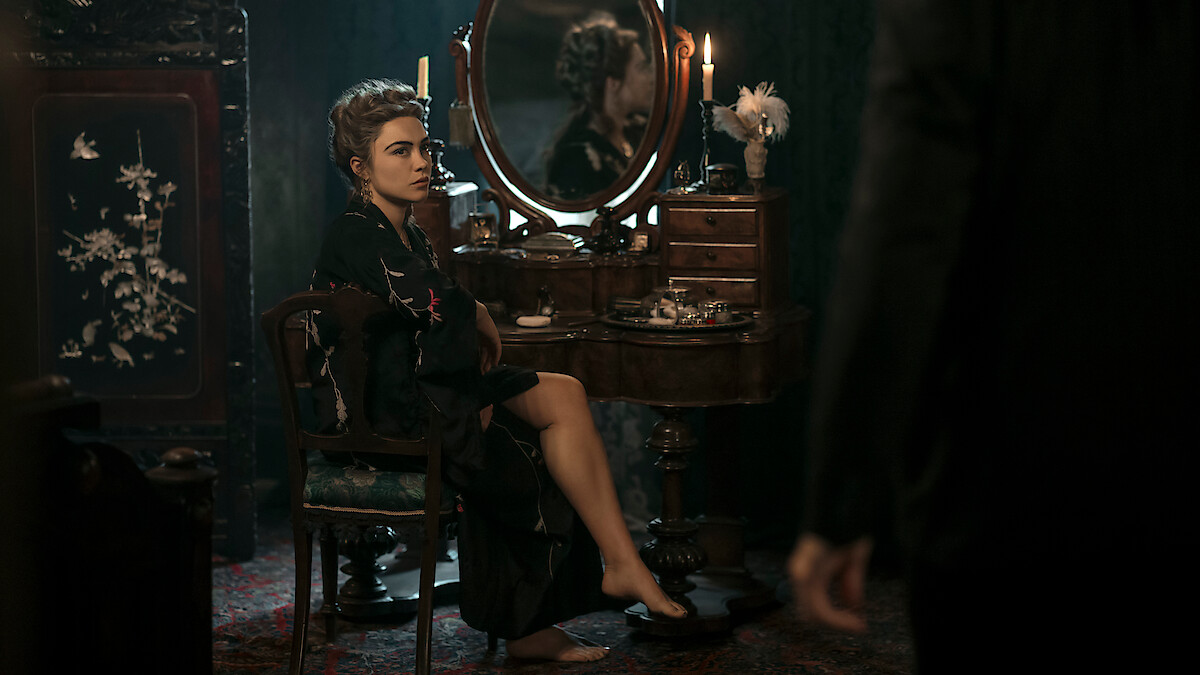
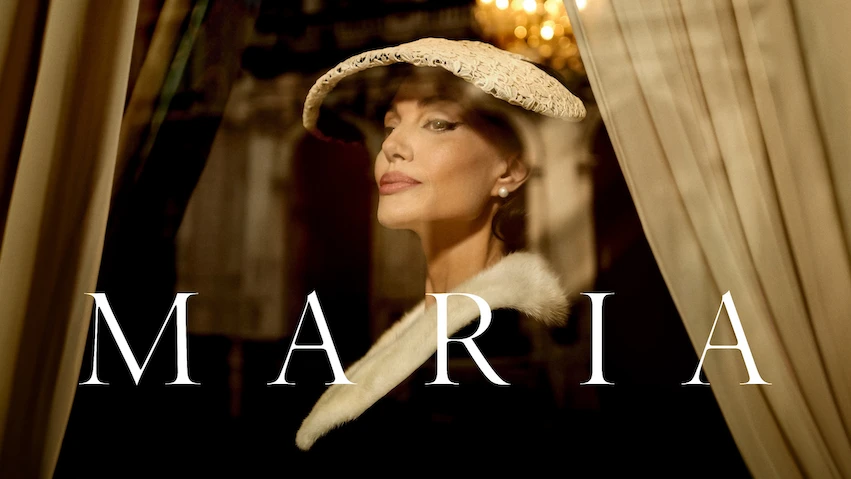
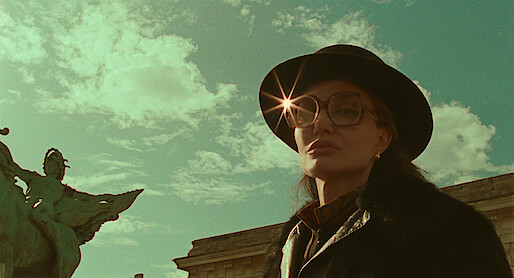
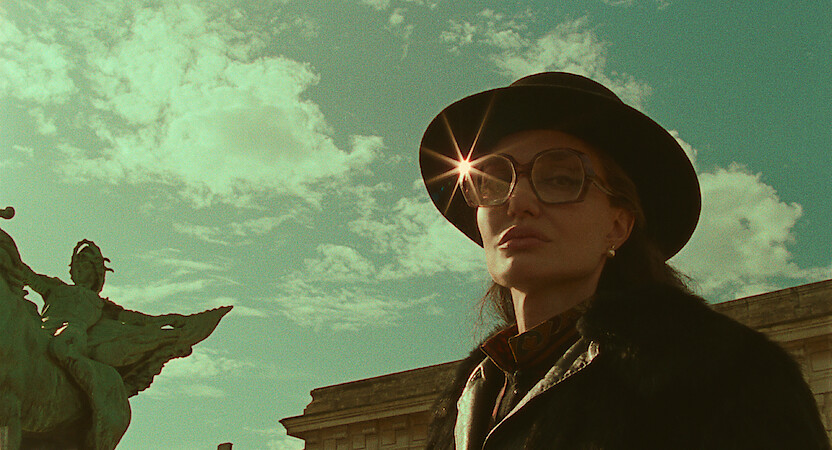
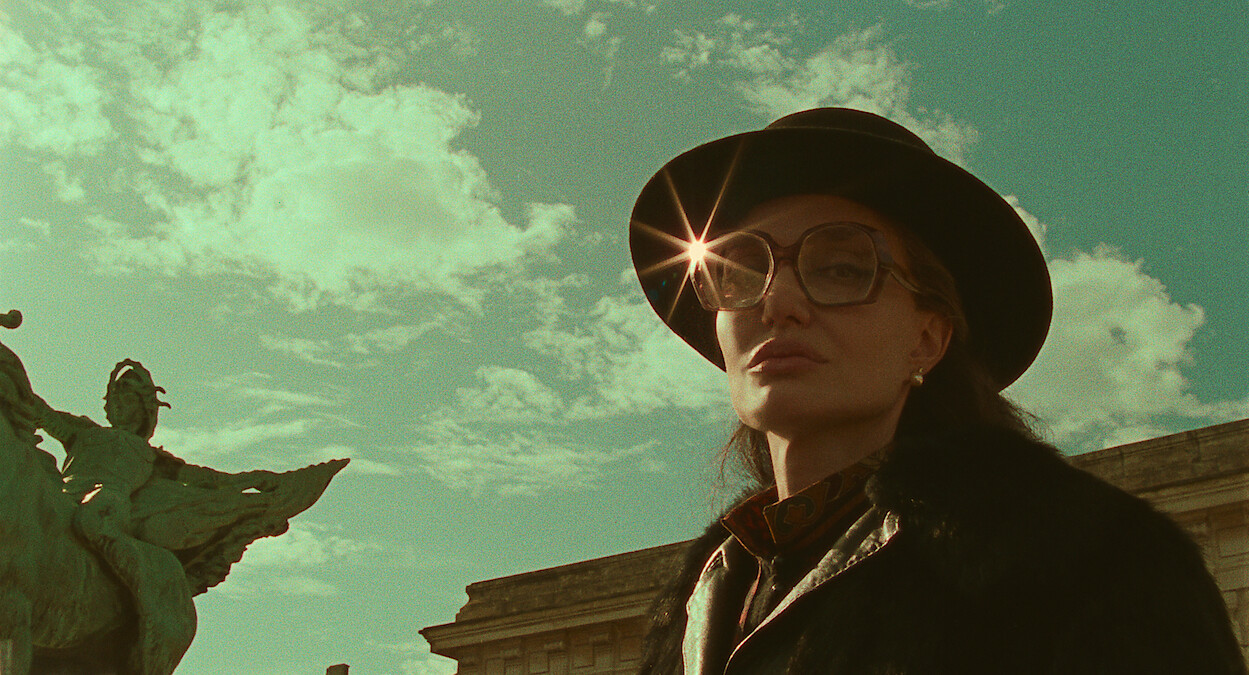
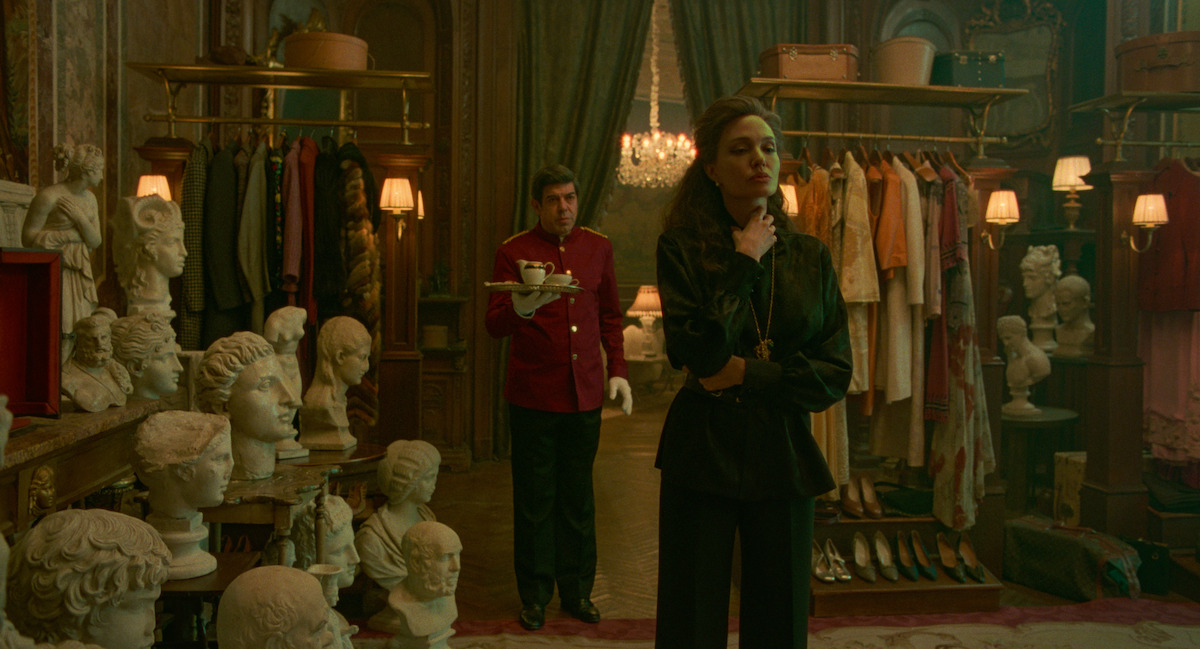
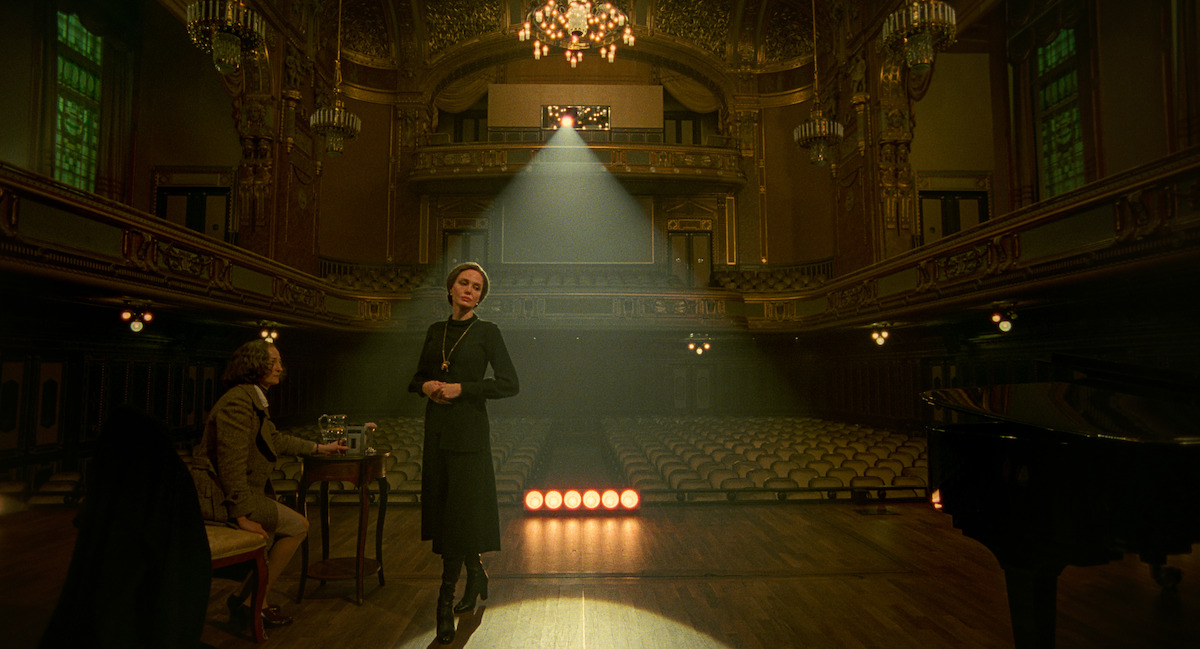
Of the infinite adjectives available to describe Ed Lachman’s cinematography on Pablo Larraín’s Maria, it is not a surprise that, in writing about the film, critics have often used the word “sumptuous.” Really, what choice did they have? Lachman knows how to blend the dream world and the real one like no other cinematographer. In Maria, he captures the last days of the legendary opera singer Maria Callas, as played by Angelina Jolie, in a haze of greens and oranges, as she attempts a comeback. You don’t watch the film so much as you swim in it.
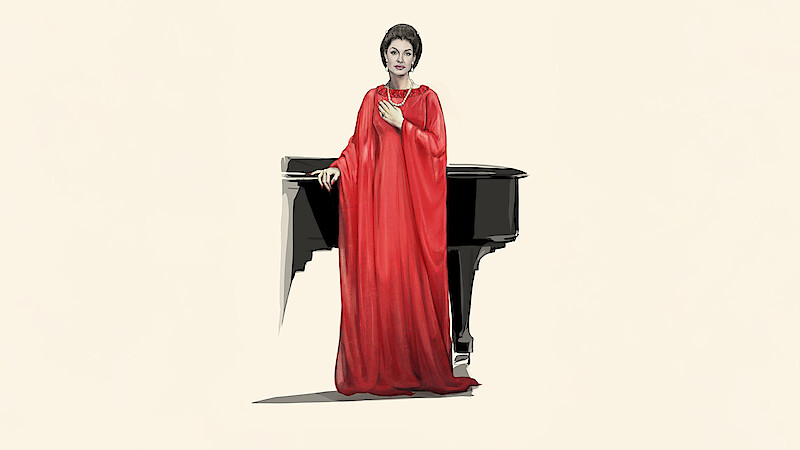
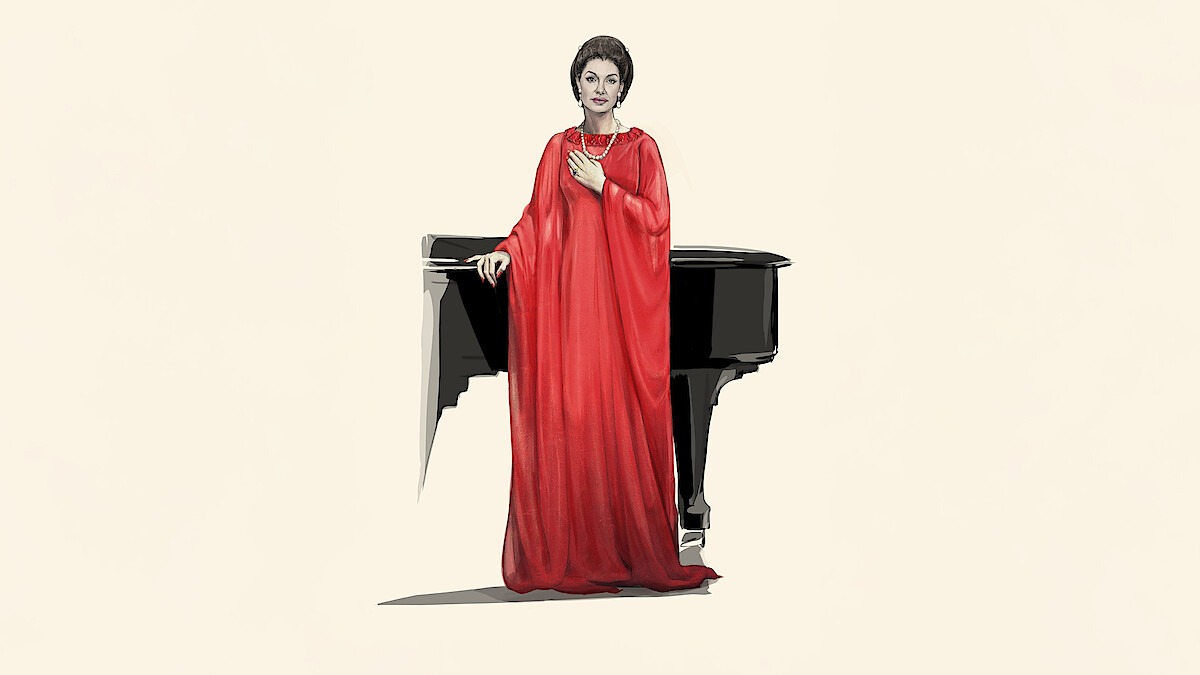
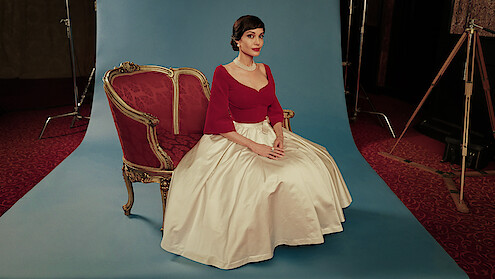
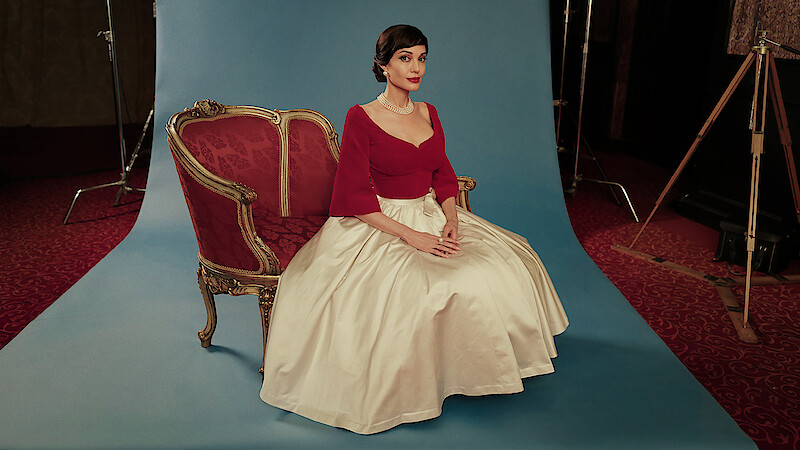
For much of the movie, Jolie bounces between present day and moments throughout her life that are filmed in black and white and Super 8 format. In preparing to shoot, Lachman referenced photos of Callas by greats like Irving Penn, Cecil Beaton, and Richard Avedon. He doesn’t re-create those moments, not exactly, but as Jolie swans around on her future beau Aristotle Onassis’s yacht, we feel not just her beauty but her status. She is irrefutably an icon.
As the scenes slip between eras, Callas’s prestige fades. The soprano’s voice faded and, for the last years of life, she avoided the stage, living outside the spotlight while still craving adulation. Lachman approaches her fall from grace gingerly, if honestly. He films Jolie supplely — imagine if Rembrandt had a side career as a paparazzo. As she sits in a café, waiting to be recognized, you feel both her royalty and her raw need. “Even if she’s in the sunshine and walking around Paris in the autumn, you feel some ominousness around her,” Lachman tells me over the phone recently. Lachman calls Callas’s life itself operatic and Maria, like many operas, is a tragedy. But the film doesn’t judge. “The camera is never aggressive,” he says. It “takes this reflective viewpoint, like the audience would have in an opera.”
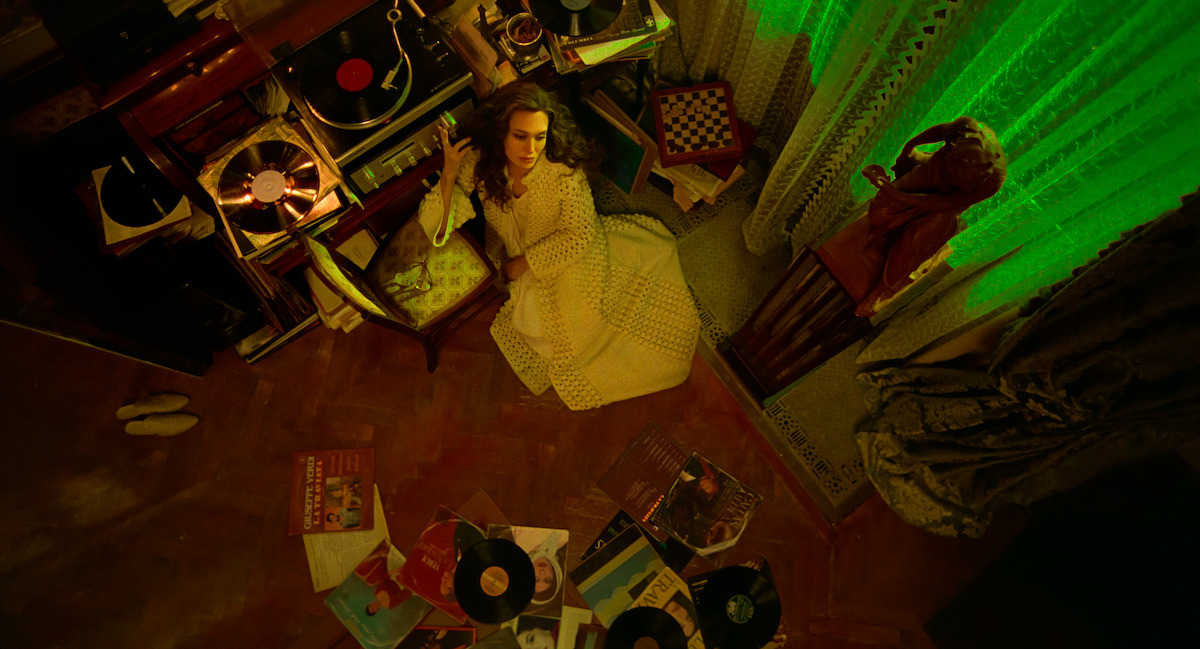
In the film’s final sections, towards the end of Callas’s life, Jolie’s face glints in the light before it fractures, as if being seen through a kaleidoscope. As the scene shifts, pools of deep blue seep through the window. Lachman’s hues foreshadow the inevitable. “It was always my intention that the color and the contrast would change as it became later and later in her life,” Lachman said. “The colors become cooler and the contrast becomes stronger.” Bathed in aquamarine, things onscreen turn otherworldly as Callas’s time on Earth comes to a close.
Maria — with hair and makeup by Adruitha Lee and Pamela Goldammer; sound by John Warhurst, Gwennolé Le Borne, Lars Ginzel, and Mac Ruth; costumes by Massimo Cantini Parrini; and production design by Guy Hendrix Dyas — is the third film in Larraín’s trilogy of biopics of iconic women, after Jackie (Jacqueline Kennedy Onassis) and Spencer (Princess Diana). In researching Callas, Lachman found that her approach to opera was about force, not narrative. “There is no reason in opera,” he says, echoing something Callas says in the film. “The idea of reason and logic all vanish in lieu of the emotional state.” You watch the film, awash in Lachman’s buzzing hues, and sense the ache Callas had for the return to adoration that never came.
“You can’t tell a story like this and not feel how she struggled,” Lachman said. “What I’m always trying to do with Pablo, and any director, is enter the interior world through the psychology of how you use the camera and light.” Credit for embodying such melancholy is of course also due to Jolie for her regal portrayal of Callas. Her performance, languorous and delicate, allowed Lachman to act simply as a witness. Jolie, he said, “embodied that character so beautifully that the camera just needed to observe her.”
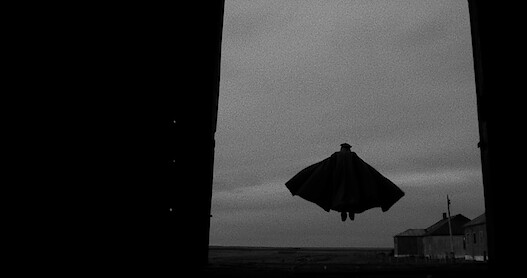
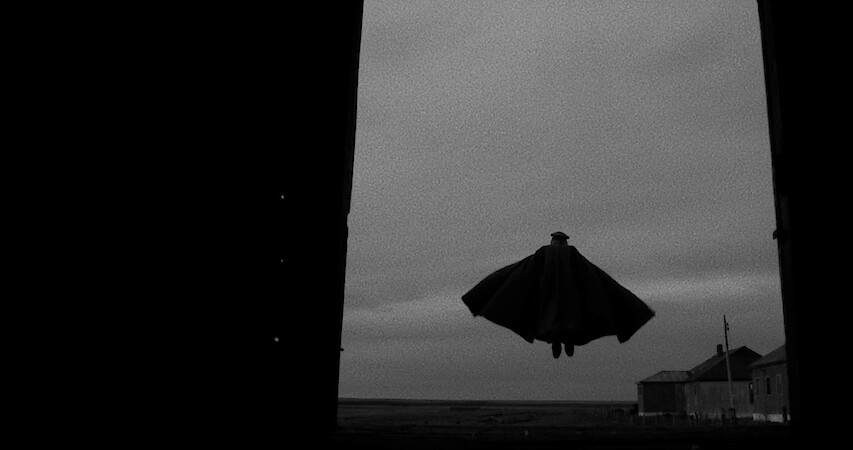
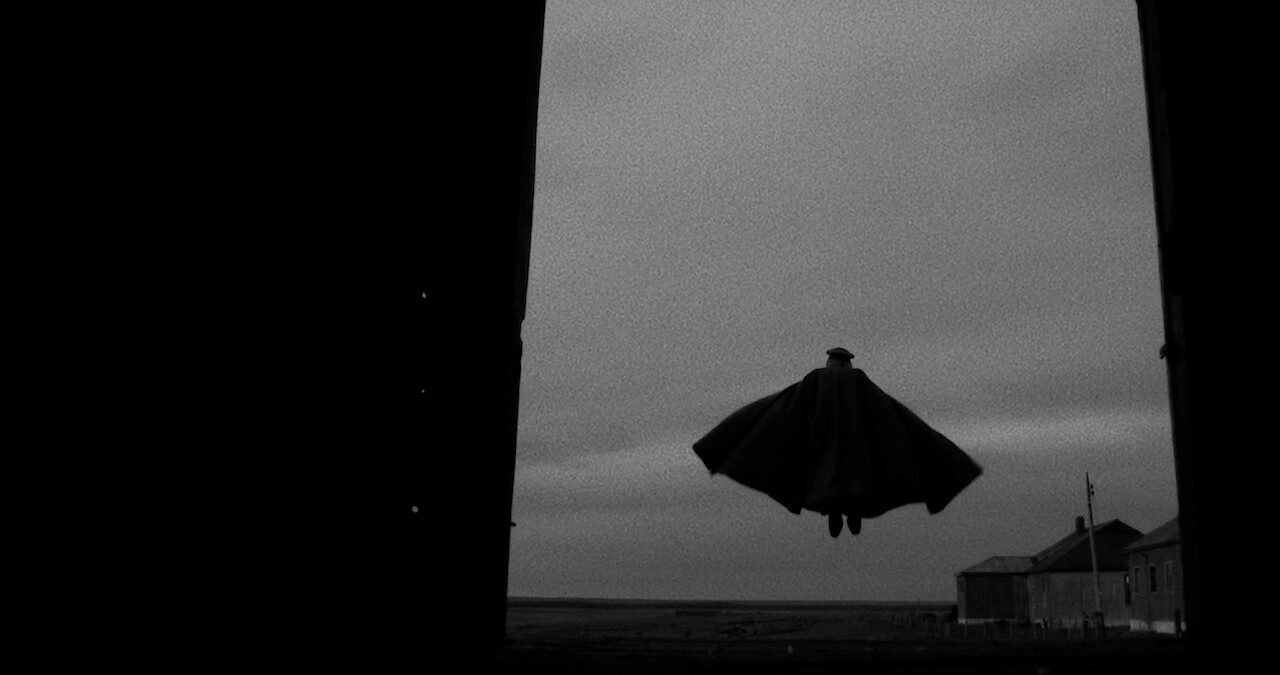
Lachman worked with Larraín on his previous film, El Conde, an eerie and vivid portrait of Chilean dictator Augusto Pinochet as a 250-year-old vampire, a film for which he said he used a “chiaroscuro, Neo-Gothic” sensibility. He was nominated for a cinematography Academy Award for that film, his third nod. His first Oscar nomination, in 2002, for his work on Todd Haynes’s Far From Heaven, came just past the halfway point in his storied career. In that film, influenced by Douglas Sirk, Lachman’s lush colors made the suburbs feel like Eden, somewhere divine and dangerous. That impressionistic look has become a signature.
It’s fitting, then, that Lachman originally studied to be a painter. Drawn to collaborative work, he instead picked up a camera. Based in New York — where, as an old-school loft dweller, he still lives — Lachman found himself on the periphery of Warhol’s Factory, enmeshed in the city’s music and art scenes. When he started working on films in the 70s, his colleagues and subject matter were all fiery originals. Lachman, fond of wearing the color black, a high collar, and a statement hat, fit in easily amongst the avant-garde set. He worked with Paul Schrader and Wim Wenders. He shot Madonna in Desperately Seeking Susan. And he became a go-to cameraman for cutting-edge musicians, shooting a New Order music video, the Talking Heads film True Stories, and the frenetic Ornette Coleman documentary Ornette: Made in America. He has always been passionate and feisty, but over time, his style has slowed and softened. In the last two decades, his work has contained unparalleled richness.
Though he has mostly worked as a cinematographer, Lachman has also occasionally directed. In 1990, he helmed Songs For Drella, Lou Reed and John Cale’s Velvet Underground reunion-ish film. It’s indicative of his reverence for musicians. Reed and Cale melt into the black-and-red backdrop, shot largely from the shoulders up, intimate but playful. Their performance feels alive, human. “I tried to [preserve the] integrity of the performance and not make it about creating the performance through the editing,” Lachman says about Drella. “So in a similar way, Maria has the camera moving and is observational.” In both films, Lachman makes singing look like a divine gift.
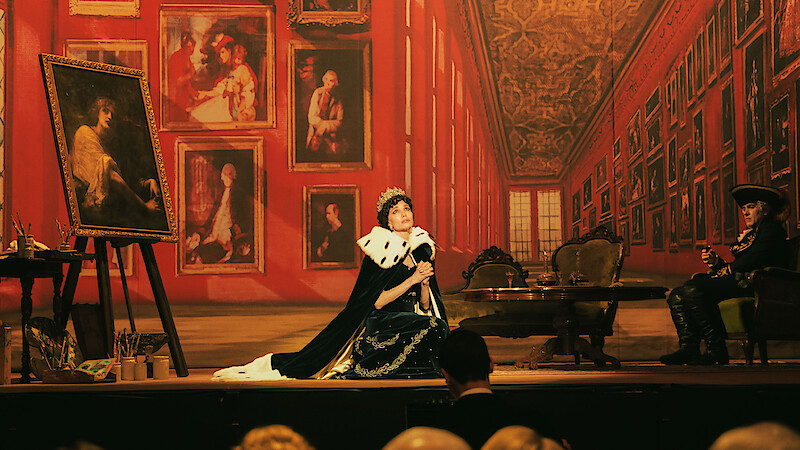
Though Maria is a drama, not a documentary, and Jolie is not an opera singer, but an actor playing one. She thrives in the reenactments of Callas’s onstage triumphs, but it’s love and grace imbued in the scenes of her practicing in an empty auditorium that are so moving. Lachman’s camera is patient as it sweeps across the room. Callas’s voice is faltering, but the portrait we see is empathetic, clearly captured by someone with a deep affinity for those willing to put in the work. I asked Lachman if his experience documenting real-life musicians informed his perspective while filming reenacted music. Lachman shot this down. “I think of all films as a documentary,” Lachman says. To him, there was nothing unreal about Jolie’s depiction of Callas. A performance is a performance. “We’re always documenting.”
The film ends as it began, with Callas on the floor, chandeliers dangling overhead. It’s shot from a respectable distance, pulling back slowly. Callas’s death at 53, from heart failure, after an abiding addiction to pills, was an undeniably difficult and unnecessary loss. Through his eyes, though, this tragedy was treated as grandly as such a major diva deserved. In death as in life, sumptuousness speaks for itself.