Romance fraud takes center stage in Love Con Revenge, an investigative series that offers an inside look at how scammers exploit relationships for personal gain. At the heart of the show are Cecilie Fjellhøy — who first came to public attention through her own experience with the “Tinder Swindler,” and Brianne Joseph, who brings more than 15 years of experience as a private investigator. Together, they use what they’ve learned — both personally and professionally — to help victims rebuild their lives and push for justice.
In an interview with Tudum, Fjellhøy and Joseph discuss the mechanics of romance fraud, the barriers to holding perpetrators accountable, and the recurring patterns they’ve uncovered while investigating these cases for the series.
What is romance fraud?
Romance fraud occurs when scammers create fake relationships to gain the trust of their victims and ultimately steal money or personal information. These schemes often begin online and can be difficult to detect until significant harm has been done. Reports indicate that such crimes have cost Americans over $1 billion annually.
In making the series, Cecilie and Brianne were struck by just how widespread and complex romance fraud can be. “We would always start off with one victim, but at the end of the investigation, we had several. And I think that was the most mind-blowing aspect of it for me,” Brianne says.
It’s a frustrating reality that, in the world of these crimes, the system often works against victims. “We need many [victims] to prove intent. So it's not enough with one fraud victim to get the police to take it seriously,” Cecilie says. “No, we want them to be a serial [offender] for us to take one victim seriously.”
What makes romance fraud so difficult to fight?
One of the biggest hurdles to holding romance fraudsters to account, Cecilie and Brianne say, is that law enforcement often fails to prioritize these cases. “They believe that it’s just a situation where it’s a domestic dispute, or maybe it’s a woman who’s just scorned, and she’s just upset because the relationship ended,” Brianne explains. “It leaves a loophole for these scammers to continuously get new victims because they’re not being held accountable.”
Cecilie believes that when victims reclaim their voices and push back against the shame they’ve internalized — often after enduring long-term emotional abuse — it’s a crucial step toward having the courage to report what happened. “With all the interviews I did [with victims], they would always say something about shame: ‘I shouldn’t have done this. How could I be so stupid?’ And it’s about changing that language. It’s ‘How could they? How could they continue?’ ”
How can you spot a romance scam?
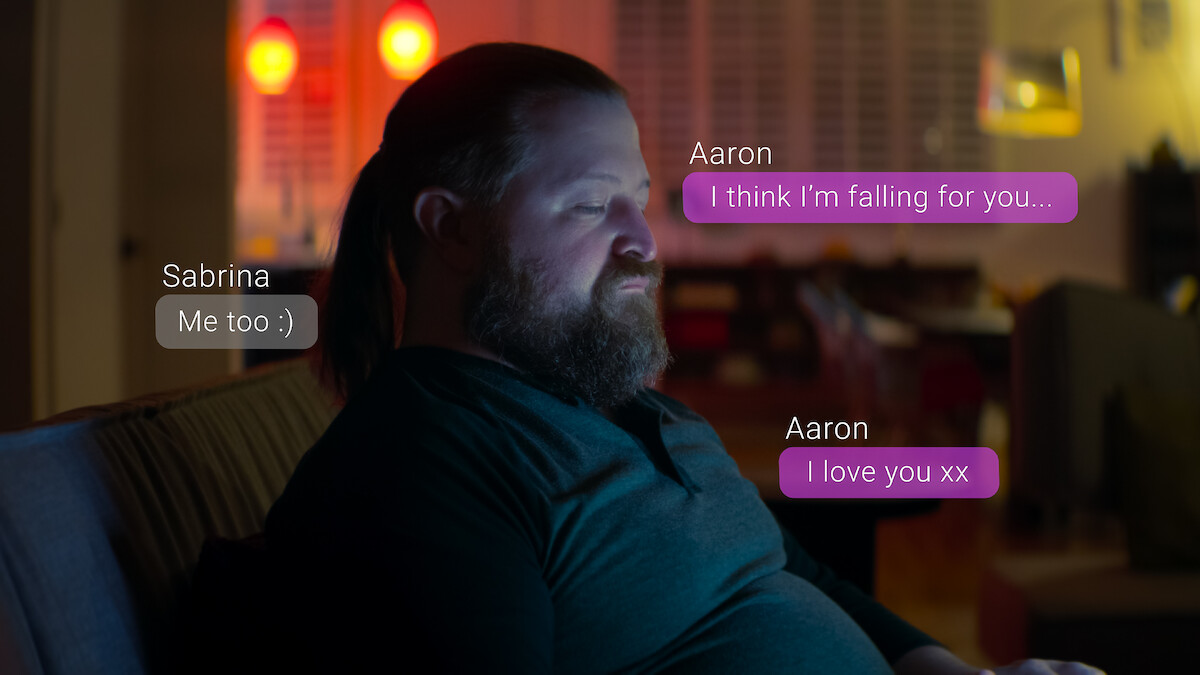
Recognizing the signs of a romance scam can be difficult, as it can often start without any mention of money. But Cecilie says everyone should watch out for tactics like “love bombing”— when someone professes deep affection very quickly — and “future faking” — when scammers map out detailed plans for marriage, children, or business ventures early on. When someone says “that they’re totally in love with you after a short amount of time or that they want to get married and have children with you, Cecilie warns, it’s a major red flag.
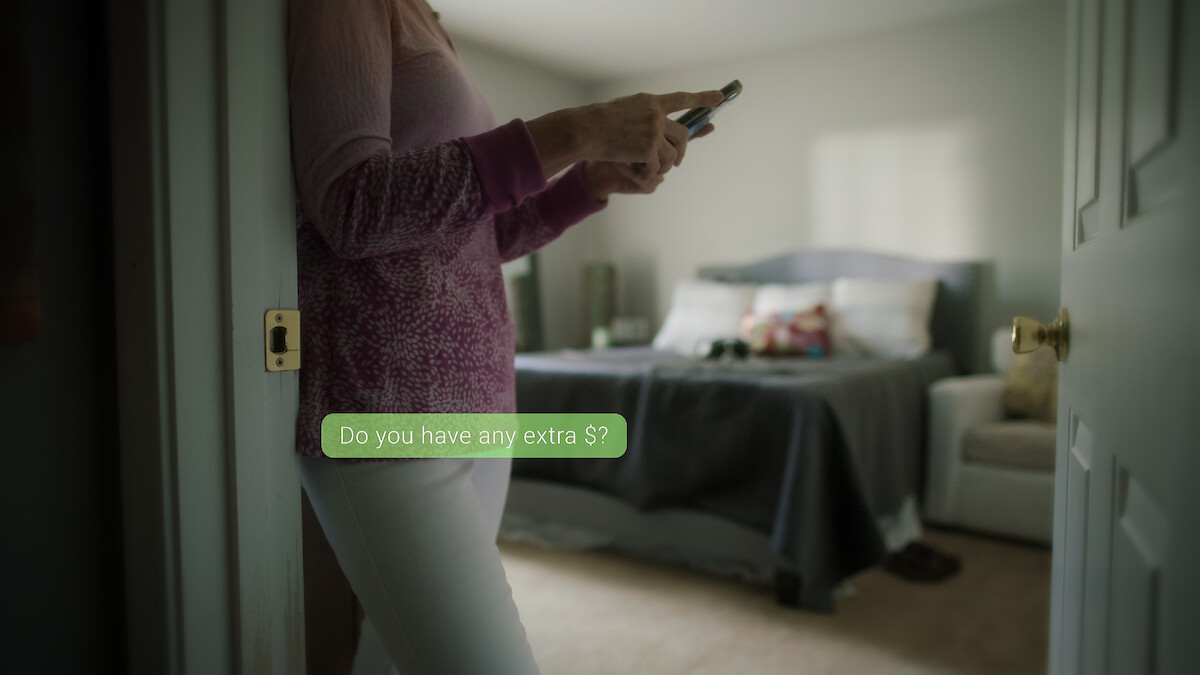
Brianne agrees, noting an additional weapon in scammers’ arsenal: manufactured crises. “Real relationships take time to build,” she says. “There’s always some type of tragedy that they encounter [and] the victim is the only one that can help get him out.”
What should you do if you suspect a romance scam?
Just as scammers rely on speed to manipulate, Cecilie urges would-be victims to act quickly themselves. “If it happens before you have lost any money … report them to the social media company or wherever you’ve met them, so we can actually get these perpetrators away from their hunting grounds. And, of course, please go to the police,” she says.
Brianne emphasizes the importance of keeping a paper trail: “Start documenting and saving everything. Because the more evidence you have against these perpetrators, the easier it would be to potentially get justice,” she says.
How can social media companies prevent romance fraud?
Both Cecilie and Brianne believe that more accountability on the part of social media platforms is needed to guard against romance scams.
“I want them to be honest about the issue that’s on their platforms,” Cecilie says. “To show the extent of human damage, they have to start caring.”
A practical step platforms can take to mitigate harm, Brianne believes, is to implement “more intentional verification of identity. It’s so easy to take someone else’s photo and just use it as your own.”
For a closer look at the real stories featured in Love Con Revenge — and to see how victims and investigators are pushing for accountability — head over to our full interview with Cecilie and Brianne, which breaks down the outcomes of the series’ featured cases.
Love Con Revenge is now streaming on Netflix.