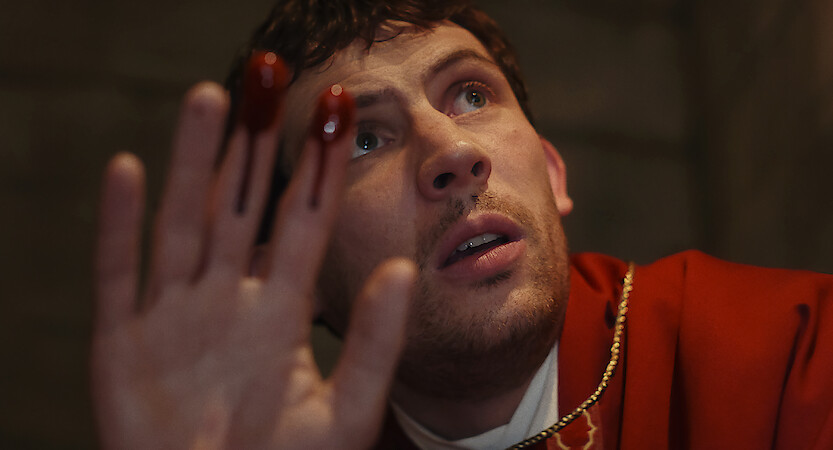
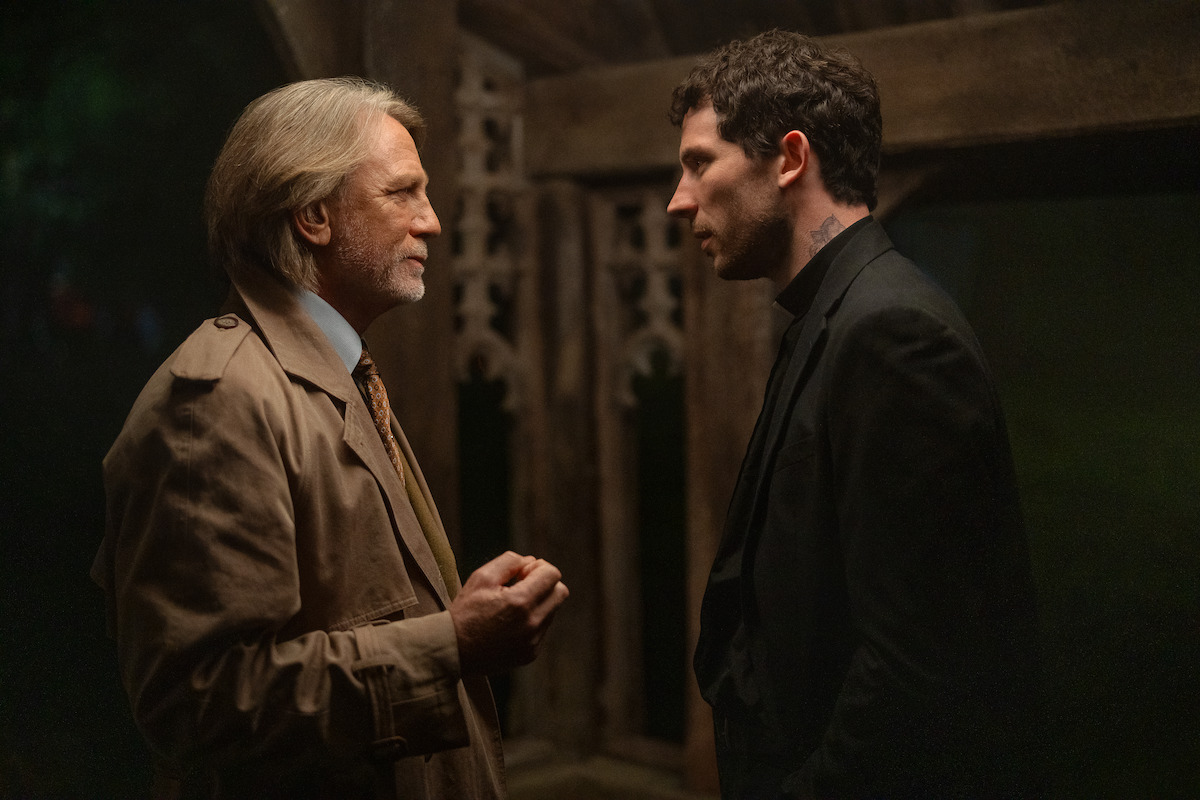
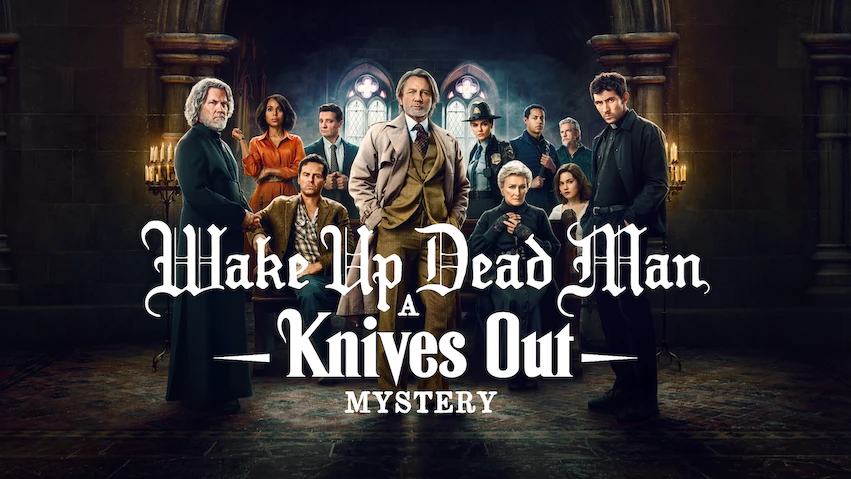
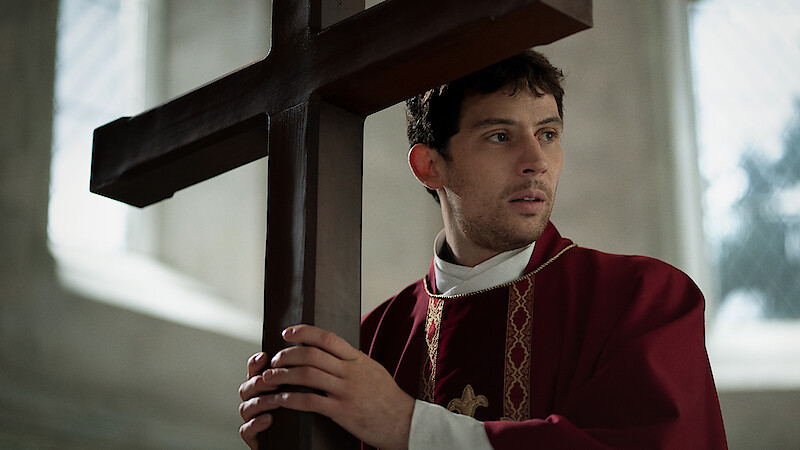
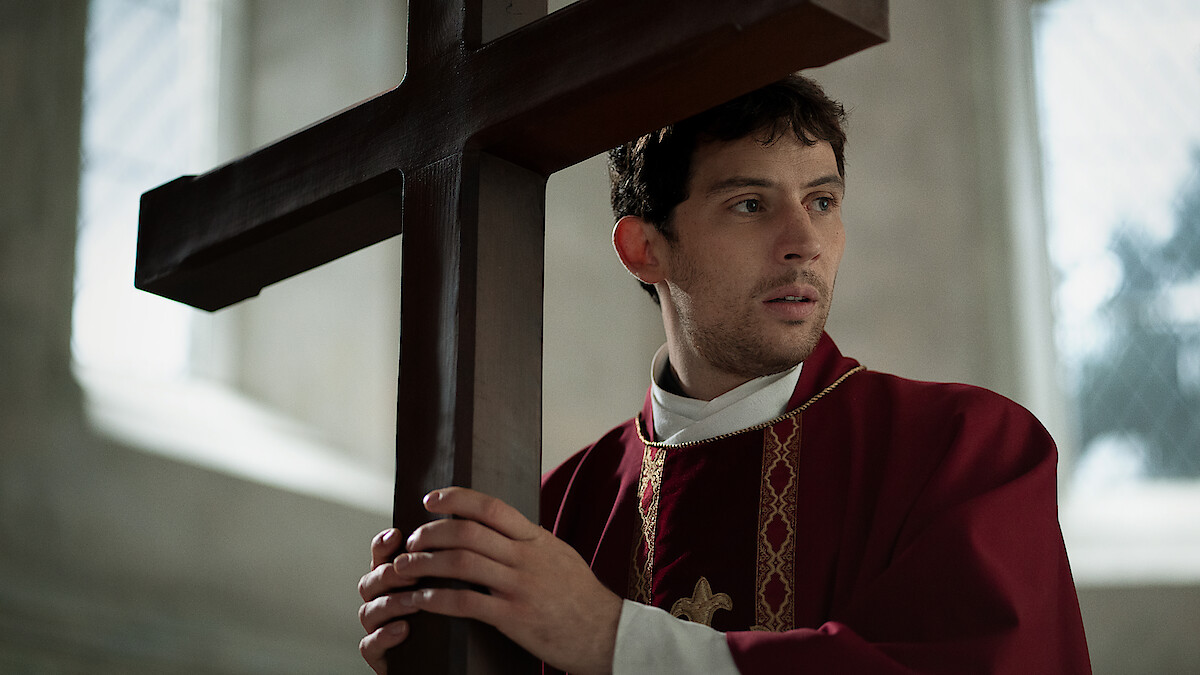
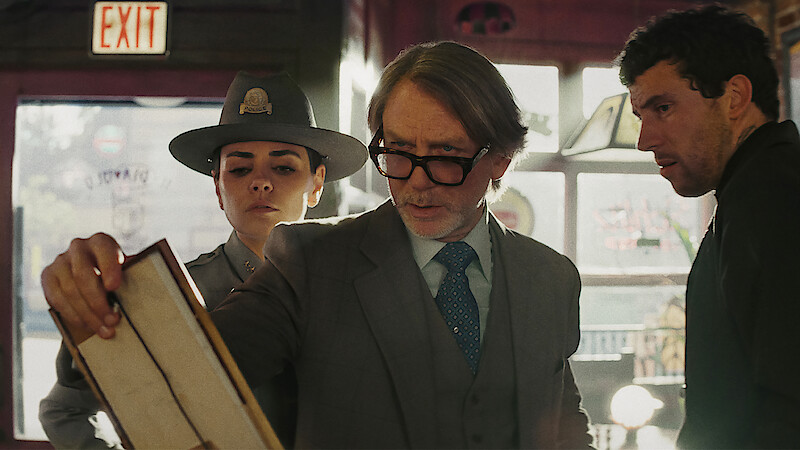
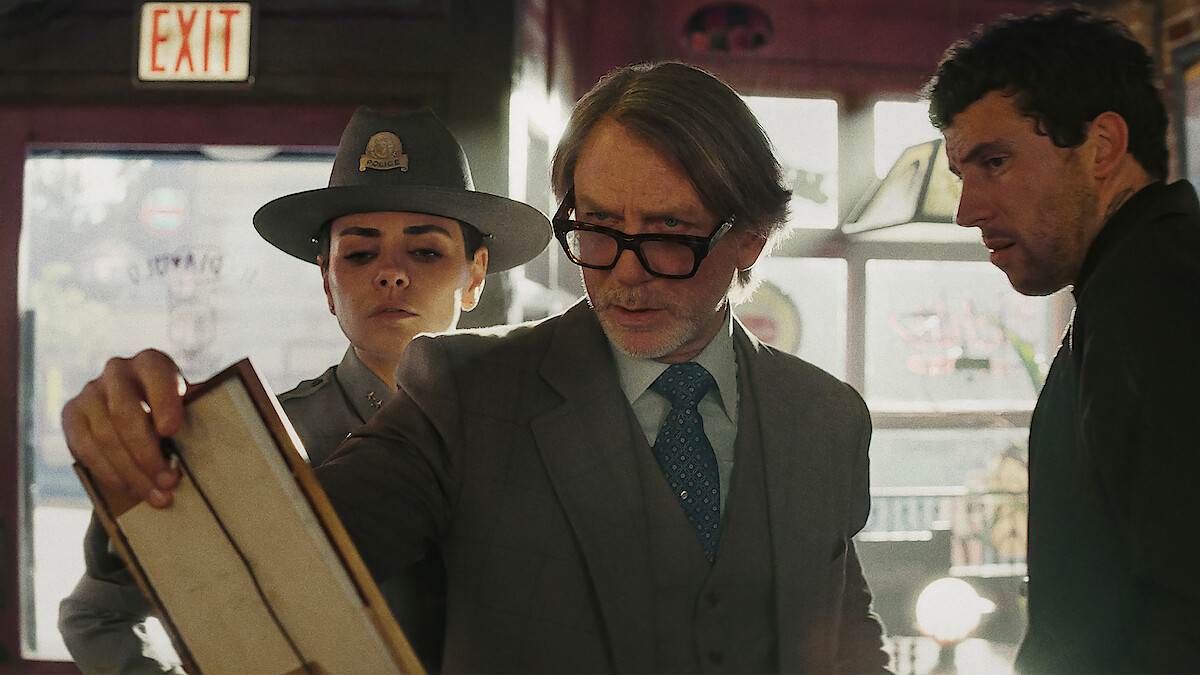
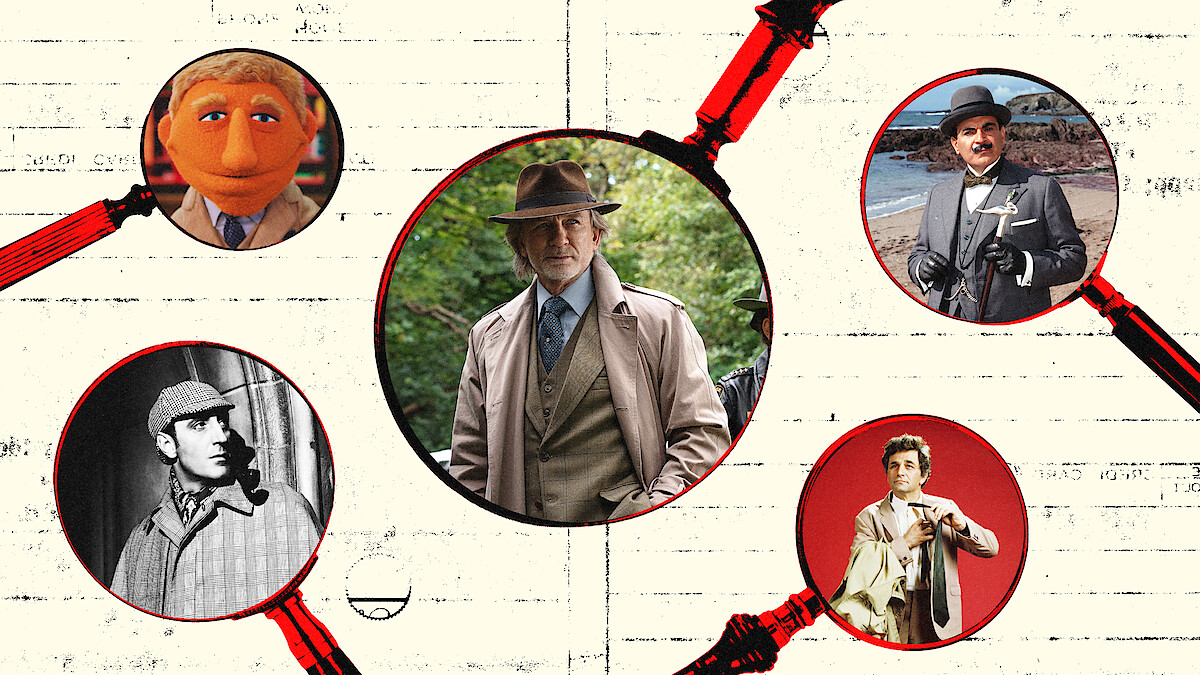
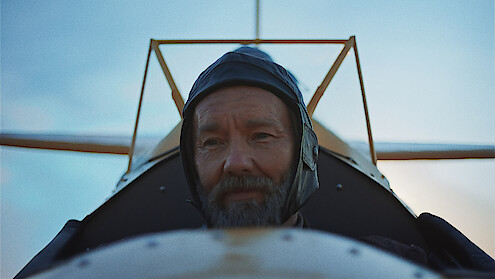
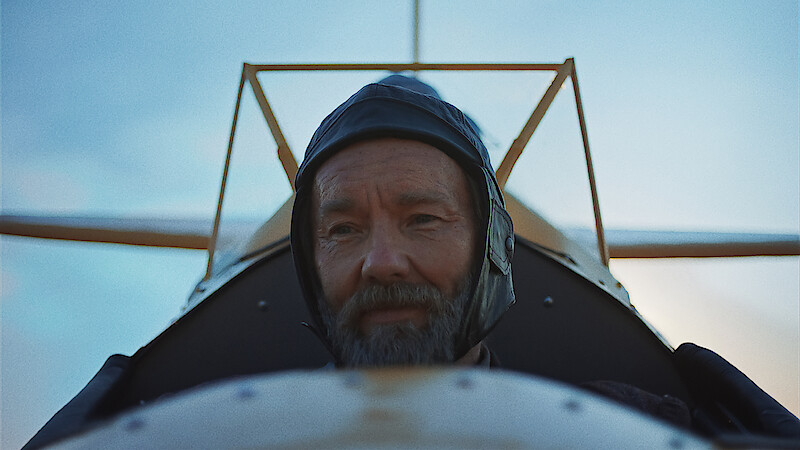
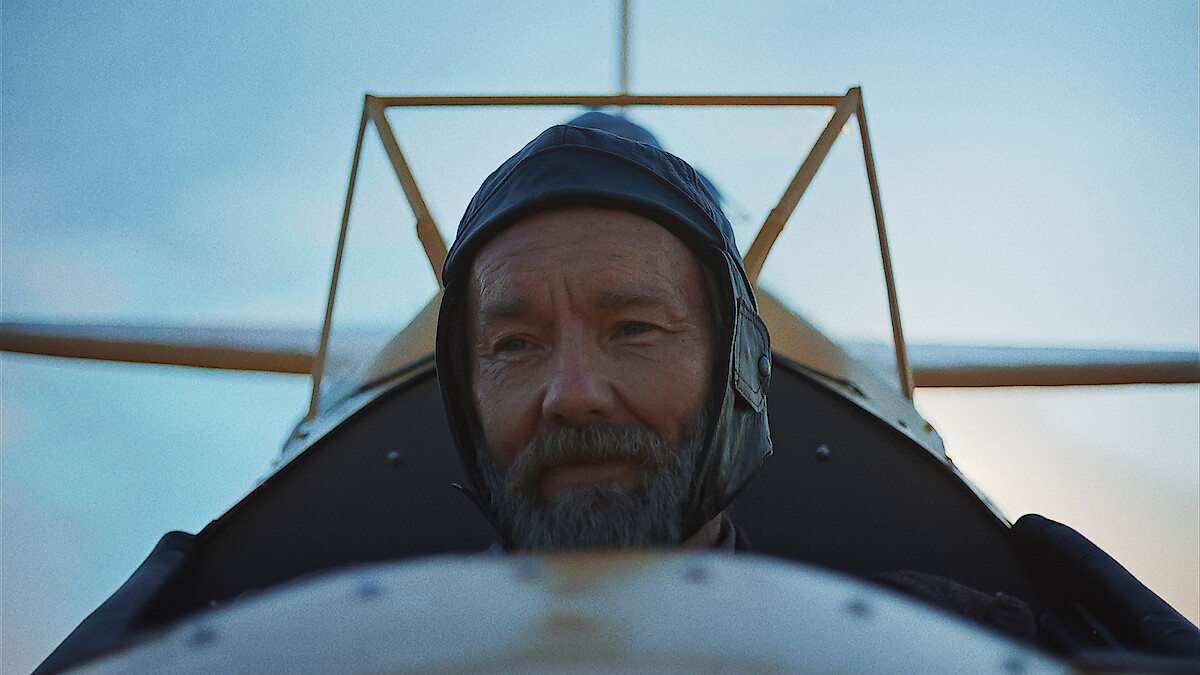
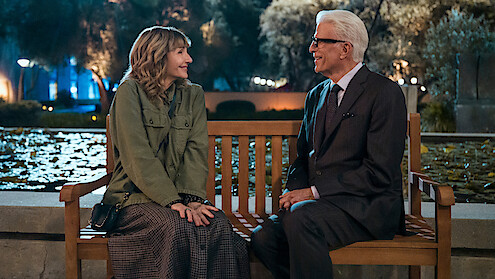
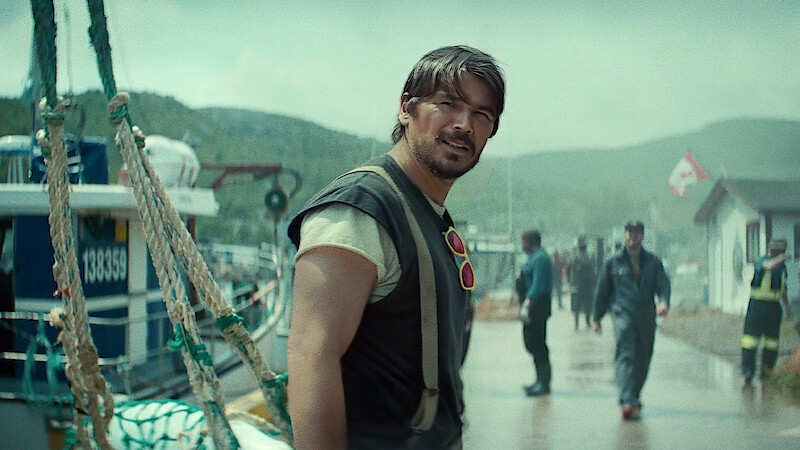
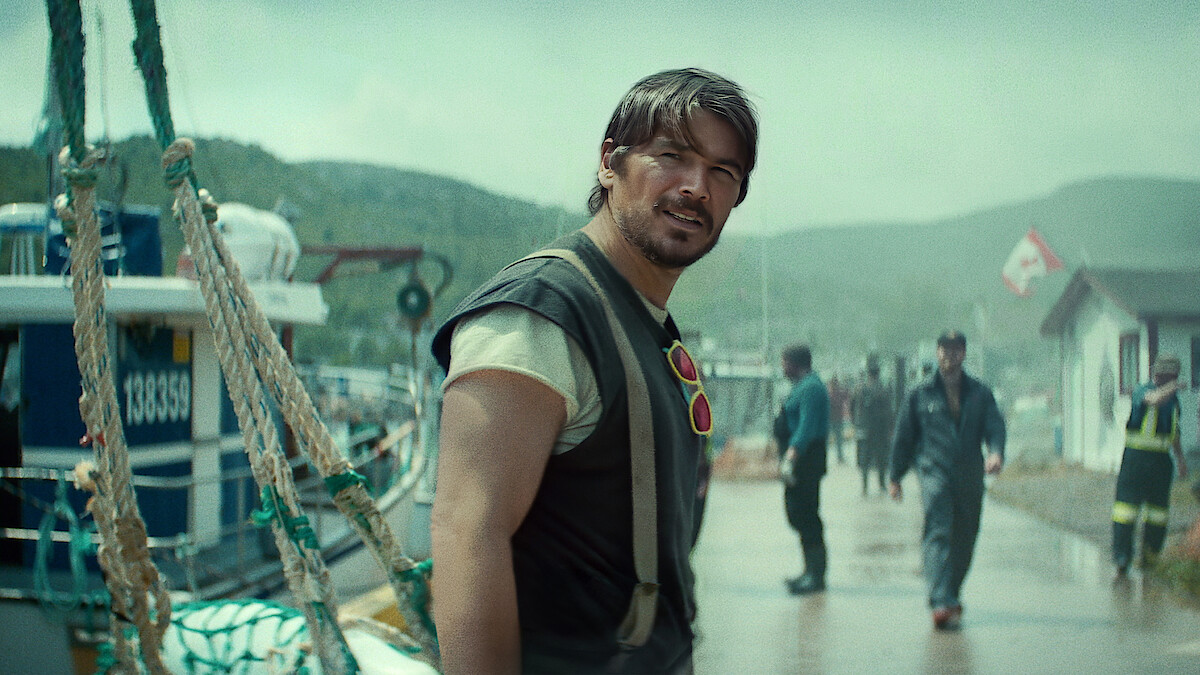
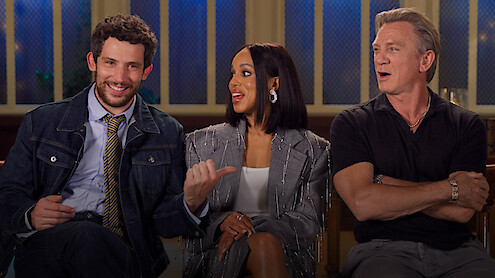
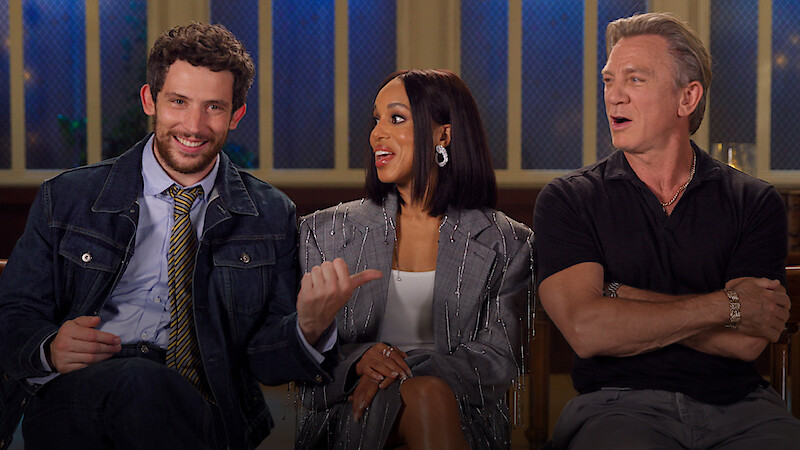
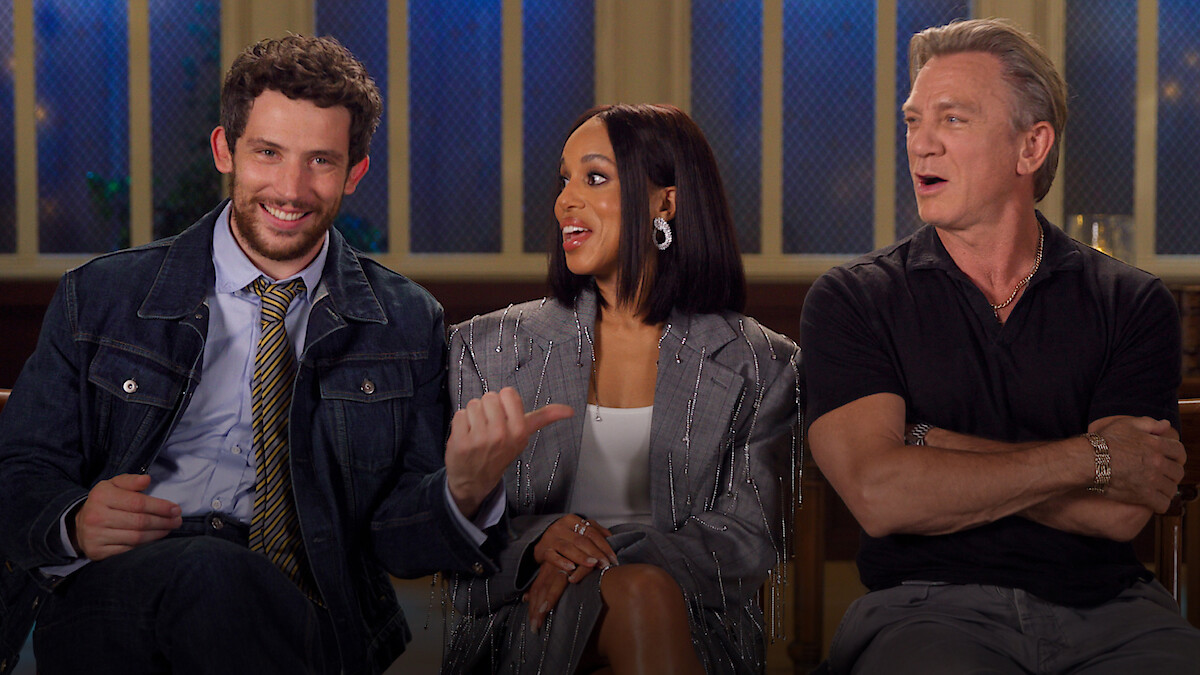
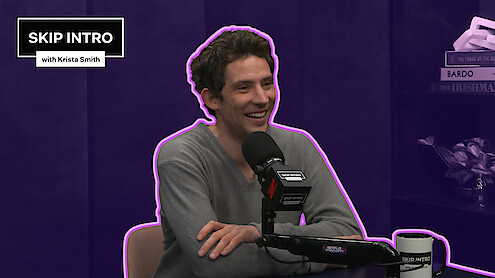
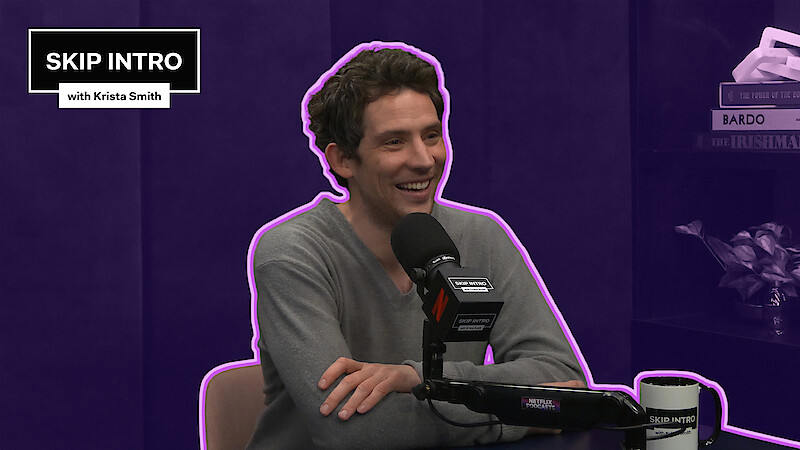
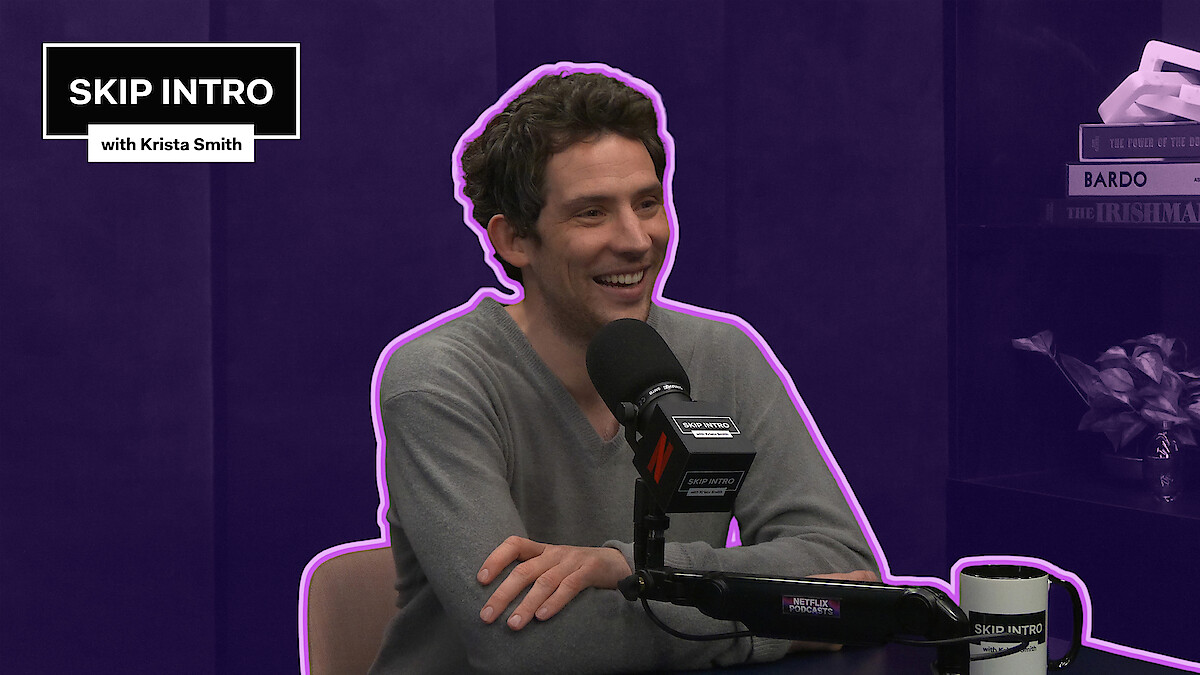
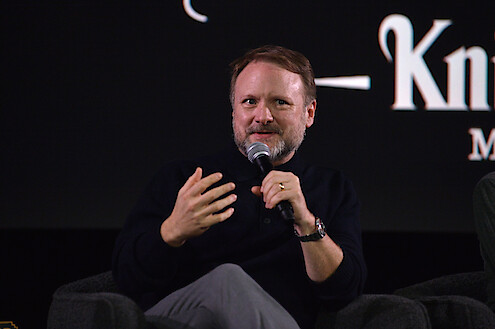
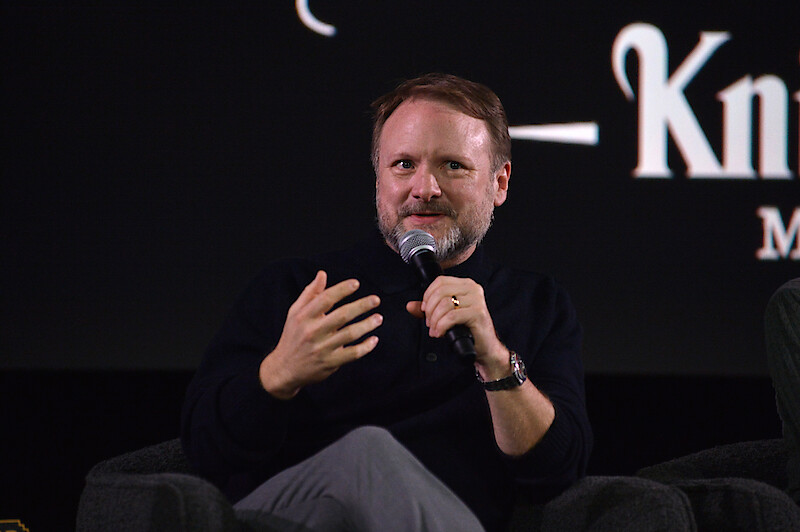
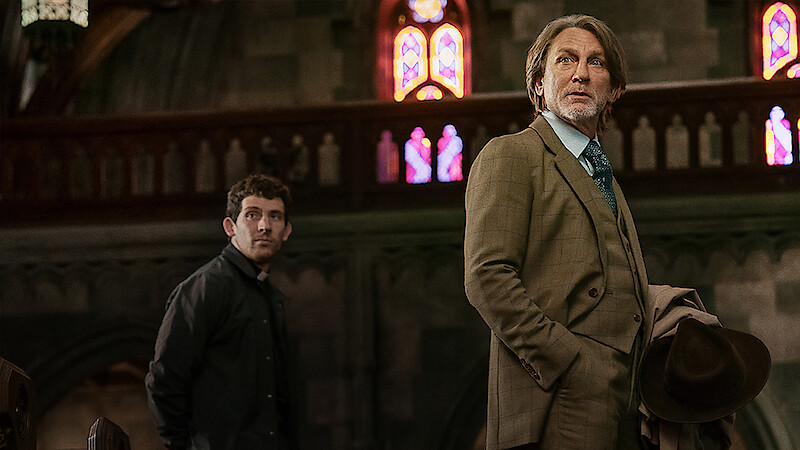
On the surface, Benoit Blanc, the besuited detective played by Daniel Craig, is the main character of Rian Johnson’s whodunit franchise. However, as both 2019’s Knives Out and 2022’s Glass Onion: A Knives Out Mystery have illustrated, “There’s always a[nother] protagonist who has some real stakes and skin in the game,” says the Academy Award–nominated writer-director. In Johnson’s latest installment, Wake Up Dead Man: A Knives Out Mystery, that person is Father Jud Duplenticy, played by Josh O’Connor.
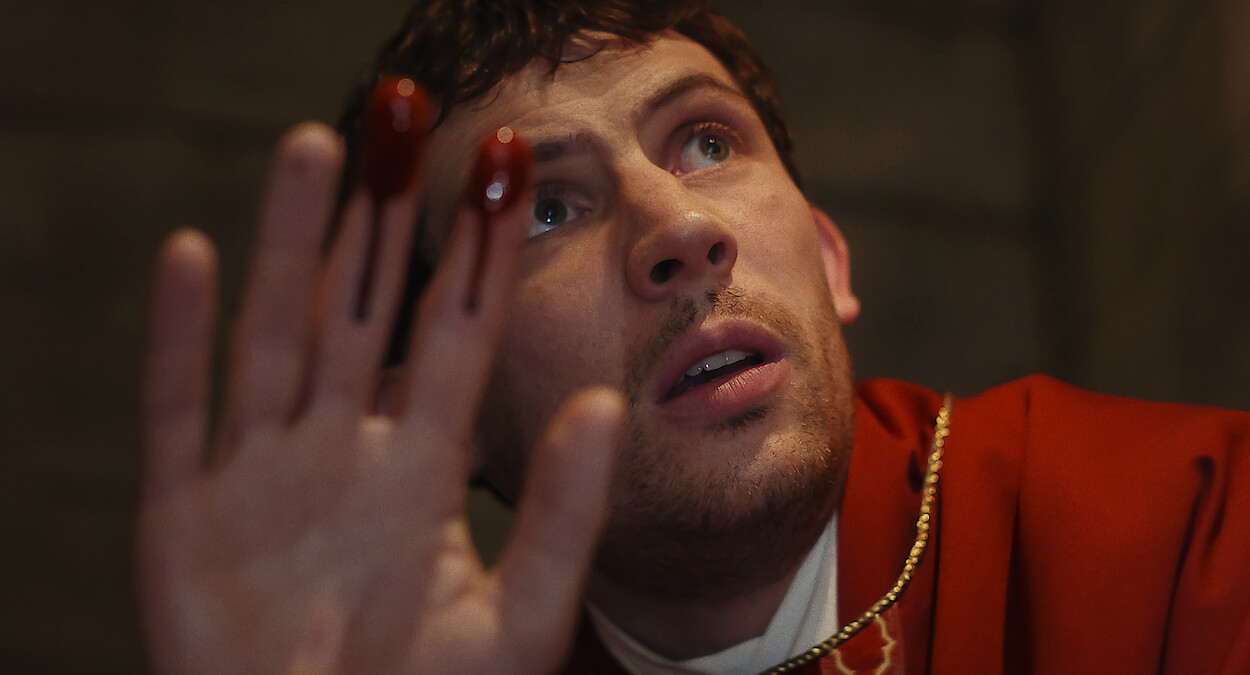
Jud is a boxer turned priest who found his spiritual calling after he killed someone in the ring when he was a teenager. Self-described as “young, dumb, and full of Christ,” good-hearted Jud is still tormented by a dormant darkness (as evidenced by some of his questionable tattoos), and when he punches an obnoxious deacon, he’s sent to Our Lady of Perpetual Fortitude, a small parish in upstate New York, as punishment.
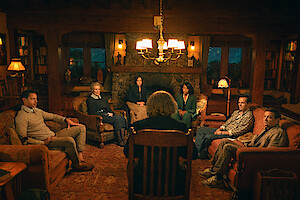
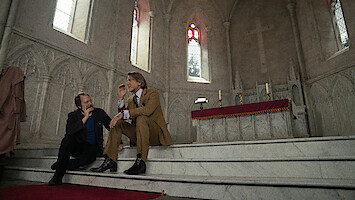
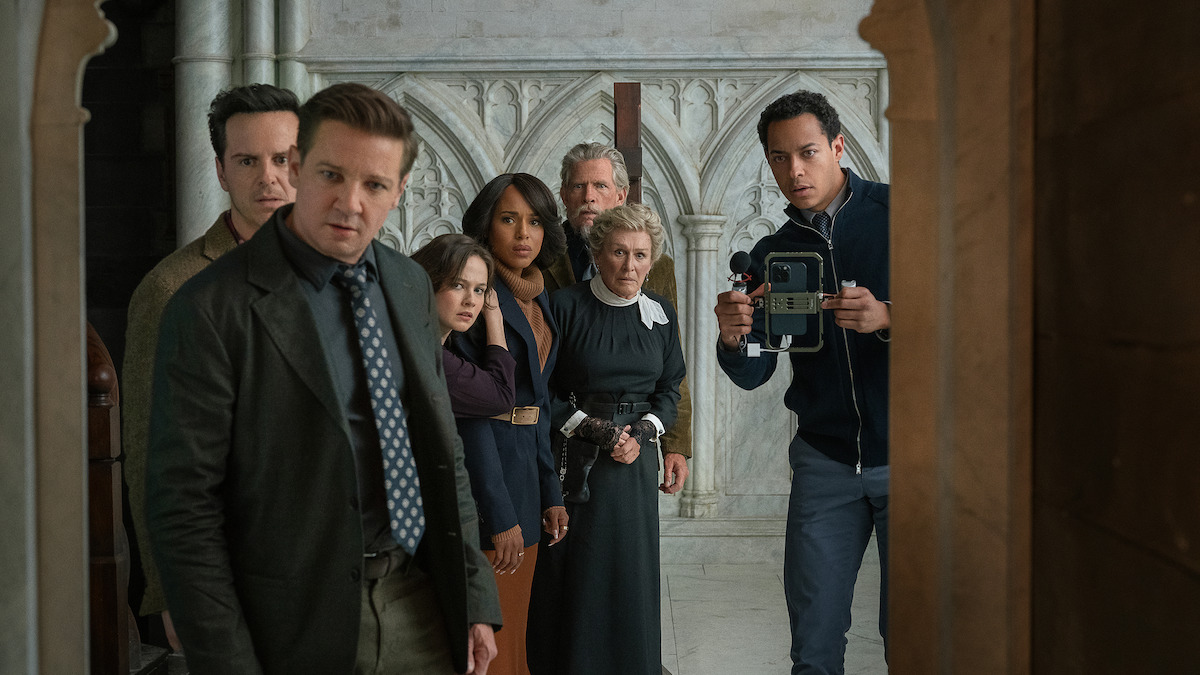
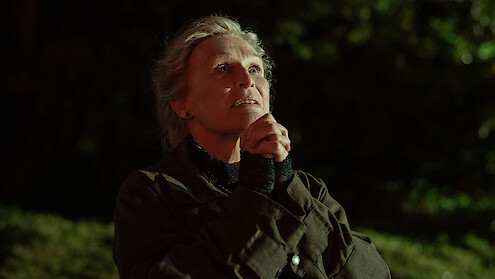
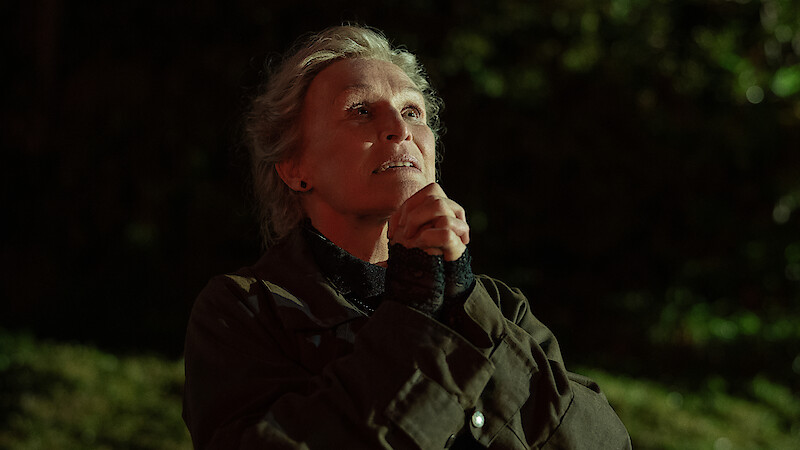
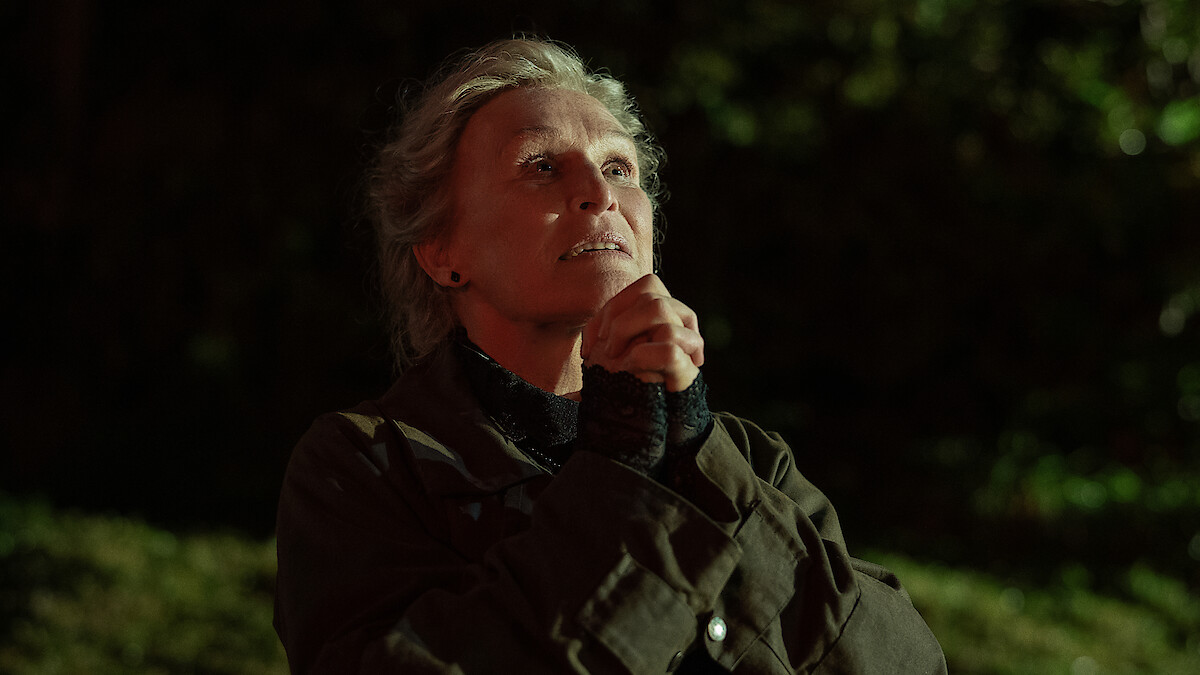
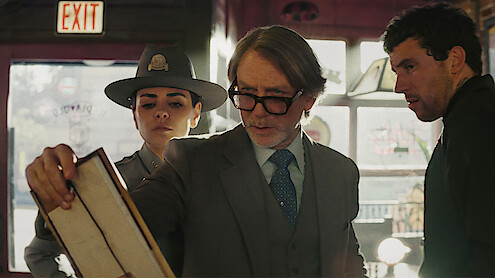
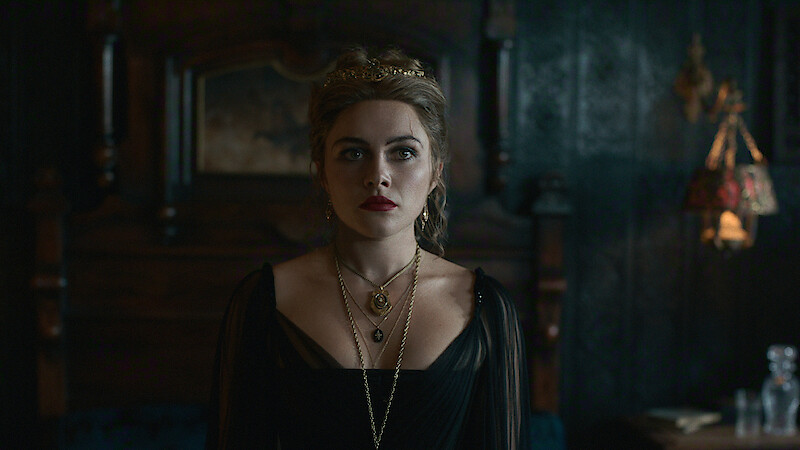
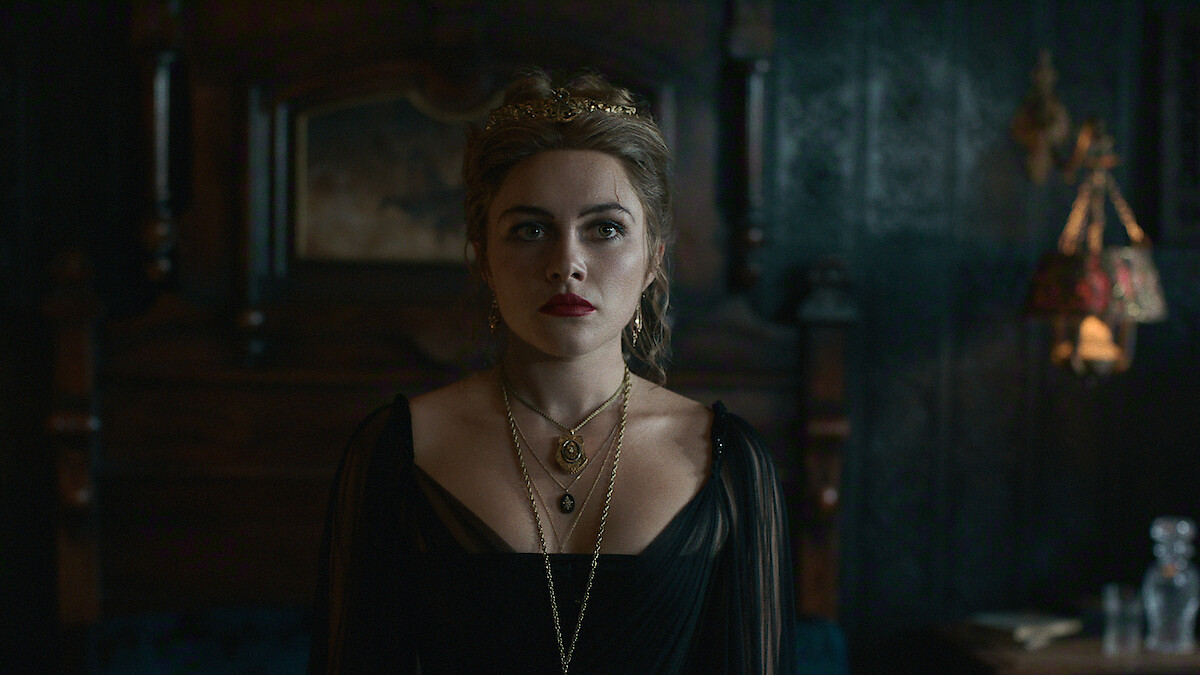
With the corrupt Monsignor Jefferson Wicks (Josh Brolin) at its helm, Our Lady of Perpetual Fortitude claims a small but devoted congregation brought to life by Glenn Close, Jeremy Renner, Kerry Washington, Andrew Scott, Cailee Spaeny, Daryl McCormack, and Thomas Haden Church. Monsignor Wicks and Father Jud are two clergymen cut from different cloths, and they immediately clash over what role religion should play in the community. So when Wicks is mysteriously killed over Easter weekend, Chief of Police Geraldine Scott (Mila Kunis) blames Jud, causing him to reexamine and recommit to his faith in the face of the inexplicable.
“All of my filmmaker friends are sick to death of me telling them, ‘You have to work with Josh O’Connor,’ ” Johnson says, laughing. “He has an incredible toolbox at his disposal, and he’s also so charismatic and such a lovely guy to work with.” Johnson must not be alone in that feeling: O’Connor’s recent collaborators include Kelly Reichardt, Luca Guadagnino, Joel Coen, and Steven Spielberg. “Josh O’Connor is like a young Jimmy Stewart,” says Close.
O’Connor began his career in cult-favorite indie fare — including the 2017 BAFTA–nominated God’s Own Country — before breaking out as Prince Charles in Peter Morgan’s juggernaut series The Crown. For his portrayal of the now King of England during a time of tumult — including his marriage to Princess Diana — O’Connor picked up Emmy, Critics Choice, Golden Globe, and SAG Awards.
The actor continued to showcase his versatility with bewitching performances in Guadagnino’s Challengers and Alice Rohrwacher’s La Chimera in the last few years. Johnson reminisces about seeing O’Connor in both films: “I thought, ‘This is obviously a really special actor who has a lot of charisma onscreen and an incredible range to draw from. He can kind of do anything.’ He reminded me of Daniel in that way: [he’s] a classically trained British actor, but he’s very funny.” Craig seconds this, adding, “Rian and I were having a conversation about who’d play Jud. Josh’s name came up, and I went, ‘That’s who we need to get.’ It worked out, and I couldn’t be happier.”
The buzzed-about actor is now in a new stage of stardom. “If we went after him today, I don’t know if we would get him. I feel really lucky he’s in this movie.” And when Jud and Blanc go head-to-head in some of the film’s climactic moments, O’Connor doesn’t miss a beat. “He’s a brilliant actor. He brings his A game every time he comes to set, which is all you want from somebody you’re working with,” says Craig.
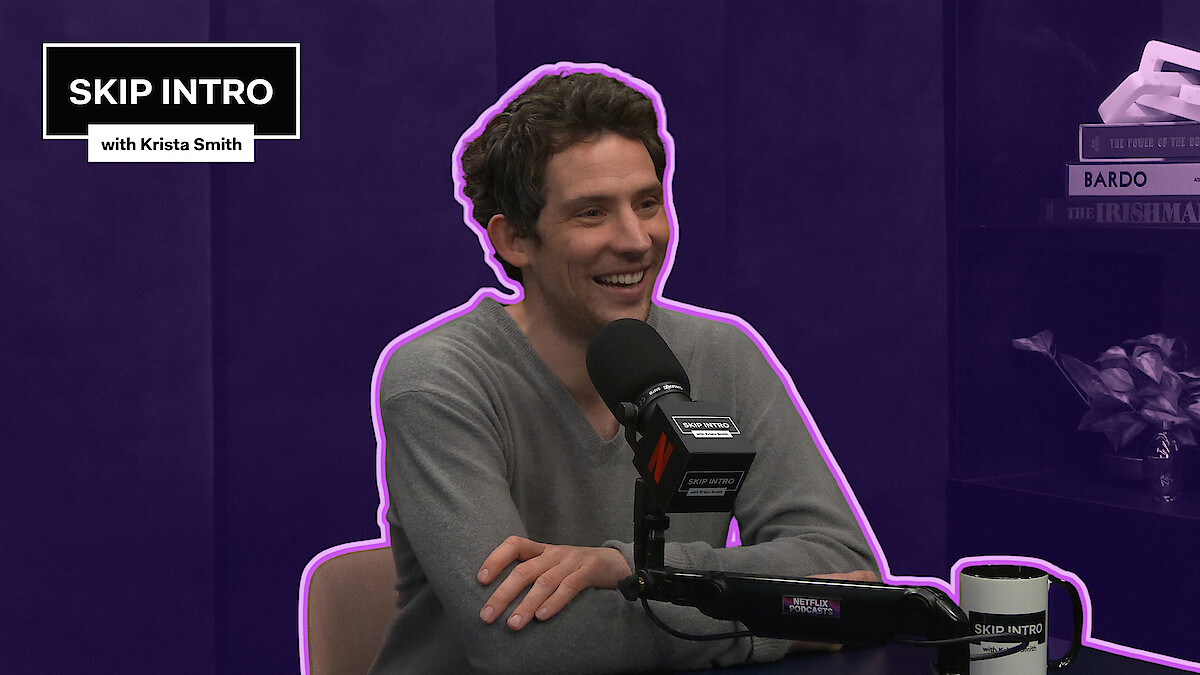
Here, O’Connor describes what it was like working with such a stacked ensemble cast and returning home to shoot Wake Up Dead Man in the UK, the epicenter of the whodunit.
An edited version of the conversation follows.
How did you first learn about the project from Rian Johnson?
Josh O’Connor: We had a phone call and talked about religion and its extremes for about 40 minutes. Rian didn’t really describe [the film] too much. Trying to describe the Knives Out movies is very difficult because they’re so complex and there are so many narratives running through [them]. That’s something that Rian’s very good at.
Once you read the script, what did you think?
O’Connor: I was completely floored. It was very funny, exciting, and unexpected. I really loved this journey that Father Jud goes on and what he represents — a loving God as opposed to a [frightening] God. That was really interesting and relevant. What made me want to do the movie was the balance between comedy and [the more serious aspect of] Rian’s writing, which is always uncovering something that we don’t often see in a comedy.
Did you have any inspiration for your character?
O’Connor: I always find inspiration for my characters in surprising places. I had really great conversations with a priest based in Colorado who was really helpful and thoughtful. But beyond that, there are all sorts of influences that I find all over.
I do have rituals, but they’re not specific to any given role necessarily, just ways of focusing my mind. On film sets, it can be a weird thing where you’re there early and you’re on your own. You don’t want to be too earnest about it, but there are [things] that I like to do that help me. They’re very private. And I won’t tell you because you’ll nick them!
What can you share about the ensemble cast?
O’Connor: It’s kind of mind-blowing. One of the things I loved about the process of coming onto this film is that when I first spoke to Rian, it was just Daniel Craig, obviously, doing it. And then, every week, I heard of someone else who’d join the cast. They’re all just sublime, terrific, brilliant actors. It’s been such a pleasure learning from these people, as most of them are people I’ve looked up to and watched onscreen for many years. To be in a room with them [and] see how they work is really exciting. That was one of the big attractions of doing it.
On tough days — if it’s hot, and you’re in a studio, and you’re tired, and you’ve had a long week — the atmosphere that Rian, producers Ram Bergman and Leo[pold] Hughes, and everyone involved in this production create is so warm and comfortable that it really gets you through those days.
On a normal set, the cast returns to their individual trailers, but on Wake Up Dead Man, you had a greenroom in which you could all congregate.
O’Connor: I previously mostly worked in theater and indie movies, where this is more common. So I kept hearing, “This film’s incredible. Everyone hangs out together in between takes!” I don’t understand why that wouldn’t happen.
What’s beautiful about it is that it has the same effect as theater. Film does inherently have these strange elements where it is quite a lonely profession at times, and it needn’t be. Sometimes it’s required, and sometimes you want your own space. It’s been really nice to do a take and then go hang out in the greenroom, which is a bit of a misleading term. It’s a tent in a studio, a very hot studio. Sometimes the AC works, sometimes it doesn’t.
Do you enjoy a good whodunit?
O’Connor: I wasn’t a huge Agatha Christie person, even though we as a nation of people love Agatha Christie and all sorts of murder mysteries. There’s a show called Father Brown, and there’s an episode out there somewhere with a young Josh O’Connor. I only had, like, a couple of lines. And there’s another one called Midsomer Murders, which plays on the weekend in the UK, and it’s [set in] this tiny village where there’s seemingly a murder a week. I did love that show.
What is it like for you to work with Rian Johnson?
O’Connor: I watched Brick when I was 16, and loved it. I found it so intense and brilliantly constructed and clever. And ever since, I’ve followed his career keenly. He’s a sensational filmmaker.
What’s surprising to me always is when a brilliant director is also a brilliant writer, because to me, they’re very different skill sets. Being a director, particularly in film, is such a visual art form, and writing seems to me to be another side of the brain. But Rian has both, and he’s very funny, very smart, deeply kind, and patient. It’s really rare what he has.