Just before midnight on July 22, 1991, 32-year-old Tracy Edwards flagged down two Milwaukee police officers. He had a pair of handcuffs dangling from one wrist and told the officers that “a freak” had attacked him. He directed police back to the place where he’d been assaulted: Jeffrey Dahmer’s apartment.
Just hours later, as Dahmer told detectives he’d killed 17 men, the Milwaukee Criminal Investigation Bureau was carefully scouring Dahmer’s apartment, cataloging evidence of those remains. What they found was shocking: human heads, hearts, a pair of hands. Dahmer had been killing and dismembering men for more than a decade.
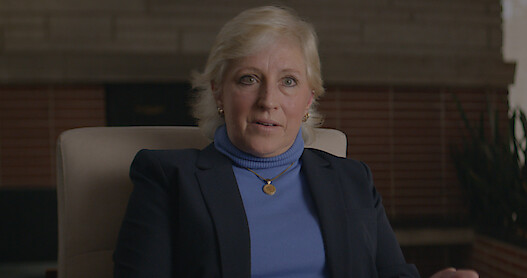
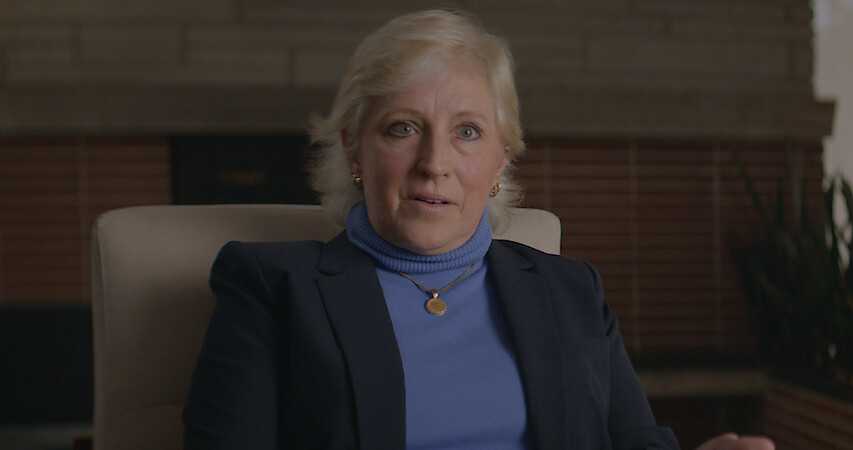
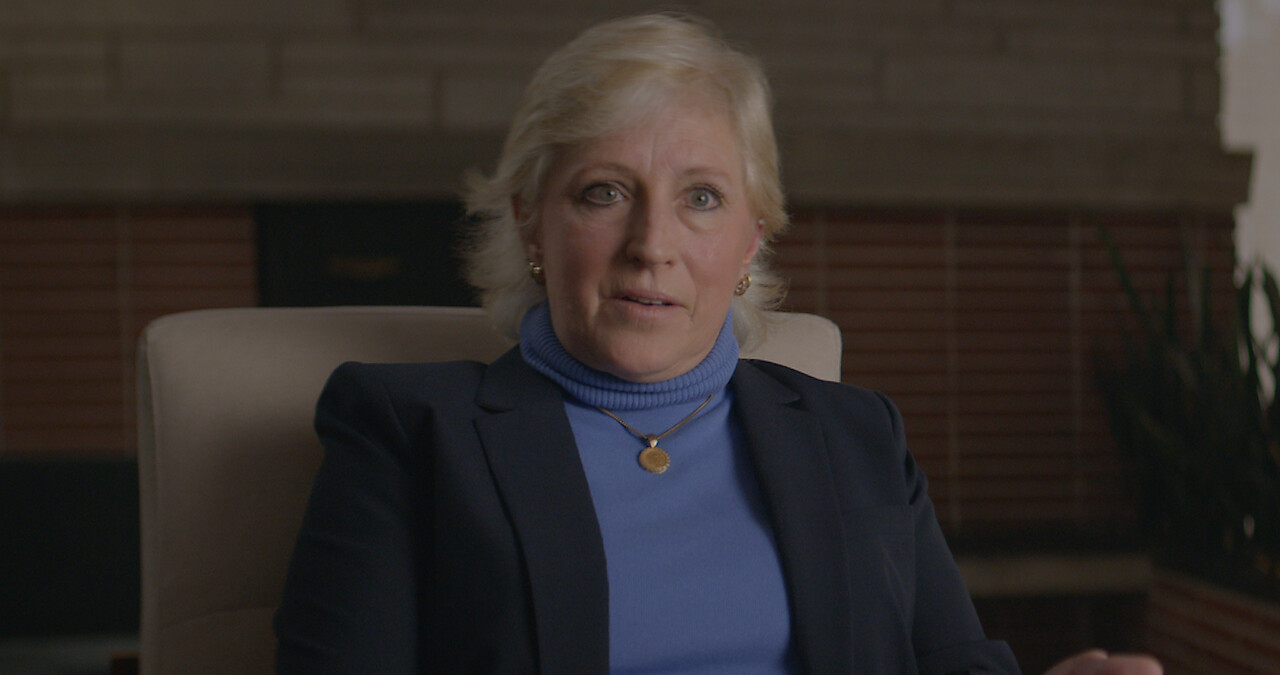
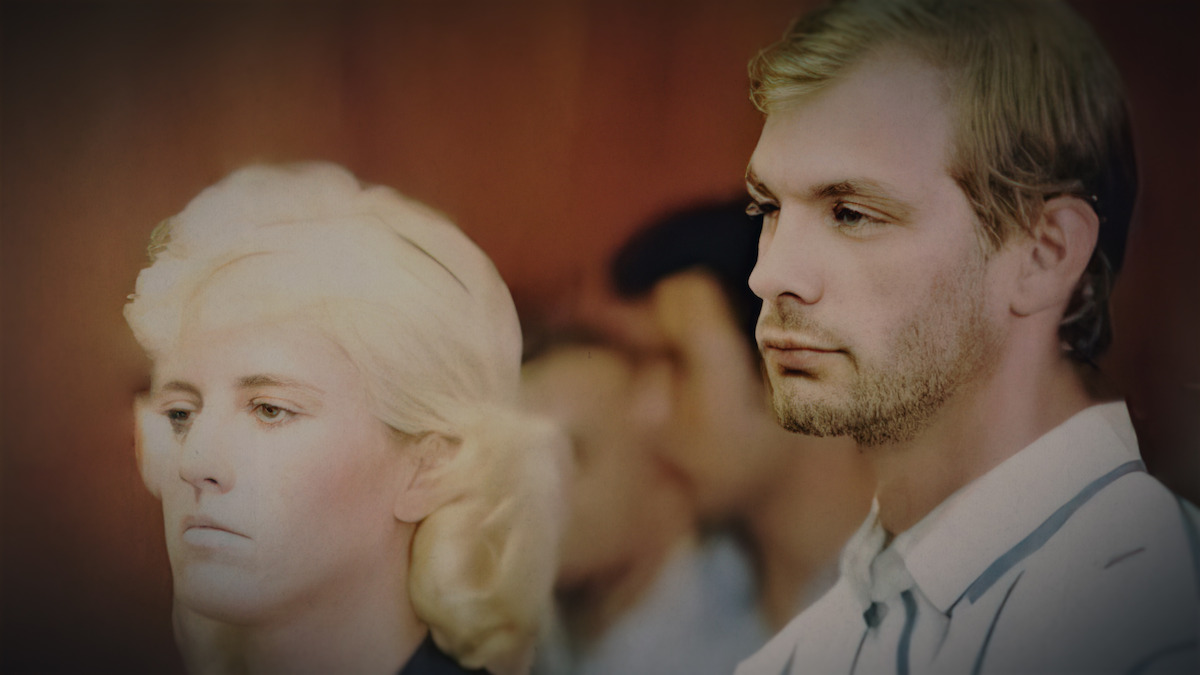
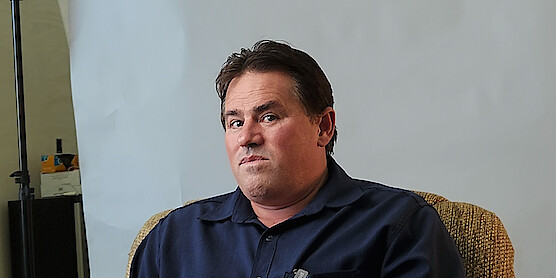
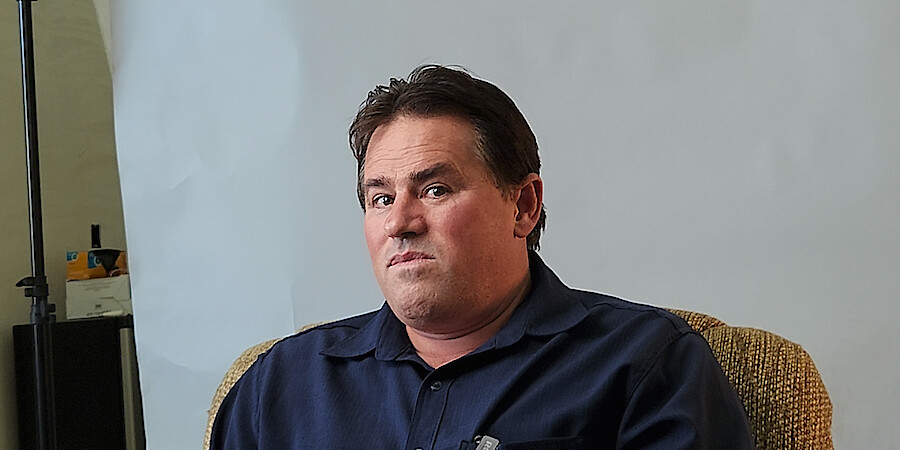
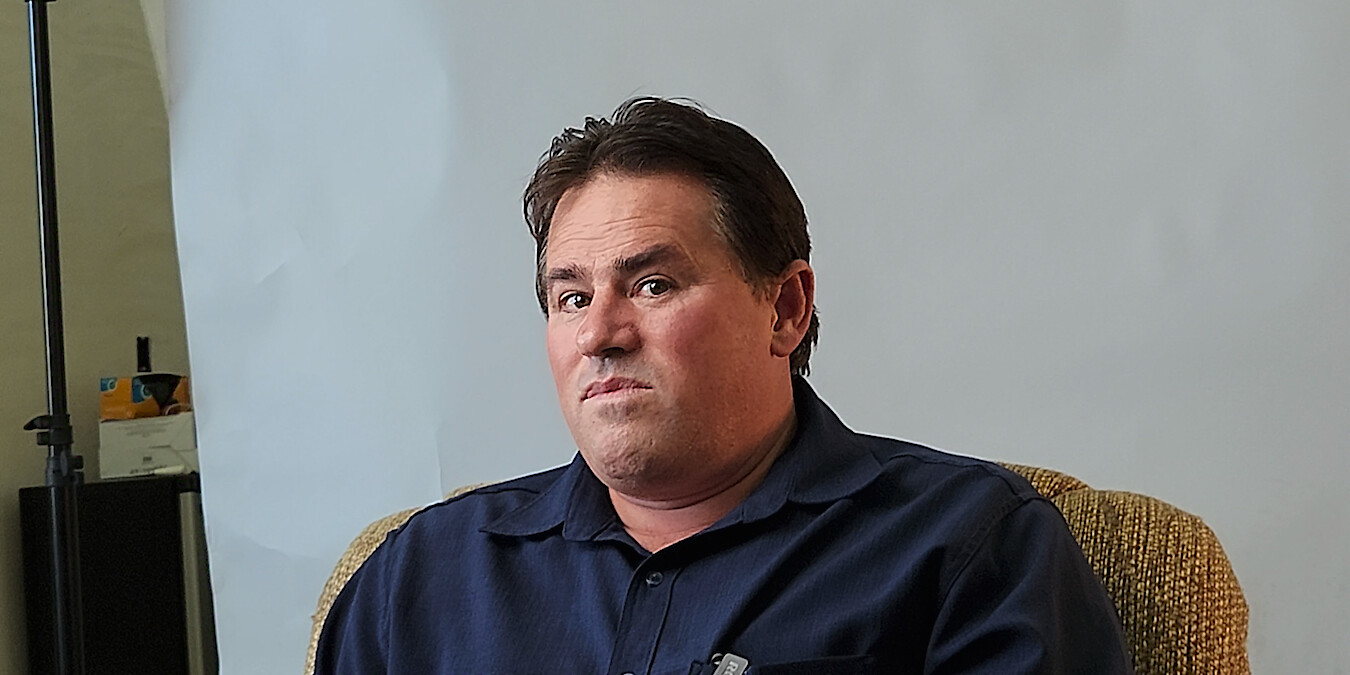
As the detectives went about their gruesome work, Wendy Patrickus, a 25-year-old associate at the law offices of defense attorney Gerald P. Boyle, was headed to the police administration building to witness Dahmer’s confession. As a member of his defense team, she’d go on to spend dozens of hours in a small room interviewing Dahmer. While he chain-smoked and drank coffee, Patrickus recorded their conversations to construct the defense’s insanity defense.
“It was my job to listen,” Patrickus tells Tudum. “It was my job to sit there and ask him some of the hard questions.”
A jury ultimately found that Dahmer was sane at the time of the murders. He was sentenced to 15 consecutive life sentences in prison and was subsequently murdered by a fellow inmate in 1994. But the tapes that Patrickus made have become an important artifact, providing an unprecedented view into a serial killer’s mind.
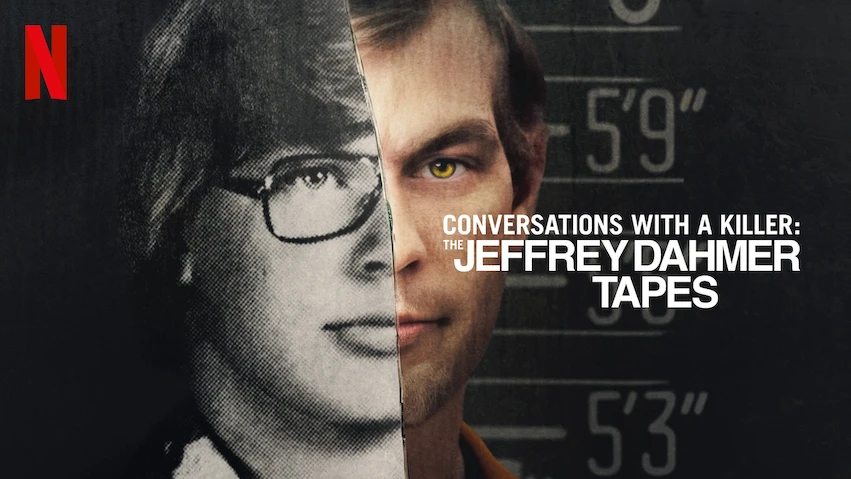
Those tapes compose the new docuseries Conversations with a Killer: The Jeffrey Dahmer Tapes. Patrickus spoke with Tudum about the case.
How did you come to be the main point of contact between Dahmer and the defense team?
I think my appointment was by virtue of my [being] in the office at the time. My boss, a senior attorney, told me that his client’s son had been arrested and was confessing to murder. He said, “You have to go over to the police administration building now.” And from that point on, I was pretty much [the] point person with Jeffrey because we needed to have somebody there during the confession.
What was it like listening to him for so many hours?
It wasn’t until after I visited the apartment and was able to learn more of the details... that it became very apparent that [the defense’s] role and job was to set forth an insanity defense. It was my job to listen. It was my job to sit there and ask him some of the hard questions, the compelling questions. I had to gain his trust — we wanted him to continue talking…. And as he would be responding, it made me feel he was looking at me like a therapist.
He would ask me, “What’s wrong with me? Why did I do this?” I’m like, “Well, that’s a question I pose to you. And when we have all these doctors come in and talk to you, hopefully at that time, maybe some of them can shed some light on why you became what you became, how this all occurred, because I understand it’s a mystery to you too.”
So, I just want to be clear that it wasn’t me feeling [like a therapist] towards him. I felt that he put me into that kind of a role. But my job was to almost act like a doctor because I had to sit and listen to him and try and get into his mind. We wanted to know what made him tick. And as the details came out, it became more and more apparent that he certainly was an insane individual.
Now, initially it wasn’t like that. Initially, I was horrified and obviously sickened... But the role we had [was] trying to prove that he was insane. You can’t always push somebody. You need to sit back and listen to them as well.
What was it like for you in your personal life when the trial started? What did your friends and family think?
Well, having just gotten out of school... and getting my bar license... I think one of [my friends] said to me, “Well, you peaked a little early.” Because what do you do for an encore after a worldwide case such as Jeffrey Dahmer’s? It [was] the biggest case in the world at that time.
Some friends didn’t understand what my role was. I had some friends shun me. They couldn’t believe that I would actually even want to be that close to him. And I tried to explain to them, “You have to understand this is my job.” This was my profession, my chosen career. And so if I’m hired to do this job, I took an oath, and I’m going to do the best job that I can. And in this instance, it was to prove that he was insane.
The insanity defense ultimately failed. How did you feel about that?
It’s too bad. Because had he been found insane, he would’ve been under the control of people who were trained, specifically psychologists and psychiatrists, to get into his mind. Because until we understand more... there’s no way that we can determine how to try and prevent it.
I think that there’s still things today that can be learned from [these interviews] and help doctors in carving out new sections of the DSM (Diagnostic and Statistical Manual of Mental Disorders). I’m hoping that there is, just in contextualizing it, that something can be learned and some good come out of it.
Where has this experience left you as a person and a lawyer?
As a lawyer, you don’t know what’s going to be coming from day to day, and you have to be on top of it. You have to be ready. You don’t know what’s going to happen and what’s going to be thrown at you, what kind of crimes you’re going to be facing and what kind of individual. And it all makes a difference in how you defend them. At that time, if [I] got three hours of sleep at night, it was a lot because there was so much to do and so much to prepare.
Going back and looking at all of this and reflecting... I would like to [do more work] dealing with the insanity plea and mental health issues in the justice system. I think there’s a lot that people can learn, especially lawyers and the ways that they handle cases and how they deal with things.
This whole thing had a very dramatic impact on me as far as how I deal with clients and get into different strategies to do everything that I can within the legal system, and the oath that I took to protect those clients and defend them to the best of my ability.
This interview has been edited for length and clarity.