News
Alex Honnold Completes Historic Live Climb of Taipei 101
The legendary climber completed a ropeless, real-time ascent, live on Netflix.
Jan. 25, 2026
Editor’s Note: Skyscraper Live was originally scheduled to air on January 23. Due to weather conditions, the live event was postponed and successfully streamed on Saturday, January 24 at 8 PM ET / 5 PM PT.
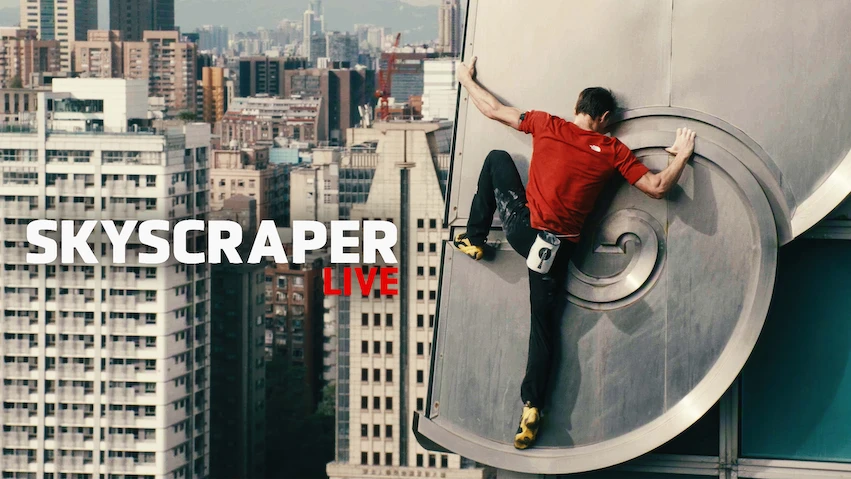
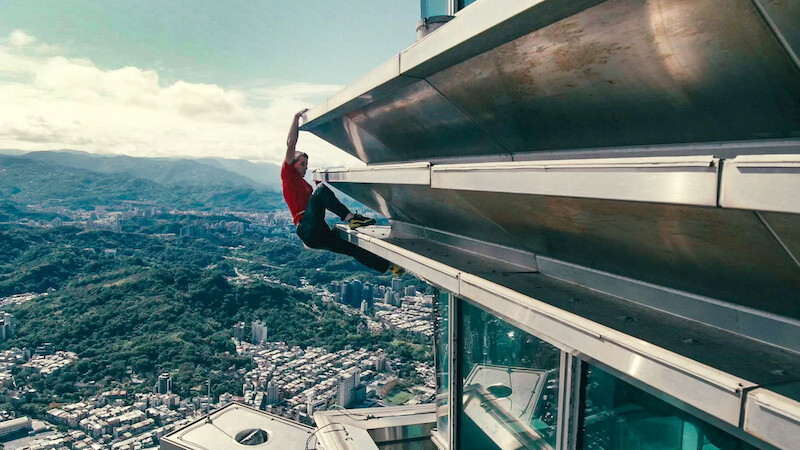
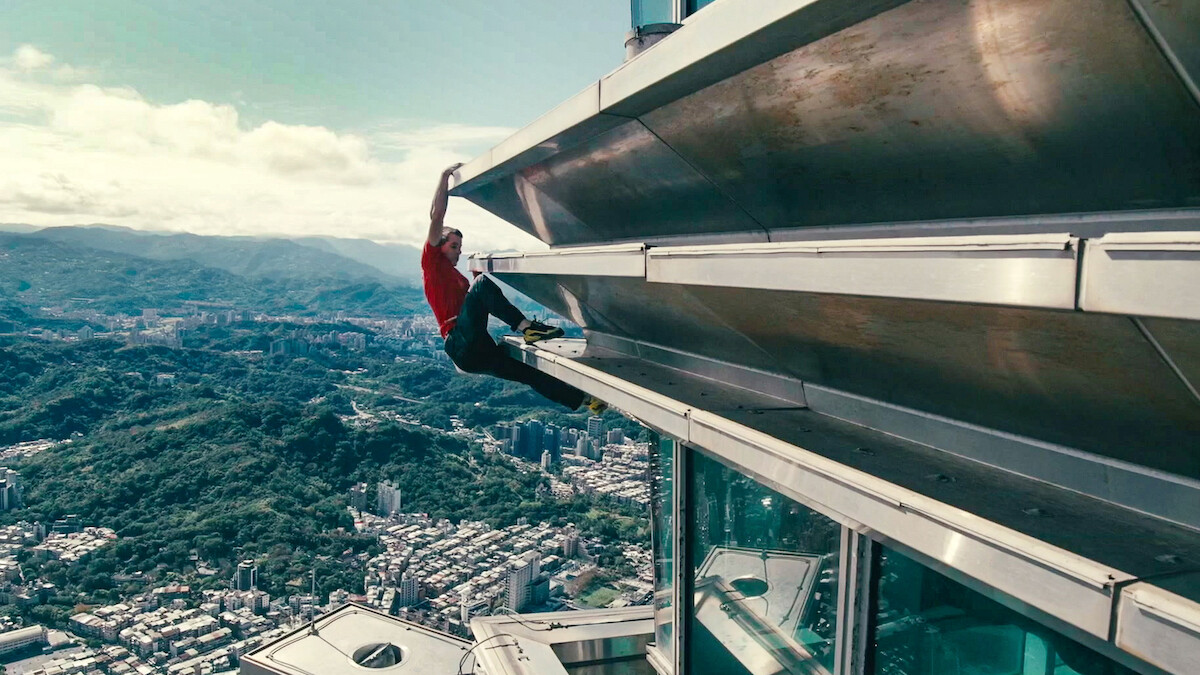
Alex Honnold has completed one of the most audacious free solos ever attempted: a ropeless, real-time climb of Taipei 101, one of the tallest skyscrapers in the world.
Streaming live on Netflix, Skyscraper Live captured every moment of Honnold’s ascent as it unfolded — without ropes, without a safety net, and without second takes. Viewers around the world watched as the legendary climber navigated the building’s unique architectural challenges, turning an urban landmark into a vertical test of precision, endurance, and focus.
For Honnold, the surreal part wasn’t simply that it happened — it was how different it felt to actually do the thing he’d spent years imagining. “It’s incredible,” he said after the climb. “You spend so long thinking about it and imagining that it’s possible, but then to actually do it always feels different.”
Below, revisit key moments from Skyscraper Live, explore how the event came together, and hear Honnold’s reflections after the climb.
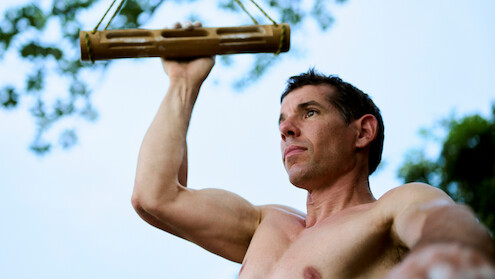
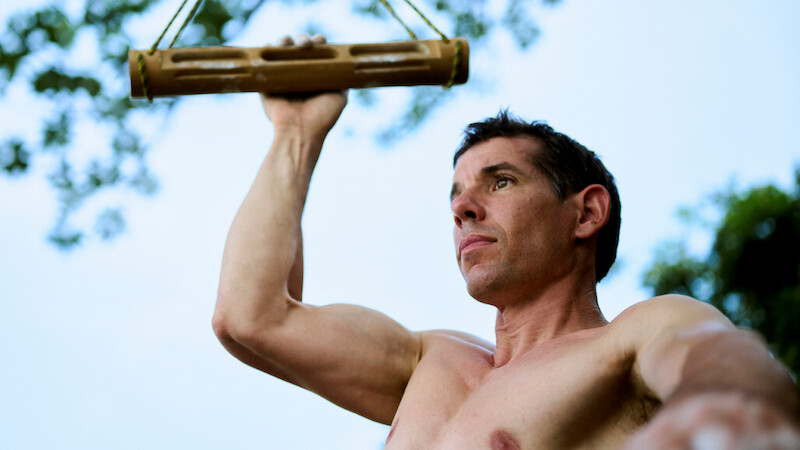
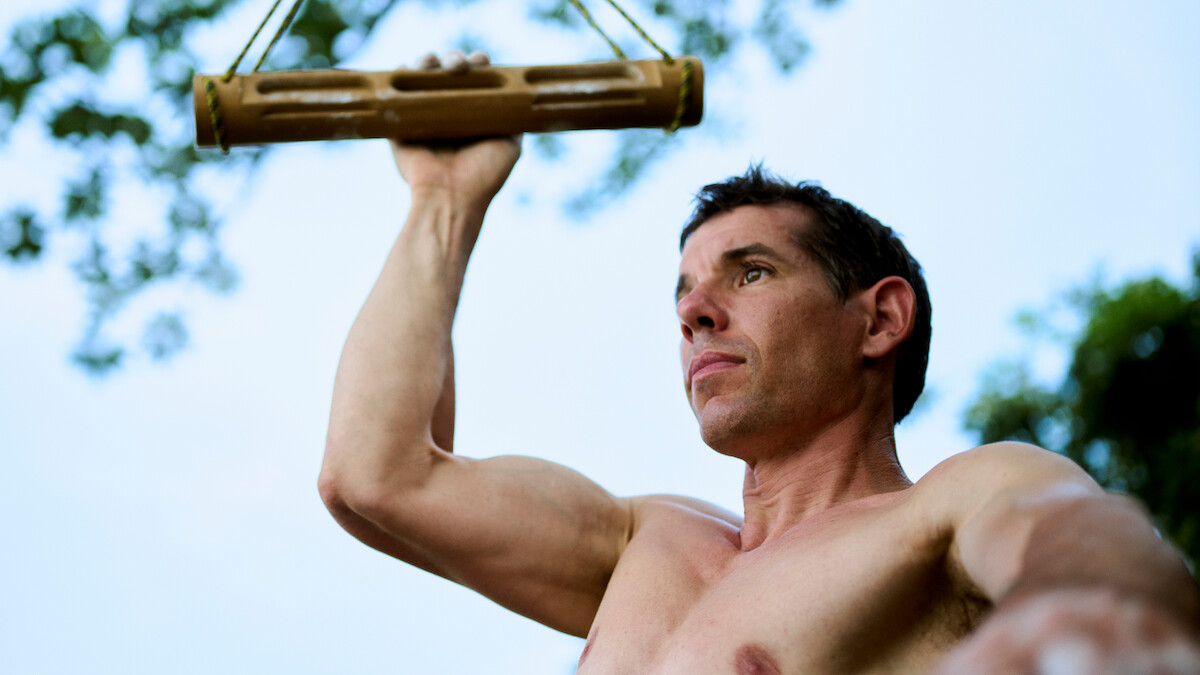
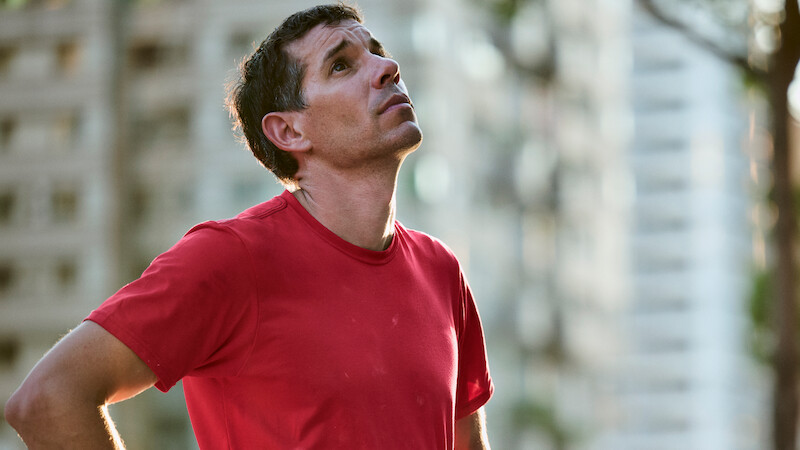
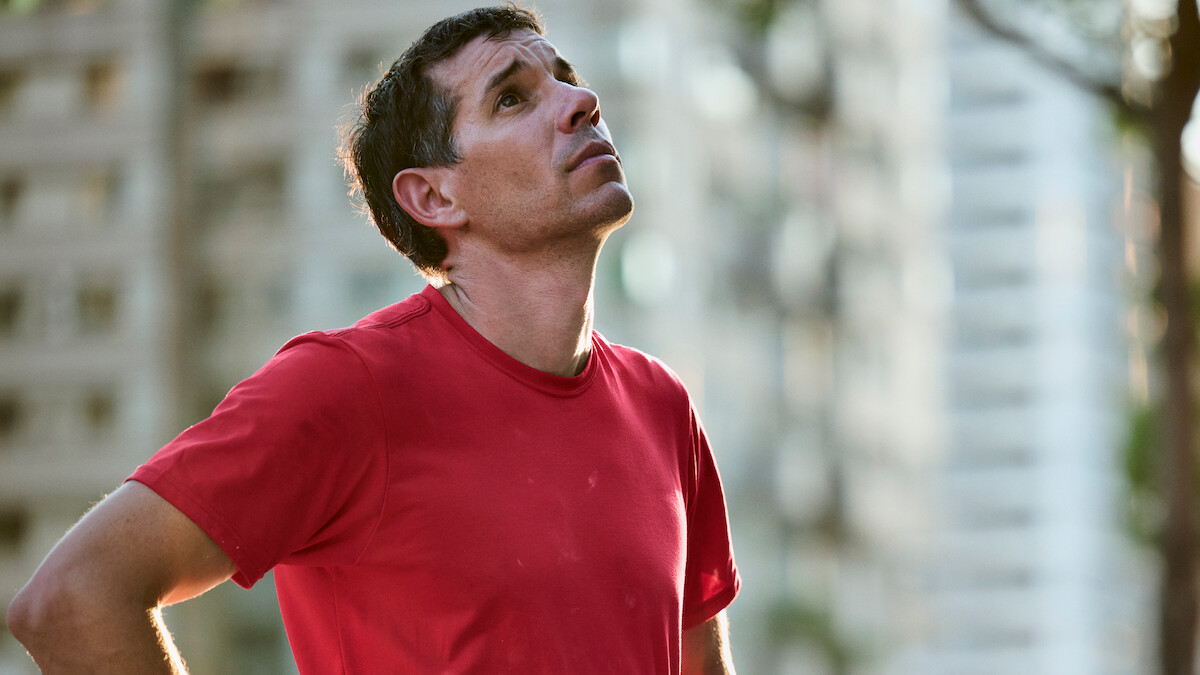
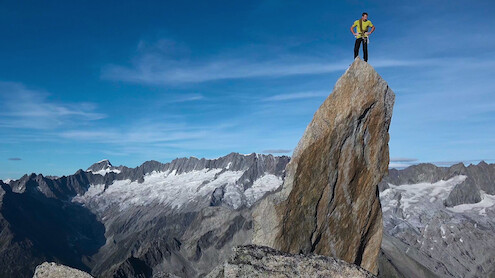
For most people, climbing a 101-story skyscraper without ropes would be a formative moment — the kind of experience that splits life into a before and an after. For Honnold, the goal was almost the opposite.
“I don’t want them to feel like some insane event,” he said of his climbs. “I want them to feel like a relatively normal day.”
Before the climb even began, Honnold admitted the most surreal part wasn’t the height; it was the setting.
“The biggest difference between climbing something in the city and [climbing] something in the middle of nowhere in nature,” he explained, “is that I feel slightly more self-conscious getting off the ground.”
In a place defined by vertical life, surrounded by commuters and traffic, the approach itself felt strange. “There is something surreal about waiting for the light to change and crossing a crosswalk before jumping up to climb,” he said.
Once he was on the wall, though, the outside world faded. “Once I’m climbing, the experience feels basically the same,” Honnold said. “I’m just climbing.”
In the final weeks before the ascent, Honnold said the biggest challenge was psychological restraint.
“The hardest part of the last two weeks before the climb is sticking with the program,” he said. After months of disciplined training, the temptation was to sprint toward the finish line. “It’s easy to let the systems go a little bit as you get closer to the end.” But that steadiness, he believed, was what would carry him through hundreds of feet of repetitive movement.
Because the climb involves long stretches of repeated motion, some might assume boredom or mental drift would be the risk. Honnold says this isn’t the case.
“You never have to worry about getting bored while you’re free soloing a giant skyscraper,” he said. “Just the nature of what you’re doing forces your mind to stay sharp and present.”
The real challenge, he explained, is resisting the internal math — constantly calculating how many floors remain. “There’s one more hard move, and then I have 99 more of the same move to go,” he said. “I better not get tired.”
Instead, Honnold aimed for something closer to meditation. “I want to embrace the meditative side of it,” he said. “Not do any math. Not think of the number of floors to go. Just focus one move at a time, the whole way up.”
Despite being broadcast globally, Honnold expected the climb itself to feel surprisingly intimate.
“There are camera people who are filming, they’re all friends of mine,” he said. “So it feels exactly the same as if we were making a documentary or any other film project.”
For him, the presence of an audience didn’t fundamentally change the experience. “[It’s] basically just me hanging on the wall with my friends nearby,” he said. “I can’t tell that it’s being broadcast live — so the climbing experience is the same for me, either way.”
That said, the live setting did add one meaningful variable: the intensity of the start. “The biggest challenge was staying calm,” Honnold said. “Having the crowd, having the whole experience, having all the people around it just makes it feel a little more intense.” He felt it most in the first moments off the ground. “Starting felt a little more nervous getting off the ground,” he said. “And then as I climbed, I relaxed more and more. It’s like, ‘Oh, this is so fun.’ I mean, this is why I do it. It was incredible.”
When Honnold stepped off the top of Taipei 101, the city below him kept moving. Traffic flowed. People crossed streets. And for the climber himself, the first thought wasn’t triumph — it was awe. “What a view! It’s incredible!” he said. “What a beautiful day! It was very windy, so I was like, ‘Don’t fall off the spire.’” After a week of gray skies and rain, the timing, he noted, couldn’t have been better: “There couldn’t be a better time to be on the top of the spire appreciating the position.”
Before the ascent, Honnold predicted there wouldn’t be much of a comedown — and he didn’t expect the moment to reshape his sense of self.
“I think there is probably less of a comedown than people might expect,” he said. “I’ll do this big solo, I’ll have a nice day with my friends and family while celebrating, and then I’ll go home and keep doing what I’m doing.”
For Honnold, the key is continuity. “It helps for me to have a goal lined up in the future,” he explained. “Things for me to keep working on.” As he put it in the post-climb panel, the motivation isn’t the one day — it’s everything that leads up to it. “I love having a reason to get up and train,” he said. “I love working on something. It’s like the pleasure of striving, basically.”
Ahead of the live event, Honnold sat down with Tudum to talk about why he said yes to climbing a skyscraper, what it took to prepare for a live ascent at this scale, and how his mindset shifts when there’s no margin for error.
“I’m sure viewers will probably be on edge watching this,” Honnold says. “I assume that most people will be sort of uncomfortable watching the whole thing. But I hope that viewers get a little bit of my joy from the experience — that they can appreciate the fun of it and the beauty of it, the scenery, just the whole experience. It’s not just extreme sports — it’s more.”
If you want a deeper look at the thinking and preparation behind Skyscraper Live, read Tudum’s in-depth Alex Honnold Q&A before the climb.