Book Report
‘The Gray Man’ Leaps from Page to Bus to Screen
But did he lose anything along the way?
July 25, 2022
Stream The Gray Man now on Netflix
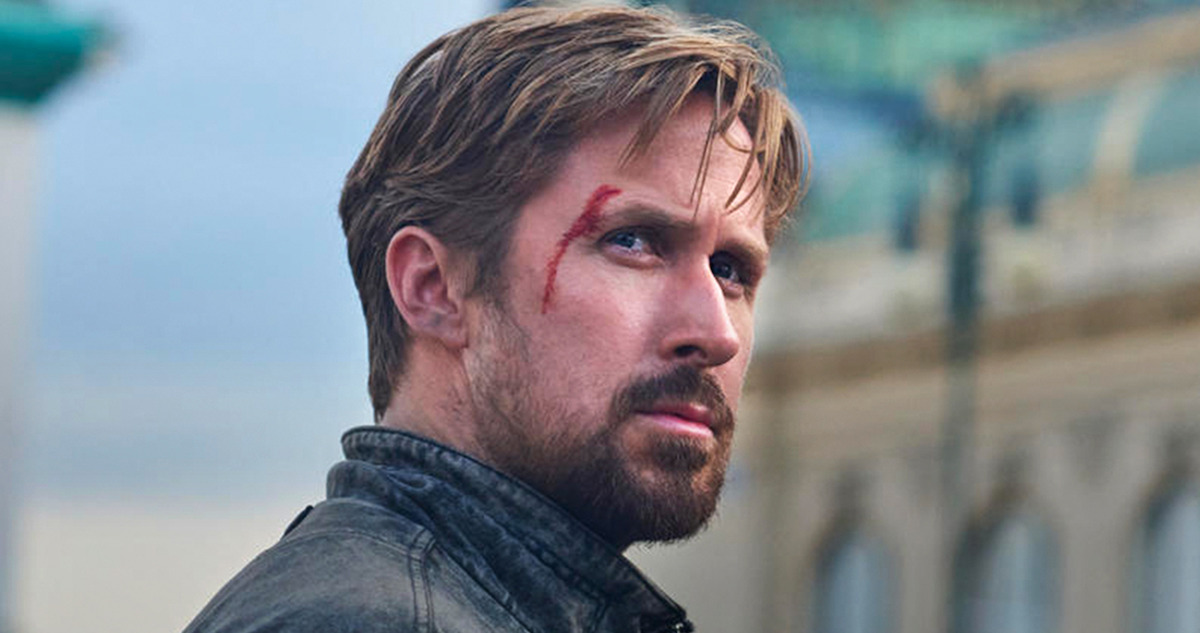
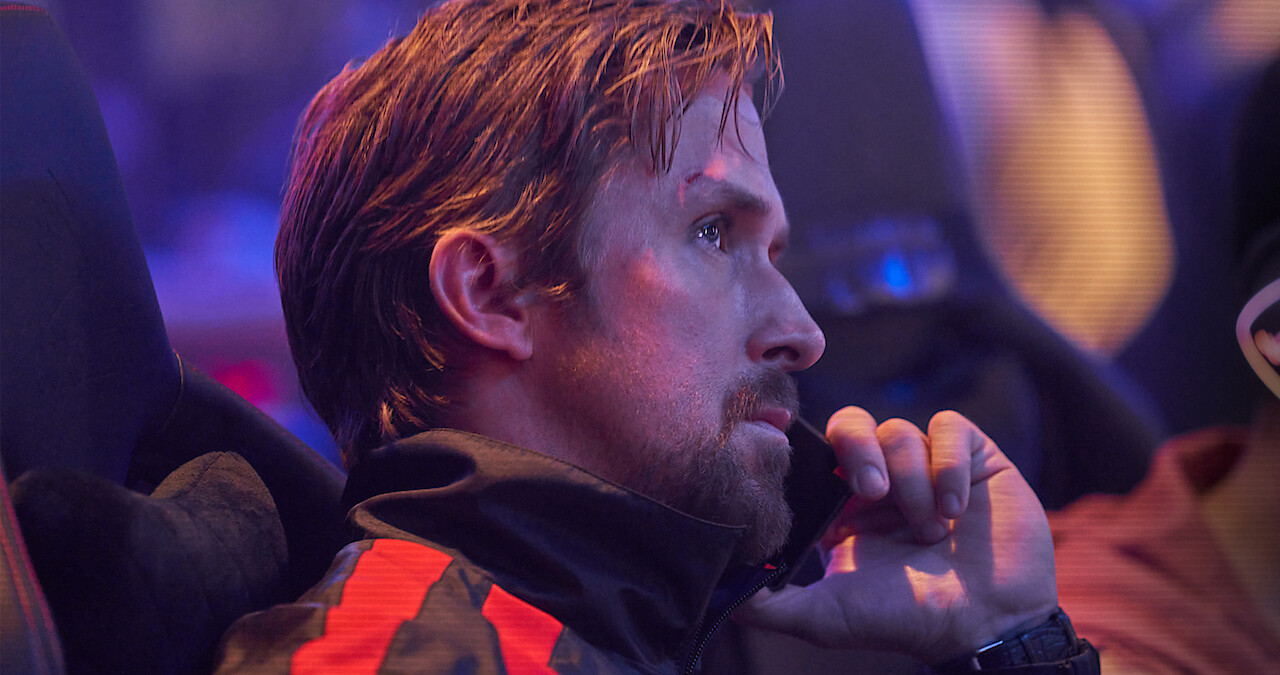
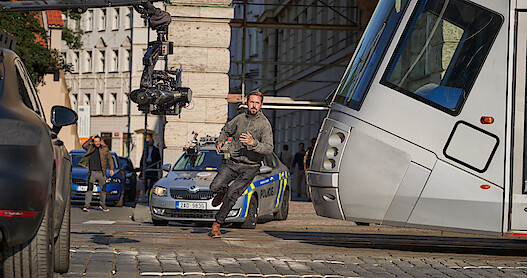
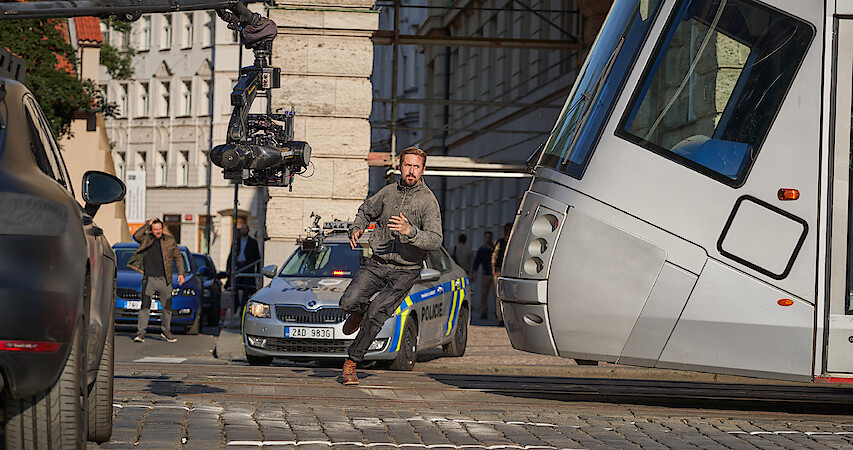
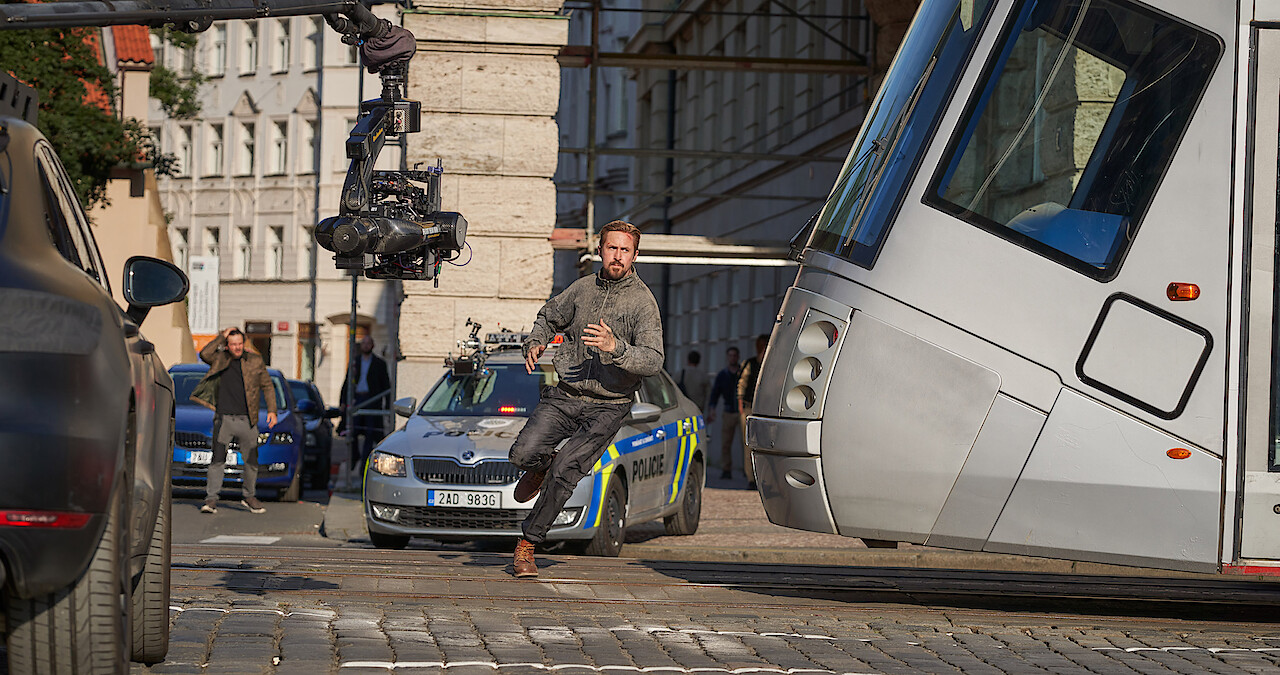
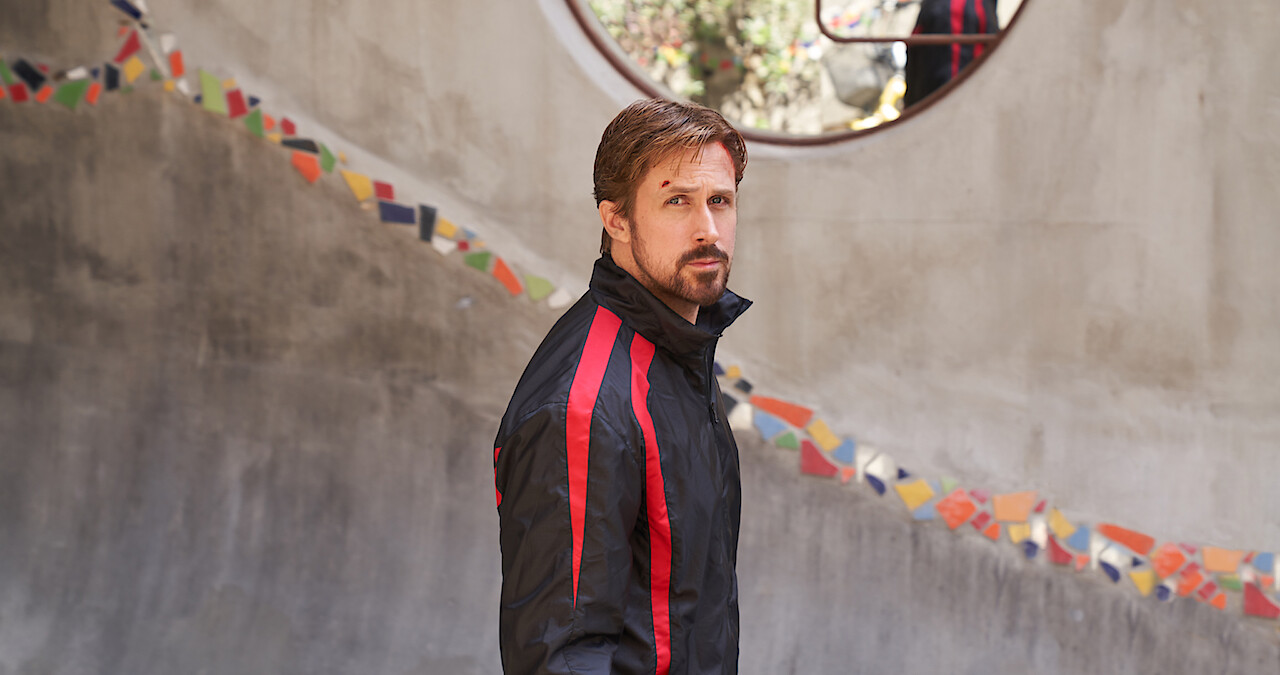
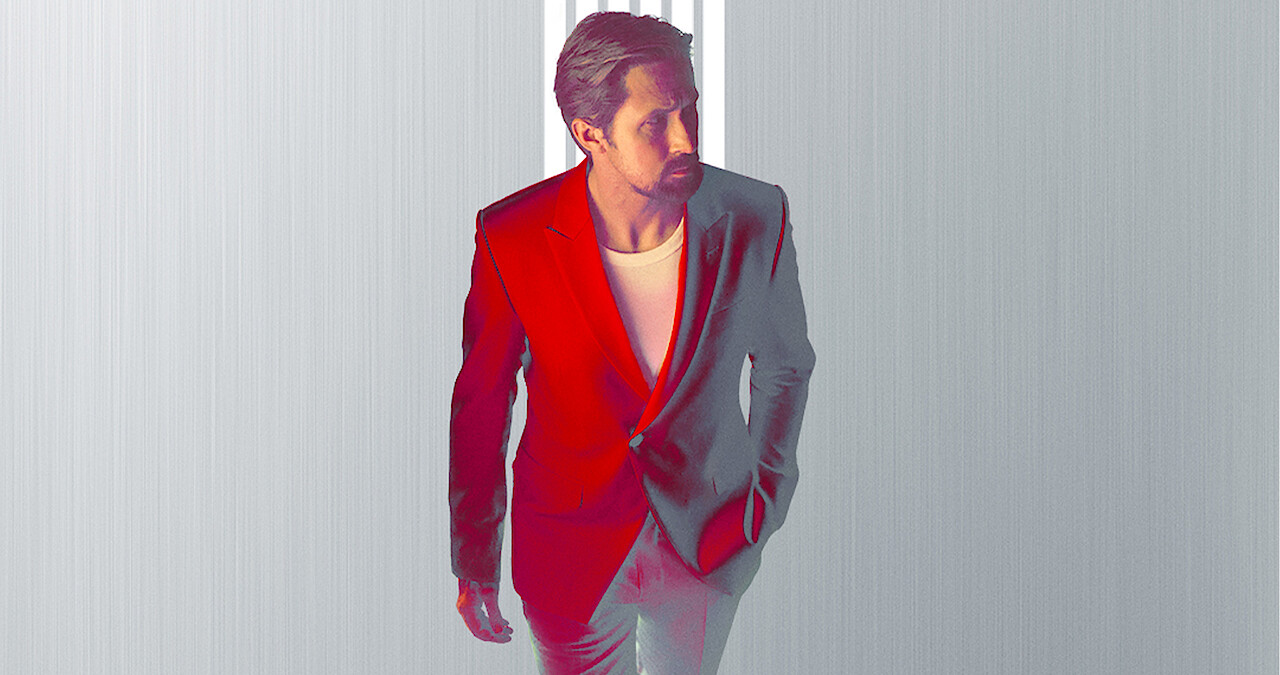
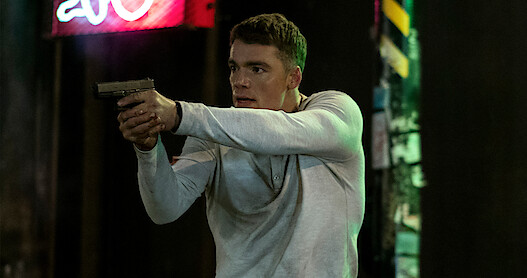
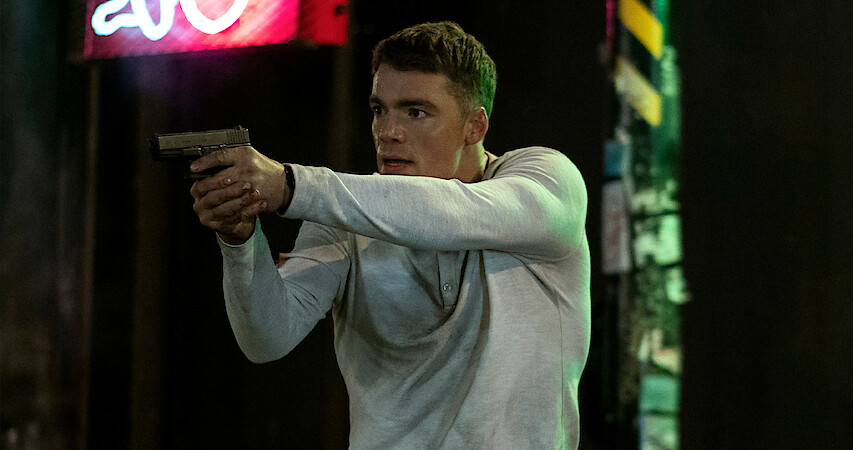
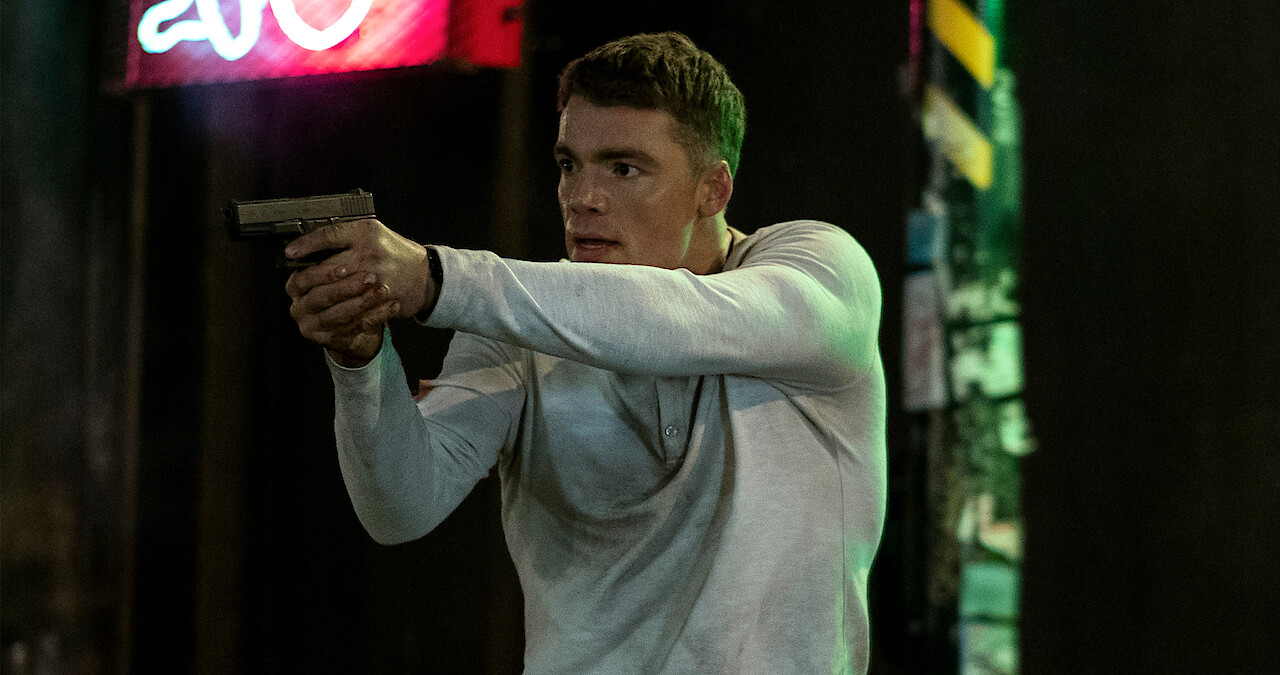
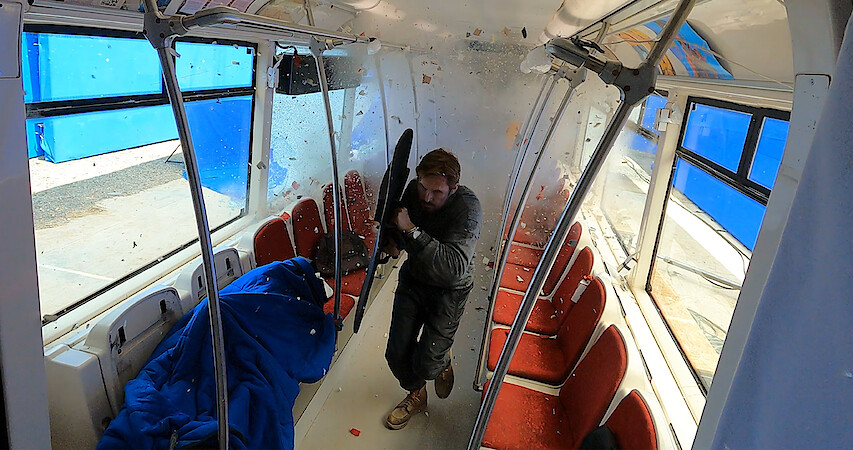
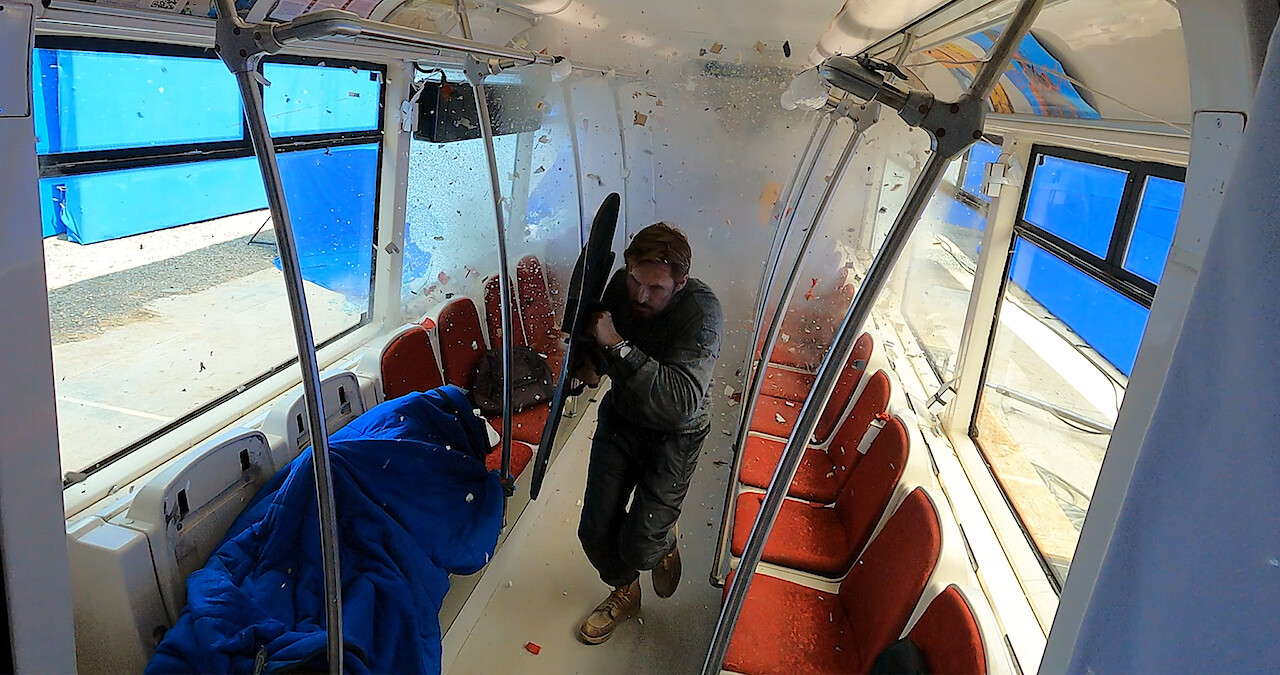
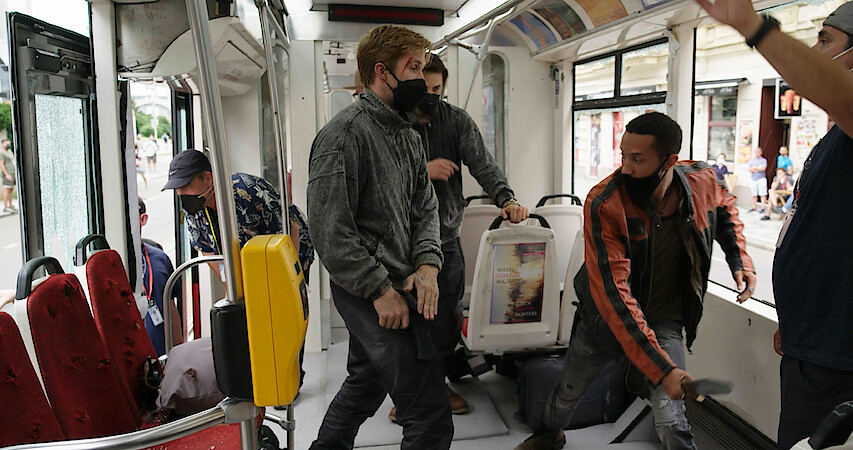
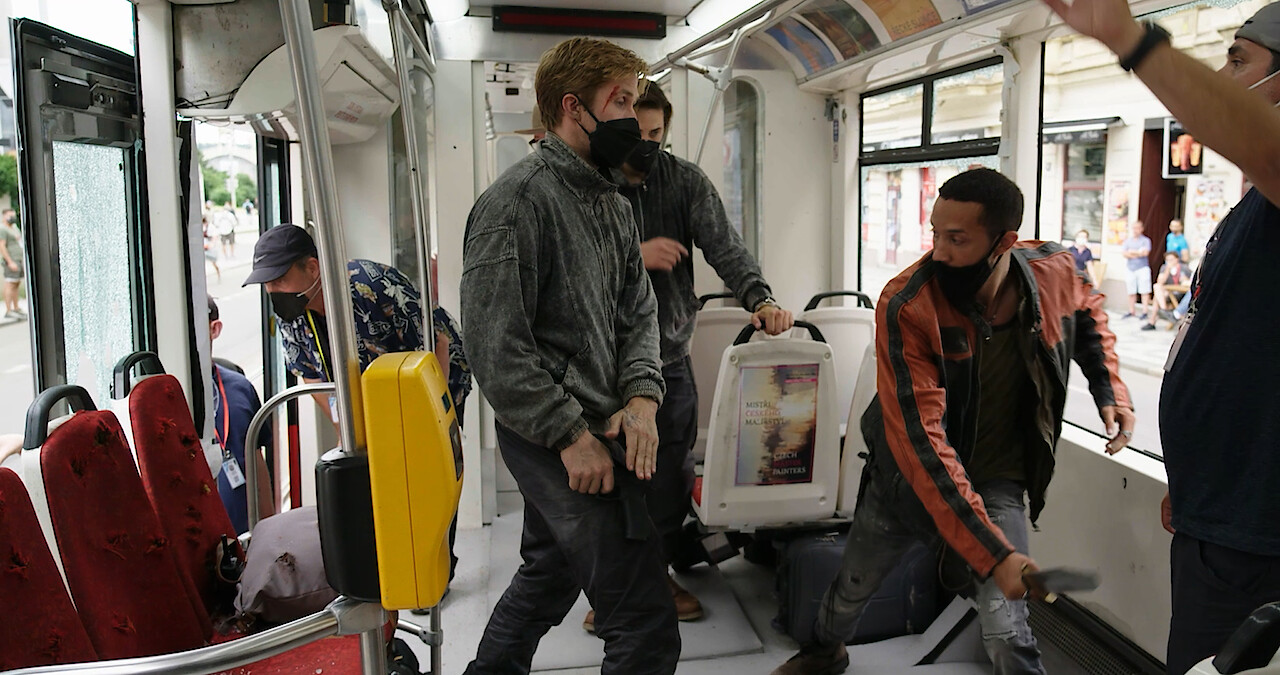
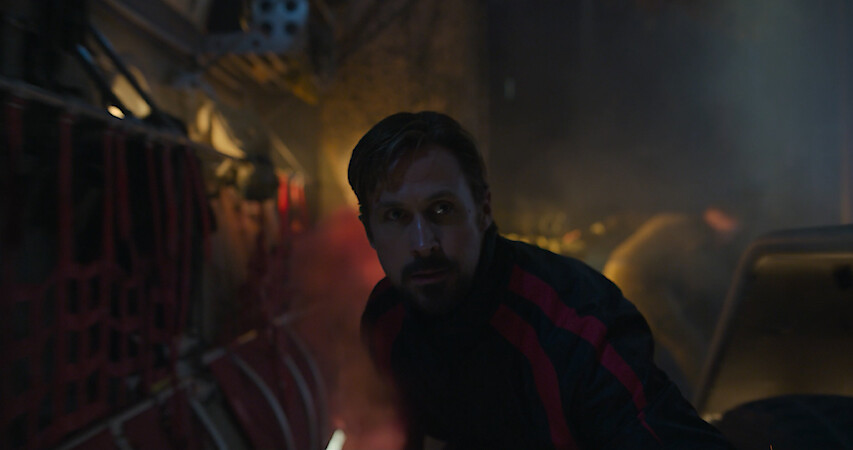
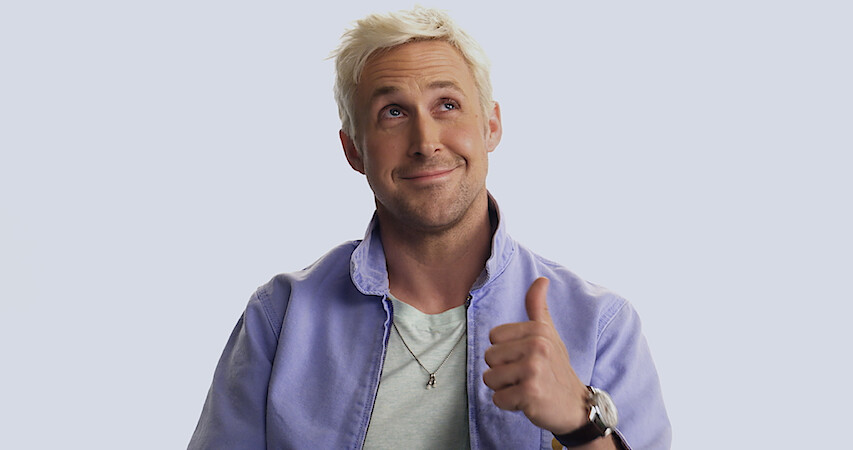
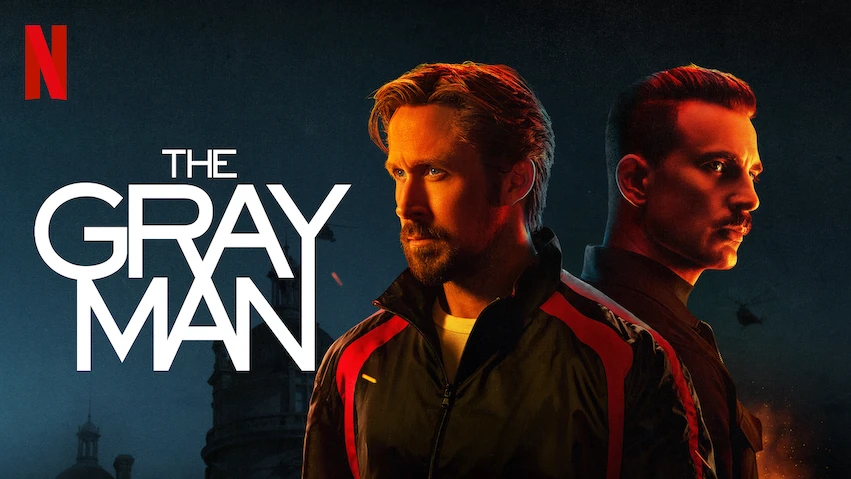
Ryan Gosling’s Gray Man is about to pull off his greatest stunt yet. No, not a leap from a careening Prague streetcar or a midair fistfight over a solitary parachute. This summer, Court Gentry (aka Sierra Six, aka the Gray Man) is making the biggest jump of all — from page to screen. With Gosling in the title role, the 2009 Mark Greaney novel is coming to life in a big way. But as with any adaptation, there are a few things that have been left in the literary world, and a few others that were wholly invented for the screen.
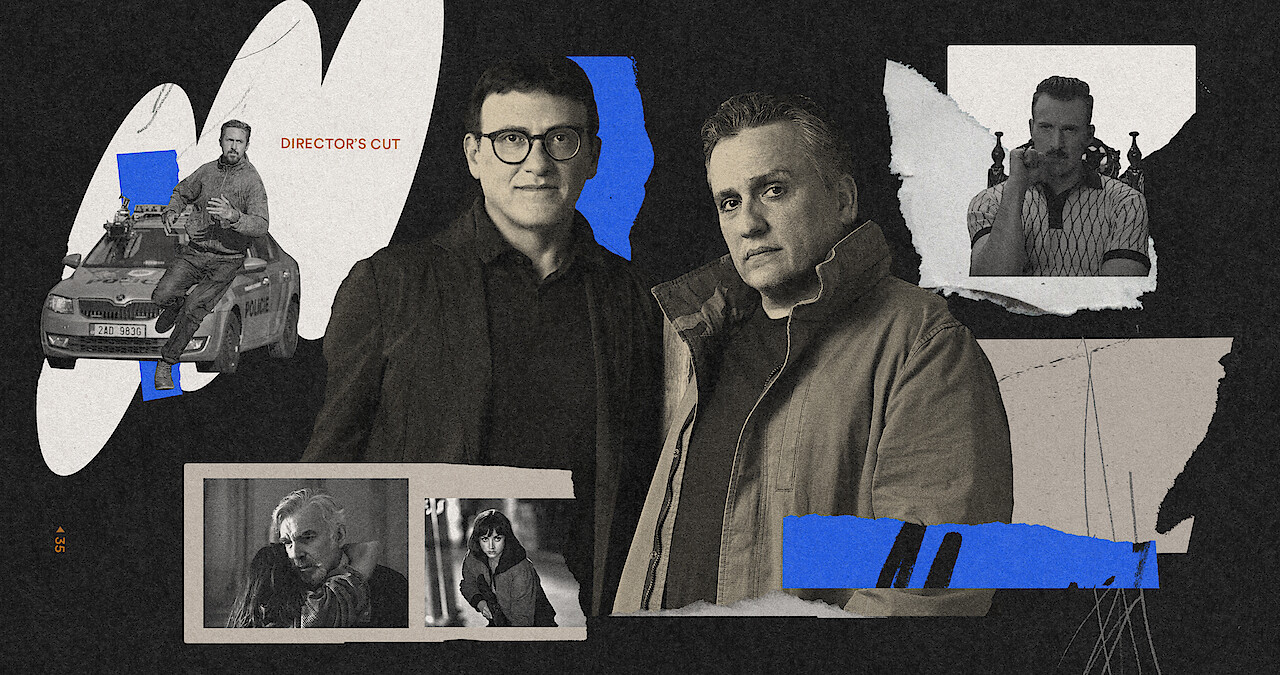
“It's hard to take a novel and convert it to a film in its entirety,” co-director and co-writer Joe Russo told Tudum. “They’re very different mediums, and usually, you need a little less story on film than you do in a book. So when I sat down to adapt it originally, I had to look at how it should function as a film, as a visual story. And it forced me to make some choices and add a few new characters here and there to help move the story along.” But fear not: We’ve got the full lowdown on all of the changes — and embellishments — that the Russo Brothers’ new film makes. A detailed report on Operation Adapt Gray Man is dead ahead. So watch out for stray shrapnel and a few spoilers for both the book and the film.
In Greaney’s novel, Court is sent on the run because of an assassination that occurs just before the book’s narrative begins. After killing Nigerian President Julius Abubaker’s brother, Court finds himself in the sights of a sinister and influential French company, LaurentGroup. As it turns out, Abubaker is holding a valuable natural gas contract hostage from LaurentGroup and threatening to pull out unless it delivers the head of his brother’s assassin. These types of Tom Clancy-esque plot machinations are at home in the novel, but on screen the Russos choose to forgo these complications and hit the ground running. Court finds himself persona non grata almost immediately in the film, after picking up some encrypted data he shouldn’t have.
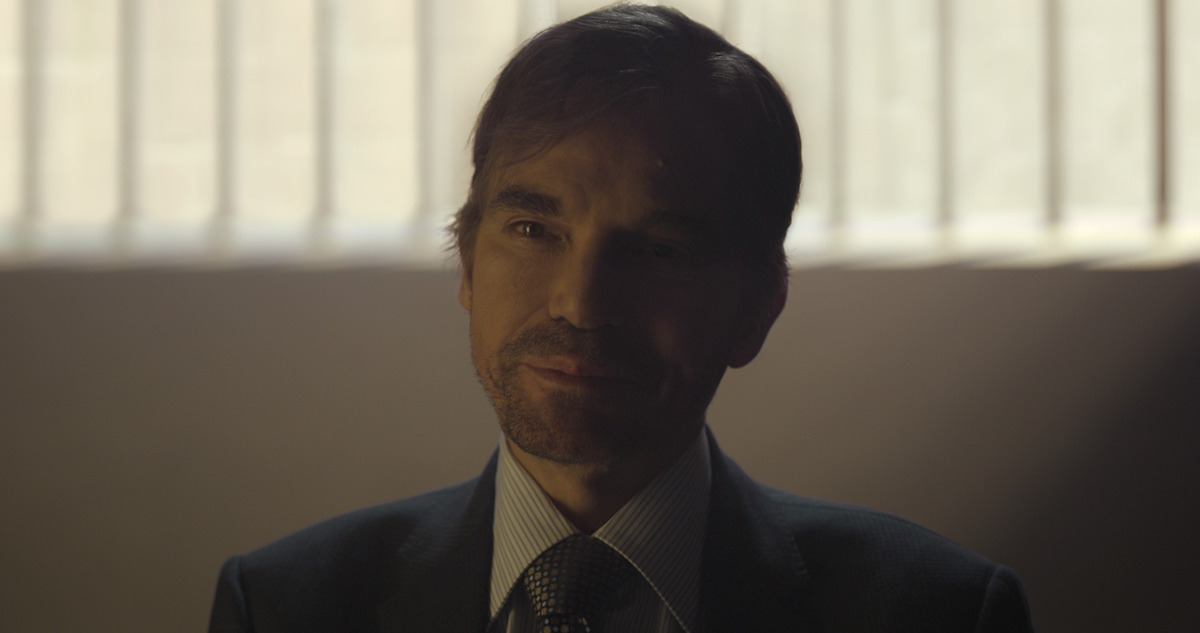
The movie version of The Gray Man chooses to zero in on a section of the novel that exists mostly as backstory — Court’s time with Sierra Squad, an off-the-books kill team made up of some of the most feared assassins in the world. The novel picks up with Court years after he’s already been kicked out of the group and targeted; later books in Greaney’s series fill in the gaps of Court’s backstory. In the first Gray Man book, Court is working for Cheltenham Security Services, an English security firm run by Donald Fitzroy (played in the film by Billy Bob Thornton). The CIA plays a minor role in the novel’s proceedings; at one point, as in the film, a treacherous passport forger turns Court over to the American government, prompting a firefight. But for the most part, the book tells the story of LaurentGroup vs. Cheltenham. The film is more like Court versus the world.
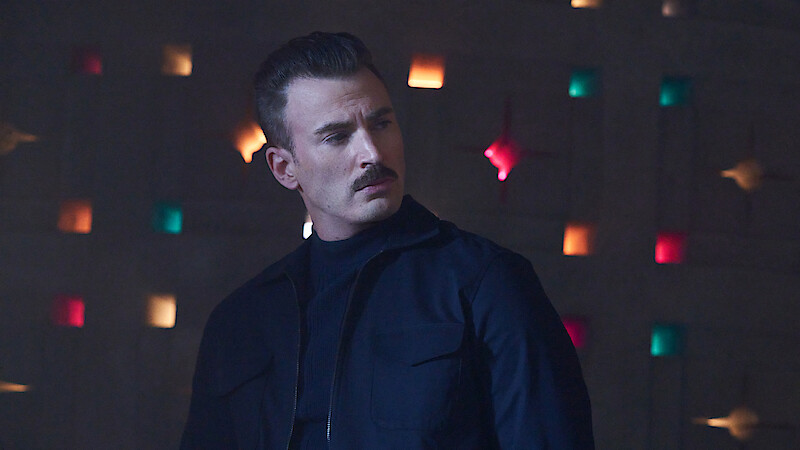
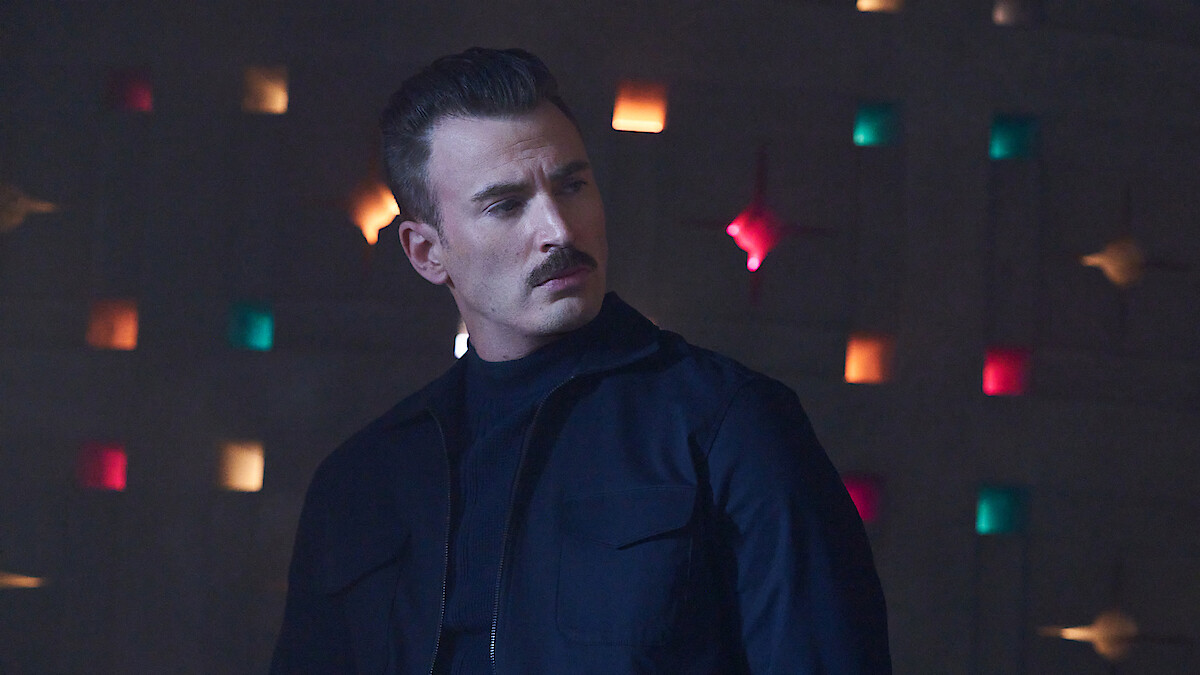
Just kidding. The villain of The Gray Man remains mostly intact in the journey from book to movie, but there are a few distinct differences between Chris Evans’ portrayal of the character and the one on the page. The Lloyd we meet in Greaney’s novel is an American attorney, ex-CIA, now working for LaurentGroup. He also knows Court from a distance. (Court has no memory of ever meeting Lloyd, which is a big sticking point for the young man.) Both the novel and film iterations of Lloyd are reckless, sociopathic agents of chaos. But unlike Evans in the film, the literary Lloyd isn’t much of a physical threat, and he’s certainly no military man. That role is filled by Kurt Riegel, a German operative who’s absent from the Russos’ Gray Man. Oh, and one more thing: despite a thorough parsing of the novel, this Lloyd doesn’t seem to have a mustache.
Greaney’s book hopscotches across Europe just as much as the Russos’ film, but the two versions touch down in different destinations. The film speeds through the Czech Republic and France, whereas the novel finds time for Switzerland and Iraq as well. And while a few of the film’s massive action sequences are ripped directly from the book (namely, the airplane showdown and climactic chateau shootout), there are a few more that were dropped altogether. The film’s centerpiece, a blowout in Prague, is nowhere to be found in the book. Instead, Court faces down hired killers in a Paris alleyway and, in one Bond-esque thrill ride, escapes down a Swiss mountainside on a snowmobile.
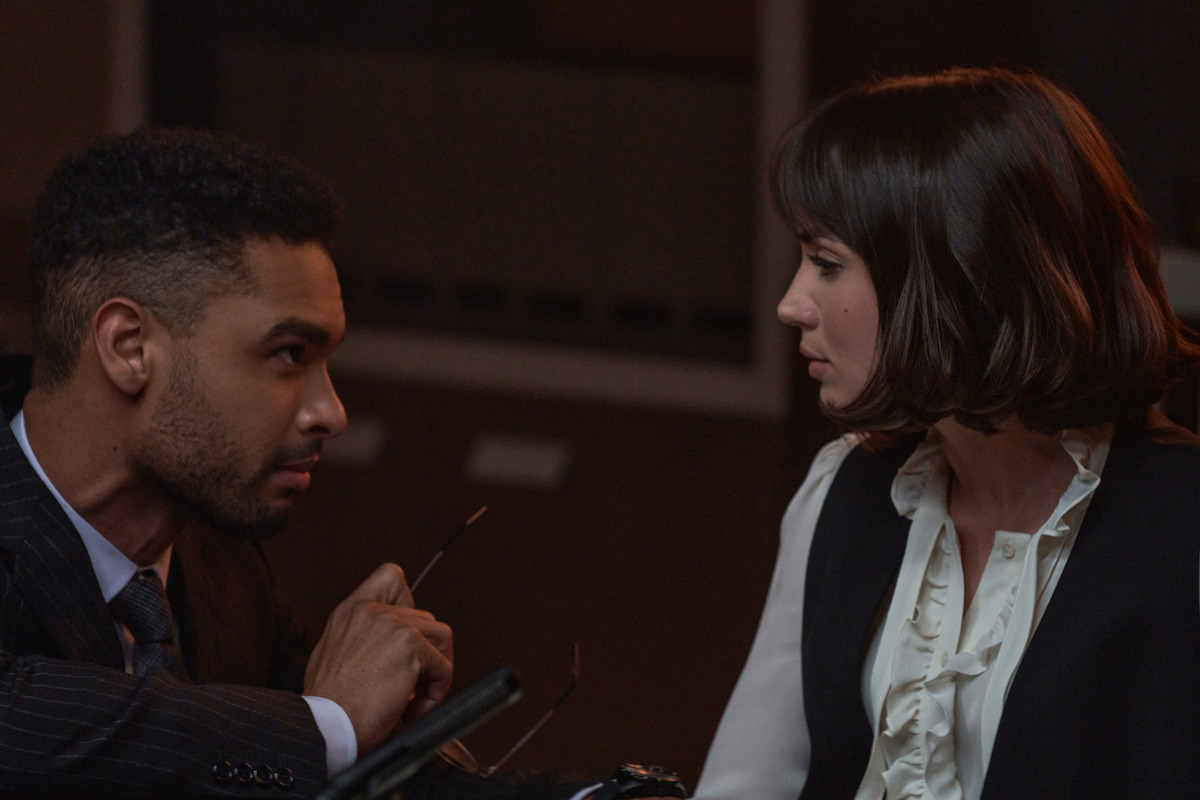
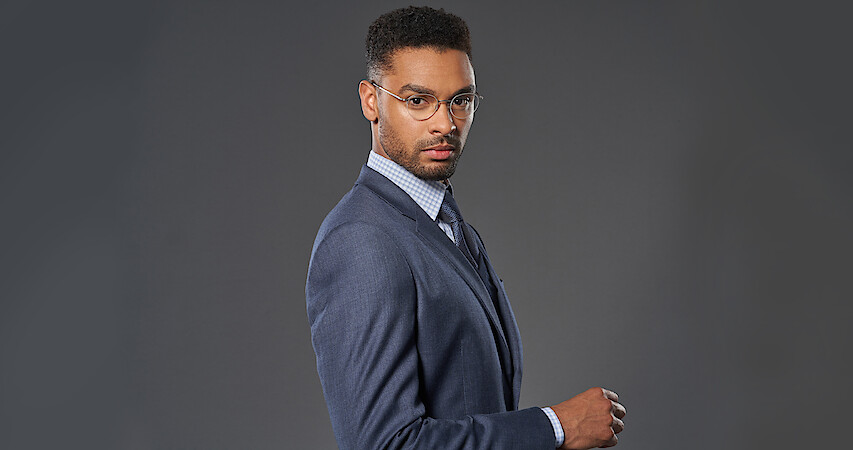
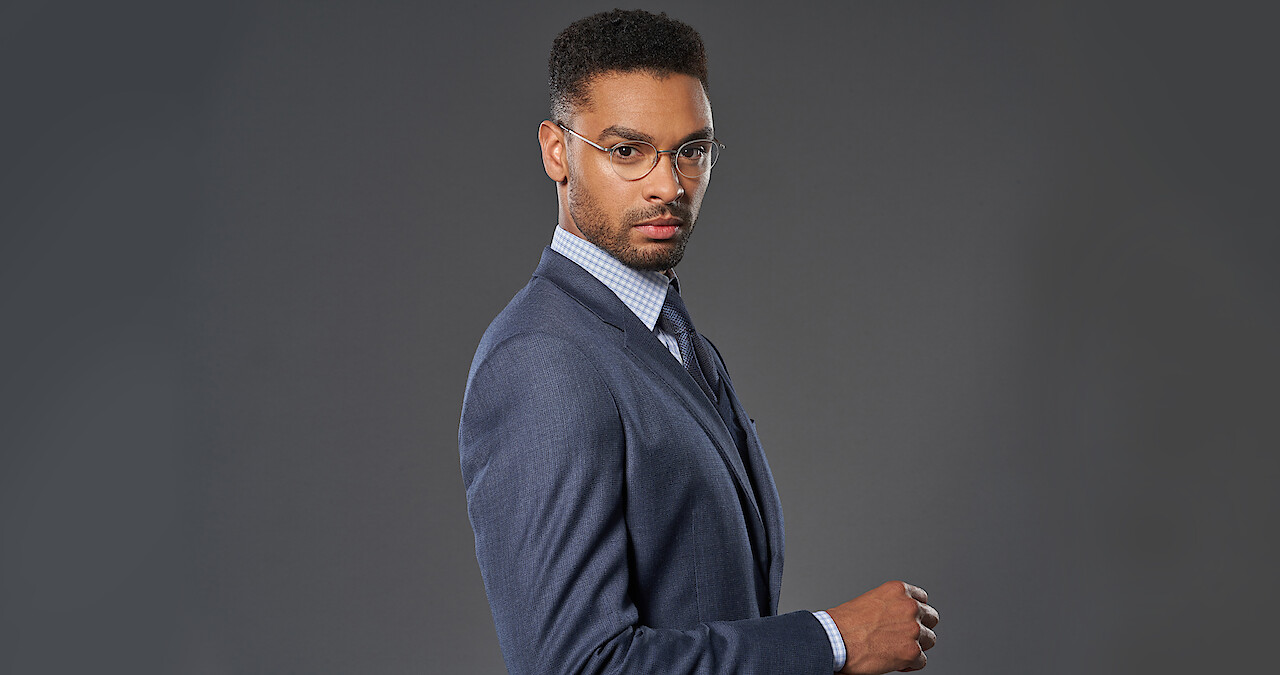
From left: Regé-Jean Page as Denny Carmichael and Ana de Armas as Dani Miranda in The Gray Man.
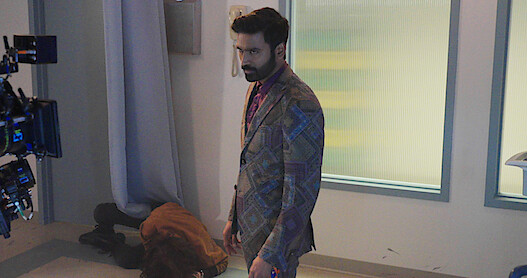
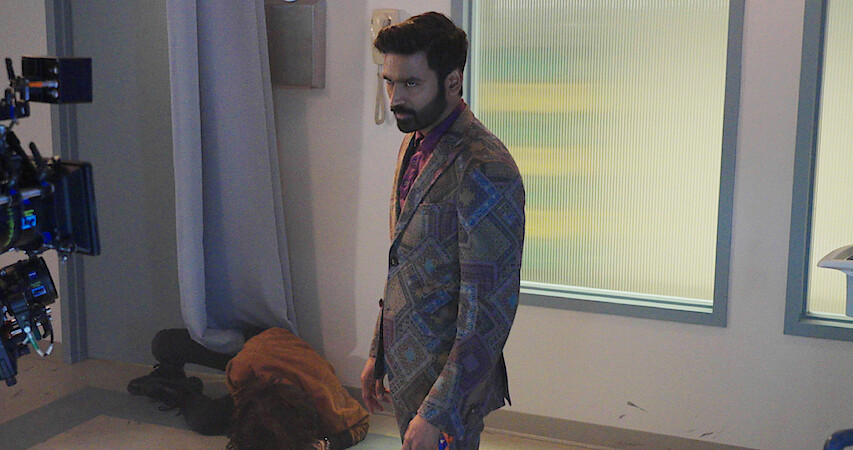
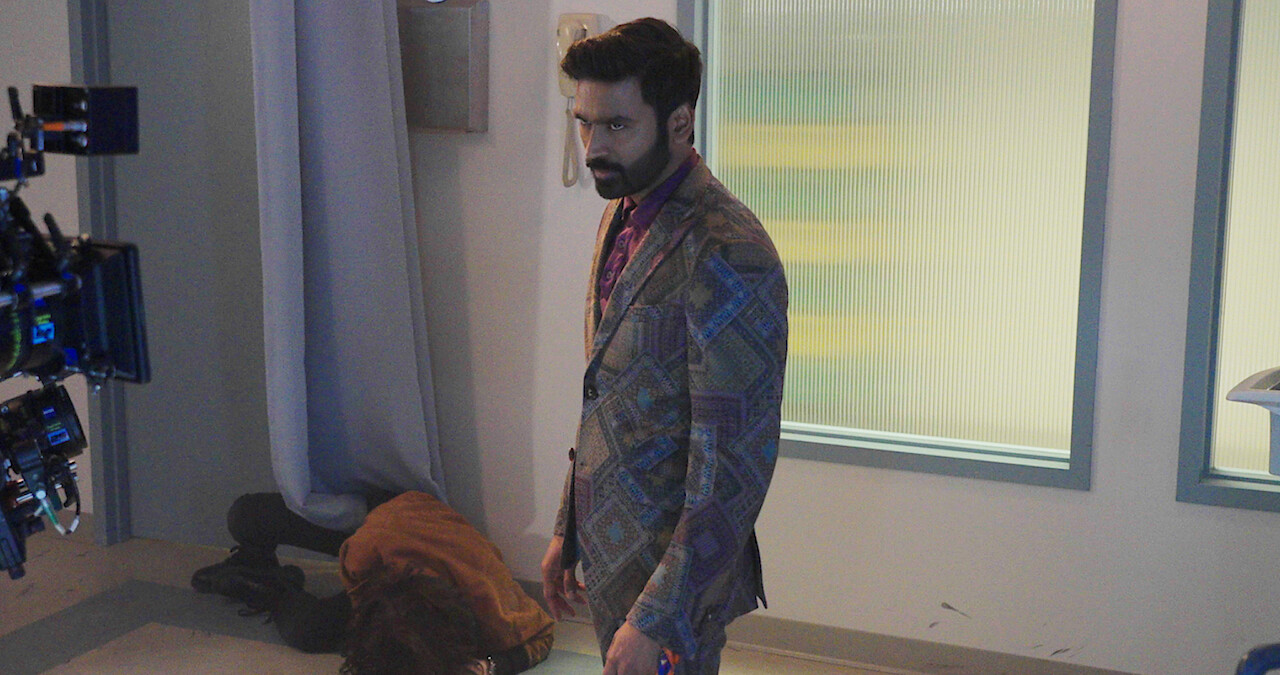
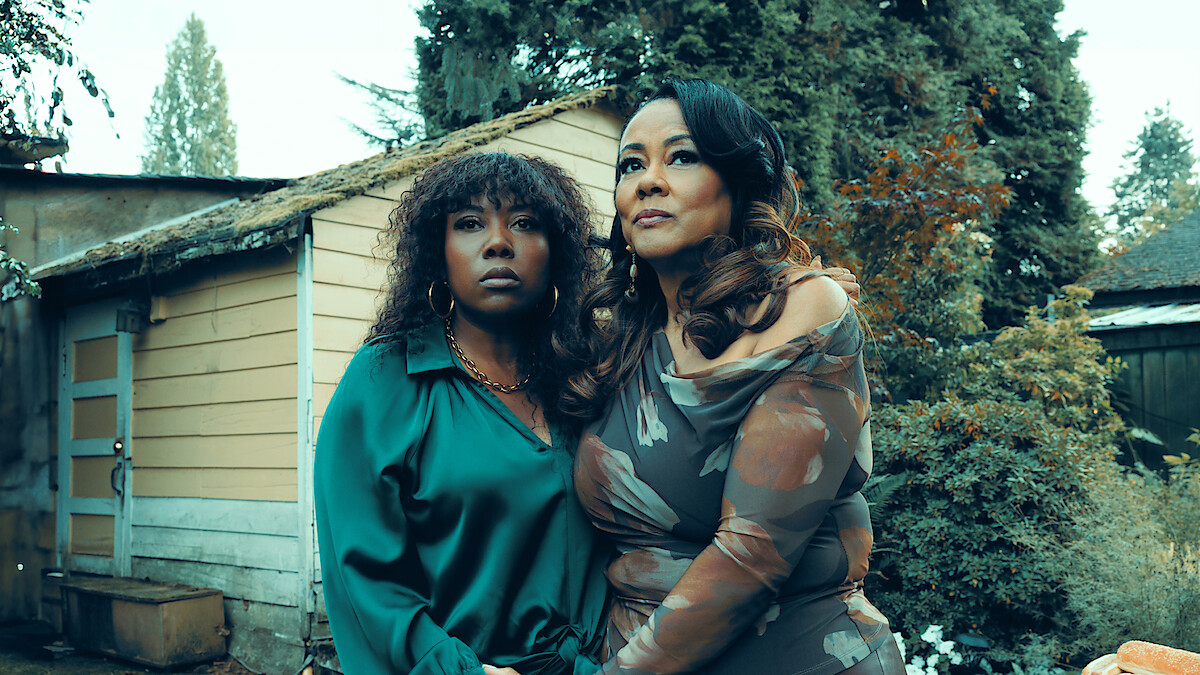
Court doesn’t have many friends beyond Fitzroy in the book, but the film makes room for an ensemble cast made up of new allies... and a few enemies. Foremost among them is Ana de Armas’ Dani Miranda, a CIA colleague who finds herself fighting alongside Court as he escapes from the assassins on his tail. Miranda is nowhere to be found in Greaney’s book; a French nurse who performs some emergency first aid in a moving car is about as close as he gets to any female companionship. The same goes for Denny Carmichael (Regé-Jean Page) and Suzanne Brewer (Jessica Henwick), two CIA officials who are in hot pursuit. But a few other new characters have counterparts on the page, even if they’re not exact copies. Margaret Cahill (Alfre Woodard), Court’s former boss, feels loosely adjacent to Maurice, the man who trained Court and briefly offers him sanctuary in the late pages of the novel. And Avik (Dhanush), one of Lloyd’s unstoppable mercenaries, is as determined to catch Court as Song Park Kim, a Korean hitman who gives Court quite the beating in the novel.
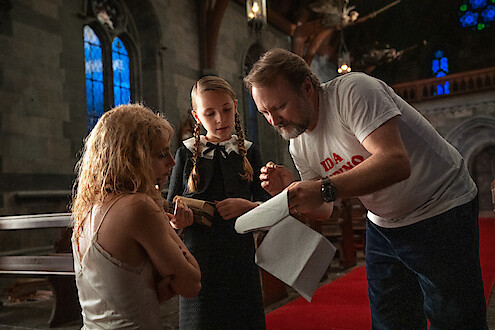
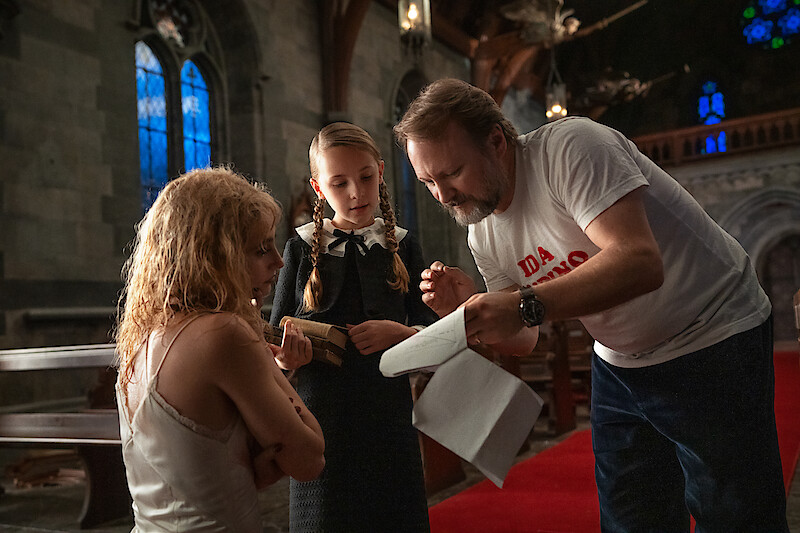
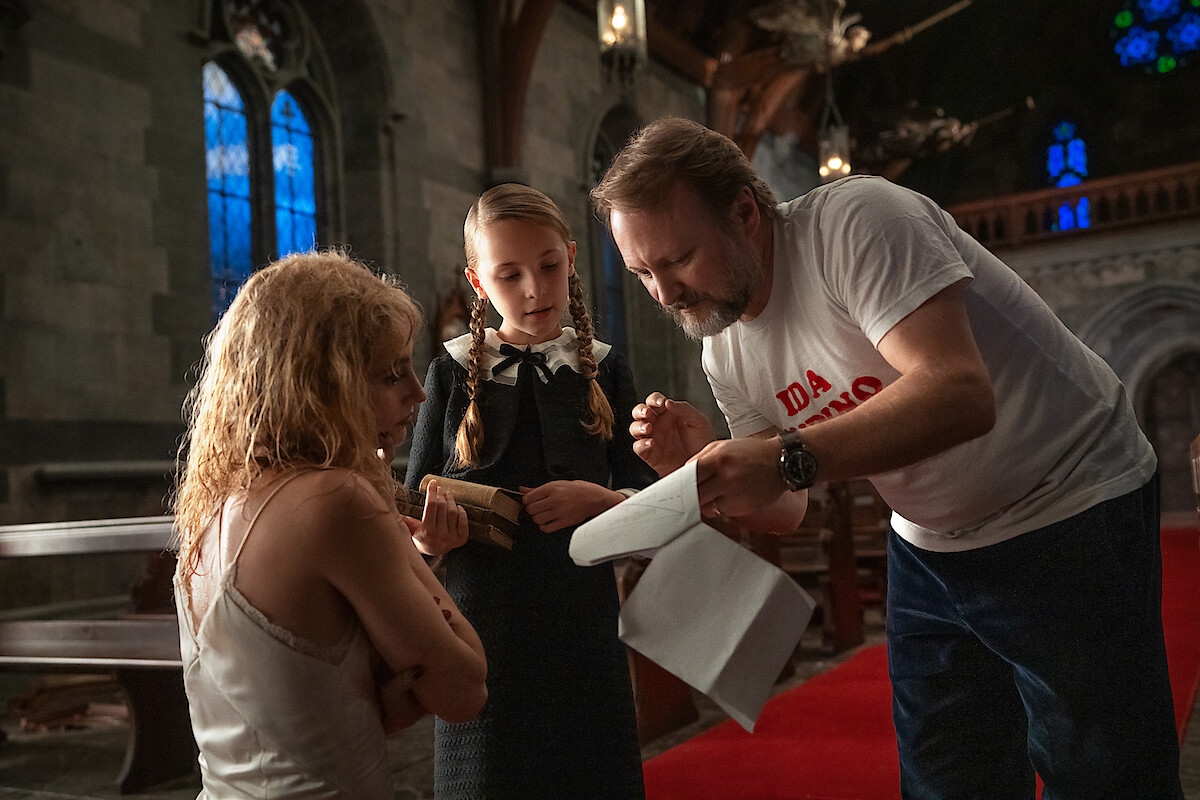
Born and raised in Arkansas, Billy Bob Thornton’s Donald Fitzroy isn’t the English knight he is in Greaney’s novel. The same goes for his family. In the novel, Lloyd and his crew take Fitzroy’s son and grandchildren hostage. Only Claire (Julia Butters) survived the adaptation (as Fitzroy’s niece, not his granddaughter), but she provides more than enough fireworks on her own. Another Fitzroy also provides some pyrotechnics before the movie’s over — none other than Donald, who sets off a hand grenade and sacrifices himself to give Court and Claire a head start. In both Greaney’s and the Russos’ Gray Man, the gruff assassin and young woman share a special bond. In the film, however, they get a slightly happier ending — although it comes at the cost of Donald’s life (he lives to fight another day in the book). After being recaptured and escaping from prison, Court picks up Claire from house arrest and sets off with her by his side. We can only hope he’ll teach her a few tricks…