The perfect pastor’s wife. The charismatic husband, 15 years her senior. And, behind the worship team’s smiles, over a decade of coercive control — the abuse her family says the law was powerless to stop. Here’s how the new docuseries Death of the Pastor’s Wife reconstructs Mica Miller’s story, what the filmmakers told Tudum, where JP Miller’s federal case stands now, and updates on the legal reform her family is still fighting for.
The following contains major plot details, including mention of domestic abuse and suicide.
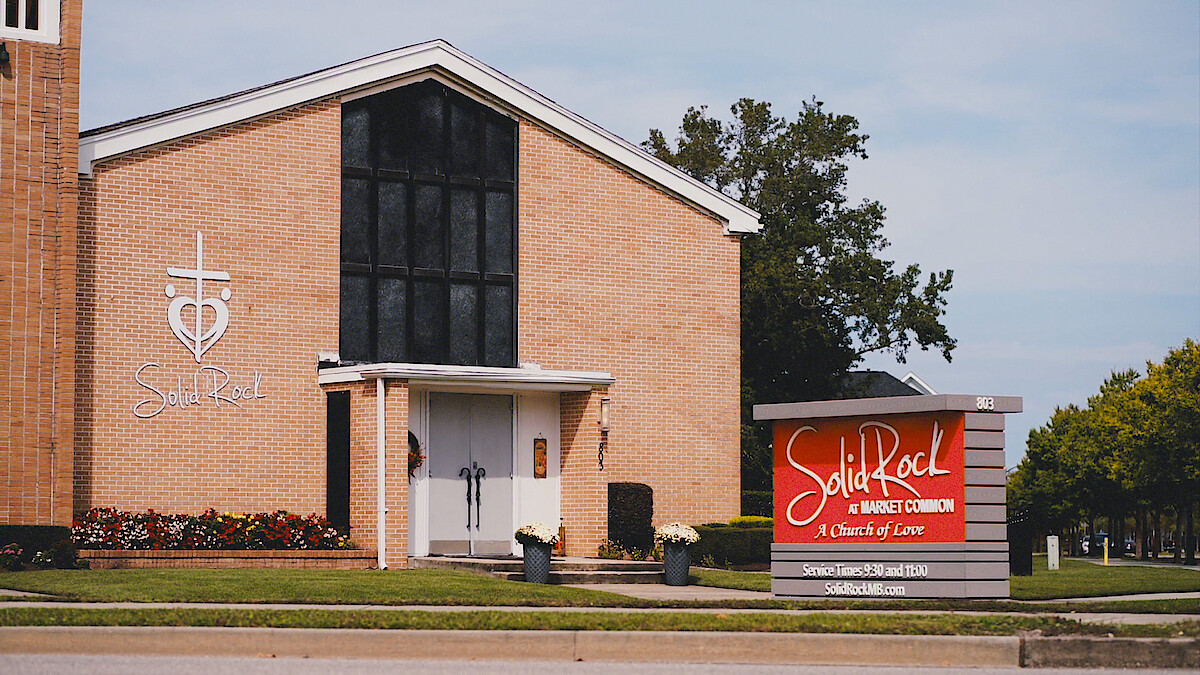
From the stage at Solid Rock Church in Myrtle Beach, South Carolina, Mica Miller, a young worship leader with a soaring voice, seemed the picture of a life given fully to faith. But in the new three-part documentary series Death of the Pastor’s Wife, now streaming, her family and friends say that her faith was being used against her — that Mica was trapped inside a marriage to the church’s pastor that grew more controlling by the year.
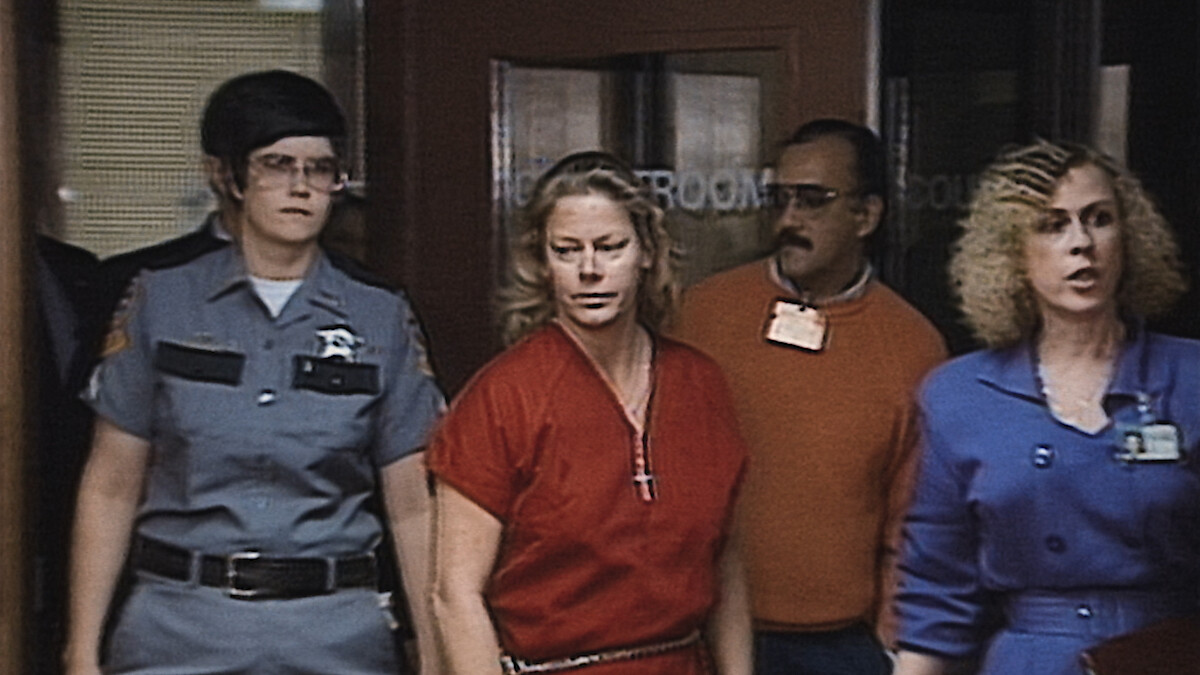
On April 27, 2024, two days after she served her husband, Solid Rock pastor John-Paul “JP” Miller, with divorce papers, Mica was found dead at Lumber River State Park, across the state line in North Carolina. She was 30, and her death was ruled a suicide. For the people who loved her, that ruling didn’t give closure, but opened another story entirely: How had it come to this? And how much of the answer lay in details surrounding the marriage she had spent years trying to leave?
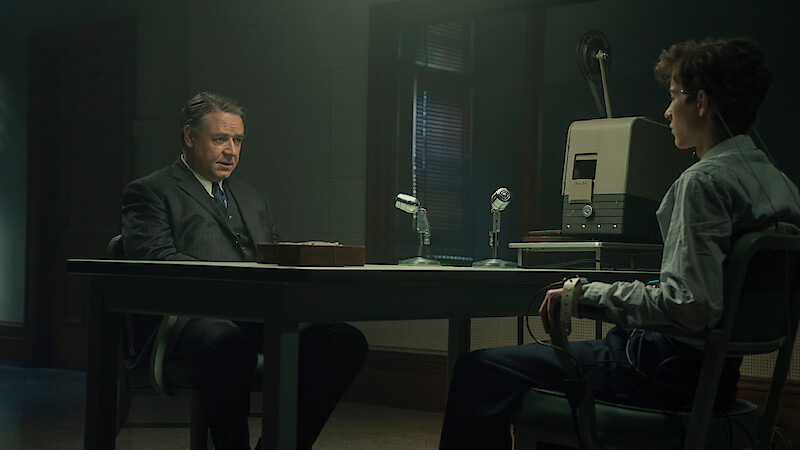
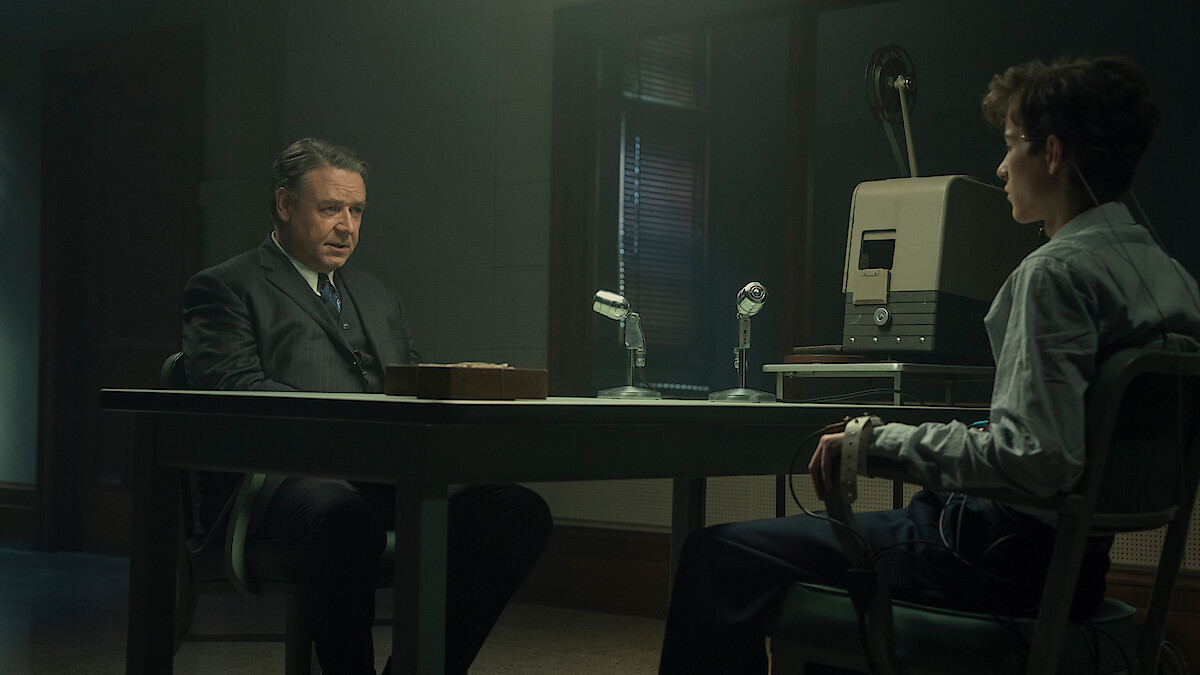
Death of the Pastor’s Wife reconstructs the years that led to that day: a marriage between a pastor and his much younger assistant that began as a scandalous affair and, according to the friends, family, and former church members who tell Mica’s story in the series, devolved into more than a decade of coercive control and ended with her death. Directed by Julia Willoughby Nason and Michael Gasparro (Murdaugh Murders: A Southern Scandal, American Murder: Gabby Petito), the series builds its account on Mica’s own journals, texts, and performance footage, supplemented by police reports, medical records, as well as JP’s videotaped sermons and text messages.
To unpack the series and its aftermath — where the federal case against JP stands, what became of Solid Rock Church, and the stalled legislation Mica’s family hopes will outlast the headlines — Nason, Gasparro, and executive producer Alana Goldstein sat down with Tudum.
He was her pastor and mentor. Then the texts turned romantic.
Mica’s family began attending Solid Rock Church when she was a teenager, after a move to Myrtle Beach. According to her sister Anna in the documentary, of the six Francis siblings, it was Mica, who took to the church most completely, making it her “lifestyle” and rising to lead the choir as a teenager — a role, Anna notes, typically held by someone much older. When she was 18, Mica married her first husband, Jeremy, in a ceremony JP officiated, and went to work as the pastor’s assistant.
JP was 15 years Mica’s senior and, as her sister Sierra puts it in the series, “her pastor, her mentor, her church leader.” A few years into Mica’s marriage to Jeremy, Sierra recalls, JP began testing the boundaries of that authority — texting Mica first to express appreciation, then, in Sierra’s words, “more romantically, and it kind of spiraled from there.”
In July 2015, JP stood before his congregation and confessed to “a moral failing” in his marriage. Both his marriage and Mica’s came apart. But he pressed forward, at one point messaging members of the church to ask what they’d think of him dating Mica — testing the waters for a relationship he had, in effect, already begun.
What followed, the series lays out, was a courtship on JP’s terms. He mapped out a timeline for his and Mica’s engagement and marriage, Sierra says. Mica got his signature tattooed on her side — a gesture Sierra describes as a mark of “ownership.” For the filmmakers, that dynamic — an older, admired spiritual authority steering a much younger woman who had grown up inside his church — is the ground from which everything else grows. “The broad thing that JP was doing was trying to strip away her freedom, her independence, her self-esteem,” Goldstein says. “Not through one single event, but through years and years of continuous micro-events that trapped her in a state of dependence on him.”

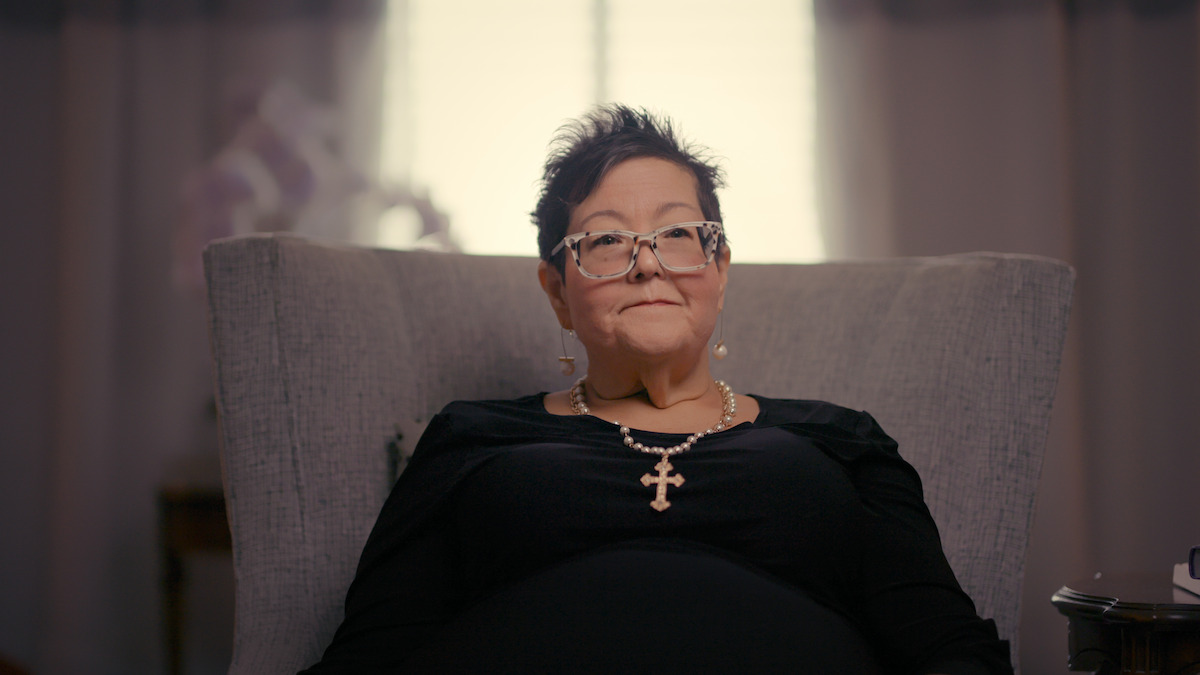
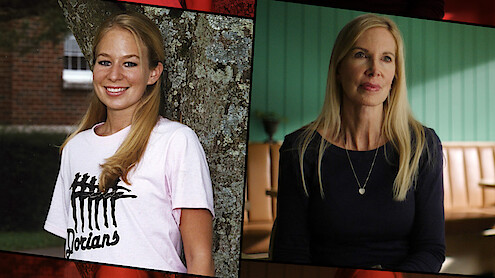
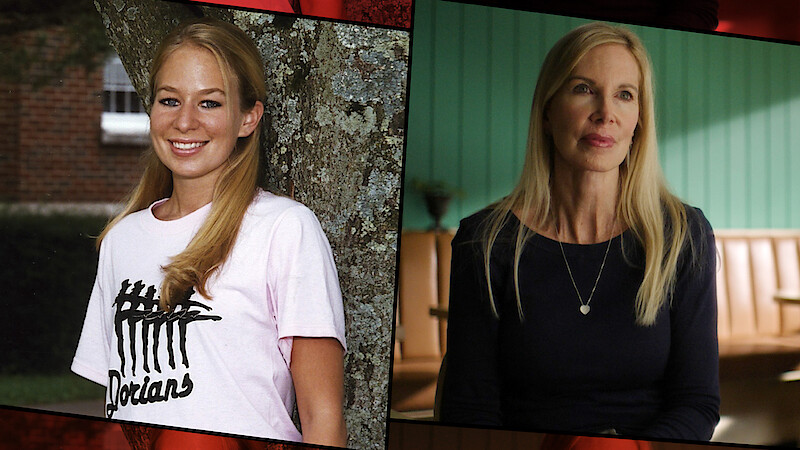
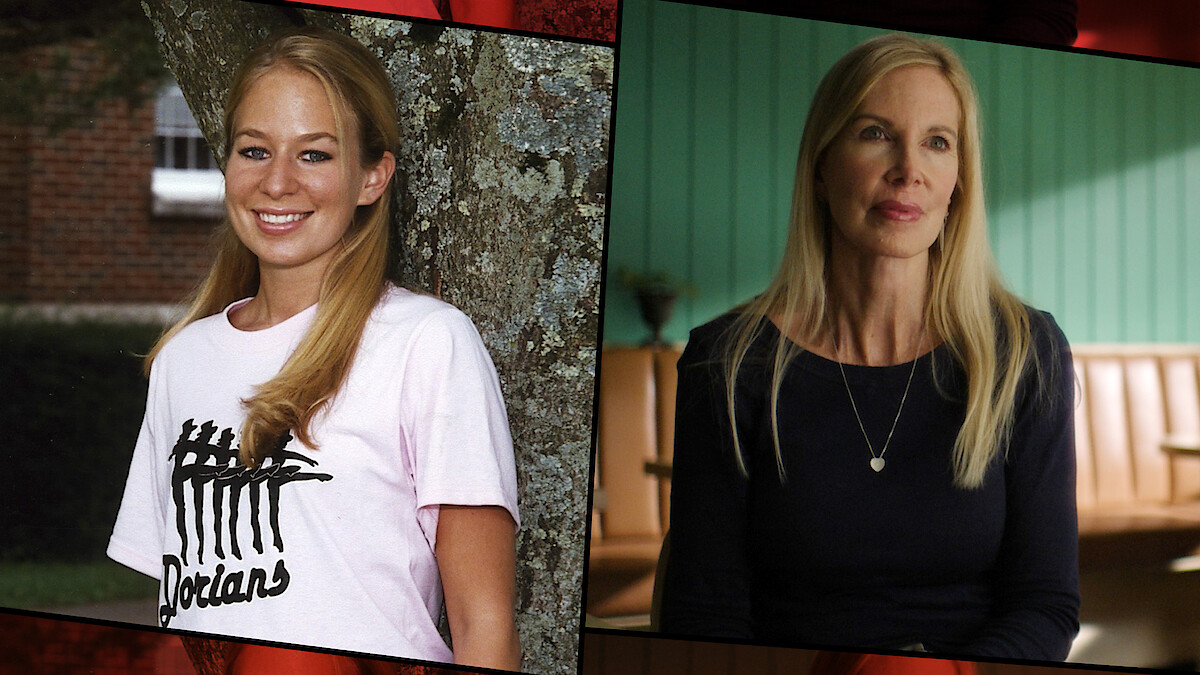
Charlotte Korn and Mica Miller
He dominated her faith, her body, and her money. That’s coercive control.
Coercive control is a pattern of domination within domestic abuse that rarely leaves the kinds of physical marks a bystander can see, and much of Death of the Pastor’s Wife is devoted to making that trauma legible. According to the accounts in the series, JP exerted control across nearly every domain of Mica’s life — and did so, the filmmakers argue, by turning the very institutions against her that were meant to protect her. “One thing that we see in Mica’s story is the weaponization — the spiritual abuse and the mental health abuse — using these infrastructures, like the church and mental health institutions, against her,” Goldstein says.
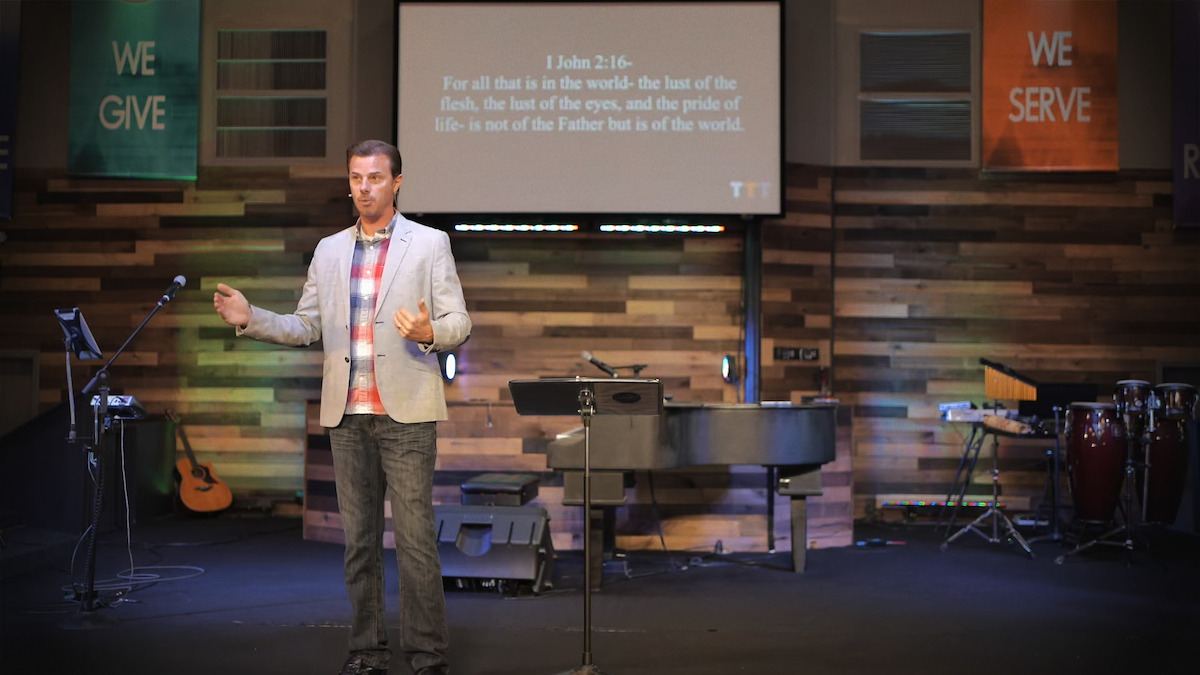
Nowhere is that clearer than from the pulpit itself. The series draws heavily on JP’s recorded sermons, in which he candidly preached on a range of topics — including a wife’s duty as her husband’s “helpmate,” for whom sex is a non-negotiable obligation. “If you don’t meet your husband’s sexual needs,” he says in one sermon included in the documentary, “Satan will put 20 different options before his eyes before the day’s over with.”
Nason believes JP’s candor was strategic. “It’s common for a narcissist — and being on a pulpit is a perfect position for someone like that,” she says. “Usually the person who is the abuser states very blatantly how horrible a person they are and what they’ve done … so they can get ahead of their own narrative and be in control of it.” And congregants, she says, were drawn in by the atypical approach rather than repelled, the filmmakers found. “This was a different vibe,” she says. “That kind of uncouth, no-tact pastor verbiage that he embodied was his shtick, his brand.”
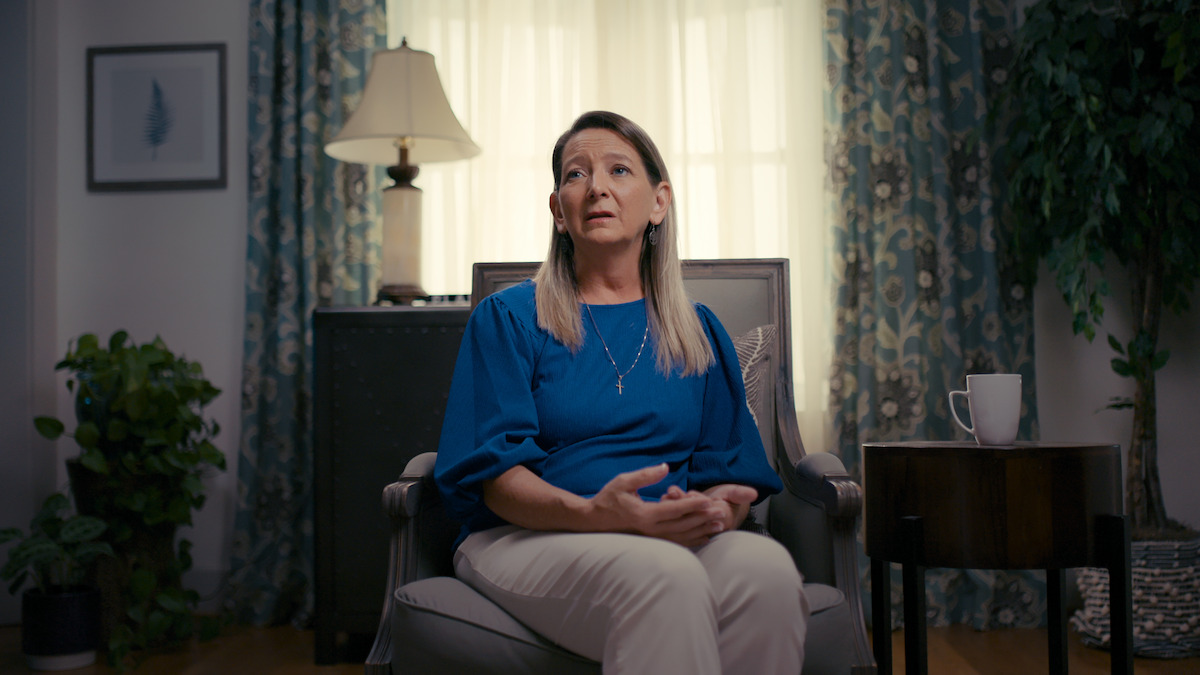
In the documentary, Mica’s close friend Charlotte Korn recalls JP’s rules that governed even something as simple as a casual phone call: “Mica told me multiple times, ‘Don’t call me before 11:00, unless I call you first. John-Paul does not like it if I get out of bed before him.’”
Nason frames the documentary’s structure as an attempt to make visible that slow accumulation of control. “We show the pattern of the abuse, and we show how it builds slowly and subtly to uncontrollably,” she says. And when Mica herself sought recourse, the series shows how she was thwarted at every turn — by a church community that became factionalized and by blind spots within the legal system. “Mica reached out for help in all different avenues — through friends, family, through the church, and through law enforcement — and through all those channels, for months and years, could not get the support,” Nason says.
For Gasparro, who with Nason also chronicled the death of Gabby Petito in American Murder, the case demanded a different kind of storytelling. “It’s very different than [with] Gabby, because at the end of the day, there was a human being who murdered another human being,” he says. “In this case, Mica took her own life. So it’s really about ‘How did Mica get to that point in her life where she decided to end it?’ … JP didn’t physically murder Mica, but through the series you understand how much he may have pushed her to that brink.”
As Mica moved to leave JP, that pattern escalated into an open pursuit. The series documents the tracking devices JP allegedly planted on her car, along with slashed tires and barrages of unwanted calls and texts. Then JP went further: As seen in the series, he posted a nude photo of Mica to Facebook without her consent. “He threatened, and he did,” Mica’s friend Bruna Pabon recalls in the documentary. Those alleged acts — the tracking, the relentless messaging, the intimate image shared without her permission — would later form the backbone of the federal cyberstalking charge JP faces today. But the filmmakers stress that they built the sequence from the paper trail, not from grief or supposition. “The police reports exist, the medical records exist, the text messages, the apology letters,” Goldstein says. “JP was an avid texter and writer, so we had thousands of his own words that paint a very particular picture. We stuck to the records.”
“Abused in every way I can think of”: Mica’s final days
For years, Mica had tried to hold the marriage together. She didn’t want to repeat what she’d seen in her own family, her brother Nate says, and she held onto the hope — one JP encouraged — that things could get better. What eroded that hope wasn’t any single moment but the weight of everything she had endured, compounded by a final betrayal that wouldn’t go away: JP’s alleged affair with Suzie Skinner, a member of the congregation, which continued even after Mica confronted him and got him to promise in writing that he would end it.
By the spring of 2024, she had stopped believing things would change. Mica retained an attorney and filed for divorce. In the handwritten affidavit that accompanied her filing, she wrote: “Since the day we became husband and wife, I have been abused in every way I can think of — emotionally, sexually, spiritually, financially, and physically.”
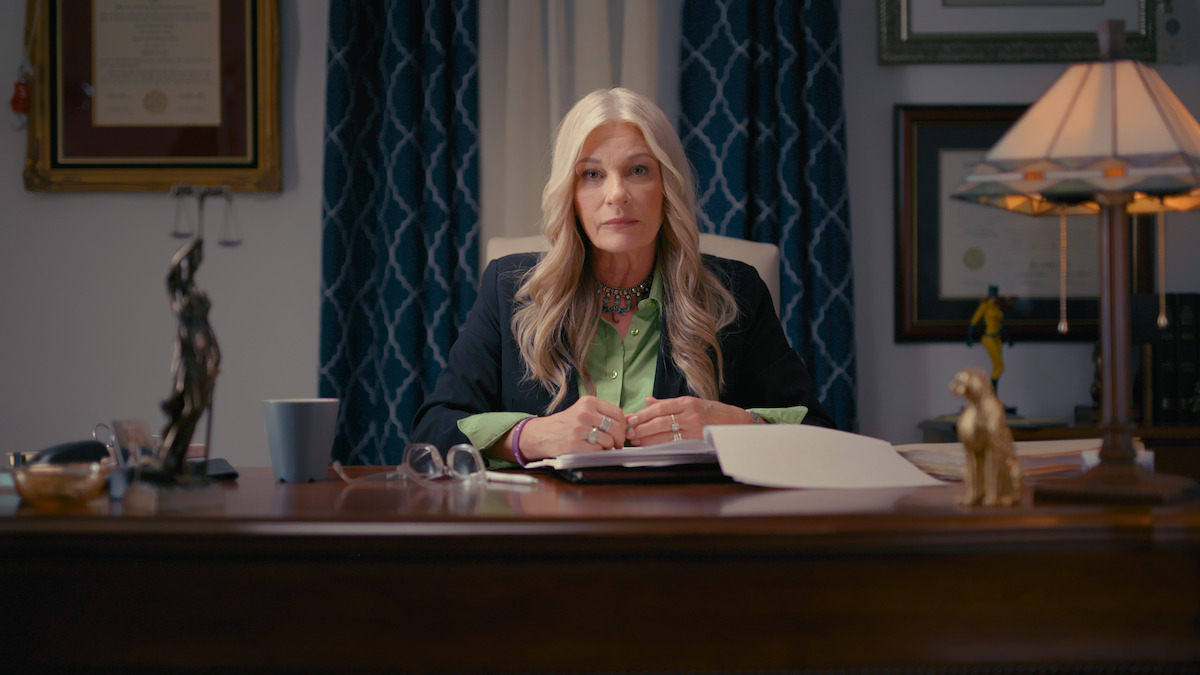
A hearing, however, wasn’t set until June 5. With no restraining order in place, there was “nothing to stop him,” Mica’s lawyer, Regina Ward, says in the series. Friends also sensed Mica’s unease in those weeks: Sitting in a friend’s living room, she reportedly said she was afraid of JP.
On the morning of April 27, two days after serving JP with divorce papers, Mica left the apartment where she’d been staying for her noon shift at the café she’d recently started working at — but she never came home. Later that day, she was found dead at Lumber River State Park. On May 7, her death was ruled a suicide, and the investigation in Robeson County, North Carolina was closed.
JP Miller showed up to an interview with a binder he called his “evidence.”
In the days after Mica’s death, JP announced from the pulpit — before the coroner’s ruling was in — that she had died by suicide, according to Nate, and he sent the Francis family a message that laid the blame squarely at their feet. He pressed to collect Mica’s journals and her counselor’s notes — efforts that counselor Laura Hucks interprets plainly in the series: “He is trying to take access of every communication she could have possibly had with any person,” Hucks says, “so he can end her narrative and start his narrative.”
When NewsNation investigative correspondent Rich McHugh sought him out, JP agreed to talk, arriving with a binder of what he called his “evidence,” McHugh recalls in the series. McHugh’s own reporting led him to a different conclusion: that some measure of responsibility for Mica’s death lay with JP, even without a homicide charge. “Though JP did not kill her, through over a decade of grooming her from a young age, and then the abuse in all sorts of ways … there was an escalation of the abuse, both mentally and psychologically, that led her to those circumstances,” Goldstein says.
Was JP Miller abused, too? How his own pastor father figures in
The series also carefully gestures at the forces that may have shaped JP. Pastor Pam Muise, who knew him for years, recounts that JP described himself as a victim of his father’s “passions” and alleged that his father had carried on relationships outside his marriage. JP’s father, Reginald Wayne Miller, is a South Carolina preacher and founder of a Bible college with a legal record of his own — including two 2014 guilty pleas to fraud in foreign labor contracting and visa fraud charges. The filmmakers weighed how far to follow that thread and chose restraint. “In no way were we trying to excuse JP’s actions,” Goldstein says. “Without JP participating, or without his dad participating, we couldn’t go into too much detail.”
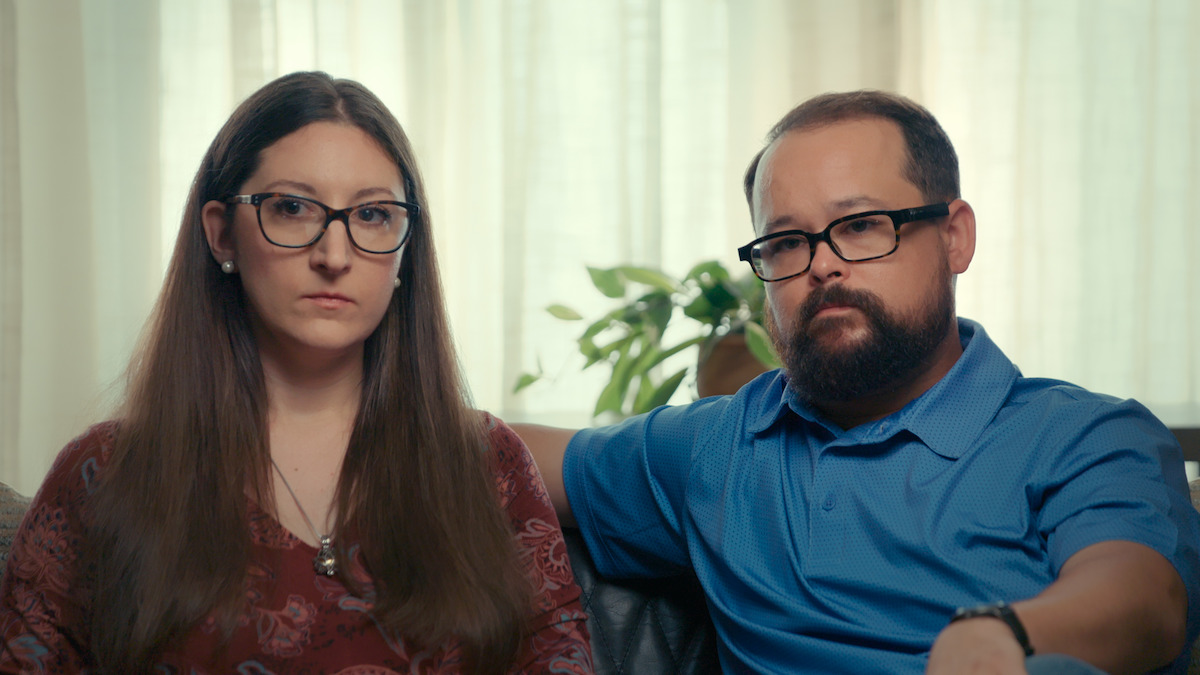
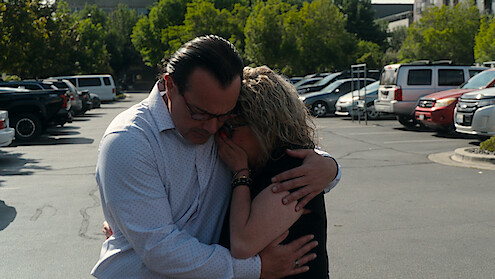
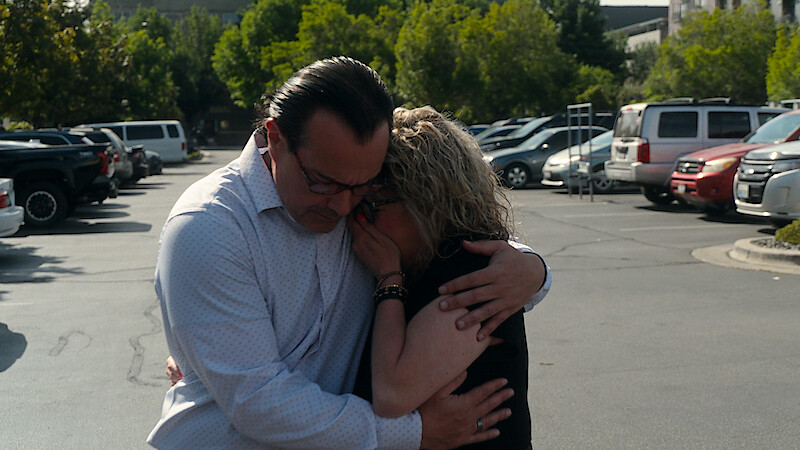
Victoria Francis and Nate Francis
Where is JP Miller now? A new wife, a sold church, and a looming federal trial
In December 2025, a federal grand jury indicted JP on two counts. The first, a cyberstalking charge, alleges a pattern of harassment toward Mica from November 2022 until her death — the tracking, the flood of text messages and phone calls, the nude photo, the tampering with her car. The second charge, making false statements, alleges that he lied to federal investigators. He pleaded not guilty and has not been charged in connection with Mica’s death.
The case has moved slowly. A court-ordered continuance filed in mid-August 2026 pushed the trial to the October 2026 term — the latest in a string of delays Gasparro attributes to the defense working through discovery. “It was supposed to happen back in the spring. It got pushed in June, to August, and now it’s October,” he says. JP remains free on bond. For Mica’s brother, Nate, the indictment can’t hold the weight of what his sister endured. “These charges only reflect a fraction of what he did to her,” he says in the series. Gasparro reads that reaction as one driven by grief: “He’s coming from a place of, ‘I lived through this with my sister, my sister is dead, and this person potentially only gets five years [for] what he did.’ … And maybe these charges didn’t quantify the pain that Mica went through.”
JP, meanwhile, has largely moved on. In June 2025, he married Suzie Skinner. The building and grounds of Solid Rock Church have since been sold. But by the accounts of those interviewed in the series, he continues to preach to a congregation of some 15 to 20 people gathering in pop-up locations around Myrtle Beach — with Skinner leading worship.

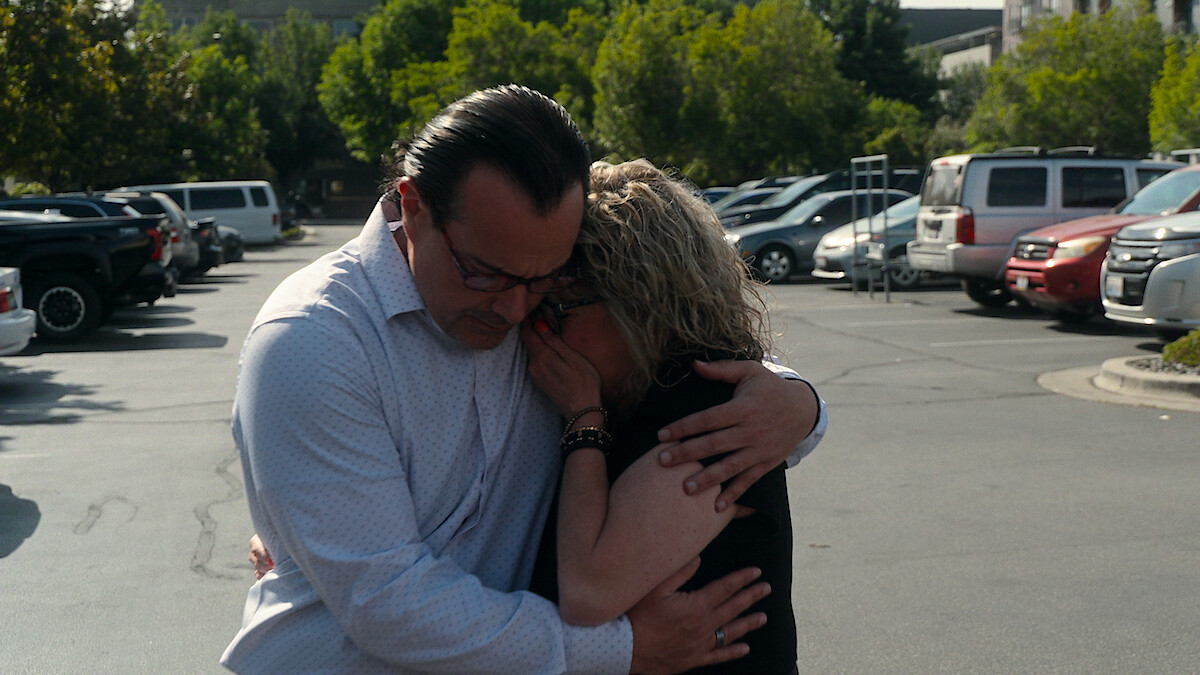
Destinee Barrientos, Nate Francis, Mica Miller, Sierra Francis, Anna Francis, and Abigail Francis
What is “Mica’s Law,” and where does SB 702 stand?
Throughout the series, Mica’s repeated calls for help ran into the same wall: Because she and JP were married, the stalking and harassment she reported to police didn’t meet South Carolina’s legal threshold for a crime. “The police weren’t able to do a single thing for Mica,” Anna says in the series. “Because you’re married to someone, that’s not harassment in South Carolina. That’s why ‘Mica’s Law’ is so important to us as a family.”
“Mica’s Law” is a piece of proposed legislation her family has thrown its support behind: South Carolina’s SB 702, which, according to the filmmakers, aims to close that gap by criminalizing coercive control and adding psychological, emotional, and financial abuse to the state’s definition of domestic violence. The legislation would also mandate training for law enforcement so officers can recognize these forms of abuse, which leave no visible marks. “Typically, physical abuse is seen with bruises and black eyes — things you can see,” Goldstein says. “Coercive control mostly is not. The idea is that, once it becomes law, law enforcement would be trained to identify coercive control within domestic violence situations.”
What the Francis family refers to as “Mica’s Law” would make coercive control a felony punishable by up to 10 years in prison. However, it has yet to become law: SB 702 stalled in the 2026 legislative session, but its co-sponsor, state Sen. Stephen Goldfinch, has said he intends to reintroduce it in the next one.
“The abuse you’re feeling is designed to make you feel like you’re alone.”
Beyond reenergizing the push for legislative reform, the filmmakers hope Death of the Pastor’s Wife helps people recognize coercive control in their own lives or the lives of loved ones. Asked what she would say to someone who sees themselves in Mica’s story, Nason doesn’t hesitate. “You’re not alone,” she says. “The abuse that you’re feeling is designed to make you feel like you’re alone, and it’s an illusion. Even though you may want to get out of it and you’re scared it will get worse — you don’t know how strong you are until you’re facing it, and you can get through it.”
Death of the Pastor’s Wife is now streaming.
If you or someone you know is struggling with their mental health, or has experienced domestic abuse, information and resources are available at wannatalkaboutit.com.