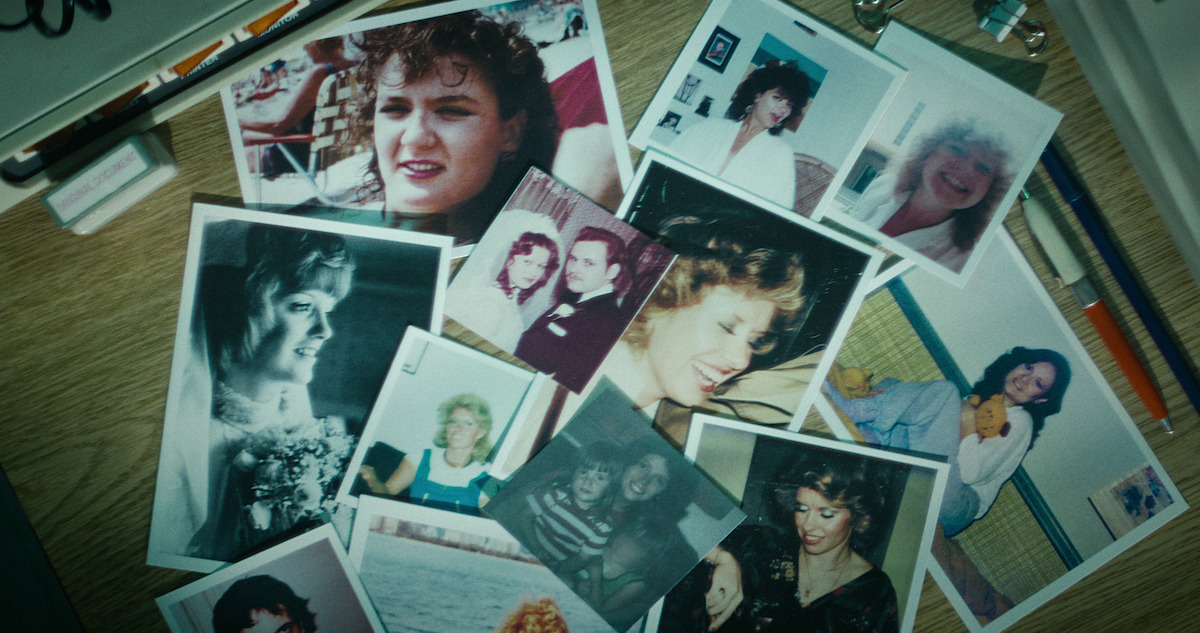
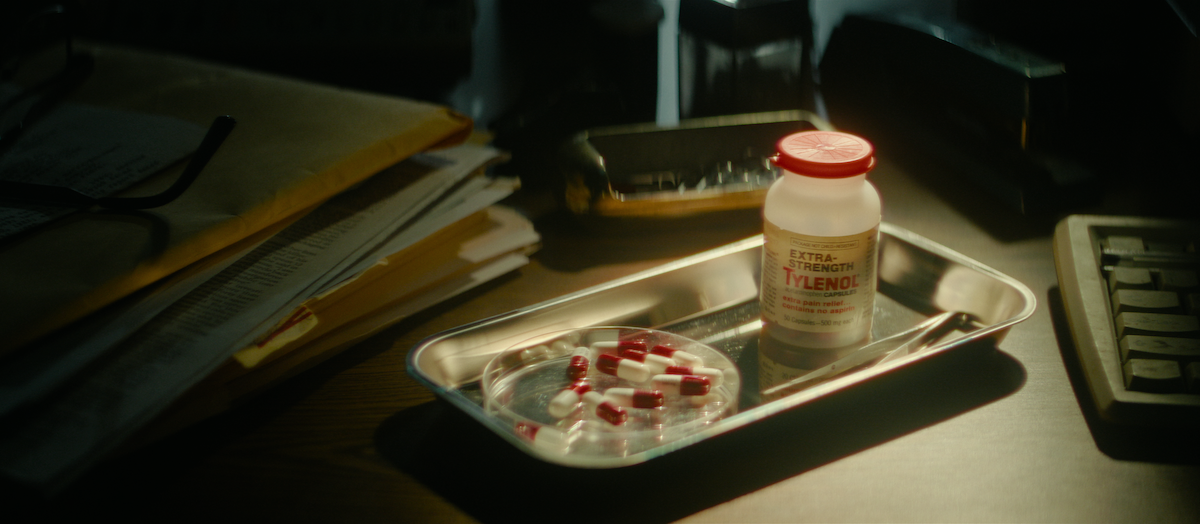
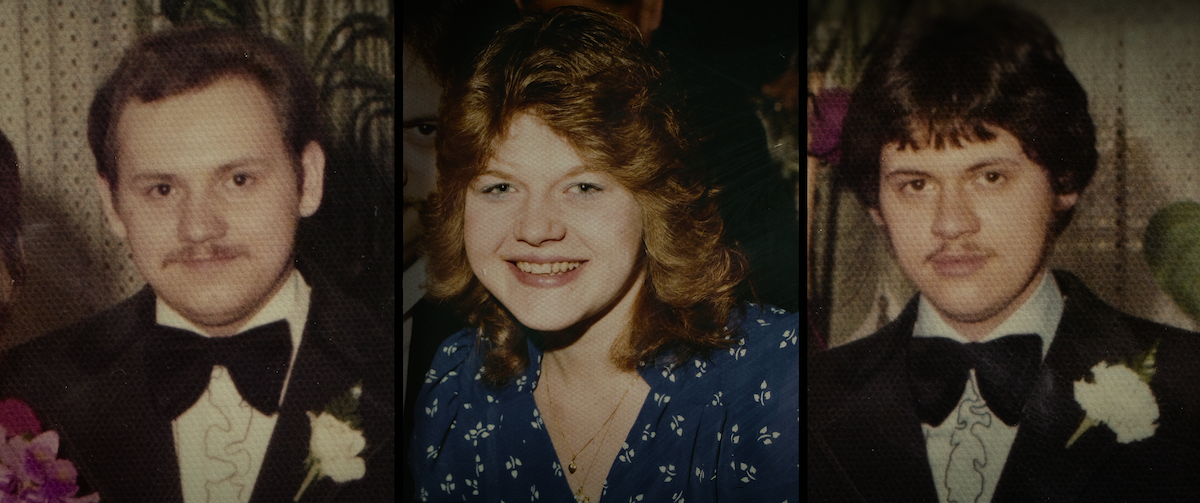
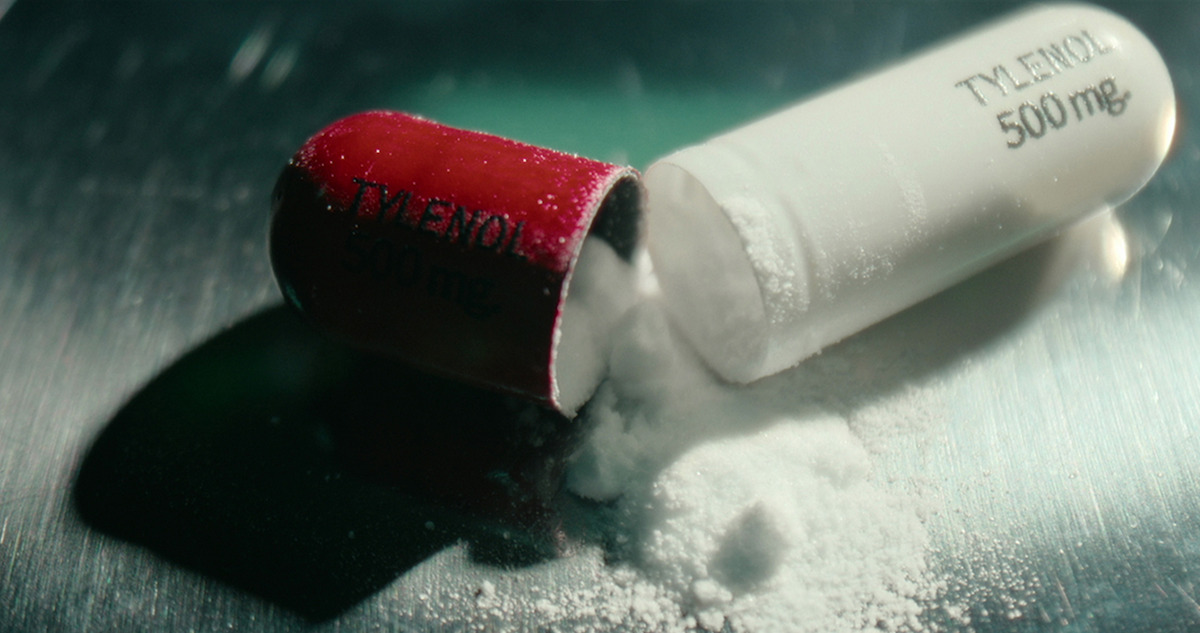
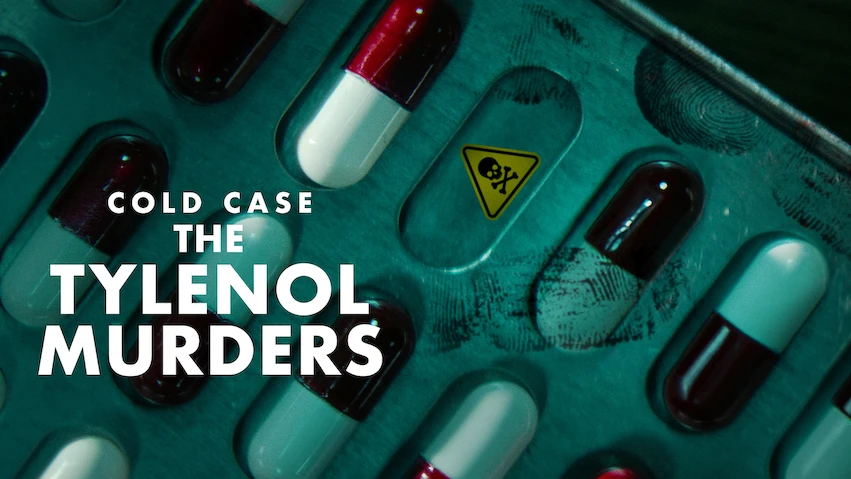
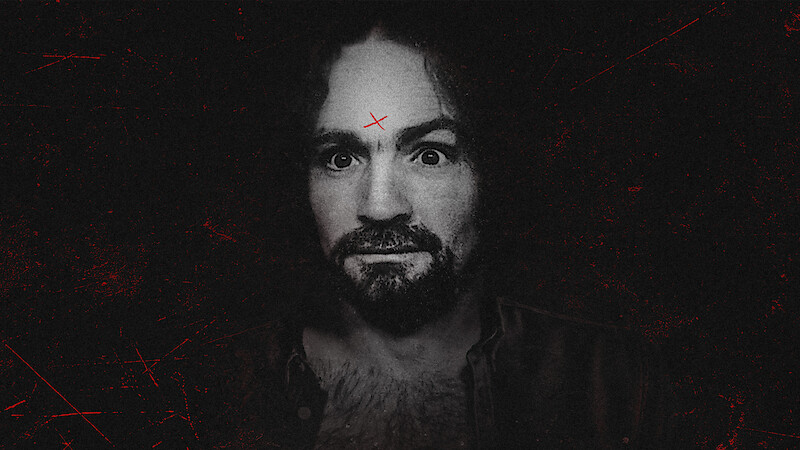
In 1982, seven people in Chicago died completely unexpectedly. The common thread that tied their mysterious deaths shocked the nation: They’d all taken Tylenol, a common household painkiller whose active ingredient is acetaminophen — that investigators discovered had been laced with cyanide. News of the circulation of these lethal Tylenol capsules sparked a panic across the country and one of the largest criminal investigations in US history.
The three-part documentary series Cold Case: The Tylenol Murders is the latest installment in the Cold Case franchise. The Tylenol Murders reexamines the case that turned the ubiquitous over-the-counter drug into a murderous threat — and fundamentally called into question the blind faith many have in the world’s most trusted brands. Was it a maniacal killer who acted alone or a larger, potentially more unsettling conspiracy and cover-up?
From directors Yotam Guendelman and Ari Pines (Shadow of Truth, Buried) and executive producer Joe Berlinger (Cold Case: Who Killed JonBenét Ramsey, Conversations with a Killer), the documentary weighs shocking theories and evidence, looks at new testimonies, and even gets inside the mind of a key suspect.
“Before 1982, nobody thought twice about opening a bottle of painkillers,” directors Guendelman and Pines tell Netflix. “Today, every tamper-proof seal is a reminder of that dark moment — when cyanide-laced capsules transformed an everyday medicine into a murder weapon, permanently reshaping consumer industries. For more than 40 years, this case has been viewed through a narrow lens, locked onto a single theory while crucial evidence and promising leads were left unexplored. Perhaps that’s why, even after all these years, the case remains unsolved. With Cold Case: The Tylenol Murders, we’re taking a fresh look at this complex, haunting puzzle, shedding new light through overlooked evidence, unheard testimonies, and troubling inconsistencies. Our hope is that by expanding the narrative, we might bring the families of the victims a step closer to the answers they’ve awaited for decades.”
The docuseries was executive-produced by Joe Berlinger, Jon Kamen, Jen Isaacson, Craig D'Entrone, Yotam Guendelman, Ari Pines, Mika Timor, Maor Azran, and Dan Adler.
What were the Tylenol Murders?
Within the span of a few days in September of 1982, seven people in the Chicago area mysteriously died after ingesting Tylenol capsules, an over-the-counter painkiller. The victims ranged in age from 12 to 35; medical examiners discovered their deaths were due to potassium cyanide, a highly poisonous chemical that’s fatal if ingested. Investigators from multiple teams, including the FBI, found that the tainted pills had all been purchased from stores in the Chicago area.
The events triggered a national panic, decades of investigations, and multiple dead ends. In the aftermath, numerous copycat murders took place in New York, Washington State, and Texas.
Who is interviewed in Cold Case: The Tylenol Murders?
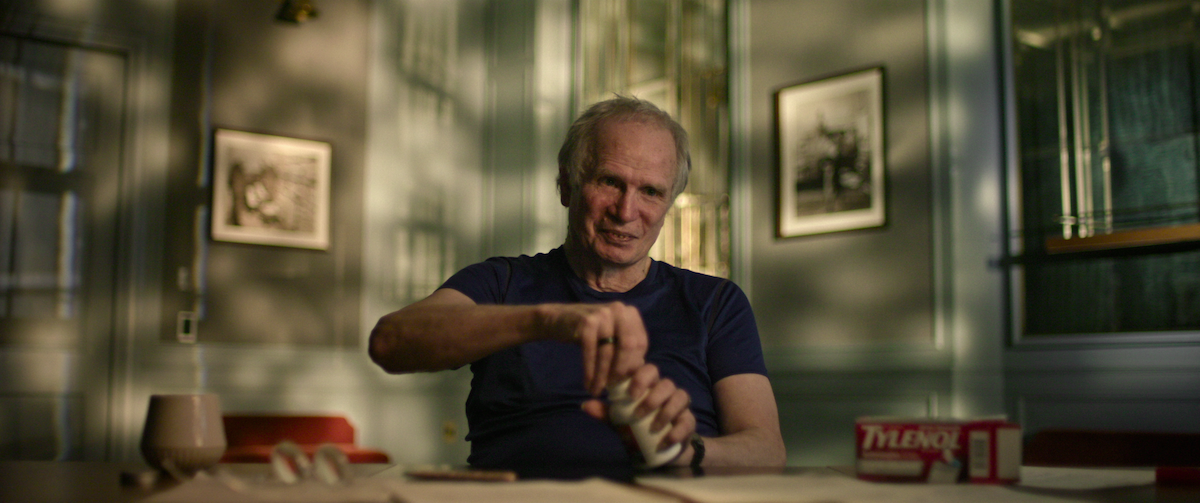
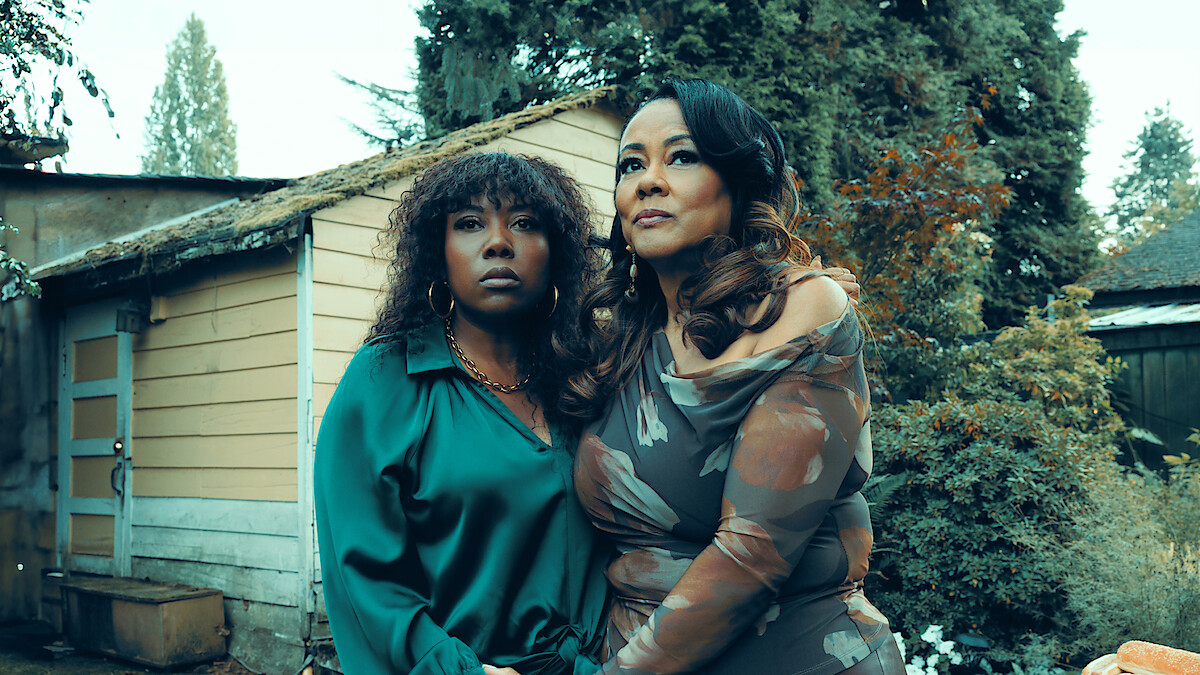
Cold Case: The Tylenol Murders features interviews with those closest to the killings, including leading suspect James Lewis who died in 2023.
What did Tylenol’s manufacturer, Johnson & Johnson, do in response to the killings?
“Our company and our product were also victims of this tragedy,” said Johnson & Johnson CEO James Burke at the time, as shown in the doc. “It’s a deliberate attempt to sabotage the product,” said Wayne Nelson of McNeil Laboratories, a subsidiary of Johnson & Johnson, whose most profitable product was Tylenol. The company recalled 5 million capsules of the drug — the largest recall in history at the time.
“Certainly, from a corporate perspective, there was no deliberate effort on the part of Johnson & Johnson to distribute contaminated Tylenol,” says Gardiner Harris, the author of No More Tears: The Dark Secrets of Johnson & Johnson, in the doc. Harris covered Johnson & Johnson for many years as a reporter for the New York Times. “But we also don’t know whether there was some kind of problem at either of their two manufacturing facilities or anywhere along their distribution chain that might have led to these bottles being contaminated.” Johnson & Johnson has denied that their pills could have been tampered with at their factories, but, as seen in the documentary, it was discovered that potassium cyanide is used in quality controlled tests of Tylenol, and was found in their plants in the vicinity of where the pills are assembled. Critics of the murder investigation point out that many of the internal investigations were conducted by Johnson & Johnson, and were thus a conflict of interest.
“The company was able to relaunch Tylenol a few months later with a level of trust that no drug brand has ever been able to achieve before,” Harris says. The company changed their manufacturing process to add three layers of seals to their product that would prevent tampering, which the FDA confirmed.
The families of the Chicago victims sued Johnson & Johnson in 1983, claiming that the company knew that their bodies could be tampered with; Johnson & Johnson settled the suit in 1991, without admitting liability.
Were the Tylenol Murders solved?
Despite compelling leads, the case remains unsolved. At the time, investigators were focused on James W. Lewis, a fugitive who was convicted of extorting Johnson & Johnson for $1 million, but he was never charged with the murders. Lewis appears in the documentary at length, detailing his reasons for writing the extortion letter, and for committing his previous crimes. Lewis served more than a decade in prison. Today, many involved in his prosecution still believe he was involved. Lewis died in 2023.
Another suspect, Roger Arnold, was a warehouse worker who was overheard at a bar discussing killing people with cyanide. Police found unregistered guns in his home, along with chemistry kits and books about poison, but no cyanide. He was never formally charged due to a lack of evidence. After he was released on bond, he looked to retaliate against the owner of the bar who first reported him, and mistakenly killed a stranger. Arnold died in 2008.
The investigation is still in progress to this day.
How do I watch Cold Case: The Tylenol Murders?
The gripping three-part docuseries is available to stream on Netflix now.