Eric André and Charlyne Yi on ‘Cabinet of Curiosities’ Episode 4 - Netflix Tudum
Images: Ken Woroner/Netflix
Up Close
Eric André and Charlyne Yi Had a Very Good Time Shooting ‘The Viewing’
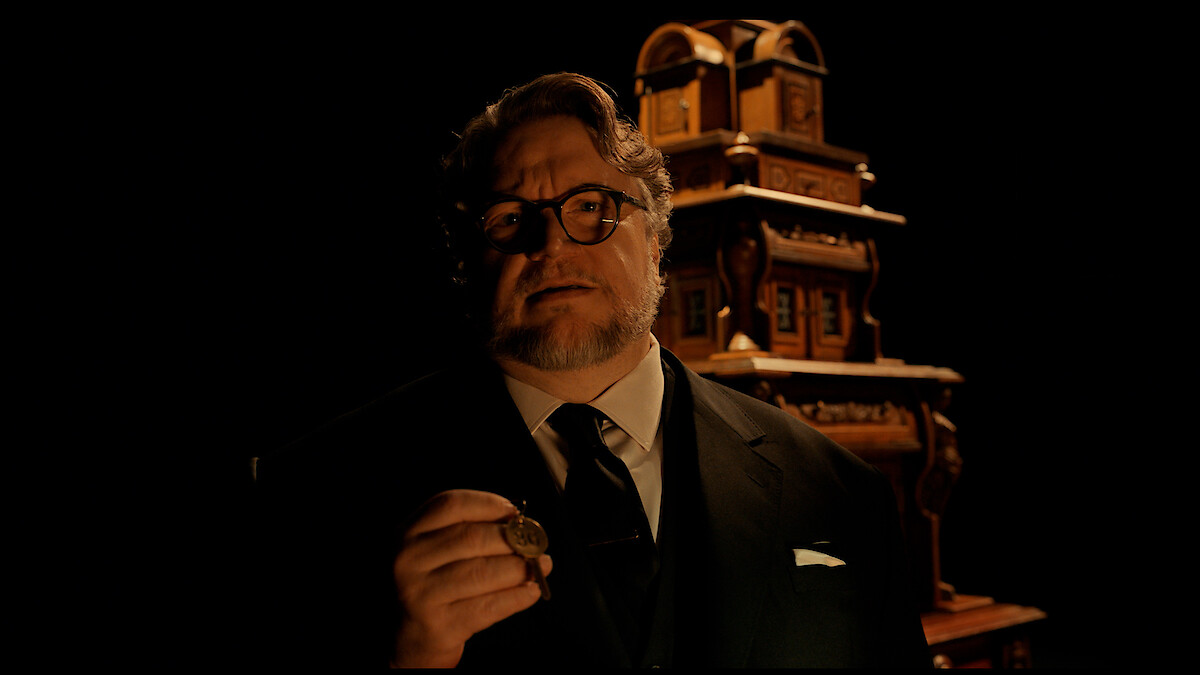
The episode of Guillermo del Toro’s Cabinet of Curiosities was helmed by Mandy director Panos Cosmatos.
Mike Rougeau
Oct. 27, 2022
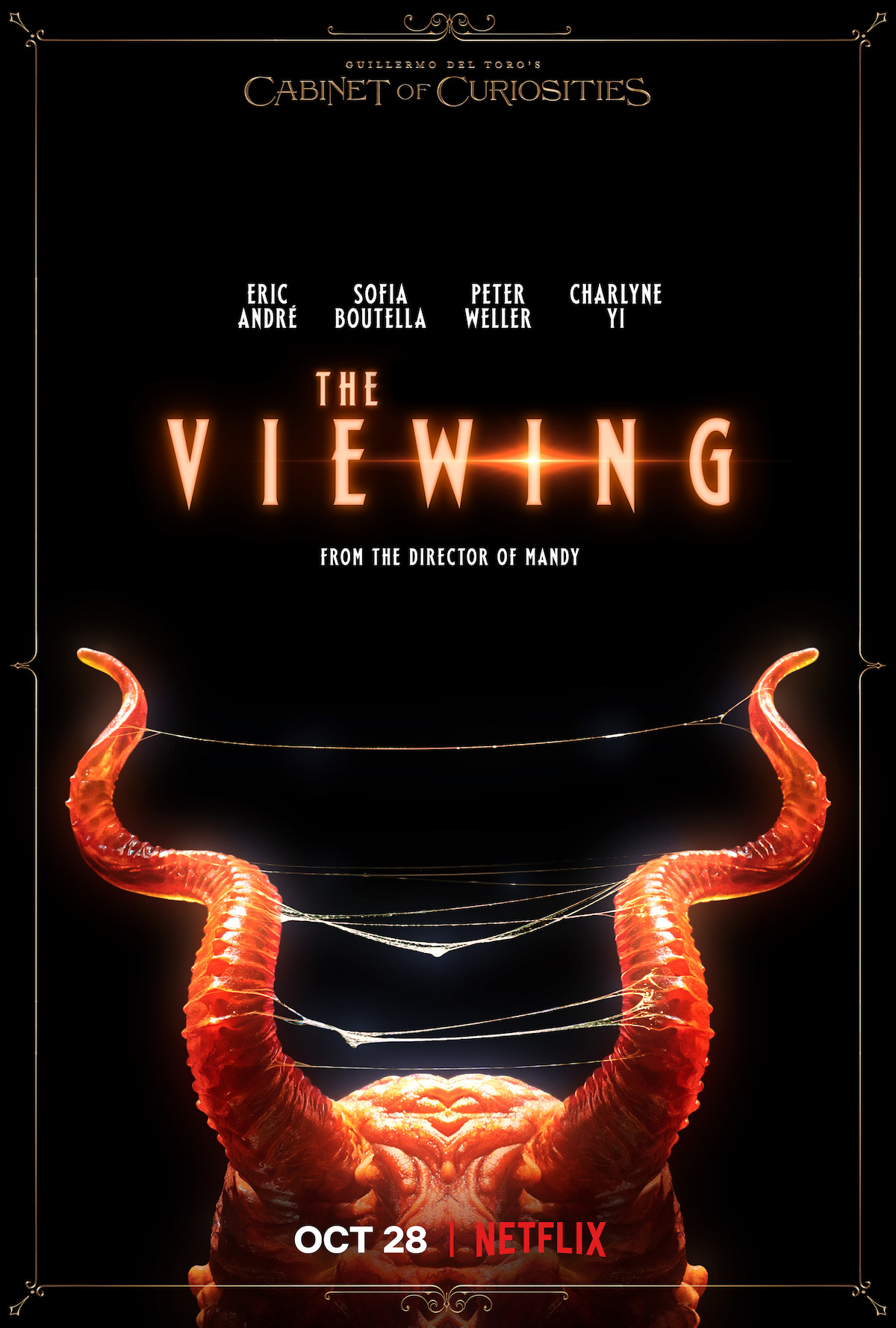
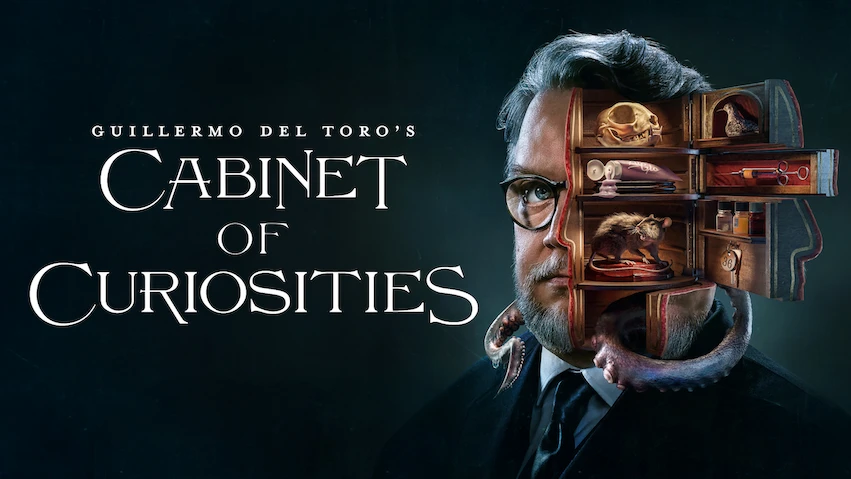
The eight stories told in Guillermo del Toro’s Cabinet of Curiosities span a wide range of horror, from splatty creature features to slow-burn ghost stories. But there’s nothing quite like “The Viewing,” the episode directed by experimental horror auteur Panos Cosmatos.
If you’ve seen Cosmatos’ previous work, like the stellar cult hit Mandy, you might have some idea of what to expect. But even then, you won’t be prepared for the Tarantino-esque, retro-psychedelia-infused nightmare trip that “The Viewing” provides.
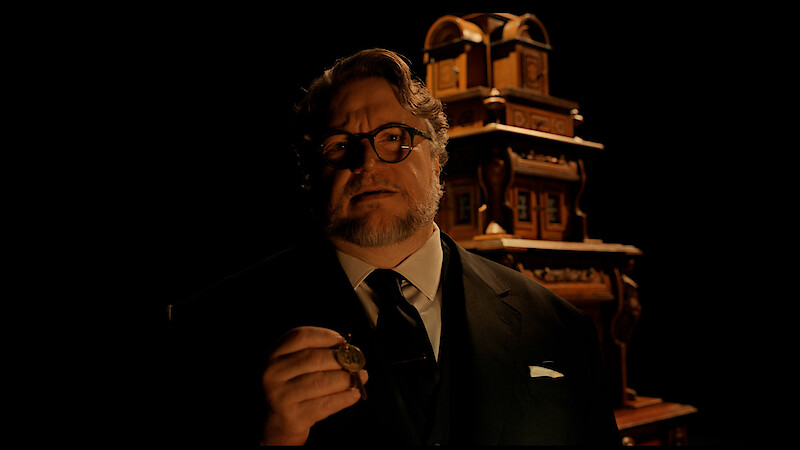
“Panos Cosmatos, I think, is one of the most unique filmmakers working today,” says del Toro. “I think he has a capacity to create, more than anything... a vibe.”
It feels like Charlie and the Chocolate Factory, but instead of candies, it’s drugs. And it’s about the void inside you, and capitalism.
-Charlyne Yi
Meanwhile, Cosmatos calls “The Viewing” “basically an experimental film with a Netflix budget.”
“One of the biggest inspirations for the tone and the structure was Scooby-Doo episodes,” the filmmaker says. “I wanted to do a Scooby-Doo cartoon that was rendered in the style of an EC comic, where the Scooby episode looks gnarlier and more freaky and real and drawn by Basil Wolverton or somebody instead of Hanna-Barbera.”
Among the ensemble cast are Eric André and Charlyne Yi, whose considerable comedic and (relatively untapped) dramatic chops only add to the episode’s surreal vibes. And based on their chat with Netflix, it seems creating “The Viewing” may have been almost as strange an experience as watching it is.
Read their on-set, kind of weird, and totally them interview by Netflix’s Lisa Shamata below.
🤐 SPOILER ALERT 🤐
Eric André Stalked the Director for a Part in Cabinet of CuriositiesSpoilers: It was worth it.
What is the plot of “The Viewing”? Charlyne Yi: In my mind, it feels like Charlie and the Chocolate Factory, but instead of candies, it’s drugs. And it’s about the void inside you, and capitalism. You keep feeding the void, goddamn, the void gets bigger.
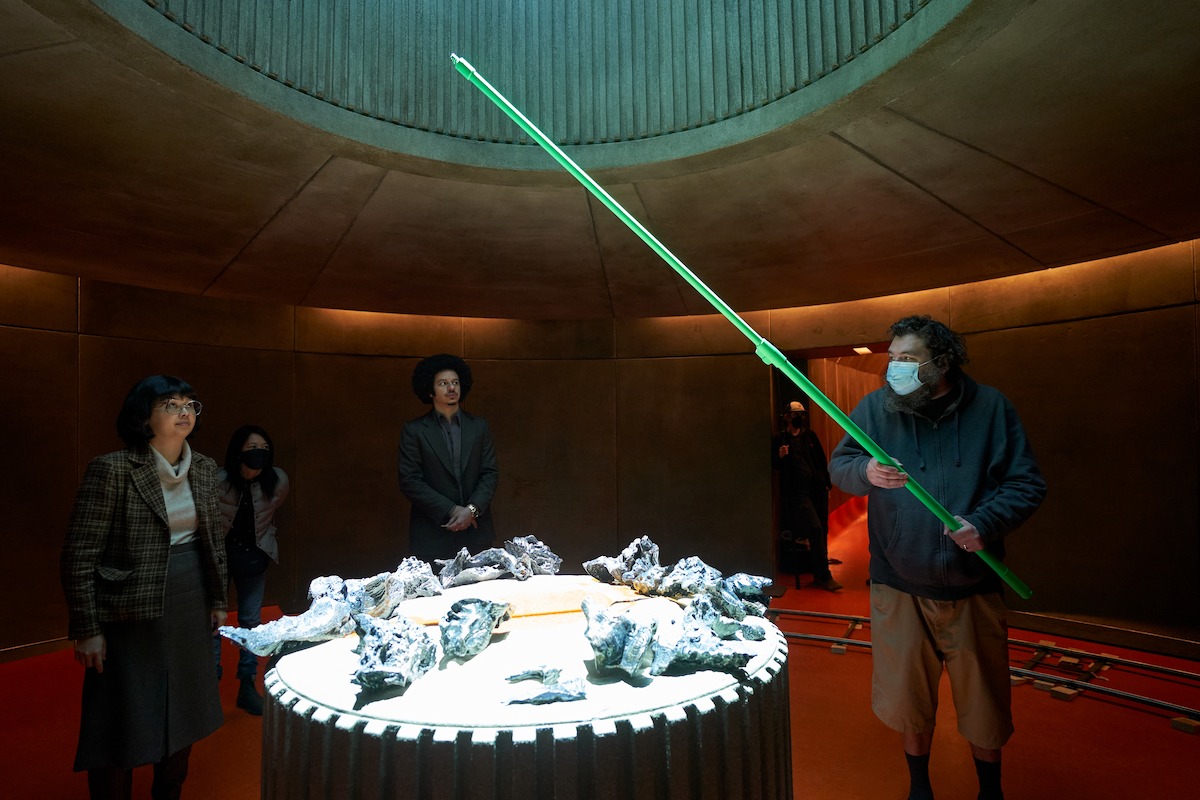
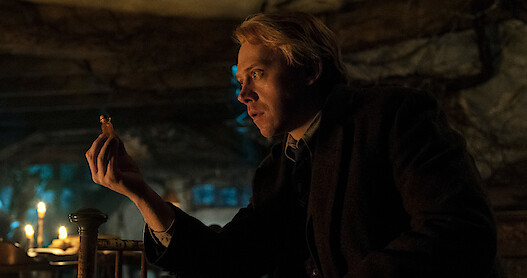
Eric André: Panos keeps saying it’s like an episode of Scooby-Doo, which I think is a good reference point. The quick synopsis is that there’s four of us that are kind of like the titans of industry in our respective fields. She’s an astrophysicist and I’m like a Quincy Jones record mogul type. It’s a period piece: 1979. We all get invited to this billionaire’s house, this reclusive oligarch, along with this famous novelist, Guy Landon (Steve Agee), and this famous psychic, Targ Reinhard (Michael Therriault).
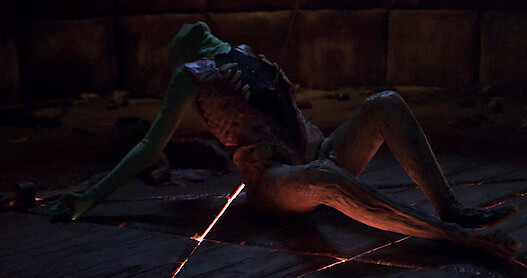
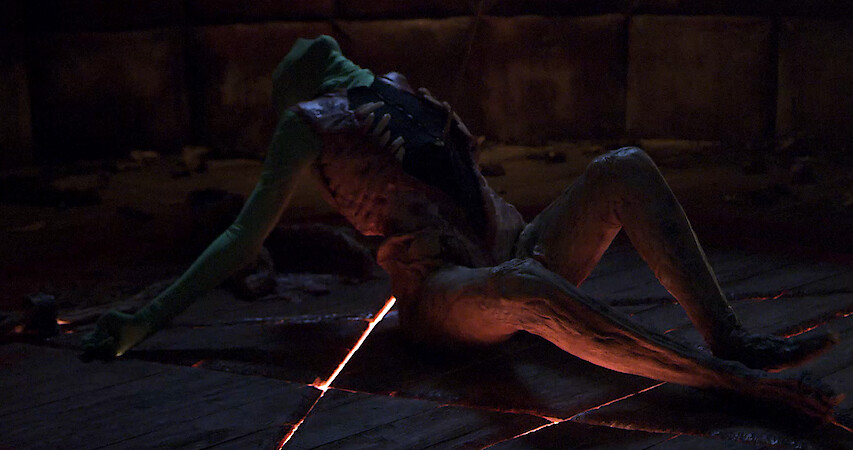
It’s a bit like the movie Clue. We all go there, we’re not sure why, and Lassiter, who’s played by Peter Weller, is just this really weird, creepy, J.D. Salinger–esque eccentric, who is all strung out on experimental drugs, and his lover/doctor and his butler are by his side, and it’s very existential. And he has a specific item to show us, and he kind of draws out the meeting until the power is right.
That wasn’t that brief, but I tried.
Yi: Yours was more specific. Mine’s like, “It’s like Charlie and the Chocolate Factory but darker.”
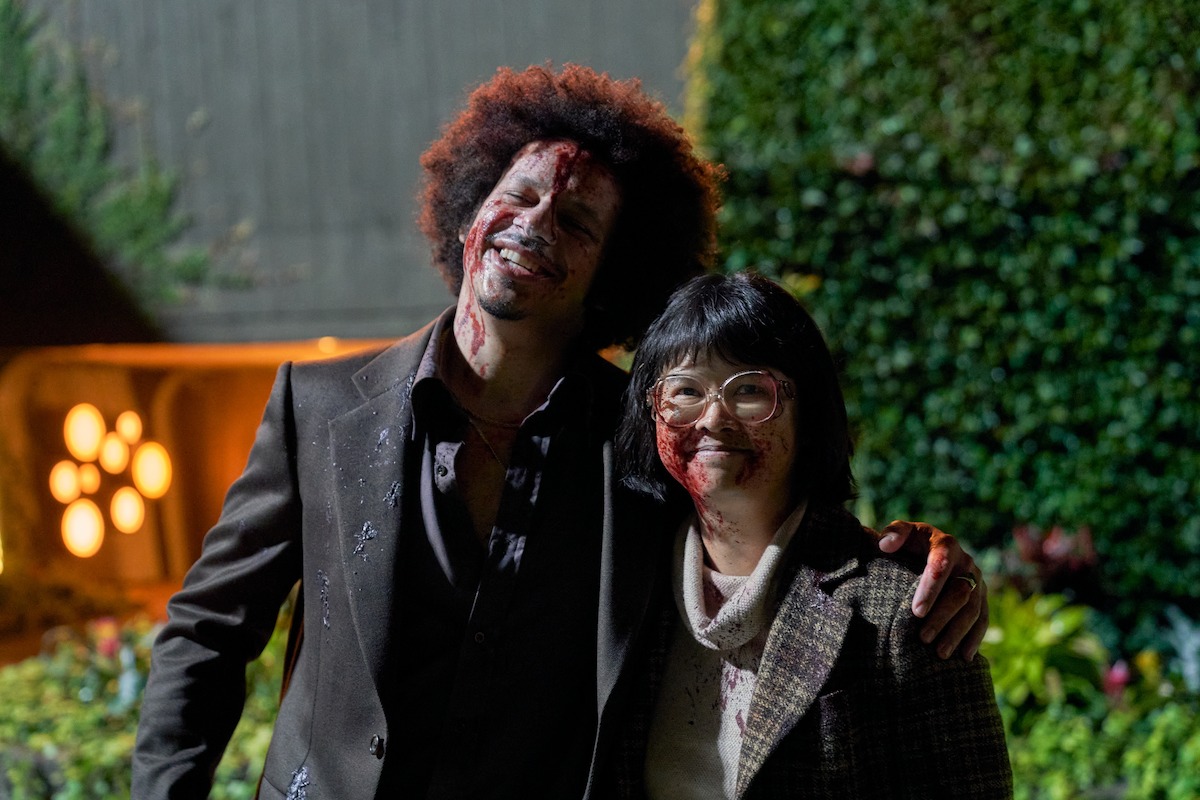
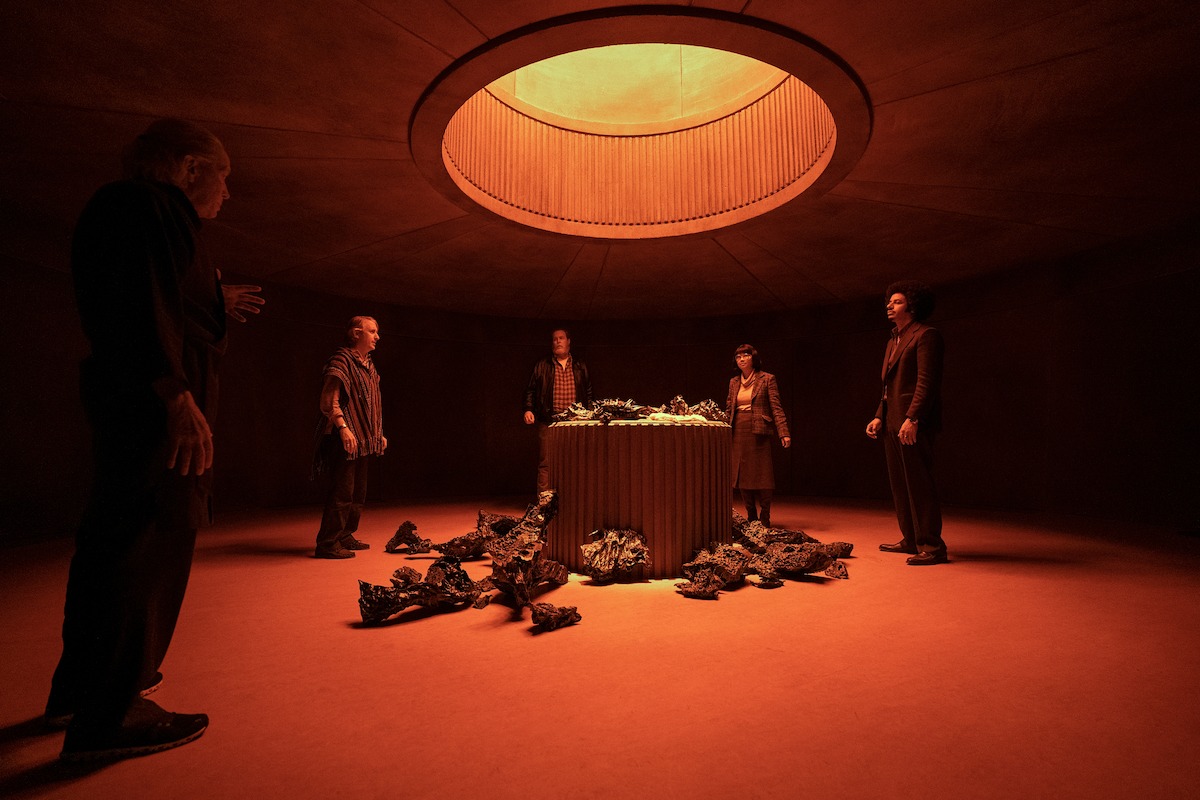
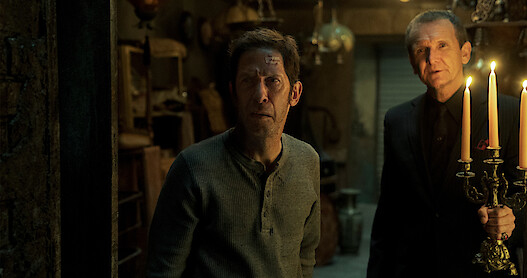
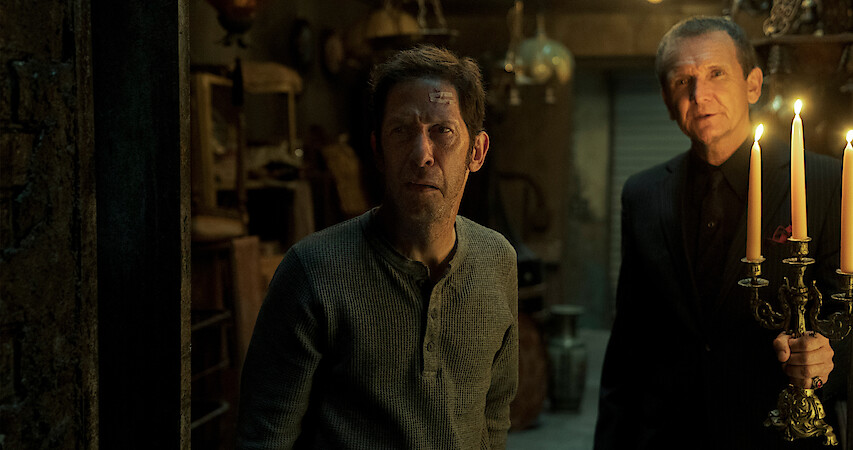
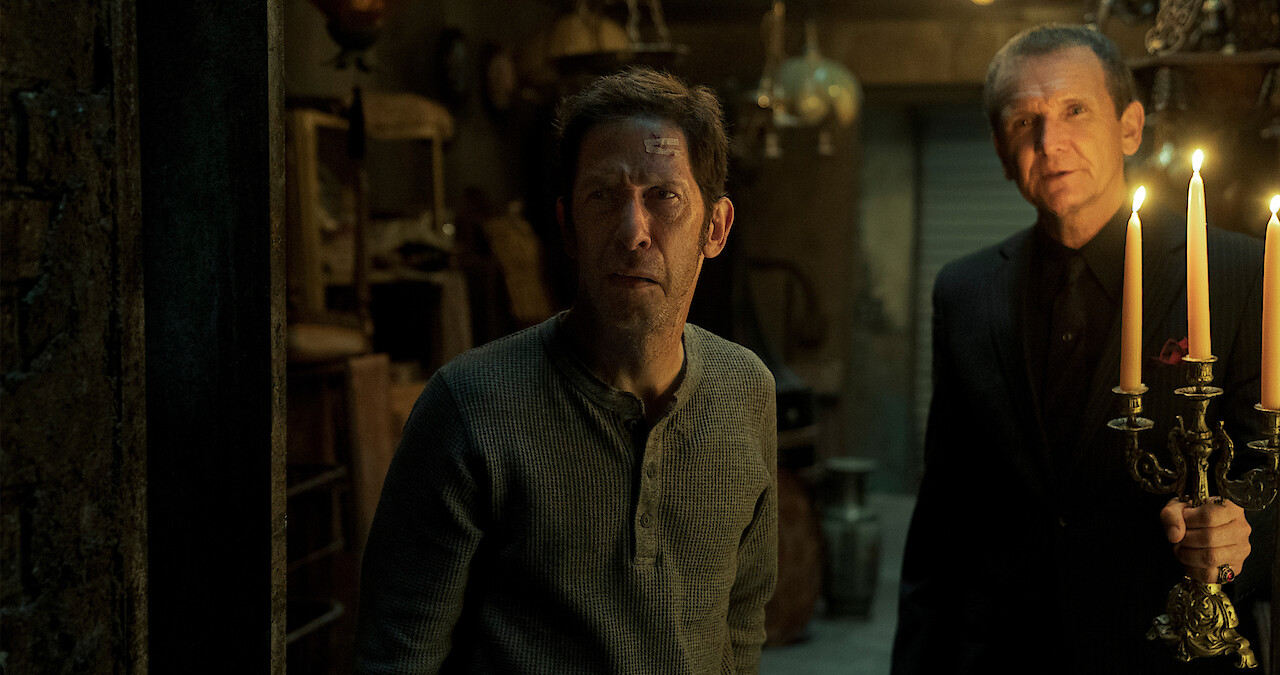
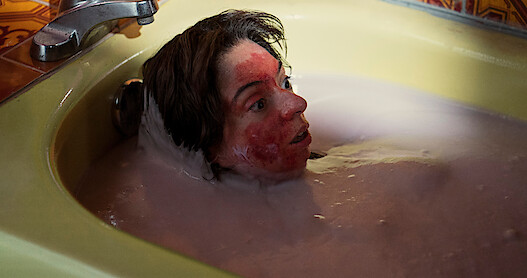
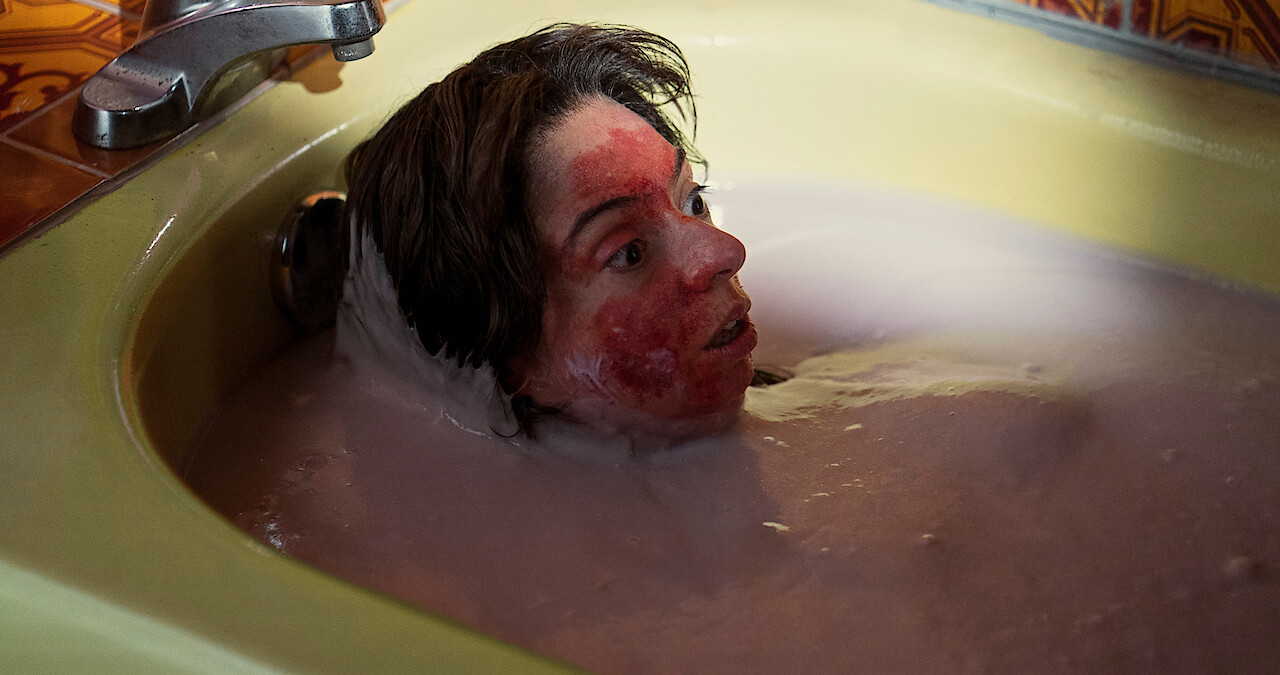
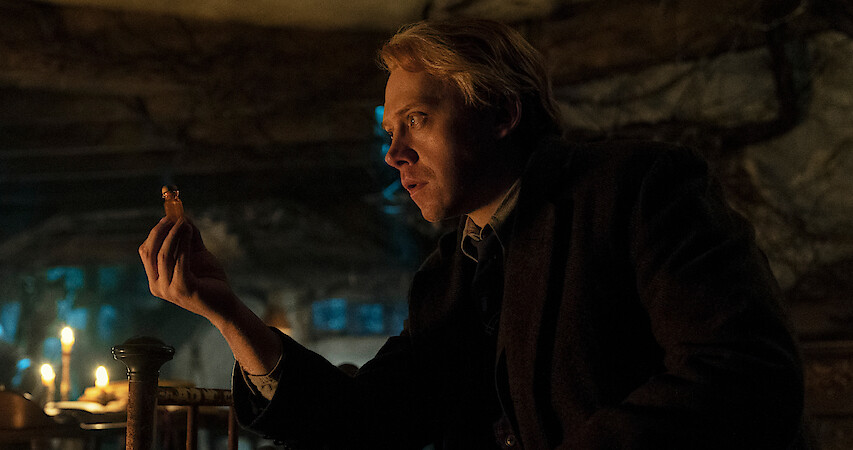
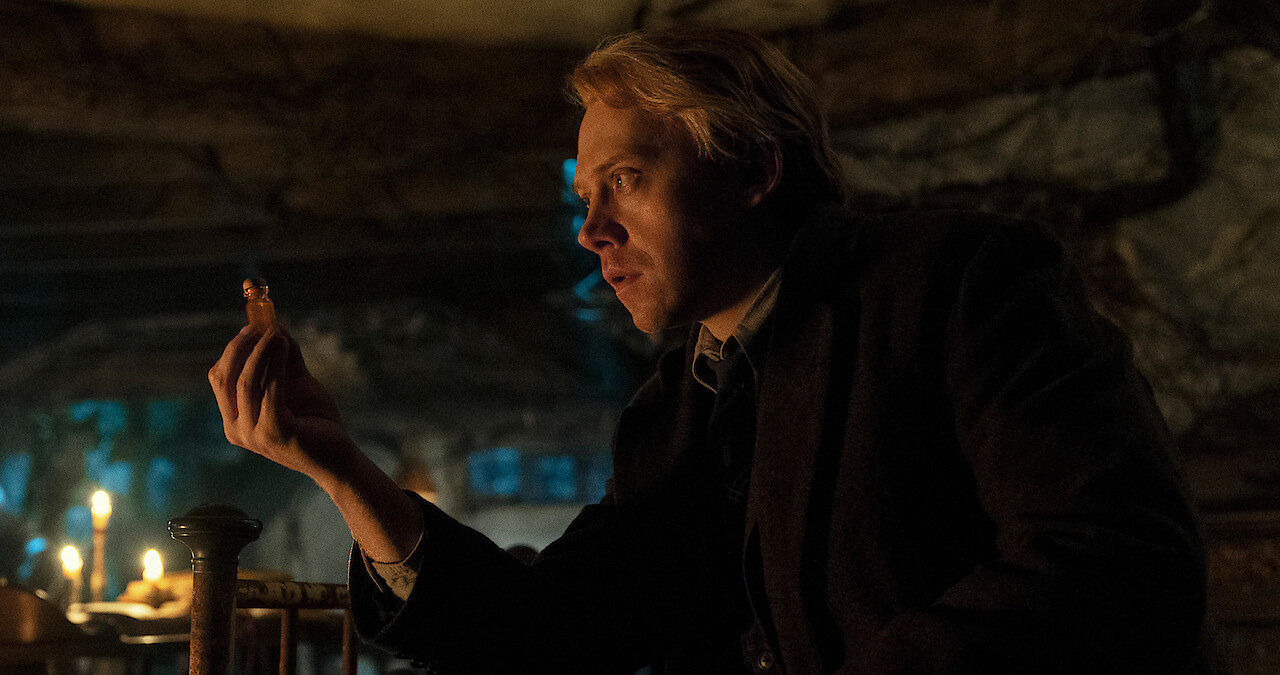
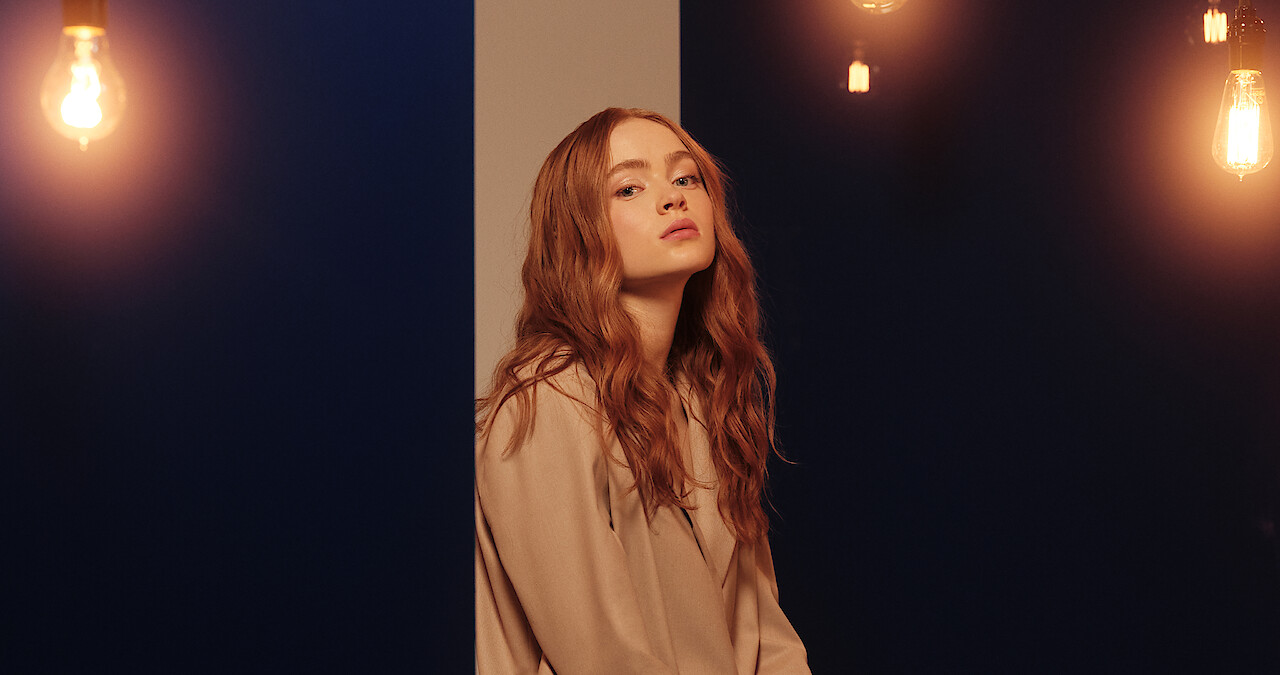
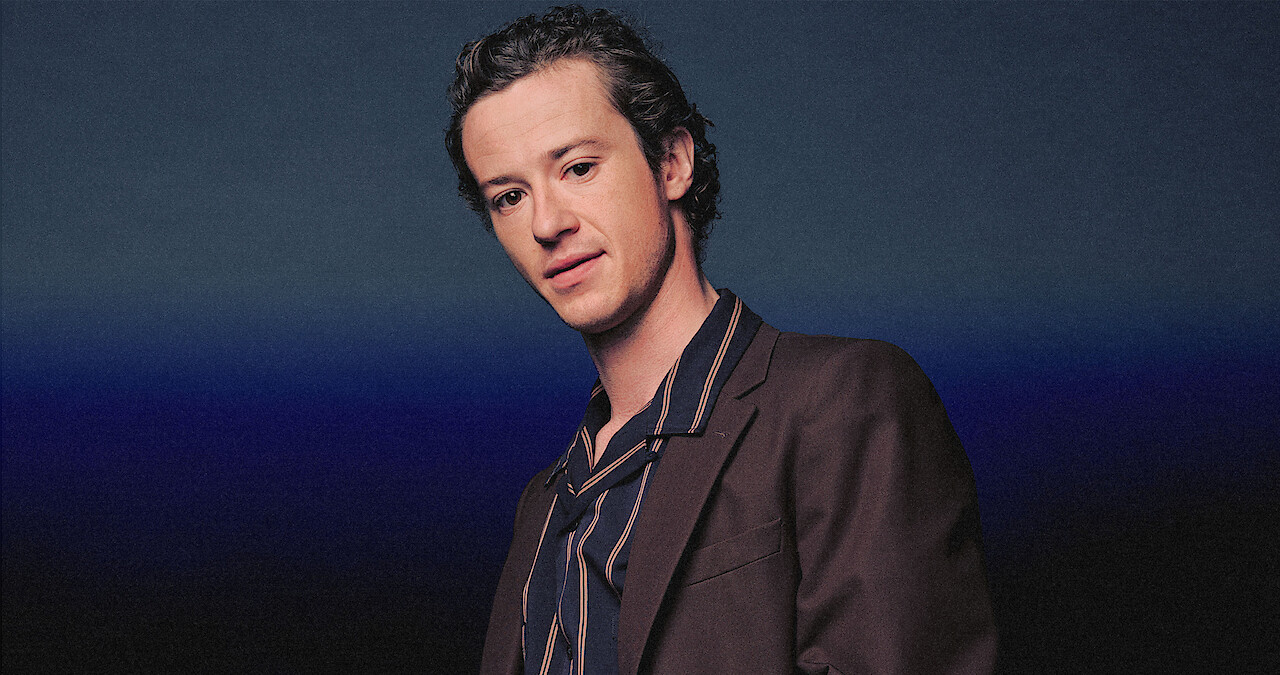
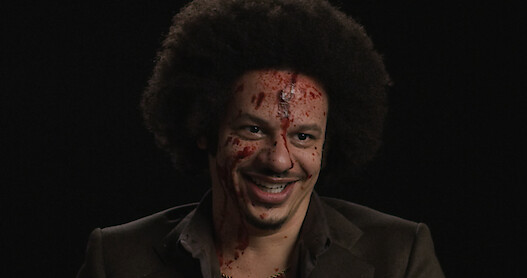
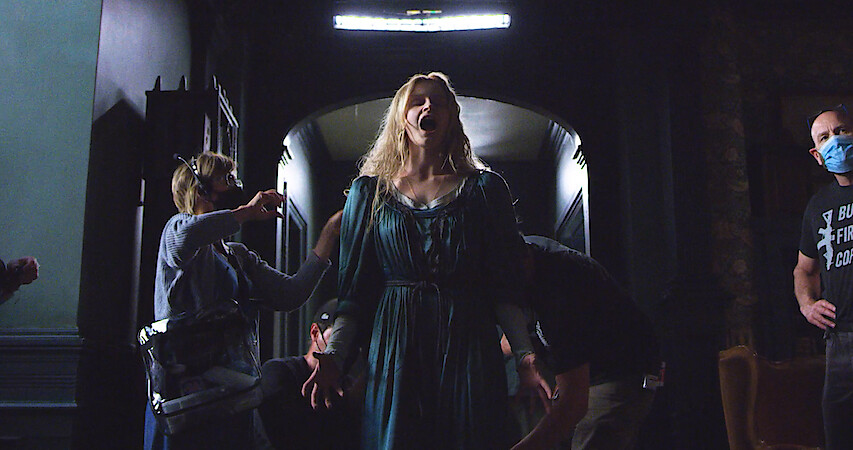
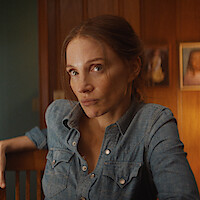
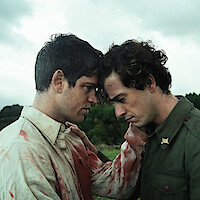
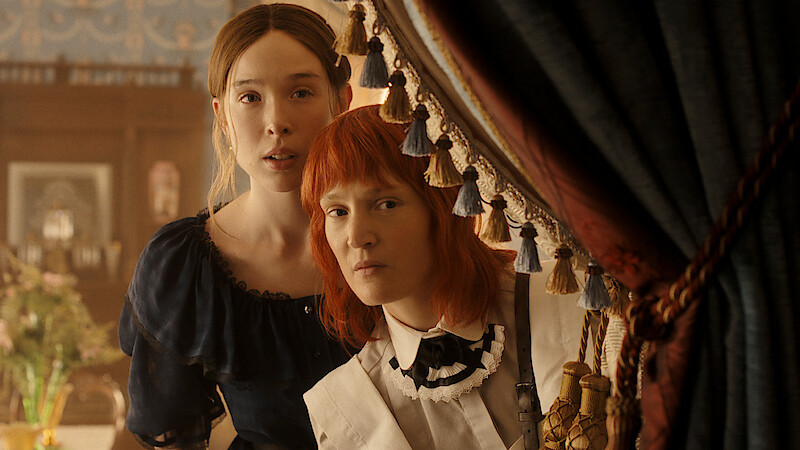
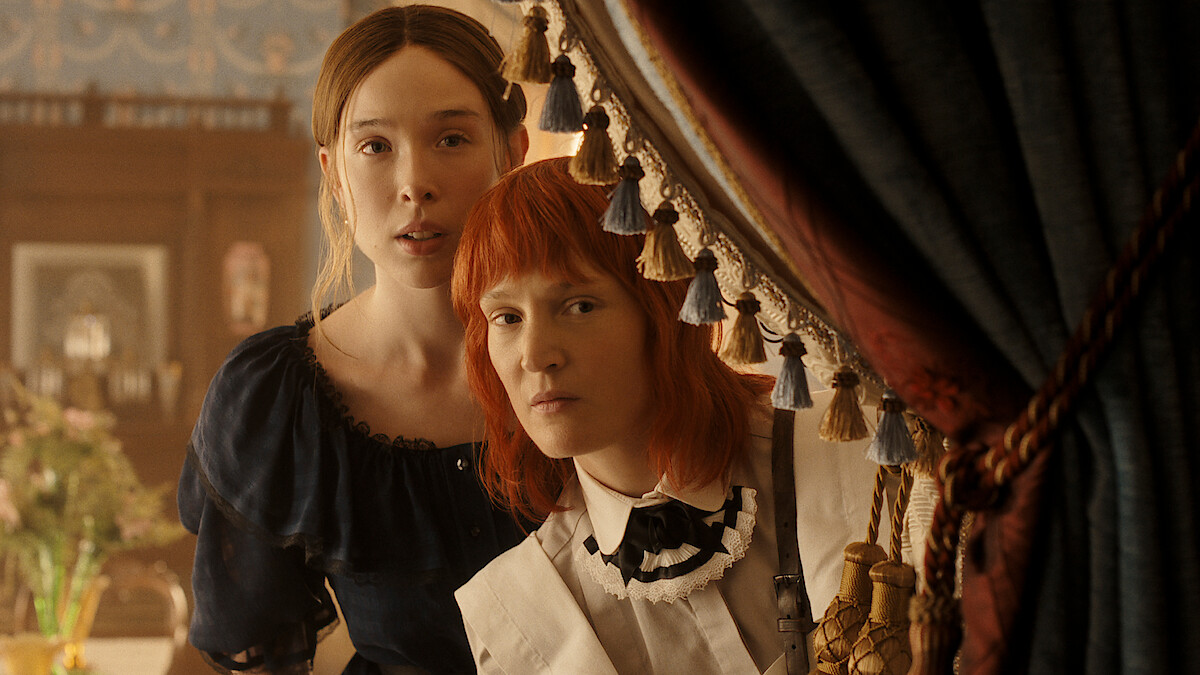
Eric André as Randall Roth and Charlyne Yi as Charlotte Xie in episode “The Viewing” of Guillermo del Toro's Cabinet of Curiosities.
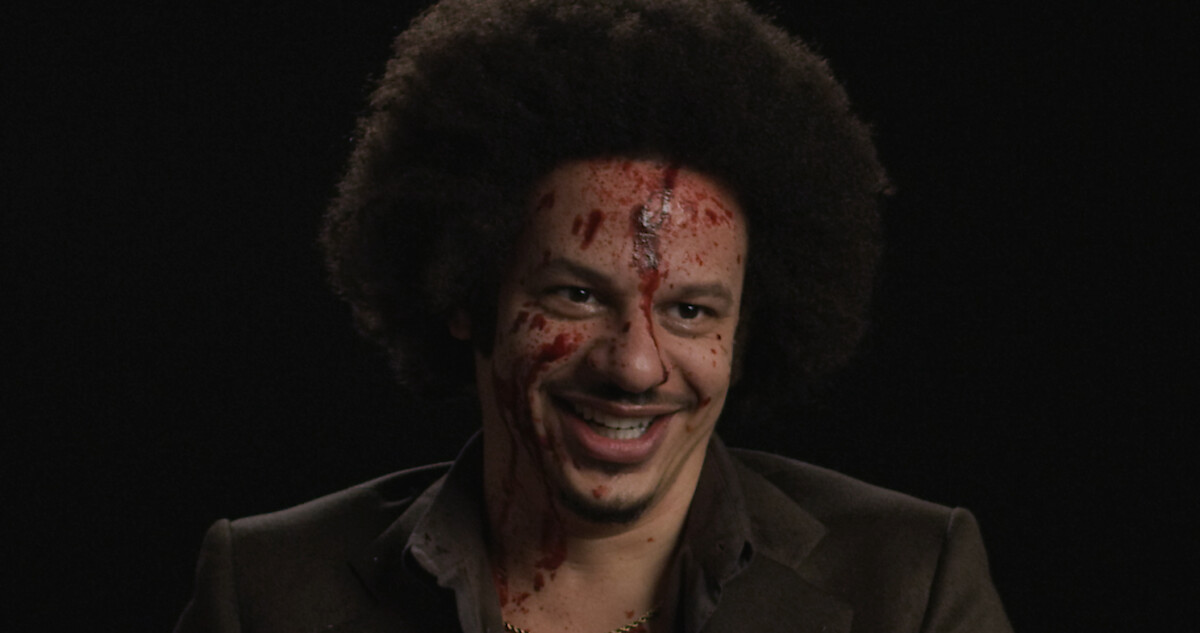
What’s with the blood? [Gestures at their face, which is spattered with fake blood] Yi: I started my period.
André: Me too. We’re on the same moon cycle.
Yi: We synced up.
André: We synced up. We’re roommates and we go to the same kundalini yoga class. Um, no, somebody’s head explodes next to us.
Why did Lassiter invite your character to the house, Charlyne? Yi: I think Lassiter’s a fucking freak, that’s why.
André: Fucking freak, man.
Yi: Well, I think ’cause he kind of collects people. Targ is very empathetic. [My character] is more scientific. I think we’re all pieces of different people — it’s almost like Captain Planet, we make one superhuman.
Why did Lassiter invite your character, Eric? André: I think he knows he has something extraterrestrial on his hands. Not to ruin the reveal for you, but I think he wants a science fiction writer, an astrophysicist — an actual scientist — a psychic, and somebody that understands music. Maybe the item had emanated some music beforehand. I think Lassiter has a hunch of what this alien totem is, or some seed of an idea. So he’s inviting experts on the topic to come look at it and analyze it.
Yi: That would have been cool, if the only way you could communicate with the alien was through singing.
Lassiter doesn’t know, he’s just looking for opinions.
André: Do our characters have any sense of what the alien is? I don’t think so. I think we’re baffled the whole time, until it transforms. Even then, we don’t know what the fuck is going on. I think the last line is “What the fuck was that?” or whatever.
Yi: Yeah, I mean, I feel like Lassiter is like, “Hey, um, can you smell this milk? Is it rotten?” and we’re like, “Ooh, ooh, yeah, it is.”
Why do you think you survive? André: I asked Panos that, and he said that we’re the only characters he liked. He said everyone else kind of deserved to die.
Yi: I mean, everyone has an ego, but I feel like ours didn’t have — like, our [characters] were questioning things, even though we’re like, “Oh cool, curious,” we weren’t full in, all the time.
André: Yeah, like Targ’s a charlatan. Guy is mean, he’s a bully. And Lassiter and his cronies are a little bit evil and manipulative.
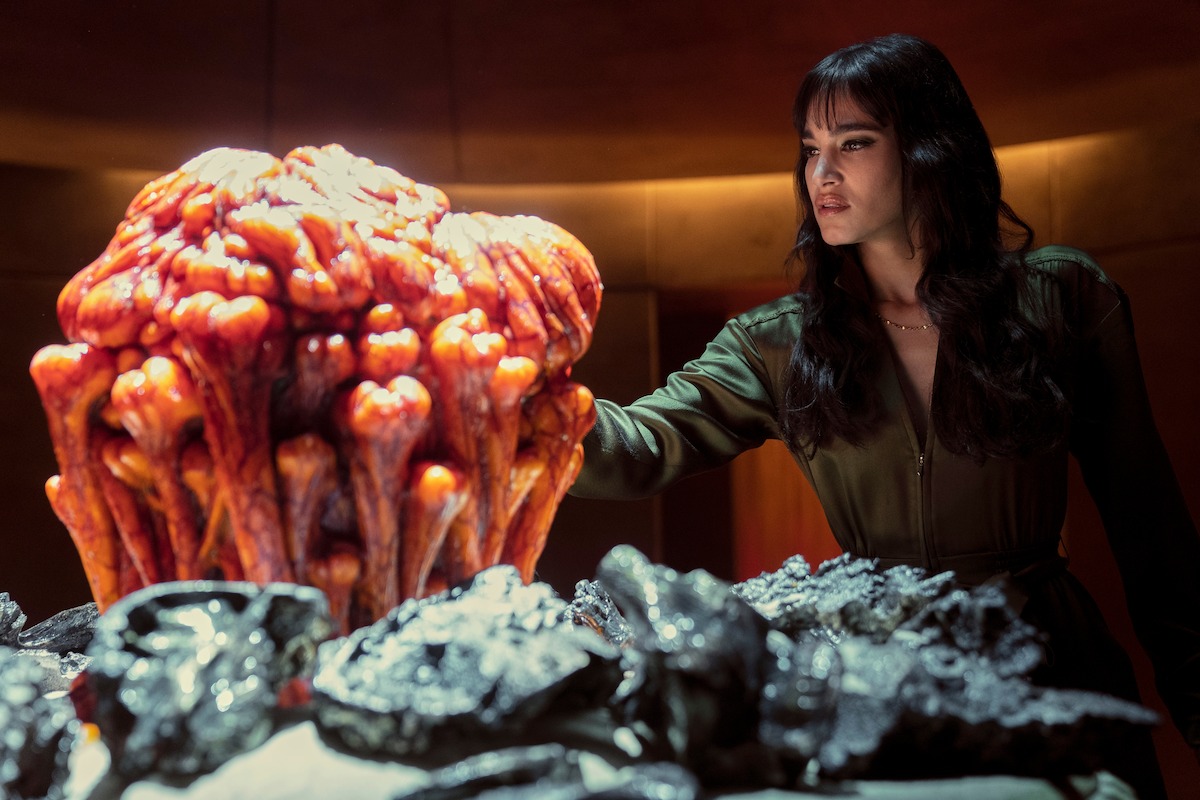
Sofia Boutella as Dr. Zahra in episode “The Viewing” of Guillermo del Toro's Cabinet Of Curiosities.
What is the relationship between Lassiter and Dr. Zahra André: I think she is probably, like, a corrupt [doctor] — she’s kind of like Michael Jackson’s doctor, like an unethical, off-the-grid kind of [doctor]. But they’re also lovers.
Yi: Yeah, I think of her as the one puppeteering.
André: And also she’s very flirtatious with your character, so I feel like they have this polyamorous vibe to them, like oligarchs sometimes do. They’re very, like, you know, when you go to an oligarch’s house and they’re all rubbing your shoulder?
Yi: Yeah, don’t get me started.
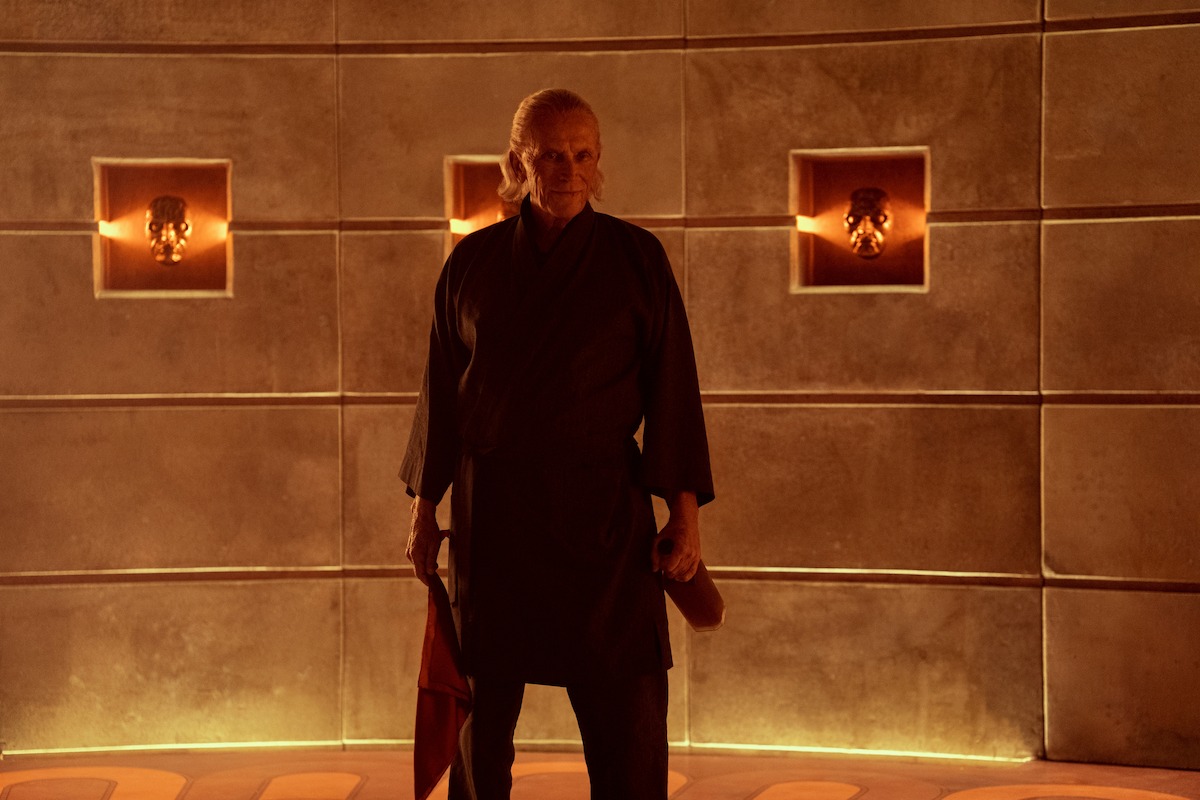
Peter Weller as Lassiter in episode “The Viewing” of Guillermo del Toro's Cabinet Of Curiosities.
Why is Peter Weller so perfect for this role? André: I think Peter nailed Mr. Lassiter performance-wise… They both have, like, a deep curiosity and fascination with history and knowledge.
Yi: Yeah, both. I was getting to know Peter and also looking at the dialogue of his character — they both always go, like, “Oh, you know this? Let me tell you a little story about this.”
André: School’s in session. The professor has entered the classroom.
Yi: I think both the character and Peter could definitely start a cult, yeah.
Do you find Panos lets you go in your own direction? André: Totally.
Yi: Yeah, Panos is like a big soft bear.
André: He’s like a sweet teddy bear. He’s so, so smart and creative. He has such great creative choices and creative instincts and he knows filmmaking so well. He has, like, an unfathomable amount of cinema knowledge. The first time I saw Mandy, I called my manager and I was like, “Help me stalk this director until he hires me.” So I just dug around every resource I had until I got ahold of him and then I just pestered him until he hired me. He’s like my new favorite director.
Yi: I like him ’cause I feel like I had forgotten I like to act, and he made it feel so safe and playful, and I was like, “I feel like I’m resurrected,” like, I had forgotten how to have fun. And so it’s been really fun to see each other find ourselves in these moments where we find the scene. It feels exciting again, working with him.
André: He is very, very nurturing and collaborative, and I’ve learned a lot on this shoot, just like filmmaking-wise. He’s like an unofficial teacher just from his bottomless pit of knowledge about filmmaking. But yeah, I always felt very taken care of and nurtured and safe.
How did the production design help you get into character André: Yeah, totally. I think the production design is so imaginative and thorough and beautifully executed, it definitely helps getting into [character]. Being on set helps, ’cause when you’re like, in your gym clothes, memorizing your lines in your house, you get really in your head and anxious and everything’s abstract and doesn’t feel real, and you don’t have anybody to play off of, or get anything to play off of. So when you're in the space rehearsing with the actors in your wardrobe, you’re like, “Oh, I’m gonna be OK.”
Yi: Yeah, when I went in there, I kept saying “Wow” and, like, touching the floor and knocking on everything, touching the leather seating — you know, like, ’70s stuff always smells kind of funky. It [didn’t] smell like that.
André: A lot of the stars of the ’70s weren’t as hygienic.
Have you worked with Guillermo before? André: I ran into him in the parking lot. Did you meet him?
Yi: Mm-hmm.
André: I just happened to run into him in the parking lot, and he was, like, a total sweetheart. He’s like another Panos, big teddy bear. He’s like, “Oh, brother, I loved TheEric André Show. You’ve got to get me on your show and rub oils all over my body or something.” He didn’t say that. I — I added that, I embellished. But he was saying all these crazy things. And he was, like, gushing about Bad Trip and I was like, “Whoa, you watch my bullshit?” So he knew the way to my heart.
What would you like for audiences to take away from this episode? André: I don’t know, I think it’s kind of an ineffable thing. It’s an unanswerable question because it’s in the eye of the beholder, you know what I mean? I think it gets cringey when an artist has to, like, explain — I’m not an artist, but I mean, like, I’d rather the audience answer that for themselves, because I think you actually take away from that when you try to shovel that down their neck. Because then they go, “That wasn’t my interpretation of it.”
Yi: Yeah, I think whatever they want, whether it’s entertainment or escapism or finding a harmony with our fucked-up reality.
This interview has been edited for length and clarity.
Witness 'Cabinet of Curiosities' Characters Walking into Horror Movie TropesIf you're in a horror story, there are rules to follow. These characters in Cabinet of Curiosities didn't.