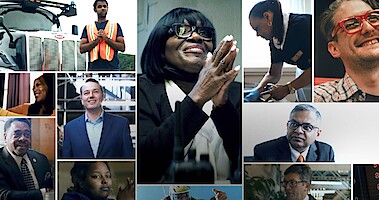
Roughly one year ago, a robotic engineer named Karthik Lakshmanan was sitting at home with his family when he received a phone call from Emilia Brown, one of the executive producers of Working: What We Do All Day, a four-part limited series chronicling the lives of 12 members of the workforce. Lakshmanan knew he was going to be featured in the third episode of the series to share his experience working at a Pittsburgh-based self-driving-vehicle company called Aurora Innovation. But that wasn’t all.
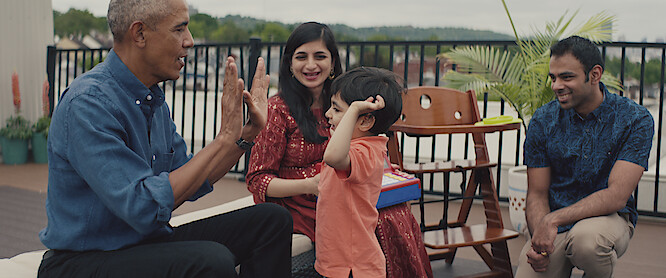
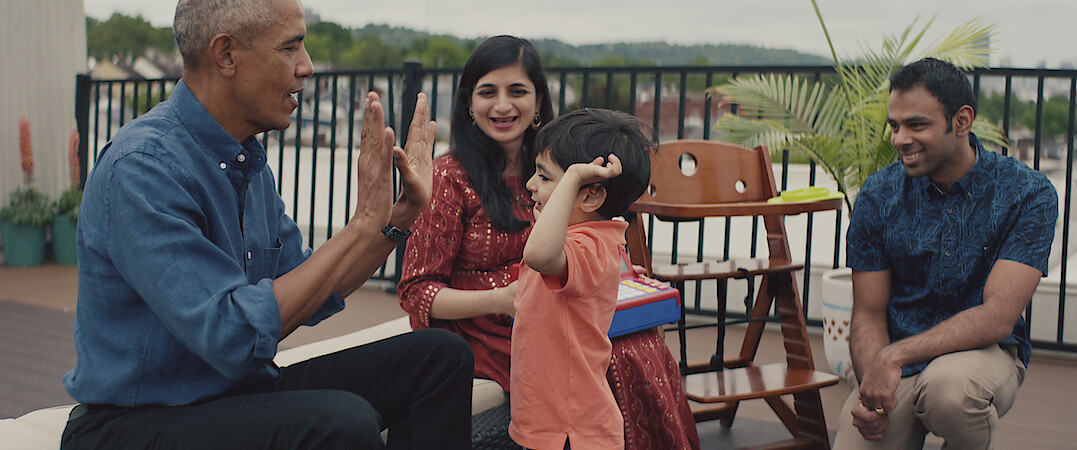
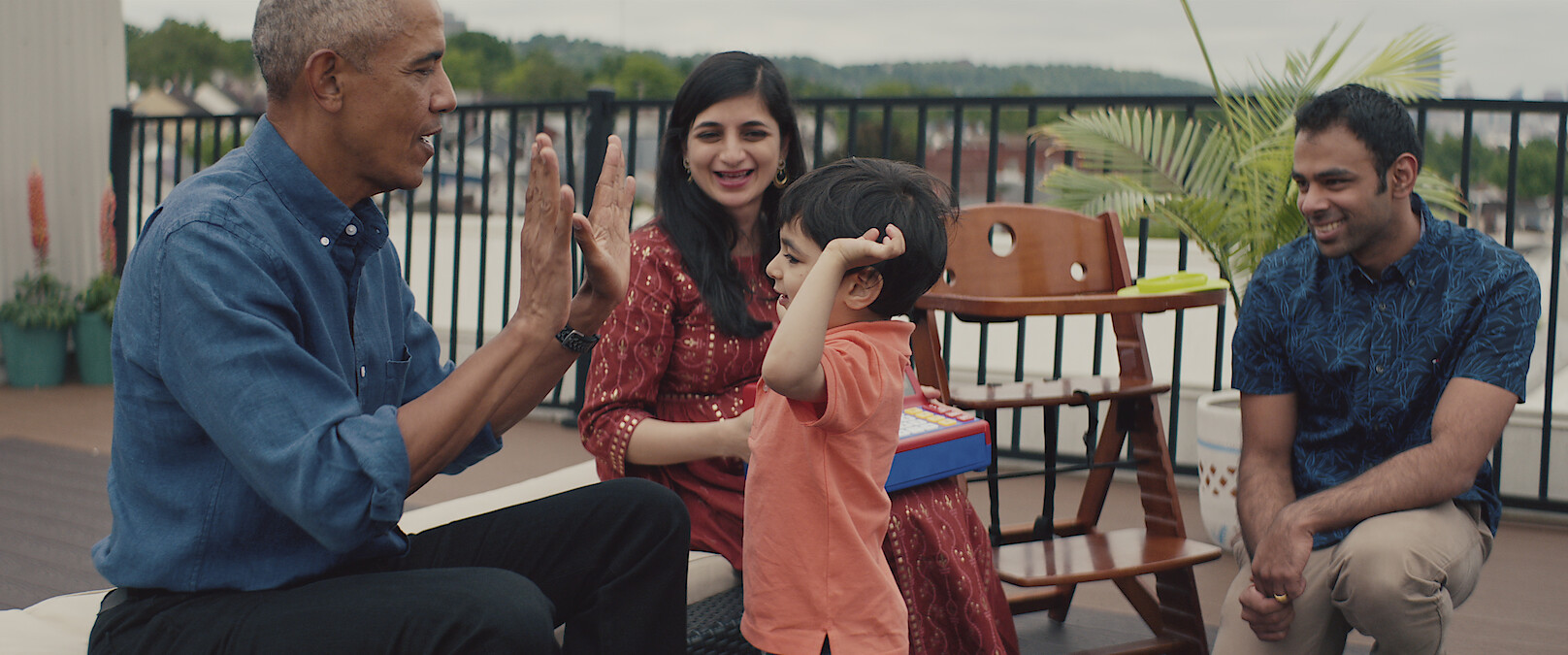
“Emelia called me out of the blue and asked, ‘Are you free three weekends from now?’ ” Lakshmanan tells Tudum. The request wasn’t unusual; he and his family had already been through a few rounds of shooting with the Working team. But Brown wanted to shoot Lakshmanan and his family having a barbecue on the roof of their apartment building.
“I was like, ‘That’s an odd request, but sure,’ ” Lakshmanan says. “We’re vegetarian, so I started listing Indian dishes we could make — pineapple, halloumi, whatever. Then she said, ‘That all sounds amazing. Let’s film a barbecue scene with you three weekends from now. By the way, President Obama will be joining you on your rooftop.’”
Working: What We Do All Day was inspired by a book Obama read in college, Studs Terkel’s 1974 bestseller Working: People Talk About What They Do All Day and How They Feel About What They Do, a collection of oral histories from more than 100 workers across all levels of industry. Under the direction of Caroline Suh, Obama’s Higher Ground productions took Terkel’s framework and translated it into a doc series for contemporary times. Each episode of Working profiles three workers across the home care, tech and hospitality industries. Obama narrates the series and pops up intermittently — in his office, in the homes of some of his subjects and, yes, even at a rooftop barbecue.
Lakshmanan recalls what happened when he told his family that Barack Obama would be coming over: “It was stunned silence, and then everybody just burst out laughing.”
None of the initial surprise of learning that Obama was coming to visit was filmed for the series, and the actual footage gives no indication that the former president coming over for dinner is anything but normal. Obama operates like any old pal would: He sits down, grabs a plate and asks how it’s going at work. Lakshmanan says that the effortless nature of the scene wasn’t just good editing — Obama brought a level of calm and warmth that immediately put everyone at ease.
“You have this crazy built-up expectation of how he is that you’ve only seen on TV,” Lakshmanan says. “He was very relaxed, very comfortable and very personal. He bantered with everyone, but at the same time, he had that very commanding presence.”
Luke Starcher, another Pittsburgh resident and Aurora Innovation employee featured in the series, says when the Working producers told him Obama would be coming over for a visit, he thought it was a joke. The idea was to have Starcher and Obama discuss work as a means to an end — Starcher enjoys his job as a data manager for Aurora, but his true passion is music. He says that working at Aurora has allowed him to spend his free time creating. And suddenly, it was happening: Barack Obama was in Starcher’s basement recording studio, vibing to his latest record.
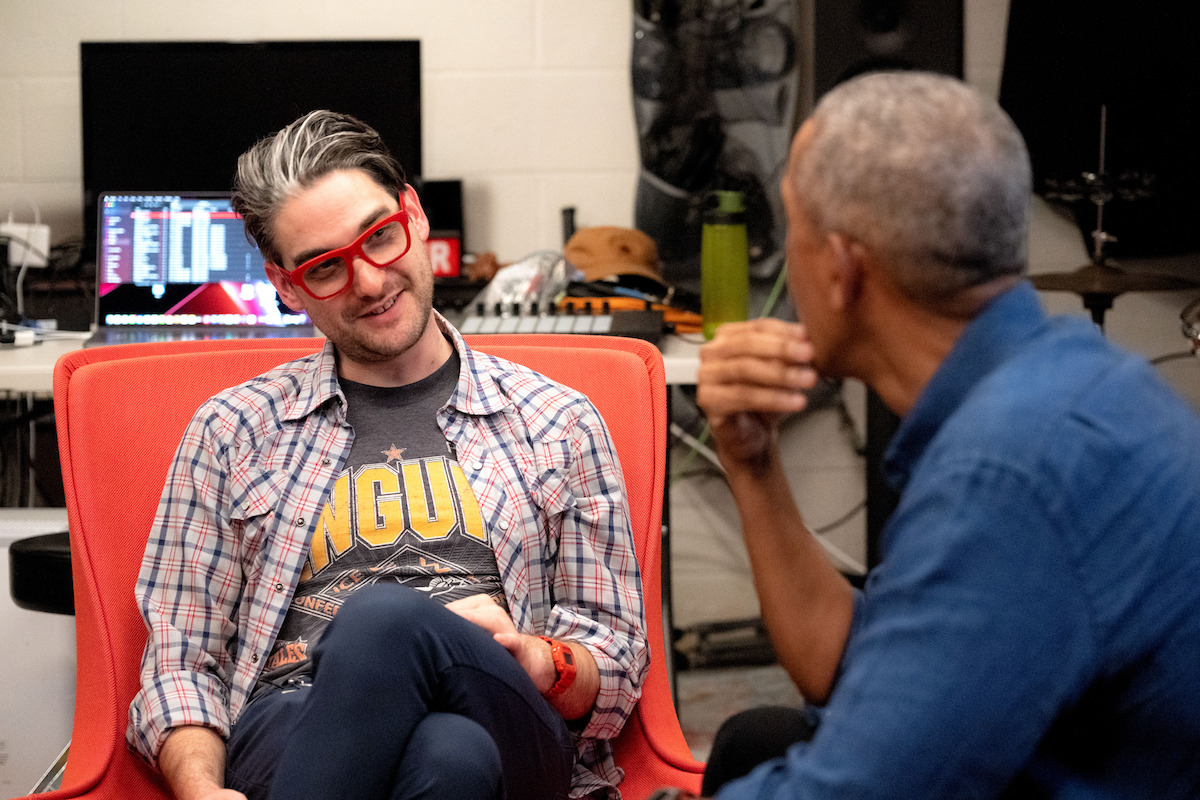
Barack Obama joined Luke Starcher in his basement studio to discuss balancing your profession and your passion.
“The buildup was pretty intense,” Starcher says. “There was a lot of planning, because there were a lot of security concerns. Producers were like, ‘We’ve got to find your cat and put it in a cage because there are bomb-sniffing dogs.’ Caroline was trying to spitball how we’re going to start the scene while I was getting called from the Secret Service to move my truck because Obama is about to show up. It was all a great distraction, and by the time he got there, I was very excited.”
Starcher says that Obama had done his homework and already knew a lot about Starcher’s background and story, including his music. In the episode, we even see Obama telling him to keep the record on for longer so he could really get into it.
“The greatest pleasure of having him at my house was getting to show him my music and introducing him to the latest project I’ve been working on, which he said he really liked,” Starcher says. “I hope he does.”
Back at the rooftop barbecue, Lakshmanan described an equally chaotic day leading up to Obama’s visit, including what happened when the president arrived fashionably early to film and Lakshmanan’s two-and-a-half-year-old son was still at day care.
“The president was running an hour early, so I had to rush to pick Ishan up because he was supposed to be in the scene with us,” Lakshmanan says. “When I came back, the motorcade was there and the street was blocked off. I had to sneak Ishan in from the back of the building and change him in the elevator.”
And perhaps mirroring our best laid plans in our professional lives, Lakshmanan’s plans for his son didn’t quite pan out.
“We’d trained him for the entire week ahead to look at pictures of the president and say, ‘Hello, President Obama.’ He was actually doing a really good job — except on the day of,” Lakshmanan says, laughing. “He was just engrossed with his toys.”