What Is Baby Reindeer? The True Story and New Series Explained
Please welcome to the stage, Donny Dunn.
Nov. 26, 2025
Get ready for a series unlike any other — one that demonstrates how a single act of kindness leads down a twisty road, paved with hundreds of hours of voice messages and north of 40,000 emails. Get ready for Baby Reindeer.
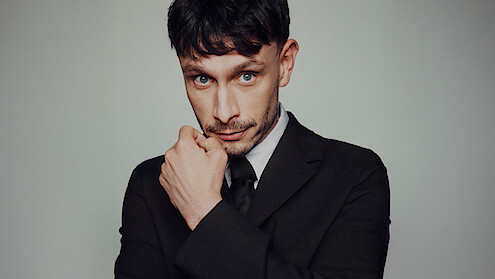
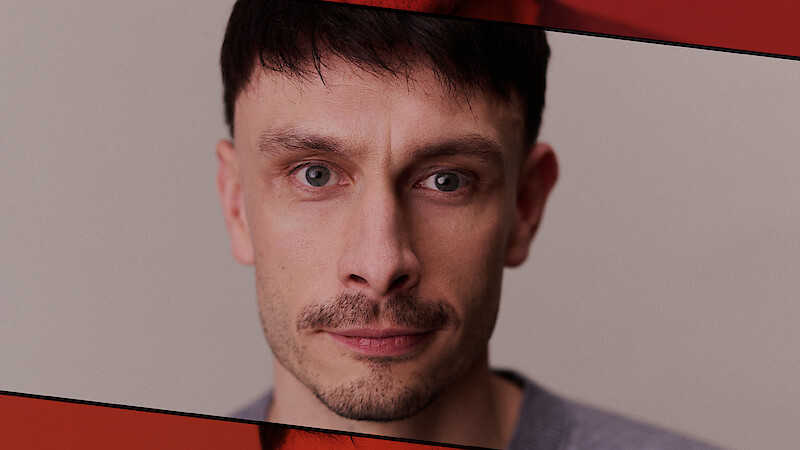
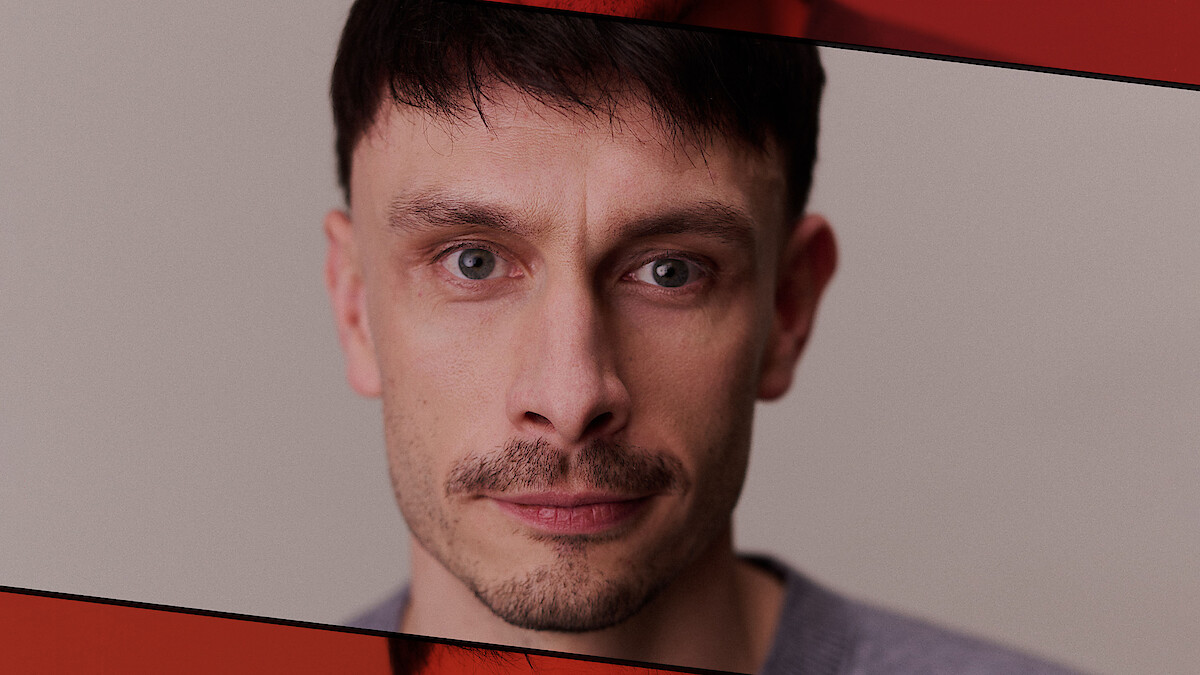
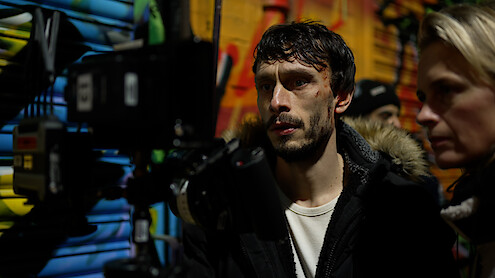
The dark and dramatic — yet still piercingly funny — series is a true story, written by and starring Richard Gadd, who adapted his award-winning one-man play into a seven-episode limited series, which has won a Gotham TV Award, a Television Critics Association Award, racked up six wins out of 11 Emmy nominations, and won two out of the three Golden Globes for which it was nominated. Much like its multihyphenate creator, the show lends itself to multiple genres, a compelling mingling of heavy emotion and humor that Gadd tells Tudum is not only an artistic choice, but is also true to reality.
“I think life is a comedy-drama,” Gadd says. “Some of the darkest places I’ve been in, I’ve found giggles somehow. And some of the funniest places I’ve been in, including backstage at comedy clubs with other comedians, can be the most depressing places as well. I always think life is a mixture of light and shade. So I wanted Baby Reindeer to be a blend of them both.”

Work out where the stars shine.
Solve the classic numbers game.
Piece together the big picture.
Turn shapes into something bigger.
Swap letters and emojis into words.
Find the path hidden in words.
Just add vowels.
Put the words back together.
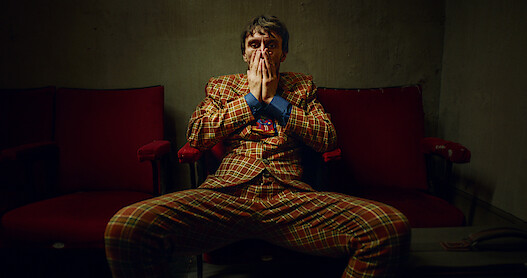
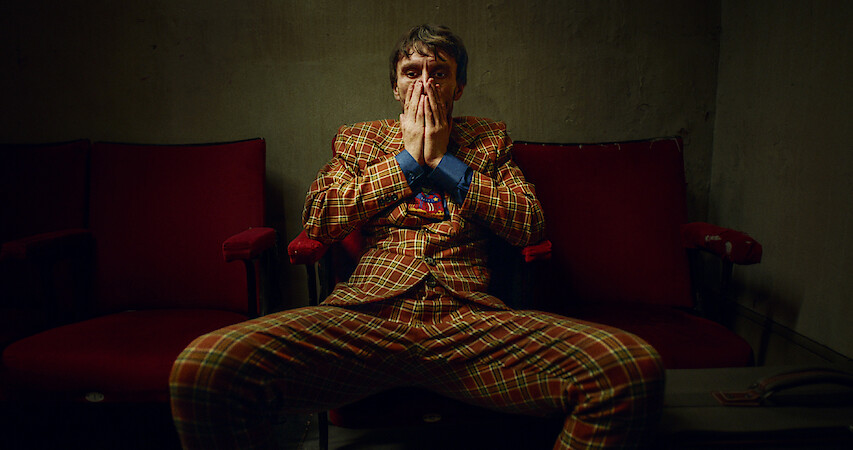
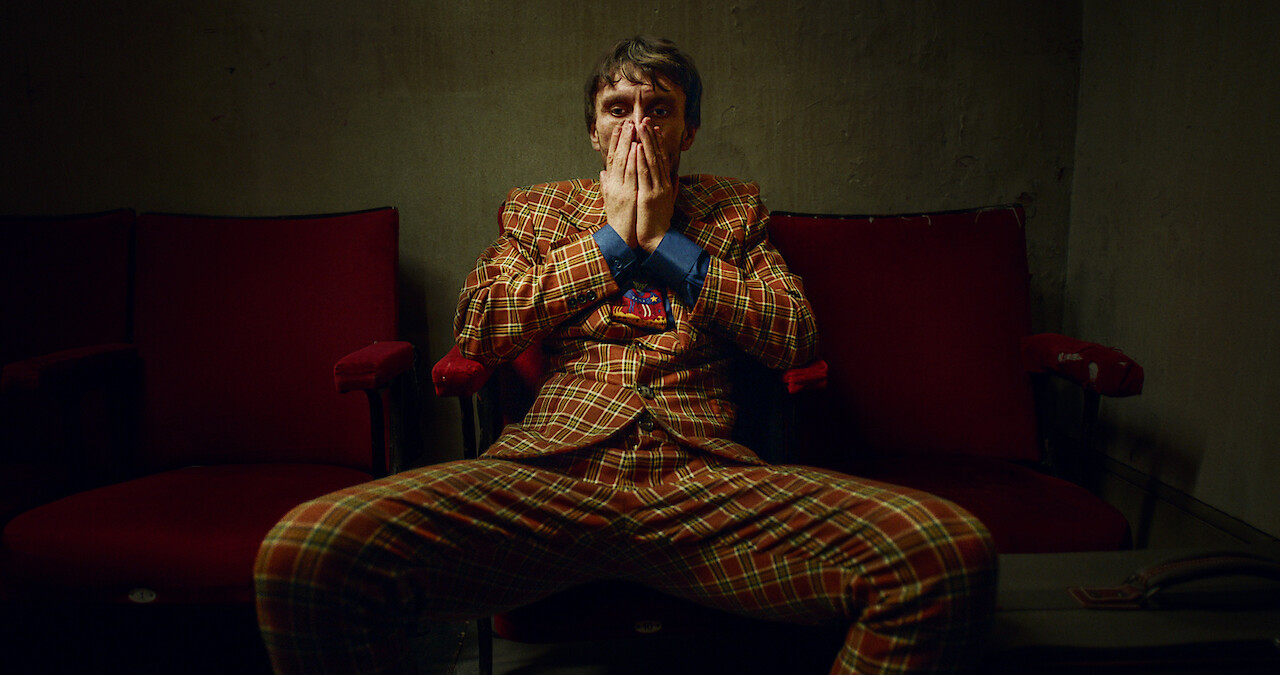
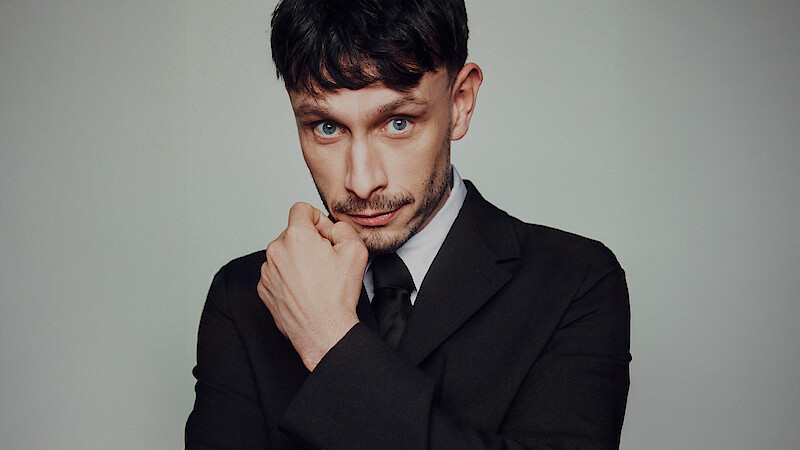
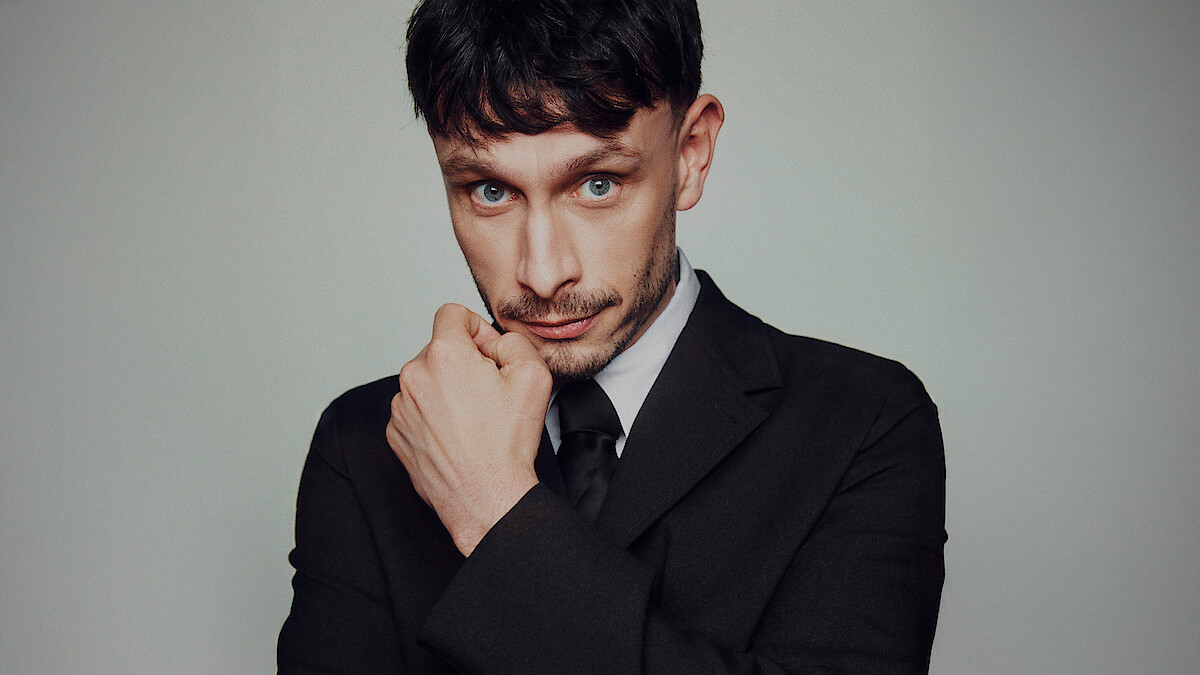
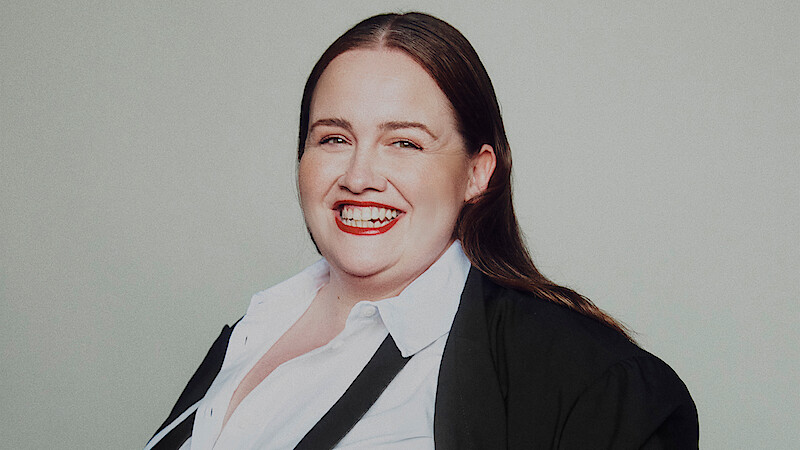
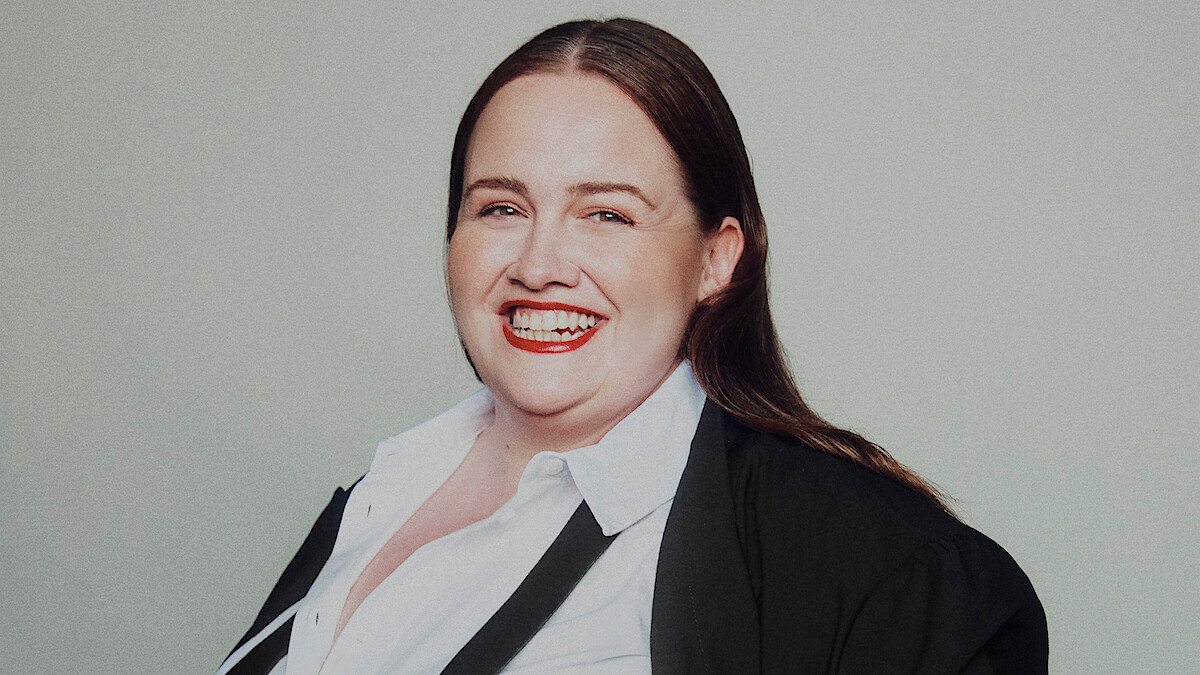
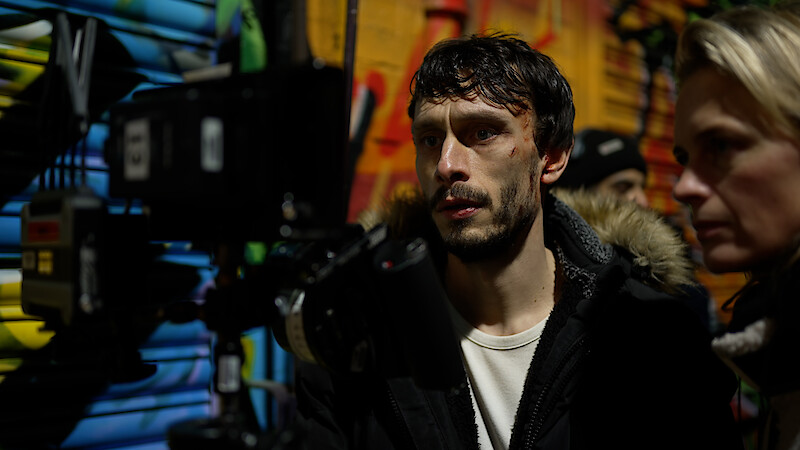
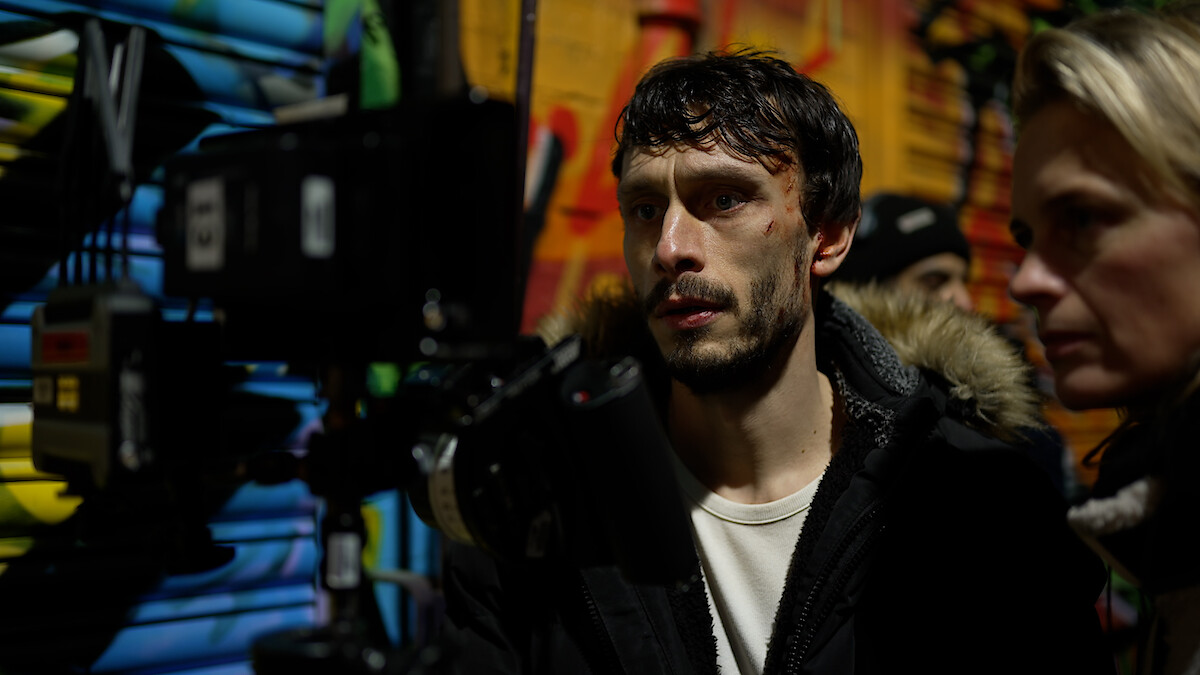
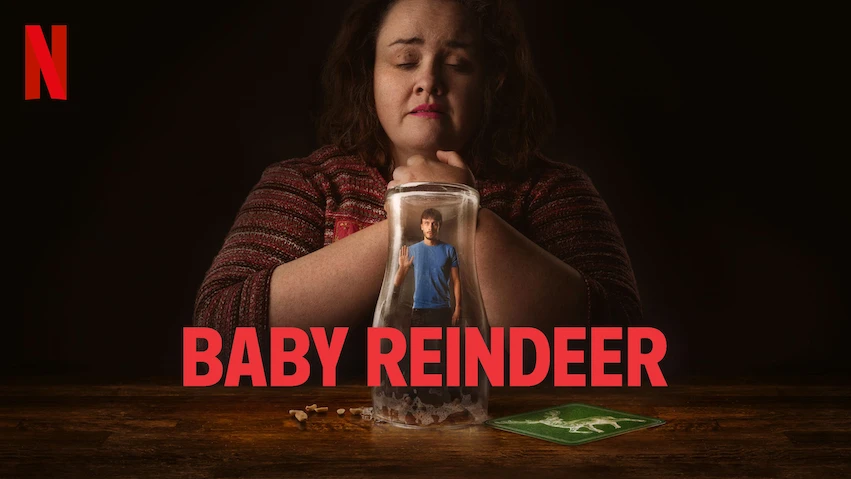
The story of Baby Reindeer centers on struggling comedian Donny Dunn’s (Gadd) strange and layered relationship with a woman named Martha (Jessica Gunning), whose initially friendly demeanor unravels as she begins to stalk Donny relentlessly.
Their first interaction is innocent enough: While working his shift as a bartender, Donny shows an act of kindness to Martha, a customer whose vulnerability is readily apparent. But, as the saying goes, “no good deed goes unpunished,” and this casual encounter sparks a suffocating obsession that threatens to wreck both their lives and forces Donny to face his deeply buried trauma.
While this type of storyline might seem familiar, it’s important to remember that this isn’t just a story — it’s true. Since it did come from such a personal place, Gadd consciously avoided the black-and-white, cliché-dense stalker narratives that have been done before, making sure that everyone’s humanity remains intact.
“Stalking on television tends to be very sexed-up. It has a mystique. It’s somebody in a dark alley way. It’s somebody who’s really sexy, who’s very normal, but then they go strange bit by bit,” Gadd explains. “But stalking is a mental illness. I really wanted to show the layers of stalking with a human quality I hadn’t seen on television before. It’s a stalker story turned on its head. It takes a trope and turns it on its head.”
Gadd makes clear that he didn’t want to write “a victim narrative.” He says, “I think art is quite interesting when you don’t know who you are on the side of. I wanted it to be layered, and I wanted it to capture the human experience. The human experience is that people are good, but they have bits of bad and they make mistakes.”
Accurately reflecting the human experience means the show feels like a multidimensional roller-coaster with sharp turns and steep drops, but it never feels less than aggressively honest. Undoubtedly that’s because Baby Reindeer’s authenticity stems from the most honest, unpredictable source material in existence: real life.
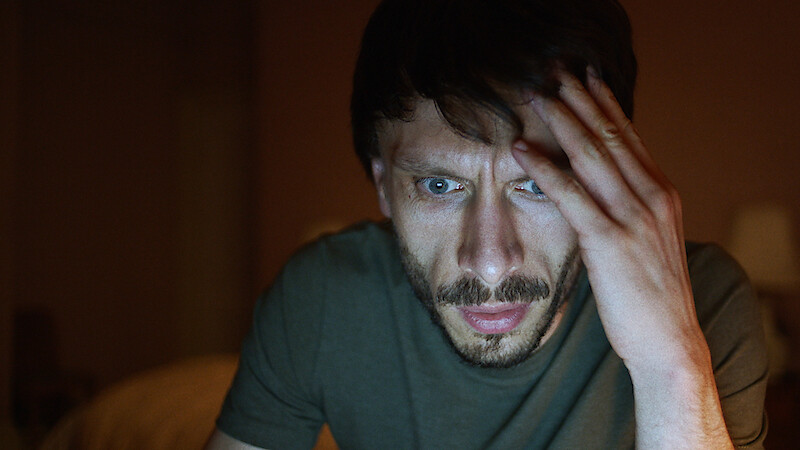
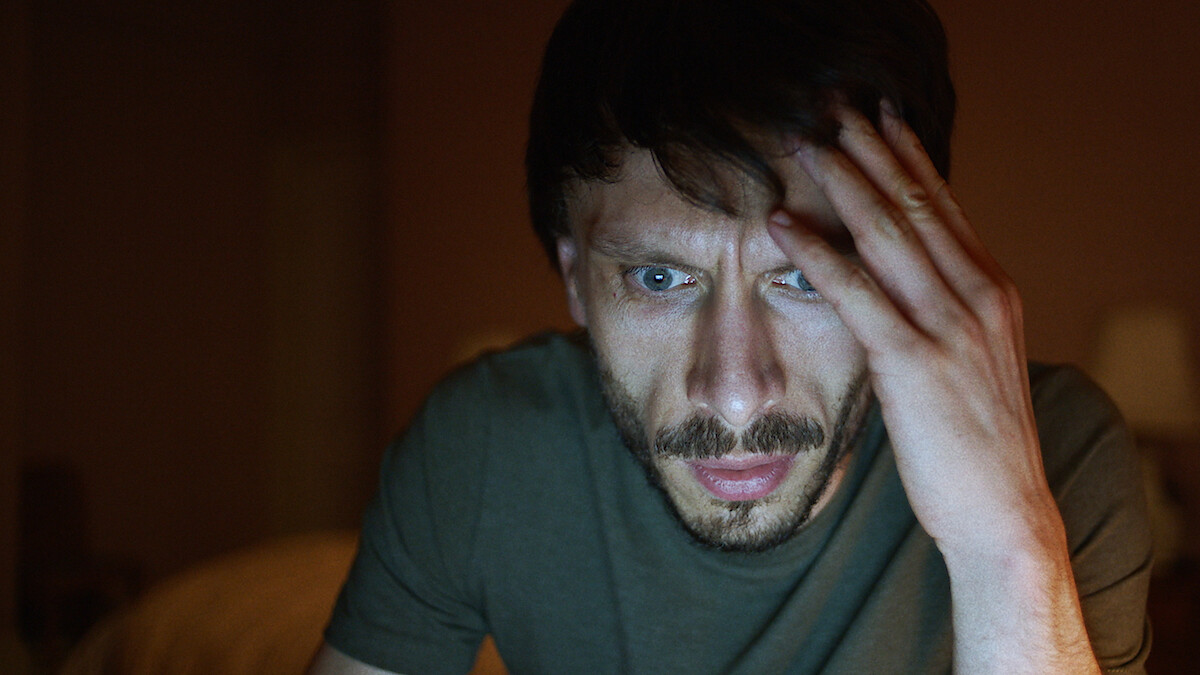
“It’s a true story,” Gadd says, adding that he always knew it was one he would want to tell. “In a weird way, I first started feeling like this could be a good story during the whole ordeal itself. It was one of the most intense periods, when I was listening to these voicemails. I’d go to sleep at night and these voicemails — her words would bounce around my eyelids. I remember thinking, ‘God, if I was ever to speak about this onstage, I’d fire the words around. Put the voicemails in a big cacophony and fire it.’ That’s how the play was born.”
That 2019 Edinburgh Festival Fringe hit play led us here, to a series adaptation that is no longer a one-man show, and that goes deep into a story that is not an easy one to tell. “There’s something slightly crazy about it, the whole thing, doing it — the layers upon layers,” Gadd says. “It is a heavy brew and it’s all very challenging for sure.”
Gadd stars as Donny Dunn, an aspiring stand-up comic, and Jessica Gunning plays Martha, a woman who forms an attachment to Donny. In addition, Nava Mau co-stars as Teri, an American therapist and trans woman who meets Donny through a dating app, and Tom Goodman-Hill plays Darrien, a successful television writer and potential mentor to Donny. All of the actors bring nuance, insight, and empathy to characters that are never less than complicated.
For her part, Gunning describes feeling “a sense of care, duty, and responsibility to do the story justice.” Her desire to honor the narrative extends to her characterization of Martha, a woman who causes no small amount of destruction in Donny’s life. Gunning says, “I think as an actor I’m not sure if you can focus on the harm she causes, because I don’t think it’s intentional from her.”
Gunning explains that, no matter how much damage Martha inflicts, “if you ever try to play her as a villain, I think you would ruin what a brilliant job Richard has done of the writing.”
Mau also says that Gadd’s writing is what drew her to the series. “When I was reading the script,” she says, “it felt like the first time reading a character that was written by someone who actually had known and loved a trans woman. And it felt like an honor to even get to read the script because of Richard’s vulnerability. There’s a light that I think pulsates out of that kind of vulnerability, and so all of the characters in the story then are cast in that light. And I felt that in that first read of Teri.”
For Gadd, playing a fictionalized version of himself was, he says, “all challenging. It wasn’t an easy thing to pull off. You are revisiting a period in your life, which was the worst period of your life. So it’s running back towards an awful fire you’ve been in.”
Still, though, hard as that process may have been, Gadd says, “I really threw myself in it, in a way. I wanted a certain reality and truth in the performance.”
Baby Reindeer won a 2024 Television Critics Association Award for Outstanding Achievement in Movies, Miniseries or Specials and a Gotham TV Award for Breakthrough Limited Series.
Additionally, it won six of the 11 Emmy Awards it was nominated for, including:
And, it was nominated for three Golden Globes and won two: Best Limited Series, Anthology Series, or Television Motion Picture and Best Supporting Female Actor - Television: Jessica Gunning.
In Jan. 2025, both Gadd and Gunning received nominations at the 31st Annual Screen Actors Guild Awards for their gripping performances. At the Feb. 23 ceremony, which was streamed live on Netflix, Gunning won the award for Outstanding Performance by a Female Actor in a Television Movie or Limited Series.
Baby Reindeer is now streaming on Netflix. And, you can listen to Richard Gadd on the podcast Skip Intro with Krista Smith here.