Explainer
Are the Buried Memories in 'The Unforgivable' Real?
The science is a controversial subject.
Nov. 16, 2021
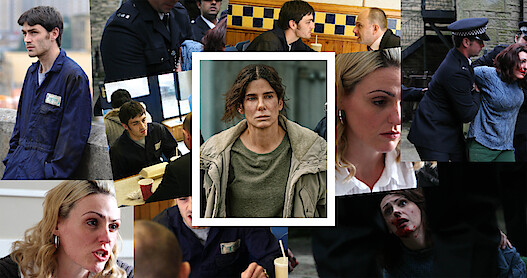
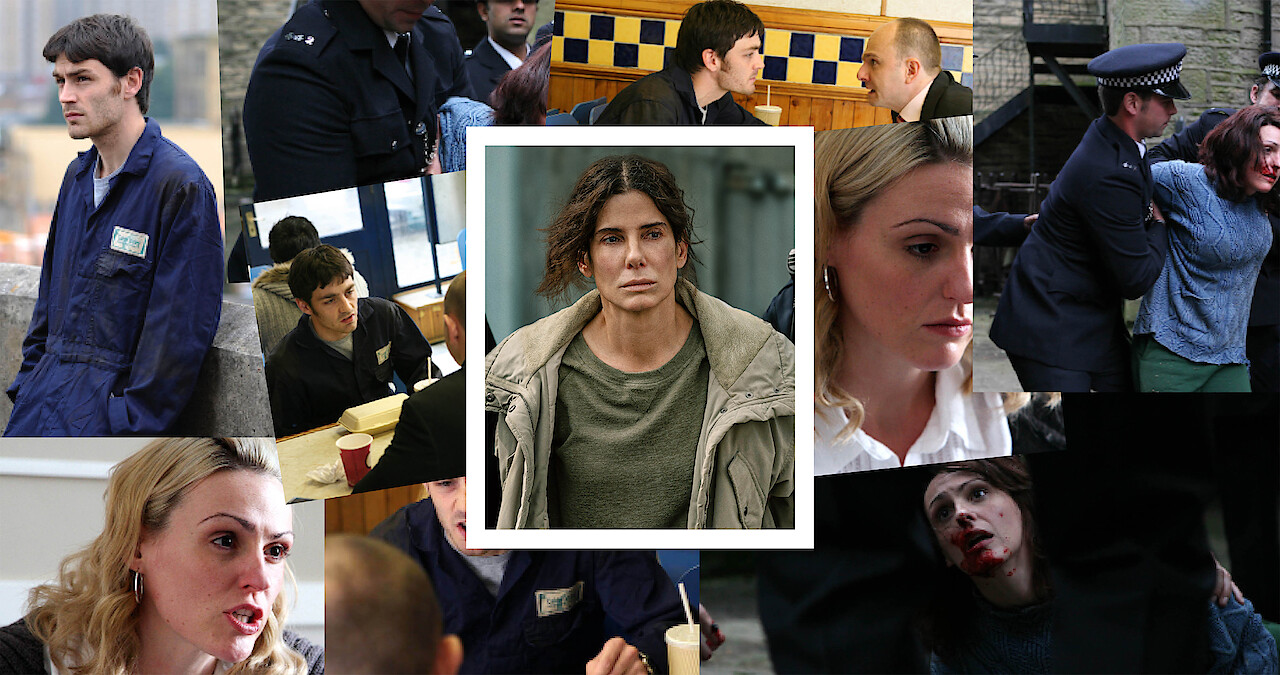
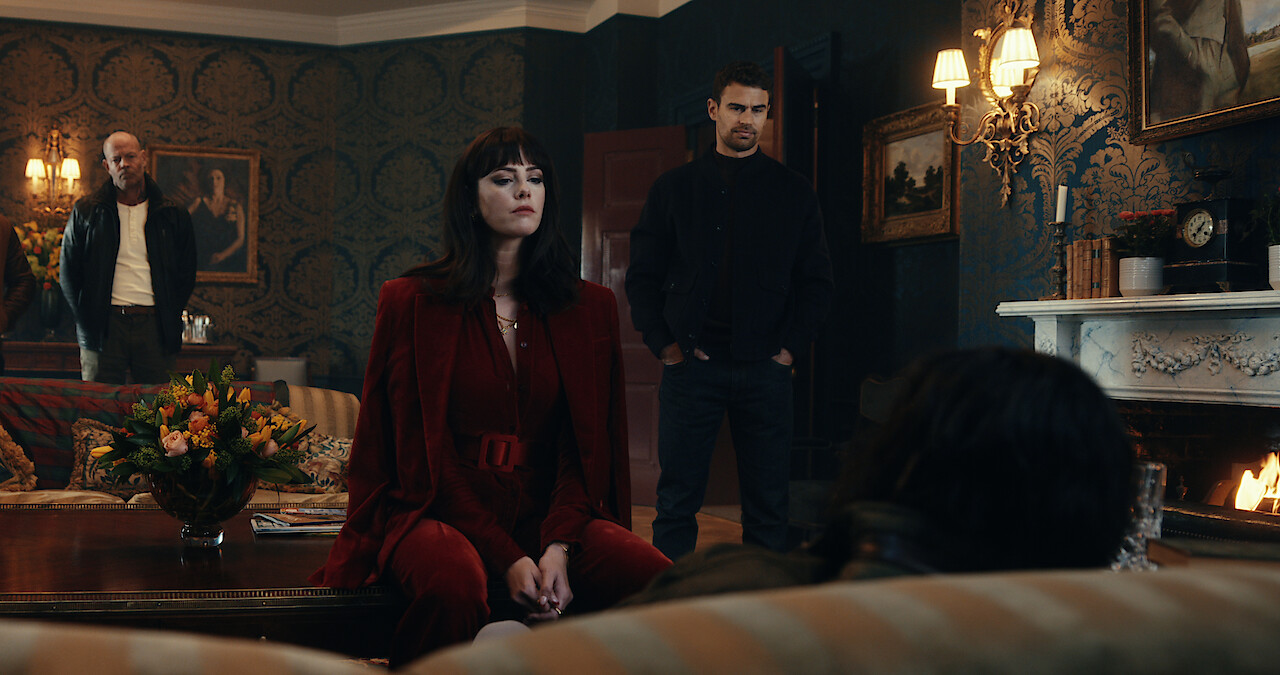
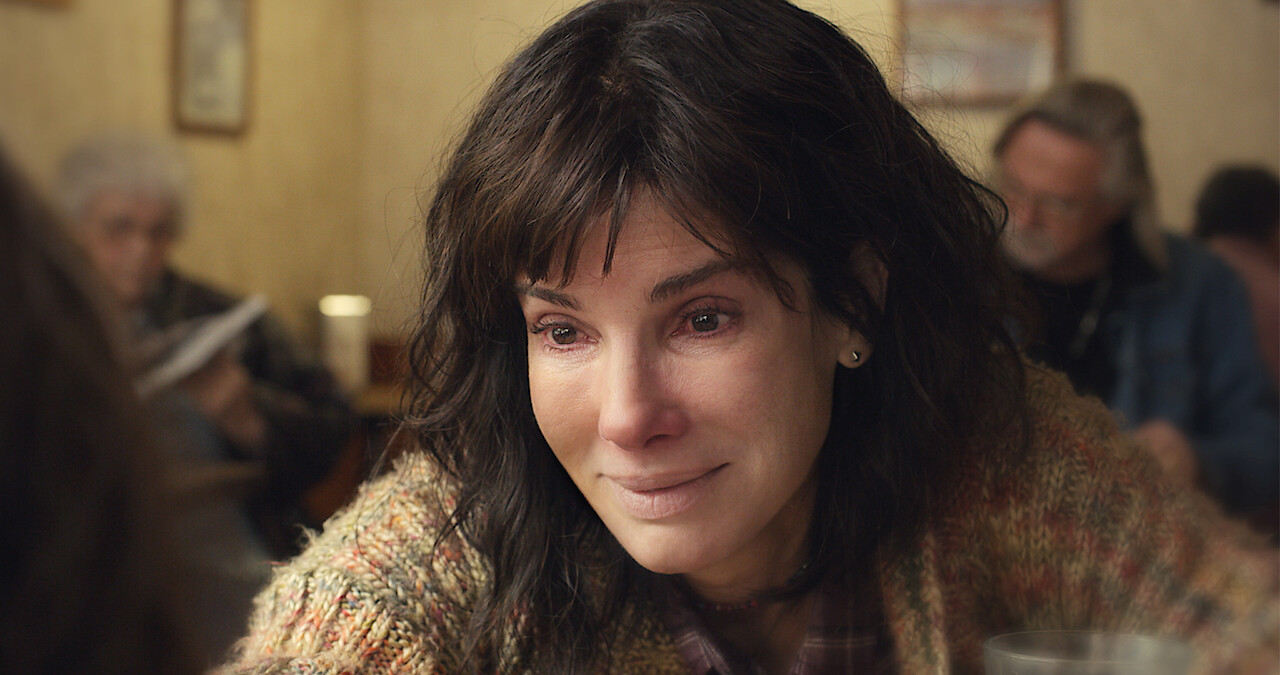
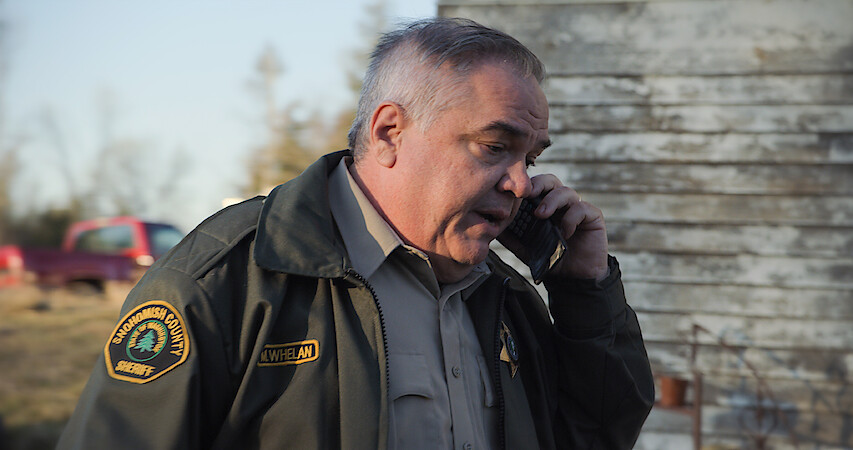
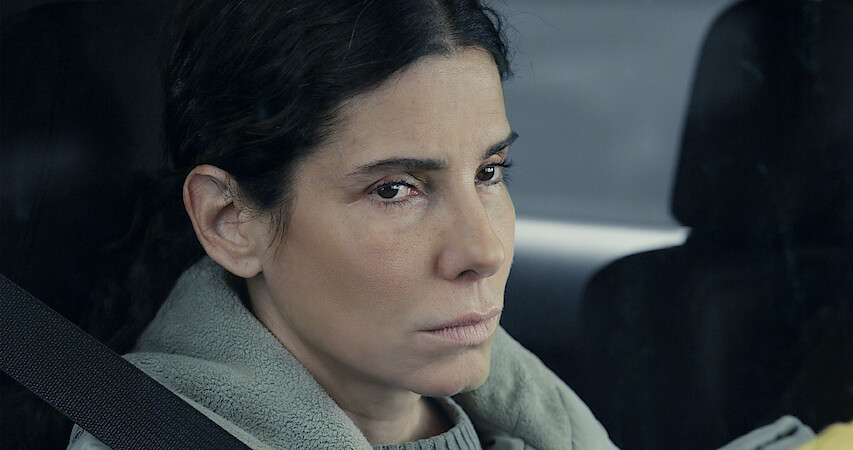
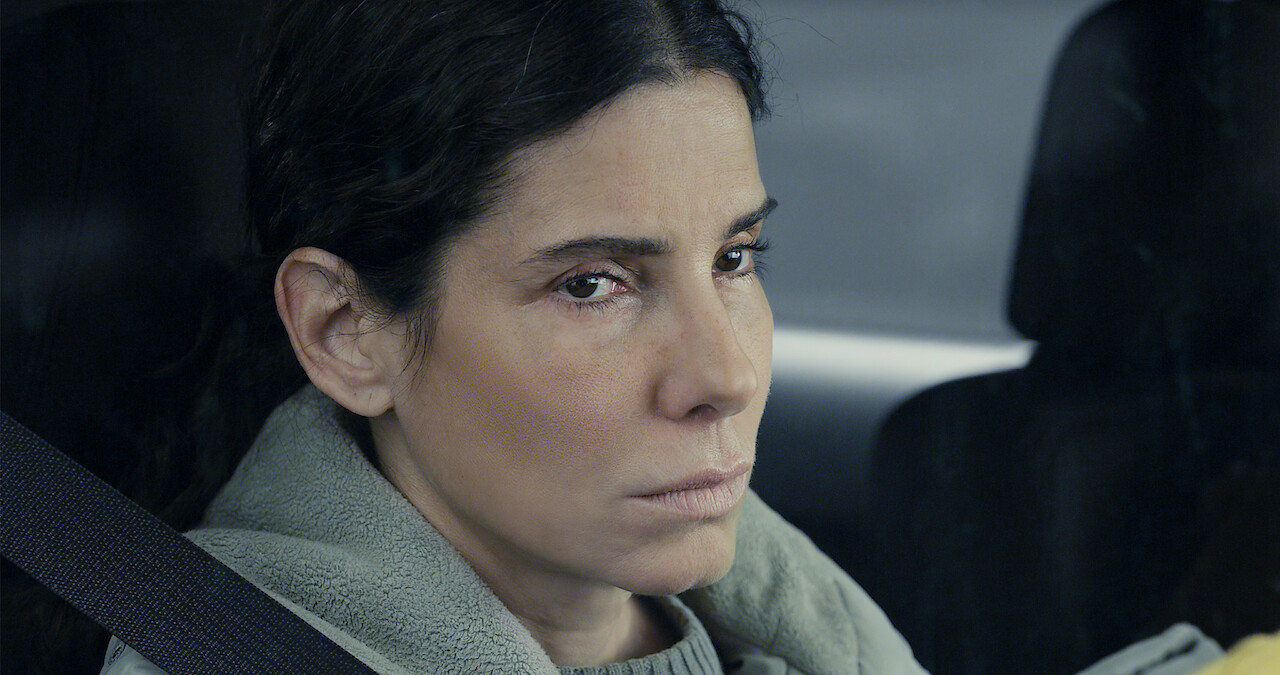
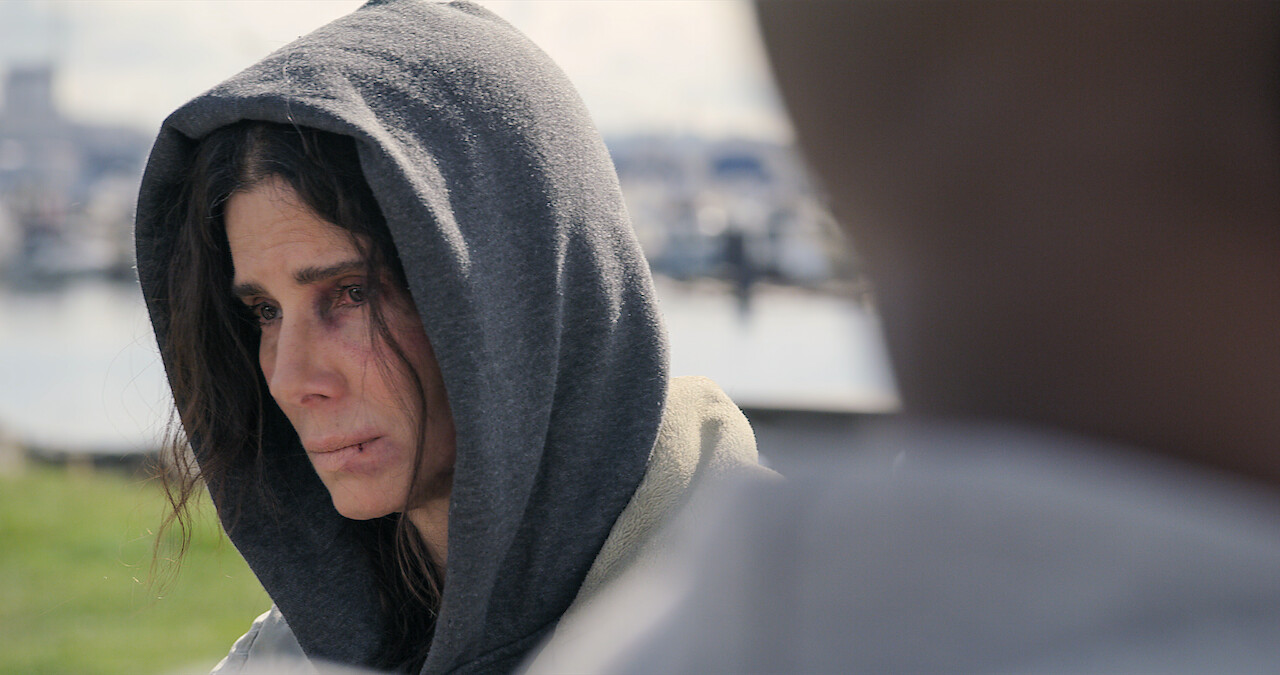
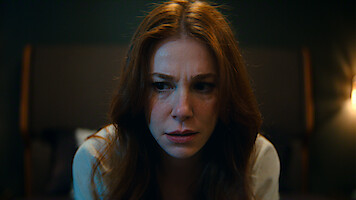
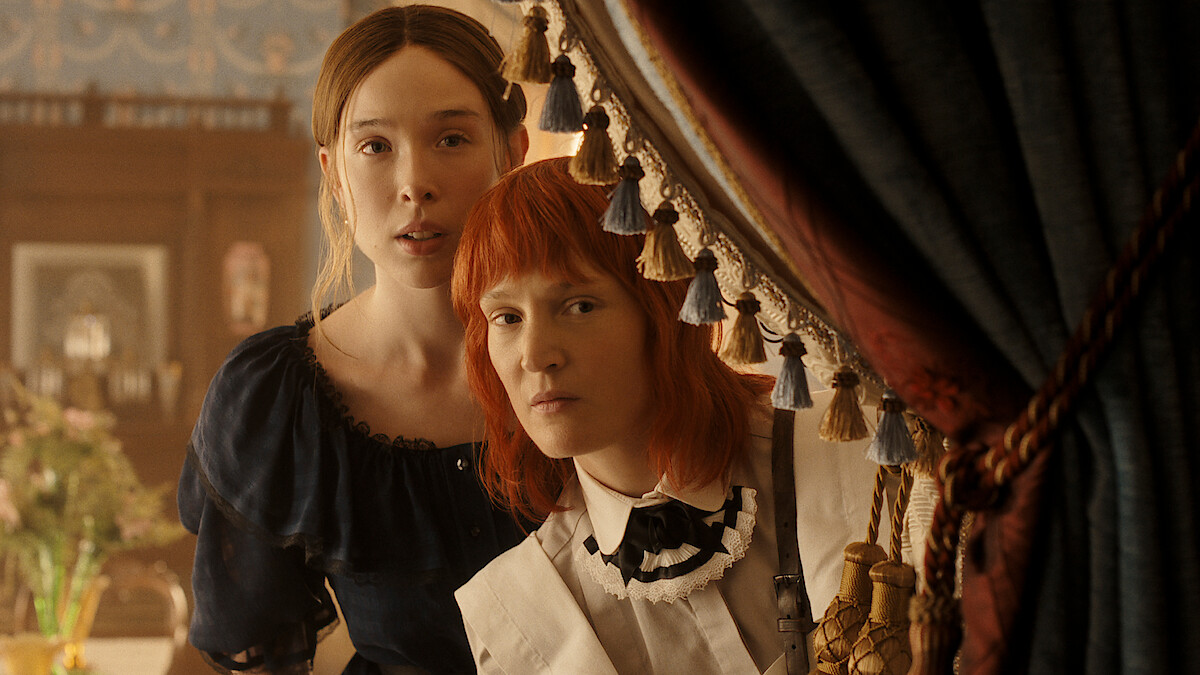
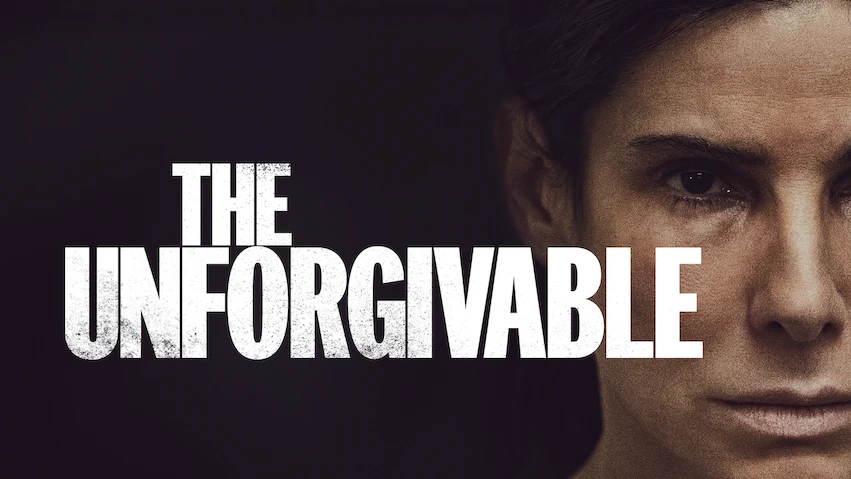
Memory is at the center of The Unforgivable: Even as Ruth Slater grapples with flashbacks from her violent past, her estranged younger sister, Katie, struggles to remember hers at all. The film builds to a twist concealed by Ruth’s secrecy and Katie’s memory: It was a 5-year-old Katie who killed a police officer, while Ruth was sentenced to two decades in prison for the crime she didn’t commit. It’s a secret that Ruth keeps to protect her sister, while Katie’s mind hides the truth from herself.
For most of The Unforgivable, it seems that Katie has no recollections of her older sister. Her foster parents tell Ruth that Katie has no memories of events prior to her coming to live with them. But we see Katie wrestle with brief flashes of memory from the day she was taken from Ruth.
In reality, the science of repressed memories is a subject of controversy. The question of whether someone could repress a traumatic memory to the extent that Katie does in the film has not been fully answered, but psychologists and other scientists continue to try.
The theory of repressed memory began with the father of psychoanalysis, Sigmund Freud. Freud believed that the human mind could not grapple with memories of certain traumatic events, so instead it pushed them deep into the unconscious. Through psychotherapy, these memories of trauma could resurface and a patient could begin dealing with them.
But this therapy ultimately met with pushback. The Satanic Panic of the late 1980s, for instance, led to a massive uptick in the recovery of repressed memories of systematic abuse — only for psychologists to be later accused of implanting false memories in patients. Soon it became clear that the very strategies Freud had employed could also accidentally lead patients to believe that they had experienced traumatic events that had never actually occurred.
Even before repression enters the picture, memory itself is an incredibly complicated thing. Contrary to popular belief, memories are malleable; they are essentially reconstructed each time a person recalls an event. This quirk of nature leads to a photocopy-of-a-photocopy effect, which can in turn lead to the creation of false memories. The interaction of other minds and memories can cause these memories to magnify in scope (leading to phenomena like the “Mandela effect,” when large numbers of people recall the same false memory).
Still, there remains some scientific evidence that supports the plausibility of memory repression. And there are other interpretations that may better address the type of memory dysfunction depicted in The Unforgivable: Some therapists believe that repressed memories are more similar to reinterpreted memories, ones that have been accepted as harmless until closer examination reveals them as traumatic. The fact that Katie was also hit on the head with a shotgun only further complicates her story. So is it possible that Katie really did repress the memory of shooting that police officer? The short answer: After decades of disagreement in the scientific community, it’s still not clear. But one thing’s certain: The Unforgivable isn’t the first movie to play fast and loose with memory, and it won’t be the last.