Ask an Expert
We Asked an Expert About the Film Restoration Tactics in ‘Archive 81’
Getting a clear picture is a delicate process.
By Reyna Cervantes
Jan. 16, 2022
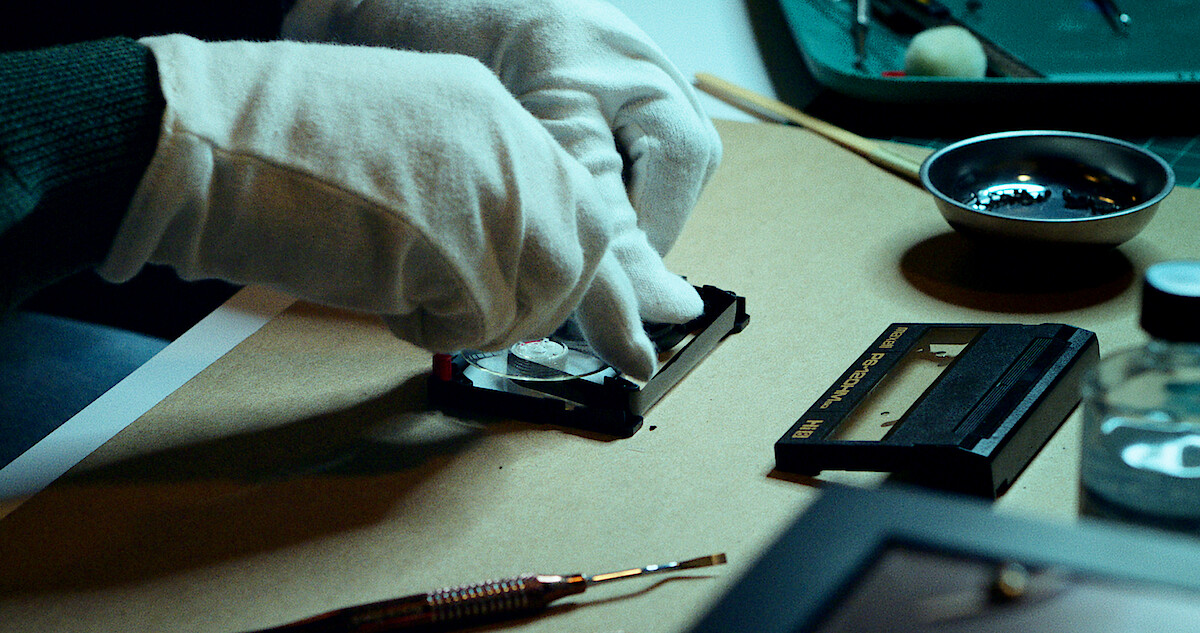
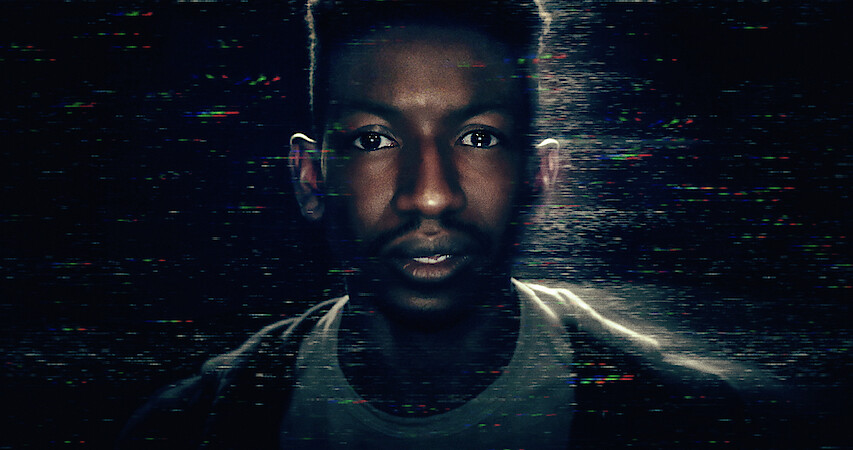
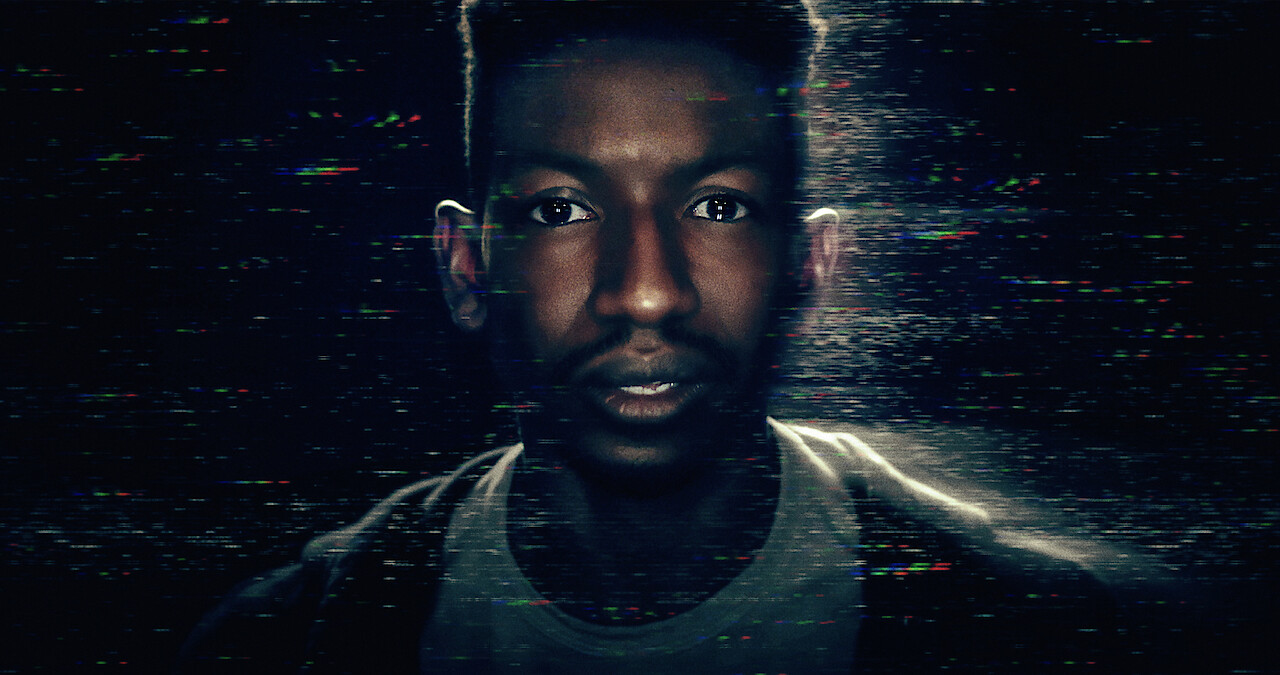
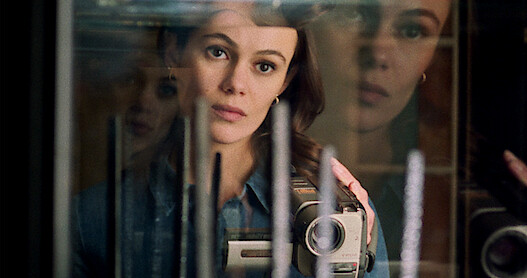
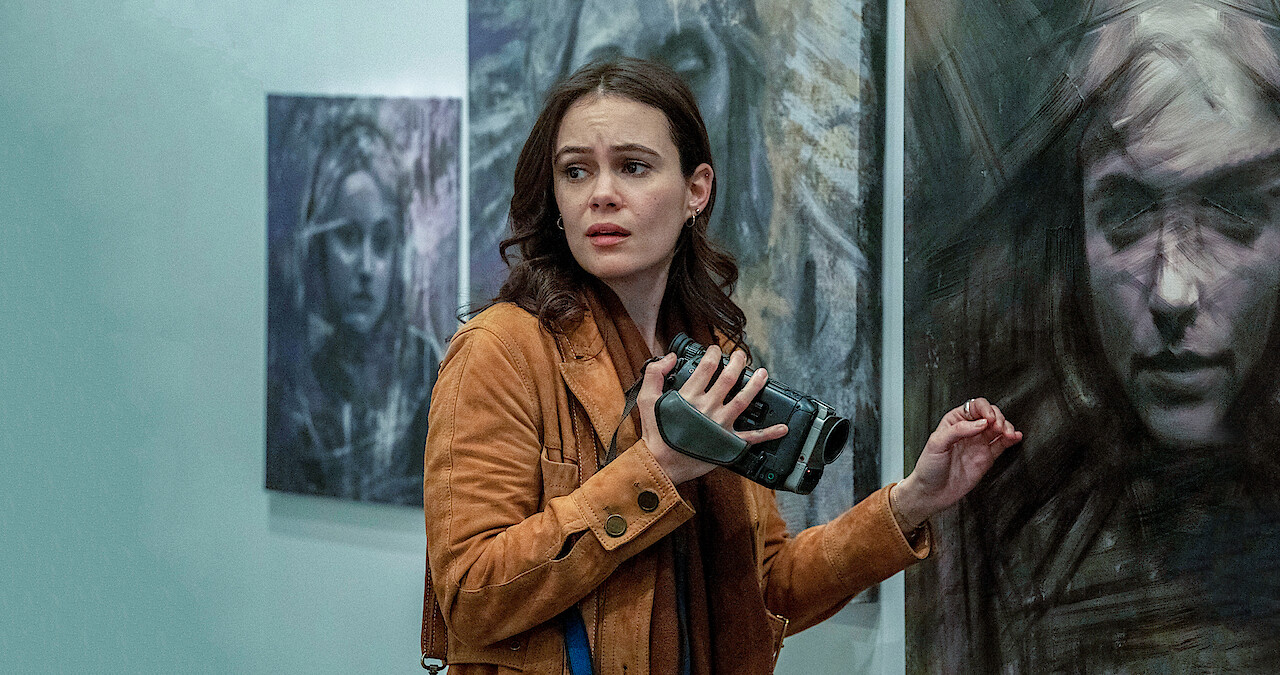
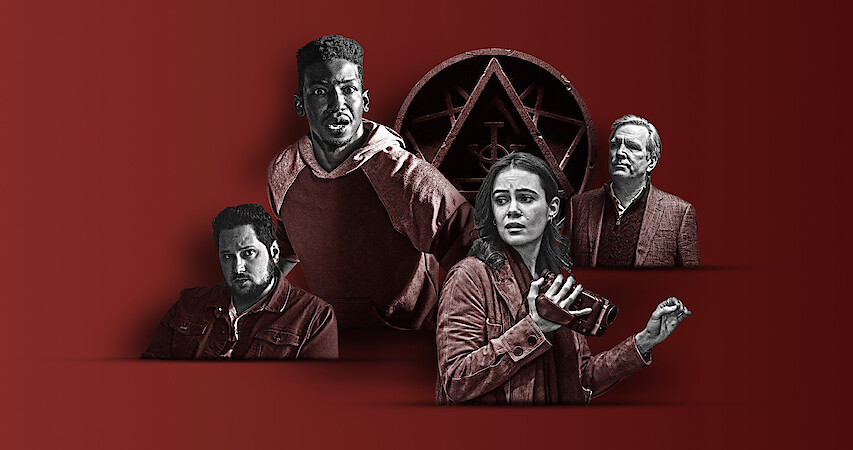
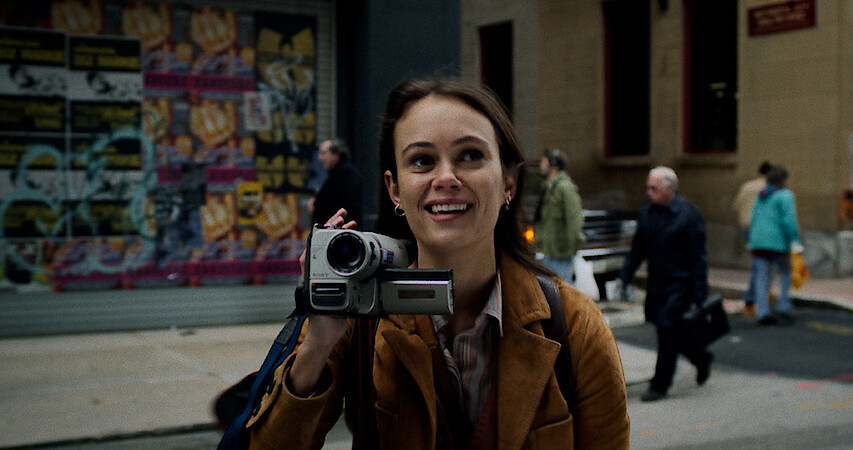
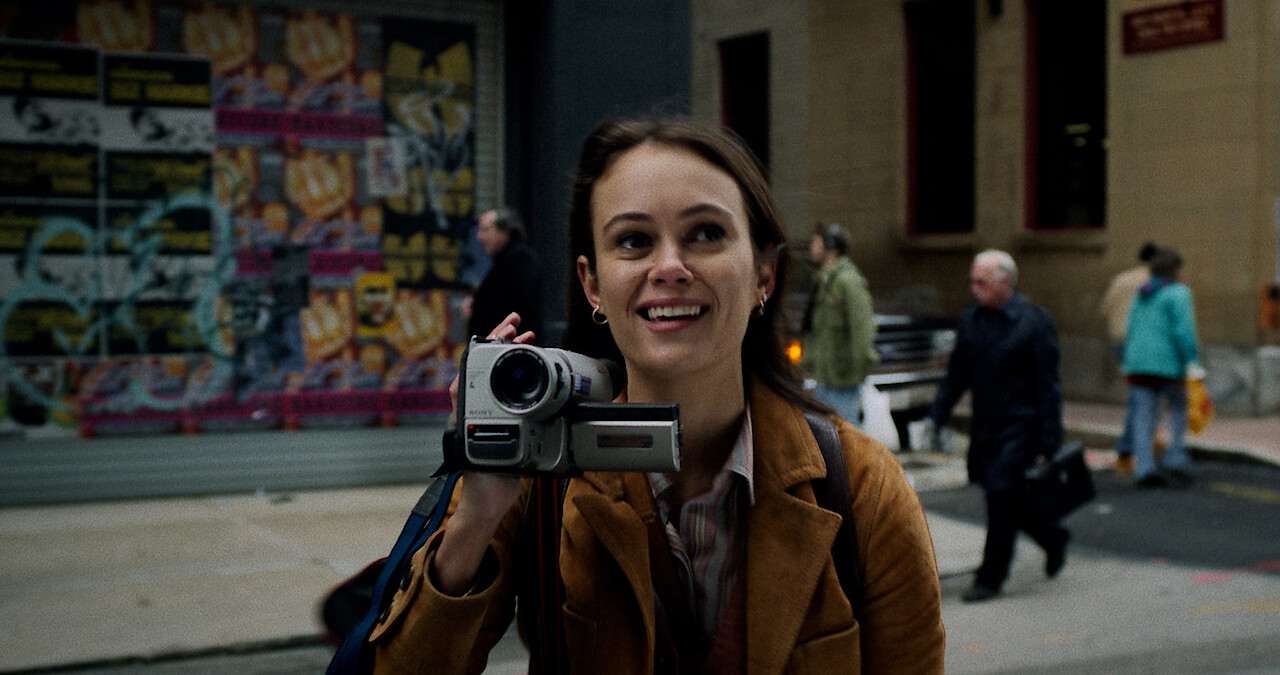
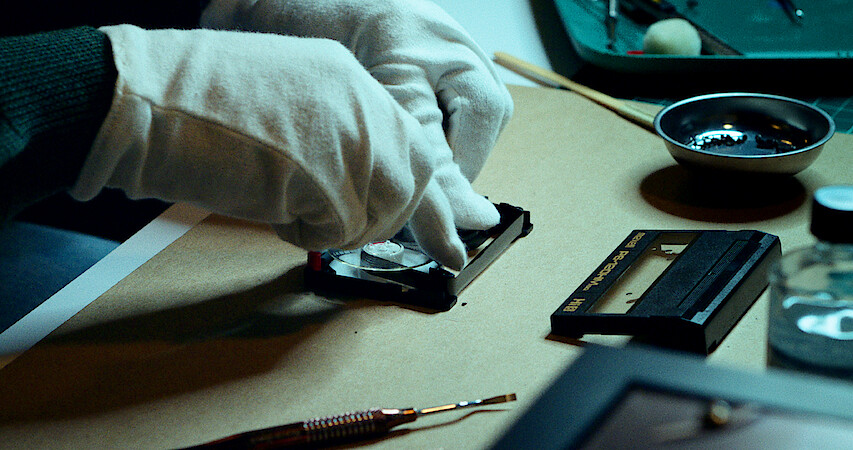
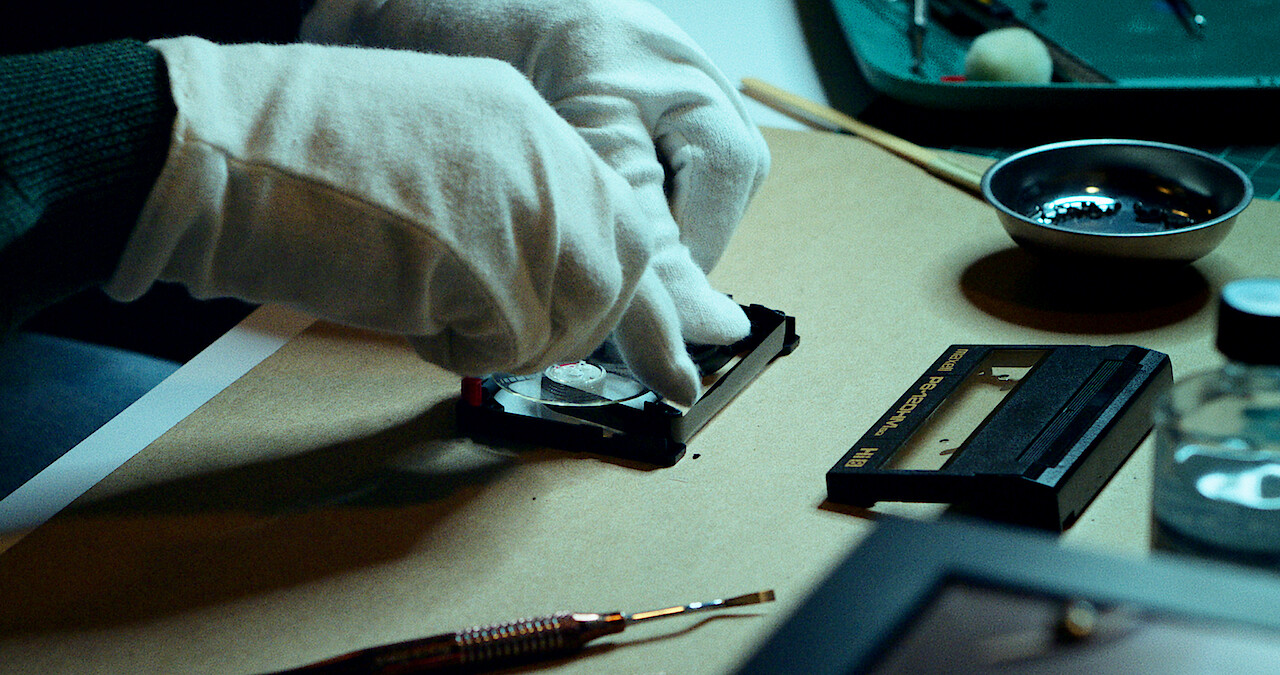
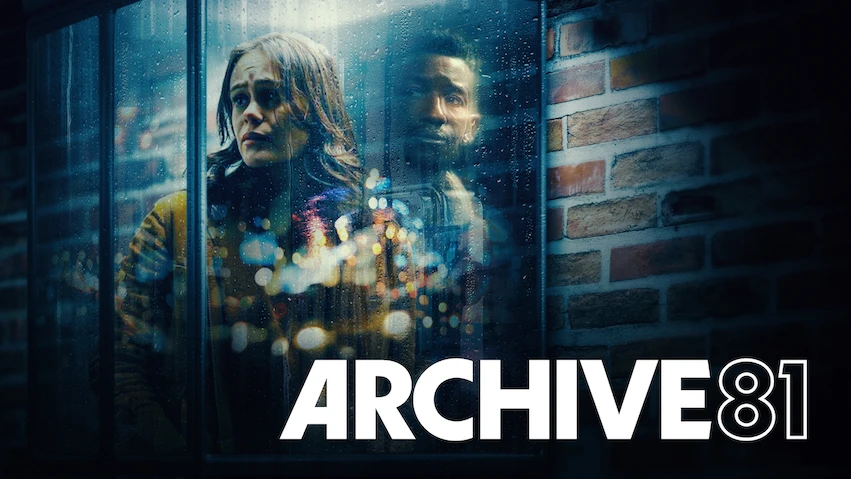
Archive 81 takes viewers into an obscure world of mystery — replete with characters trying to solve a case whose only clues can be found in old, scorched VHS tapes. We meet Dan Turner (Mamoudou Athie), a film archivist whose job involves restoring and digitizing videotapes for posterity, who finds himself in the midst of a mystery. Over the course of the series, Dan uses numerous techniques to clean up the tapes frame by frame, a meticulous and painstaking process.
But Dan’s restoration process isn’t just something invented for the small screen. Rather, there’s a storied history behind the film restoration tactics depicted in Archive 81. According to Chris Luciano, a project coordinator at Pro8mm — a Los Angeles-based camera house that specializes in processing and scanning 8mm and 16mm film — the formatting process is delicate and precise when done correctly. Tudum sits down with Luciano to investigate this process and compare his real-life expertise to what’s depicted on-screen.
“When a piece of media is shot on film, the main filming source in the camera is referred to as a film negative. Think of it as a master copy or the source from which every copy comes from. It ends up being the most important piece in the process,” Luciano says. According to the Journal of the Society of Motion Picture Engineers, when shooting on film, a negative of 35mm film is roughly 1,000 feet long and holds approximately 11 minutes worth of footage. When filming, multiple reels are used and then spliced together in the editing process to form what is called a master negative.
“Studios typically hang on to the master negative of a film and create more if needed,” Luciano says, adding that “the best-condition negatives are more highly sought after in the restoration process as opposed to prints, because of their richer color and texture. Prints tend to lose some detail in the development process.” He explains that film is spliced together using liquid cement as a form of adhesive when putting together a master negative. “Once a master negative is created or obtained, the film undergoes a vigorous cleaning — like right down to the individual frames if it needs it.”
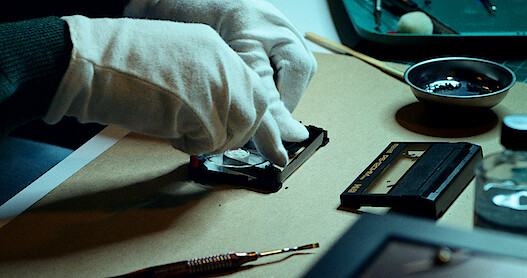
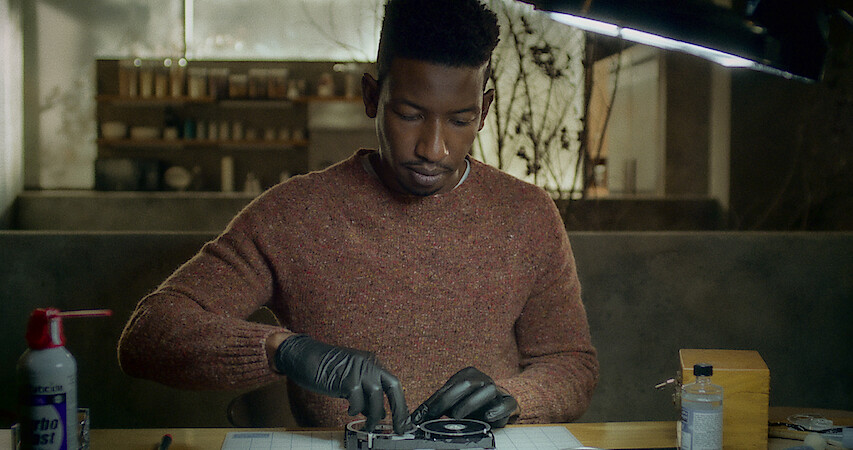
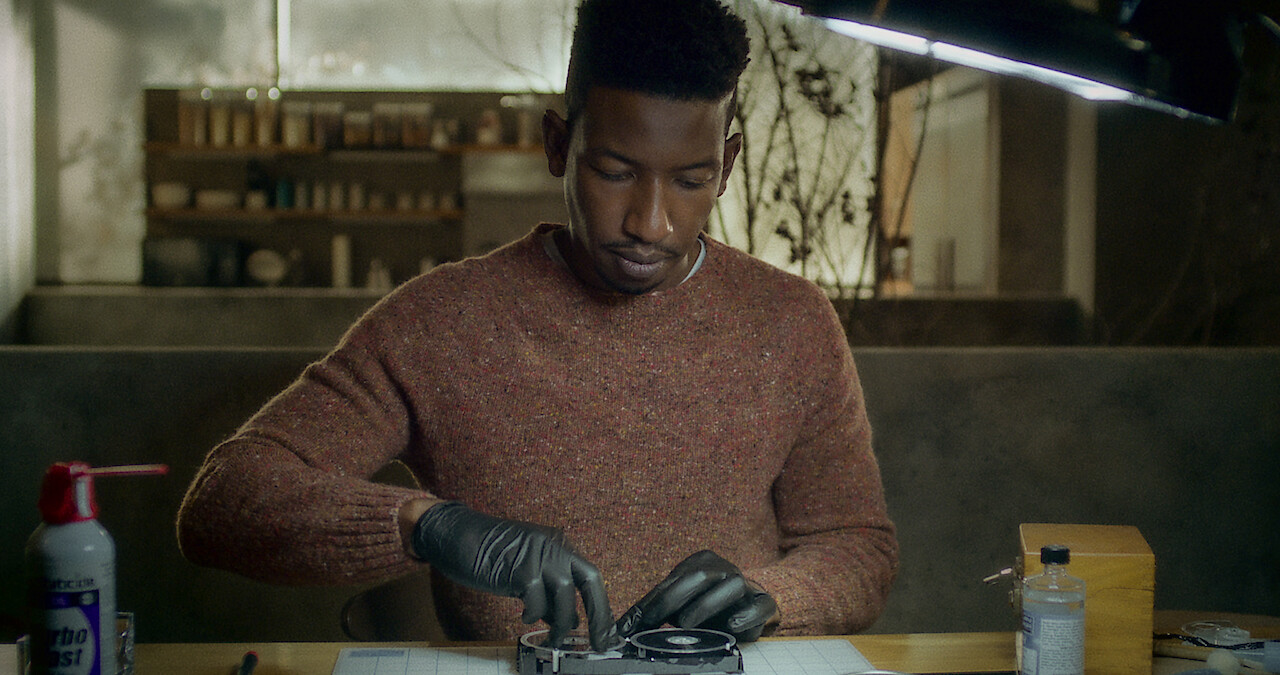
We see Dan do this in the opening of the first episode of Archive 81 when he starts to clean a film negative frame by frame. This is an actual process — depending on the condition of the master negative — and some negatives need it more than others. Then, when the negative receives extra cleaning as needed, the film receives a “wet transfer bath.”
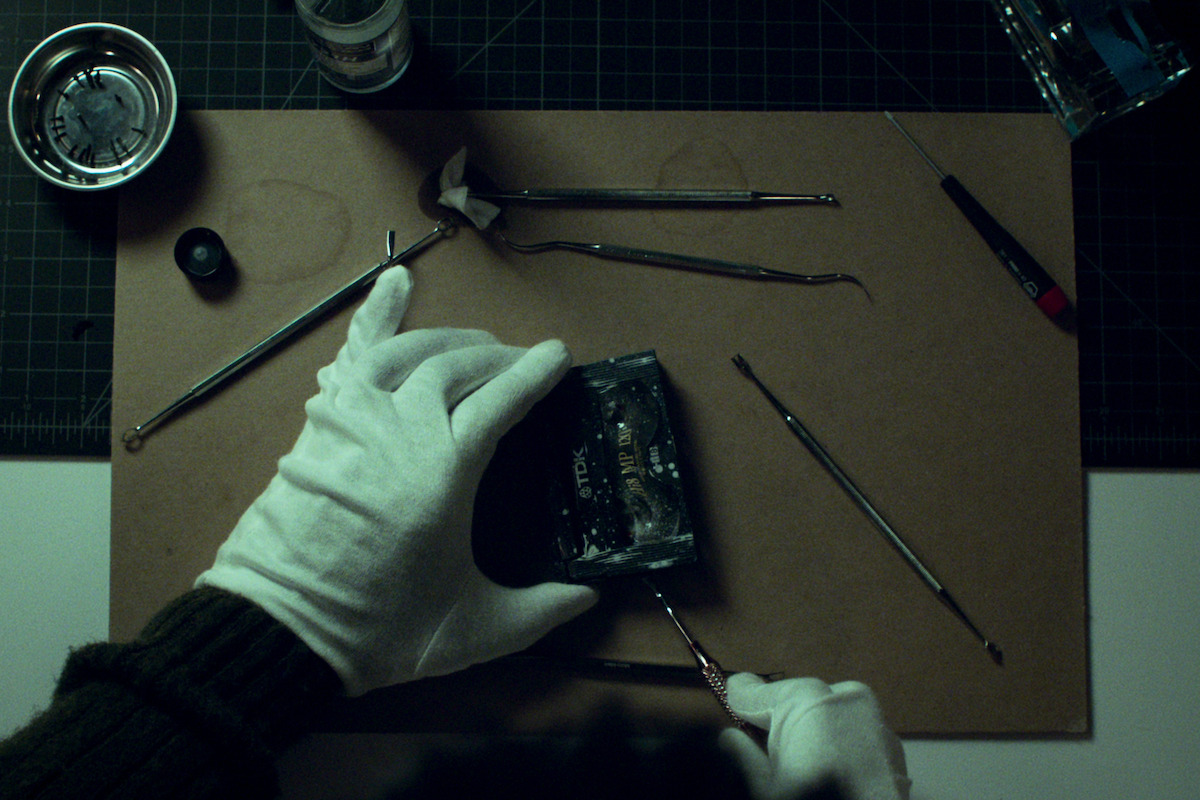
“Basically, the entire film is submerged in a special liquid, similar to dry-cleaning fluid,” Luciano says. The purpose of this bath “is to clean up any fuzziness or scratches the negative may have [in order to restore it] to the best condition it can be.” As Dan begins to restore the tapes piece by piece, much like the real-life restoration process, the whole picture becomes clear to him.
“From there, once the negative is cleaned up, it then goes through a scanning process. Once the film has a new scan, it can then be used for a variety of purposes,” Luciano explains. A common use today for new scans is to digitize them for home media releases and boutique formats, new theatrical runs, or even streaming services such as Netflix. “The master negatives then go to a new home where [they are] typically stored in a cold and dark room at approximately 66 degrees Fahrenheit.”
So, it’s clear that this is a deliberate and highly specialized process to master. While we do see Dan performing VHS restoration for the bulk of the show, using knowledge he gained while working with various fragile film formats, there is a lot to learn about the archiving process beyond what is depicted in Archive 81. Still, the show gives us a glimpse into a line of work that’s otherwise overlooked, and, for that, Luciano is grateful for the exposure the show has offered to a very exacting and culturally important field.
“I think film and formats of the past are important not only for preserving the past, but also for making sure it’s able to be enjoyed for generations to come,” he says.