Bernard Walsh/Netflix
Beauty
Why We Can’t Stop Thinking about the Hair in ‘Vikings: Valhalla’
It’s hot, hunky and (semi-)historically accurate.
Feb. 25, 2022
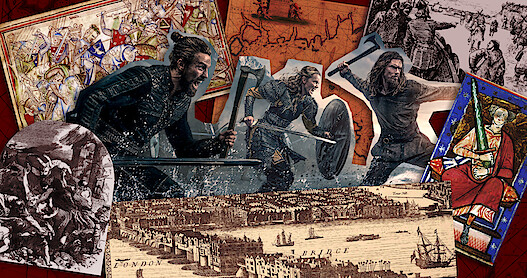
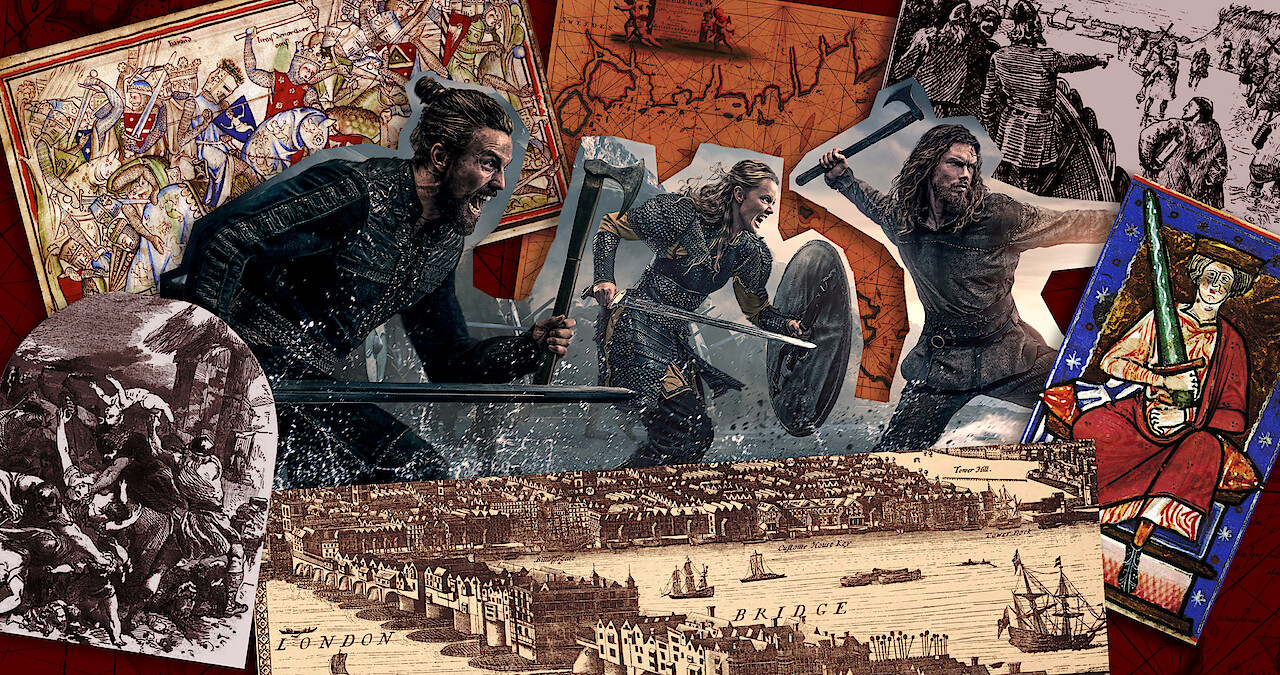
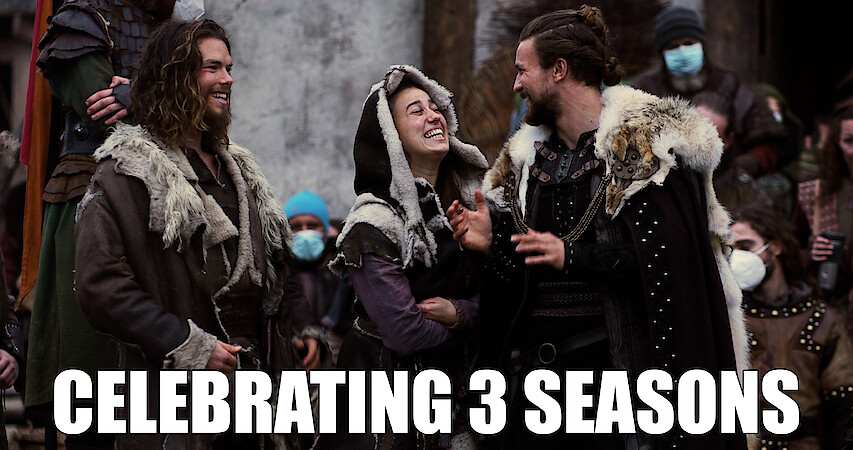
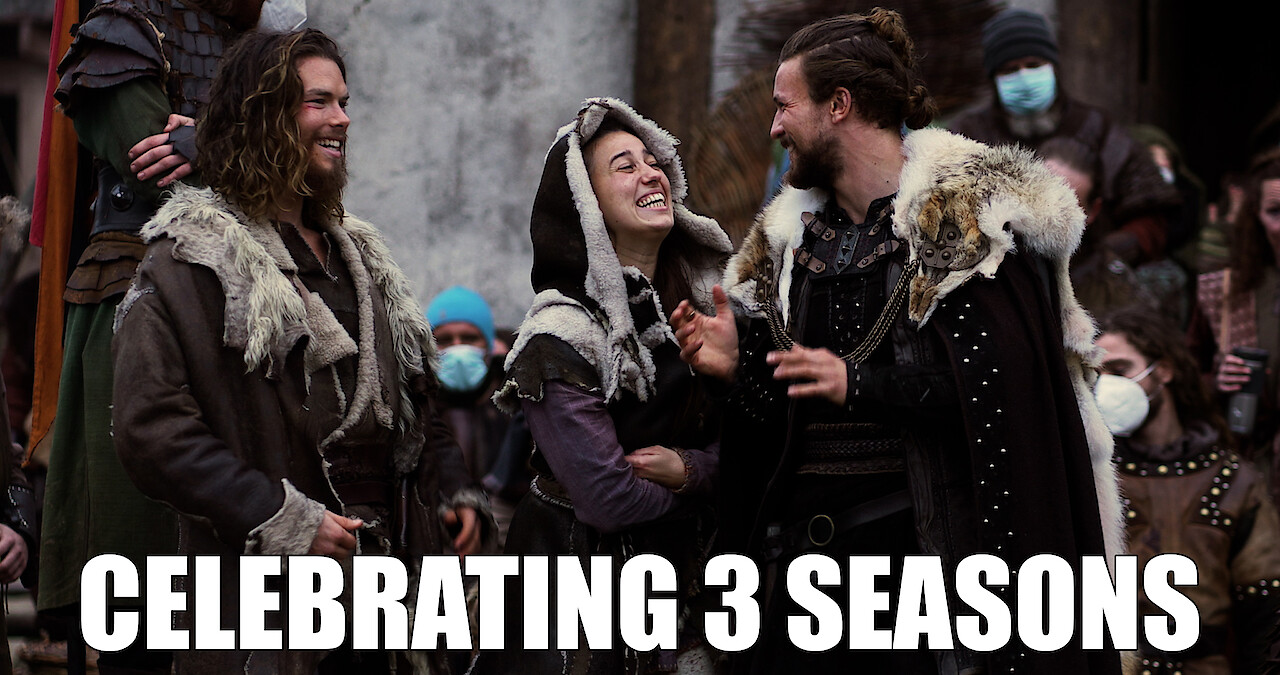
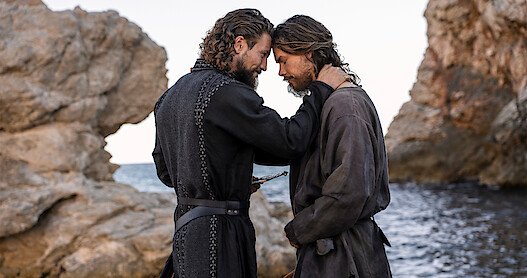
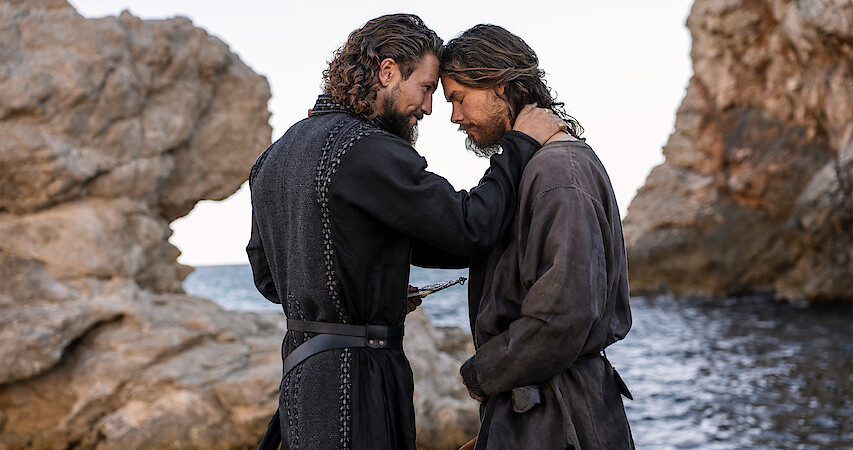
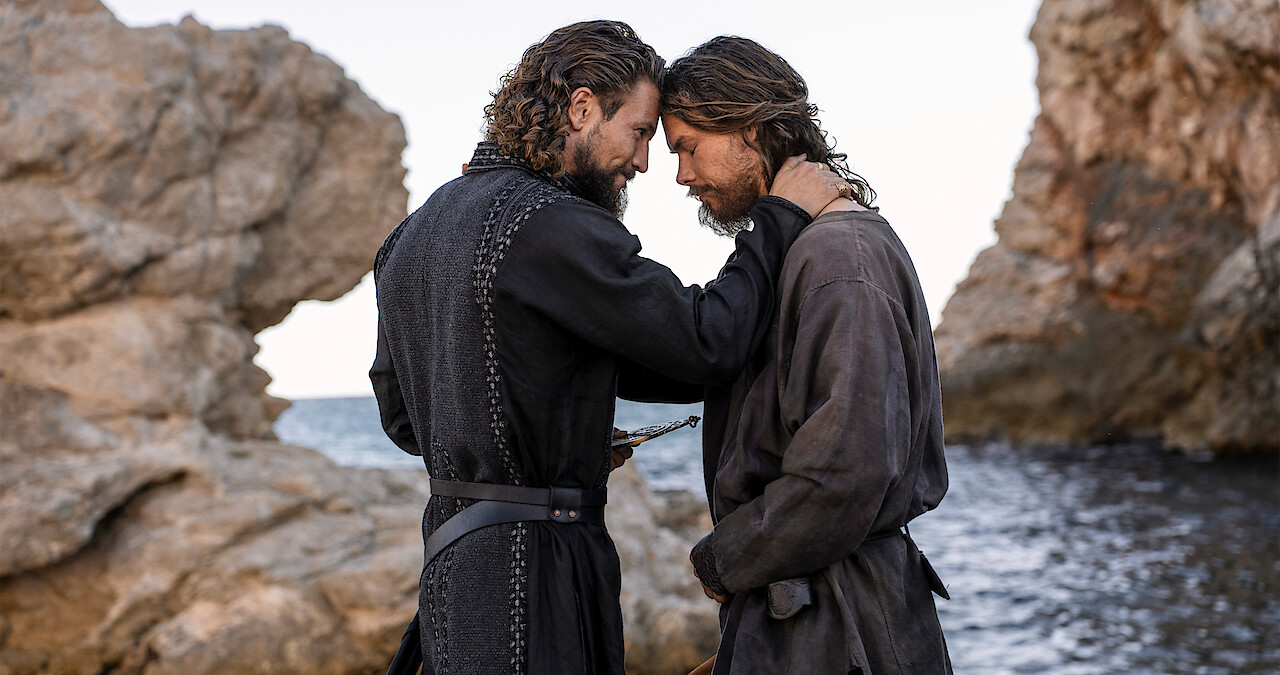
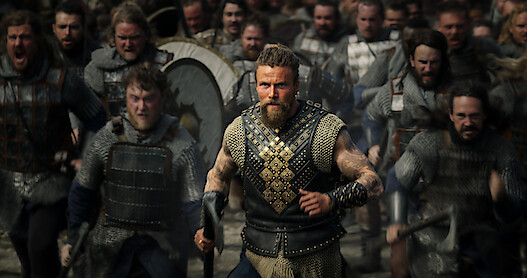
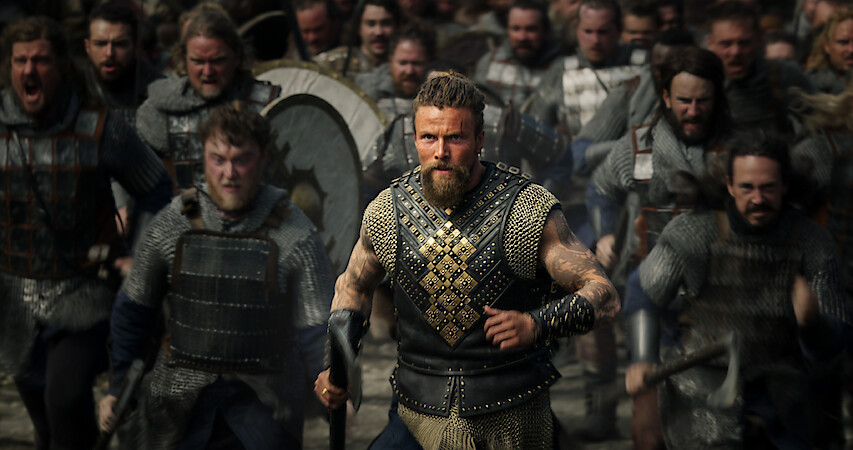
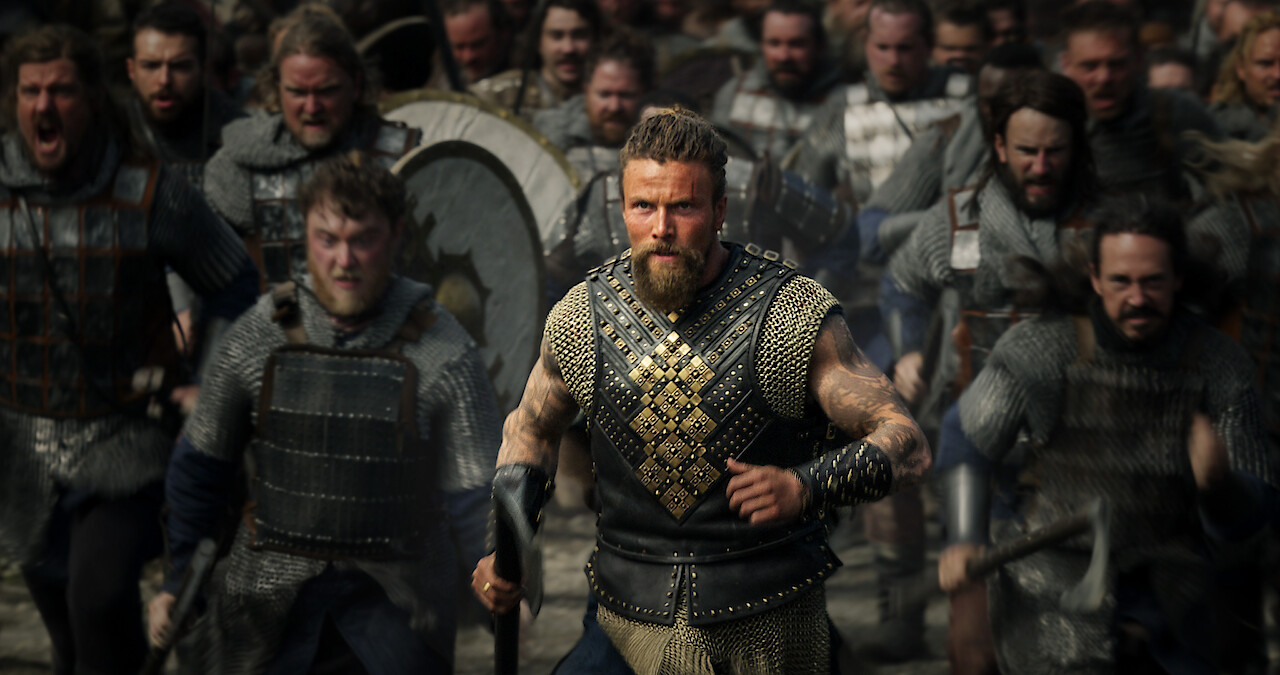
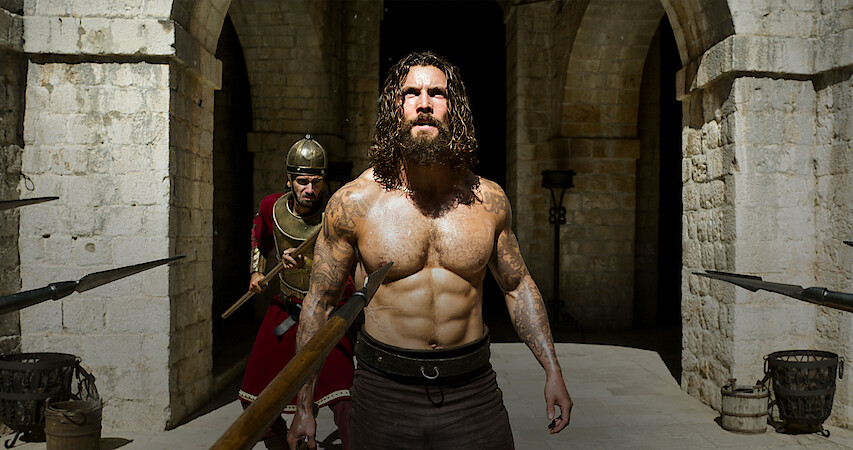
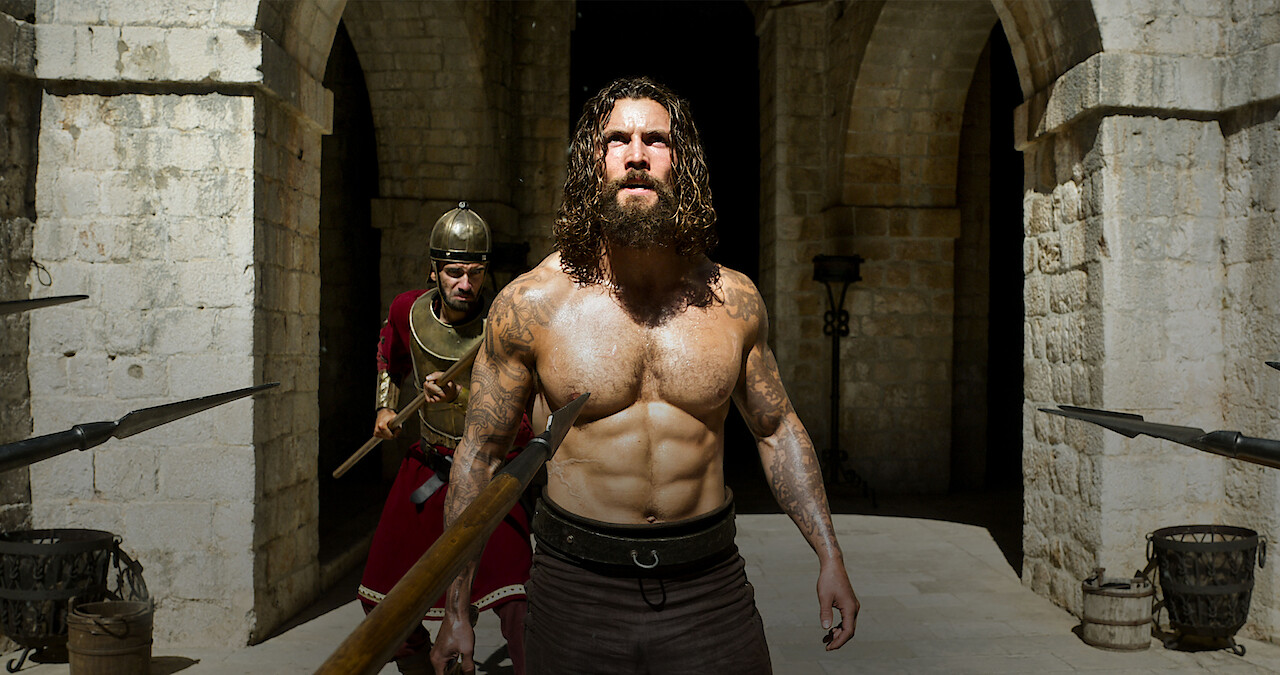
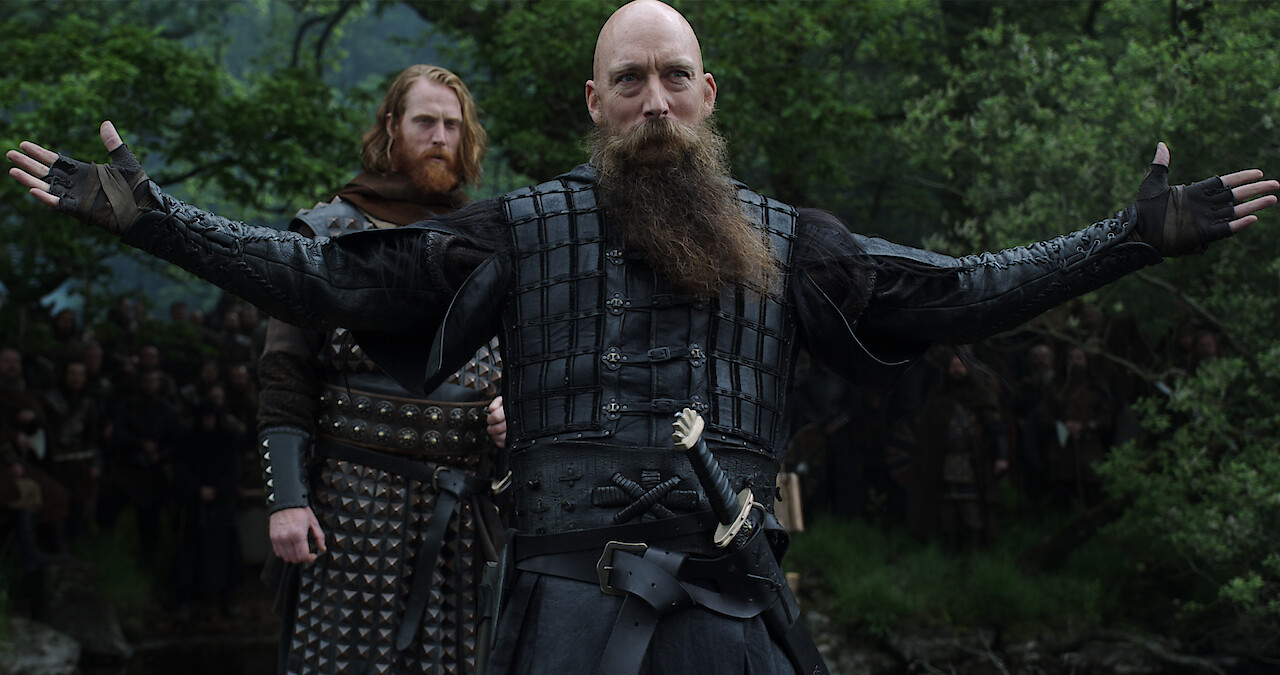
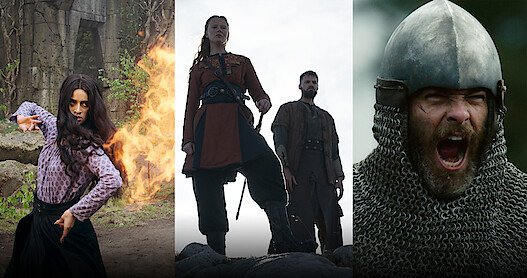
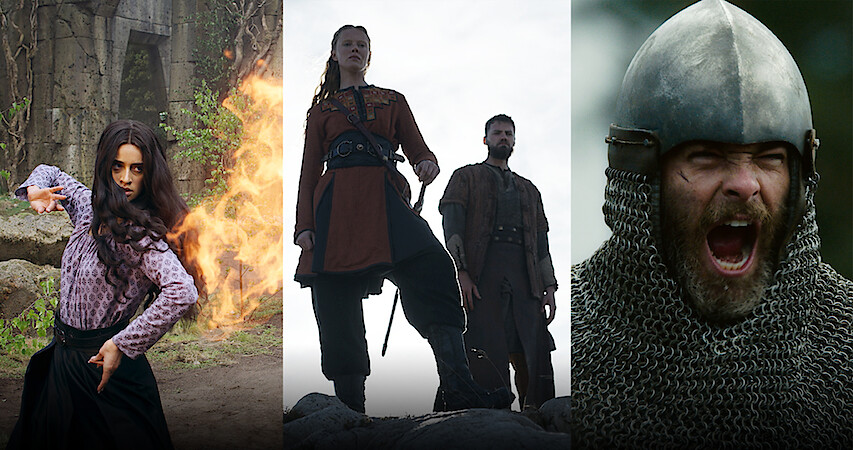
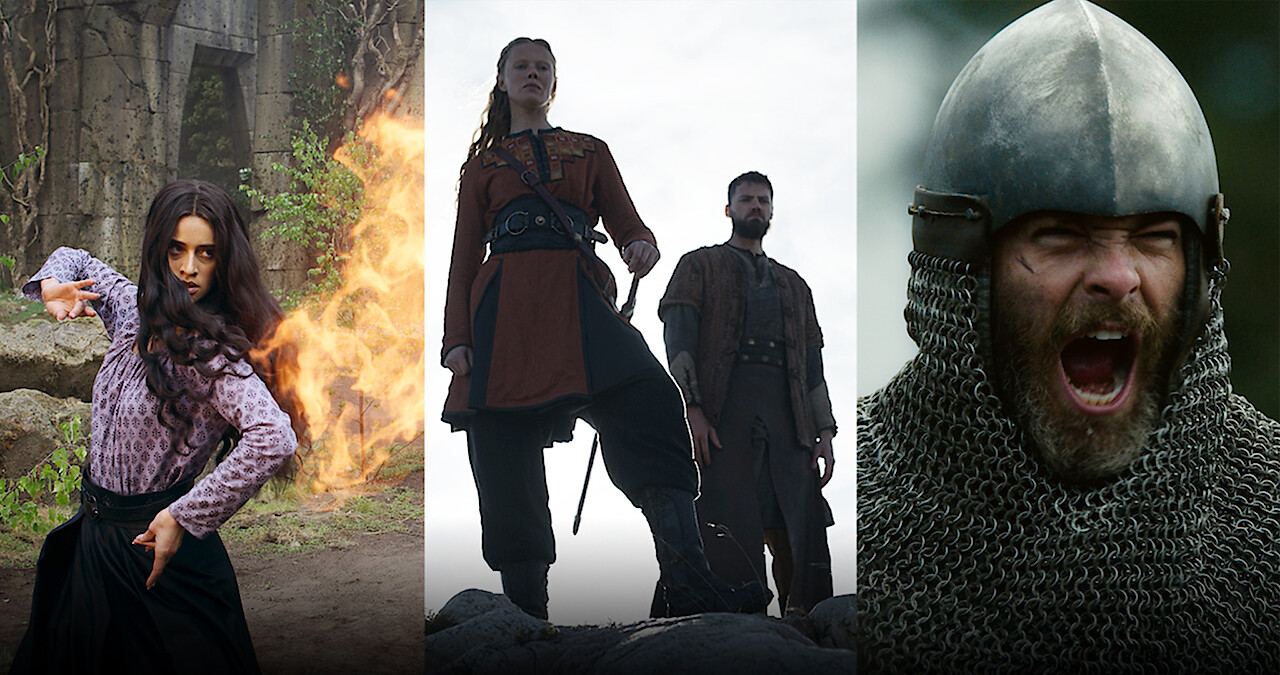
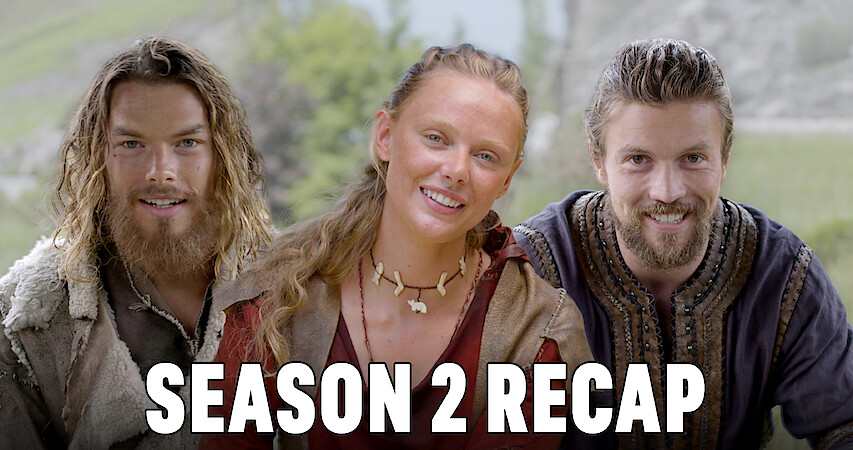
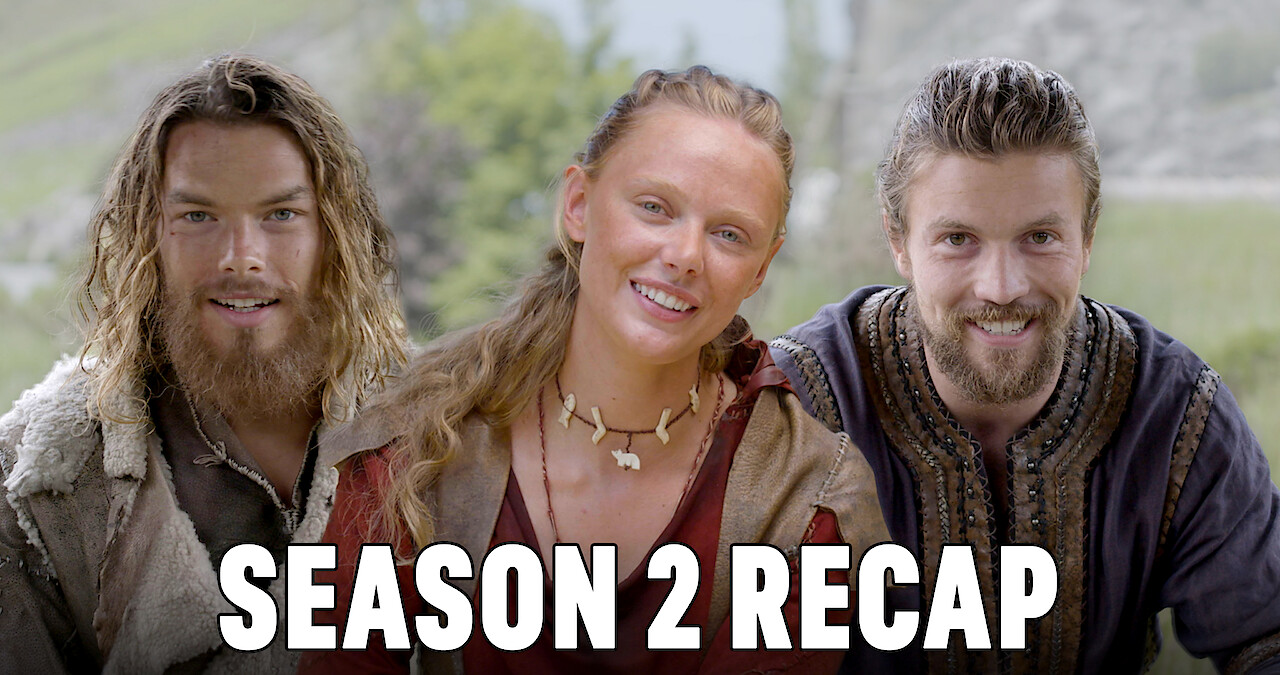
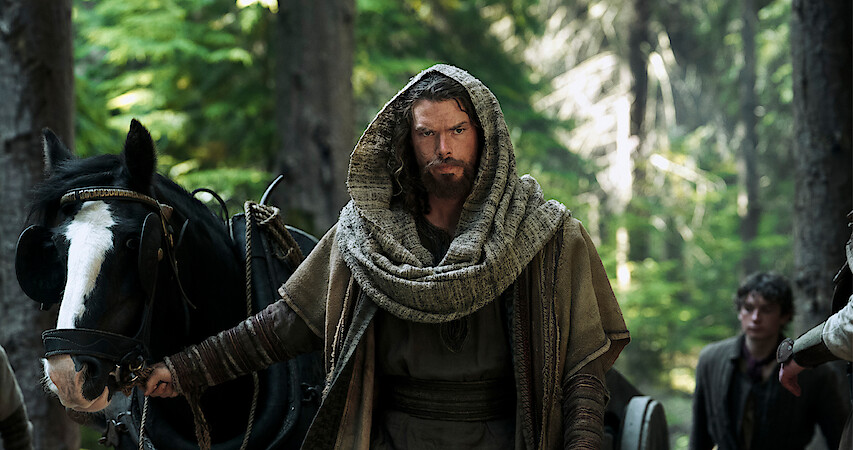
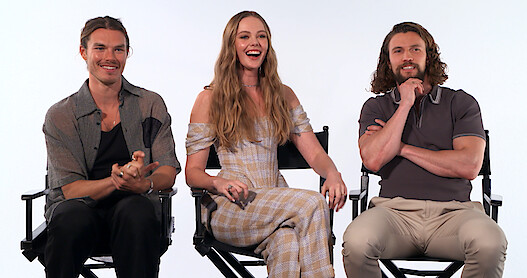
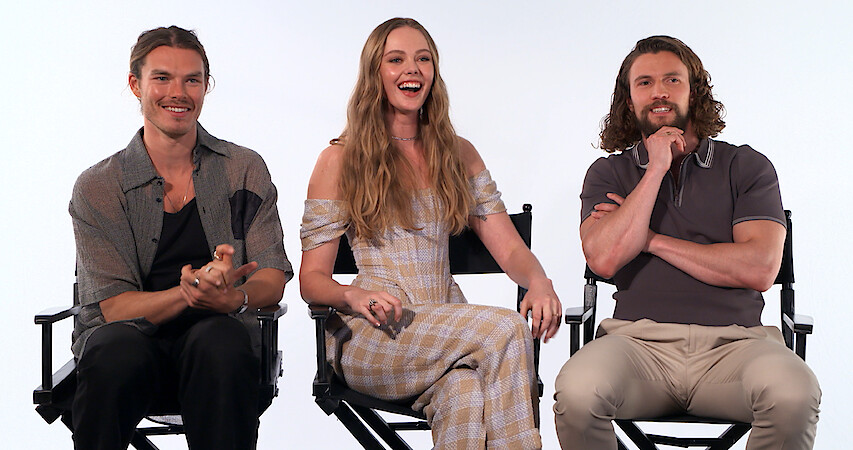
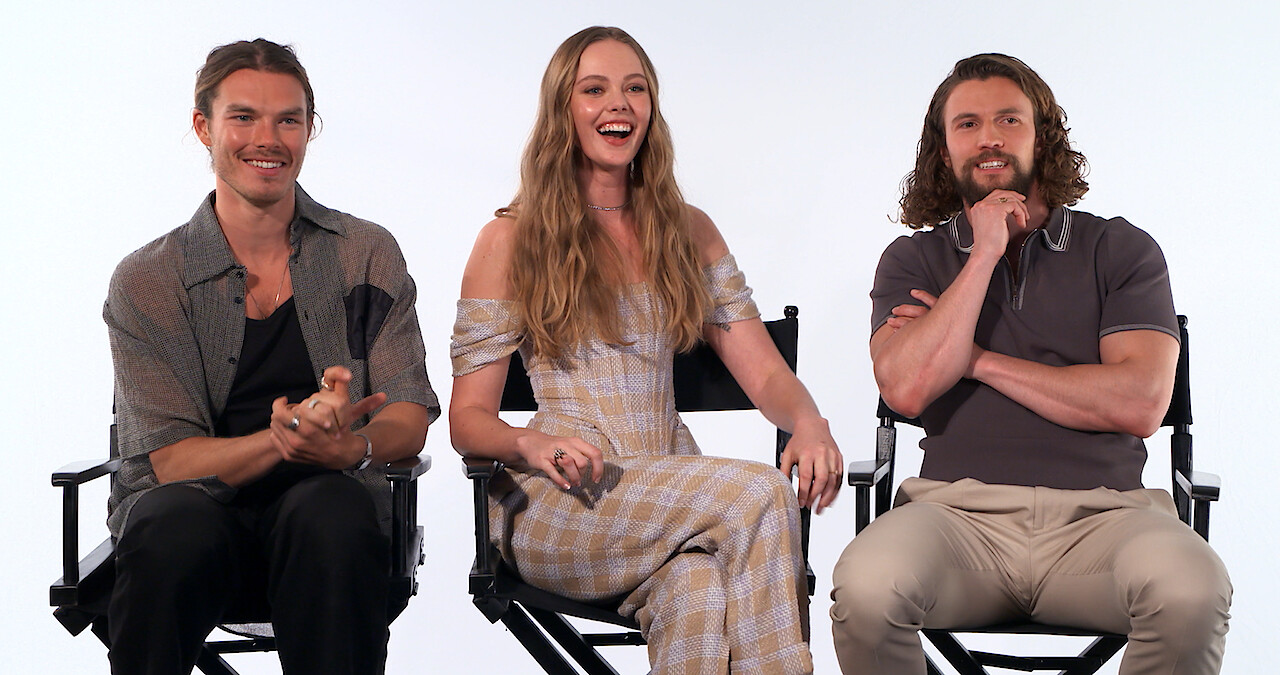
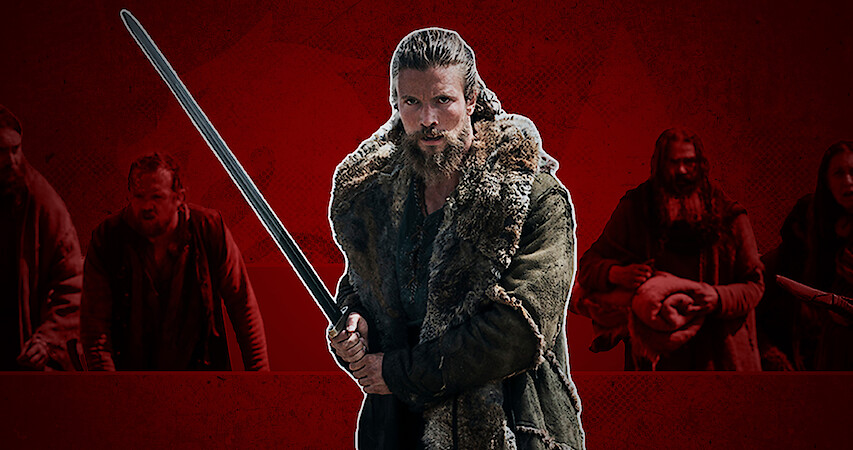
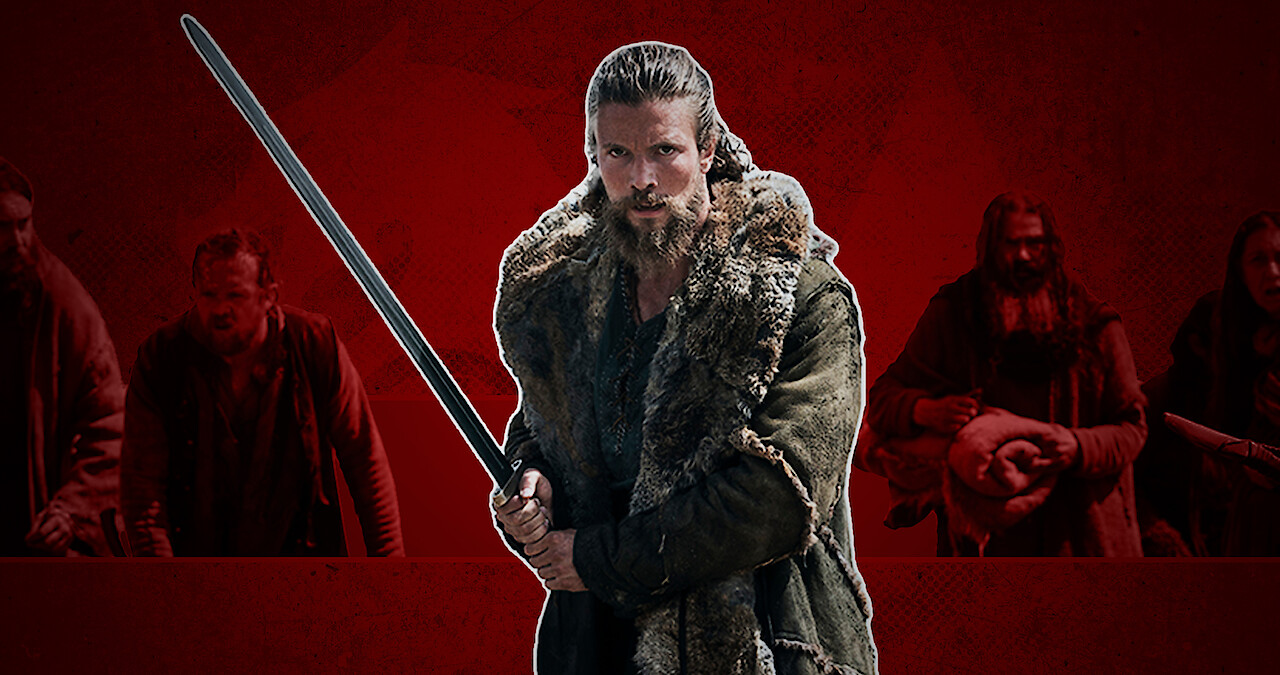
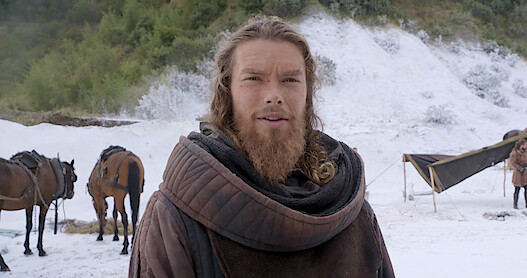
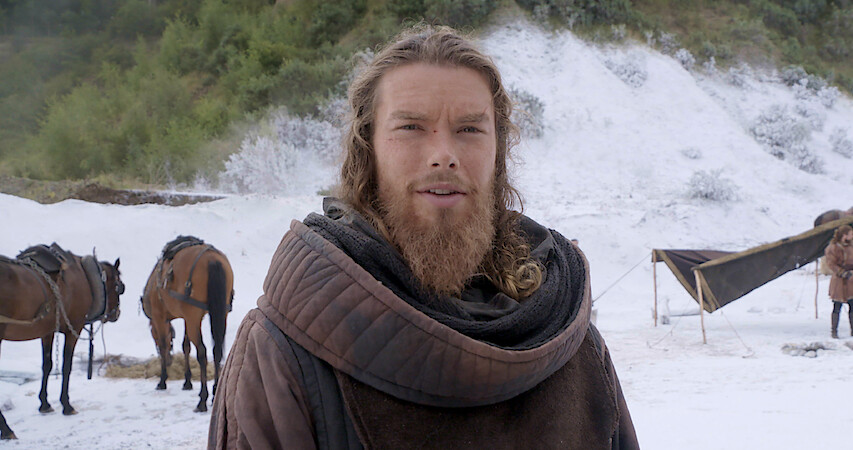
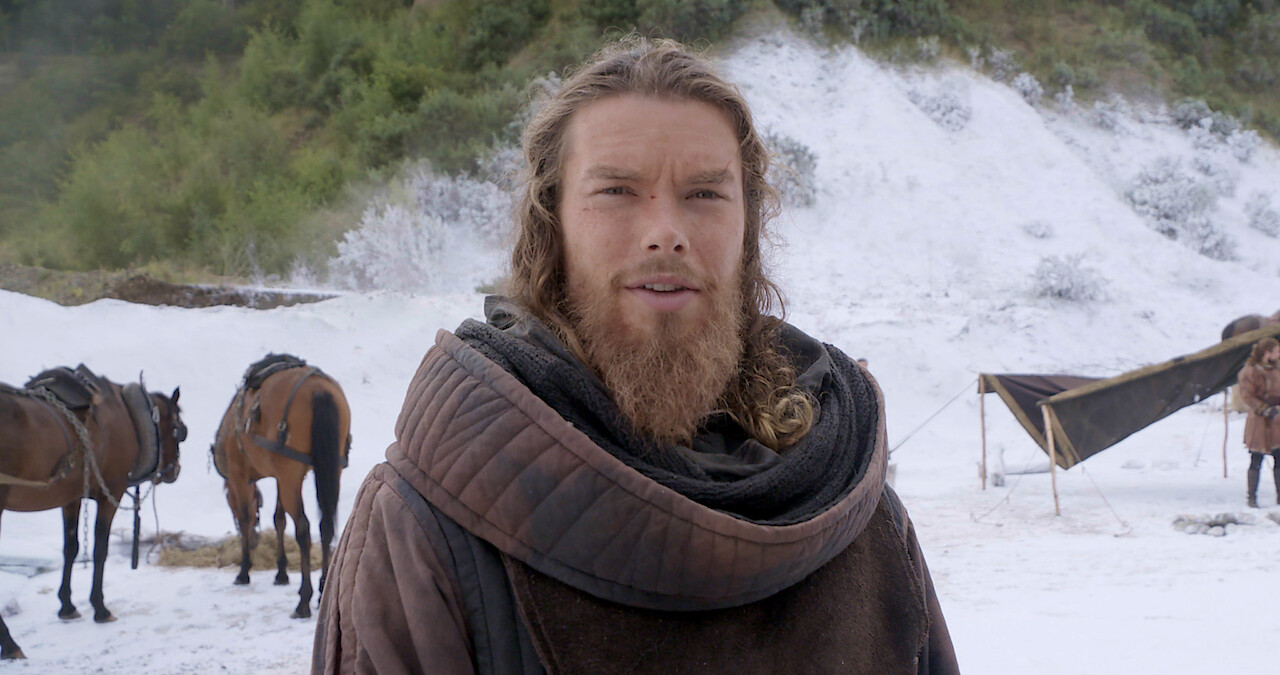
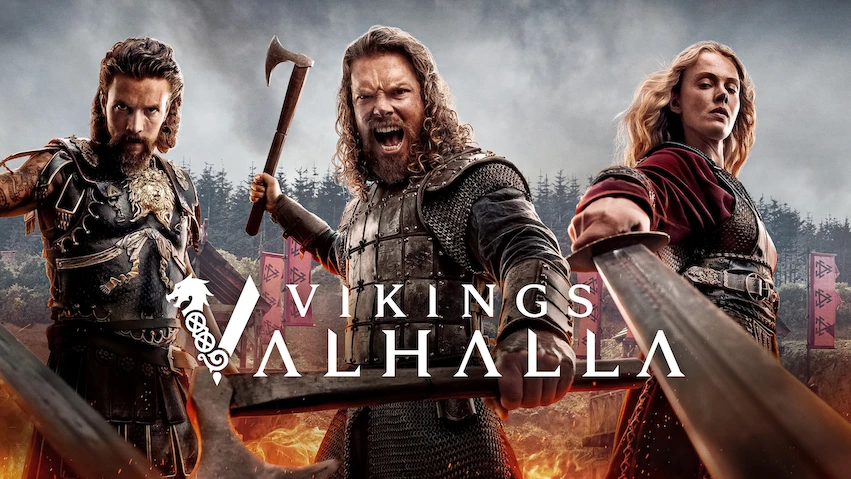
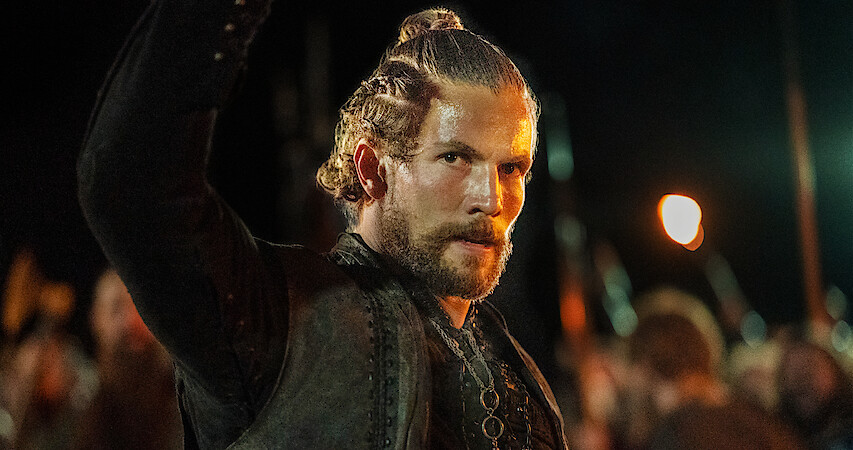
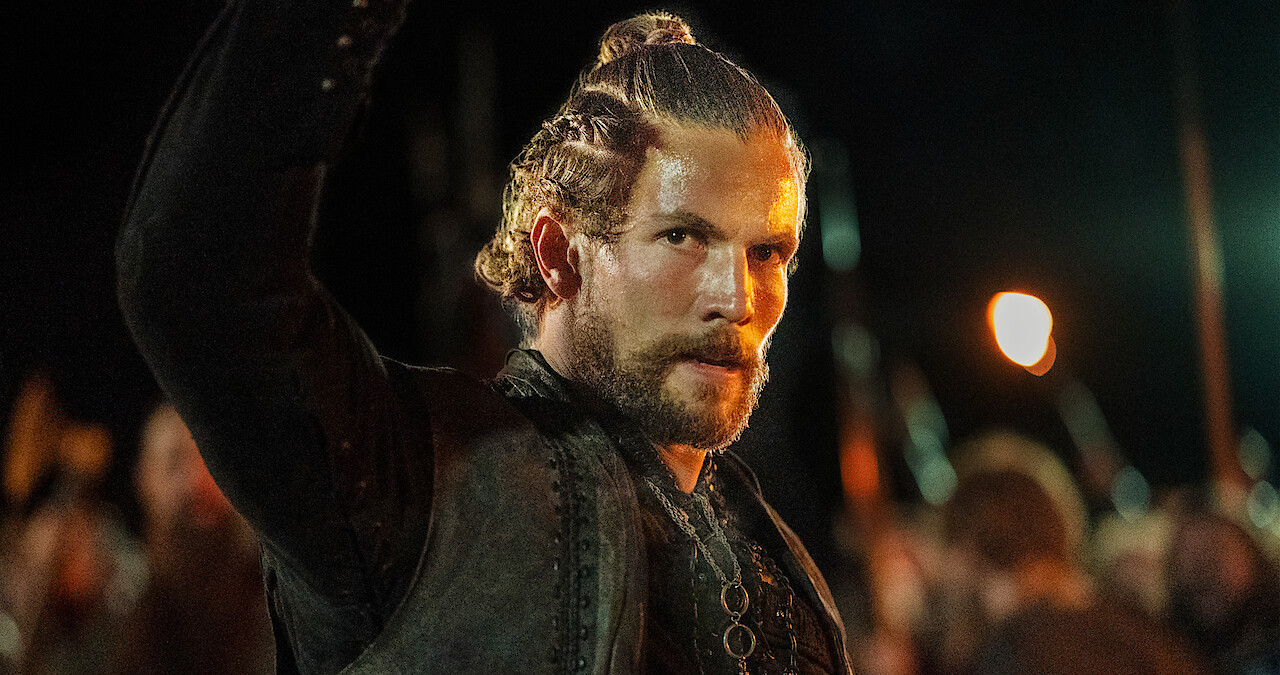
There’s no hair quite like Viking hair. Windswept curls, bristling beards and thick braids are all part of the Viking aesthetic, carefully cultivated courtesy of television, movies, and maybe an elementary school textbook or two. In the new Netflix series Vikings: Valhalla, the characters’ flowing locks epitomize 11th-century Nordic sex appeal. There’s Danish King Canute (Bradley Freegard) and his two-tone undercut, featuring a dark, slicked-back mohawk-ponytail and gray stubble on the sides. Then there’s Greenlander Leif Eriksson (Sam Corlett), with his tousled, sea-salt-textured curls, and Norwegian King Harald Sigurdsson (Leo Suter), who has a scruffy beard and a man-bun. All the hair is very sweaty and gritty — well-suited to some of the most famous Vikings who ever lived. But it also feels quite modern. If you look at him just right, King Canute could be angling his way into becoming a defining figure of the Viking Age, or he could be loading his farm-share into a 1987 Bronco and ghosting your best friend on Tinder.
In order for us to reconcile the ancient with the modern, follicularly speaking, we had to find an answer to one important question: Just how accurate is the hair in Vikings: Valhalla? As it turns out, it’s complicated. Part of the reason some of the show’s hairstyles have wisps of modernity about them is that they are a contemporary interpretation of a historical era that only has a limited amount of aesthetic information and imagery available. And what is known about that time is that, just like those wide-ranging Viking explorers, the hair was kind of all over the place.
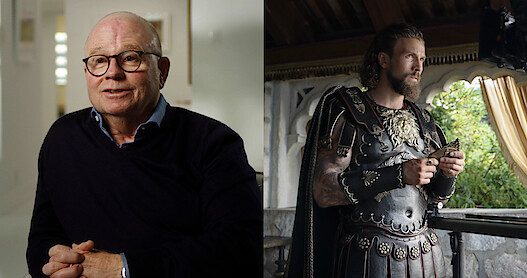
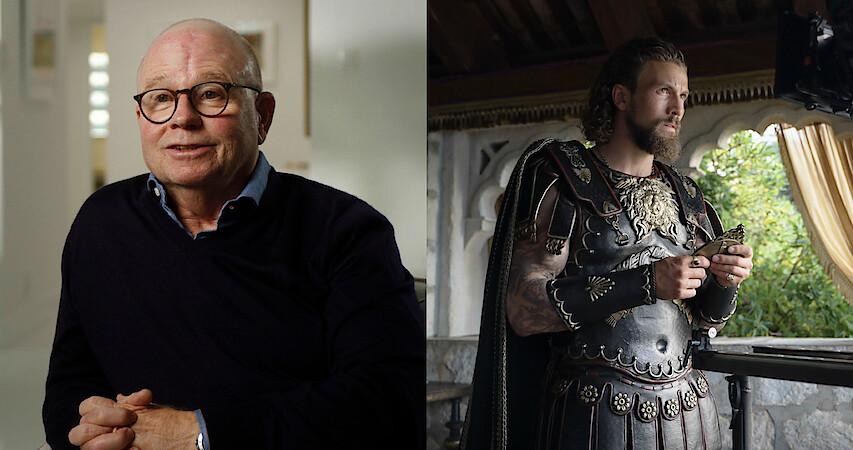
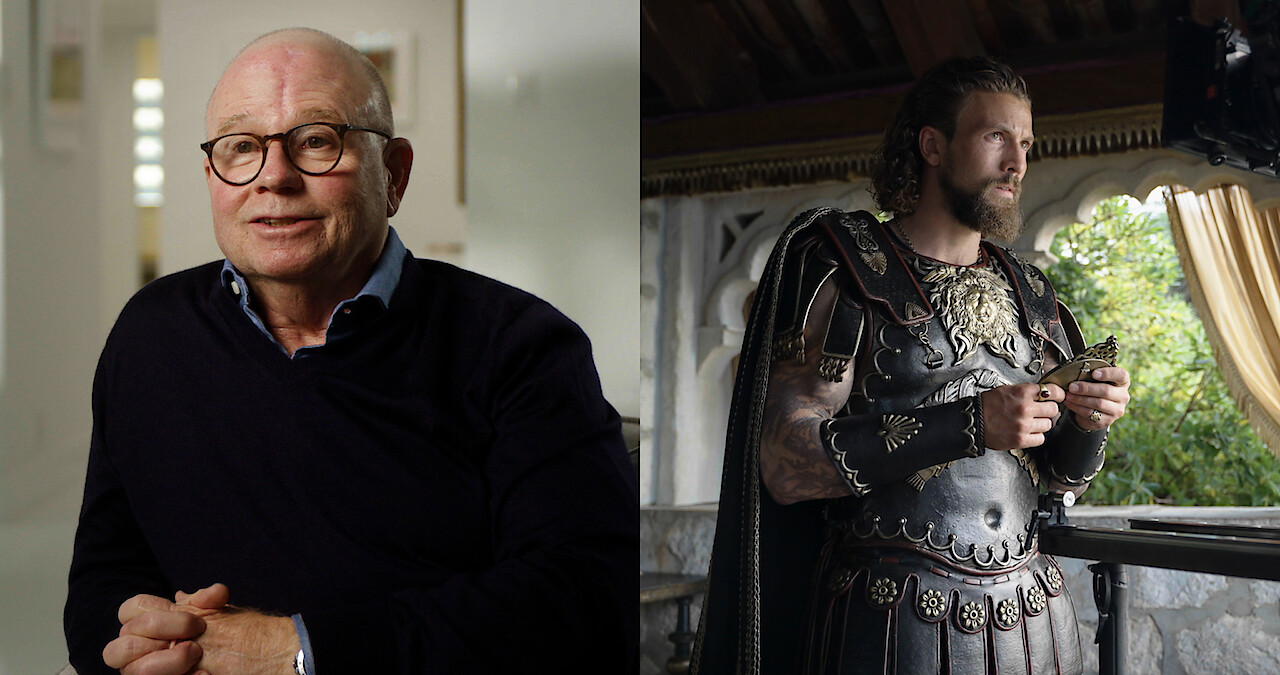
“The Vikings didn’t keep a lot of records,” Dee Corcoran, the Vikings: Valhalla hair designer, tells Tudum. “We valued what few references we could find from museum artifacts and other archaeological finds. Interestingly, many research clues came not from the records the Vikings themselves left behind but from the descriptions and illustrations of the countries and regions the Vikings raided and invaded.”
Having your worst enemies be the people whose descriptions of your hairstyle go down in history is not ideal, though, and has led historians to acknowledge that what we now think of as the Viking aesthetic may be the result of some very unreliable narrators — or hair-ators, if you will.
Neil Price, a professor of archaeology at Sweden’s Uppsala University, echoes Corcoran, saying that, of the little we do know about Vikings style and aesthetics (compared to what we know about, say, England’s Tudor era), there’s simply not much evidence available.
“Most of the styles in [Vikings: Valhalla], and in the original Vikings series, are invented,” Price tells Tudum. “Not necessarily wrong — and obviously the Vikings changed their haircuts like anyone else — but there is very little evidence for any of this.”
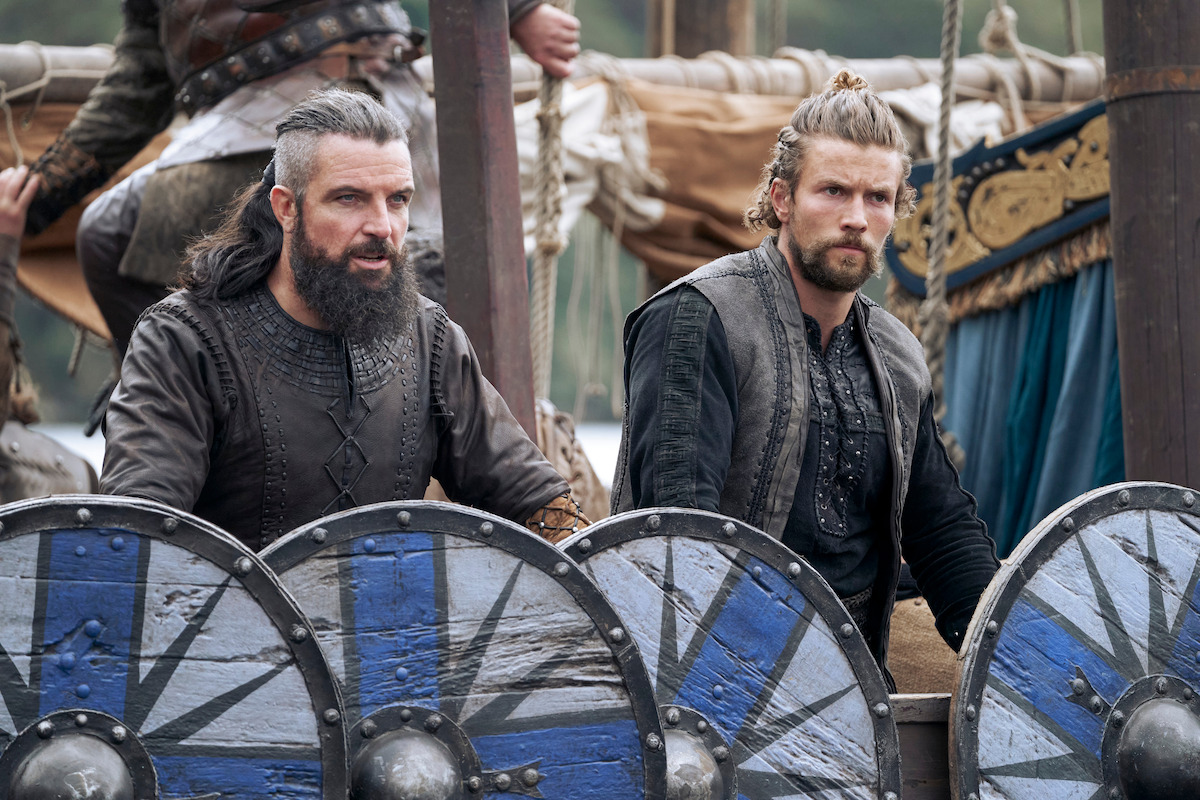
Price went on to explain that, despite our assumptions about untamed tresses (and the hunky historical fiction characters who sported them), Vikings most likely kept their hair quite neat. “The image of Vikings as looking like members of a metal band is a mostly modern one,” he says. “Some have a neat roll of hair at the nape of the neck, others have a center parting. Hair mostly seems to be swept back behind the ears, leaving them visible.”
This theory of Viking hair has been corroborated by research that examines the limited period artifacts, concluding that Viking hair ranged from short to long to anywhere in between — including bowl cuts, probably the biggest hair-vibes departure from the macho, Fabio-esque tresses conceivable. (Imagine being beheaded by someone with a bowl cut! Or maybe don’t.)
But Price says that, while Viking hair styles may remain a mystery and perpetually up for debate, there is more clarity on Viking hair care, based on the discovery of centuries-old artifacts. “On archaeological sites,” he explains, “we find lots and lots of combs.”
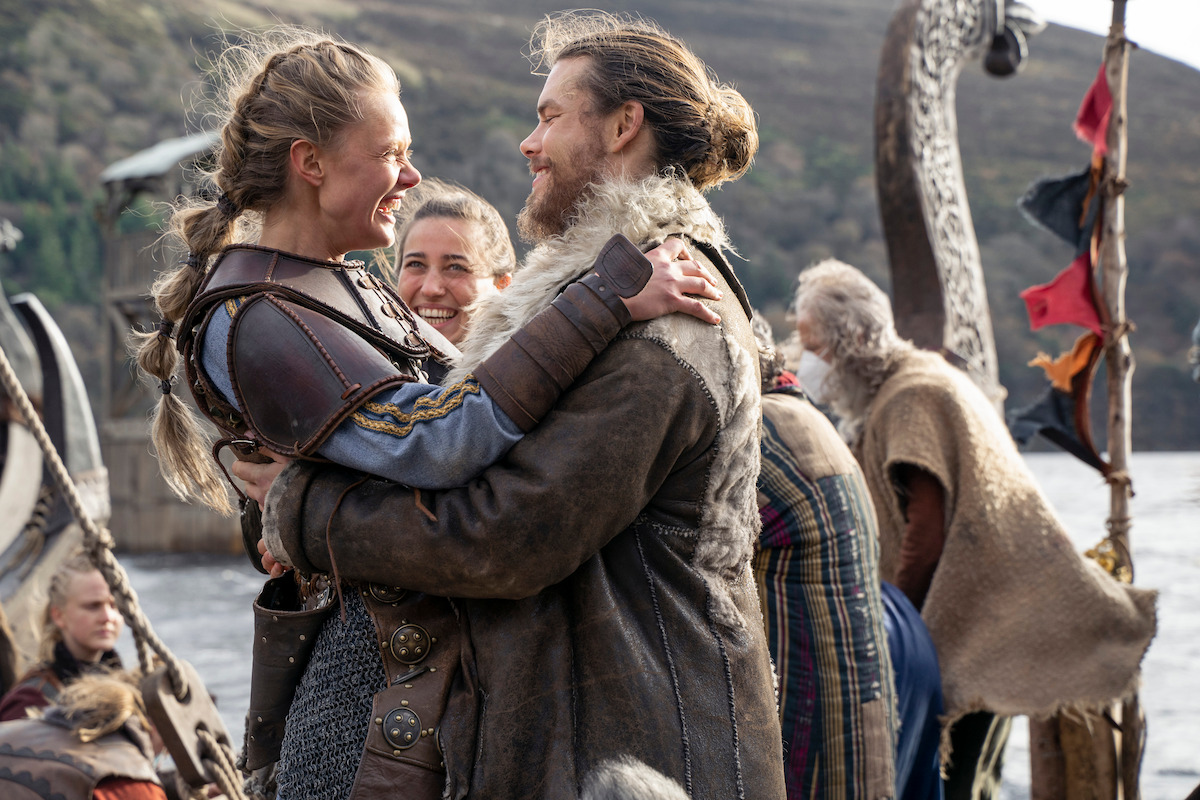
Given that perfect historical accuracy was never going to be fully achievable, Corcoran’s approach to creating looks for Vikings: Valhalla still manages to capture the spirit of the era, of the people who lived then and the actors who embody them in the show.
“Finding the right look is as important for the actor as finding their character’s physicality or vocality,” Corcoran explains. “The collaborative process with the actor, costume and makeup designers is in full flow to ensure we create something that allows the actor to breathe life into their characters and the writers’ words.”
And while perhaps no actual Viking had an undercut-mohawk-ponytail as slick as what viewers see on the series (the IRL Canute didn’t have his own glam squad, after all), Price says all of the looks on Vikings: Valhalla would have been totally doable.
“It would be possible to achieve this close of a cut with a metal razor, that’s not a problem,” Price says. “On the other hand, so far as I know, there is only one written description of a Viking with a shaved head, a man who was a commander in the east: He had close-cropped hair, except for sidelocks and a big red earring.”
Here’s hoping we catch a glimpse of the commander’s shiny Viking dome in Season 2.